
Mississippi Governor Signs Civil Forfeiture Reform
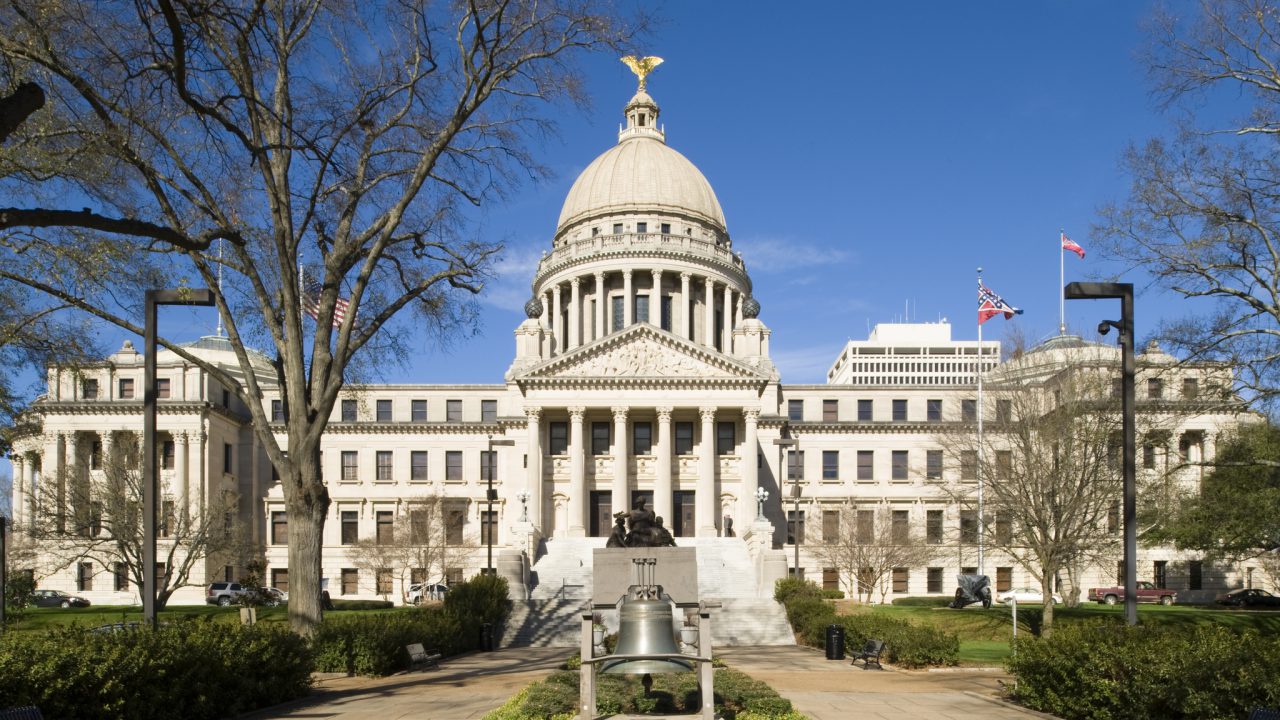
Mississippi Gov. Phil Bryant signed a bill earlier today that will add new transparency requirements to civil forfeiture, which allows law enforcement to confiscate property without filing criminal charges.
“Today’s signature is a welcome first step to shining a light on civil forfeiture in Mississippi,” said Institute for Justice Legislative Counsel Lee McGrath. “HB 812 will hopefully inform the public about how often law enforcement seizes and forfeits property.”
Under the bill, HB 812, whenever a law enforcement agency seizes property, it must provide a description of the property and its value, as well as the name of the seizing agency, and copies of any petition that contest the forfeiture. That information will then be posted on a public searchable website, which would be created and maintained by the Mississippi Bureau of Narcotics. Grants would be withheld from noncompliant agencies.
In addition, HB 812 would require agencies to obtain a seizure warrant within 72 hours of seizure and oblige agencies to request prosecuting forfeiture within 30 days of seizure. However, the new law does not require agencies to account for their forfeiture fund spending.
“Mississippi’s failure to account for spending from forfeiture funds is particularly troubling,” said Jennifer McDonald, an IJ research analyst. “With forfeiture, law enforcement agencies can keep some or all of the proceeds from the property they take. This enables them to generate and spend funds outside the normal appropriations process, which undermines the legislature’s power of the purse. At a bare minimum, agencies should have to publicly report how they spend forfeiture proceeds.”
In January, the Institute for Justice published Forfeiture Transparency & Accountability: State-by-State and Federal Report Cards, which grades all 50 states, the District of Columbia and the U.S. departments of Justice and the Treasury on six basic elements of transparency and accountability in their forfeiture programs. Since Mississippi did not require forfeiture reporting before HB 812, it earned failing grades across the board.
Mississippi is just the latest state to take on civil forfeiture. Since 2014, 18 other states and Washington, D.C. have passed reforms, ranging from increased transparency to outright abolishing civil forfeiture.
More on Private Property

Private Property
Connecticut Couple Demands Clarity After Town Threatens to Ban Them From Allowing Hikers on Their Property

Private Property
Support Pours in for Ranchers’ Supreme Court Battle with Pipeline Company Wielding Eminent Domain Power

Private Property