The Institute for Justice fights to end government abuses of power and defends constitutional rights, empowering Americans to pursue their dreams. To end these abuses, IJ challenges the government at all legal levels, including the U.S. Supreme Court, where it has argued 13 cases spanning property rights, educational choice, economic liberty, and free speech. By winning at the highest court, IJ aims to create broad, positive impacts for all Americans.
13
Cases Litigated at the Supreme Court
7wins in7years
IJ has won a total of 11 cases before the court, with seven wins in the last seven years.
1out of5
IJ's petitions to the Supreme Court are granted at a rate substantially above the national average, on par with the most respected members of the Supreme Court bar.
Recent Supreme Court Case
Recent Cert Petitions Granted
CERT PETITION GRANTED

Jouppi v. Alaska
Alaska Pilot Asks U.S. Supreme Court to Stop State from Taking His $95,000 Airplane for Passenger’s Beer
CERT PETITION GRANTED

Eminent Domain| Private Property
Leonard Hoffmann v. WBI Energy Transmission
Stiffed by a Pipeline Company Wielding Eminent Domain, Plains Ranchers Appeal to U.S. Supreme Court
North Dakota ranchers fought a pipeline company with eminent domain power for the fair value of their land. But an appeals court said the company did not have to pay the ranchers' attorney fees. That places property owners in a Catch-22 when it comes to getting a fair price: accept a low-ball offer for their land or fight for a fair price out of their own pocket.
CERT PETITION GRANTED
Rule of Law| Unjust Proceedings
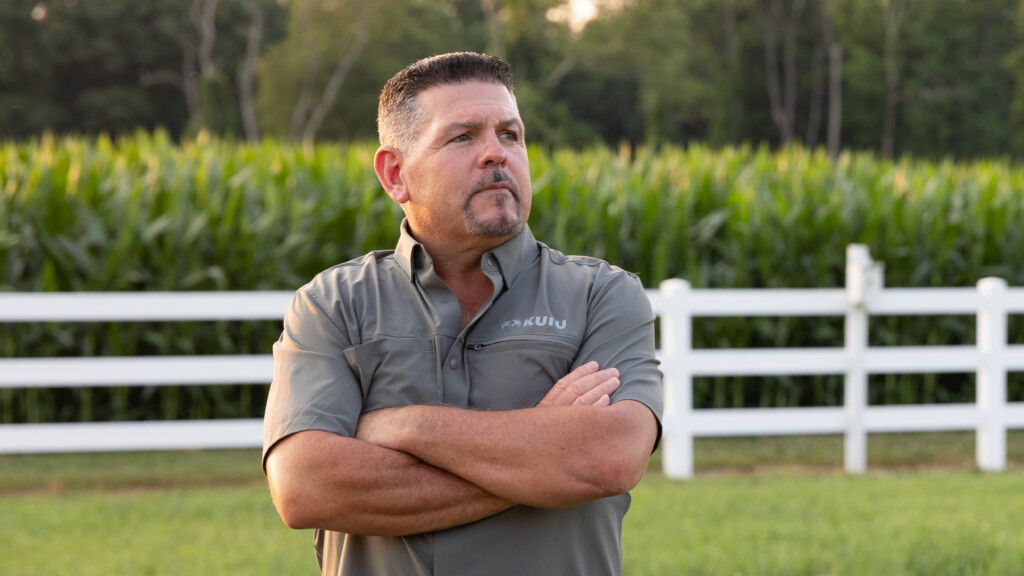
U.S. Department of Labor v. Sun Valley Orchards
Family Farm Facing Ruinous Fines Sues Agency that Acts as Prosecutor, Judge and Jury
Family Farm Facing Ruinous Fines Sues Agency that Acts as Prosecutor, Judge and Jury
Pending Cert Petitions
Impact

Timbs v. Indiana
There Are Limits: IJ Takes Excessive Fines Case to the U.S. Supreme Court
- In the aftermath of IJ’s landmark win in Timbs v. Indiana, the courts of 19 states have expressly acknowledged that their states are bound by the Excessive Fines Clause. While there is still plenty of work to do in developing caselaw under the Clause, the fact that the Excessive Fines Clause applies to the states gives advocates two court systems—state and federal—in which they can raise Excessive Fines Clause claims.
- IJ’s multiple trips to the Indiana Supreme Court in State v. Timbs produced the most rigorous excessive fines clause analysis by any court to date. While other state courts have yet to adopt the reasoning of the Indiana Supreme Court in their own interpretation of the Excessive Fines Clause or their state constitutional counterparts, the opinion will serve as a guide for litigants and courts as the law develops.
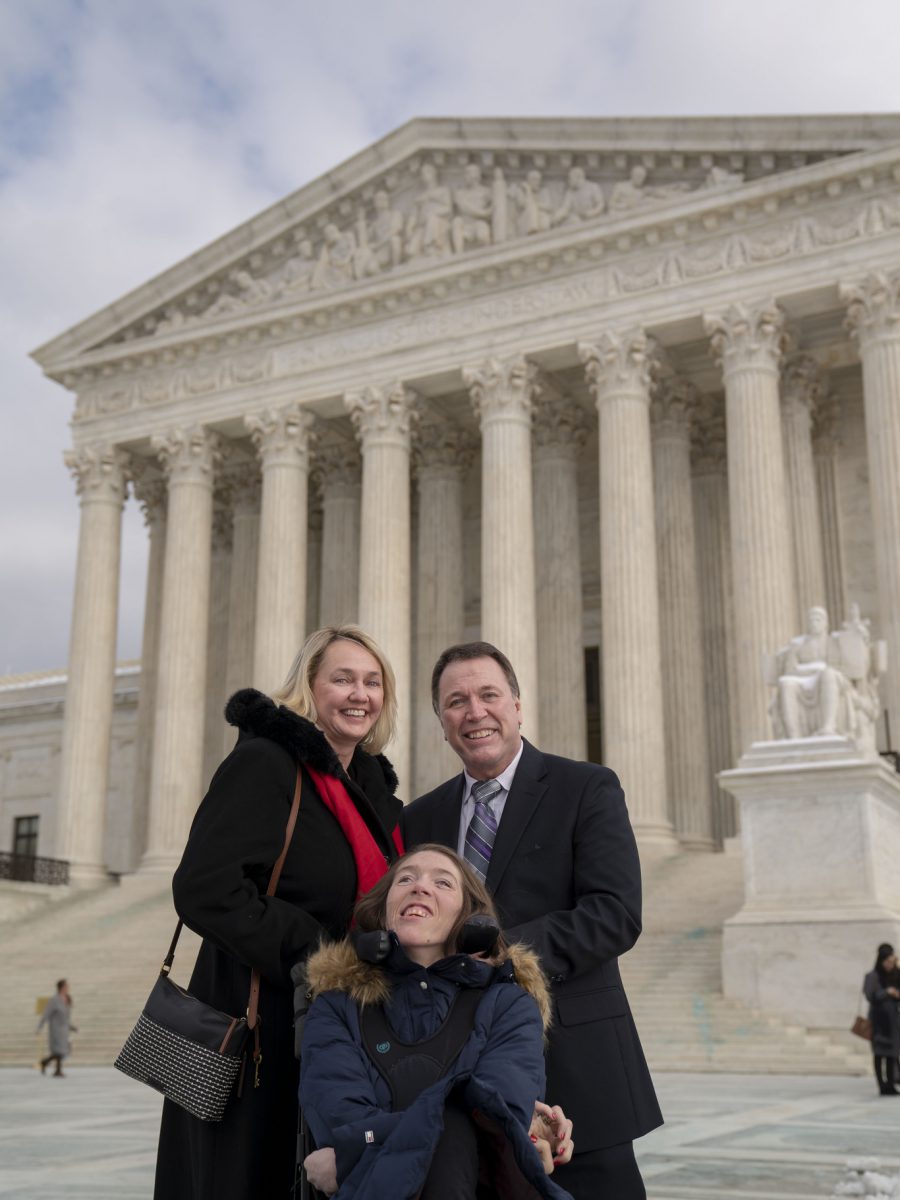
Tennessee Wine and Spirits Retailers Association v. Thomas
Can States Bar Newcomers from Owning a Business?
- Thanks to our win in Tennessee Wine and Spirits Retailers Association v. Thomas, Tennessee no longer requires residency as a condition for a liquor license.
- Since then, six other states have amended their laws to remove their durational residency requirements: Indiana, Kansas, Kentucky, Louisiana, Maryland, and Virginia.
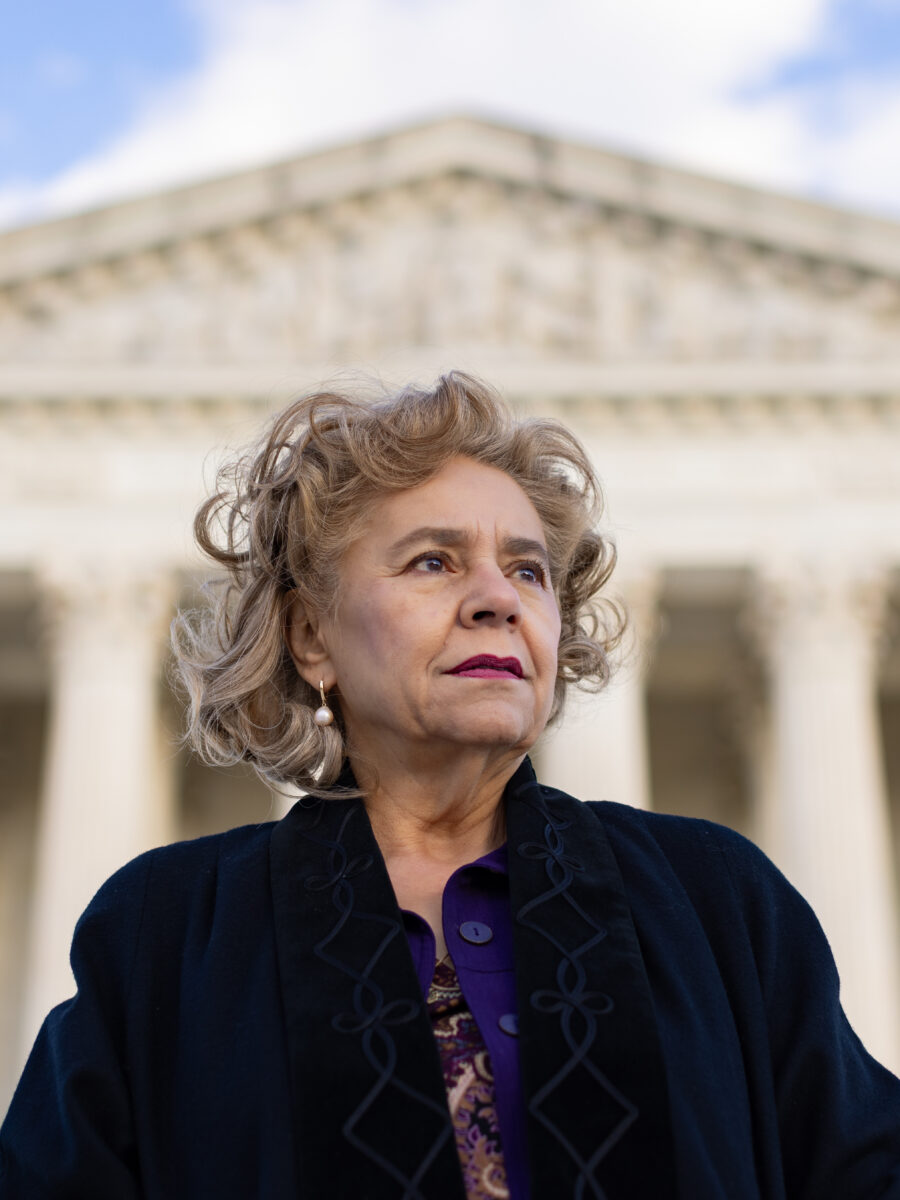
Gonzalez v. Trevino
Texas Woman Fights Back After Local Officials in Castle Hills Have Her Arrested and Jailed For Criticizing City Government
- In the first few weeks of the term following Gonzalez, the Court reversed two bad retaliation decisions in Murphy v. Schmitt and Villarreal v. City of Laredo sending an unmistakable message that First Amendment retaliation cases are easier to bring.
- Since its release, the opinion has been cited over 60 times.
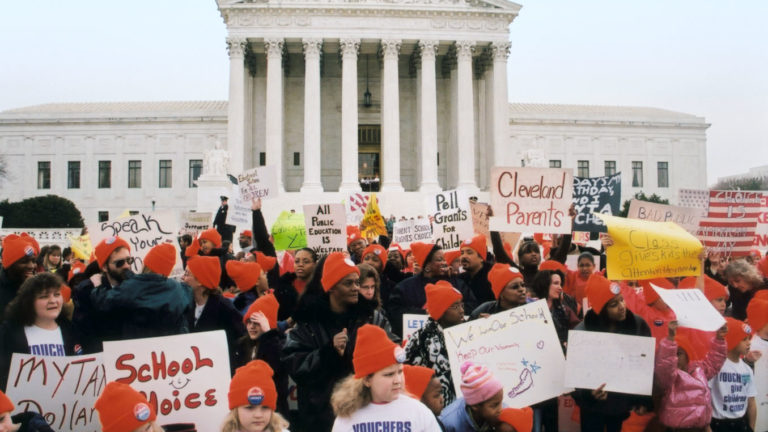
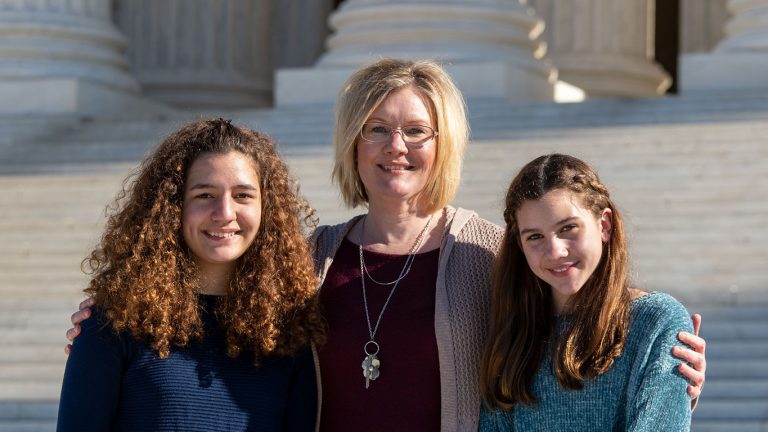
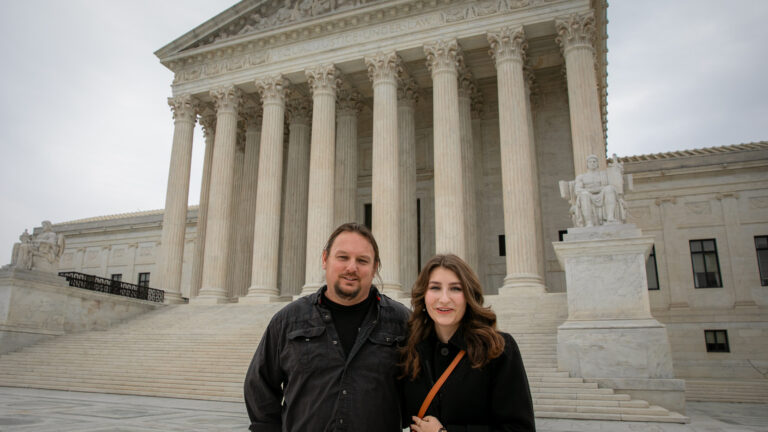
Educational Choice Impact
Fighting to get educational choice for all
For three decades, religion was the main basis on which teachers’ unions and other opponents attacked educational choice programs. They argued that because choice programs offer parents religious, alongside non-religious, options, the programs violated the Establishment Clause of the federal Constitution, as well as the Blaine Amendments found in a majority of state constitutions.
In a trio of victories at the U.S. Supreme Court, IJ roundly defeated this line of attack:
- In 2002’s Zelman v. Simmons-Harris, the Supreme Court held that including religious options in a choice program is perfectly permissibly under the Establishment Clause.
- In 2020’s Espinoza v. Montana, the Court held that the Free Exercise Clause of the U.S. Constitution prevents a state Blaine Amendment from being applied to exclude schools from a choice program simply because of their religious status, or affiliation.
- And in 2022’s Carson v. Makin, the Court held that it likewise violates the Free Exercise Clause for a state to bar a parent’s choice of school because of the religious instruction it provides or the religious activities in which it engages.
With these three victories, IJ established that it is constitutionally permissible to include religious options in educational choice programs, but also that it is constitutionally impermissible to exclude them.
Our Supreme Court Cases

Rule of Law | Unjust Proceedings
Family Farm Facing Ruinous Fines Sues Agency that Acts as Prosecutor, Judge and Jury
Family Farm Facing Ruinous Fines Sues Agency that Acts as Prosecutor, Judge and Jury…
Immunity and Accountability | Rule of Law
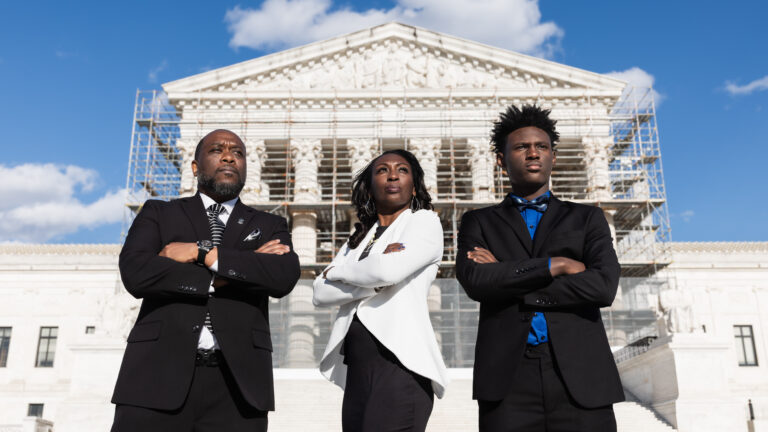
The FBI Raided the Wrong Home—the Government Refuses to Pay for the Damage
FBI agents raided the wrong home in suburban Atlanta. Now the federal government refuses to compensate the victims even though Congress passed a law permitting suits for damages caused by federal employees.
First Amendment | First Amendment Retaliation | Immunity and Accountability
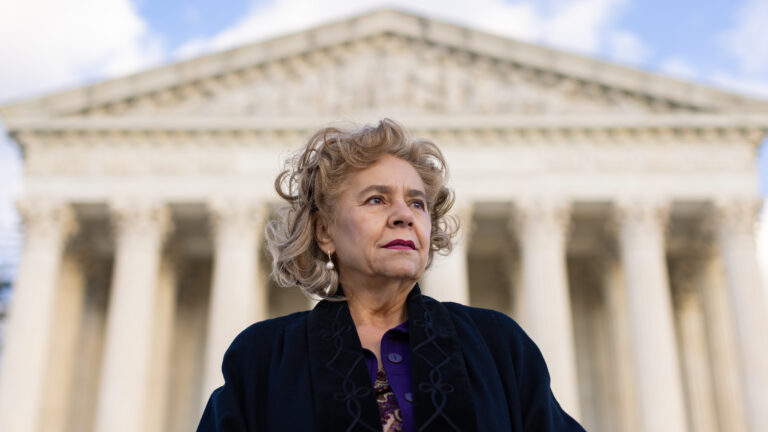
Texas Woman Fights Back After Local Officials in Castle Hills Have Her Arrested and Jailed For Criticizing City Government
After she won her election to city council, Sylvia Gonzalez immediately began getting harassed by city officials whom she had criticized in the past. It got so bad she was even arrested and thrown in…
Immunity and Accountability | Private Property
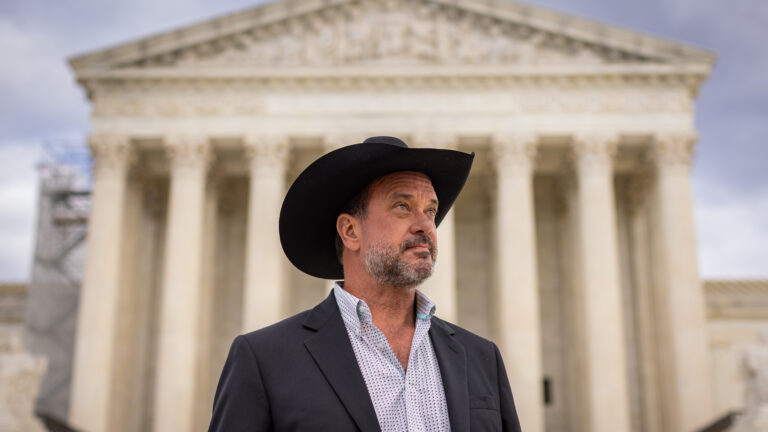
DeVillier v. Texas
The Case Victory! In April 2024, the Supreme Court vacated the Fifth Circuit decision and ruled the DeVillier family can sue Texas for flooding…
Immunity and Accountability | Rule of Law
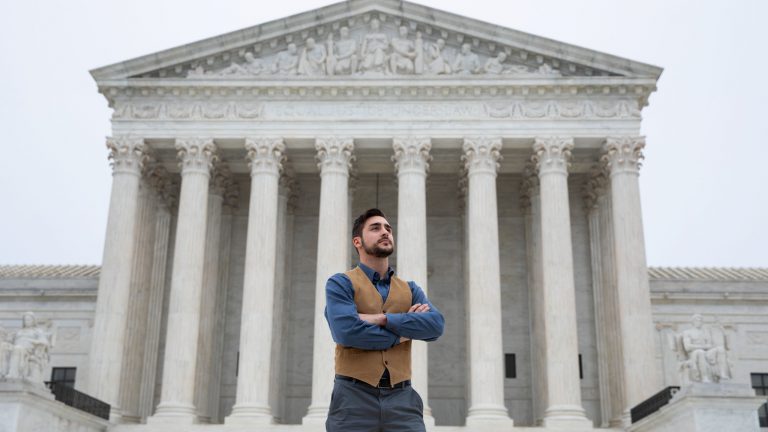
Taking on The Shell Games That Allow Federal/State Task Force Members To Violate Your Rights
After misidentifying him as a non-violent fugitive, police brutally beat James King, choked him unconscious, and then prosecuted him to hide their mistake.
Educational Choice | Publicly Funded Scholarships
Maine Families Fight for School Choice in U.S. Supreme Court Appeal
The Case Victory! In a landmark 6-3 ruling, the U.S. Supreme Court held that school choice programs must be neutral regarding religion and allow…
Educational Choice | Tax Credit Scholarships
Montana Moms Seek to Restore School Choice Program that was Struck Down for Including Religious Options
On June 30, 2020, the U.S. Supreme Court decided one of the most important education reform cases in the past half-century. This landmark case held that the U.S. Constitution does not allow states to discriminate…
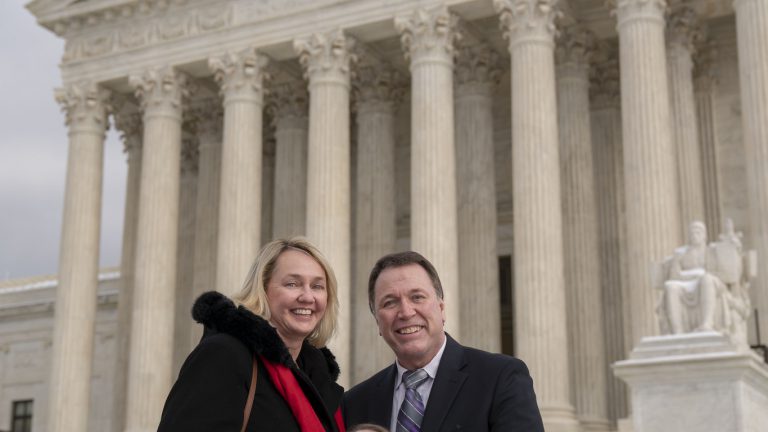
Can States Bar Newcomers from Owning a Business?
A Tennessee law required that in order to open a liquor store, one must be a Tennessee resident for two years. With help from IJ, Doug and Mary Ketchum challenged this law, bringing it all…
Civil Forfeiture | Private Property
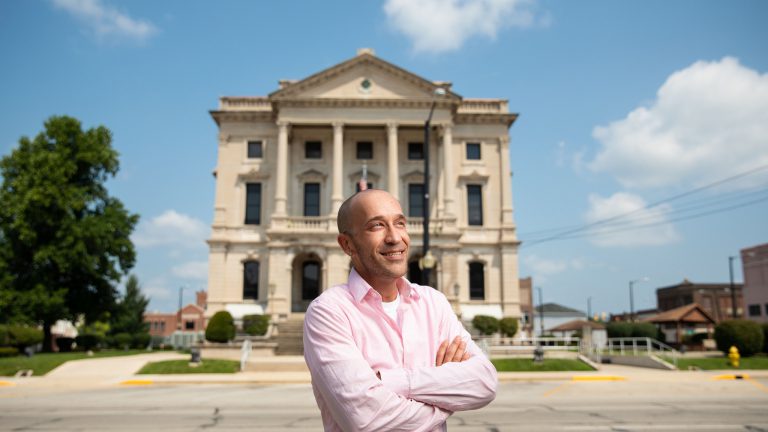
There Are Limits: IJ Takes Excessive Fines Case to the U.S. Supreme Court
The Case Victory! On February 20, 2019 the Supreme Court unanimously ruled that states cannot impose excessive fines. State and local authorities cannot…
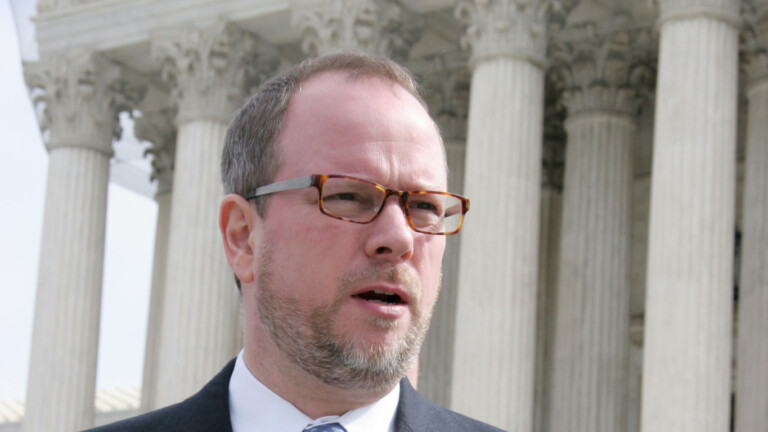
First Amendment | Political Speech
The Dirty Truth about Arizona’s “Clean Elections” Act: U.S. Supreme Court Asked to Strike Down Program that Discourages Free Speech, Puts Thumb on Scales for Government-Funded Political Candidates
The Case In 2008, the Institute for Justice and the Goldwater Institute teamed up to challenge Arizona’s punitive system of funding campaigns with taxpayer money. The consolidated challenges to the “matching funds” provision of…
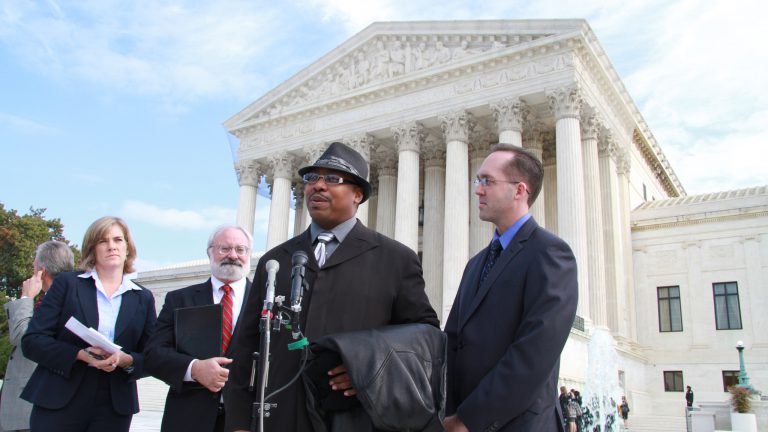
Educational Choice | Tax Credit Scholarships
U.S. Supreme Court Dismisses Legal Challenge to Arizona School Choice Program
The Case In 1997, Arizona adopted the nation’s first statewide scholarship credit program. The program allowed individuals who donate to School Tuition Organizations (STOs) to take a dollar-for-dollar tax credit against their state income…
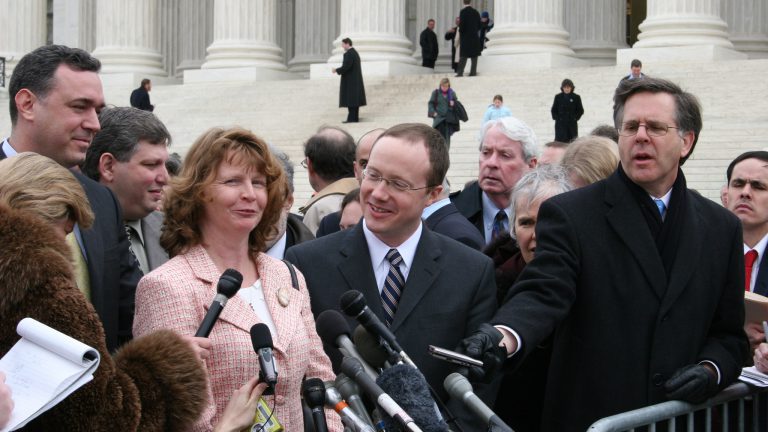
Eminent Domain | Private Property
Eminent Domain Without Limits?: U.S. Supreme Court Asked to Curb Nationwide Abuses
The Case Susette Kelo dreamed of owning a home that looked out over the water. She purchased and lovingly restored her little pink house where the Thames River meets the Long Island Sound…
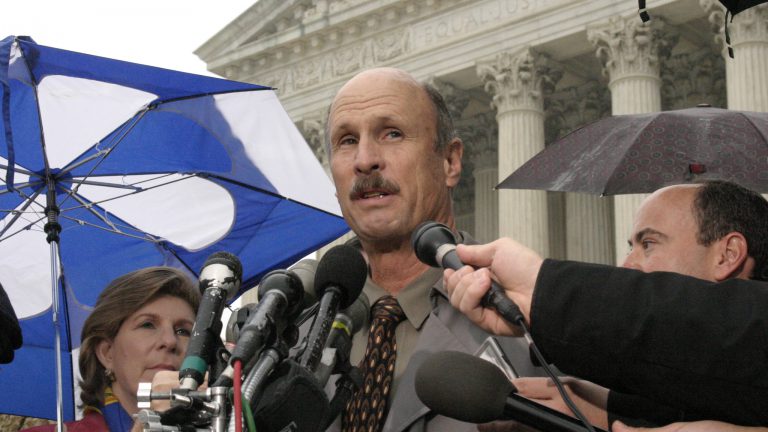
Economic Liberty | Food Freedom | Wine
Uncorking Freedom: Challenging Protectionist Restraints on Direct Interstate Wine Shipments to Consumers
The Case Juanita Swedenburg, Virginia vintner and member of the Daughters of the American Revolution, successfully waged the nation’s leading legal battle to reestablish the American ideals of unfettered interstate commerce, especially on the…
Educational Choice | Publicly Funded Scholarships
U.S. Supreme Court issued its most important educational decision since Brown v. Board of Education
The Case On June 27, 2002, the U.S. Supreme Court upheld the constitutionality of Cleveland’s school choice program in the most important education decision since Brown v. Board of Education. The court’s ruling in…