Rule of Law
Alaska Pilot Asks U.S. Supreme Court to Stop State from Taking His $95,000 Airplane for Passenger’s Beer

- Case Name
- Jouppi v. Alaska
- Issue Areas
- Status
- Active Cases
- Location
- Alaska
- Date Filed
- September 2, 2025
The Case
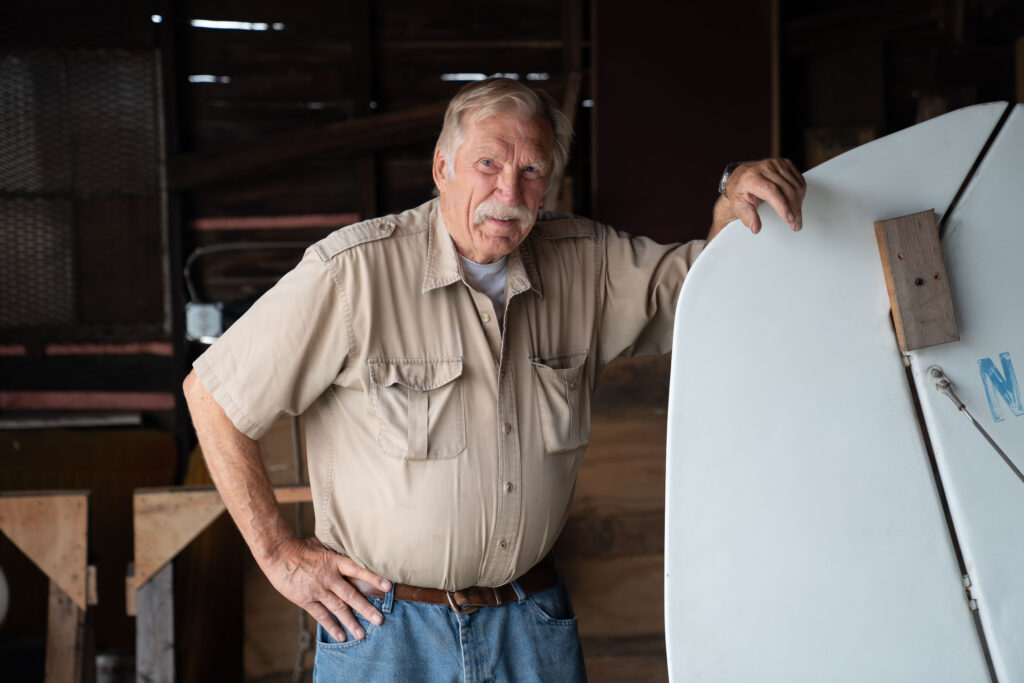
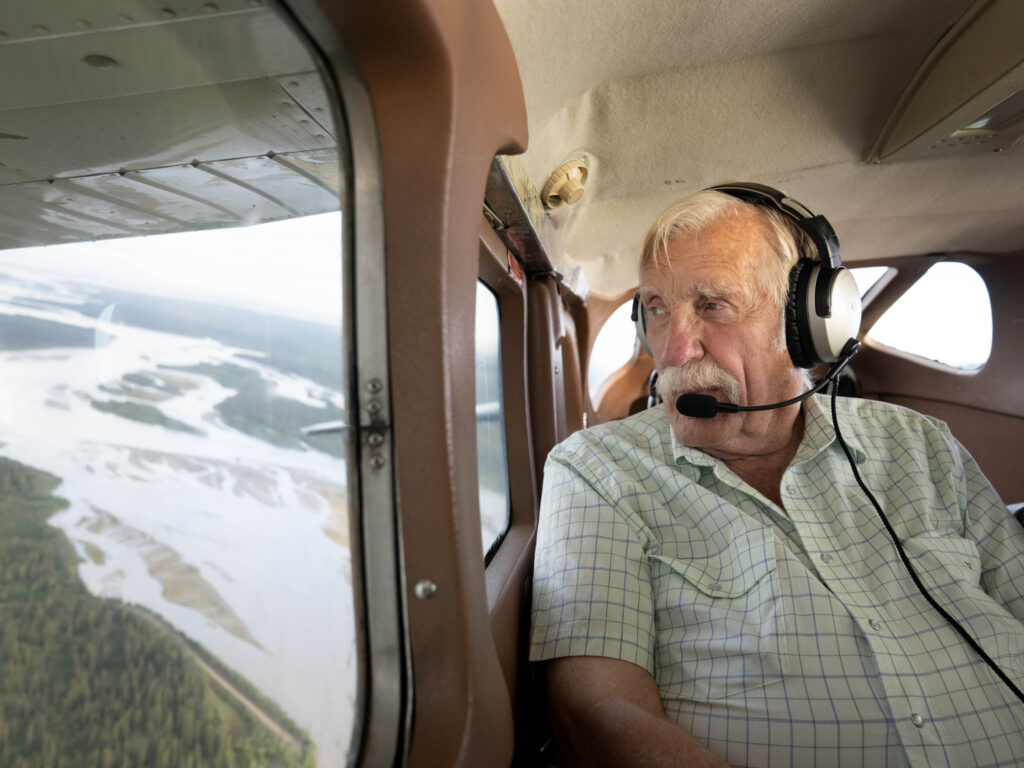
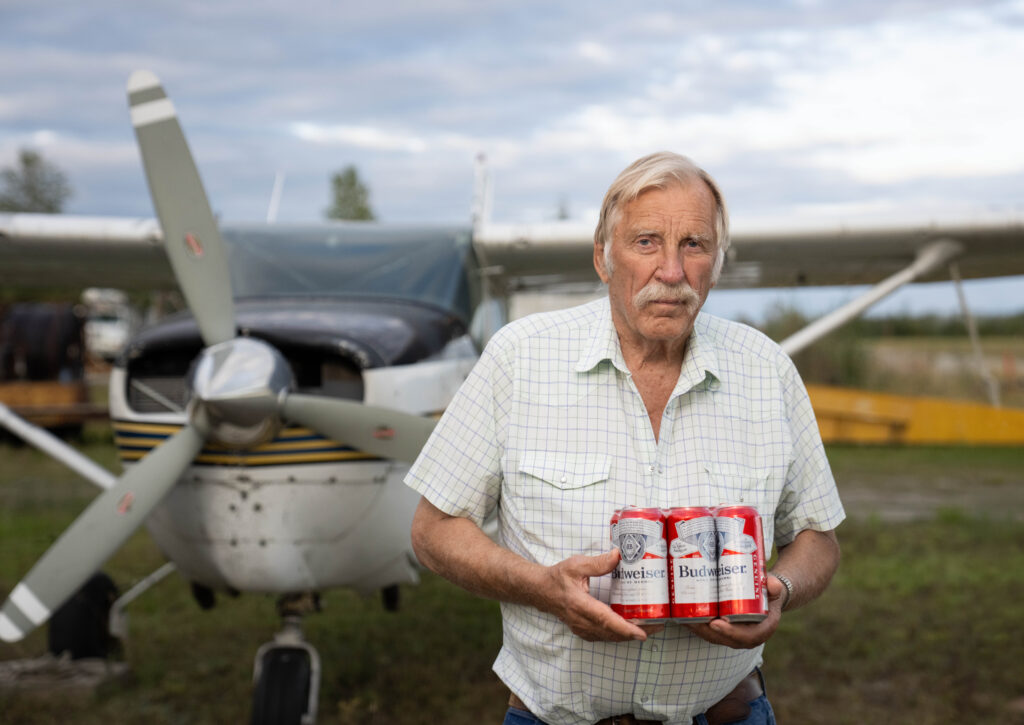
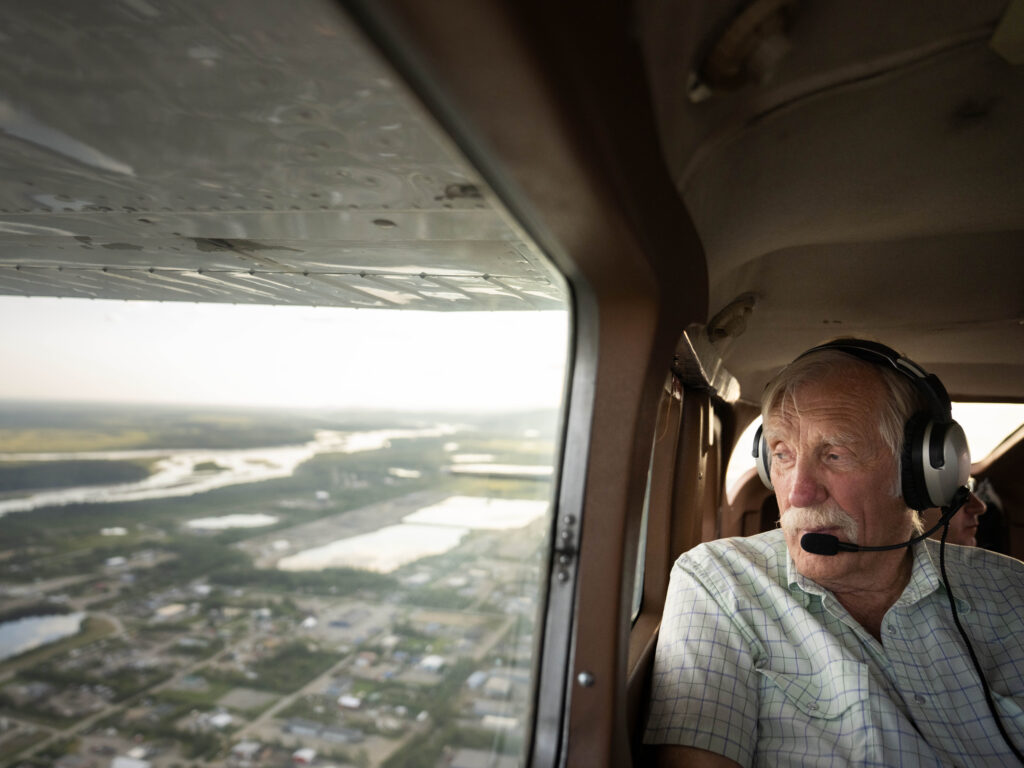
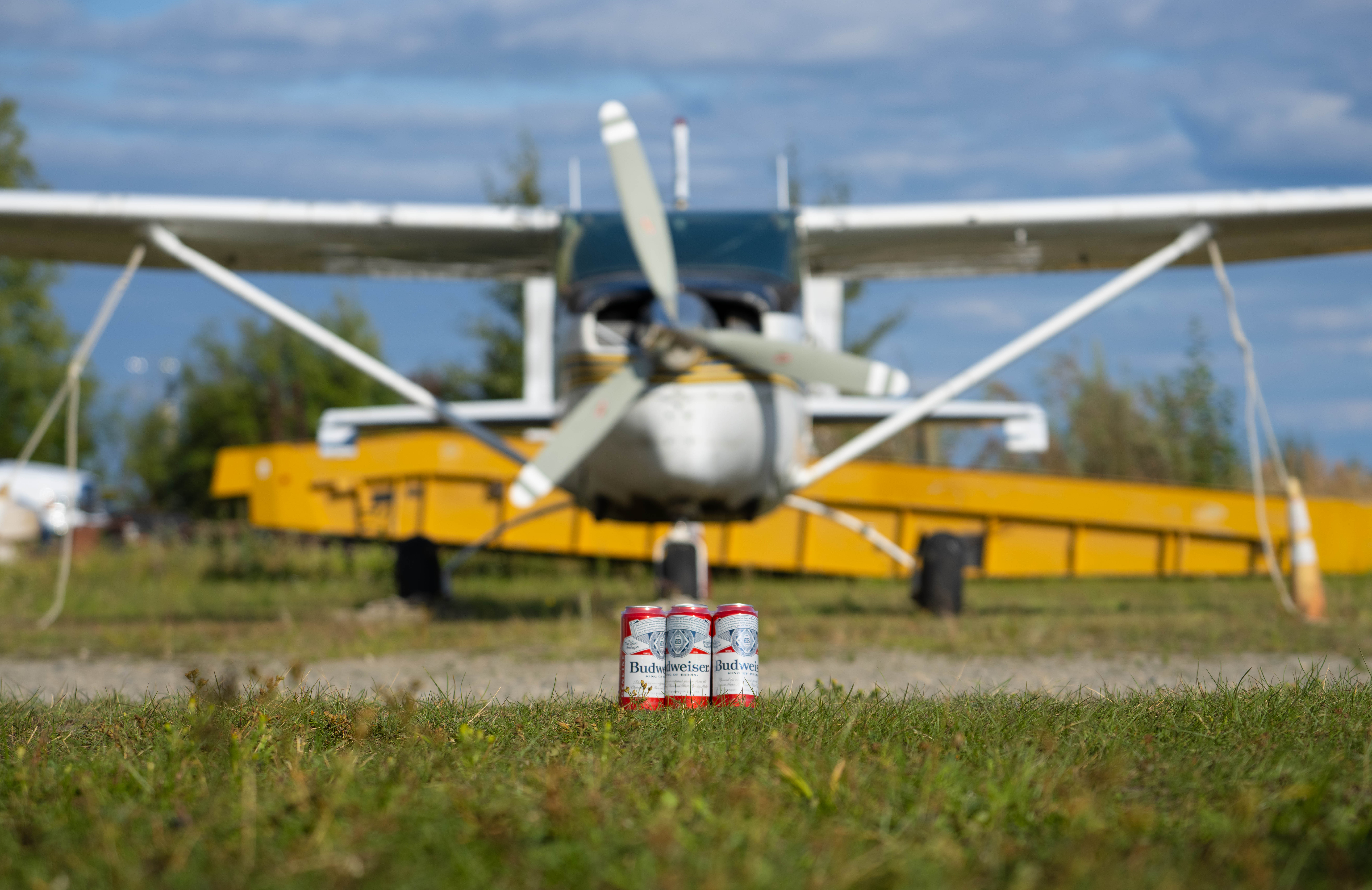
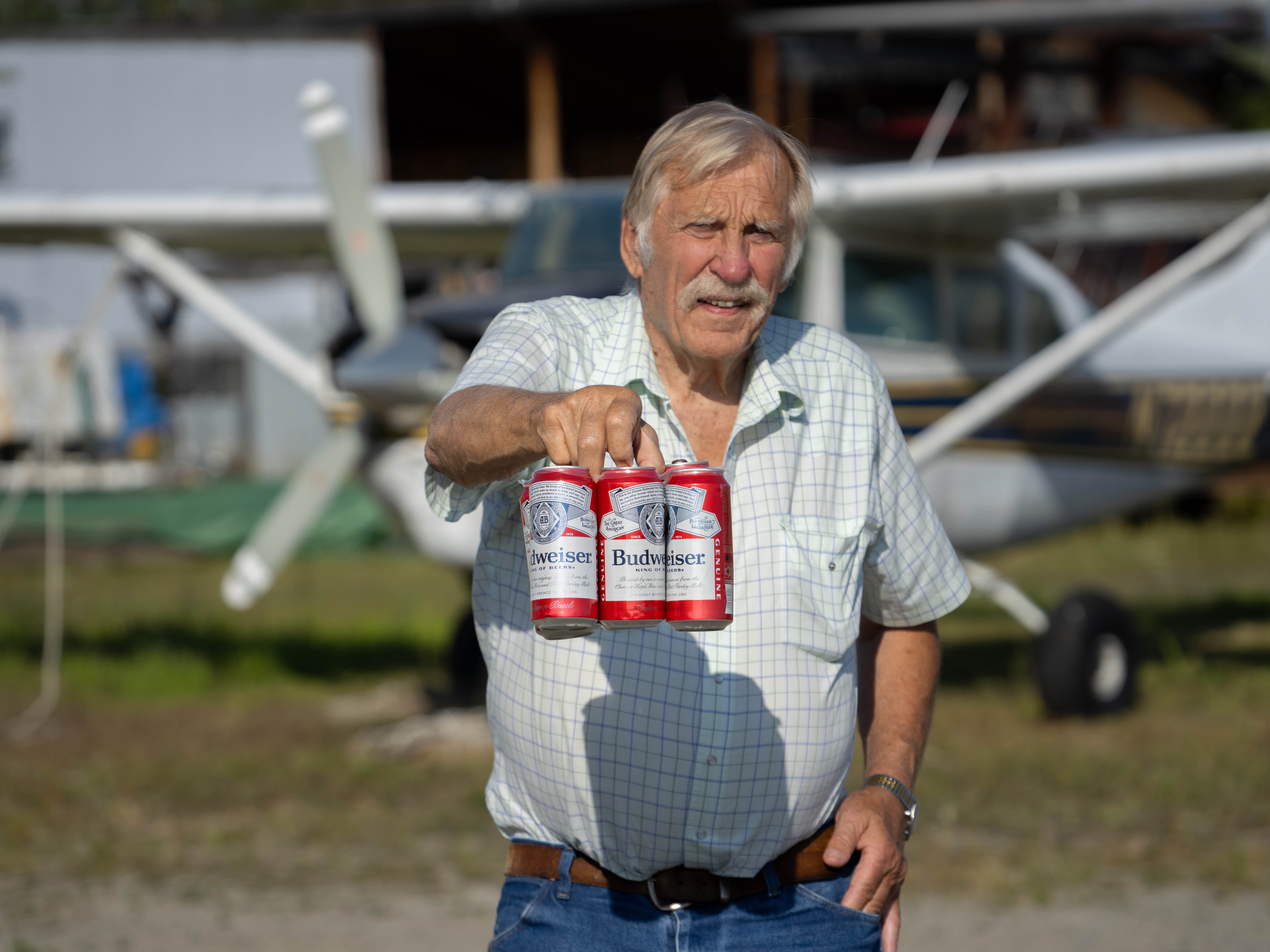
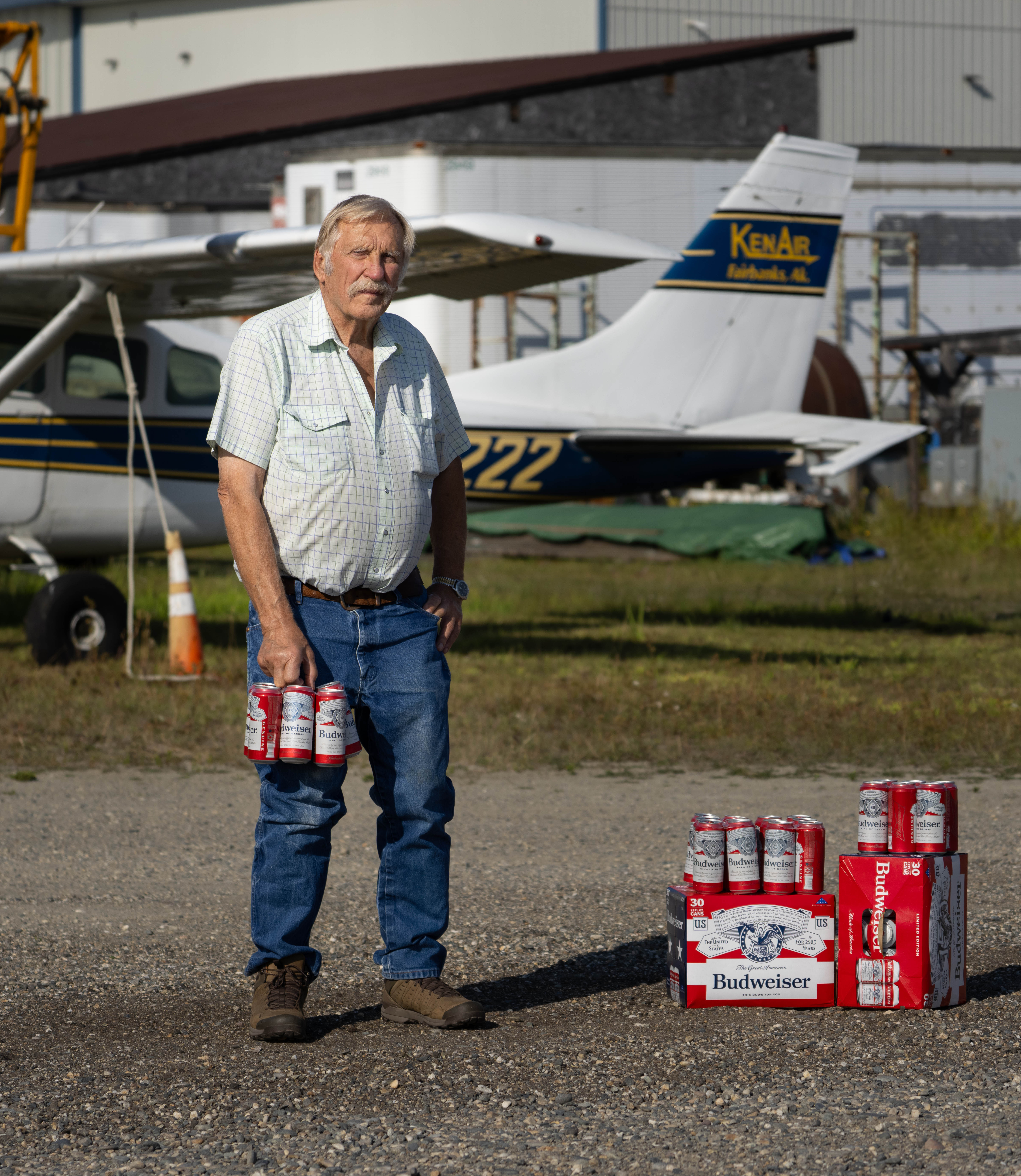
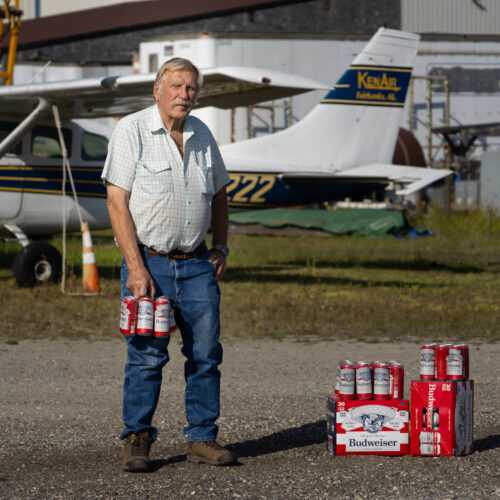
April 3rd, 2012, began like any other day for Ken Jouppi, a longtime bush pilot in Alaska. He was scheduled to fly a passenger and her groceries from Fairbanks to the village of Beaver. Hidden in the passenger’s luggage, though, were two cases of Budweiser, along with four additional six-packs. They were intended as a gift to her husband, who worked in Beaver as the local postmaster.
The beer was illegal to bring to Beaver, which voted to prohibit alcohol in 2004. Before Ken could take off, state troopers searched the plane and discovered the beer. Ken insisted he did not know about the beer. The troopers thought differently. Ken was charged, convicted of a misdemeanor, and sentenced to the statutory minimum: a $1,500 fine and three days in jail.
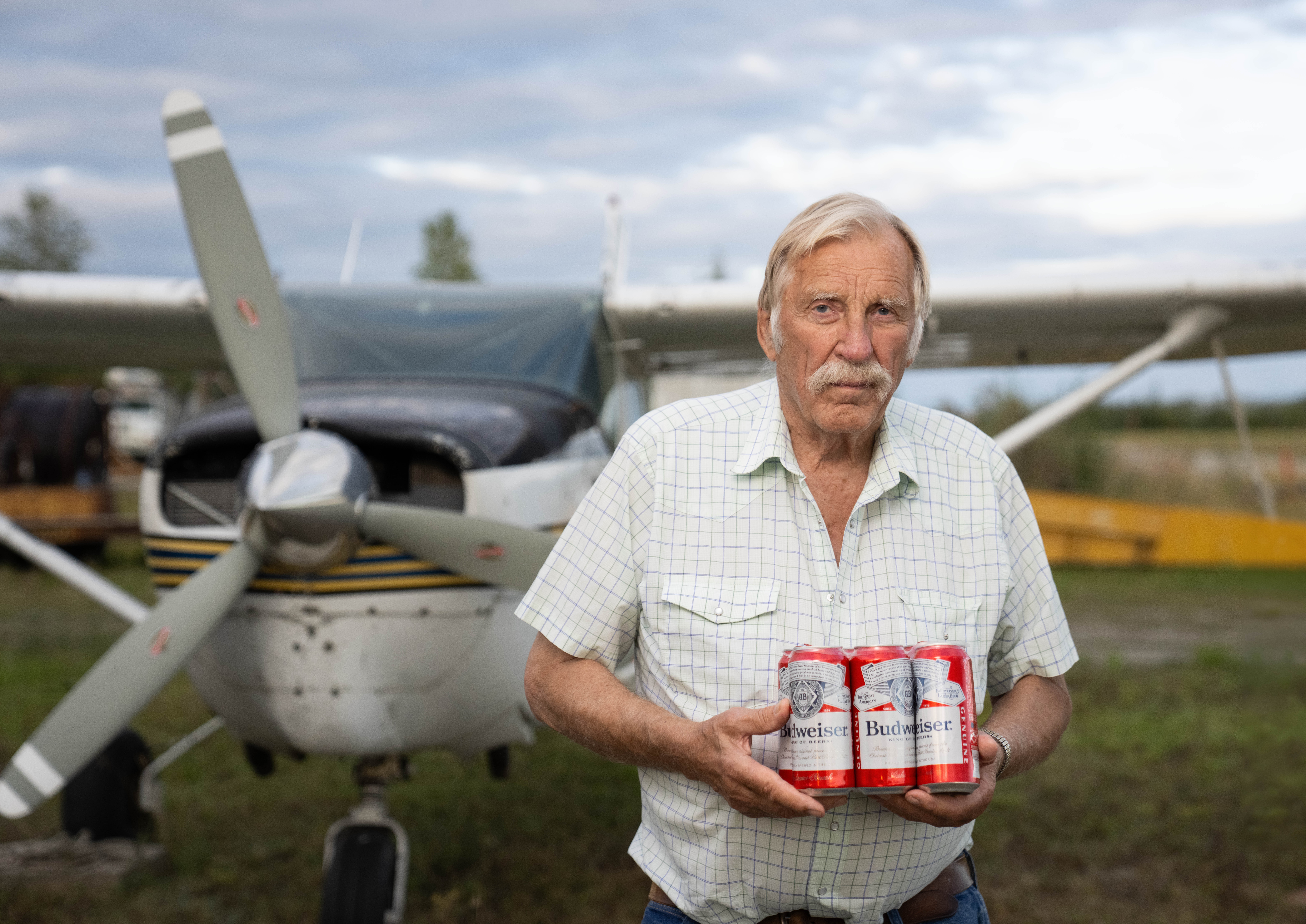
But the State wasn’t done with him yet. For the past fourteen years, prosecutors have also been trying to forfeit Ken’s airplane, a Cessna U206D, worth about $95,000. For his part, Ken maintained that the forfeiture would violate the Excessive Fines Clause of the Eighth Amendment. And in April 2025, the Alaska Supreme Court issued an extraordinary ruling. Starting from the premise that Ken must have known about a single six-pack of his passenger’s beer, the court ruled that forfeiting Ken’s airplane was not an excessive fine. “[T]he illegal importation of even a six-pack of beer causes grave societal harm,” the court reasoned, so forfeiting Ken’s plane “does not violate the Excessive Fines Clause.”
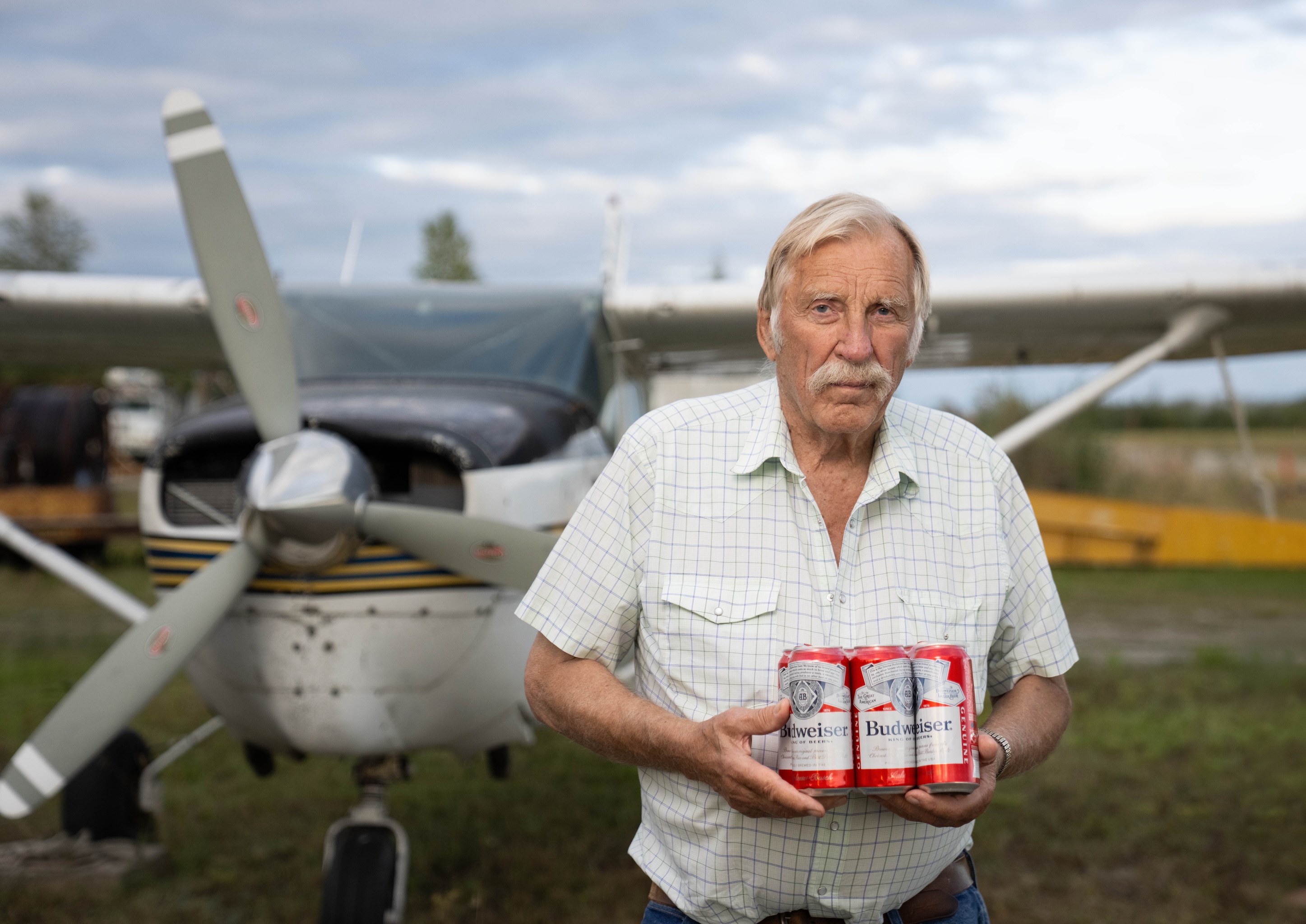
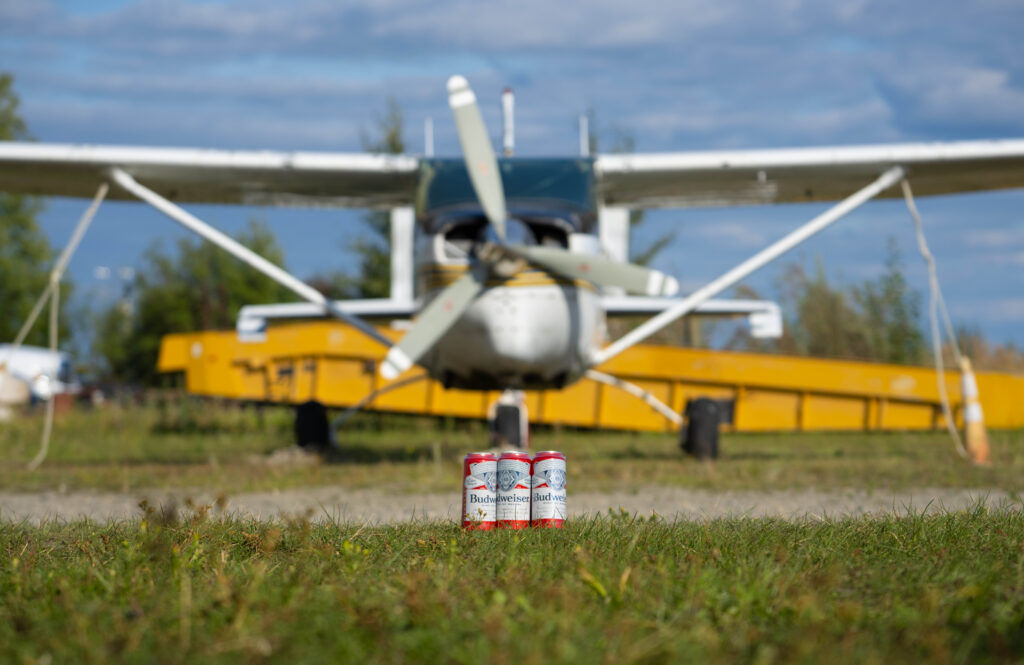
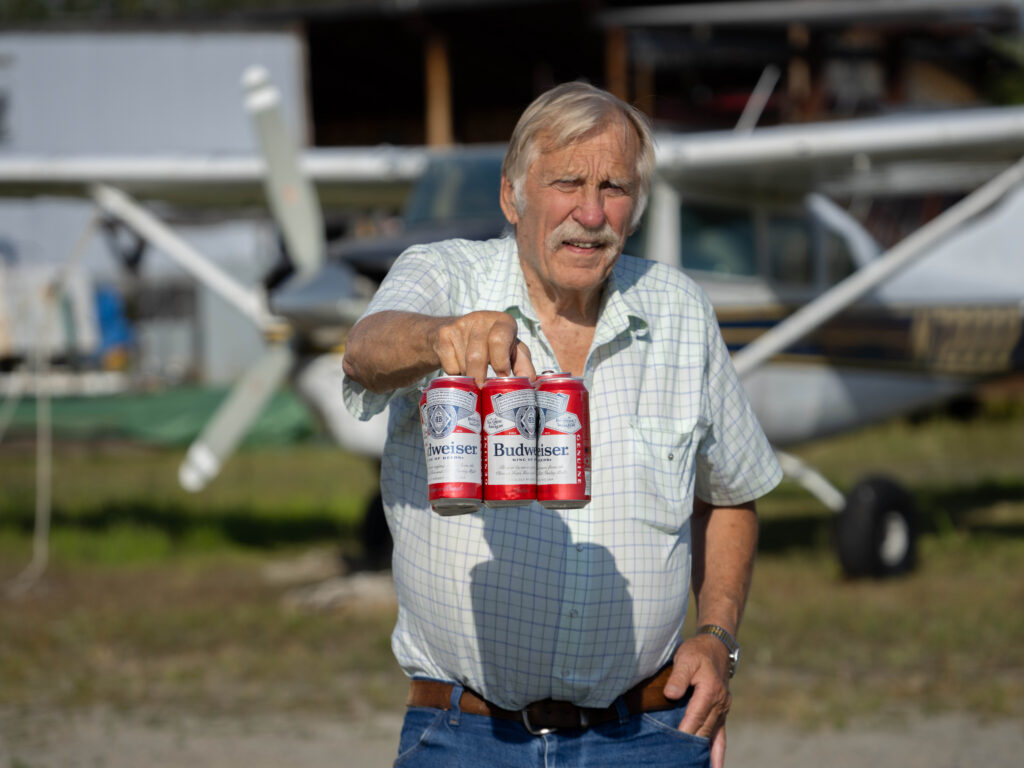
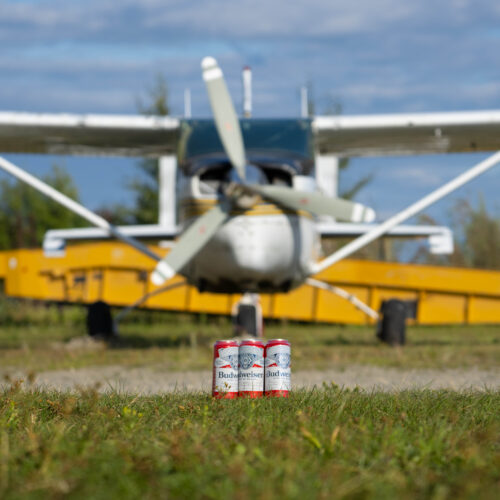
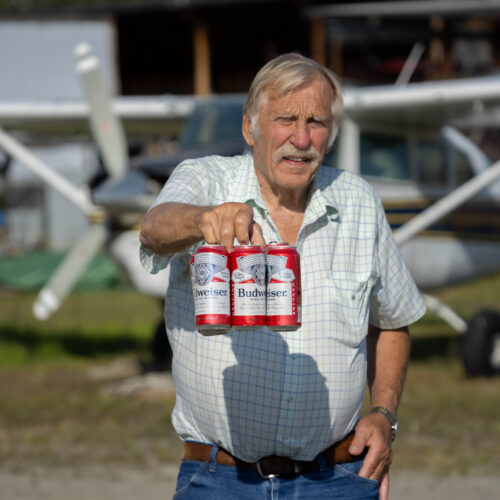
The end result: a $95,000 plane forfeited for a six-pack of Budweiser.
But Ken is not giving up the fight. Instead, he’s partnered with the Institute for Justice to ask the U.S. Supreme Court to step in and give much-needed clarity to what constitutes an unconstitutionally excessive fine. In an era where enforcement agencies (in the Supreme Court’s words) “increasingly depend heavily on fines and fees as a source of general revenue,” it’s critical that the Court invigorate the Bill of Rights’ Excessive Fines Clause in a way that better secures protections for ordinary people nationwide. In July 2026, the Supreme Court agreed to hear Ken’s case. The Court will hear oral argument over the winter of 2026–2027 and will likely issue a decision by July 2027.


Media Resources
Get in touch with the media contact for image resources, press releases, and interview requests.

Media Images


Case Documents
Case Summary
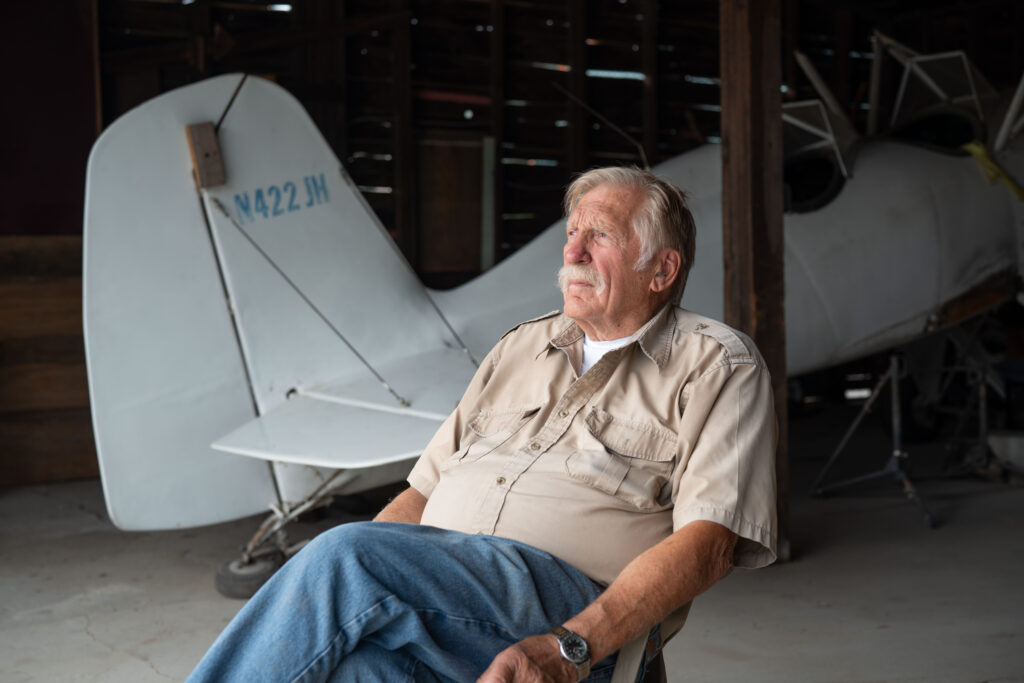
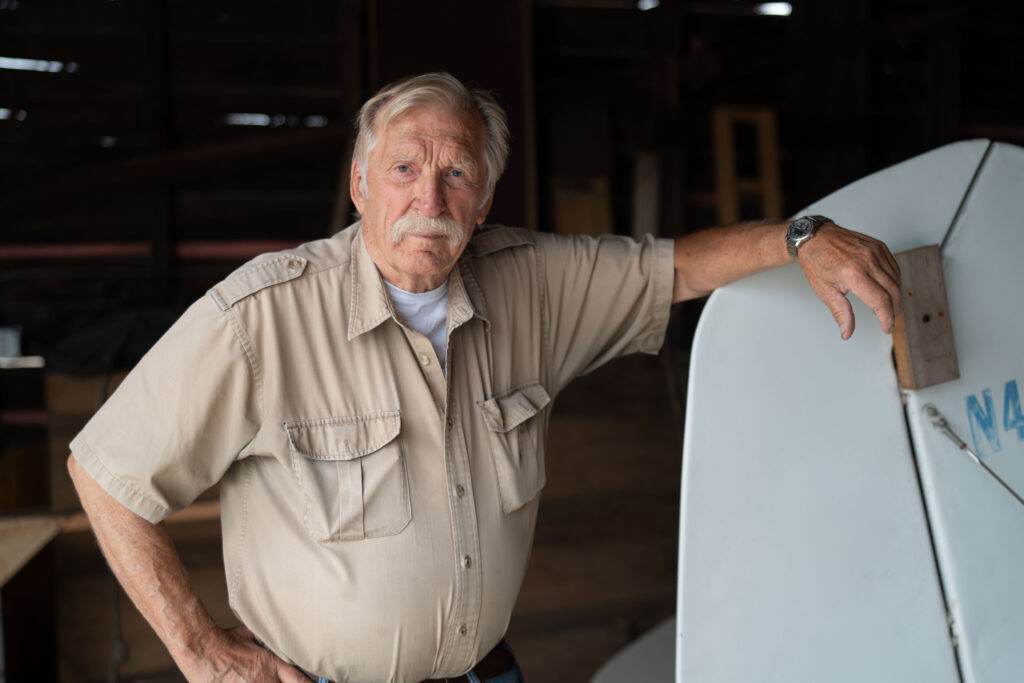
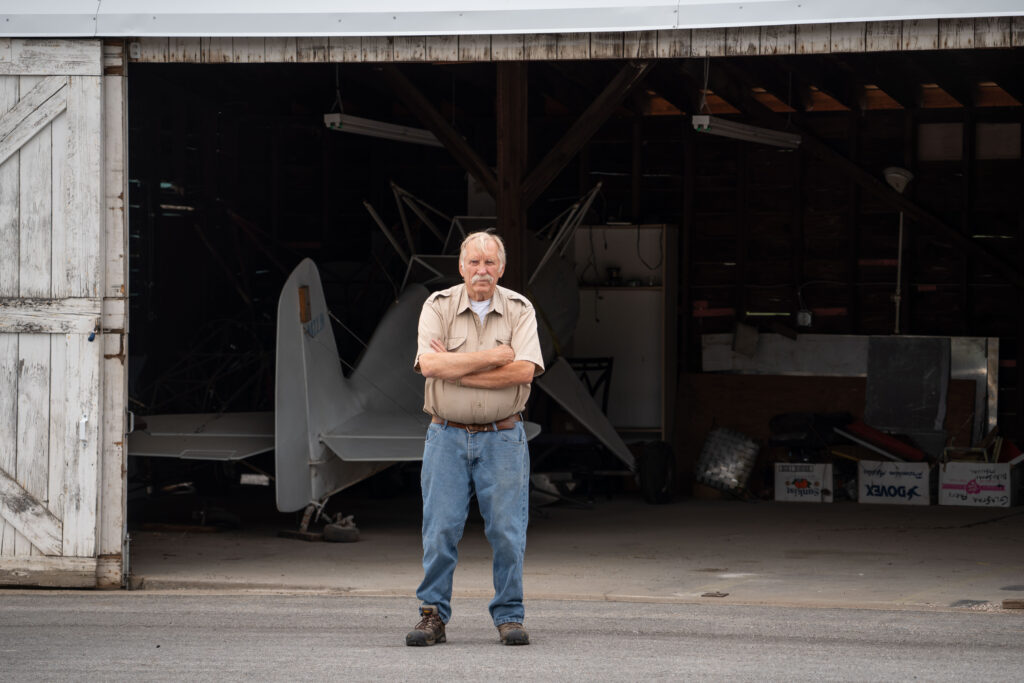
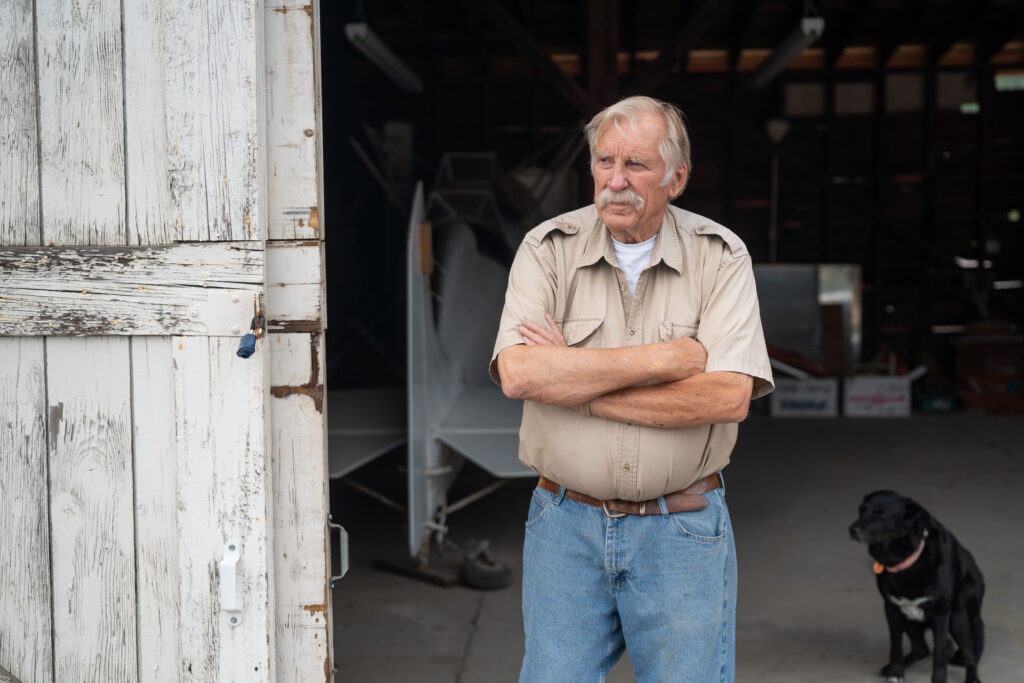
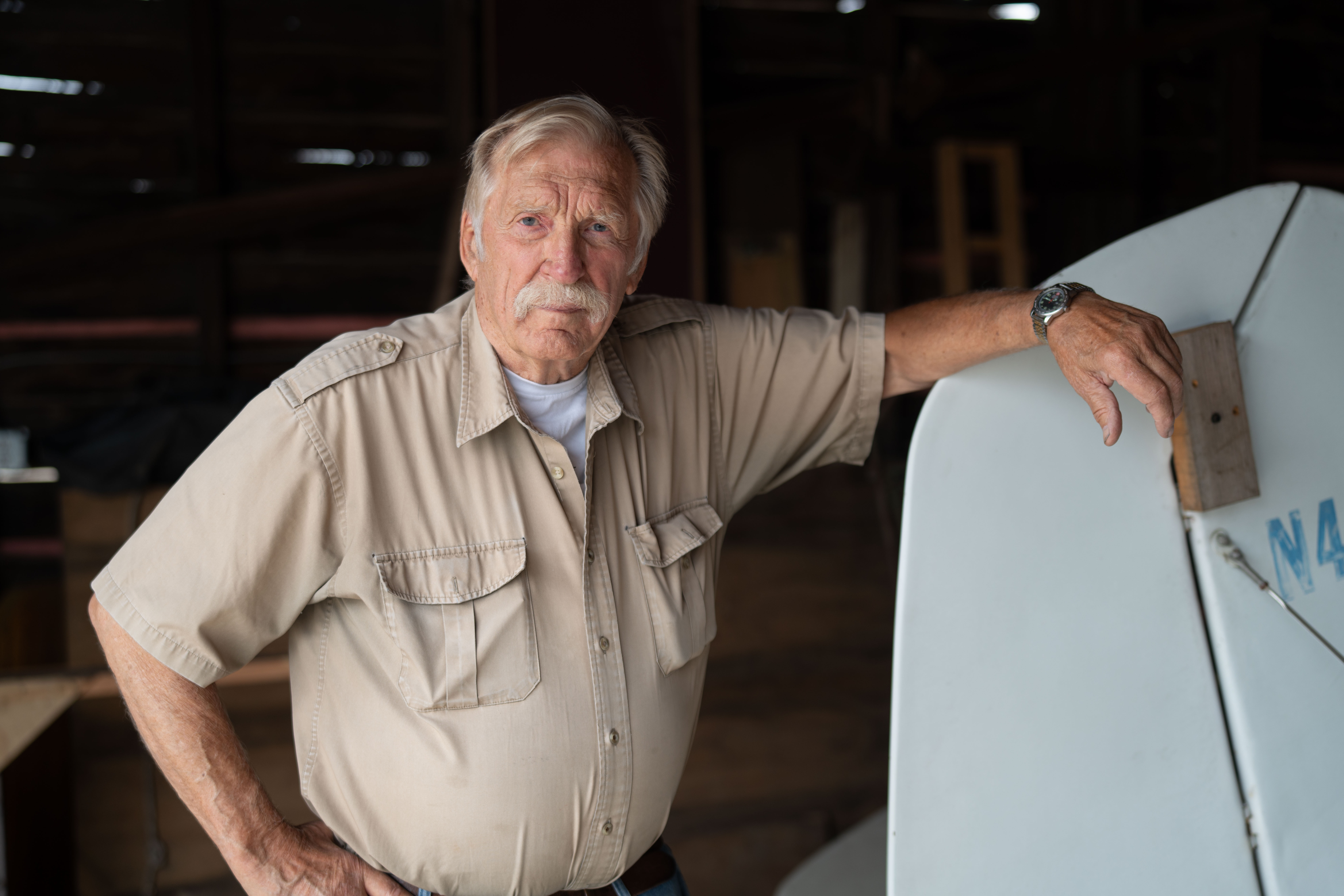
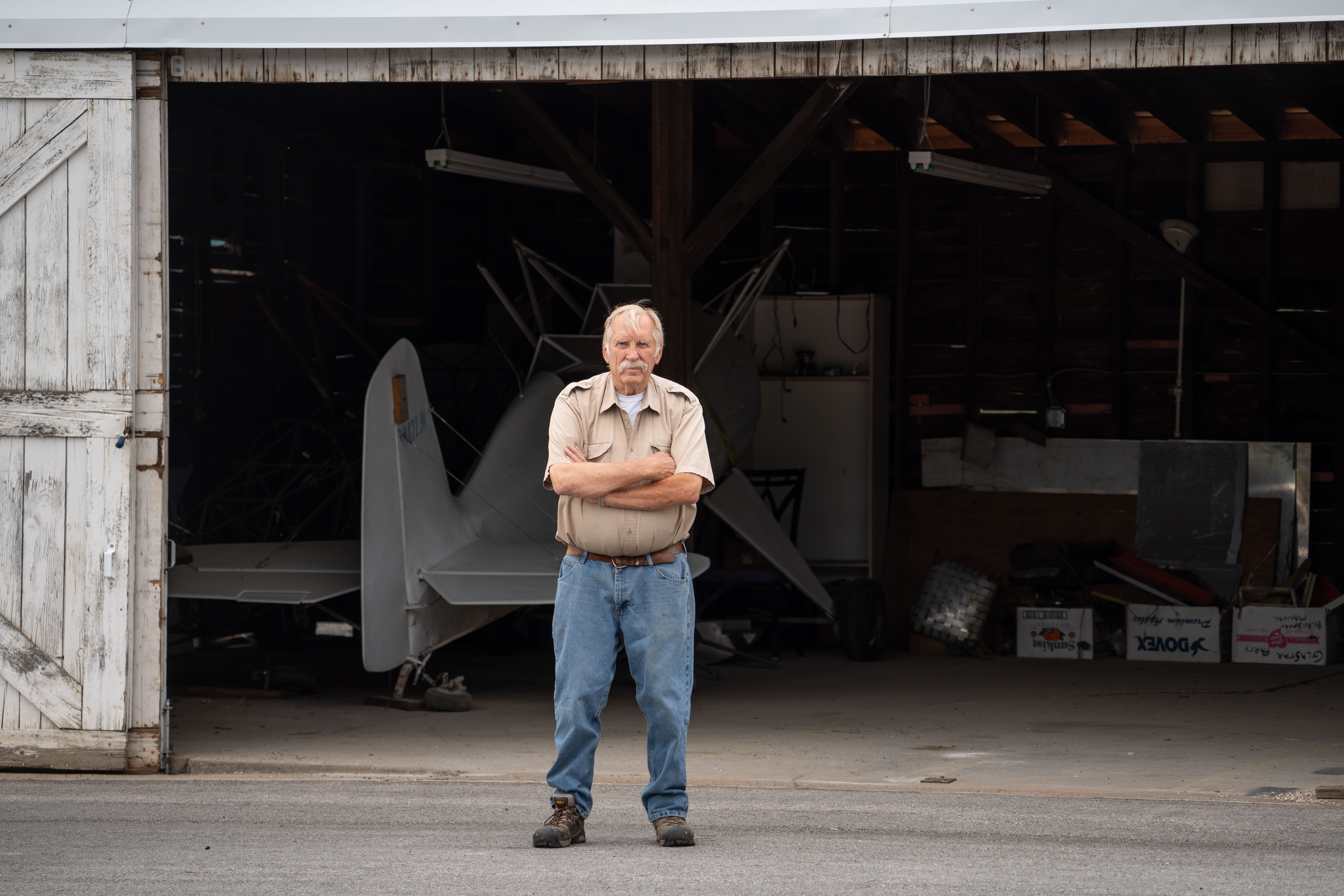
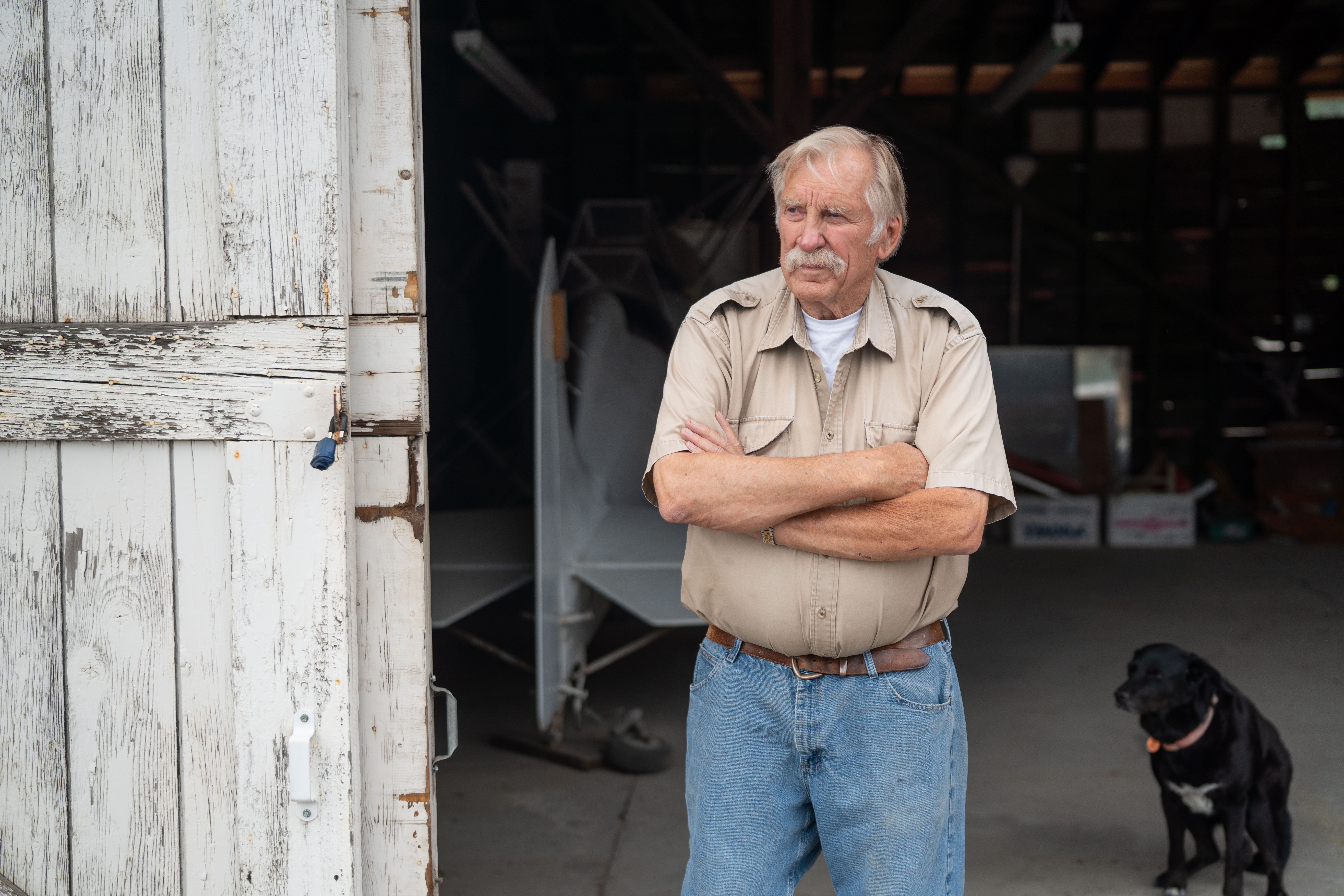
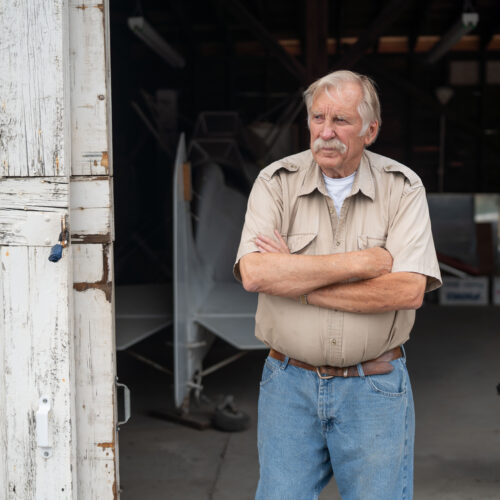
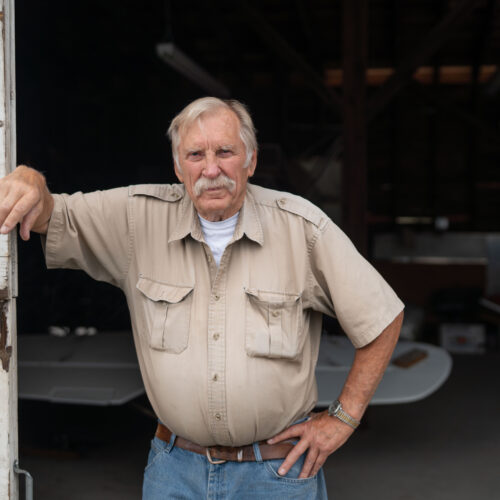
Ken Jouppi: Bush Pilot.
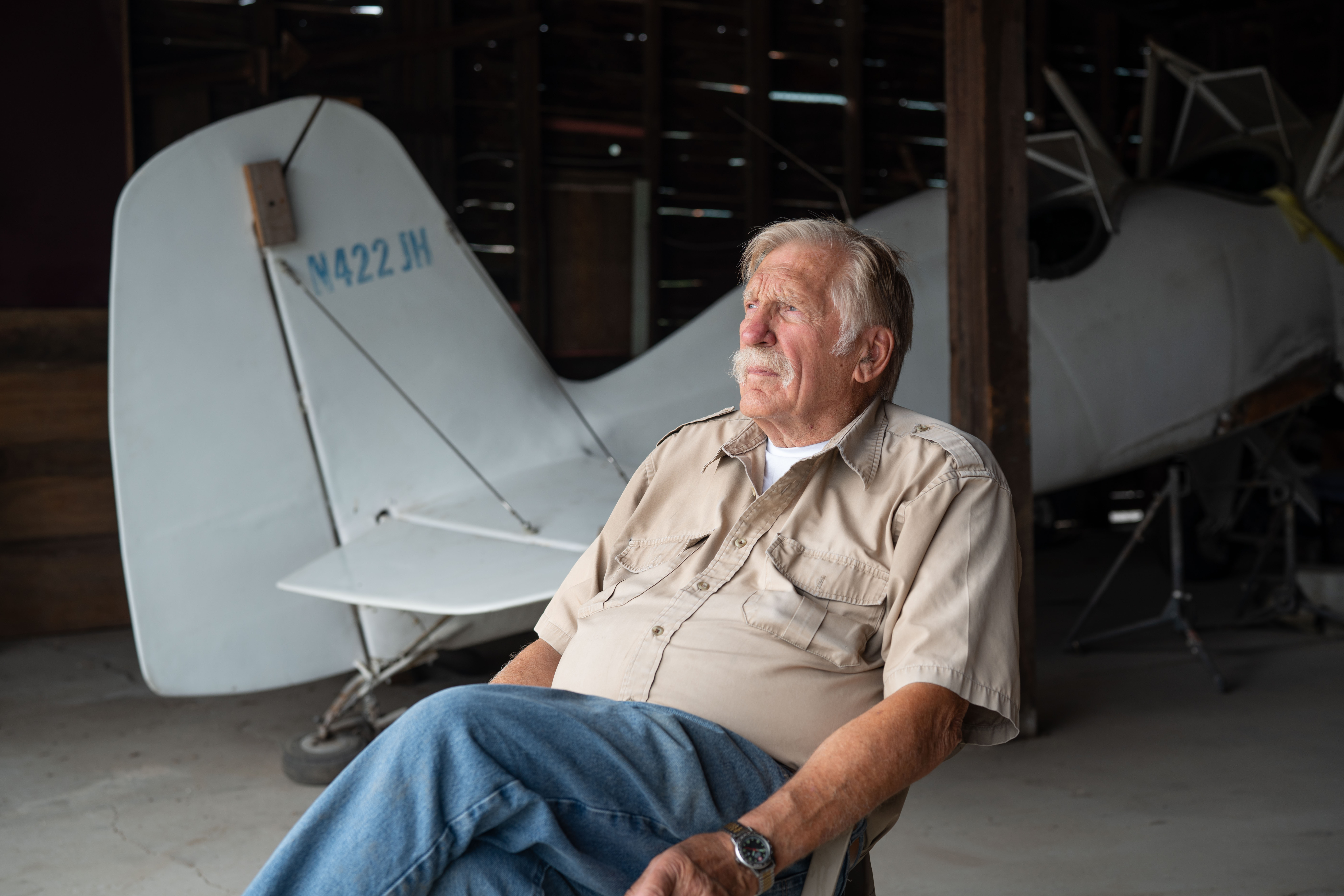
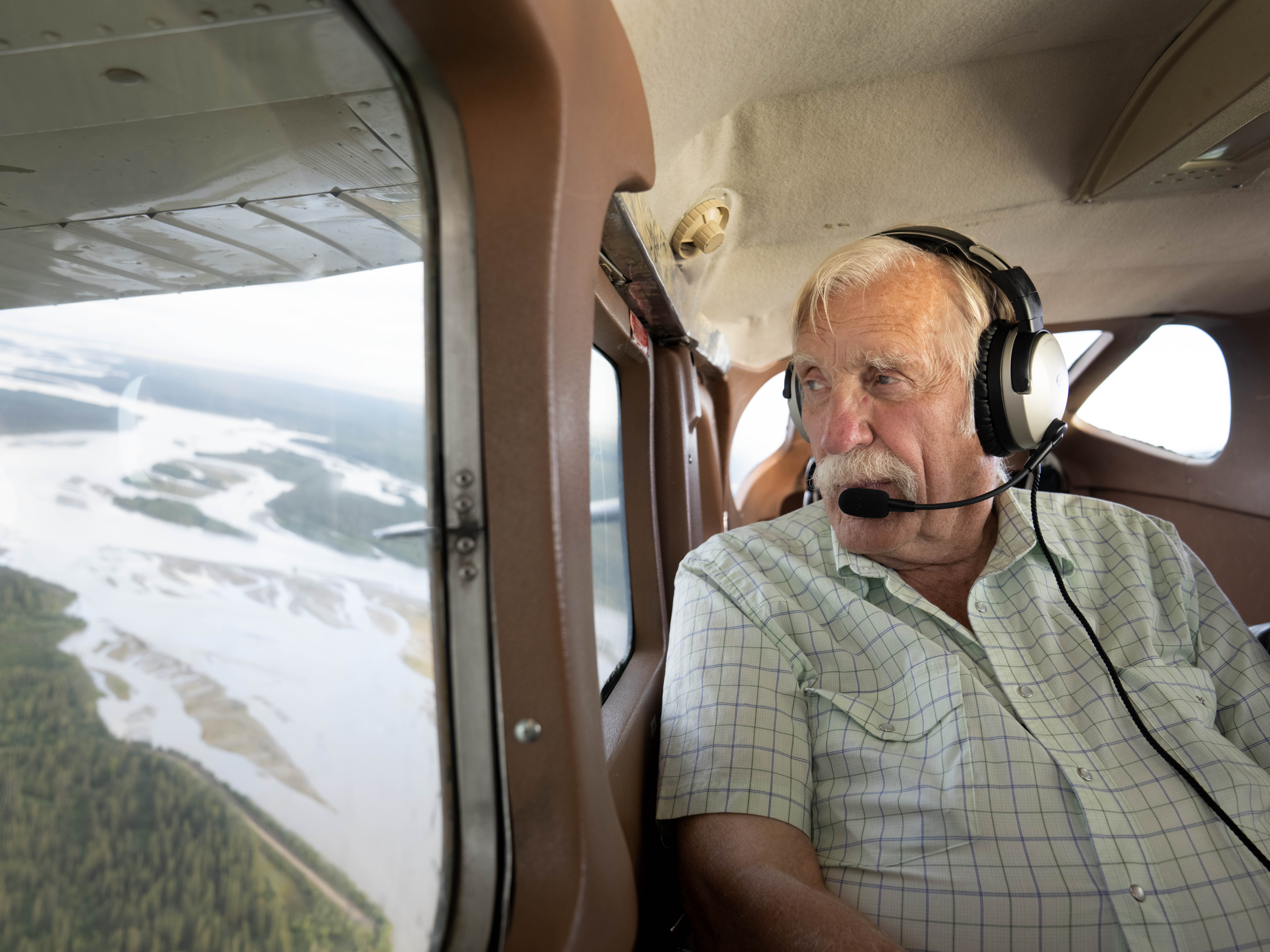
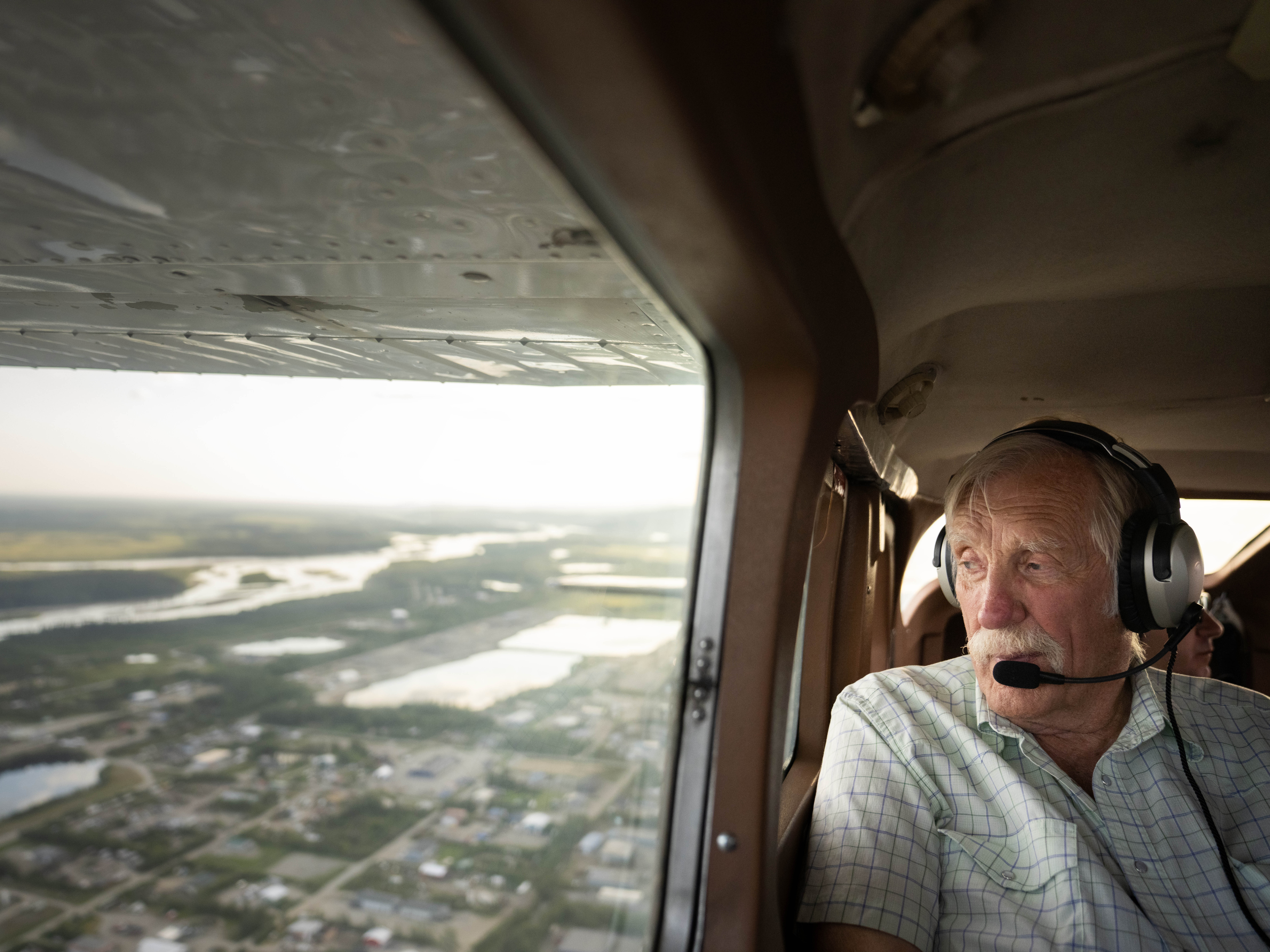
Ken Jouppi has been fascinated with flying since childhood. After serving four years in the Air Force, mainly as a mechanic for B-52s, he got his pilot’s license in the late 1960s. In the late ’70s, he moved to Alaska.
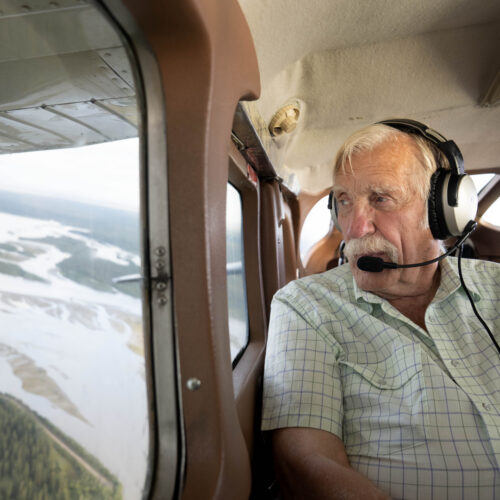
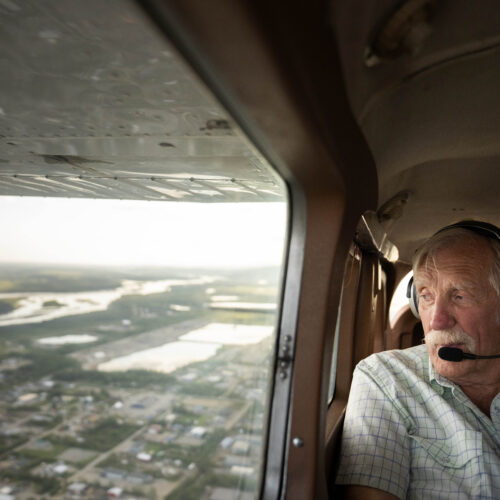
For those who love flying, there’s no better place. Ever since Captain Joseph Martin first flew an open-cockpit biplane over Fairbanks in 1913 (helped by his wife and fellow pilot, Lily), aviation has held a special place in Alaska’s heritage. And Ken fit right in. Starting out, he flew for a small company in Ketchikan, working with the U.S. Forest Service, flying charters, and occasionally piloting medevac and search missions.
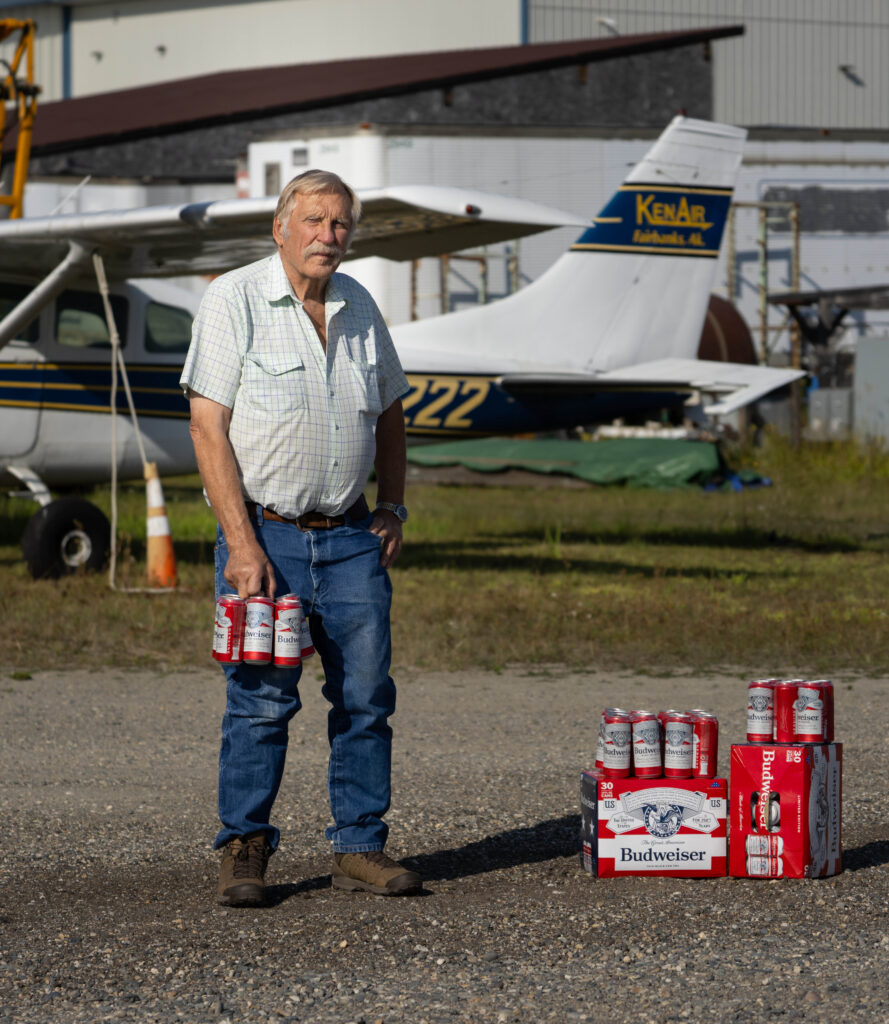
In time, Ken started his own company (“KenAir”), and for years, he made a living using his 1969 Cessna U206D as a one-man air-taxi service, shuttling tourists and locals alike over the Alaskan wilderness.
Alcohol regulation in Alaska
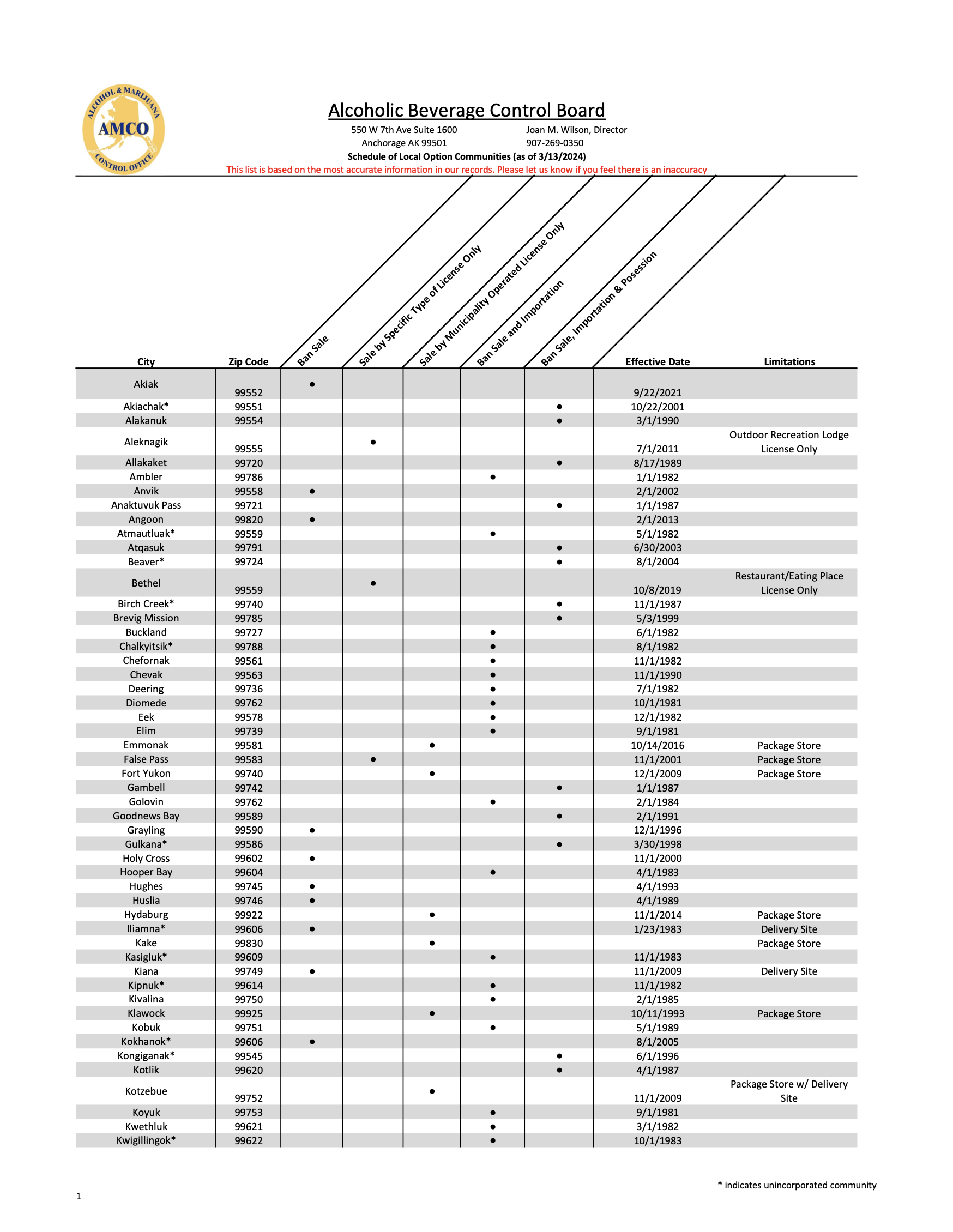
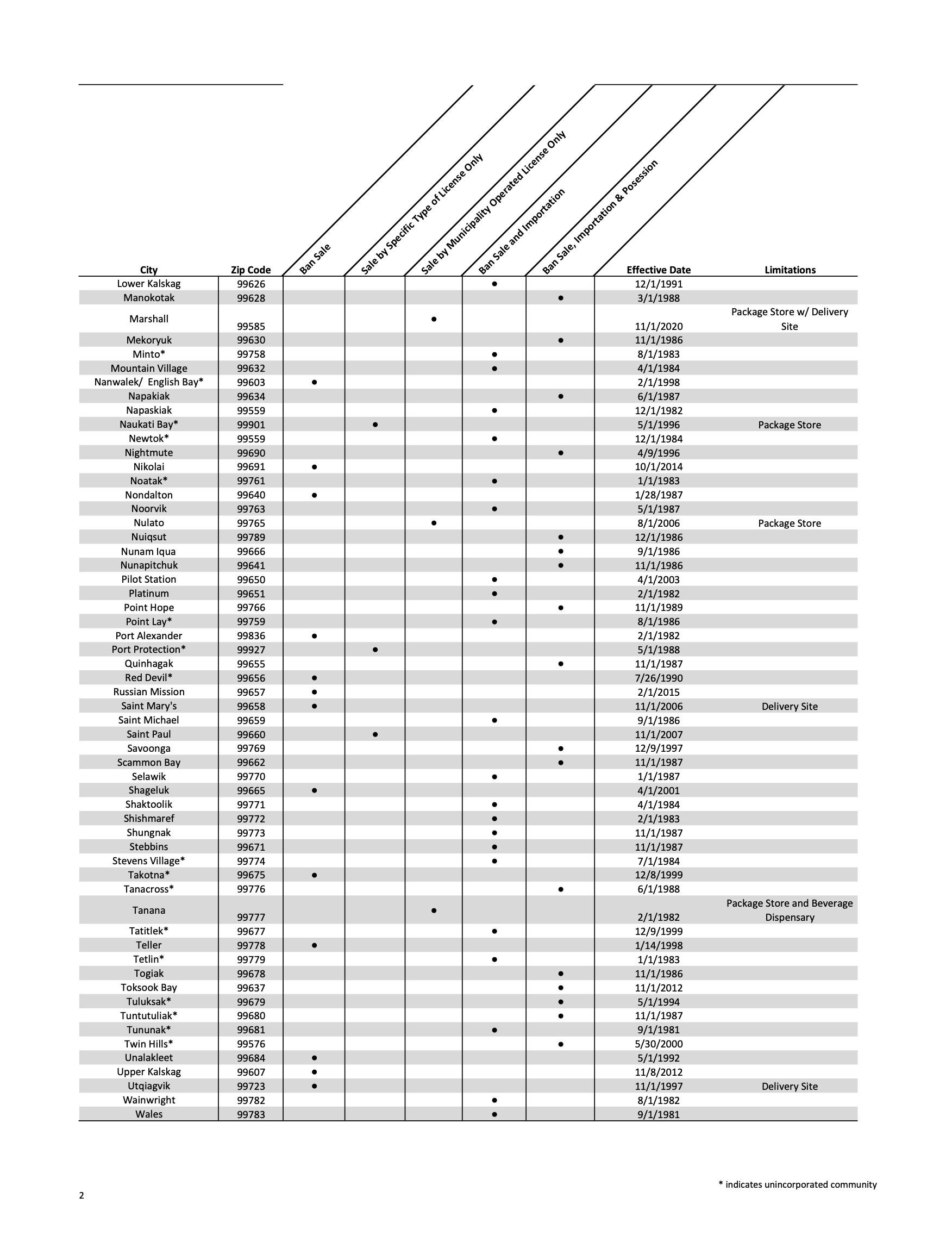
In the 1980s, the State of Alaska authorized municipalities and villages to declare themselves “dry villages.” The result is a patchwork of different requirements.
Some communities have voted simply to regulate the sale of alcohol, limiting it to restaurants, package stores, and the like. Others prohibit selling alcohol but not possessing it. Still others select a more stringent level of restriction: banning the sale, importation, and possession of alcohol altogether. For these most restrictive villages, it is a state-level crime to “knowingly send, transport, or bring an alcoholic beverage” there. Violating the statute is typically a misdemeanor, though those committing their third offense or those transporting more sizable amounts of alcohol (10.5 liters of spirits or 12 gallons of beer) can face felony charges. For first-time misdemeanor offenders, the minimum sentence is three days’ incarceration and a $1,500 fine.
And, potentially, forfeiture.
Using a plane to import the alcohol makes forfeiture of the airplane mandatory—no matter the quantity and no matter the seriousness of the offense. When another vehicle—car, boat, snowmobile—is used to commit the violation, in contrast, forfeiture is mandatory only for particularly egregious variants of the offense. But for planes in particular, the forfeiture statute casts what the Alaska courts have described as a “wide net.”
As a pilot, Ken knew of Alaska’s dry-village system, and he would not deliberately fly alcohol illegally. In fact, he’d previously helped airport police when they asked for his assistance in stopping suspected bootleggers. And he was even mentioned—positively—in an Alaska appeals court decision as having aided troopers in an investigation. But at his core, Ken respected his passengers’ privacy, so he didn’t rifle through their luggage to hunt for alcohol. No law required him to search their belongings, and, in his view, it would be invasive and demeaning to law-abiding passengers to do so. He flew countless people with countless pieces of cargo over his decades as a pilot, the overwhelming majority of them law-abiding.
Even so, in 2012 or thereabouts, police evidently began taking an interest in Ken. The year before, two women had been busted with alcohol in dry villages, and each said they’d flown on Ken’s plane. (Ken wasn’t charged in connection with either incident, and prosecutors later said that whether or not he’d known about the alcohol “doesn’t matter.”) In another incident, Ken inadvertently landed a passenger with alcohol in a village he thought was “wet” but which was actually “damp.” Ordinarily, that would be fine, except that the passenger’s alcohol didn’t display the proper labeling. The container should have been “clearly labeled as containing alcoholic beverages with letters that contrast in color to the shipping container and that are at least two inches in height.” As a “common carrier,” Ken was on the hook.
For state investigators, Ken was now on their radar. They interviewed him about the alcohol-labeling mishap. He cooperated fully, and he later pleaded guilty to a $500 misdemeanor for the labeling violation. Investigators then tried to set up a sting operation. That, too, fell flat: Ken declined to fly the (deliberately suspicious) undercover agent.
April 3, 2012. Fairbanks, Alaska.
It’s against that backdrop that Ken prepared to fly a repeat passenger to the fully dry village of Beaver in April 2012. She was traveling to Beaver, which has a population of fewer than 100 people, to spend her birthday with her husband, who lived there and worked as the local postmaster. She was also bringing him a fresh supply of groceries.
Ken had no reason for alarm when the passenger’s sister dropped her off on the tarmac with several heavy boxes and duffel bags. Because Alaska’s villages often lack the shopping options that even smaller towns have, it was commonplace for passengers to charter Ken’s services to fly back and forth for stocking up with weeks or even months of foodstuffs and similar goods. The nature of life so far from a grocery store meant passengers often brought lots of cans and other heavy items as freight cargo. Ken also knew this particular passenger to not be a drinker; even had he noticed cans among her groceries, he would have assumed they were soda (as, in fact, some were).
Ken was fueling the plane when the passenger began to unload boxes from the car into the open plane; when he noticed her, Ken took over to ensure the boxes were snugly packed. Both Ken and the passenger would later testify that the passenger’s luggage was closed—box flaps down—and in keeping with his typical respect for privacy, Ken didn’t open them, much less rifle through them.
Of course, it turned out the boxes did contain seventy-two cans of Budweiser and Bud Light, intended for the passenger’s husband. And the troopers who were watching Ken and the passenger load the plane from elsewhere on the tarmac insisted on a different account.


State of Alaska versus Kenneth John Jouppi
On these differing accounts, the State charged Ken and his passenger with misdemeanor violations of the alcohol-importation law. The passenger pleaded guilty. Ken went to trial and was found guilty as well; the verdict didn’t specify whether Ken was willfully blind to all of the beer on board or just the one six-pack. He was sentenced to the minimum: three days in jail and a $1,500 fine.
Then came a decade-plus of litigation over forfeiting his plane. Initially, the trial court refused the State’s forfeiture demand on statutory grounds. Ken got his plane back. But the plane had been left out and exposed to the elements while in the State’s possession, and Ken had to spend significant time and money restoring it to usable condition—all while the State appealed the trial court’s denial of the forfeiture.
Following one round of appeals, the trial court then ruled that forfeiting the $95,000 airplane would be an unconstitutionally excessive fine. Again, the State appealed. And when the case reached the state supreme court, it reversed the lower court.
In the state supreme court’s view, it did not matter whether Ken was willfully blind to all of the passenger’s beer or just a single six-pack. For “[i]t is clear to us,” the court stated, “that the legislature determined that the harm from even a six-pack of beer knowingly imported into a dry village is severe enough to warrant forfeiture of an aircraft.” Examining Ken’s crime at a stratospheric level of generality, the court thus upheld the forfeiture: a plane, for a six-pack.
The U.S. Supreme Court Steps In
Eighth Amendment
Excessive bail shall not be required, nor excessive fines imposed, nor cruel and unusual punishments inflicted.
The Eighth Amendment’s Excessive Fines Clause is short, but its promise is fundamental: it forbids the government from imposing economic penalties that are grossly disproportionate to the gravity of the offense they punish. Fines and forfeitures alike fall within its reach. And it guards against one of government’s oldest temptations: wielding the power to punish not to advance justice, but to fill its own coffers.
Like its precursors in the English Bill of Rights and Magna Carta, the Excessive Fines Clause was designed to ensure that economic punishments bear some relationship to the gravity of the offense. But only once in its history—and never in this century—has the Supreme Court issued an opinion discussing precisely how courts should determine whether a fine is excessive. In that case, a slim majority of the Court held it unconstitutionally excessive to forfeit all $357,000 that the defendant was (otherwise lawfully) transporting out of the country as punishment for failing to file the required form notifying the government of the transfer.
Yet in the years since, lower courts have struggled to apply that case’s teachings. The Alaska court’s decision in Ken’s case captures the resulting confusion vividly. Consider how its decision appears to break with another well-known excessive-fines case litigated by IJ, Timbs v. Indiana. There, in 2021, IJ’s arguments convinced a majority of the Indiana Supreme Court that forfeiting Tyson Timbs’ $40,000 Land Rover over a low-level drug offense—he had sold a few hundred dollars’ worth of heroin to an undercover officer to fund his addiction—was unconstitutionally excessive. (Earlier, IJ had taken Tyson’s case to the U.S. Supreme Court, securing a ruling confirming that the Excessive Fines Clause constrains not just the federal government, but states as well.) By contrast, Alaska now holds that forfeiting a $95,000 plane over a six-pack of beer is not excessive. That disparity underscores the need for the U.S. Supreme Court to bring clarity to the standard that governs in these types of cases.
In July 2026, the Supreme Court agreed to hear Ken’s case. The protections secured by the Excessive Fines Clause are of pressing national importance. As Justice Scalia observed in the early 1990s, fines, unlike incarceration, are a “source of revenue” for the government. So, he warned, “[t]here is good reason to be concerned that fines, uniquely of all punishments, will be imposed in a measure out of accord with the penal goals of retribution and deterrence.” Those concerns have only multiplied in the decades since; nationwide, both police and prosecutors rely on fines and forfeitures for their budgets. And those bearing the brunt are most often the nation’s most vulnerable—the poor and the politically powerless. The Constitution’s Framers, studying this phenomenon over centuries of English history prior, foresaw precisely this phenomenon. That is why they enacted the Excessive Fines Clause as a constitutional safety valve—one as important today as it was then.
The U.S. Supreme Court will hear oral argument in Ken’s case over the winter of 2026–2027 and will likely issue a decision by July 2027.
Frequently Asked Questions
Q. You’re saying that Alaska is trying to take his plane over a six-pack, but wasn’t there more beer than just a six-pack on the plane?
A. Yes and yes. Ken’s passenger was heading back to Beaver with boxes upon boxes of items—weeks’ if not months’ worth of groceries, since Beaver lacks large shopping options. Among the many items in those many boxes were three cases’ worth of beer (Budweiser and Bud Light) containing 72 cans in total, which she intended as a gift to her husband. Ken maintains he didn’t notice any of the beer, but at trial, the State insisted that one loose six-pack would have been visible to him. On appeal, the Alaska Supreme Court then made extraordinarily clear that it was upholding the forfeiture of Ken’s plane based just on the one six-pack. It didn’t matter whether Ken was culpable for “all 72 beers” or for just “a six-pack of beer,” the court reasoned, because “the harm from even a six-pack of beer knowingly imported into a dry village is severe enough to warrant forfeiture of an aircraft.”
So what does that mean for the case now that it’s at the U.S. Supreme Court? Well, as the case comes to the Supreme Court, the premise of the Alaska Supreme Court’s rule is clear. Forfeiting a plane for a six-pack? Totally fine, says Alaska. And the State’s prosecutors freely admit that this is exactly what the Alaska Supreme Court ruled. They told the New York Times that the Alaska Supreme Court’s decision is “reasonable even when limited to one six-pack.” And in their brief to the U.S. Supreme Court, they were even clearer: They admitted that the Alaska Supreme Court premised its decision on the view that Ken’s “culpability extended only to one six-pack and that he had no related misconduct.”
Q. What happened to the plane?
A. The plane has changed hands a few times over the course of this long and winding case. The State first seized the plane in 2012. When the trial court first rejected the forfeiture of the plane in 2013, Ken got the plane back. But while the State had the plane, the State had kept it in such poor condition that Ken had to put in much time and money getting it fixed. He had possession of the plane for the next decade-plus, although at 83, he’s retired from flying. It’s sitting in Alaska now, awaiting the outcome of this 14-year-old forfeiture case. And Ken is still paying the storage fees.
Q. How can Ken be charged with importing alcohol at all if the beer never even made it to the dry village?
A. It’s a good point. In fact, the trial court in Ken’s case had a similar thought; at first, the judge held that the plane couldn’t be forfeited because it hadn’t moved even an inch toward Beaver. But the State appealed that decision, and a higher court in Alaska reasoned that the plane was on the tarmac and about to take off—and that was close enough. That higher court then sent the case back to the trial court, which held again that the plane couldn’t be forfeited—this time because it was an excessive fine. The Alaska Supreme Court reversed that ruling too, and that decision is the one now before the U.S. Supreme Court.
Q. Seventy-two cans of beer must weigh a lot. This was a small plane. As a pilot, shouldn’t Ken have noticed the weight of the beer and inspected?
A. It’s true that weight can matter quite a bit with small planes, but it wasn’t going to be much of a factor on this particular flight. As Ken explained at trial, after accounting for his own weight and that of the plane’s fuel, the plane had about 1,000 pounds in weight capacity to spare. And in Ken’s words, it was “pretty obvious” that, as numerous as the passenger’s boxes of groceries were, she and her groceries combined weren’t going to be “anywhere close” to 1,000 pounds—indeed, their limited combined weight meant that even the center of gravity wouldn’t be a significant factor on this flight. (On a different flight, Ken even successfully piloted a bunch of sled dogs!)
And in any event, a relatively heavy box of cans’ being part of the groceries wouldn’t have stood out much to Ken; he knew this passenger to not be a drinker and, as it turned out, she had several cases of non-alcoholic soda cans among her boxes of groceries as well.
Q. Doesn’t the State say Ken was a well-known bootlegger?
A. The State has sometimes said that, but the facts don’t bear it out. In fact, it’s well documented that Ken had previously helped airport police capture suspected bootleggers when they’d asked for his assistance. He’s even mentioned—positively—in an Alaska appeals-court decision as having aided troopers in an investigation. He had no solicitude for bootleggers. He flew countless passengers with countless pieces of cargo over his decades as a pilot, the overwhelming majority of them law-abiding.
Even so, in 2012 or thereabouts, police evidently began taking an interest in Ken. The year before, two women had been busted with alcohol in dry villages, and each said they’d flown on Ken’s plane. (Ken wasn’t charged in connection with either incident, and prosecutors later said that whether or not he’d known about the alcohol “doesn’t matter.”) In another incident, Ken inadvertently landed a passenger with alcohol in a village he thought was “wet” but which was actually “damp.” (Check out the map and the charts: Alaska’s patchwork of village-by-village regulations is notoriously complex.)
Ordinarily, that would be fine, except that the passenger’s alcohol didn’t display the proper labeling. The container should have been “clearly labeled as containing alcoholic beverages with letters that contrast in color to the shipping container and that are at least two inches in height.” As a “common carrier,” Ken was on the hook.
For state investigators, Ken was now on their radar. They interviewed him about the alcohol-labeling mishap. He cooperated fully, and he later pleaded guilty to a $500 misdemeanor for the labeling violation. Investigators then tried to set up a sting operation. That, too, fell flat: Ken declined to fly the (deliberately suspicious) undercover agent. But the investigators didn’t give up. In April 2012, they executed a search warrant on the plane and found the Budweiser and Bud Light that would give rise to Ken’s U.S. Supreme Court case. And in upholding the forfeiture of Ken’s plane, the Alaska Supreme Court then staked out a radical view: In the State’s words, the court premised its decision, not on the notion that Ken was a bootlegger par excellence, but on the view that his “culpability extended only to one six-pack and that he had no related misconduct.” Which led to the eye-catching decision the U.S. Supreme Court has agreed to review: an airplane, forfeited over a passenger’s six-pack of Budweiser.
About the Institute for Justice
The Institute for Justice is a public-interest law firm that litigates nationwide to vindicate individual liberties. In 2019, IJ secured a Supreme Court victory holding that the Excessive Fines Clause applies to state and local governments. IJ is currently working to protect a retired professor from the $437,000 fine the IRS imposed on him for failing to file a one-page form informing the agency of his legal foreign bank account; Detroiters targeted by Wayne County, Michigan’s forfeiture apparatus, and thousands of Alabamians victimized by a notorious profit-fueled ticketing scheme in Brookside, Alabama.