Despite Setback, Opportunities Abound In IJ’s Excessive Fines Work
For nearly a decade, IJ has led the charge in reviving the Eighth Amendment’s protection against “excessive fines” from a dusty afterthought into a meaningful constitutional bulwark. It started, as longtime readers will recall, with our unanimous U.S. Supreme Court victory in Timbs v. Indiana, which held that the Excessive Fines Clause restrains state and local governments in addition to the feds. But that important threshold win dictated neither whether Tyson Timbs’ $40,000 Land Rover could be forfeited for a low-level drug offense nor how courts analyze whether a fine crosses the constitutional line.
So our excessive fines work continued—quickly and comprehensively. Back down at the Indiana Supreme Court in Timbs, we secured a ruling requiring that courts seriously engage with the evidence—the seriousness of the person’s offense, their culpability for the violation, and their economic circumstances—to determine whether a fine is excessive. Later, the court applied its test and held that forfeiting Tyson Timbs’ SUV went too far.
Indiana set the gold standard, and the next steps were clear: Much like in our other litigation areas, we’d export Indiana’s framework to other states and, eventually, urge the U.S. Supreme Court to adopt it as law nationwide.
Other victories followed. In reviving IJ’s excessive fines challenge to Humboldt County’s abusive code-enforcement system, the 9th Circuit articulated a standard mandating that courts look hard at “the specific actions of the violator,” as we’d urged, rather than take “an abstract view of the violation.” On the other coast, Delaware’s largest city agreed to overhaul its tow-and-impound system that saw residents’ vehicles scrapped for parking tickets worth orders of magnitude less than the cars (after a court declined to dismiss IJ’s excessive fines challenge).
Progress, however, is rarely linear. And in December, IJ’s long-running excessive fines challenge against Lantana, Florida, ended in defeat when the state’s high court declined to hear our case.
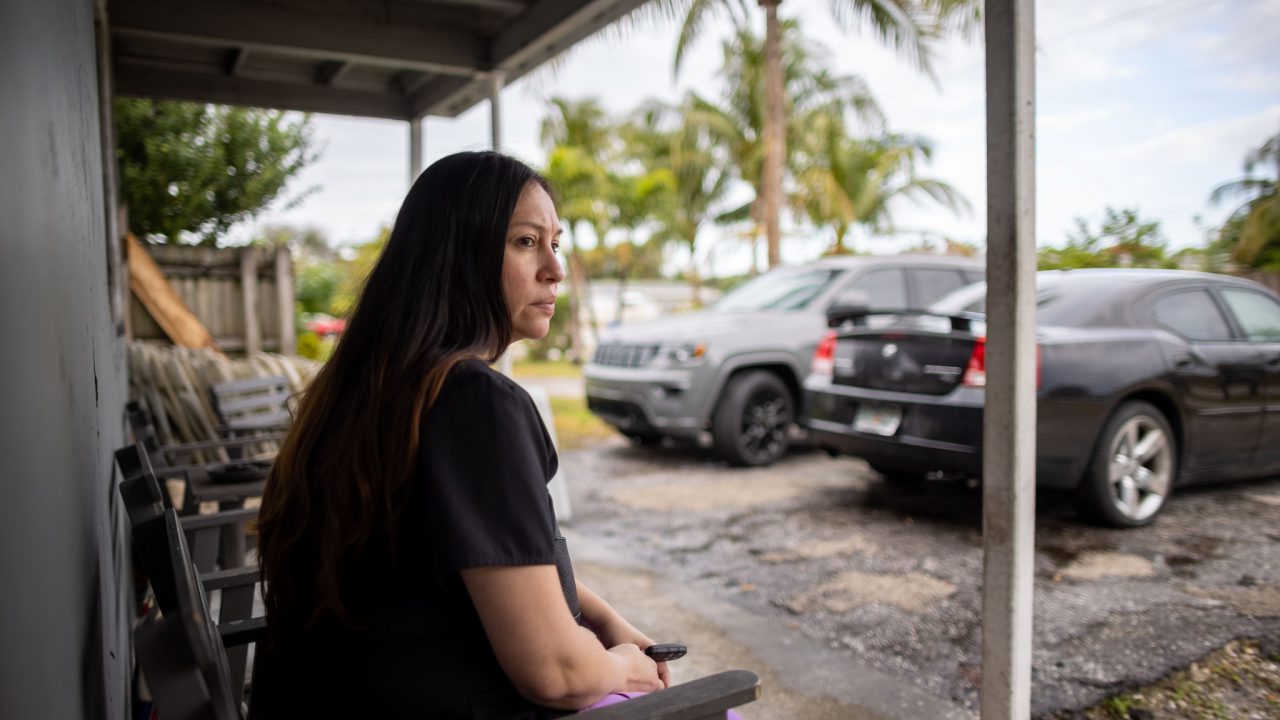
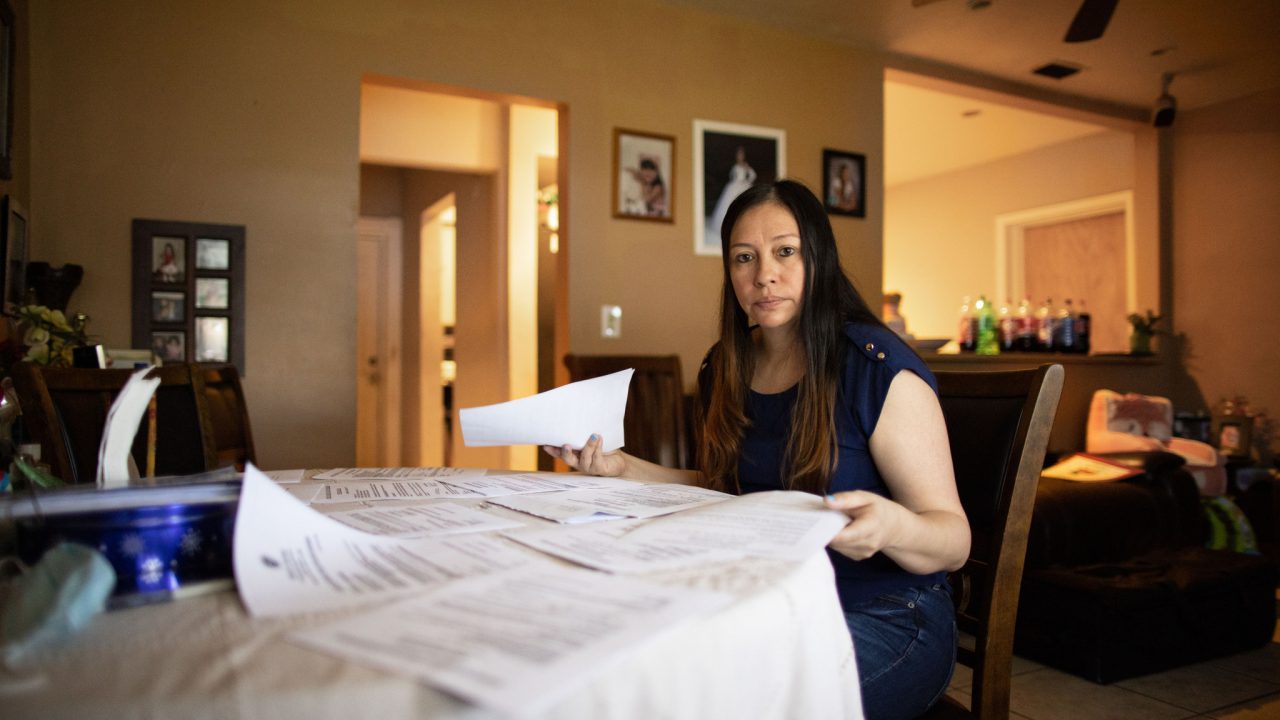
As we first detailed five years ago, Sandy Martinez’s working-class family lives paycheck to paycheck, and the fines—$16,125 for a cracked driveway, $47,375 for a fence that fell in a storm, and over $100,000 for how they parked their cars on their own property—made matters worse. When Sandy teamed up with IJ to challenge those fines, her case presented an opportunity for Florida to follow in Indiana’s footsteps; the Florida Supreme Court hadn’t issued an excessive-fines opinion since 1922.
It wasn’t meant to be. The trial court adopted a standard that basically read the Excessive Fines Clause out of the state constitution, holding that a fine is not excessive unless it also violates state statute. After an unsuccessful appeal, the state supreme court’s denial of review ensured that word would be final.
At IJ, we note—frequently and correctly—that we win more than 70% of our cases. That ratio doesn’t make the losses hurt any less. But an unblemished record would mean our goals weren’t lofty enough. As our prior victories show, persistence and resilience will pay off.
And persist we shall. At the U.S. Supreme Court, our cert petition on behalf of retired bush pilot Ken Jouppi, whose $95,000 airplane Alaska is seeking to forfeit over a passenger’s illegal six-pack of Budweiser, remains pending for the Court’s consideration. We’re hopeful the Court will hear that case and clarify the lower-court confusion over what the “excessive” in “excessive fines” means. And we’re pressing on in excessive-fines challenges elsewhere, too, including challenges to Chicago’s notorious vehicle-impound system and Santa Clara County, California’s six-figure fines for a winery owner’s allowing an employee to (harmlessly) live in an RV on the property amid a housing crisis.
The setbacks always sting. But momentum is on our side as we continue to build on our landmark win in Timbs in state and federal courtrooms nationwide.
Mike Greenberg is an IJ attorney.


Also in this Issue
Liberty & Law
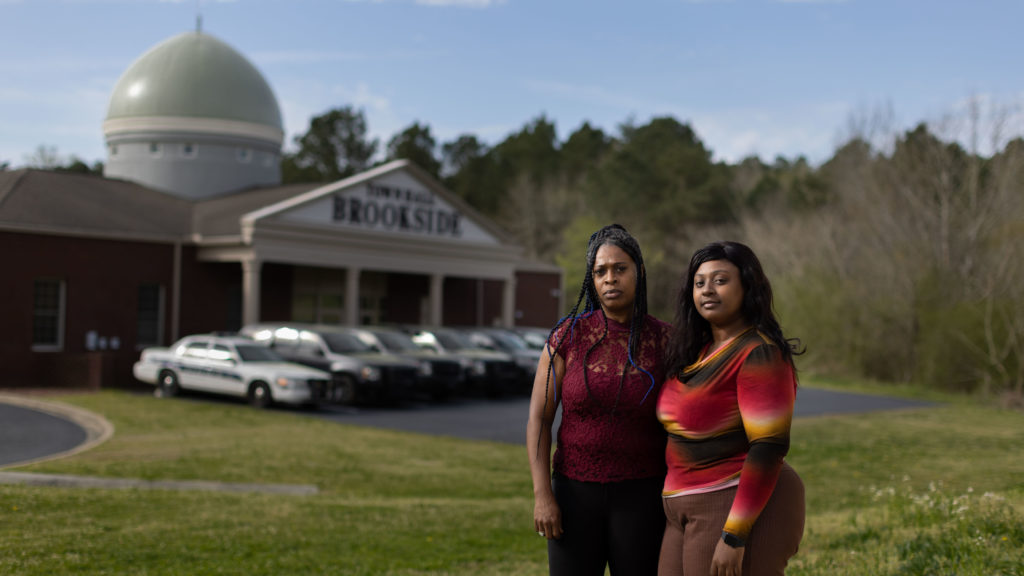
Victory For Accountability In Brookside

Liberty & Law
Detention Before Lunch

Liberty & Law
First-Round Victory For Food Startups In Texas

Liberty & Law
IJ Takes On Small-Town Tyrants

Liberty & Law
Happy Warriors At The Podium
Liberty & Law
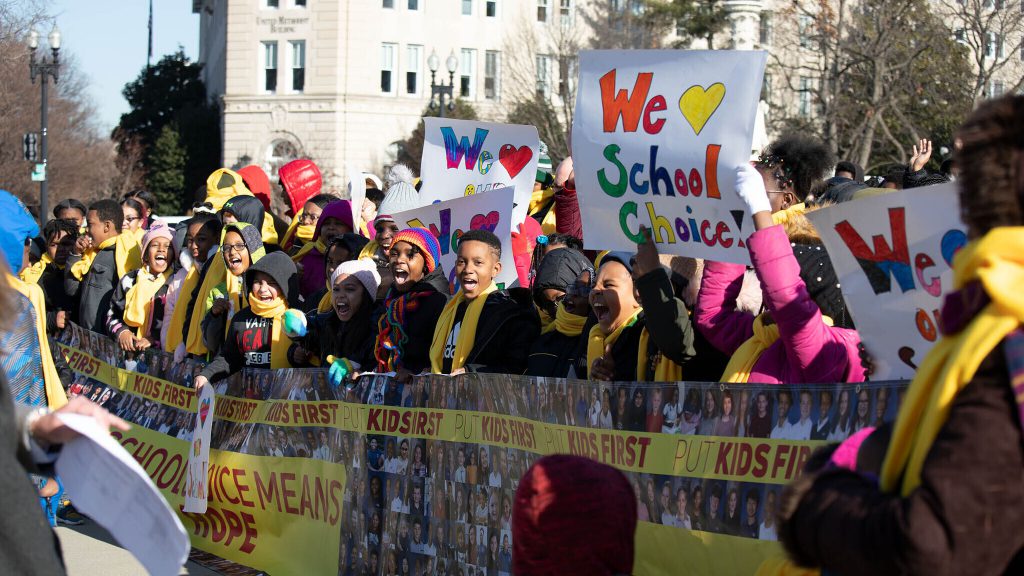
The Future Of Educational Choice Is In Good Hands

Liberty & Law
With Cities Work, Cities Are Embracing The IJ Way

Liberty & Law
Yes In My Bar Association: Americans Are Free To Critique The Government
Liberty & Law
IJ Makes Headlines

Liberty & Law
Burying Oklahoma’s Casket Cartel Once and For All
Subscribe to get Liberty & Law magazine direct to your mailbox!
Sign up to receive IJ's bimonthly magazine, Liberty & Law, along with breaking news updates about the Institute for Justice's fight to protect the rights of all Americans.