Victory For Accountability In Brookside
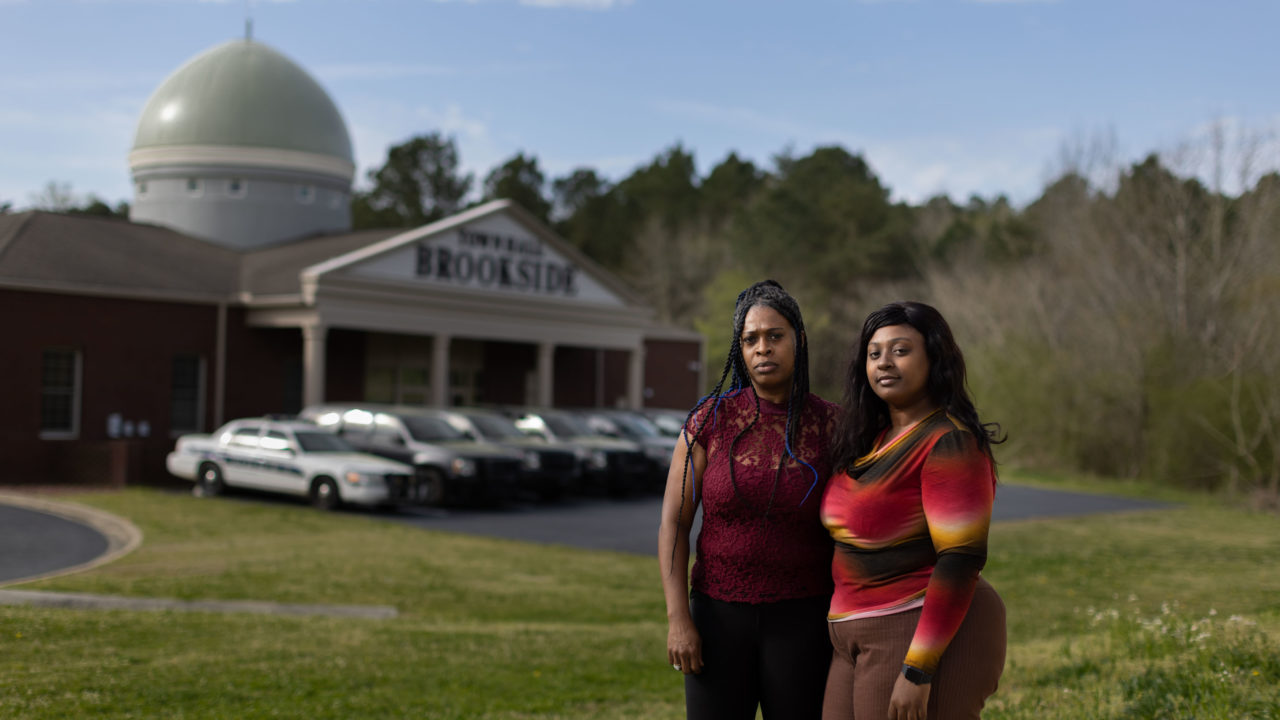
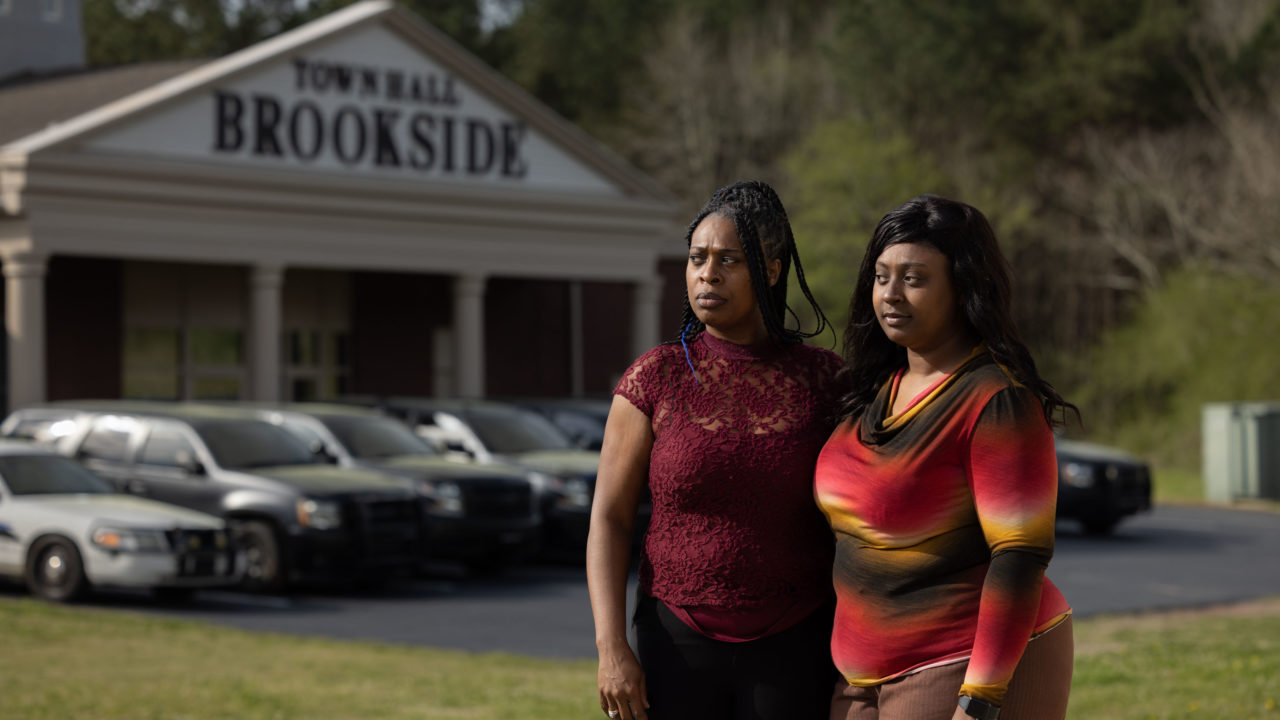
In early 2022, the town of Brookside, Alabama, made national headlines for running a relentless policing-for-profit scheme that swept up thousands of drivers—and expanded dramatically over a few short years. In 2021, the town’s police-generated revenue was 783% higher than it was in 2018. That money came from ticketing drivers, towing their cars, and hauling them into municipal court. It enriched the police department by treating unsuspecting drivers like ATMs, both in town and on the nearby Interstate 22. Now, thanks to a landmark IJ victory, Brookside has agreed to a settlement that both compensates everyone affected by its scheme and severs potential links between the town’s policing and its financial gain for the next three decades.
IJ teamed up with four intrepid plaintiffs—representing a class of thousands more—and sued in mid-2022. We steadily gained traction in this area of uphill litigation. First, a federal court rejected multiple attempts to dismiss the case. Then we turned to a yearslong discovery process, in which the town’s mayor admitted in deposition that the policing-for-profit scheme was a “conscious choice.” We uncovered that the town deleted all of the police department’s emails from the years the scheme was operating—a big litigation no-no, which we brought to the judge’s attention. And we hired a municipal-funding expert to dive into the town’s records and vividly illustrate just how dramatic the town’s revenue spikes were.
With Brookside on the ropes, in February IJ secured a class-wide settlement. In addition to compensating those affected by the scheme, the agreement also entrenches meaningful and much-needed systemic reforms—which are even more sweeping than what we would have secured through an outright courtroom victory.
Brookside has agreed to pay $1.5 million to class members, which is nearly how much its system raked in before the town got caught. Of that, $1 million compensates those whose cars were towed. The remaining $500,000 compensates those who were charged with offenses in municipal court (a largely overlapping pool).
The town has also agreed to substantial systemic changes designed to prevent a re-emergence of its policing-for-profit scheme. They include:
Permanently repealing its fee to retrieve towed cars, severing the town’s financial incentive to tow.
Removing the Brookside Police Department from I-22 for 10 years (unless necessary to respond to an emergency).
Keeping 0% of the revenue generated by its policing and its code enforcement for five years. After that, it will keep only 1% for another 10 years—then only 2.5% for another 15 years. In total, that’s a 30-year obligation for the town to sever the link between policing and revenue.
Implementing a slew of transparency measures designed to ensure compliance with these obligations. And for 10 years, the town will provide IJ with documents needed to monitor compliance.
Finally, the town has agreed to tell class members what all governments hate to say: Sorry. Specifically, it must make an acknowledgment that its “policy of aggressive policing likely interfered with the town’s obligation to administer justice equally under law, undermined the public’s trust in the justice system, and raised serious constitutional concerns under the Due Process Clause of the Fourteenth Amendment.”
These are the kinds of ambitious goals we set out to achieve when we filed this case. Because it’s a class action settlement that resolves the case not just for our clients but for other affected individuals, the federal court is now tasked with deciding whether to approve it as “fair, reasonable, and adequate.” We’re confident that will be our next update.
Jaba Tsitsuashvili is an IJ attorney.
Also in this Issue
Liberty & Law
Detention Before Lunch

Liberty & Law
First-Round Victory For Food Startups In Texas

Liberty & Law
IJ Takes On Small-Town Tyrants
Liberty & Law
Despite Setback, Opportunities Abound In IJ’s Excessive Fines Work
Liberty & Law
Happy Warriors At The Podium
Liberty & Law
The Future Of Educational Choice Is In Good Hands
Liberty & Law
With Cities Work, Cities Are Embracing The IJ Way

Liberty & Law
Yes In My Bar Association: Americans Are Free To Critique The Government
Liberty & Law
IJ Makes Headlines
Liberty & Law
Burying Oklahoma’s Casket Cartel Once and For All
Subscribe to get Liberty & Law magazine direct to your mailbox!
Sign up to receive IJ's bimonthly magazine, Liberty & Law, along with breaking news updates about the Institute for Justice's fight to protect the rights of all Americans.