Detention Before Lunch

Picture this: Your son is 16 years old. His high school just released him and his peers from campus for lunch. He’s heading to McDonald’s with his buddies, thinking about fries, not felonies. His friends pool together in a car, and he’s still on the sidewalk about to get in—less than a block from school.
Then police SUVs swarm the street.
Officers jump out in tactical gear, point assault rifles straight at him, and call him by an unfamiliar name. Shocked and confused, he puts his hands up and follows their every order: He walks toward them in the street. He kneels on the ground facing away from them. He lies flat on his stomach and puts his hands behind his back.
At that point, the officers realize your son is not the person they’re looking for. Still, they handcuff him, pull him to his feet, and frisk and question him.
What’s your name? Where do you live? Where do you go to school? Who are your friends?
Your son answers calmly, but the officers still don’t remove the cuffs and let him go. They parade him in front of his classmates, who have gathered around wondering what ill deed he’s done, and order him to sit on the curb. They ask more questions and finally let him go without explanation or apology.
That’s what happened to Amber and Nathan Miller’s son, a high school student in Portland, Maine, last May.
South Portland police were looking for a 19-year-old suspected of stealing shoes and cologne from a house party. Not armed robbery. Not a violent crime. The suspect, Miles Hibbard, had no criminal history. No history of violence or possession of weapons. No history of hostility toward police. And yet, without notifying the school, officers rolled in with SWAT-style force as the school was releasing nearly 900 students for open-campus lunch.
The officers should have known from the start that Amber and Nathan’s son wasn’t the suspect. Miles has a large tattoo on his arm. Their son is taller and heavier, has longer hair, and—with bare arms in a short-sleeved shirt—has no tattoos at all. His friends also shouted: That’s not Miles!
The police didn’t care. Even after they realized the obvious—that this was the wrong kid—they kept going.
Why didn’t they stop? Because, as the police chief later explained, this is policy. Once officers start a detention like this, they don’t “stop halfway through.” Even if they know they’ve seized the wrong person, they finish the job: cuff the hands, frisk the body, question the person. That should chill all of us.
The Fourth Amendment doesn’t permit police to aim guns at innocent people without justification. And once officers know they have the wrong person, the Constitution does not allow them to keep detaining, searching, and humiliating him just because “that’s how we do things.”
Amber and Nathan have teamed up with IJ to hold the city accountable.
No teenager should have to fear that walking on the sidewalk near school could end with a rifle in his face and cuffs on his hands. And “standard procedure” is no excuse for violating the Constitution.
Marie Miller is an IJ attorney.
Also in this Issue

Liberty & Law
Victory For Accountability In Brookside

Liberty & Law
First-Round Victory For Food Startups In Texas

Liberty & Law
IJ Takes On Small-Town Tyrants

Liberty & Law
Despite Setback, Opportunities Abound In IJ’s Excessive Fines Work

Liberty & Law
Happy Warriors At The Podium
Liberty & Law
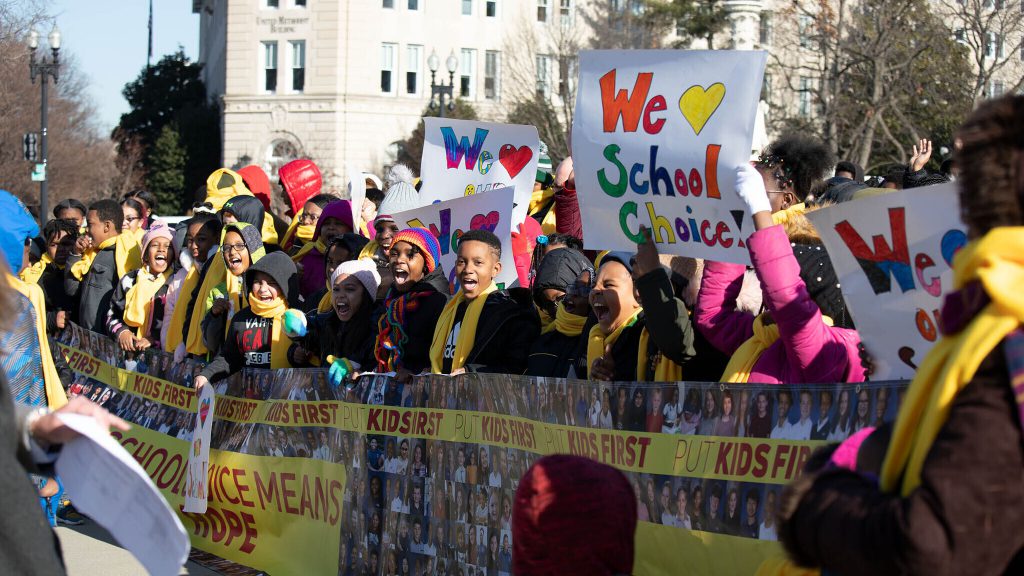
The Future Of Educational Choice Is In Good Hands

Liberty & Law
With Cities Work, Cities Are Embracing The IJ Way

Liberty & Law
Yes In My Bar Association: Americans Are Free To Critique The Government
Liberty & Law
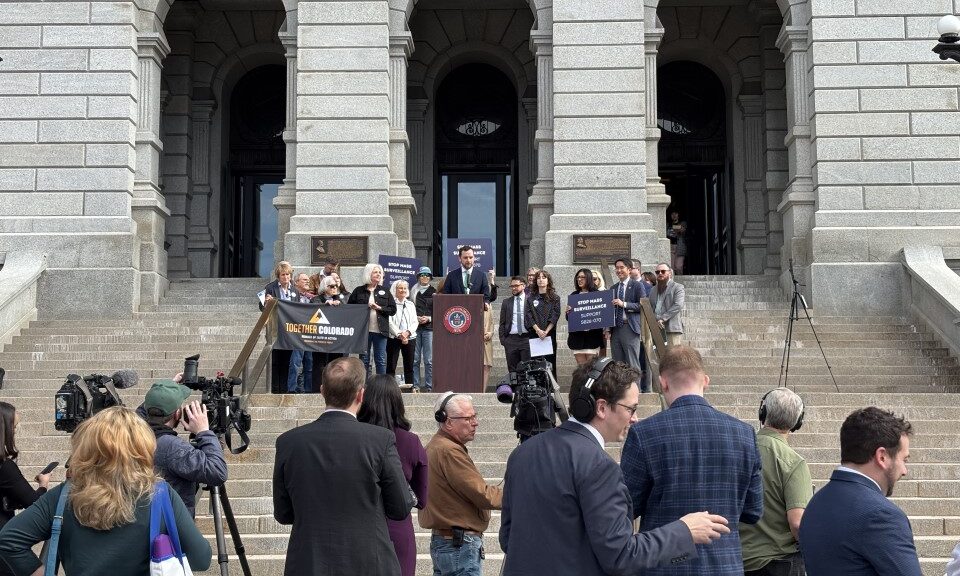
IJ Makes Headlines
Liberty & Law
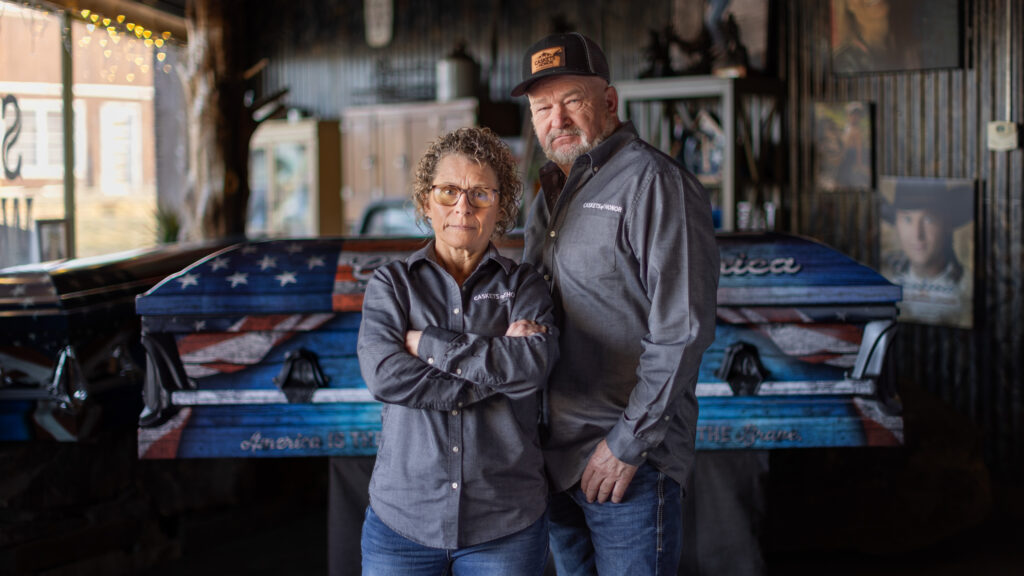
Burying Oklahoma’s Casket Cartel Once and For All
Subscribe to get Liberty & Law magazine direct to your mailbox!
Sign up to receive IJ's bimonthly magazine, Liberty & Law, along with breaking news updates about the Institute for Justice's fight to protect the rights of all Americans.