Rule of Law
Chicago CBP Raid
When federal agents ransack an innocent homeowner’s private property without a warrant, it’s a clear violation of the Constitution, and there must be a way to hold them accountable.

- Case Name
- Feler v. United States, et. al.
- Issue Areas
- Status
- Active Cases
- Location
- Chicago, Illinois
- Date Filed
- July 28, 2026
The Case
When federal agents ransack an innocent homeowner’s private property without a warrant, it’s a clear violation of the Constitution, and there must be a way to hold them accountable.
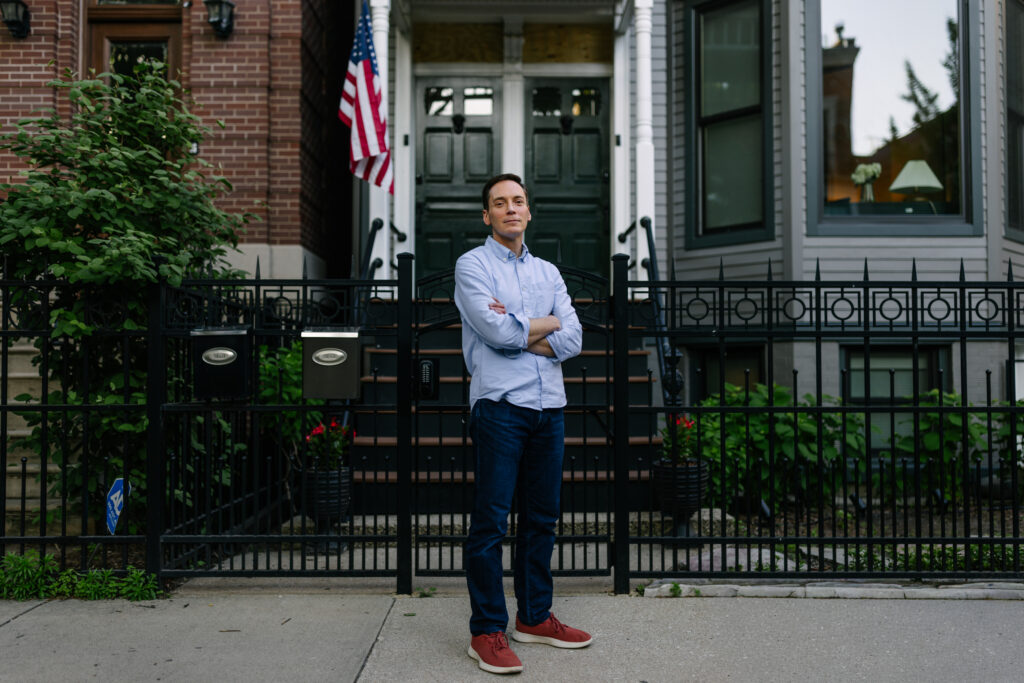
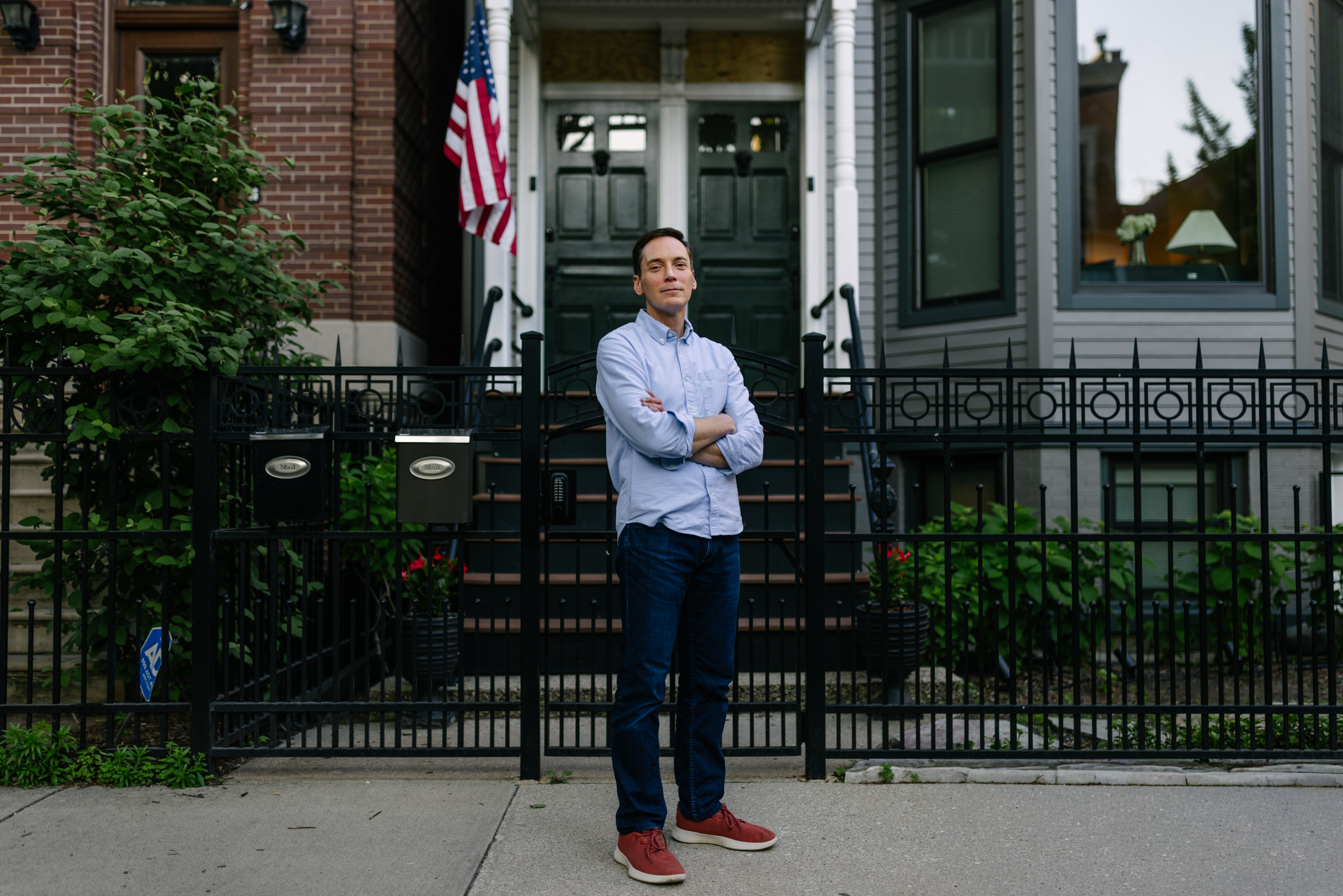
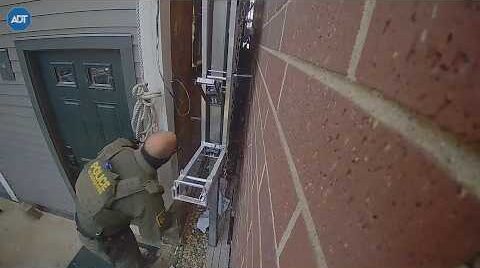
In October 2025, Leo Feler was at a work conference when he received an unexpected notification from his Ring doorbell. When he checked the live video feed, Leo realized that masked, heavily armed federal agents were trespassing on his property to apprehend workers Leo’s contractor had hired to renovate his Chicago home. Leo watched in horror as the agents attempted to break the locks on his six-foot-tall wrought-iron fence, scaled his second-story balcony, and stormed his detached garage. Using his Ring cameras’ built-in microphones, Leo told the officers that they were trespassing and ordered them to leave. Instead, the officers recklessly chased construction workers through Leo’s property, damaging that property and injuring the workers in the process.
After the raid, the United States conceded that the agents—who worked for U.S. Customs and Border Protection (CBP)—did not have a warrant. Nor did they have any reason to believe that any illegal activity was happening on Leo’s property. But rather than obtain a warrant, the officers launched a frantic and unnecessary raid that left Leo with thousands of dollars’ worth of damage, puddles of blood to clean up, and a severe sense of insecurity in his home.
Leo knows that, if the Fourth Amendment means anything, it means masked federal agents can’t trespass through private property to arrest people who are not suspected of any criminal activity. So he teamed up with the Institute for Justice (IJ) to make things right. When government officials ignore an innocent homeowner’s fundamental rights, the government—not the homeowner—should be on the hook for the damage they cause.
Case Team
Client

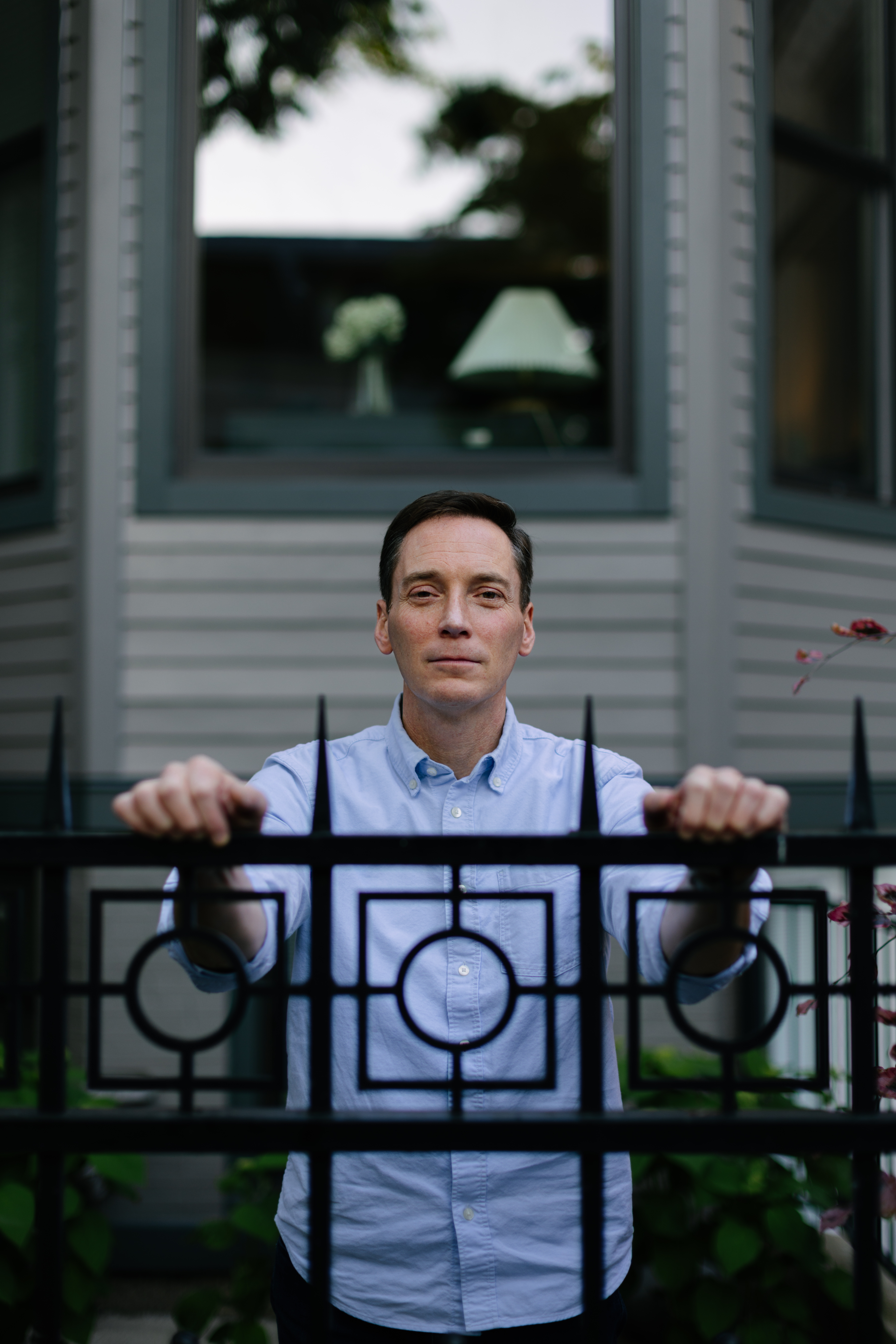
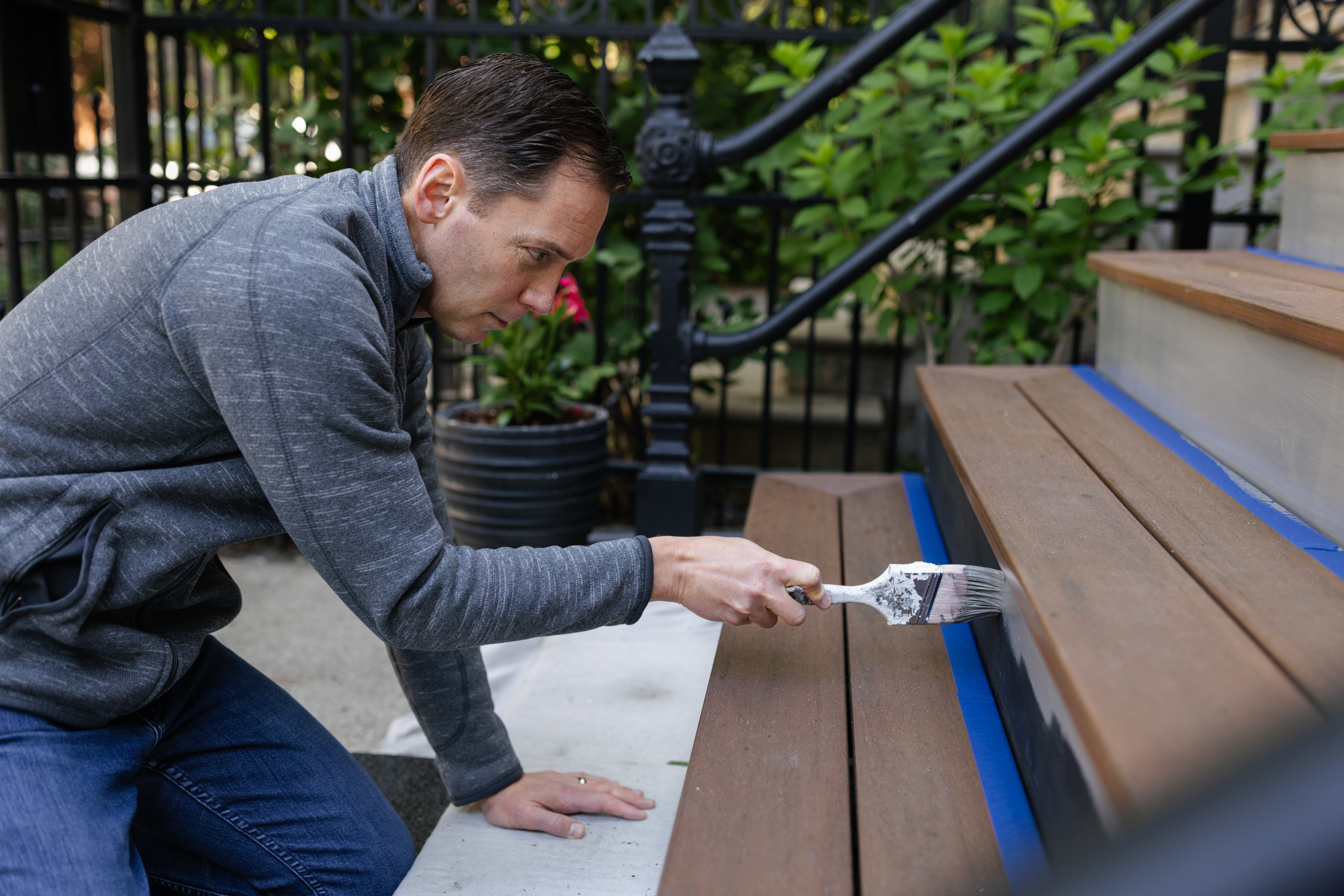
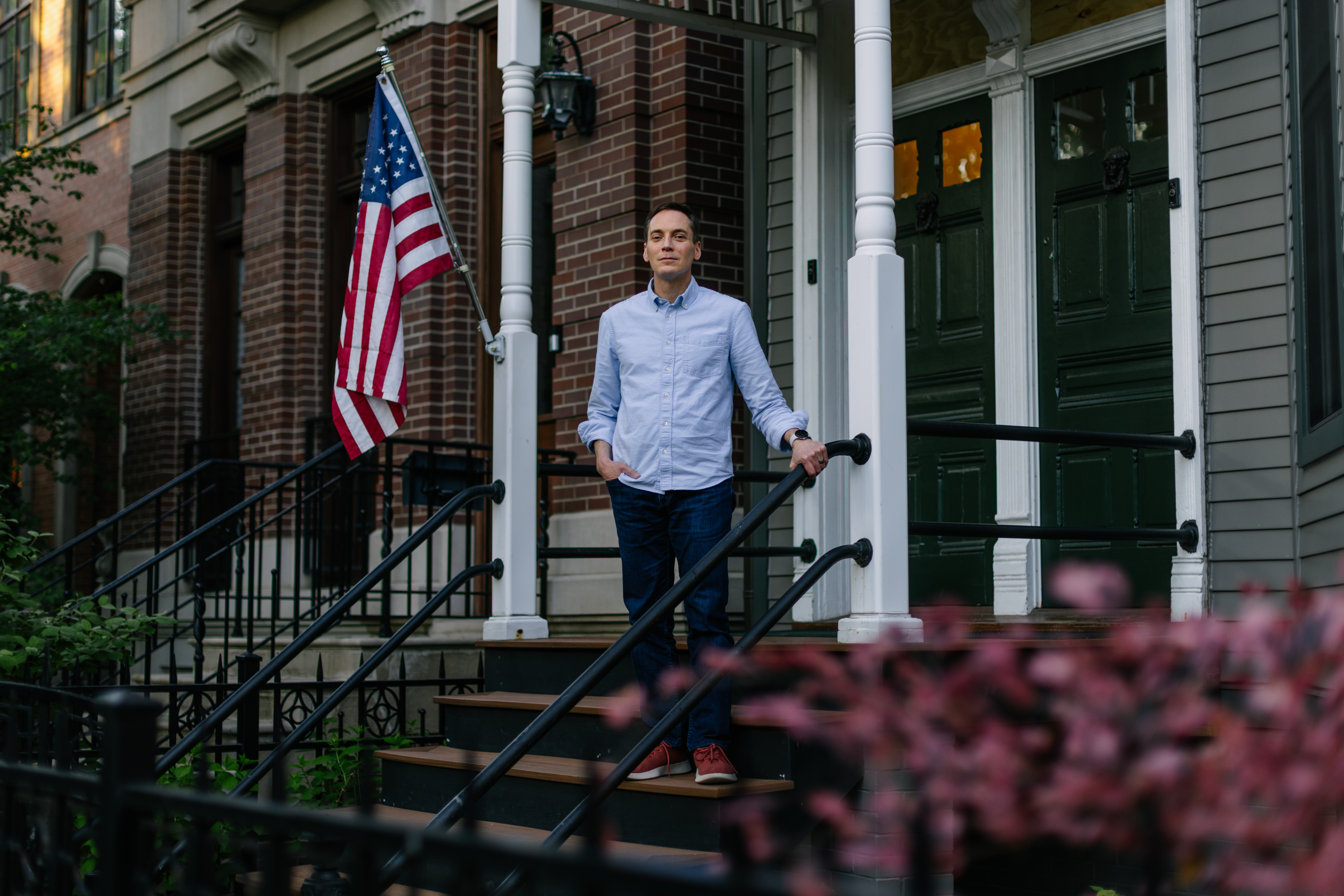
Leo Feler
Client
Attorneys

Dylan Moore
Attorney

Patrick Jaicomo
Senior Attorney
Staff

Dan King
Assistant Director of Media Relations

Kendall Morton
Senior Paralegal & Assistant Director of Special Litigation Projects
Media Resources
Get in touch with the media contact for image resources, press releases, and interview requests.
Media Images



Case Documents
Case Summary
Without a Warrant, Federal Agents Rampaged through Leo’s Property
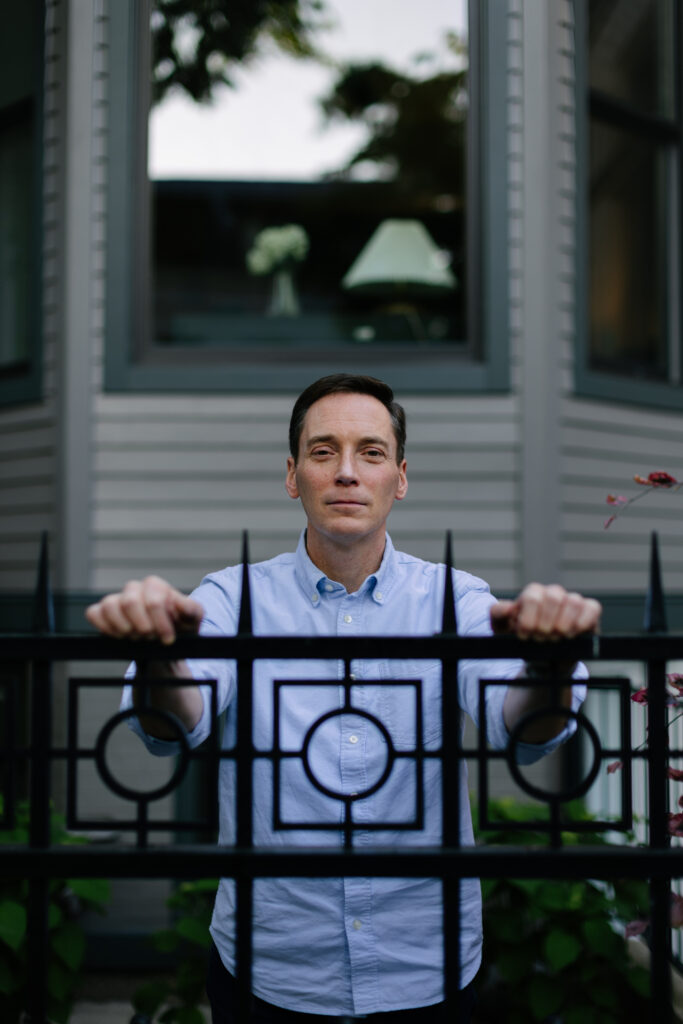
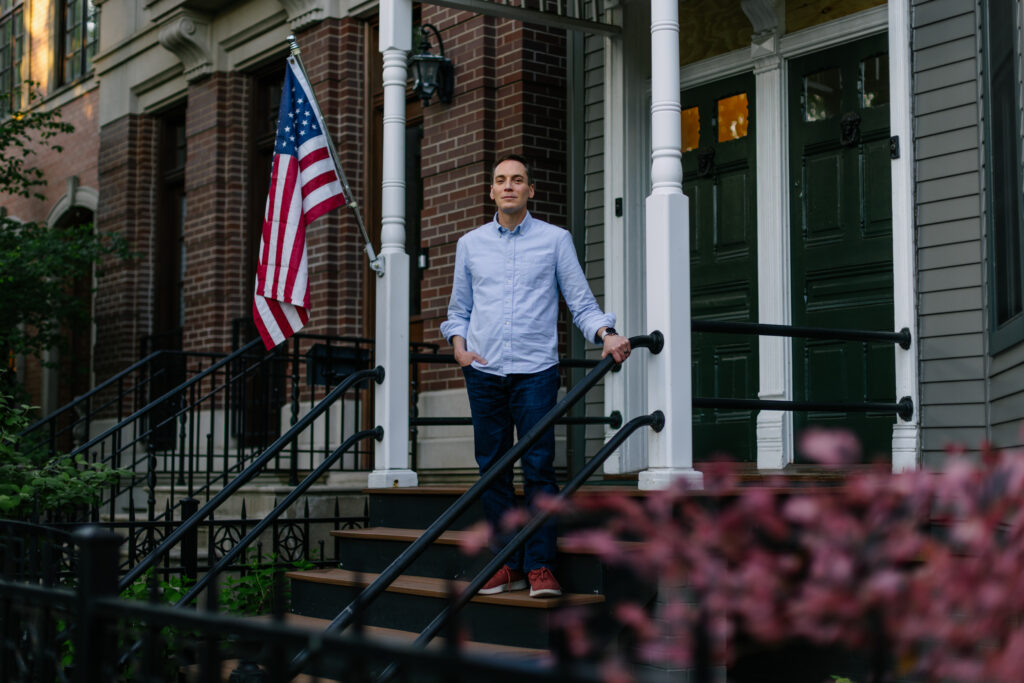
Leo Feler is an economist, professor, and proud resident of Chicago’s Lakeview neighborhood. He and his partner own and reside in a three-unit building along with their tenants.
Late last year, Leo hired a reputable contractor to replace windows and siding on his home. Just before noon on Oct. 24, 2025, four workers (who were hired by the contractor, not by Leo directly) were peacefully eating lunch outside Leo’s front door. Three were eating on the public sidewalk just beyond Leo’s gate, and one was stationed on Leo’s enclosed front stoop. Suddenly, two vans full of masked, heavily armed CBP officers came flying the wrong direction down the one-way road. The agents screeched to a halt outside Leo’s house, jumped out of the vans, and began chasing the workers. When the workers saw the strangers pour out of the vehicles dressed for battle, those who had been on the sidewalk retreated inside Leo’s fence and closed the gate. Undeterred, the agents scaled Leo’s fence and chased the workers through Leo’s property.
Three of the workers got away. One fled down the street, and two others entered Leo’s home. One of these workers climbed onto Leo’s second-story balcony before being sandwiched by two agents—one who scaled the balcony behind him, and another who clambered up Leo’s fence that runs alongside the balcony. Somehow, this worker managed to climb through the balcony window and close it behind him.
The final worker—the one who had been eating lunch inside Leo’s fence—was not so lucky. When the agents arrived, the worker ran into Leo’s detached garage behind his home. An agent eventually found the worker, threatened to pepper spray him, and arrested him. By the time the CBP agents dragged the worker back to Leo’s front yard, a crowd of concerned neighbors had gathered in the street. As the neighbors—many dressed in Chicago sports apparel—told the agents they were not welcome in their neighborhood, the agents tried to figure out how to get the worker over Leo’s locked gate. When it appeared that the agents planned to throw him over the spiked fence, Leo’s tenant decided it would be best to unlock the gate and let them leave.
Although Leo was not home when the raid took place, he repeatedly told the CBP officials that they were trespassing and ordered them to leave through the microphones on his Ring cameras. Leo’s tenant also told the officers that they had no permission to be on the property and demanded to see a warrant. The agents never produced one.
The Agents Abruptly Departed, Leaving Leo to Deal with the Aftermath
The agents forced the detained worker into one of their vans as Leo’s neighbors gathered to voice their opposition. No one attempted to prevent the agents from driving away. Still, even though the agents had a clear path to leave, they deployed tear gas in front of their vehicles. The wind carried the tear gas back toward the agents, who abandoned their vehicles but left the arrested worker trapped and cuffed in the chemical fog. The gas ultimately wafted over a playground near Leo’s house.
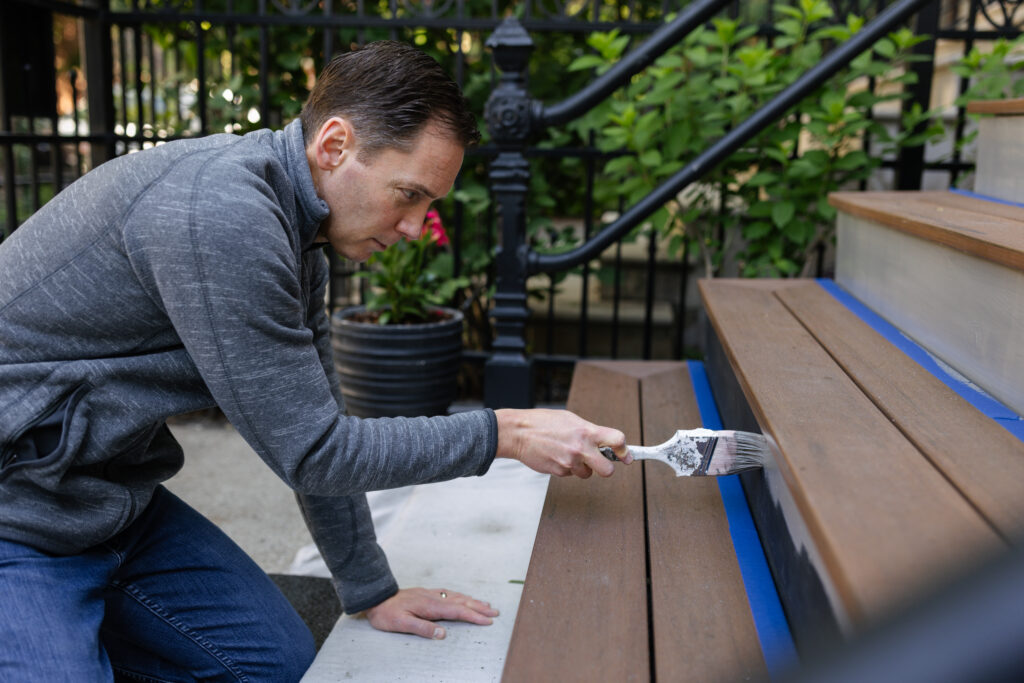
All told, the warrantless raid left Leo with about $30,000 in damage, several puddles of an injured worker’s blood, and the profound sense that his home was no longer secure. Fearing that he could not be away from his house for extended periods of time, Leo canceled his Thanksgiving travel plans to stay home. He was also forced to delay his renovation project for months, fearing that any worker he hired may be swept up in a similar warrantless raid.
The U.S. Constitution forbids law enforcement officers from storming private property without a warrant. Leo wants to make sure that other homeowners—and the individuals they invite onto their property—are protected against such reckless government intrusions. To hold the CBP agents accountable, Leo is bringing Fourth Amendment claims alleging that the warrantless raid violated his right to be free from unreasonable seizures. And to hold the United States accountable for the harmful actions of its employees, Leo is bringing FTCA claims for trespass and property damage. Without accountability, constitutional rights are not worth much more than the paper they’re written on.
The Plaintiff
The Plaintiff is Leo Feler
The Defendants
The Defendants are the United States of America and the unknown CBP agents who entered Leo’s property without a warrant.
The Lawsuit
Leo is asking the court to rule that the CBP agents violated Leo’s Fourth Amendment rights by trespassing on his property and damaging his possessions without a warrant and to award him damages to remedy the violation.
When federal agents ransack an innocent homeowner’s private property without a warrant, it’s a clear violation of the Constitution under the Fourth Amendment, which forbids the government from subjecting private property to unreasonable, warrantless searches and seizures. In theory, there are two types of accountability that follow. The officers who violate that right are supposed to answer personally, and the United States is supposed to answer under the Federal Tort Claims Act, which Congress passed so that the government, not the innocent homeowner, bears the cost of the harms its employees cause. But theory is not real life. Today, recovering against either the federal government or its employees is incredibly difficult. This case is meant to change this sad state of affairs.
The Litigation Team
The lawyers on this case are IJ Attorney Dylan Moore and Senior Attorney Patrick Jaicomo.
About the Institute for Justice
IJ is the national law firm for liberty. We lead the fight for federal accountability and aim to ensure that victims of warrantless raids can vindicate their federal rights in court. Last year, IJ won a unanimous Supreme Court victory on behalf of the Martin family, whose Atlanta home was mistakenly invaded by an FBI SWAT team.