Project on Education Entrepreneurship
IJ's Education Entrepreneurship Project focuses on reducing common barriers to innovation in education—including licensing, zoning, and speech regulations—all issues that IJ litigates.
The Institute for Justice’s Education Entrepreneurship Project is committed to protecting the right of entrepreneurs to offer meaningful alternatives to the public school system and of parents to access those alternatives for their children. By dismantling barriers to innovation, flexibility, and creativity in private education, it ensures that every parent can find the education that will best meet her child’s unique, individual needs.
During the COVID-19 pandemic, parental frustration with the public school system boiled over, stoking an overwhelming demand for new educational options that continues to this day. Far too often, however, outdated and irrational laws stand in the way. These laws, aimed at preserving the status quo and preferencing the monolithic public school system, have stifled the freedom of entrepreneurs to do what they do best: innovate. The Education Entrepreneurship Project aims to change that—to ensure these entrepreneurs have the freedom to develop and deliver unique programs to meet children’s unique needs.
The regulatory barriers, unfortunately, come in all forms and from all levels of government. They may be zoning laws that restrict private educational uses of private property. Fire code provisions that saddle tiny microschools with building requirements designed for schools with hundreds of students. Statutes that prevent homeschooling families from banding together to form co-ops or learning pods. Teacher licensing laws that hamper a private school’s ability to hire unquestionably qualified teachers, simply because they don’t have the state’s preferred “credential.” Over-the-top compulsory education laws that regulate down to the minute what instruction a private school or homeschooling parent must provide. And childcare licensing laws that treat innovative hybrid homeschool programs as though they are daycare facilities.
Were there any doubt regarding the roadblocks that education entrepreneurs face, consider the following:
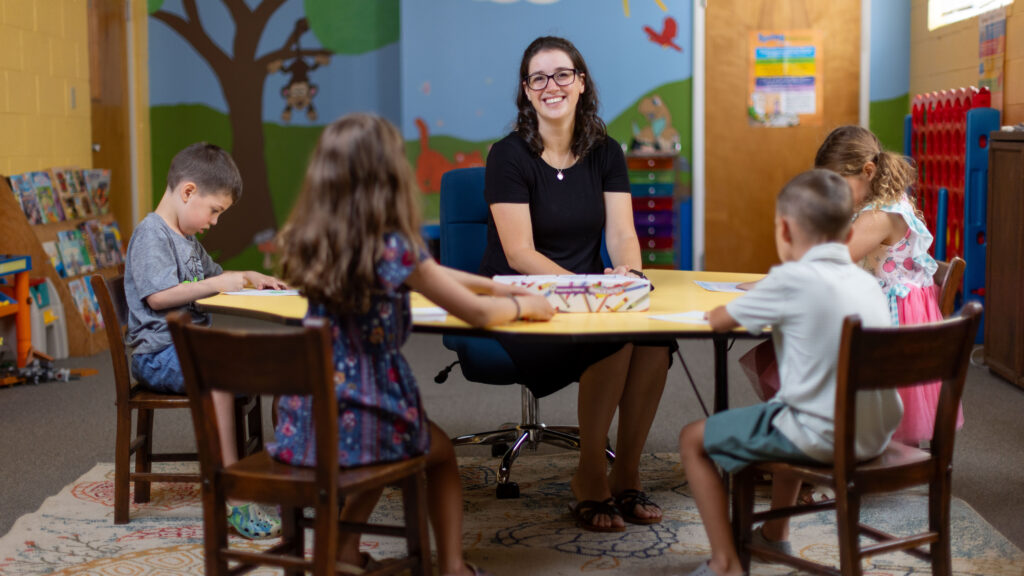
- Katy Duckstein, a former public school teacher with an undergraduate degree in education and a graduate degree in education leadership, founded Roots Academy after several parents asked for her help in homeschooling their children. Roots is an innovative hybrid program, where homeschooled students gather for several hours, several days a week to learn together. Pennsylvania, however, considers Roots a “child care facility” and ordered it to cease and desist operating until it obtained a license and complied with the incredibly onerous regulatory requirements applicable to daycare centers.
- Denise Lever runs Baker Creek Academy, a small hybrid program in Eager, Arizona. After operating for two years with no concerns from local building and zoning officials, state fire inspectors attempted to saddle her with tens of thousands of dollars in building upgrades simply because she used the building for “educational purposes.” The same building, operating for the same number of hours, serving the same number of children, of the same ages, would have been perfectly fine if it was used for “[t]raining and skill development” that did not involve an “academic program”—for example, “martial arts,” “gymnastics,” or “similar uses,” rather than reading, writing, and arithmetic.
- Haven Overstreet operates Naomijoy’s Hopeful Hearts, a learning center for low-income autistic children in Ellisville, Mississippi. The city initially granted Naomijoy’s a license to operate, and for good reason: the service it provided was desperately needed in the community. The traffic impact on the surrounding neighborhood, meanwhile, was miniscule. In fact, Naomijoy’s served only five children per day, and they arrived at staggered times. Yet only two months after granting the license, the city reversed course and deemed Naomijoy’s to be an illegal “home occupation.” Meanwhile, mere blocks away, in the same residential zone, the city allowed a hair salon and an assisted living community to operate.
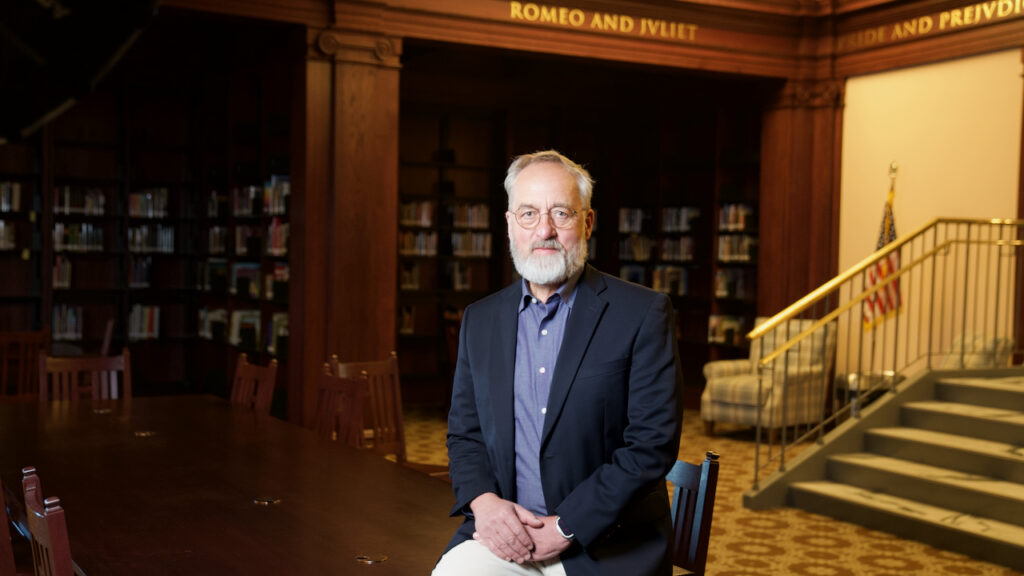
- Capstone Classical Academy is a rigorous private school that opened its doors in Fargo, North Dakota, in 2022. After several years in operation, and with enrollment booming, the state threatened to pull its approval to operate because not all of its teachers held a license from the state. The licensing regime is incredibly intrusive and onerous, dictating not only who can teach, but also what courses they can teach. Not surprisingly, the standards, which are designed for North Dakota’s public schools, are wholly at odds with the classical pedagogy that Capstone employs. Worse, the licensing requirement keeps highly experienced and effective educators out of the classroom: Capstone had to inform two state college professors who were interested in teaching at the school that, in the state’s eyes, they were unqualified to teach elementary and high school students.
- Karli Kemper runs State 48, a nonprofit microschool focused on performing arts in Pinal County, Arizona. The county’s zoning code allows “schools” as of right in the General Rural zone where State 48 is located. But after State 48 had already opened its doors and was providing a unique, innovative education to Pinal County students, the county decided that “schools” only meant “public or charter schools.” It accordingly subjected State 48 to an incredibly costly, year-long “special use permit” process to prove that the microschool’s existence is “in the public interest.”
The Education Entrepreneurship Project aims to dismantle these and other barriers to entrepreneurship in private education.
Through strategic litigation that draws on IJ’s three-and-a-half decades of experience fighting for economic liberty, free speech, property rights, and educational choice, the project will reinvigorate a trio of cases from the 1920s—Meyer v. Nebraska, Pierce v. Society of Sisters, and Farrington v. Tokushige—which provided robust protection for the right of parents to direct the education of their children and the right of private education providers to offer their services to willing families. These seminal decisions invalidated laws that restricted what private educators could teach, that sought to funnel all children into the public education system, and that saddled private schools with crippling regulatory requirements.
But in the intervening century since they were decided, these cases have lain largely dormant. The Supreme Court has never overruled them, but it has rarely relied on them. As a result, the lower courts are hopelessly confused and divided over exactly what the cases stand for and what scope of protection they offer.
The result of this confusion? Free rein by government to (1) force old laws onto new models of education that were unimaginable when those laws were enacted (the square peg/round hole problem) or (2) enact new laws that specifically target new educational models that challenge the status quo. In both cases, the result is the same: a stifling of innovation. IJ’s Education Entrepreneurship Project will pursue cutting-edge cases to ensure that Meyer, Pierce, and Farrington are restored to their rightful place as bulwarks of education freedom.
But the project will not rely on litigation alone. It will pursue cutting-edge strategic research to empirically demonstrate the harms of government overreach in education and the benefits of education freedom. It will develop model laws and policies to protect freedom in education. Through grassroots activism, it will help get those model laws and policies enacted. And when government ignores them, it will hold government accountable.
In short, IJ’s Education Entrepreneurship Project will ensure that America has a truly diverse, pluralistic educational environment in which every parent can find the education that will work best for her children.
Project Contacts
Do you want to start an educational program but your state or local government won’t let you?
The Institute for Justice may be able to help you for free.
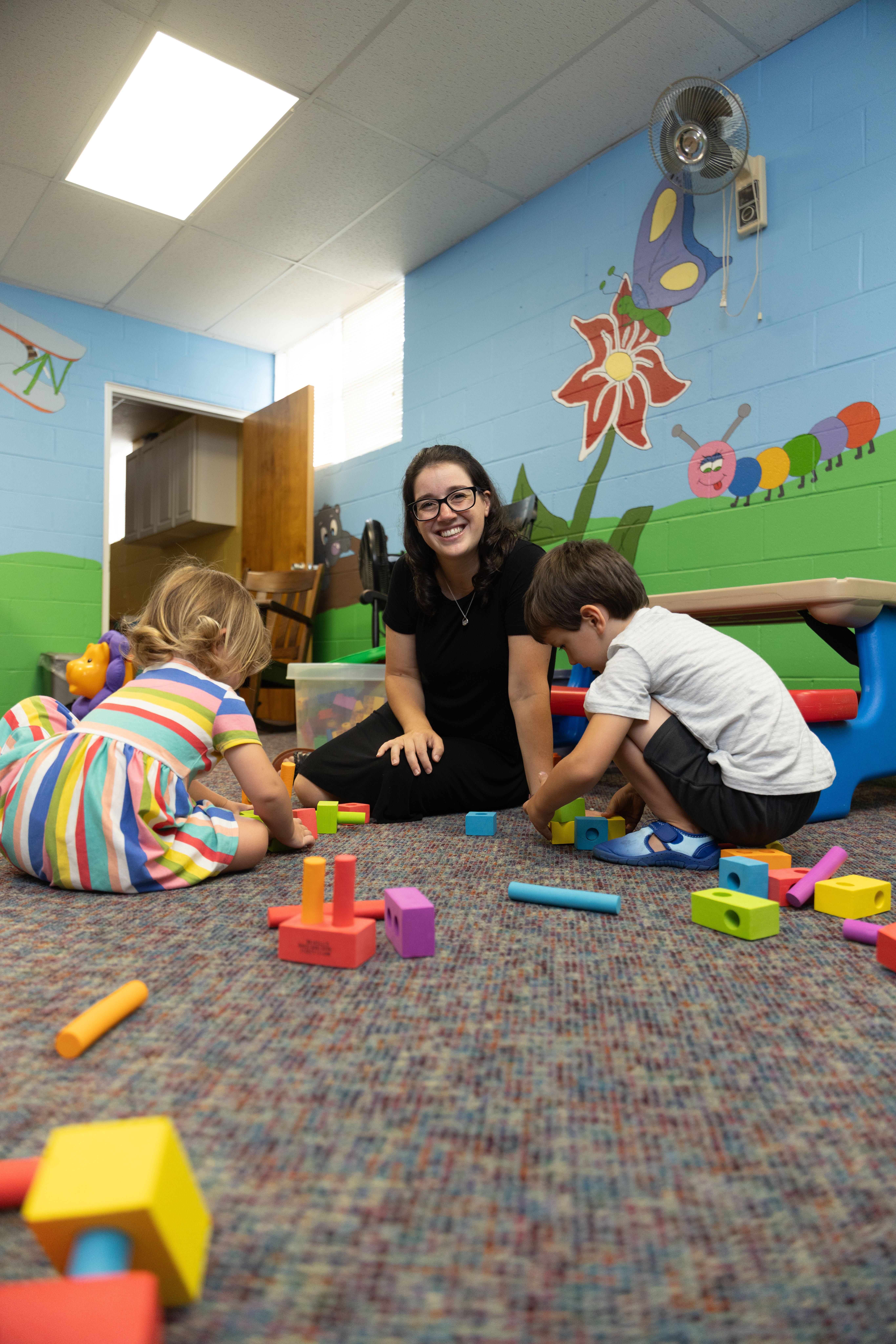
Parents should be able to pick the best education for their kids. Recently, parents are turning to “microschools”, “hybrid schools”, and “learning pods”—all alternatives to the public school and big private schools.
But sometimes, the government does not like change and new things, and it has tried to unfairly shut down or restrict these new types of education environments.
Related Research

Meyer, Pierce, and Everything After
Michael Bindas
Date Written: February 25, 2025
For a century, the U.S. Supreme Court has provided substantive protection, through the Due Process Clause of the Fourteenth Amendment, to a parent’s liberty interest in directing the education and upbringing of her children.
Related webinar

Education Entrepreneurship Cases
Economic Liberty | Education Entrepreneurship
Education Entrepreneur Fights for Her Innovative Hybrid School
Katy Duckstein runs a hybrid homeschool program in Pennsylvania, but the state wants to bury her in red tape.
Economic Liberty | Education Entrepreneurship | Occupational Licensing
Private School, Teacher, and Parent Fight for Integrity, Innovation, and the Century-Old Promise of Freedom
The Case When Capstone Classical Academy opened in Fargo, North Dakota, in 2022, its goal was simple: hire the best teachers possible. At first, the school focused on finding talented educators…
Education Entrepreneurship News
Innovative Hybrid Homeschool Program Fights for the Right to Teach After Being Wrongly Labeled as a Childcare Center
PITTSBURGH—Katy Duckstein created Roots Academy to work with other homeschool parents to provide instruction and socialization. Operating in Pittsburgh’s northern suburbs, Roots is an innovative hybrid program that doesn’t fit into…
North Dakota Says a Ph.D. Isn’t Qualified to Teach Eighth Grade. A Fargo School Is Suing to Change That.
FARGO, N.D.—Today the Institute for Justice (IJ) and Capstone Classical Academy filed a federal lawsuit challenging a North Dakota law that makes it nearly impossible for private schools to hire…
Micro School Entrepreneur Struggles to Make Sense of Zoning
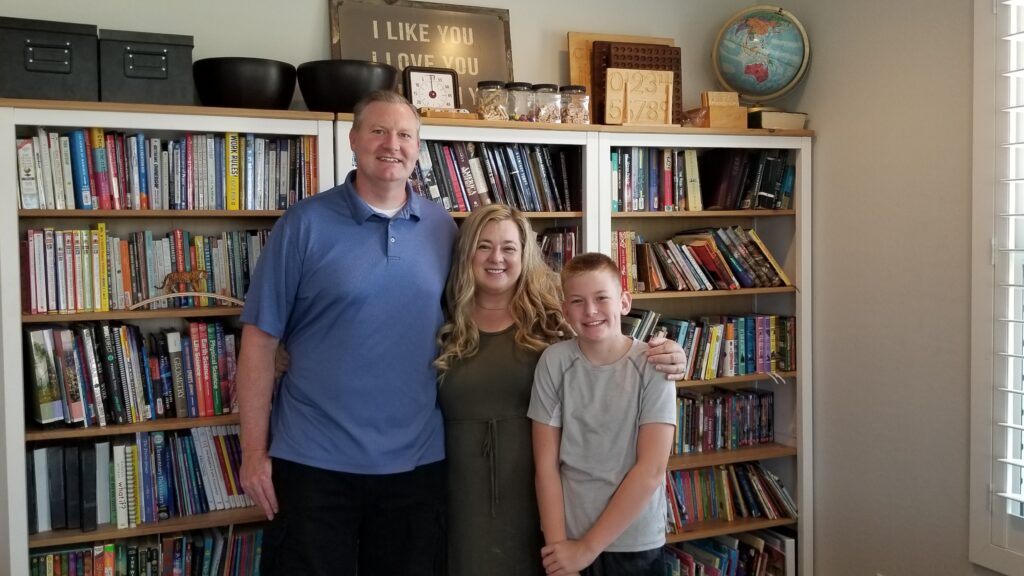
PHOENIX—New micro schools popped up across the U.S. as parents responded to school closures caused by the COVID-19 pandemic. Thanks to Arizona’s Empowerment Scholarship Account, which provides parents with savings accounts…
Education Entrepreneurship Podcasts
June 02, 2023
Short Circuit 274 | 100 Years of Meyer v. Nebraska
June 4, 2023 marks exactly 100 years since the Supreme Court handed down its opinion in Meyer v. Nebraska, where the Court ruled that it […]
Listen Now