Economic Liberty
Private School, Teacher, and Parent Fight for Integrity, Innovation, and the Century-Old Promise of Freedom
- Case Name
- Capstone Classical Academy v. Bachmeier
- Status
- Active Cases
- Location
- Fargo, ND
- Date Filed
- June 10, 2026
The Case
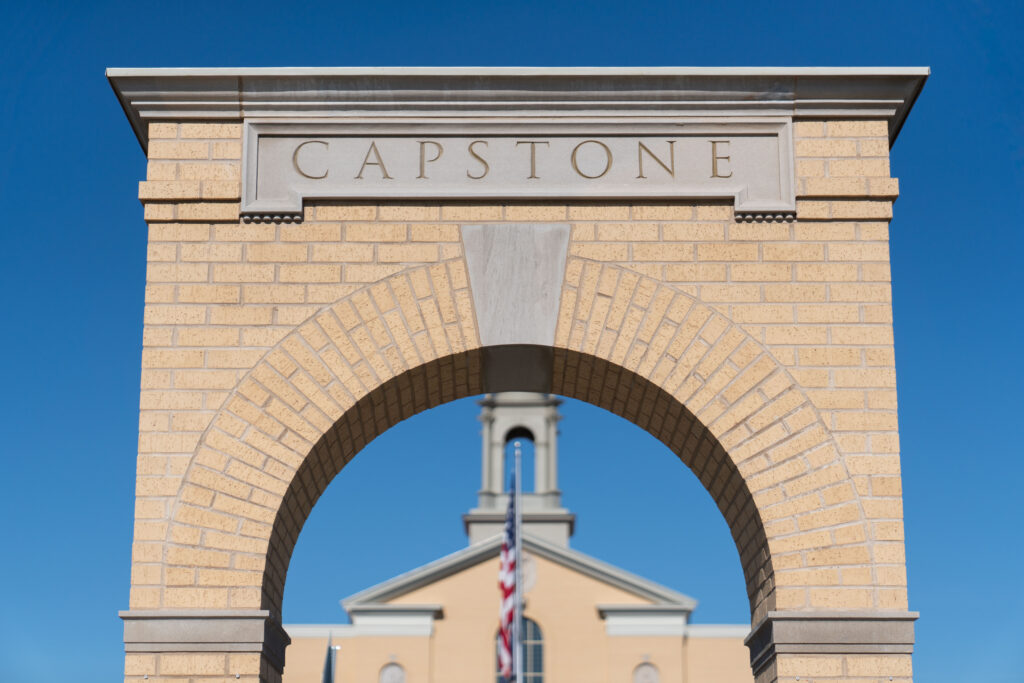
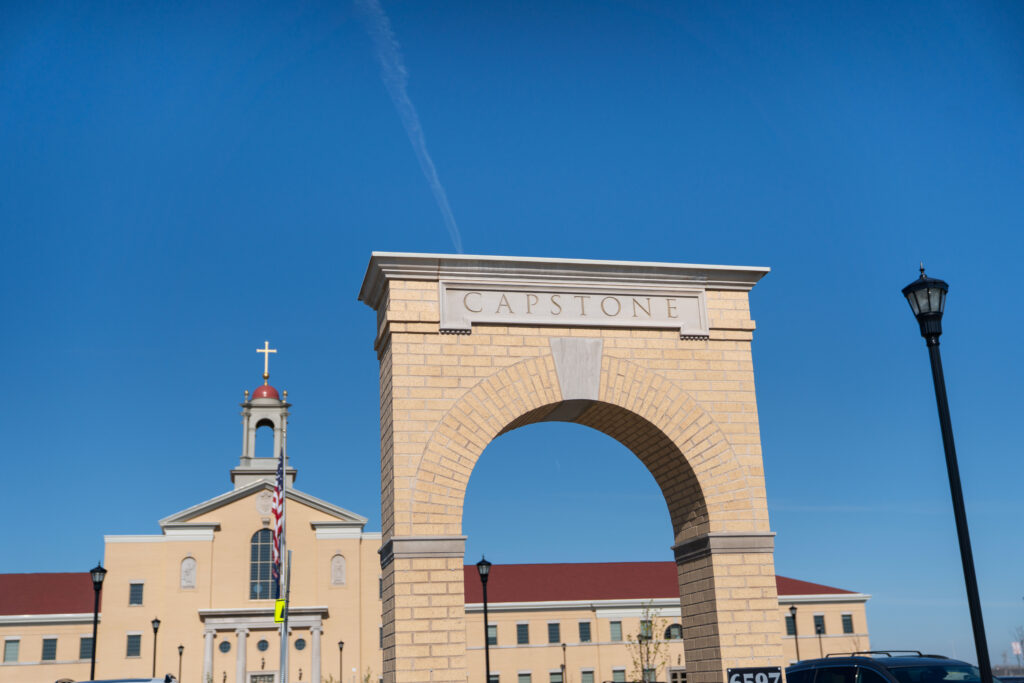
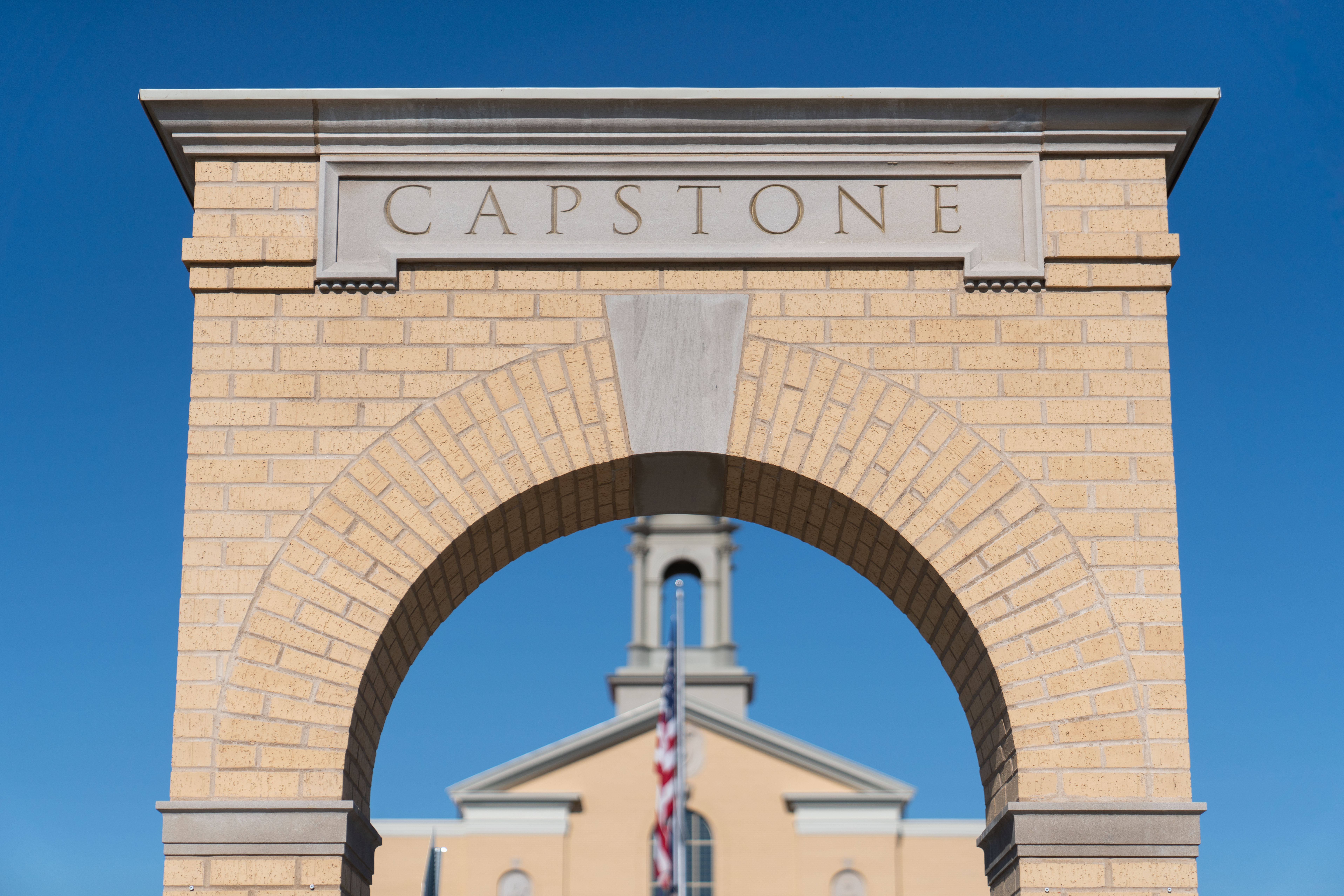
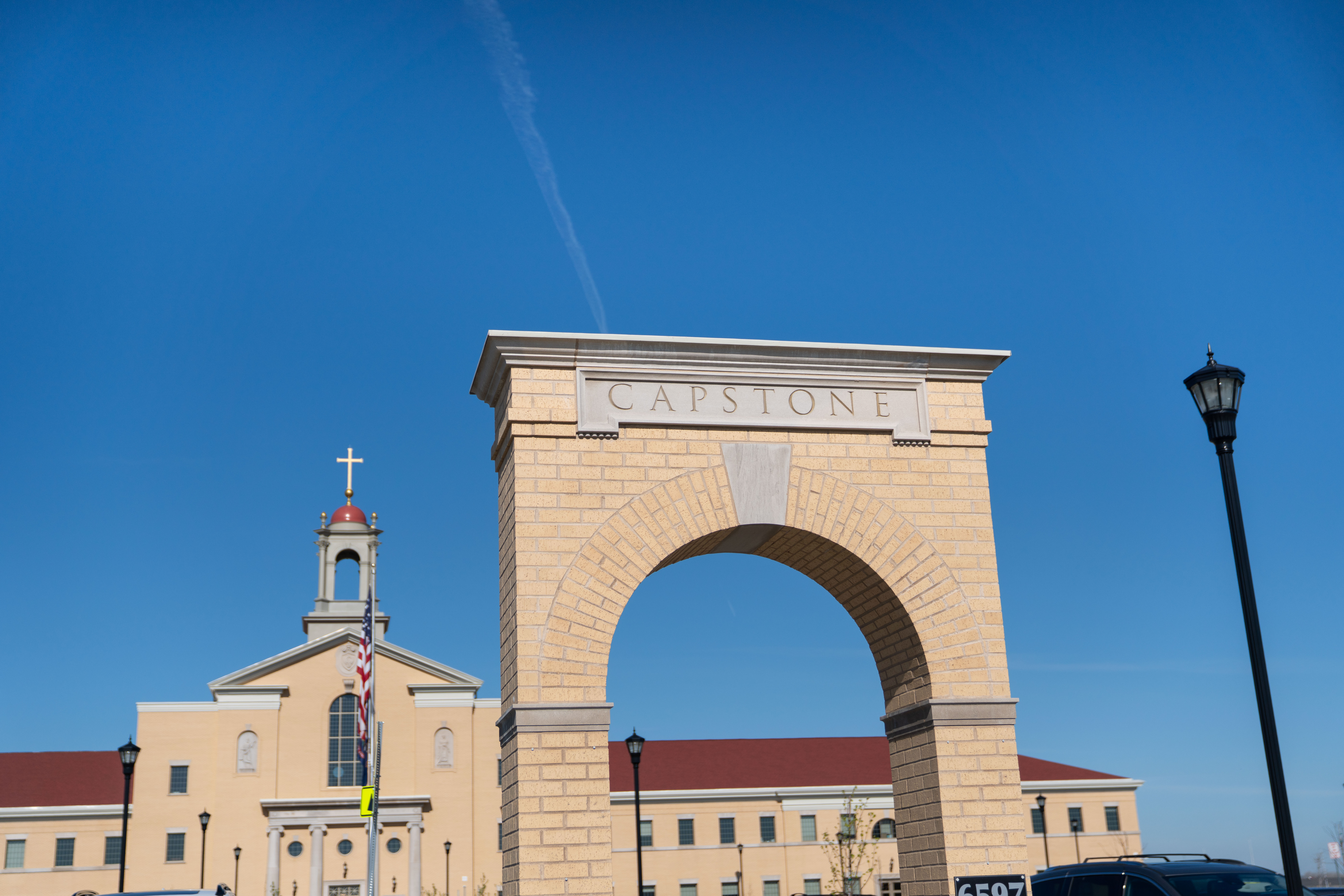
When Capstone Classical Academy opened in Fargo, North Dakota, in 2022, its goal was simple: hire the best teachers possible. At first, the school focused on finding talented educators committed to the school’s mission and identity, not on navigating the state’s labyrinthine licensing rules. That all changed in 2025, when the state threatened to shut down the school because it employed several teachers who didn’t have state teaching licenses. Capstone was forced to spend immense time, money, and administrative effort over the next year to come into compliance with the licensing laws, and it now must continue doing so going forward.
At issue was the fact that North Dakota has the nation’s most burdensome and invasive teacher licensing scheme. Unlike nearly every other state, it requires state licensure of all private school teachers, severely restricting not only who can teach in a private school, but also what they are allowed to teach. This comes at a time when the state has declared a “critical shortage” of teachers “across all content areas.”
Consider what this means in practice. A retired chemistry professor with a Ph.D. and decades of teaching experience is barred from teaching high school chemistry. A celebrated novelist, with books lining library shelves, is barred from teaching middle school English. A Pulitzer winner cannot teach journalism. A working engineer retired from Silicon Valley cannot teach computer science. In North Dakota, none of them are qualified—because none of them hold the state’s license. This is all because North Dakota considers a licensed teacher—no matter his or her qualifications—better than a well-qualified one.
North Dakota’s licensing scheme doesn’t make a private school—or any school, for that matter—better. Rather, it homogenizes schools that, like Capstone, were designed to be different. North Dakota’s Constitution requires the state’s public school system to be “uniform.” But the reality is that when it comes to education, there is no one-size-fits-all solution. Uniformity is a recipe for mediocrity—and for shutting out the families whose children need something different. By forcing every school to conform to the same state-approved mold, North Dakota’s licensing regime abridges the ability of private schools to offer alternatives, and parents’ ability to access them.
Parents have a constitutional right to direct the education of their children, and they cannot fully realize that right if educators are not free to offer them their services. That is why the Institute for Justice (IJ) has joined Capstone, along with one of its teachers and the parent of one of its students, to challenge these laws. The case is about protecting the freedom of private schools to remain truly independent, the freedom of qualified teachers to teach, and the freedom of parents to choose the educational path that best meets their children’s needs.
Case Team
Clients
Attorneys

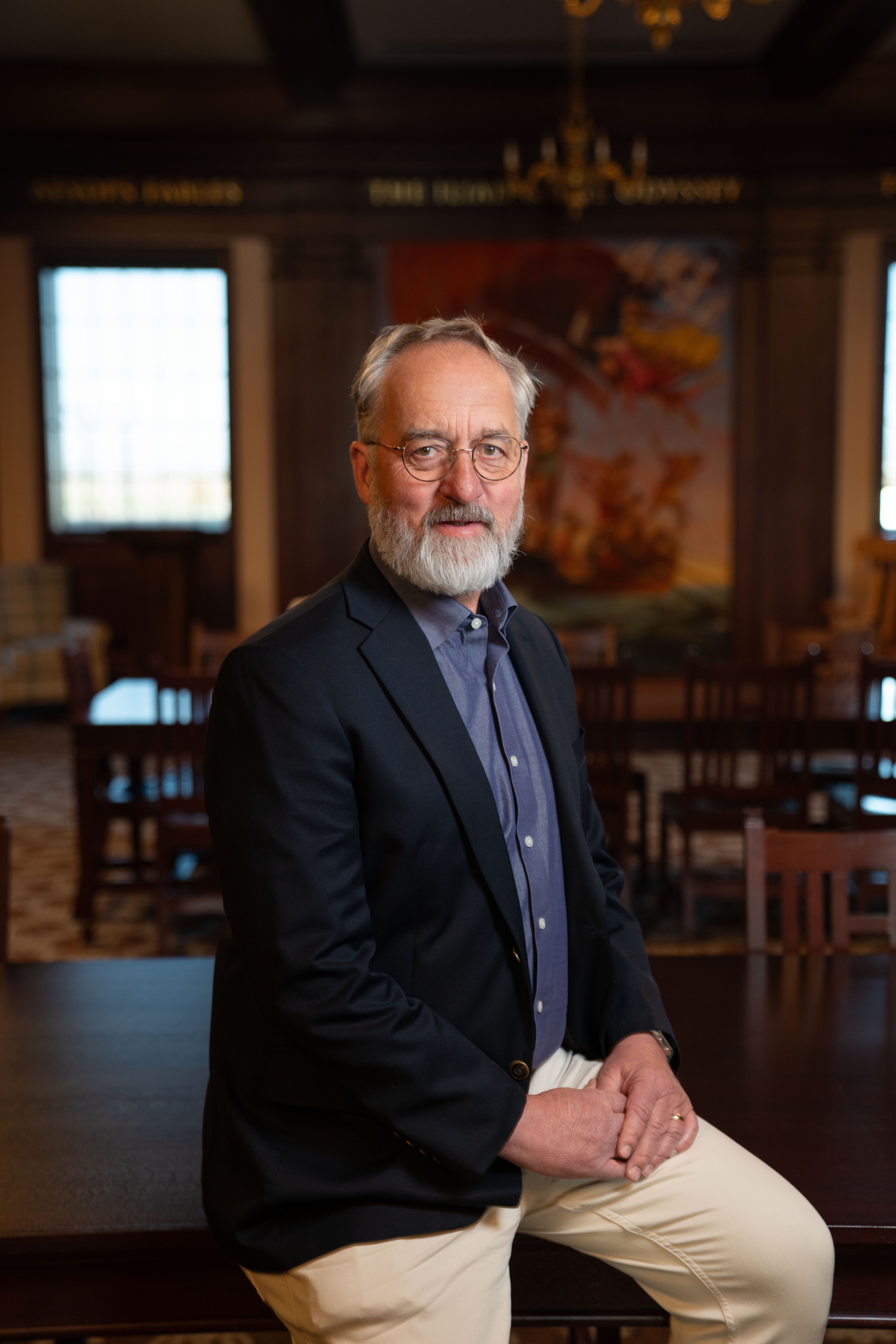
Michael Bindas
Senior Attorney
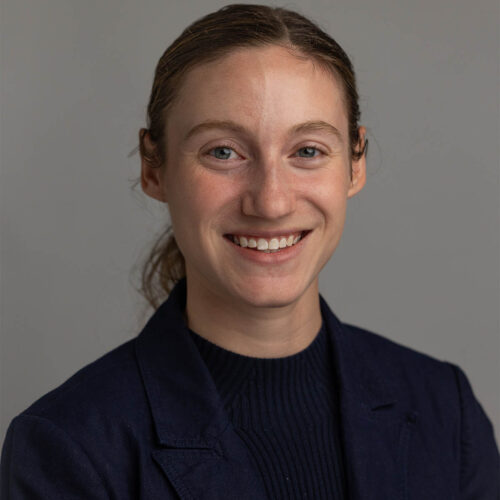
Riley Grace Borden
Litigation Fellow
Staff
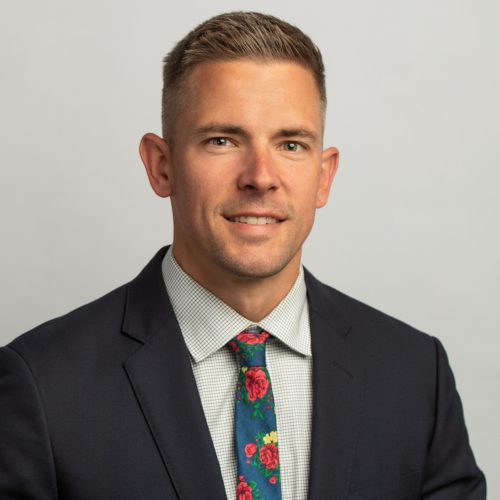
J. Justin Wilson
Vice President for Communications
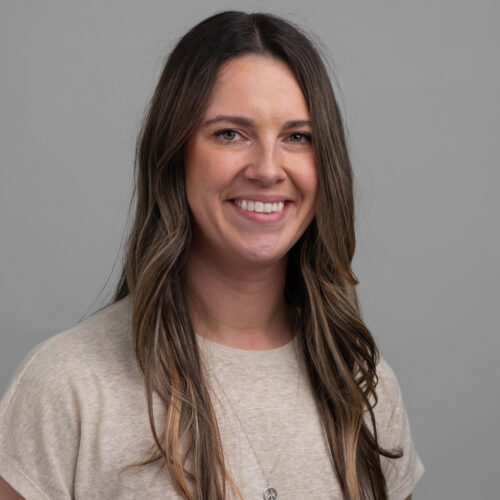
Hilary Loya
Senior Paralegal
Media Resources
Get in touch with the media contact for image resources, press releases, and interview requests.
Media Images
Case Documents
Case Summary
North Dakota’s Licensing Regime Means Private Schools Can’t Be Who They Really Are
North Dakota requires all private school teachers to be licensed or approved by the state, a requirement that is not just highly unusual in the United States, but is also structured in a particularly onerous way. Under what are called compulsory attendance laws, parents in North Dakota are required to send their children to a public school unless one of several exemptions applies 1 . Although there is an exemption for parents who send their children to nonpublic schools, it must be “an approved nonpublic school.” 2 Approval, in turn, requires that “[e]ach classroom teacher is licensed to teach by the education standards and practices board or approved to teach by the education standards and practices board” and “is teaching only in those course areas or fields for which the teacher is licensed or for which the teacher has received an exception.” 3 Enter North Dakota’s impossibly complex teacher licensing scheme.
The process for obtaining a teaching license is incredibly onerous, time-consuming, and expensive. The default pathway requires a minimum of a four-year bachelor’s-level education degree from one of the handful of state-approved teacher education programs, as well as passage of a battery of examinations administered by a global standardized testing corporation. And although there are several other pathways to licensure, all involve significant coursework, passage of a number of tests, payment of significant application and licensing fees, and, of course, navigation of labyrinthine licensing regulations and paperwork.
And obtaining a teaching license is just the start.
North Dakota also dictates which subjects a licensed teacher can teach, and to which grade levels, through a sprawling directory of hundreds of course codes that is nevertheless far from comprehensive. The gaps produce absurd results: a teacher with a state endorsement in theology is authorized to teach 26 specific courses, including “Catholic Studies through Literature,” but there is no equivalent code for “Jewish Studies through Literature”—meaning an expert in Jewish Studies cannot teach the subject she knows, though she could teach Catholic Studies through Literature, which she does not. Adding a new course requires a formal “new course request,” but this approval only happens once a year, and unsurprisingly, causes an extraordinary administrative hassle.
To make matters worse, teacher licensing is not a one-and-done affair. A license holder incurs ongoing obligations, including regular renewal fees and a periodic “re-education” obligation, which requires the teacher to undergo 90 hours of re-education instruction every five years. 4
It should come as no surprise that North Dakota has faced a critical shortage of teachers for years.
While North Dakota may insist that its licensure regime is necessary to maintain quality teaching in private schools, the overwhelming majority of states do not require private school teachers to be licensed. In fact, North Dakota allows parents to homeschool their children with only a high school diploma or GED. 5 Homeschooling parents can even hire unlicensed instructors to teach their children. 6
Most disturbingly, the licensing regime has a homogenizing effect on education in North Dakota. The licensing requirements applicable to private school teachers are the same exact requirements applicable to the public school system, which the North Dakota Constitution requires to be “uniform.” 7 Private schools don’t want to be “uniform,” and parents don’t want them to be, either.
Capstone is Burdened in Its Pursuit of Alternatives to the Public Education System
Capstone Classical Academy knows the problems of the licensing regime firsthand. The school was founded to offer North Dakota families a different kind of education: a classical, Christian education that is concerned with formation and learning how to think, rather than just information and learning what to think. From the beginning, school leaders knew the state’s teacher licensing laws would make its mission difficult.
In May 2025, Capstone received a letter from the North Dakota Department of Public Instruction noting that “several current Capstone teachers” are “either unlicensed or teaching outside of their licensed areas.” “While we appreciate the commitment of these individuals to meeting student needs,” the letter continued, “licensure is a legal requirement for school approval.” The letter then ordered Capstone to “[p]rovide executed teaching contracts for each classroom teacher who will be employed for the 2025-2026 school year, confirming they are appropriately licensed or approved by ESPB [North Dakota’s Educational Standards and Practices Board].” The letter warned that “failure to meet these conditions may result in non-renewal of Capstone’s nonpublic school approval” and threatened to “notify families and media outlets that Capstone is not an approved nonpublic school, and that student attendance at the school may not fulfill the state’s compulsory education requirements.”
Capstone spent the next year expending tremendous time, energy, and resources attempting to come into compliance with the state’s licensing laws and placing these already highly qualified teachers on one of the state-approved, but entirely unnecessary, pathways to licensure. The school spent well over 10 thousand dollars in, among other things, licensing and application fees, costs associated with college coursework and testing, and fees for “re-education” credits.
Yet, despite this, some Capstone teachers remain unable to dedicate the time necessary to start on a pathway to licensure. For instance, one of its teachers is a Ph.D. candidate in Christian-Muslim relations at the University of Edinburgh who has completed his Ph.D. coursework and is in the middle of writing his dissertation. Prior to commencing his Ph.D. studies, he taught and served as a department head at a college preparatory school in Michigan. Yet, in the eyes of North Dakota, he is not qualified to teach. The demands of his teaching and dissertation, meanwhile, are such that he is not currently able to work toward licensure. For now, he and the school have found an absurd workaround: he’s technically deemed an interim substitute teacher, which is the only reason he has been able to remain at Capstone.
Were that not enough, one of Capstone’s administrators recently had to tell a retired university professor with decades of teaching experience that he was unqualified (in the state’s eyes) to teach students at any grade level.
Capstone’s Community Unites to Fix the Licensure Issue
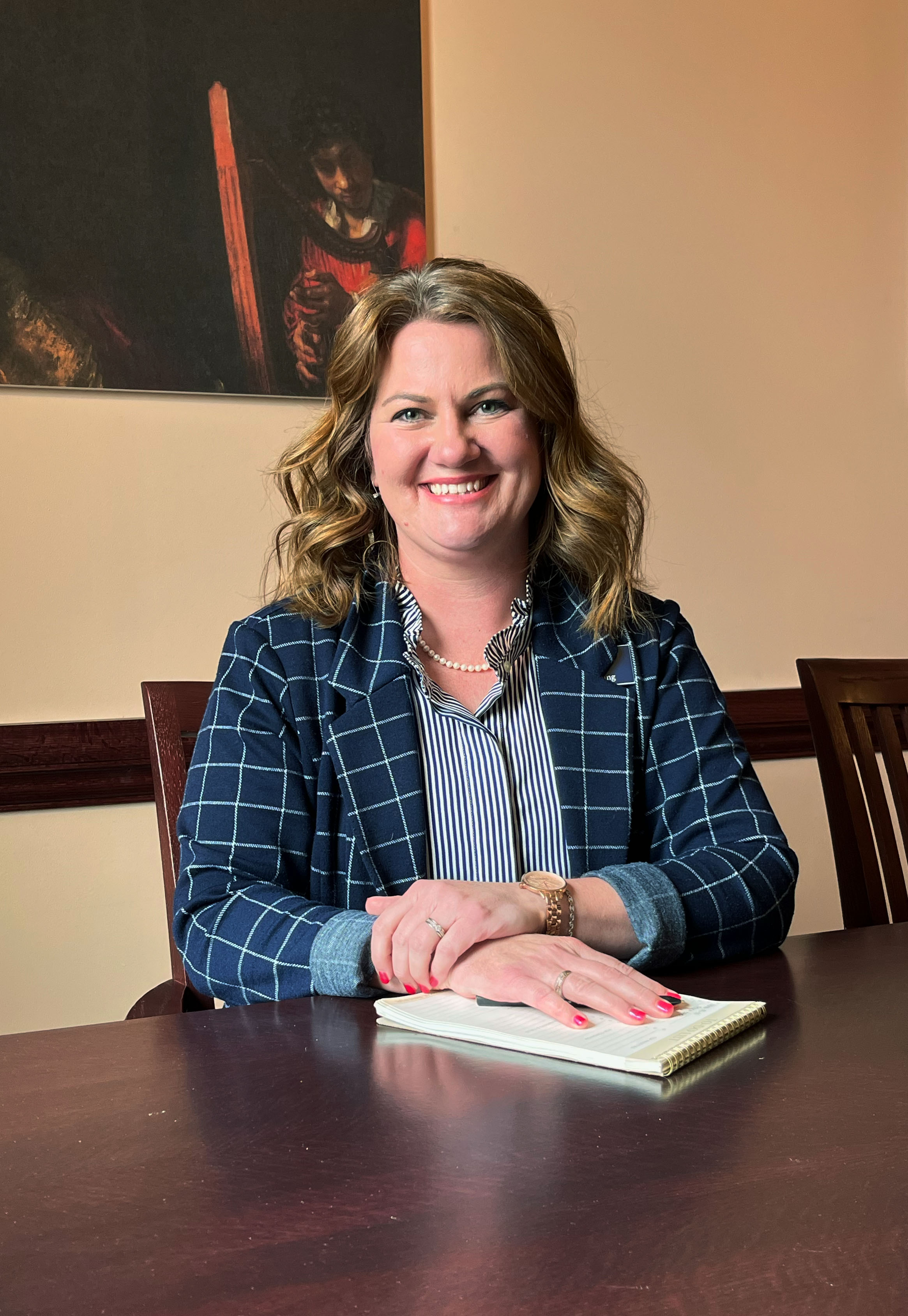
Kaylie Young, a beloved English teacher at Capstone, commutes close to two hours a day to get to and from the school. She holds a bachelor’s degree in English education, with a minor in Spanish, as well as a master’s degree in education with an emphasis in English. She came to Capstone after more than a decade working in public schools. Although Kaylie holds a North Dakota-approved teaching license, she sees firsthand how the state’s required re-education credits are irrelevant to the methodologies and mission of Capstone, and she spends hours every week dedicated to helping other teachers come into compliance with state requirements.
Kaylie is not just a teacher, but also a parent whose three children attend Capstone. She knows that her colleagues are qualified, and she is happy to entrust her children’s education to them without the state’s imprimatur.
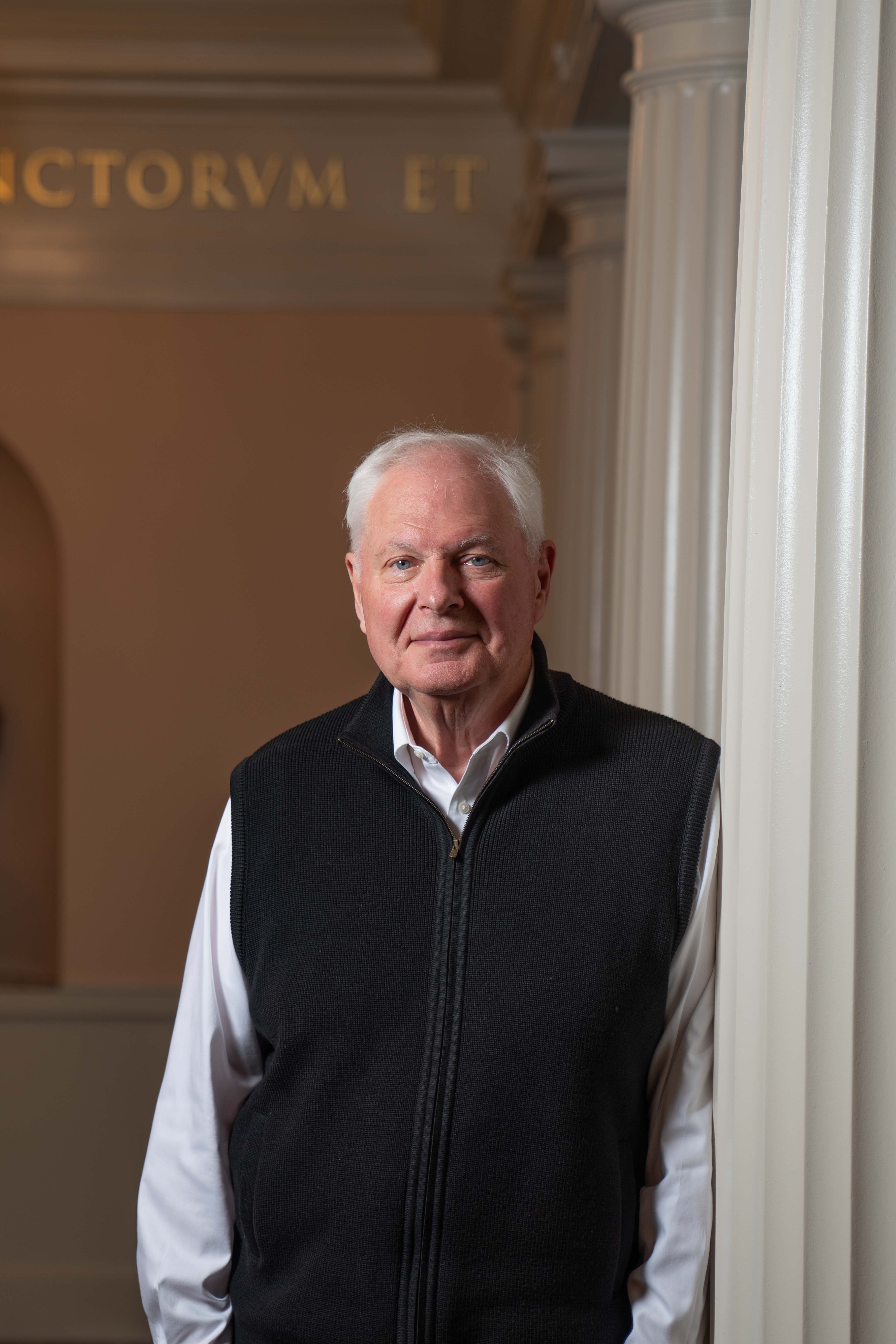
Paul Nelson, a parent of a 13-year-old student at Capstone, chose Capstone for his son because he values its rigorous, classical approach to education and the faith grounding that it provides to its students. He believes both of those things best meet his son’s educational needs. Paul trusts the administration and board of Capstone to hire teachers who are highly qualified, dedicated to the school’s mission, and aligned with the school’s identity. In other words, he trusts them more than the State of North Dakota to determine which teachers are best suited to provide the education he desires for his son. But by severely restricting the field of teachers that Capstone may hire and by making it more difficult for the school to hire teachers aligned with its mission, North Dakota’s licensing regime makes it more difficult for Paul and other parents to engage teachers who are committed to the values they seek and can best meet their children’s educational needs.
Kaylie, Paul, and the leaders at Capstone are now standing up for educational freedom. They want North Dakota to catch up with the rest of the country and allow them and their school to be who they are.
The U.S. Constitution Protects the Right of Parents to Direct Their Children’s Education and the Right of Education Providers to Offer Their Services to Parents
For more than 100 years, the U.S. Supreme Court has recognized that parents have the right to choose how their children are educated and that private schools and teachers have the right to offer their services to parents as alternatives to the public system. Three landmark cases, Meyer v. Nebraska, 8 Pierce v. Society of Sisters, 9 and Farrington v. Tokushige, 10 recognized and protected these rights under the Due Process Clause of the Fourteenth Amendment. Importantly, all three cases were brought by private schools or educators challenging government restrictions on private education. In all three, the Supreme Court struck down the restrictions, recognizing that education is not something the government may monopolize and standardize. The Due Process Clause challenge to North Dakota’s private teacher licensing requirements relies squarely on these precedents.
The lawsuit also asserts a claim under the Equal Protection Clause of the Fourteenth Amendment, which prevents the government from treating similarly situated people differently. Although private schooling is as equally valid a method of satisfying compulsory attendance requirements in North Dakota as homeschooling is, the state treats private schools, private school teachers, and private school parents vastly differently than it does homeschooling. In fact, homeschooling parents can even outsource the instruction of their children to others, who need no qualifications whatsoever, so long as the parent “supervises” the program of instruction. According to the Department of Public Instruction, the home education law “gives parents freedom to choose how the child is educated . . . . [A] parent may choose any way they see fit to educate their child.” 11 But when it comes to private schooling, the state insists that “[e]ach classroom teacher is licensed to teach by the education standards and practices board or approved to teach by the education standards and practices board” and “is teaching only in those course areas or fields for which the teacher is licensed or for which the teacher has received an exception.” 12
In bringing these claims, Capstone, Kaylie, Paul, and IJ will protect the freedom of parents to choose different educational paths and the freedom of private schools and teachers to provide them.
The Litigation Team
The litigation team consists of IJ Senior Attorney Michael Bindas and IJ Litigation Fellow Riley Grace Borden.
The Institute for Justice
The Institute for Justice is a nonprofit, public-interest law firm that litigates nationwide to vindicate individual liberties. Since IJ’s founding in 1991, IJ has been the nation’s leading courtroom defender of the right of parents to direct their children’s education and of economic liberty: the right to earn an honest living free from irrational and arbitrary government regulation. Those two missions intersect in this case.