Economic Liberty
Education Entrepreneur Fights for Her Innovative Hybrid School
Katy Duckstein runs a hybrid homeschool program in Pennsylvania, but the state wants to bury her in red tape.
- Case Name
- IN THE MATTER OF: Roots Learning Academy at Church of the Heights Day Care Licensure
- Issue Areas
- Status
- Active Cases
- Location
- Harrisburg, Pennsylvania
- Date Filed
- September 10, 2026
The Case
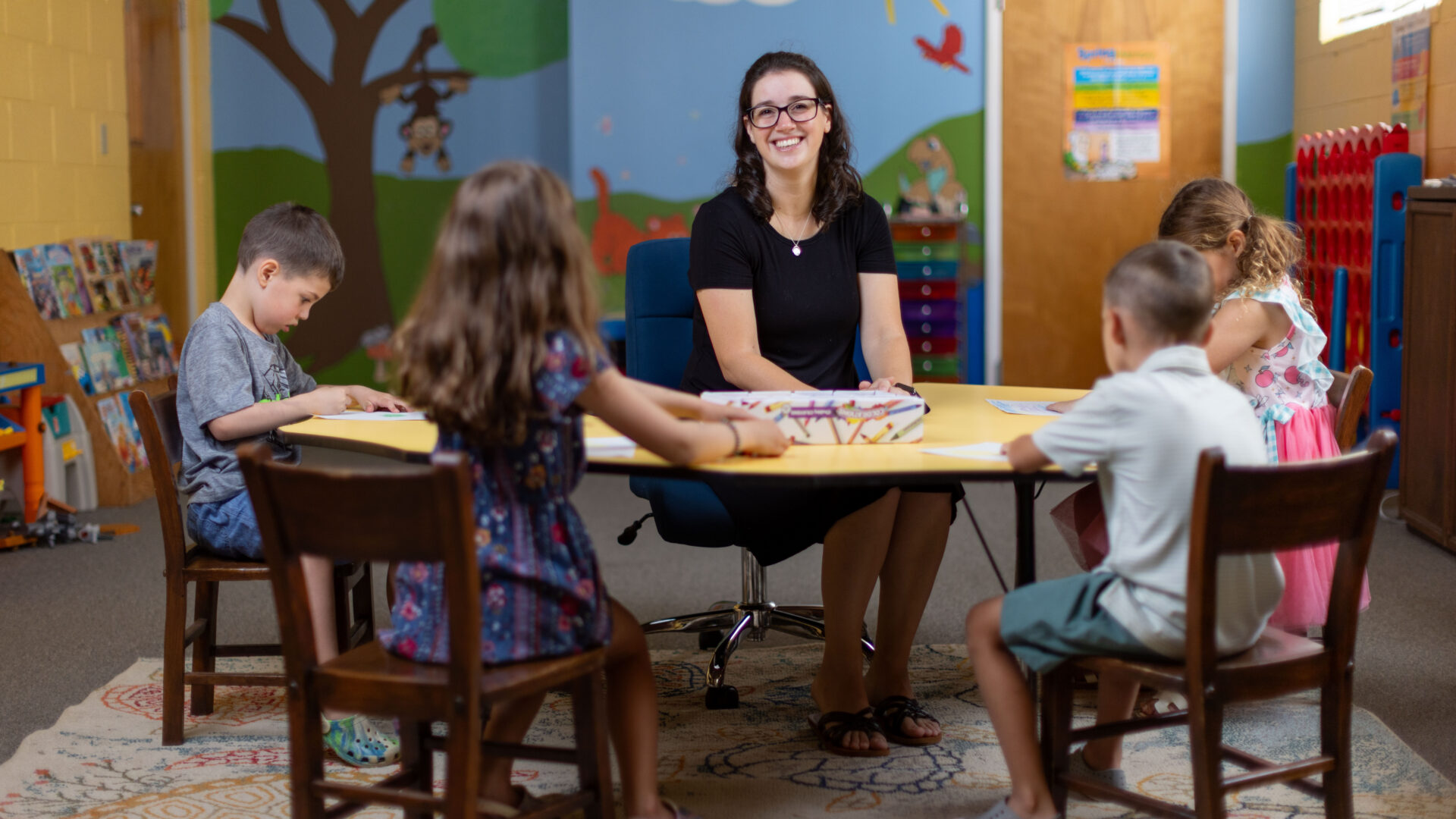
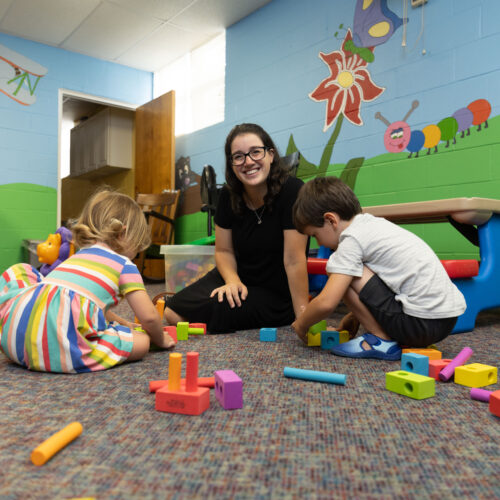
Katy Duckstein was born to be a teacher. She went from teaching her dolls and stuffed animals, to tutoring her friends in high school, then becoming a public school teacher, then a private tutor, and then homeschooling her own children. She has a bachelor’s degree in math education and her master’s degree in educational leadership. And now, she serves as the director of Roots Learning Academy, a hybrid homeschooling program that serves families north of Pittsburgh, Pennsylvania.
Opening Roots was not always in the cards. The seed was planted when Katy’s passions began to overlap: teaching and being a mother. When it was time for her eldest son to begin school, Katy knew that she wanted to homeschool him. What she didn’t expect was the interest from other parents—in her methods, in her curriculum, and in building a community. While Katy’s experience more than prepared her for this next phase of life, it can be daunting for other parents to have the confidence to take their children’s education into their own hands. So, when Katy’s friend jokingly suggested Katy open a hybrid program to help her and other parents navigate the world of homeschooling, Katy was intrigued. She knew the demand was there, and she knew she had expertise to share. Several years later, Katy began welcoming families to Roots.
Roots has been running for several years and parents love it. But the commonwealth of Pennsylvania wants to bury Roots in red tape that would fundamentally change its hybrid model of working hand in hand with parents.
In the spring of 2026, inspectors from the Office of Child Development and Early Learning conducted a surprise inspection. They concluded that Katy was running an unlicensed childcare facility and sent her a cease-and-desist letter.
While there are many exceptions to childcare licensing (private schools, tutoring, summer camps), Roots doesn’t fall into any of them. But Katy has a right to teach and parents have a right to educate their children. That’s why the Institute for Justice (IJ) is teaming up with Katy to dismiss the complaint against Roots. Roots is a homeschool hybrid program and should be regulated like homeschool. Katy’s case will be the first in IJ’s new Education Entrepreneurship Project, which seeks to protect innovative programs from the unique legal challenges that threaten them.
Case Team
Client
Katy Duckstein
Client
Attorneys

Michael Bindas
Senior Attorney

An Altik
Attorney
Staff

Andrew Wimer
Director of Media Relations
Claire Purple
Senior Paralegal
Media Resources
Get in touch with the media contact for image resources, press releases, and interview requests.
Media Images

Case Summary
A New Era: Hybrid Programs, Learning Pods, and Microschools
In recent years, the educational landscape has undergone lots of experimentation and innovation. Educational entrepreneurs have been answering parents’ calls for different approaches to their children’s education. These programs have different names, ranging from hybrid programs, learning pods, microschools, and more. Whether children are enrolled in public school, private school, or homeschooled, they benefit from meeting with other children for extracurriculars, tutoring sessions, or study hours. Parents also benefit from the ability to mingle with other like-minded families. But many of these programs are newly developed. And as with most new things, governments tend to react by attempting to control them before seeking to understand them.
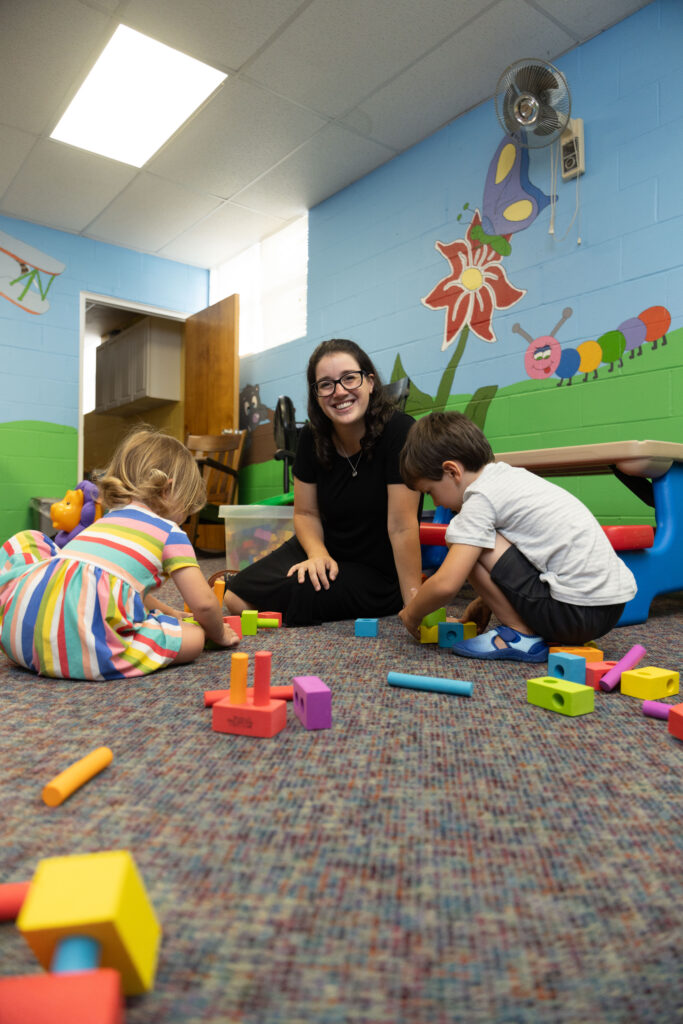
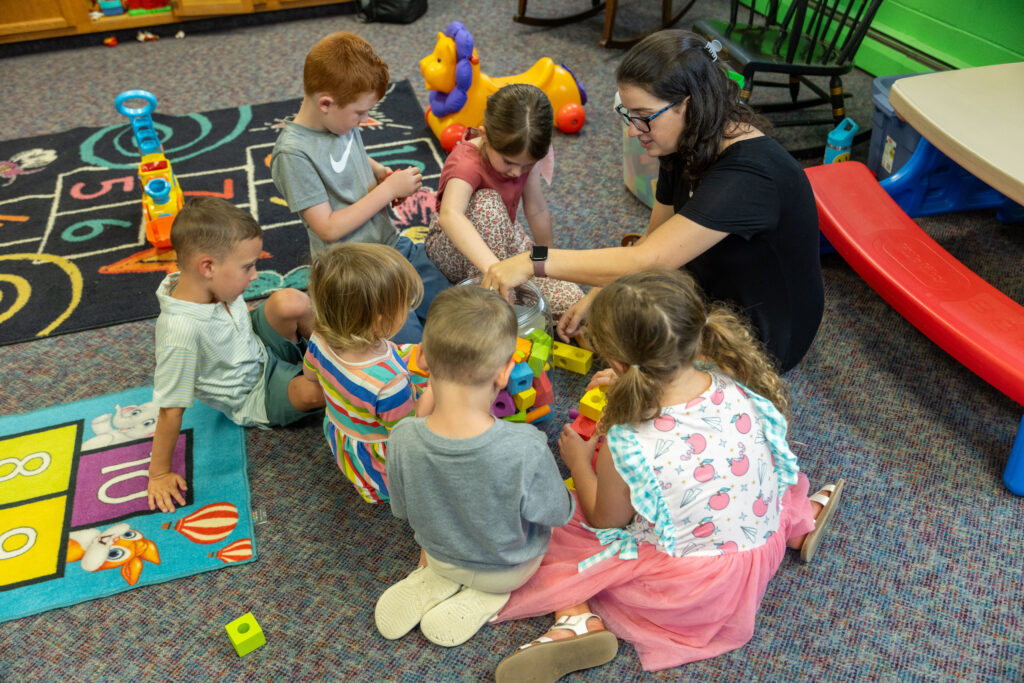
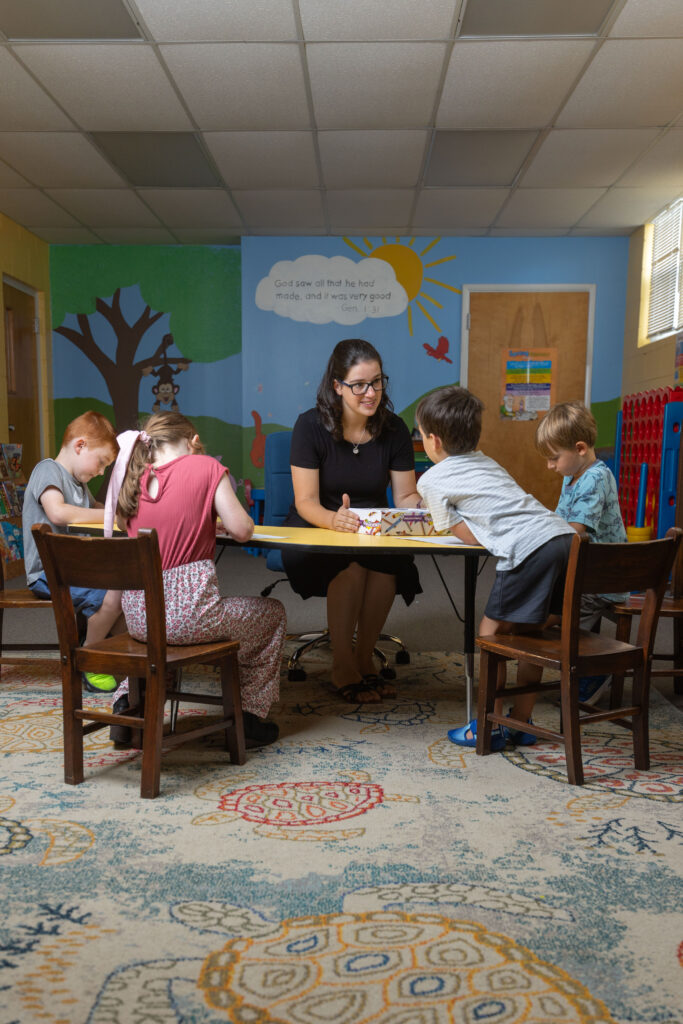
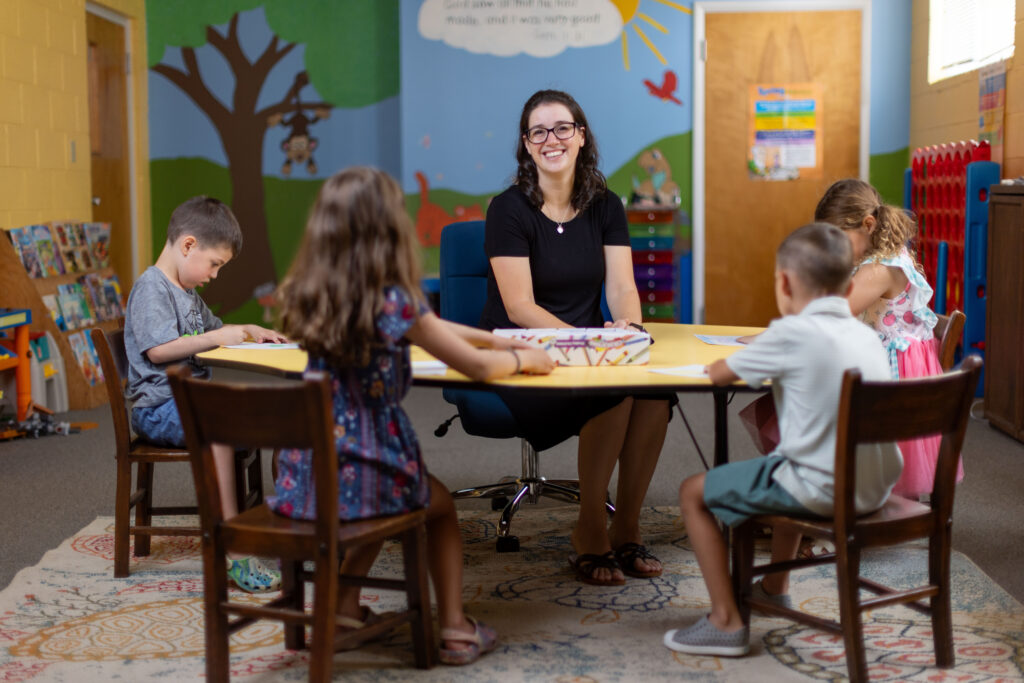
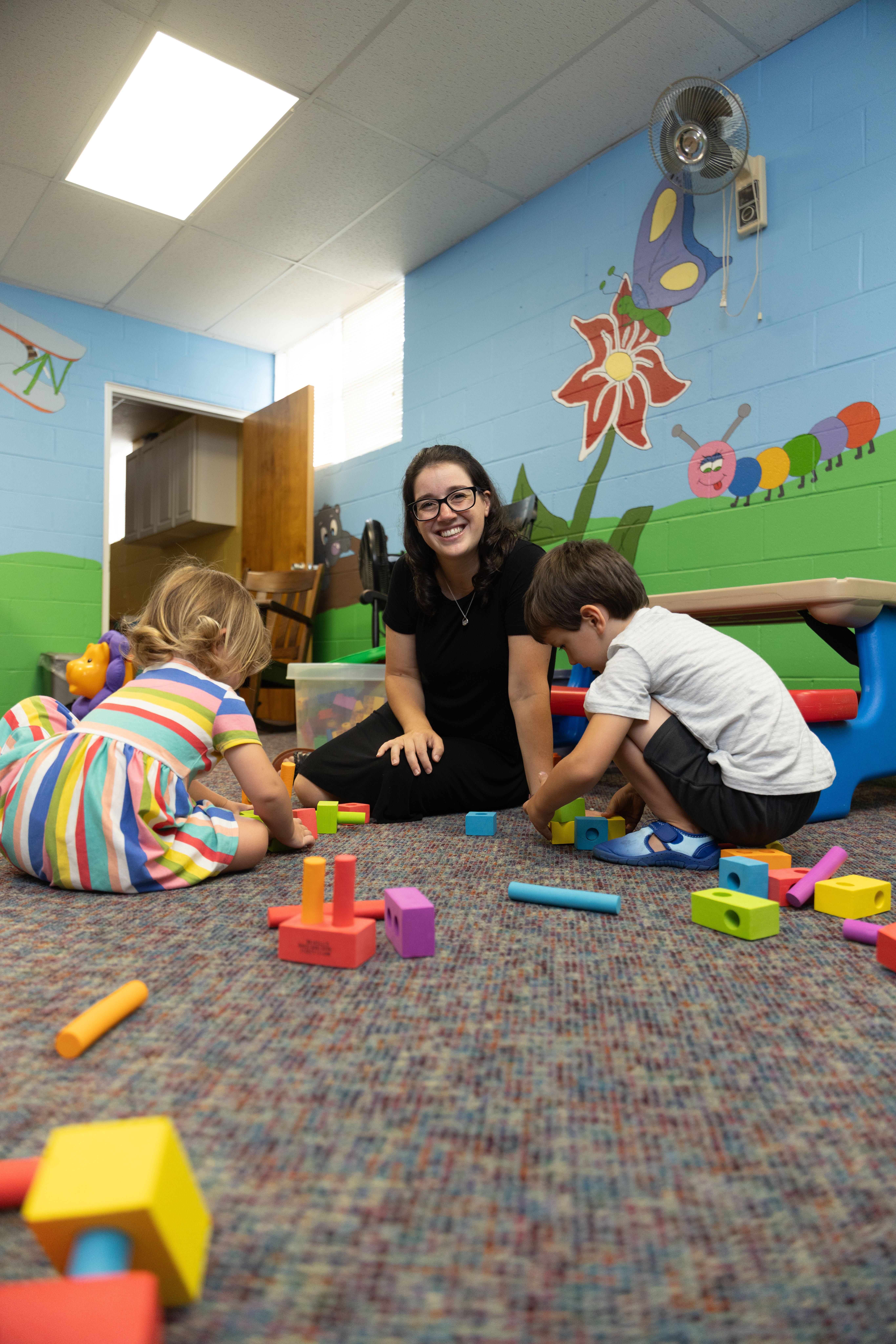
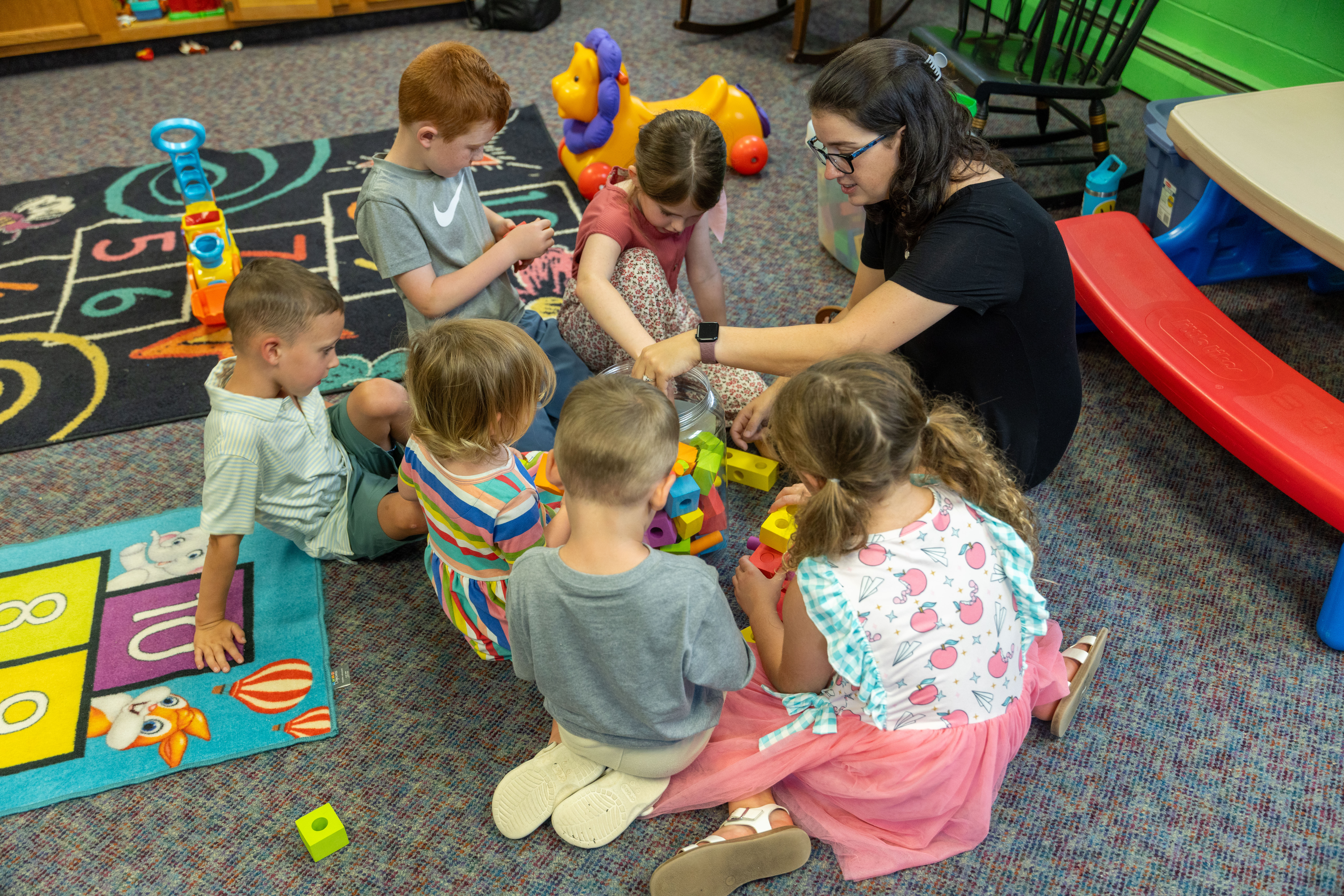
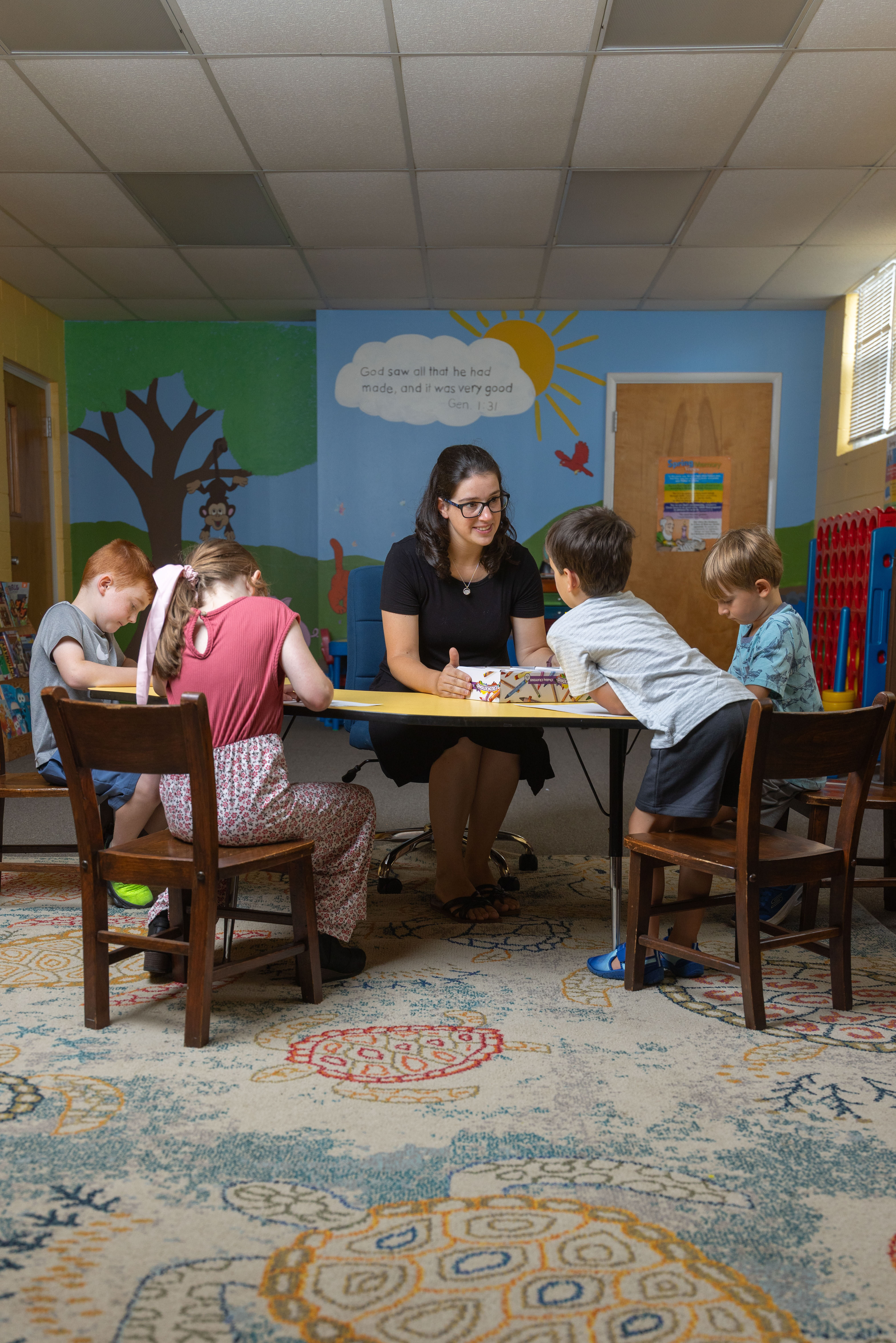
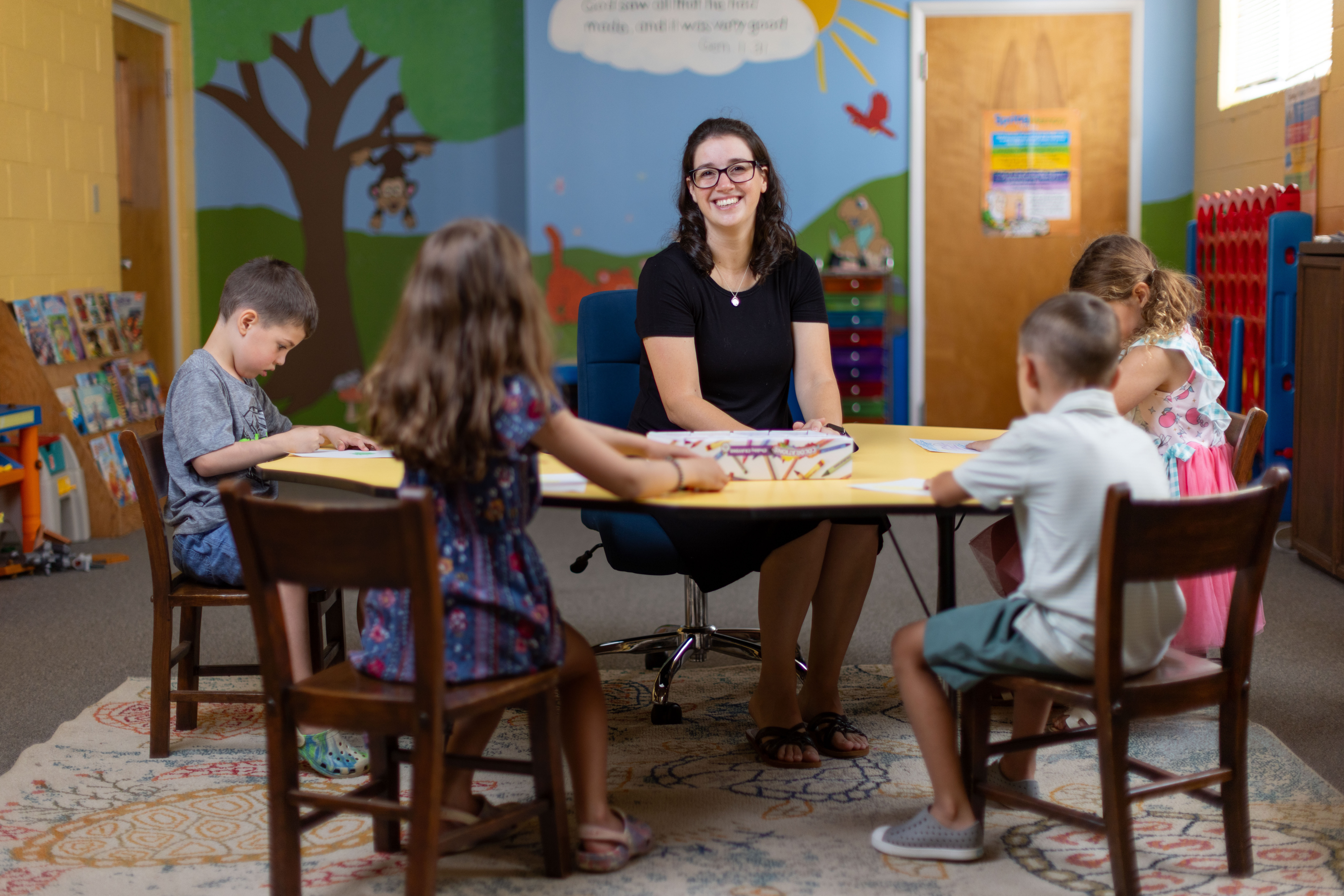
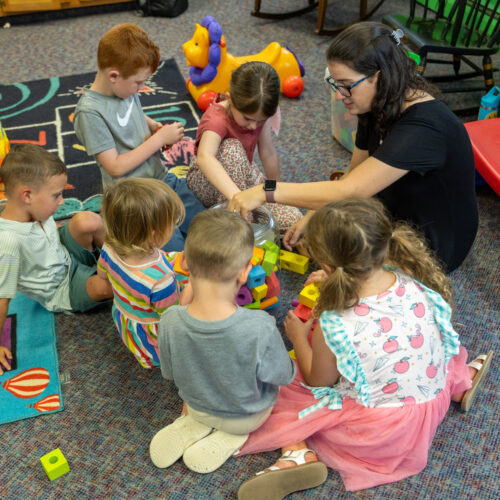
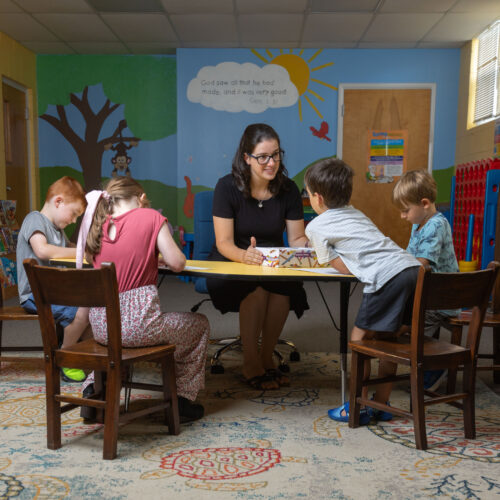
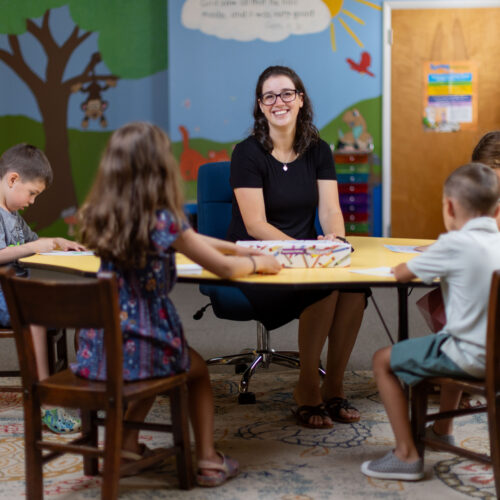
Roots Learning Academy describes itself as a hybrid supplementary homeschool program. Open three days a week, it provides a space for homeschooling families to learn together and alleviates the lack of social interaction that tends to accompany homeschooling. The children learn core curricular subjects, such as math and English, during the day, and they are offered an optional afternoon extracurricular.
Most importantly, Roots is meant to be a helpful supplement, not a parent replacement. Parents of participating children are registered as homeschoolers with their local school districts, and under Pennsylvania law, they are charged with conducting and supervising the home education programs of their children, subject to oversight by their school district superintendents. But as the Pennsylvania Department of Education makes clear, “[i]t is not necessary” for the parent “to deliver all instruction personally.”1 In fact, the Department of Education provides an extensive list of “resource suggestions” for parents to utilize in their child’s home education program, including “homeschool cooperatives,” “umbrella schools,” “individuals who specialize in particular subjects,” and “selective classes at a private school.”
Roots is one such resource. It assists parents in providing their children’s home education programs. It also embraces and relies on parent volunteers, who are indispensable in Roots’ operation, helping with tasks such as cleaning up classrooms and teaching extracurricular classes.
The Cease and Desist
Nevertheless, on a warm spring day in March 2026, inspectors from the Office of Child Development and Early Learning, a division of Pennsylvania’s Department of Human Services (DHS), showed up at Roots. They informed Katy that unless she obtained a license, she was not allowed to have any child in a room without their parent directly in the room with them. This included her own children, who came with her to work every day.
The license she needed? A license to operate a “child care center,” also known as a daycare. A few weeks later, Katy received a cease-and-desist letter in the mail. She was ordered to shut down her operation of an unlicensed childcare center.
Licensure is no small matter. It would require raising prices to hire administrative staff to maintain the influx of paperwork, make drastic curriculum changes to comply with program requirements, and undergo costly building renovations. Most significantly, Roots would be forced to stop relying on parent volunteers, who would be forced to attend classes to obtain credentials, train as teachers, take professional development classes, and more. Parent involvement is one of the very reasons Roots exists in the first place.
The Rights of an Educational Entrepreneur
Even a superficial, cursory understanding of Roots and its mission would not lead a reasonable person to classify it as a “child care center.” The state defines “child care” as “care in lieu of parental care,”2 yet parents use Roots as part of the home education programs that they conduct and supervise for their children. In fact, Pennsylvania law expressly recognizes that home education programs are “under the direct supervision of . . . parent[s],” who are exercising their “primary right and the obligation” to educate their children.3 Education that parents procure in the exercise of this right and obligation is hardly “care in lieu of parental care.”
In fact, if Roots were considered a school under Pennsylvania law—whether public or private, licensed or unlicensed—DHS would not treat it as a “child care center” . . . and for good reason: education is not “child care.”4 But Roots cannot qualify as a school because it is not in session for the requisite 180 days per year.5 That is by design: it is a program designed to assist parents, a few days per week, with the home education programs that they conduct and supervise for their children. The fact that it meets fewer days than a traditional public or private school is no basis for deeming it a “child care center.”
What’s more, DHS does not treat non-academic children’s programs such as summer day camps, art schools, and basketball camps as “child care” subject to licensure.6 But a program like Roots, which provides core academic instruction? That is childcare, according to DHS.
DHS’s position is not only illogical, it’s unconstitutional. In three landmark cases—Meyer v. Nebraska,7 Pierce v. Society of Sisters,8 and Farrington v. Tokushige9—the U.S. Supreme Court recognized that parents have the right to direct the education of their children and that private education providers have the right to offer their services to parents who desire them. These rights, the Court held, are protected by the Fourteenth Amendment of the U.S. Constitution.10
Yet DHS is discriminating based on how these rights are exercised. If a parent chooses to educate her child in a traditional public or private school, DHS treats that choice for what it is—education—and does not require the school to obtain a childcare license. But if a parent opts instead to homeschool and utilizes the services of a hybrid education program like Roots, DHS treats it not as education, but as childcare. Neither the U.S. nor Pennsylvania Constitution countenances that kind of irrational discrimination.
Nor, for that matter, do the federal and state constitutions allow DHS to require a childcare license of Roots when the state exempts a whole host of other programs—educational and non-educational—that are no different in terms of health or safety concerns. For example, the childcare regulations exempt: nonpublic schools (including unlicensed schools); part-day school-age programs that operate fewer than 90 consecutive days per calendar year; part-day school-age programs that operate two hours or less per day for three or fewer days per week; and part-day school-age programs with a “single purpose,” such as instruction in art, math, or music.11 Roots narrowly misses each exemption:
- It is not in session 180 days so as to qualify as a nonpublic school.
- It operates only 90 days per year, but those days are not consecutive.
- It operates only three days per week, but it does so for more than two hours per day.
- It focuses on English, math, and other core subjects, rather than maintaining a single purpose, such as math instruction alone.
These differences are minor in substance, yet major in their consequence and wholly detached from any legitimate health or safety justification.
Now, however, Roots is teaming up with IJ to challenge the application of Pennsylvania’s childcare licensing laws to Roots’ educational model. The goal is to protect both the right of entrepreneurs to provide innovative educational services to meet the unique needs of children and the right of parents to choose how their children are educated.
The Litigation Team
The litigation team consists of IJ Senior Attorney Michael Bindas and IJ Attorney An Altik.
The Institute for Justice
The Institute for Justice is a nonprofit, public-interest law firm that litigates nationwide to vindicate individual liberties. Since IJ’s founding in 1991, it has been the nation’s leading courtroom defender of the right of parents to direct their children’s education and of economic liberty: the right to earn an honest living free from irrational and arbitrary government regulation. Those two missions intersect in this case. The case is also a part of IJ’s Education Entrepreneurship Project, which seeks to protect the right of parents to direct the education of their children by fighting against unreasonable government restraints on innovative educational programs.
- Pa. Dep’t of Educ., Home Education and Private Tutoring Guide 35 (May 2026), available at https://www.pa.gov/content/dam/copapwp-pagov/en/education/documents/instruction/home-education-and-private-tutoring/home%20education%20and%20private%20tutoring%20guide.pdf.
- 62 Pa. Stat. § 1001.
- See 24 Pa. Stat. § 13-1327.1(a), (c); id. § 13-1327(b).
- 55 Pa. Code § 3270.3(b)(4); see also Pa. Dep’t of Educ., Nonpublic/Private Schools, https://www.pa.gov/agencies/education/programs-and-services/instruction/elementary-and-secondary-education/nonpublic-and-private-schools (“There are two types of private academic schools in Pennsylvania: 1. LICENSED PRIVATE ACADEMIC SCHOOLS [and] 2. NONPUBLIC NONLICENSED SCHOOLS . . . .”); S. Hills Cath. Acad. v. Dep’t of Hum. Servs., 308 A.3d 915, 925 (Pa. Commw. Ct. 2024) (“[DHS] regulations categorize a school as either public or private, without differentiating categories of private schools.”).
- See 22 Pa. Code § 51.61(b); see also 24 Pa. Stat. § 13-1327(b).
- See 55 Pa. Code § 3270.3a(1), (3).
- 262 U.S. 390 (1923).
- 268 U.S. 510 (1925).
- 273 U.S. 284 (1927).
- See Michael Bindas, Meyer, Pierce, and Everything After, 26 J. Contemp. Legal Issues 281 (2025)
- 55 Pa. Code §§ 3270.3(b)(4) & 3270.3a(1)–(3).