Rule of Law
Long Island Man Fights for His Day in Court
An experienced electrician was badly shocked due to a government employee’s mistake. Now, he’s fighting for his day in court.
- Case Name
- Gino Fiermonte v. United States
- Issue Areas
- Status
- Active Cases
- Location
- Islip, New York
- Date Filed
- June 29, 2026
The Case
When a federal employee makes a mistake that injures an innocent person, the federal government—not the victim—should bear the costs of the harm. Congress made this clear in 1946, when it passed the Federal Tort Claims Act (FTCA), a law that makes the United States liable for negligent and intentional harms caused by federal workers. But the FTCA is a complicated statute filled with arcane procedural requirements and other pitfalls. Ever since the FTCA was enacted, the federal government has tried to use the law’s complexities to dodge accountability.
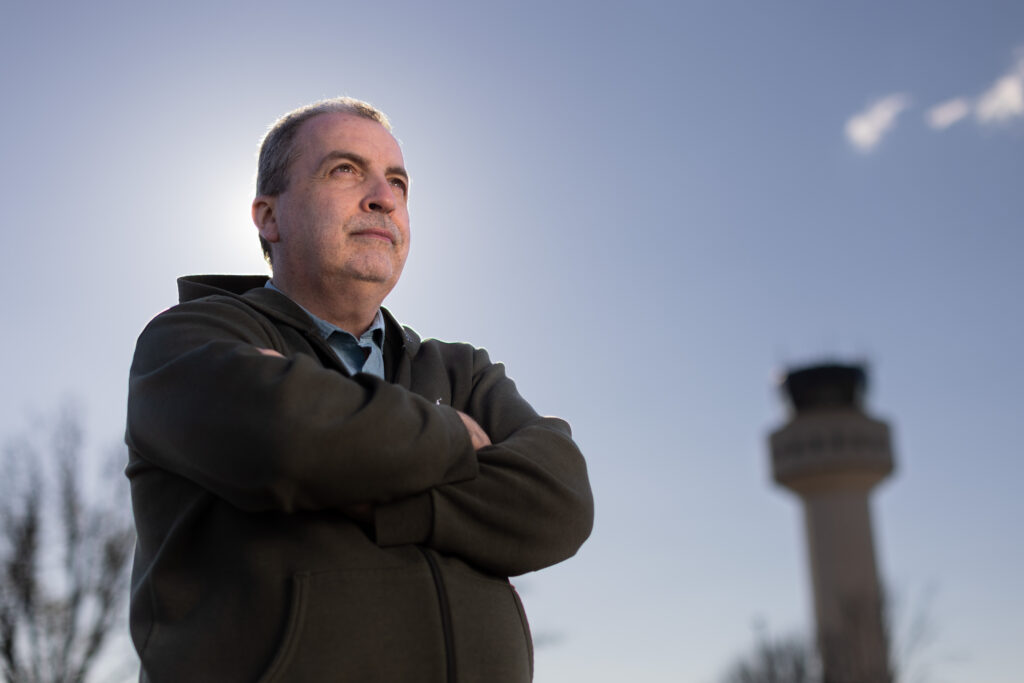
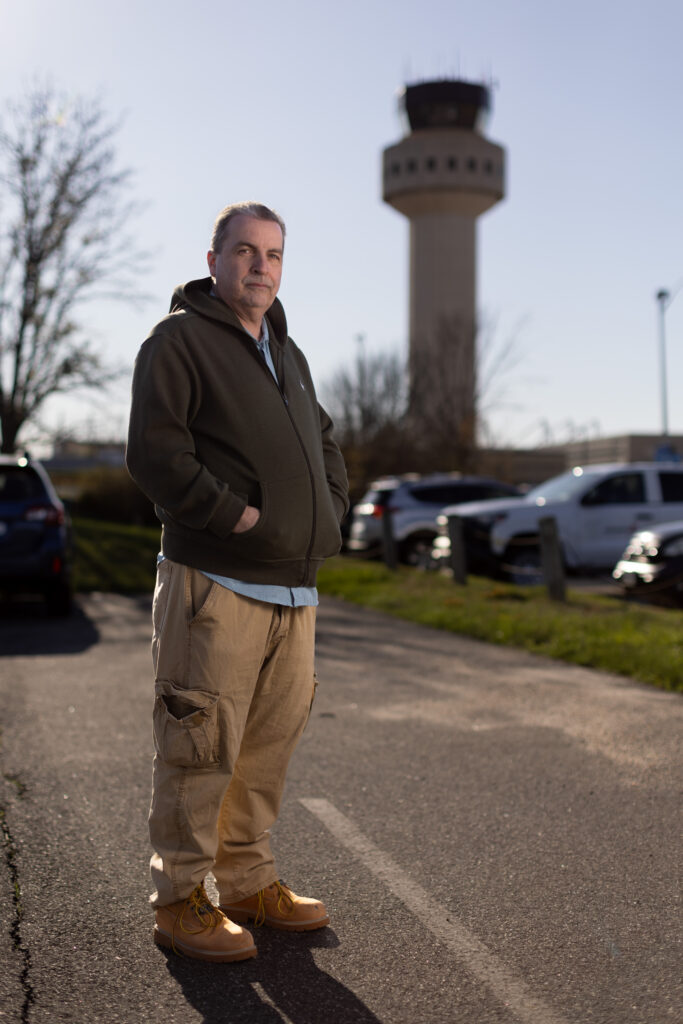
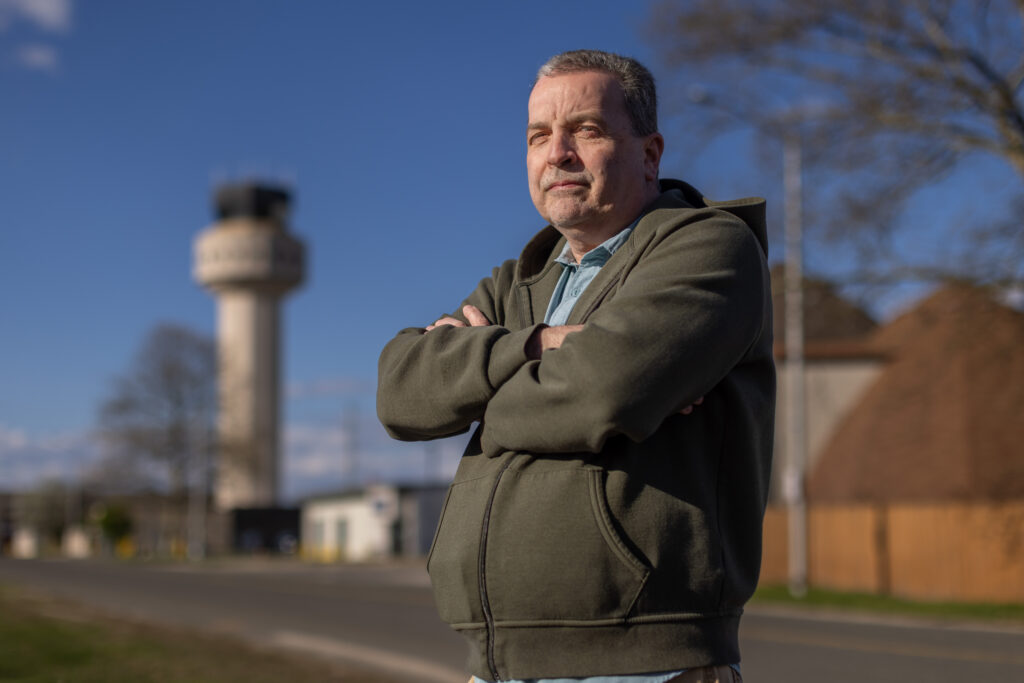
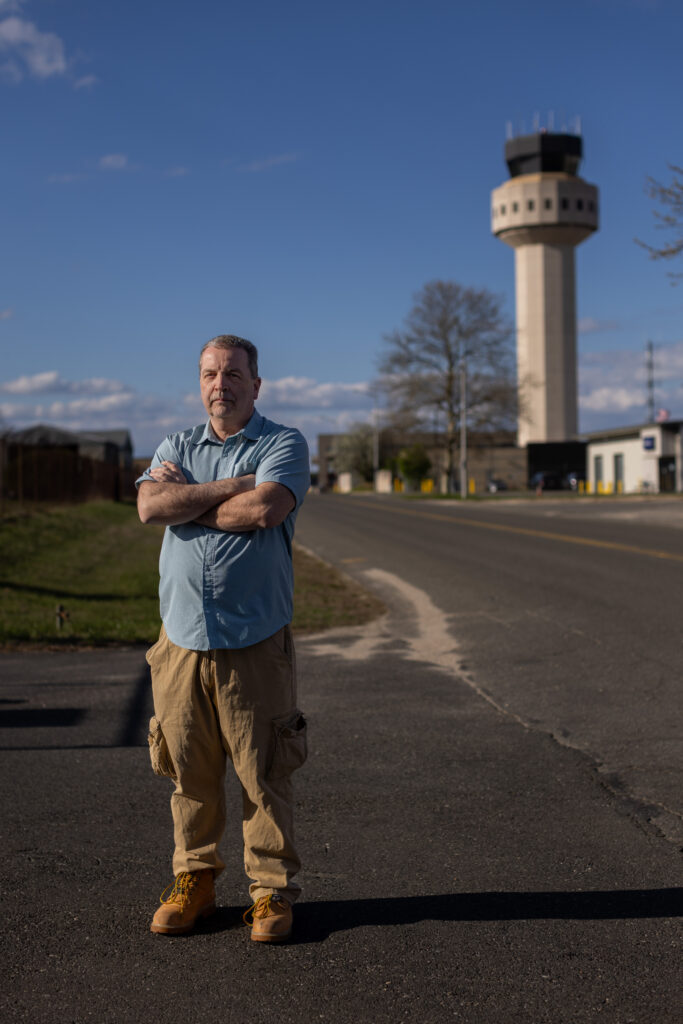
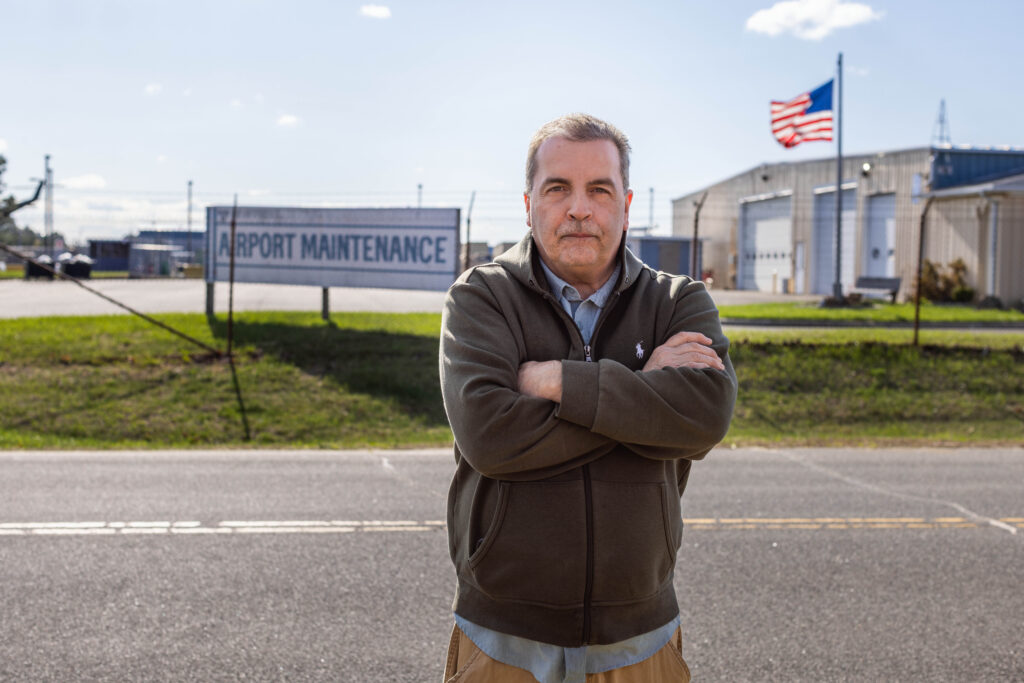
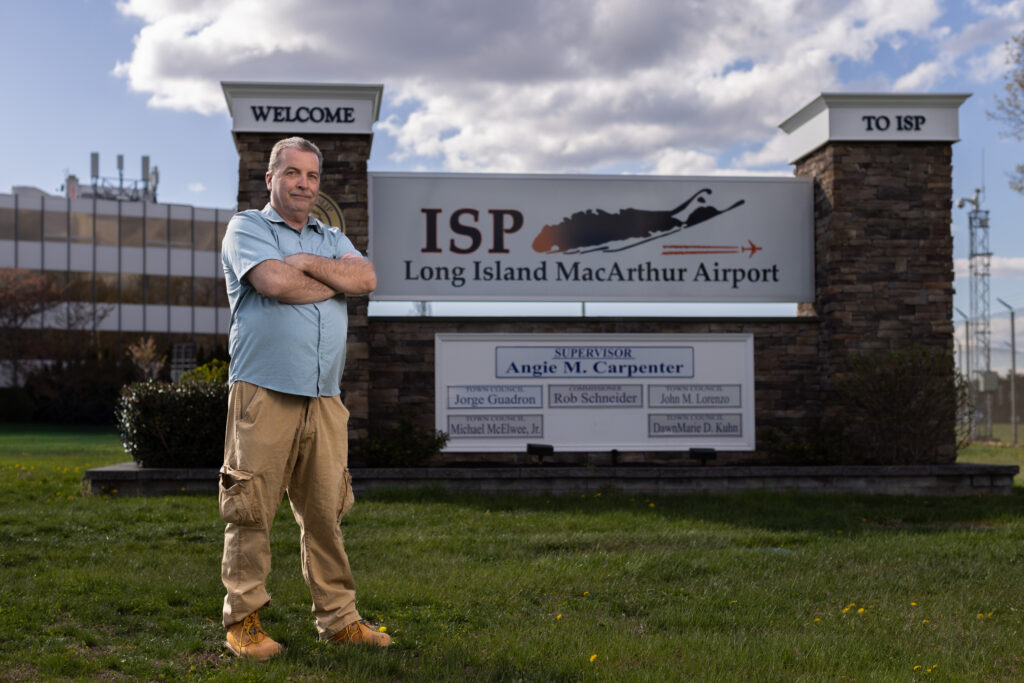
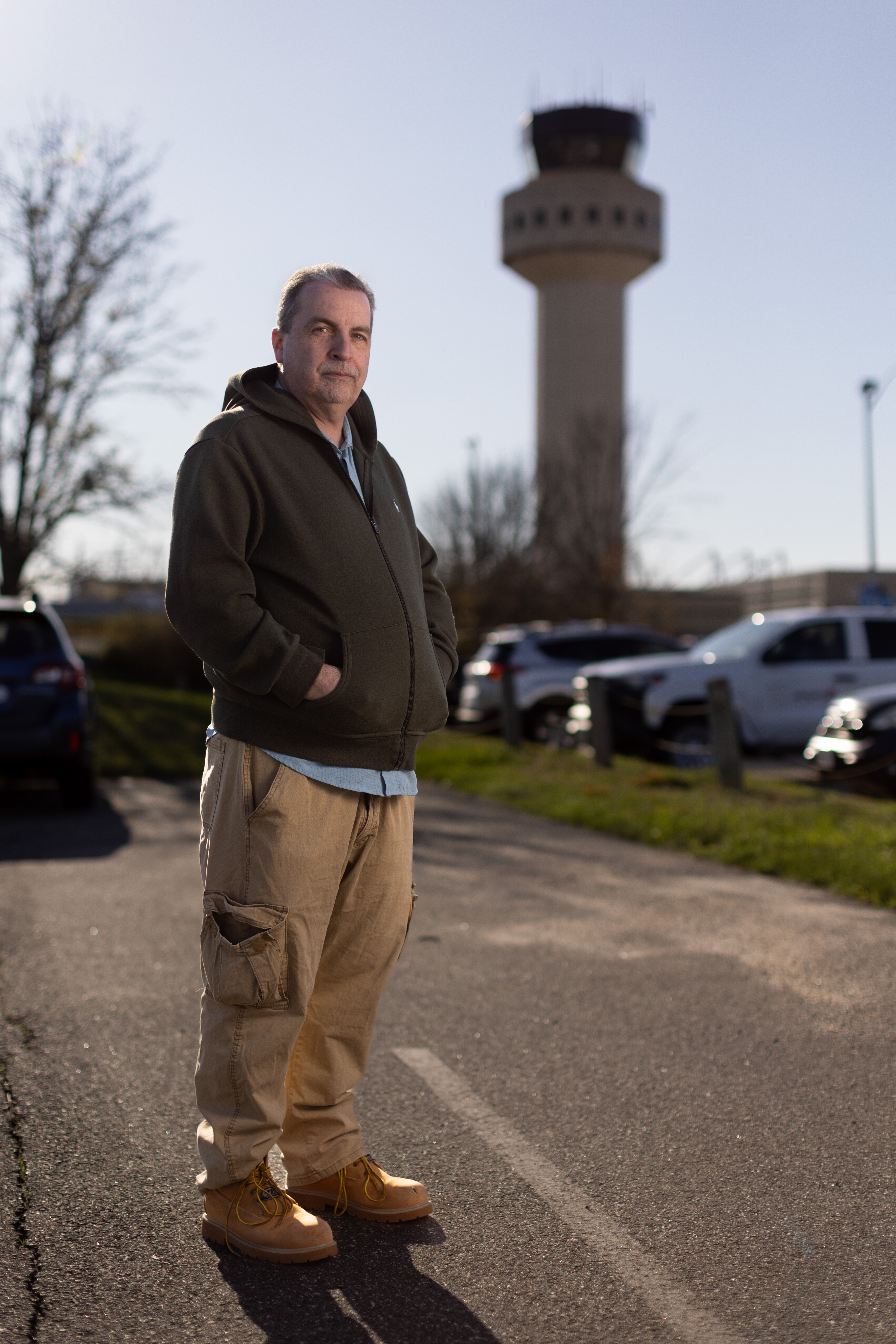
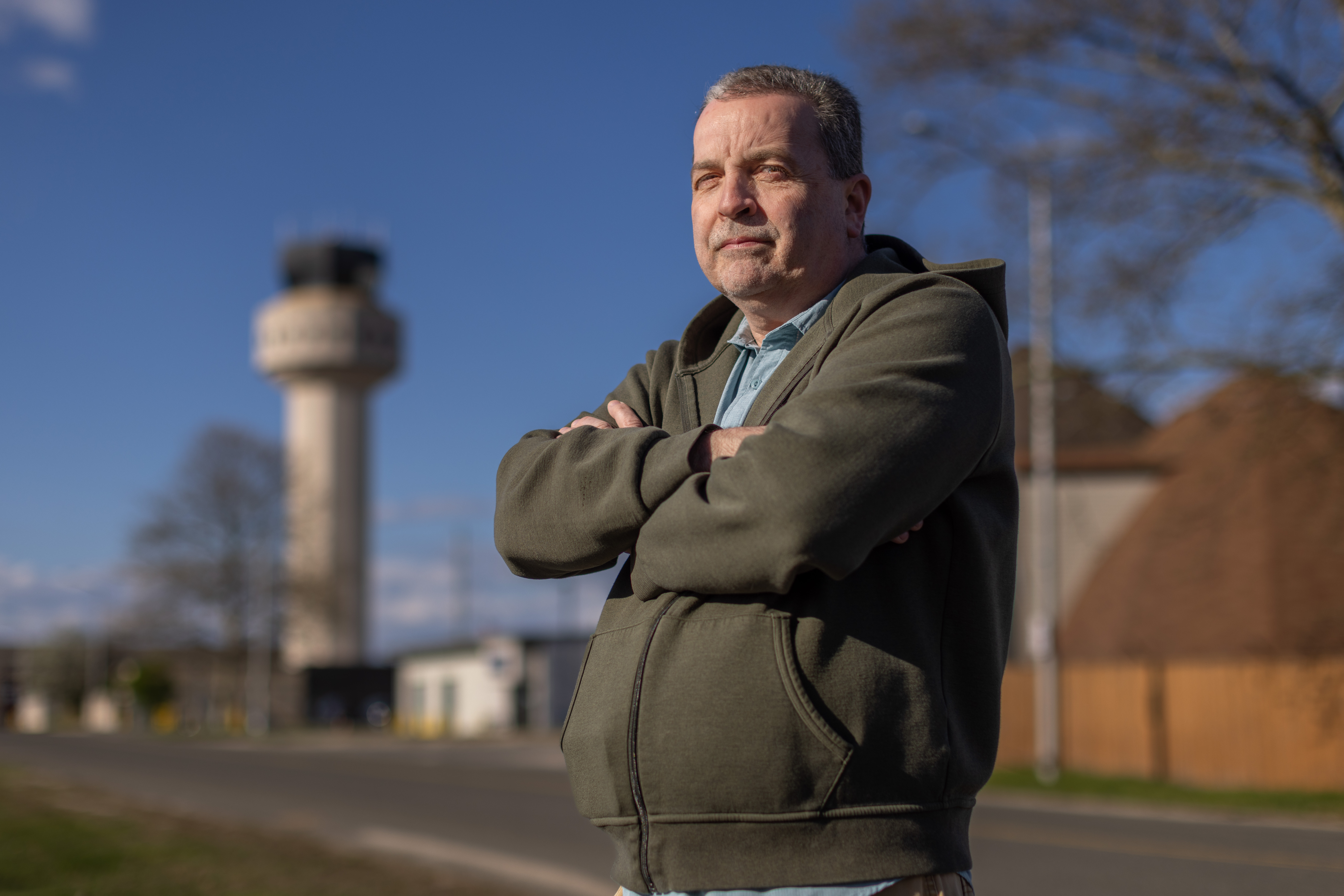
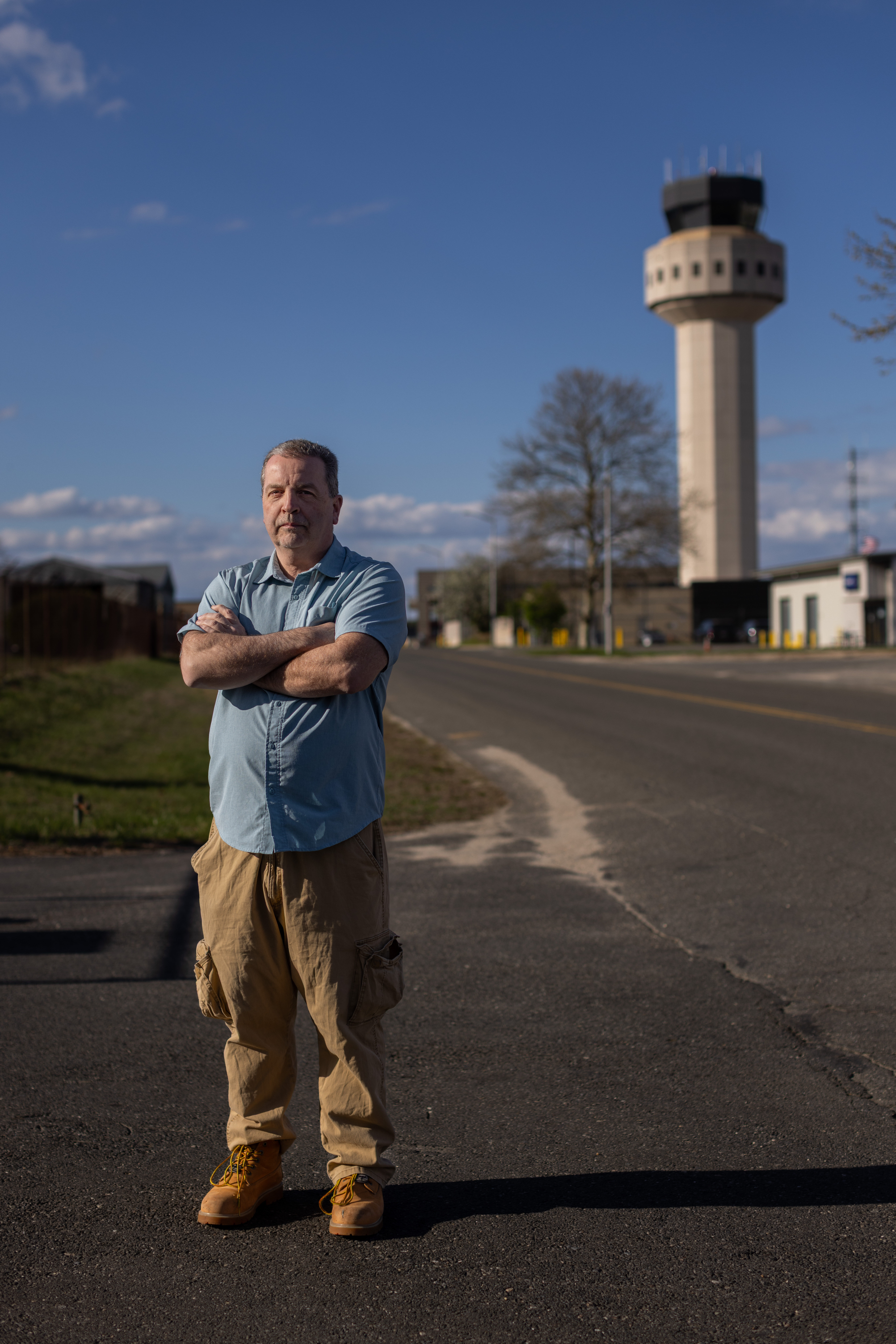
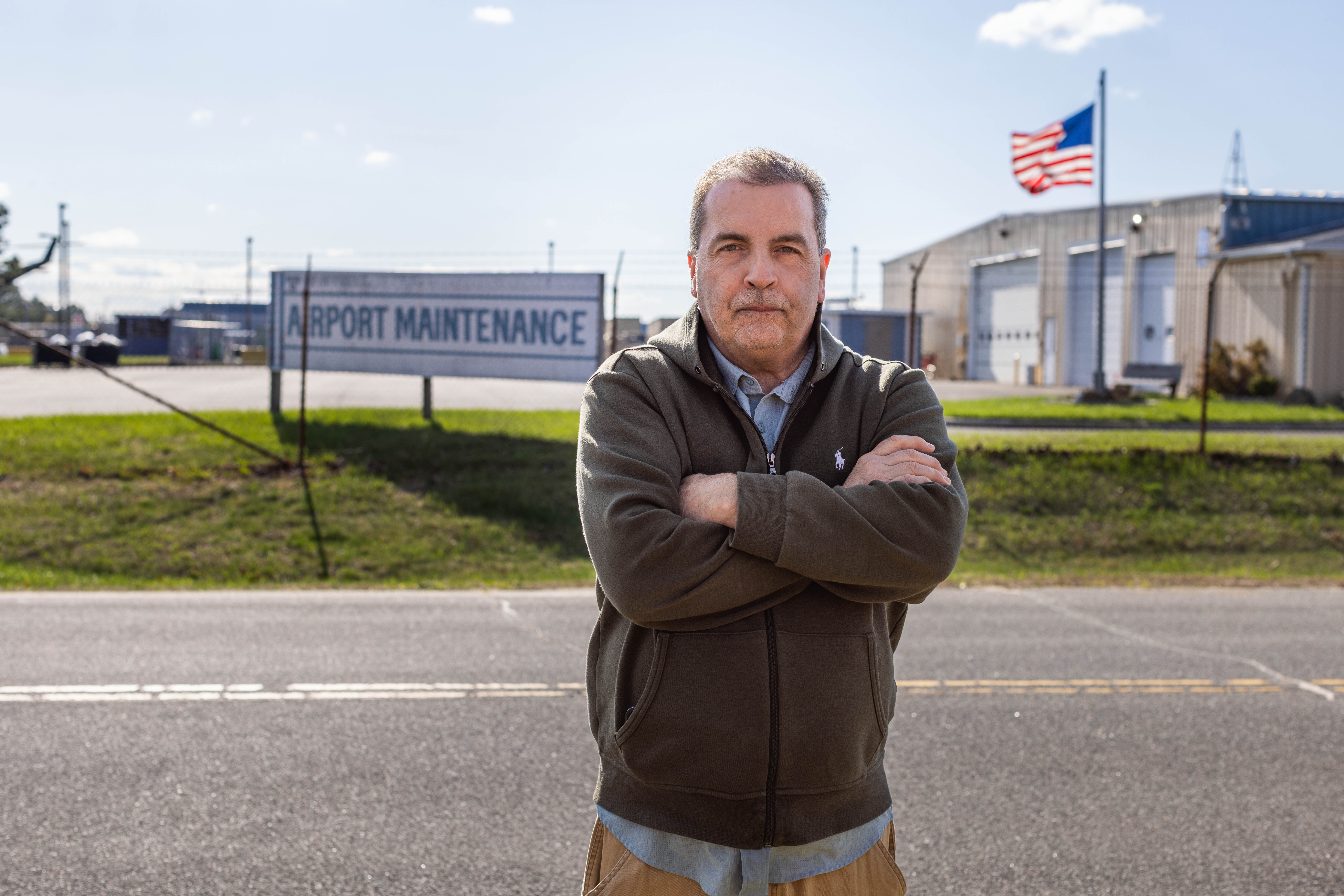
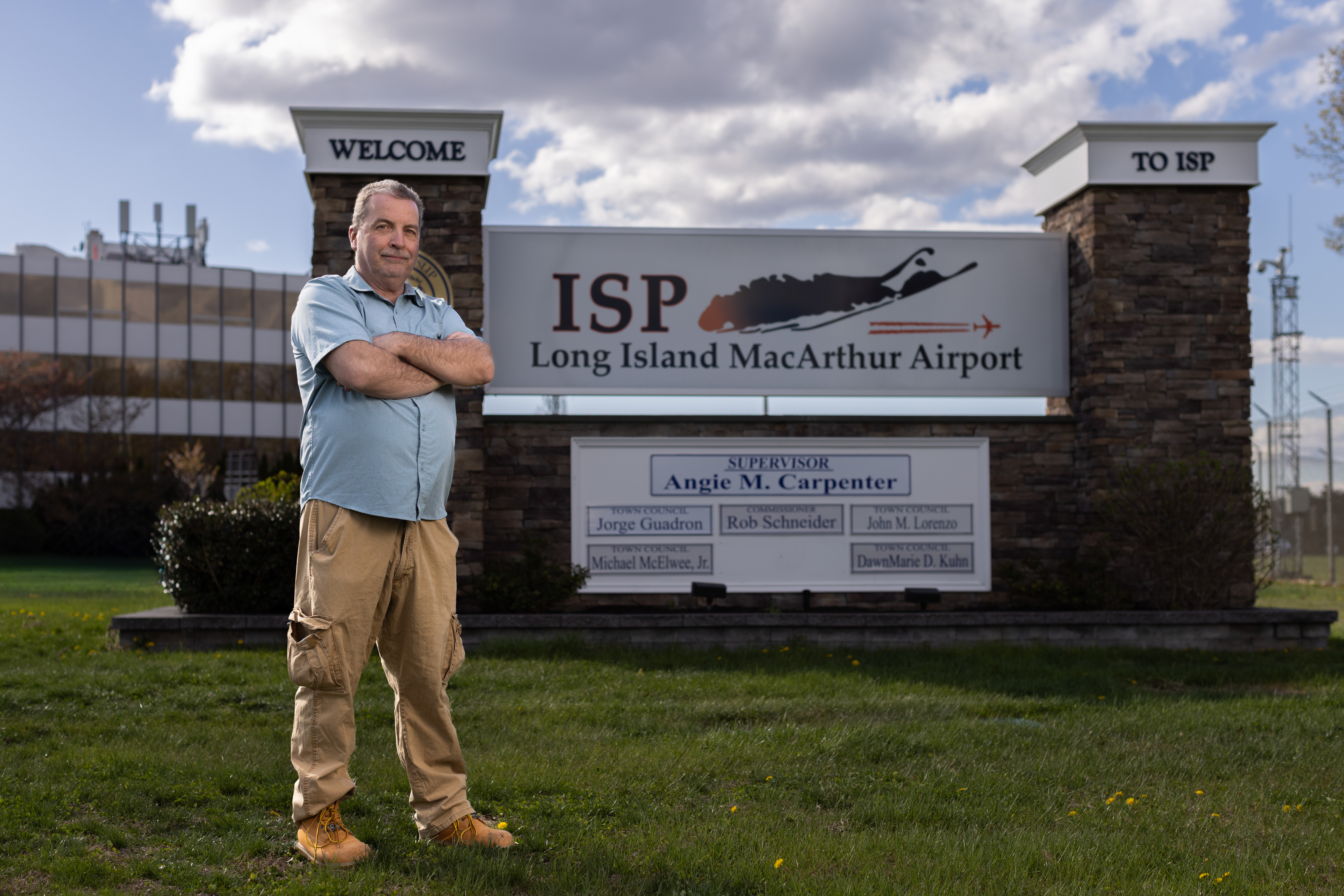
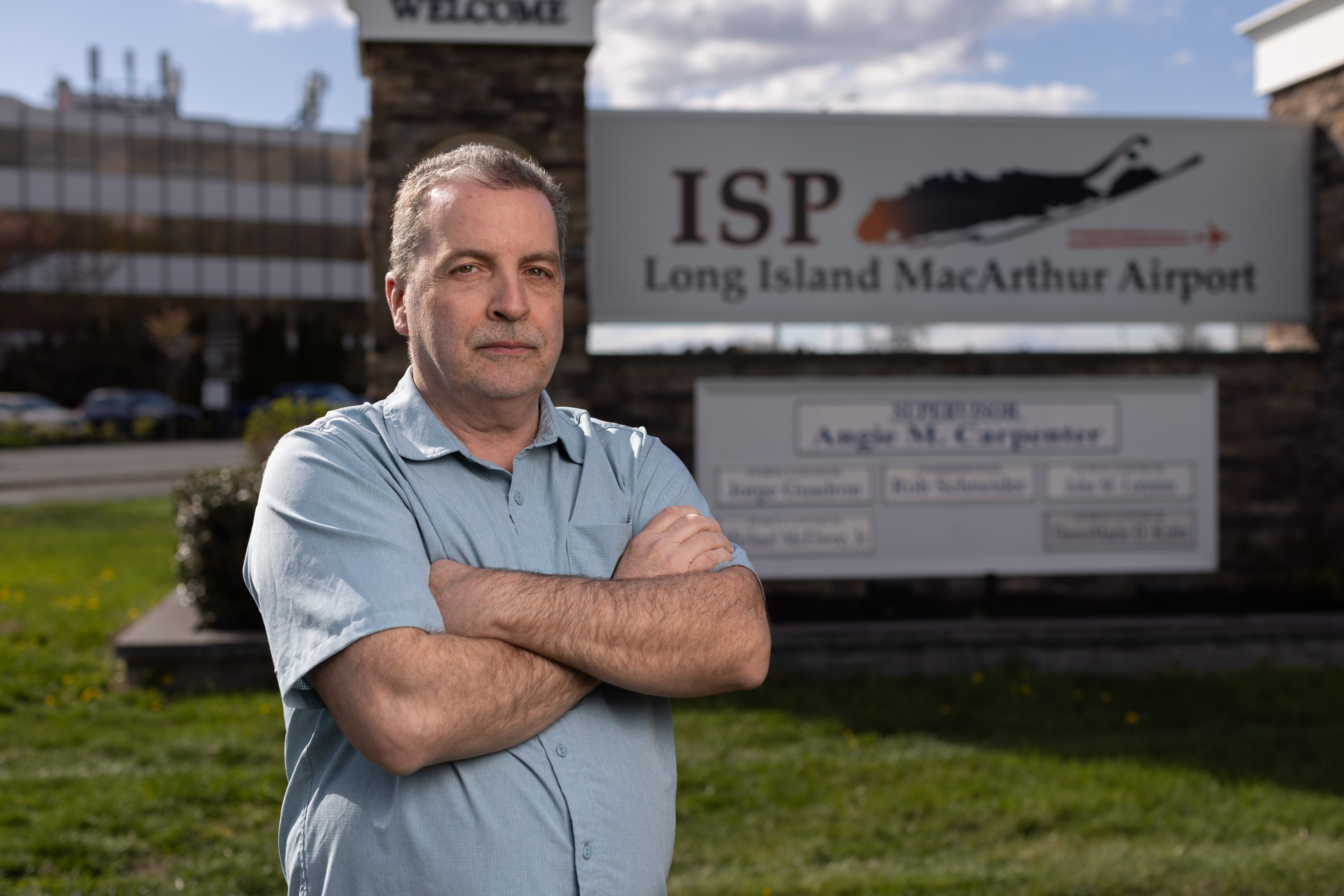
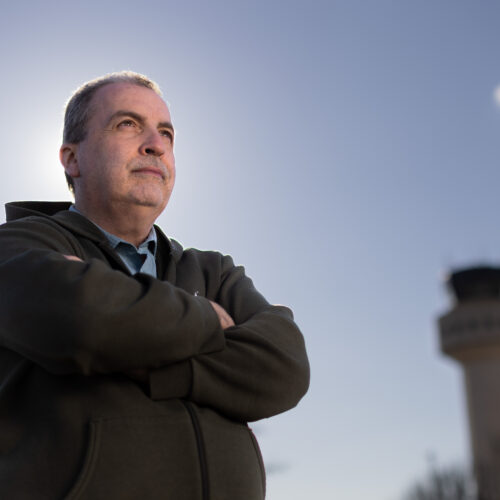
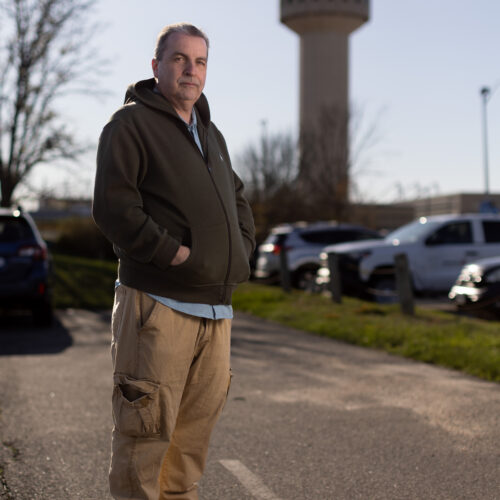
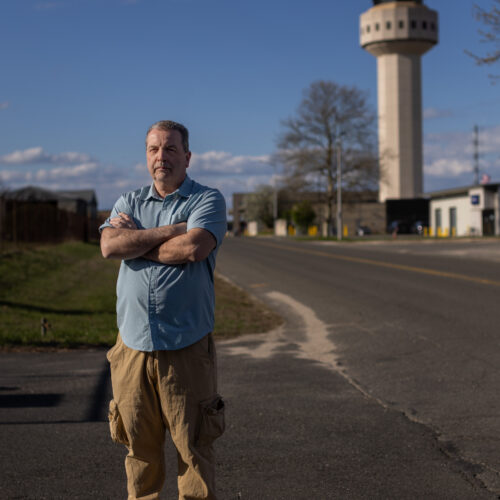
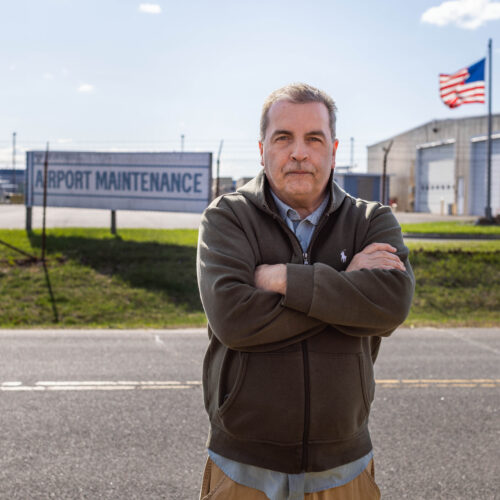
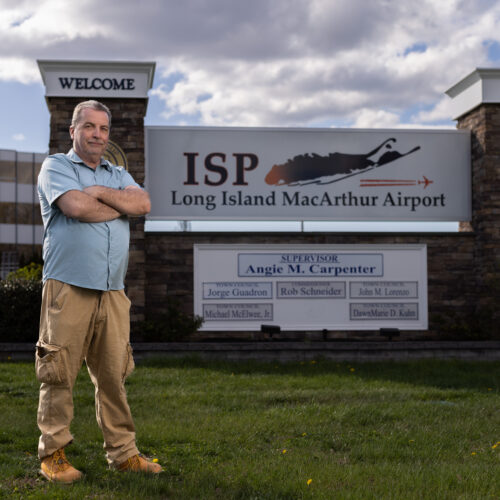
In September 2021, Gino Fiermonte—an experienced electrician—started a new job at the Long Island MacArthur Airport. During his second day on the job, Gino was repairing a runway sign when he suddenly saw his coworker being electrocuted. Acting on instinct, Gino rushed to the sign and pulled him away. In doing so, Gino was shocked himself. Gino’s coworker died from electrocution, and Gino was badly injured. According to Gino, the incident and his injury resulted from a Federal Aviation Administration employee turning the power back on while the repairs were underway.
If the FAA employee caused Gino’s injury, the United States must make him whole. If she did not, then the federal government should not be on the hook for his injuries. But here’s the problem: Rather than argue about whether the FAA employee caused the accident, the government is trying to prevent Gino from having his day in court altogether.
To do so, the government waited to declare that its employee was acting within the bounds of her job until after it was too late to file a federal lawsuit—a requirement for FTCA liability. This put Gino in an impossible position. He did not know that his lawsuit had to be brought under the FTCA until the government certified federal employment, but the government didn’t issue its certification until the time to file an FTCA lawsuit had come and gone. The government then claimed that Gino’s lawsuit should be dismissed because it came too late—even though the government controlled the timing.
Originally, a federal district court blessed the government’s maneuver. Thankfully, a federal appeals court sent the case back down for another look. Gino is now teaming up with the Institute for Justice (IJ) to ensure that he can have his day in court. When someone is injured by a federal official, their claims should rise or fall on the merits—not because of the government’s heads-I-win-tails-you-lose gamesmanship.
Case Team
Client
Gino Fiermonte
Client
Attorneys



Staff

Andrew Wimer
Director of Media Relations
Katie Herndon
Paralegal
Media Resources
Get in touch with the media contact for image resources, press releases, and interview requests.
Media Images
Case Documents
Case Summary
Gino followed the FTCA’s requirements.
Gino Fiermonte is a single father, lifelong New Yorker, and licensed electrician with decades of experience. Gino’s wife died of lung cancer six years ago, and since her death, Gino and his son (who was just eight years old when his mother died) have tried to take life one day at a time. Tragically, just a year and a half after losing his spouse, Gino was forced to endure a near-death experience of his own.
Gino took a new position at the Long Island MacArthur Airport because it would allow him to spend more time with his son, who was still grieving the loss of his mother. It was just his second day on the job when the accident occurred, killing Gino’s coworker and leaving him severely injured and in the hospital.
To bring a claim for the accident against the government, Gino had to satisfy a handful of pre-lawsuit requirements. First, he had to submit a written request for payment to the FAA within two years of the accident.[1] Second, once the FAA denied his claim, Gino had to file a lawsuit within six months.[2] Gino complied with these requirements. He submitted his claim to the FAA, which the agency denied in September 2023. Five months later, Gino sued the FAA employee individually in state court. This meant Gino had cleared the FTCA’s procedural hurdles, though at that point Gino did not yet know that his claims had to be brought under the FTCA.
For Gino’s lawsuit to change from a claim against the individual employee into a claim against the United States under the FTCA, the government had to satisfy a procedural requirement of its own. It had to certify that the FAA employee was acting within the scope of her employment when the accident occurred.[3] The employment certification is essentially the government’s way of telling courts that a claim should be brought against the United States rather than the individual employee, and it is usually up to the government to decide when (and whether) to certify.
This final requirement is where things went haywire. The government eventually certified that the FAA employee was acting within the scope of her employment—but it waited until more than six months after Gino’s claim with the FAA had been denied to do so. Usually, when this happens, the claim automatically converts from one against the employee into one against the government. But in Gino’s case, the government moved to dismiss Gino’s claims, arguing that Gino should have sued the United States—not the individual employee—to begin with. But Gino had no way to know that his claims had to be brought against the federal government until after the government certified the employee’s scope of employment, and Gino could not force the government to issue the certification sooner.
The district court allowed the government to short-circuit Gino’s FTCA claims, but the Second Circuit revived them.
The district court allowed the government to ensnare Gino in this Catch-22. In the district court’s view, Gino’s lawsuit must be dismissed because Gino failed to file an FTCA lawsuit against the government itself within six months of the FAA’s denial of his administrative claims. But again, Gino could not know that he was required to sue the United States until the United States told him so (by certifying the employee’s scope of employment).
Gino appealed, and the Second Circuit thankfully reversed the lower court’s decision. It did not, however, decide whether Gino had satisfied the FTCA’s procedural requirements. The court simply threw out the lower court’s ruling and told it to try again. Now IJ is asking the district court to rule that a timely state-court lawsuit satisfies the FTCA’s filing deadline or that the lawsuit should move forward under basic principles of fairness.
Though more than a year has passed since Gino filed his lawsuit, he has not been allowed to present any evidence explaining how the FAA employee harmed him. Instead, he’s stuck fighting for the opportunity to make those arguments further down the line. That doesn’t make sense. All Americans have the right to have their case heard on its own merits in court, and it should not take years of byzantine legal battles just to get through the courthouse doors. But so long as the government tries to rig the FTCA in its favor, innocent plaintiffs like Gino must fight for their right to seek accountability.
The Litigation Team
The lawyers on this case are Attorney Dylan Moore and Senior Attorneys Anya Bidwell and Patrick Jaicomo.
Abou the Institute for Justice
IJ is a nonprofit, public interest law firm that, through its Project on Immunity and Accountability, aims to ensure that courts allow the relief Congress intended when it passed the Federal Tort Claims Act. In 2025, for instance, IJ won a unanimous Supreme Court victory allowing FTCA claims against the FBI to go forward after federal agents mistakenly raided a home full of innocent people. IJ is also using the FTCA to hold federal officials accountable after they wrongfully arrested George Retes, Jr., a California native and Army veteran and help Penny McCarthy get answers and accountabilityafter U.S. Marshals mistakenly arrested her.
[1] 28 U.S.C. § 2401(b).
[2] Id.
[3] 28 U.S.C. § 2679(d),