Rule of Law
US Citizen and Army Veteran George Retes Sues Over Unconstitutional Immigration Detention
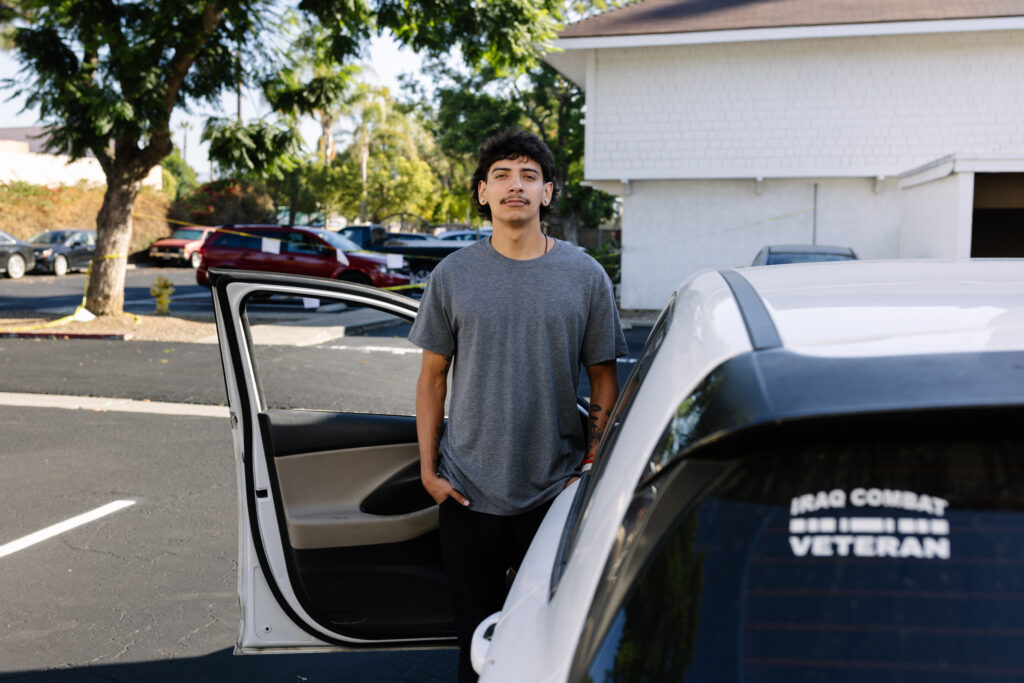

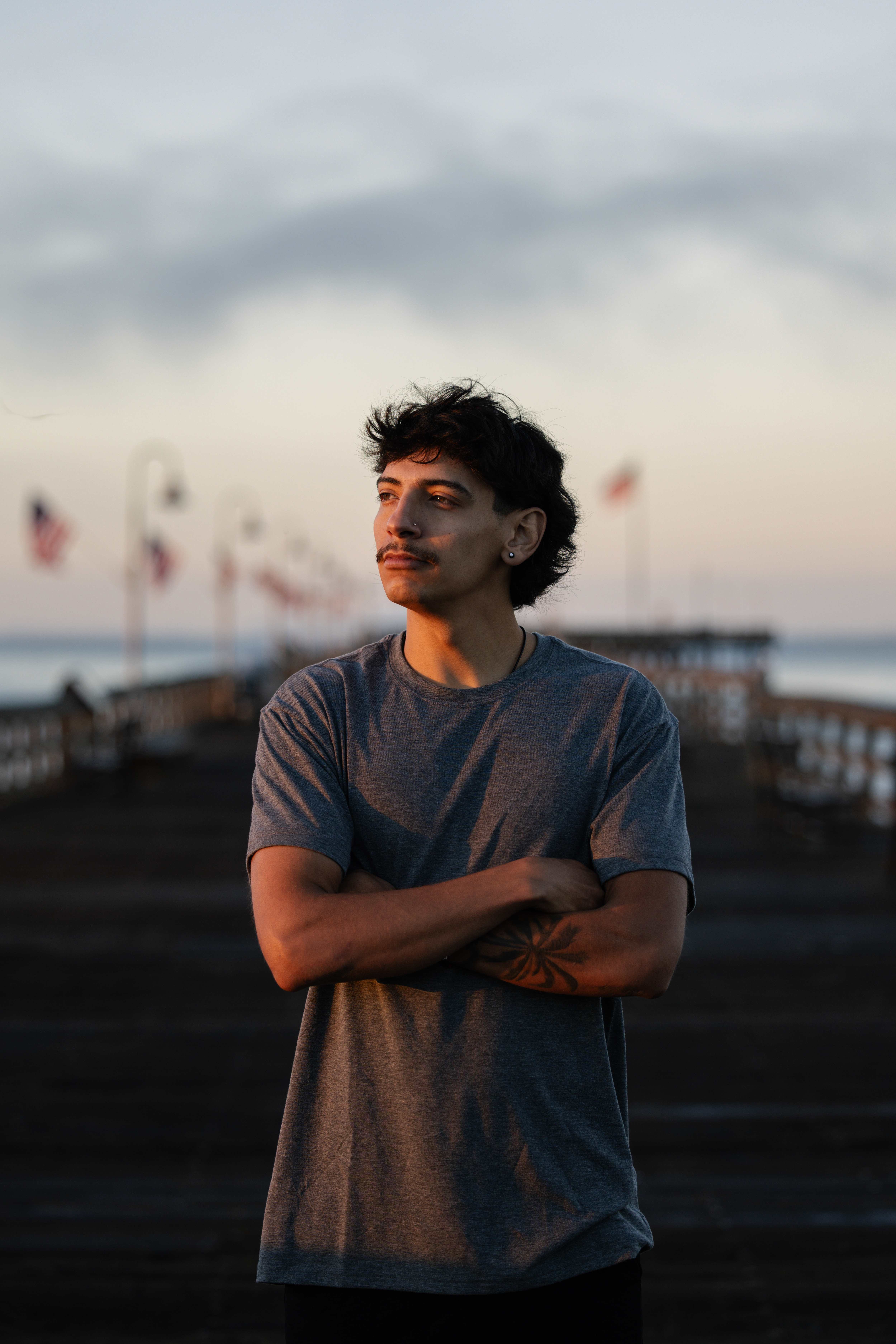
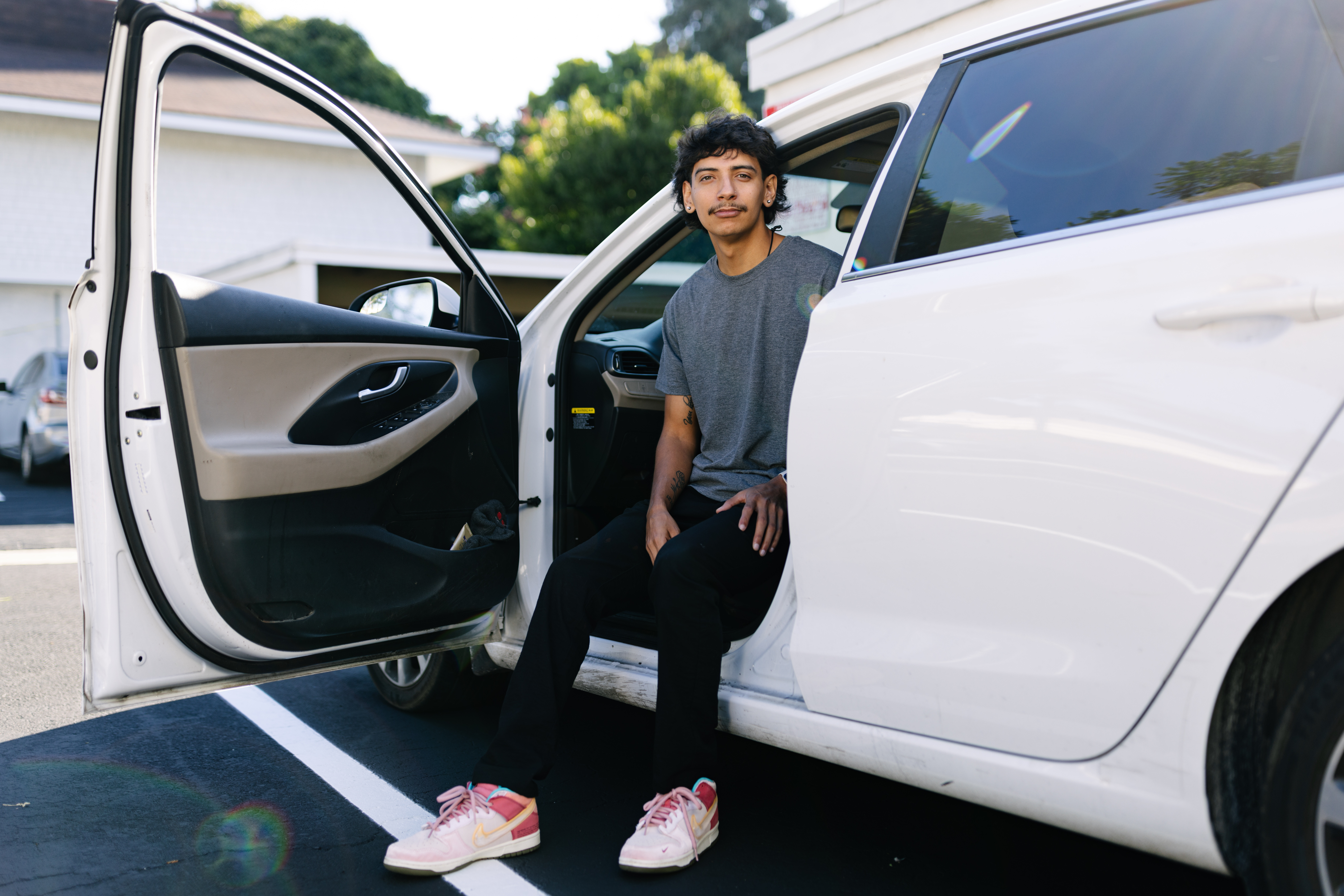
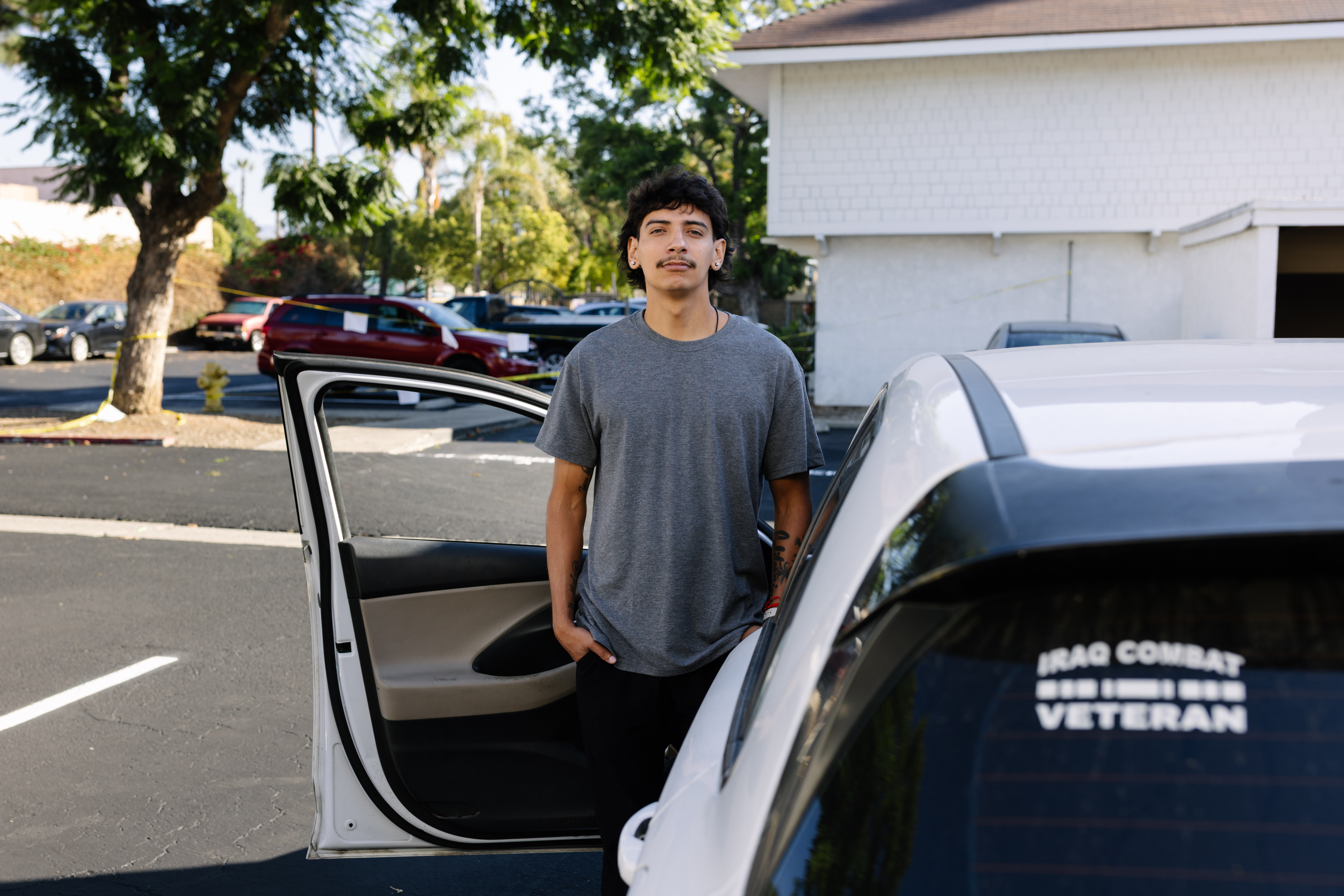
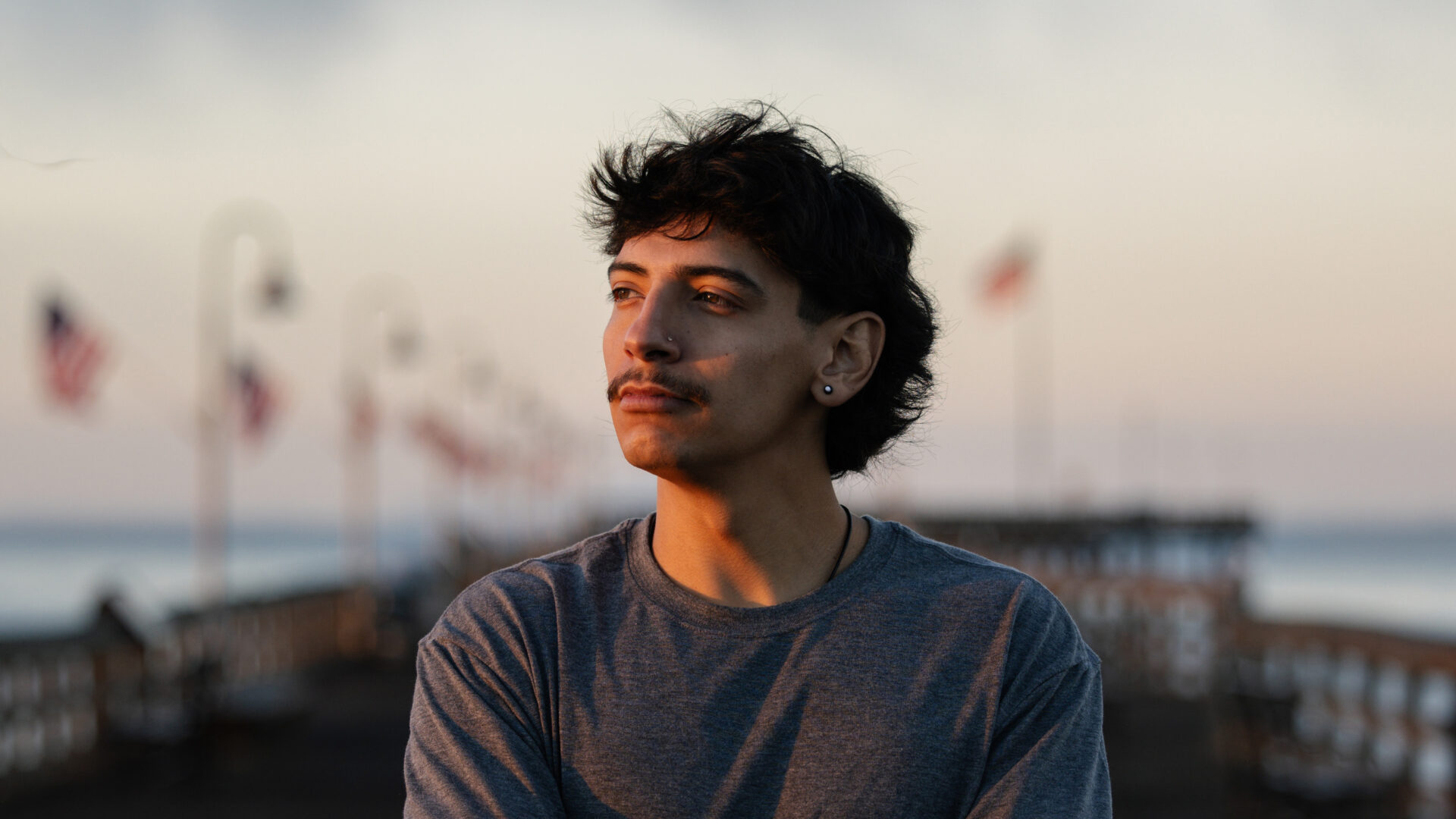
George Retes, a U.S. citizen and Iraq War veteran, was detained for three days after encountering an ICE roadblock on his way to work.
- Case Name
- George Retes v. United States
- Issue Areas
- Status
- Active Cases
- Location
- Ventura, California
- Date Filed
- February 18, 2026
What Is at Stake?
The Right to Due Process
George was held for over 72 hours without charges, a hearing, or access to an attorney — a presumptively unconstitutional detention.
Accountability for Federal Officers
Federal agents must answer for unconstitutional conduct. Where there is a right, there must be a remedy in an American court.
Freedom from Unreasonable Seizure
The Fourth Amendment prohibits unreasonable seizures. This case tests whether that protection has any real force against federal immigration enforcement.
The Case
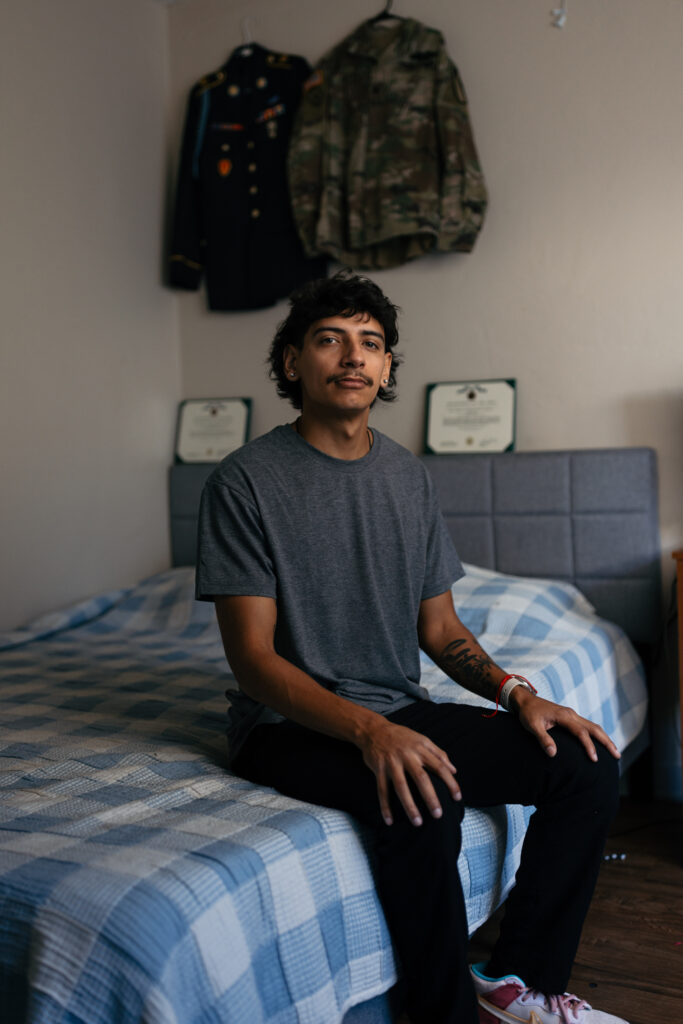
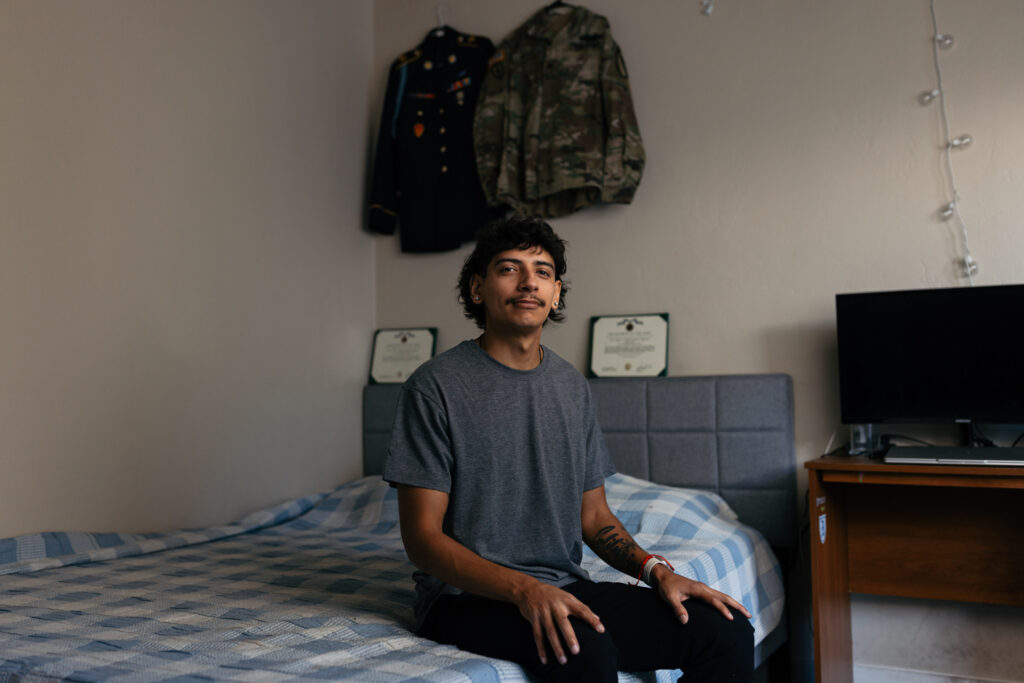
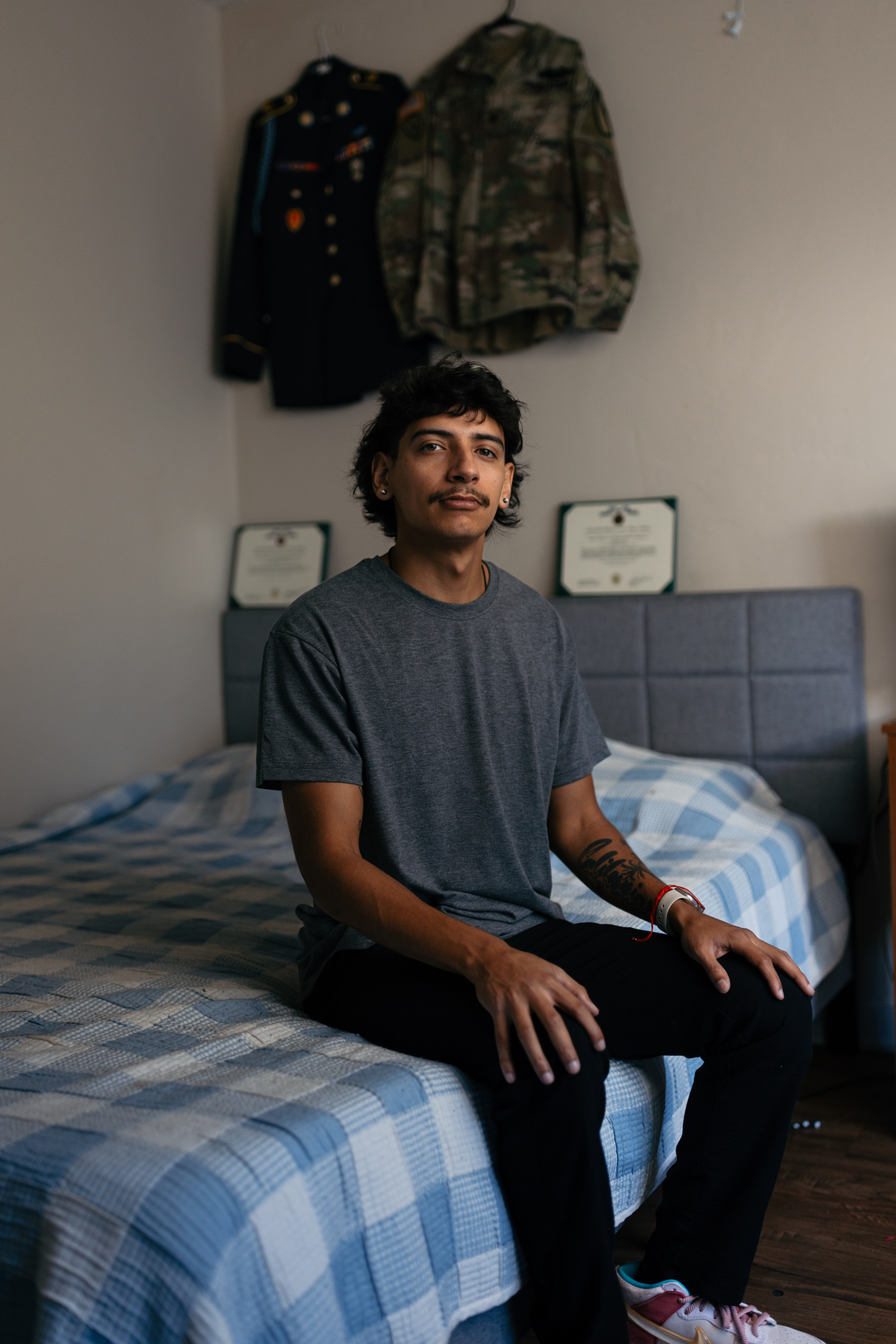
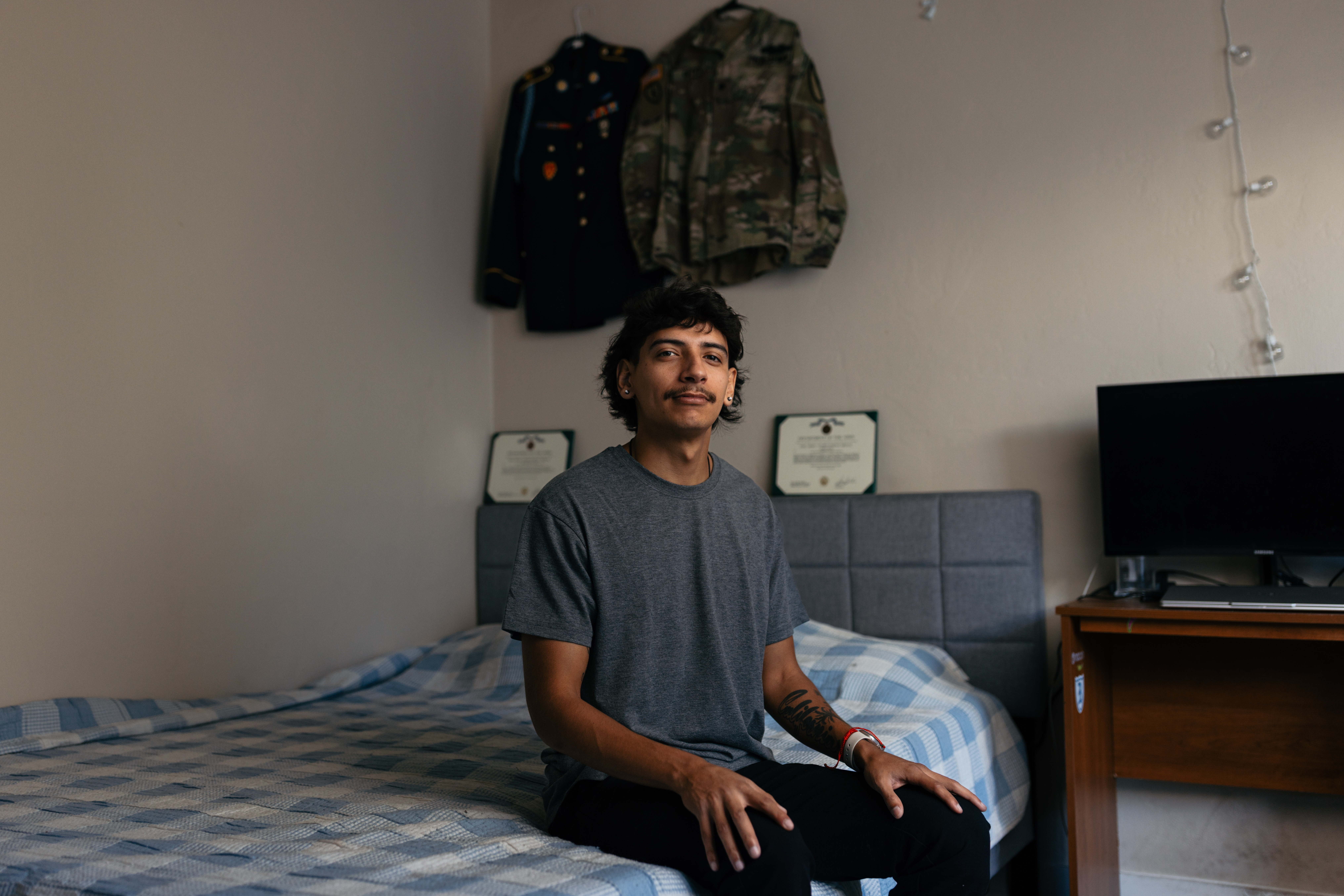
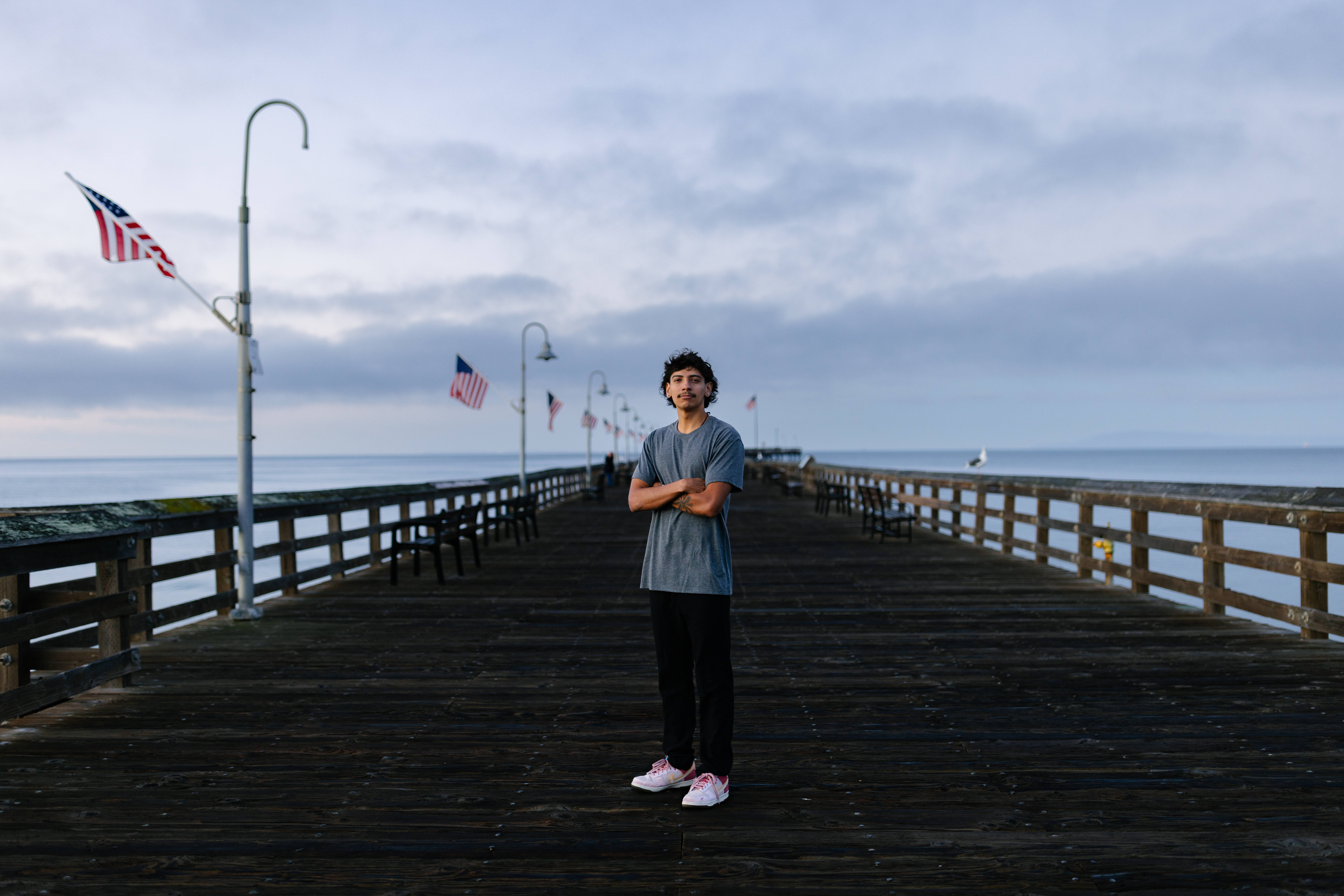
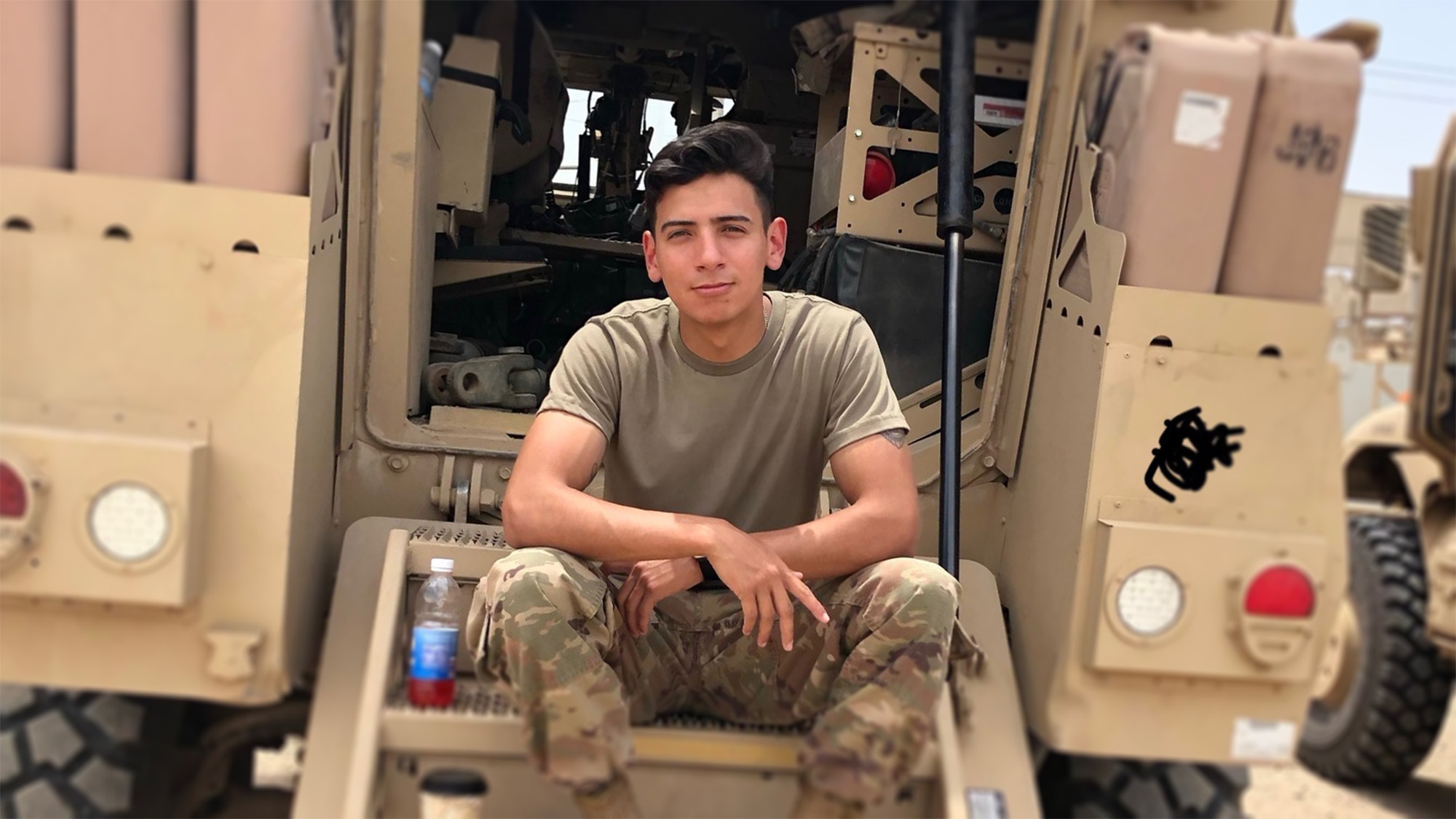
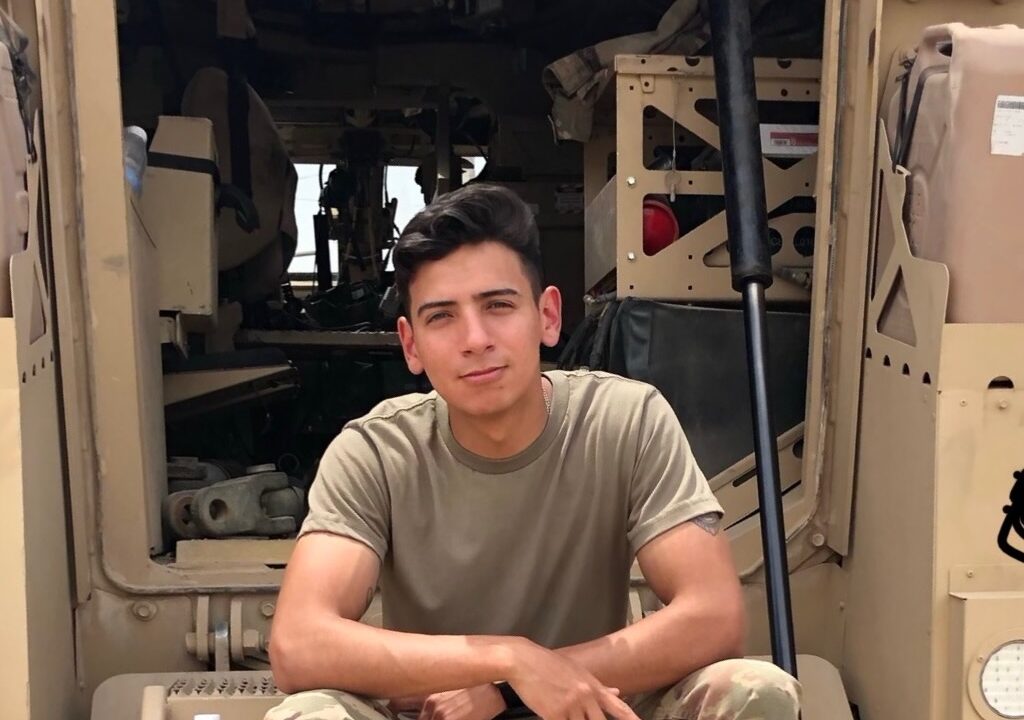
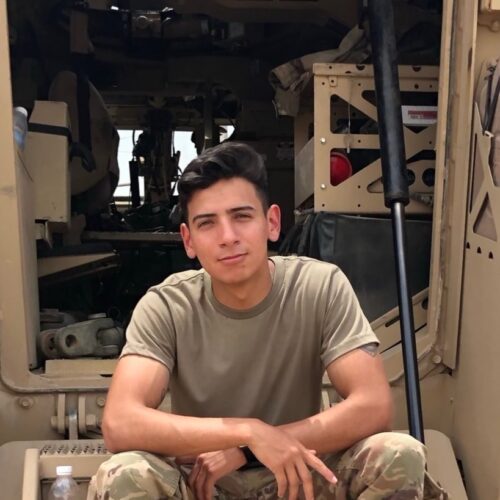
George Retes, Jr. is a native Californian who enlisted in the Army as a young man and served his country in Iraq. Wanting to see his kids grow up, he sought and received an honorable discharge from the military and wound up getting a job as a security guard, working for a contractor that assigned him to a state-legal cannabis farm in Ventura County, California.
In July 2025, George was on his way to work. As he approached the farm, he saw cars parked along the road and people standing around. He slowly navigated around them and eventually came to a line of federal agents blocking the road.
He exited his car and asked the agents if he could get by so he could get to his job, but they refused to let him pass. He moved his car to let a group of armored cars and buses pass, but soon after officers deployed tear gas all around his car.
Officers approached his car, giving contradictory orders. They broke his driver’s-side window, pepper-sprayed him, and dragged him out of the car. George allowed the agents to apprehend him, relying on his Army training to remain calm. One agent knelt on George’s neck. Another agent knelt on his back. They tied his hands behind his back, beginning an ordeal that would last for more than 72 hours.
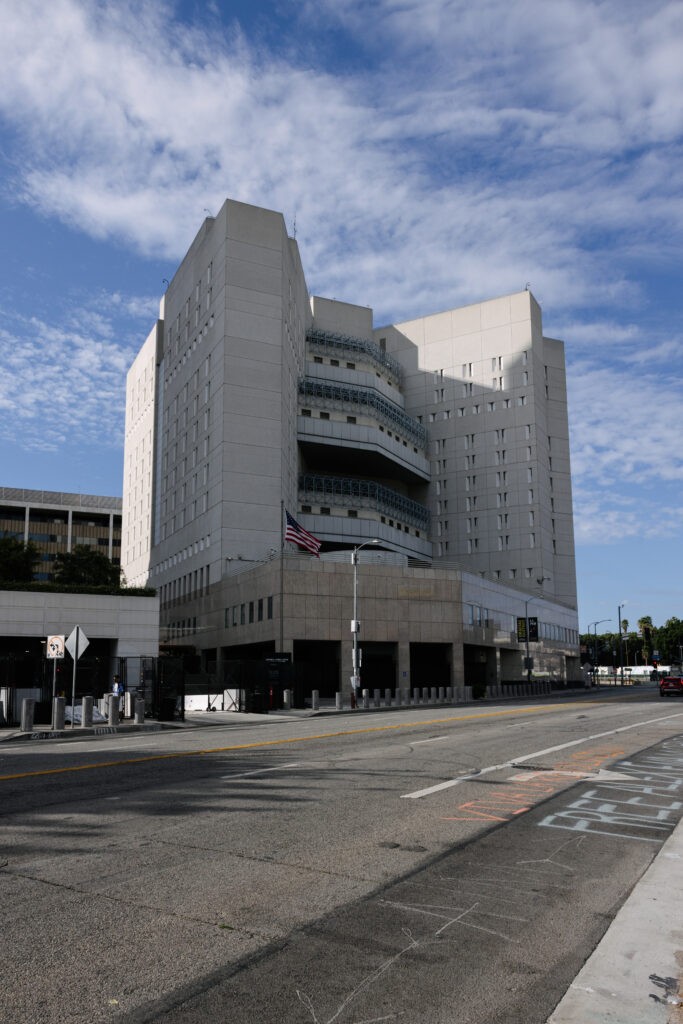
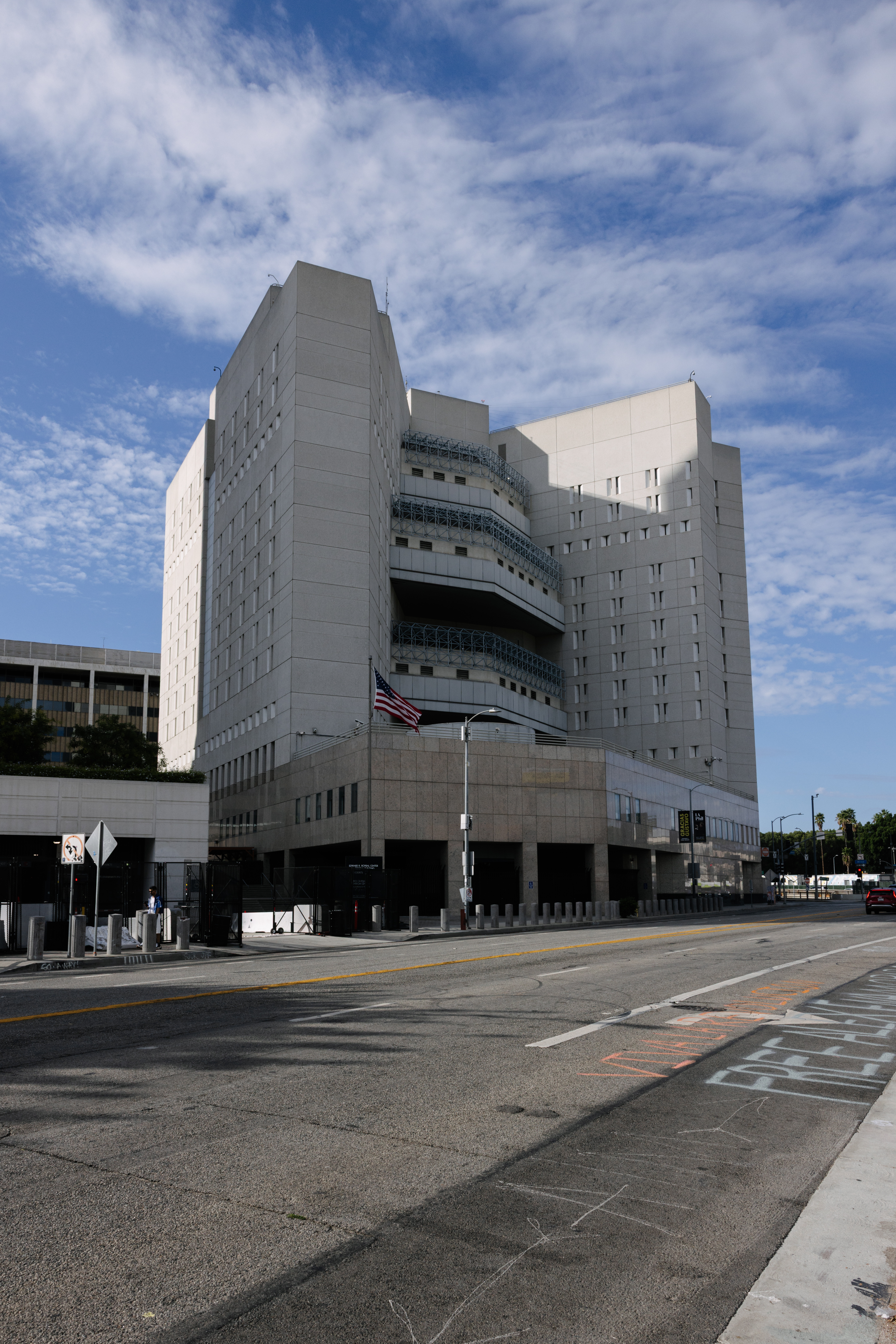
First, George was held at the farm, separate from detainees who were not citizens. He was then taken to a navy base, where federal agents took his fingerprints, his photograph, and his DNA. He was then moved to a detention center in Los Angeles. For the first day there, he was not allowed to shower even though pepper spray and tear gas covered his body. He spent the night in absolute agony, feeling like he was on fire.
The next morning, after a psychological exam, George was placed on suicide watch and held in isolation. Despite his repeated requests, he was not allowed to contact an attorney or anyone else. When he was finally released two days later, the government pressed no criminal charges and never told him why he had been detained. He missed his daughter’s third birthday party.
Now George has teamed up with the Institute for Justice to sue the federal government under the Federal Tort Claims Act and federal officers under California law. His fight for accountability may be difficult, but George wants to ensure that where there is a right, there is a remedy, not just for himself but for others similarly mistreated.
Watch the story
Innocent Iraq Vet Jailed for Three Days. “Shouldn’t Happen in America”
George Retes, Jr. is a native Californian who enlisted in the Army while a young man, serving his country in Iraq. Wanting to see his kids grow up, he was honorably discharged and got a job as a security contractor in Ventura County, California.
Case Team
Client
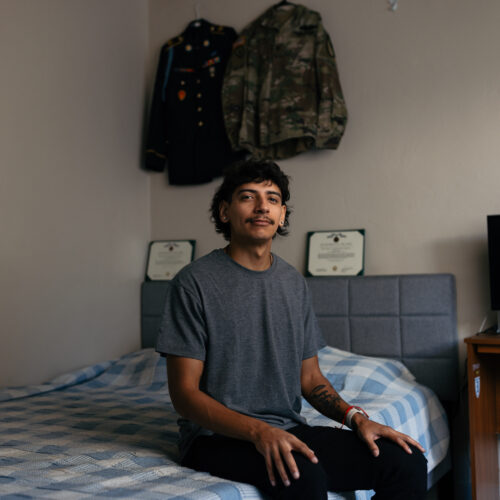
George Retes
Client
Attorneys



Staff

Andrew Wimer
Director of Media Relations

Katie Herndon
Paralegal
Media Resources
Get in touch with the media contact for image resources, press releases, and interview requests.
Media Images
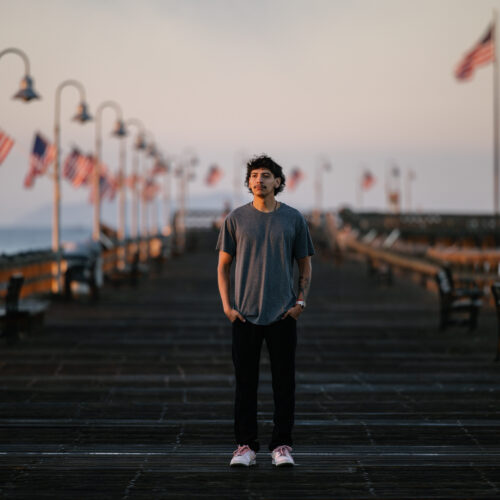
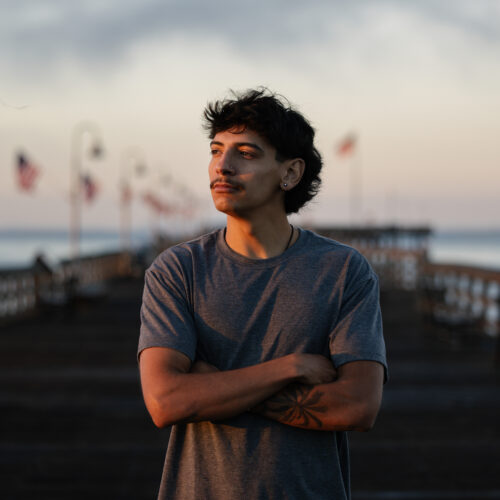
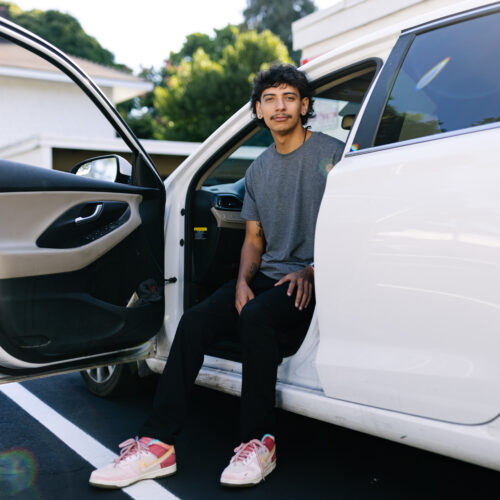
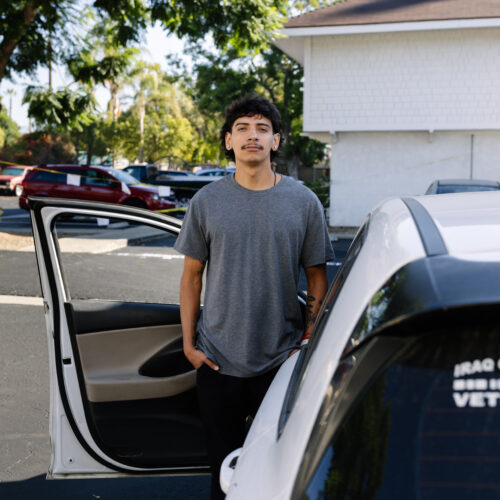

Case Documents
Case Summary
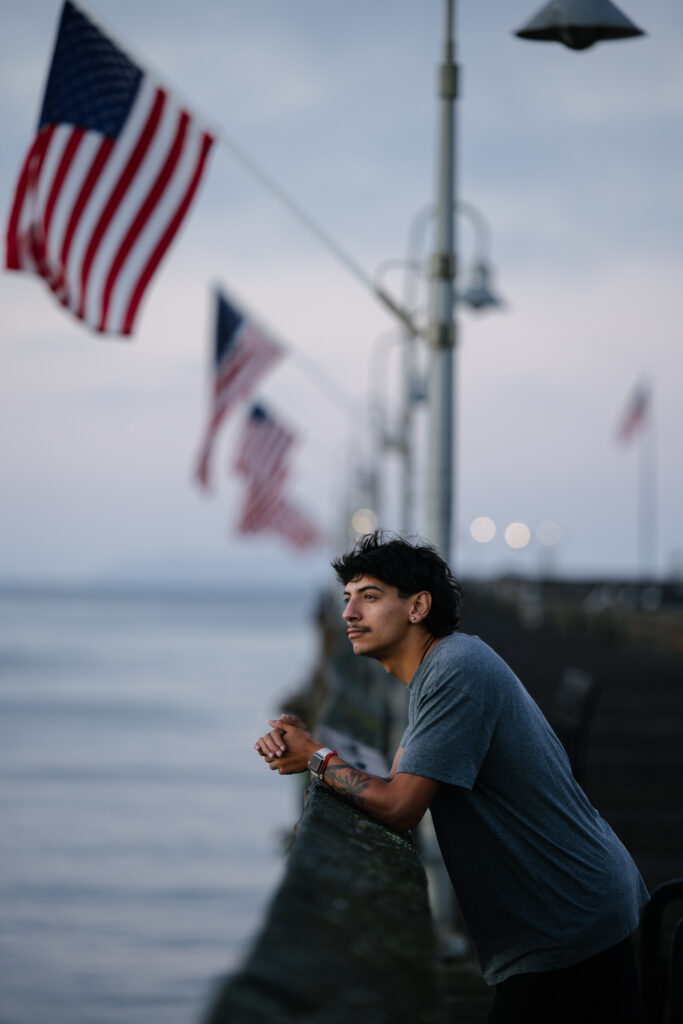
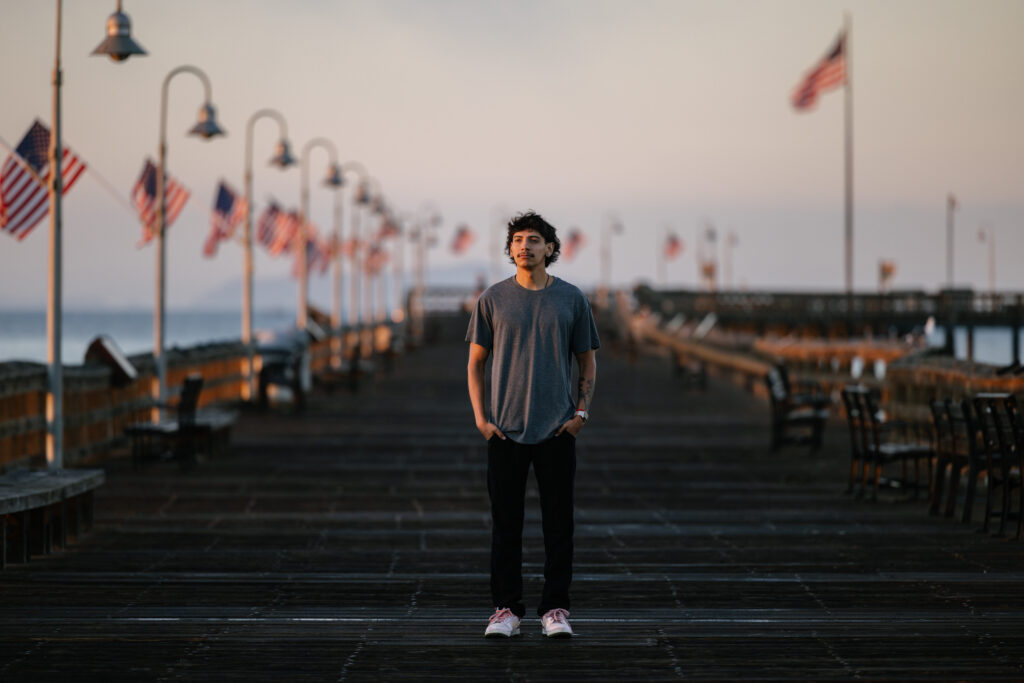
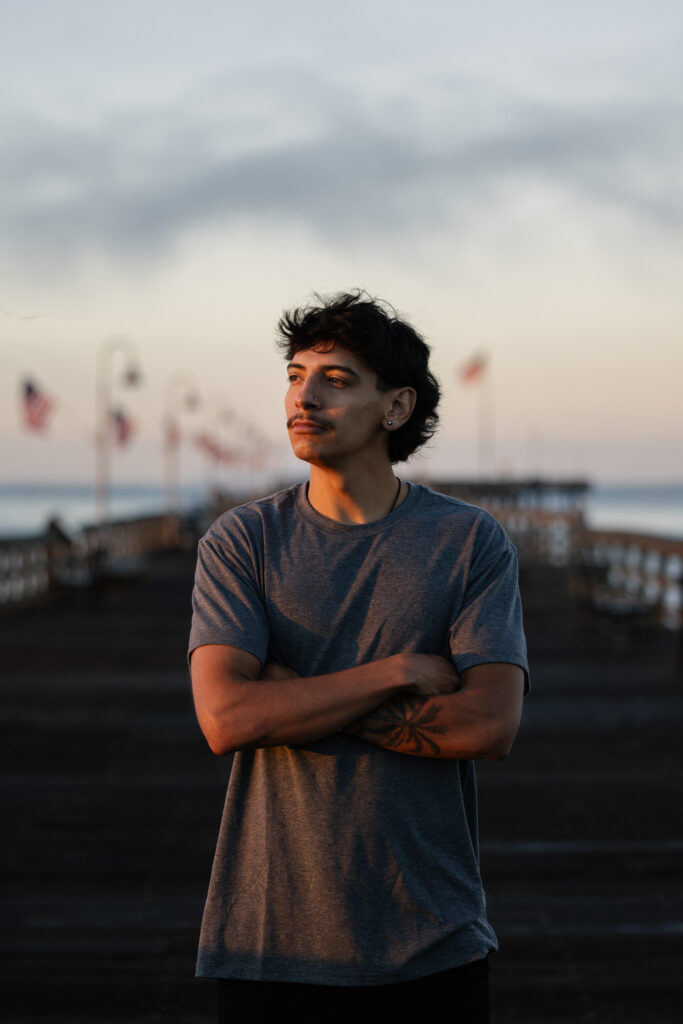
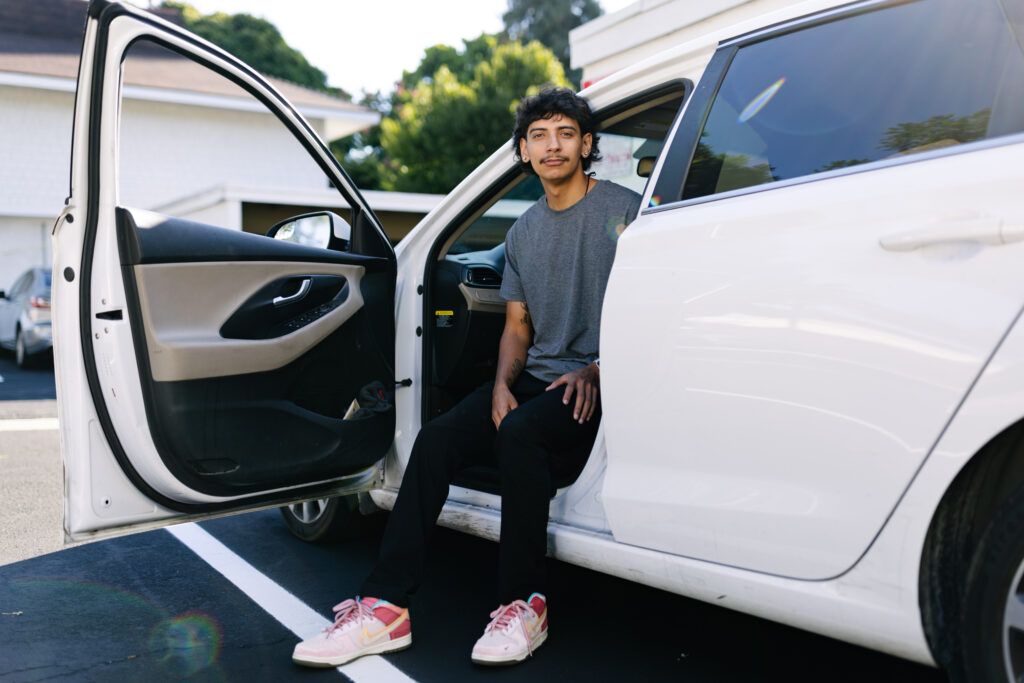
George Retes
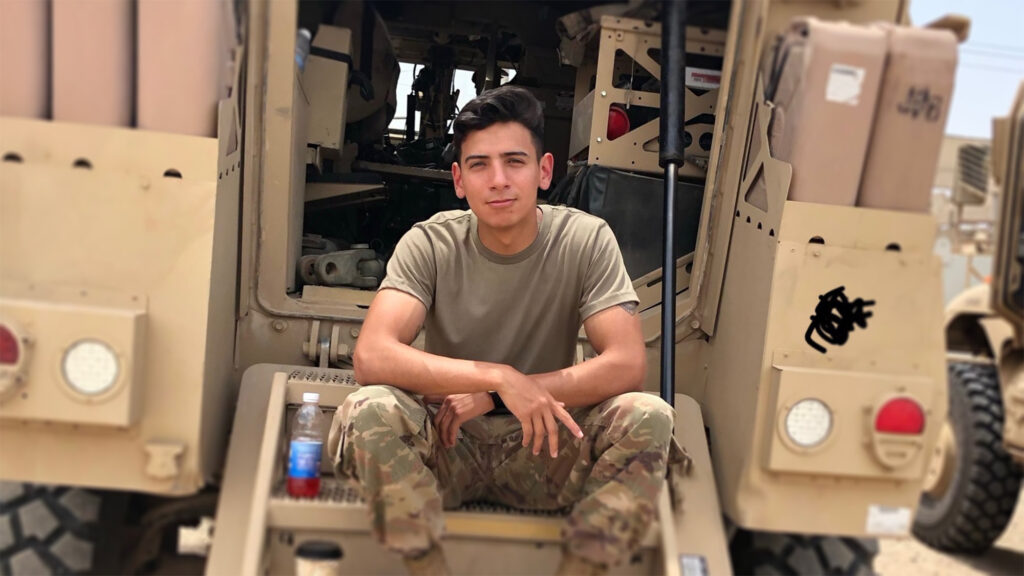
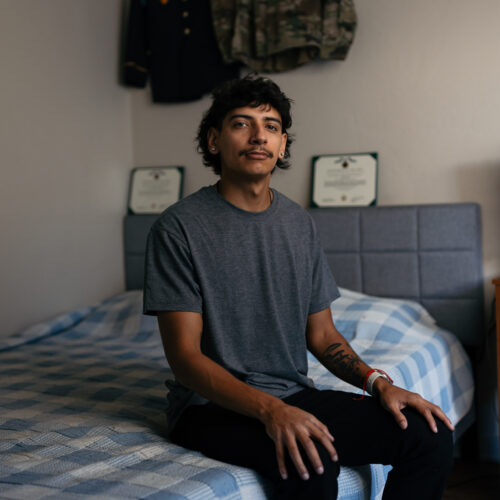
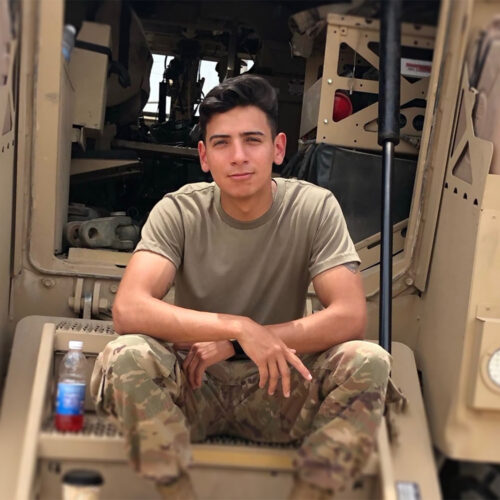
George Retes, Jr. was born and raised in Southern California. Following high school, George enlisted in the U.S. Army, serving at a base in Alaska and doing a tour of duty in Iraq. Eventually deciding he wanted to be near his young children, George was honorably discharged.
Immigration Agents Raid George’s Worksite
As a security guard for a contractor, George was assigned to a legal cannabis farm in Camarillo, because he lived nearby in Ventura. On July 10, 2025, he was on his way to his afternoon-evening shift when he saw that the road to the farm was backed up with cars and pedestrians.
What George did not know was that a major immigration enforcement action was taking place at the farm. Dozens of masked agents were arresting workers and loading them onto buses heading to detention centers. Family members and friends of the workers were showing up at the farm, as were journalists and protesters . A news helicopter recorded the scene.
When George reached a line of agents blocking the road, he exited his vehicle and explained to the officers—who were wearing gas masks—that he was a U.S. citizen and that he was only trying to get to his job. If he could not make it to his post, he could lose pay and the trust of his employer.
George asked an officer for a badge number so he could explain to his employer why he couldn’t make his shift. The officer became angry and moved aggressively toward George’s car. Understanding that he wouldn’t be able to go to work, George returned to his car. He backed up his car and moved it to the other side of the road to let armored vehicles and buses pass. Shortly after the vehicles passed, officers moved forward, toward George’s car and the pedestrians, and deployed tear gas around George’s car. Agents approached his car and offered contradictory directions, telling him at the same time to exit the car and to back it up.
Officers hit the window, and it gave way, shattering. One officer reached into the car and pepper sprayed George. Officers then pulled George from his vehicle, violently threw him to the ground, and zip-tied his hands behind his back. His wallet with his ID was left in the car. He was walked to the farm, where he was detained for three to four hours, even though he told agents that he was an American citizen simply trying to get to work. Knowing he was a citizen, the officers kept him separated from non-citizens they had detained.
George Spend Three Days in Detention
Though he was never told that he was suspected of or being charged with a crime, George was taken to a nearby navy base where he was fingerprinted, photographed, and held in shackles. His cheek was also swabbed for DNA.
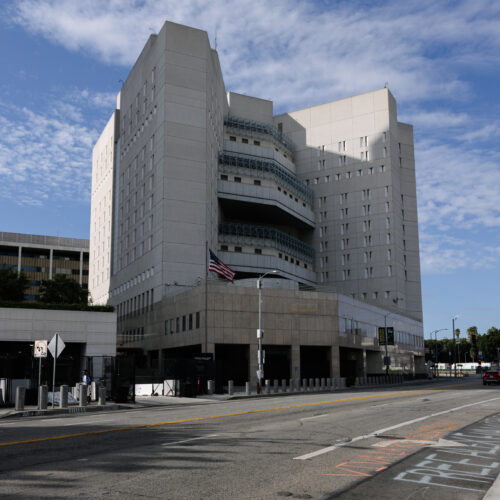
Later in the evening, George was transported to a detention center in Los Angeles. He spent the night in agony, not allowed to wash off the pepper spray and tear gas covering his hands and body. He was also not allowed to make a phone call or contact an attorney. No one explained whether he was held on any criminal charges.
The next morning, after a night of suffering from the chemical irritants, George underwent a psychological screening and was then placed on suicide watch. For the next two days, he was held alone in a bare cell, with nothing but a hospital gown and a thin mattress, with lights on around the clock.
George was held under those conditions for two more days—still no shower, no phone call, no contact with an attorney, and no hearing with a judge.
When George was finally released, he was told there were no charges against him. He asked whether he missed his daughter’s birthday for nothing. He got no answer.
Months later, after he published an op-ed in the San Francisco Chronicle, the Department of Homeland Security claimed that George was arrested for assault, even though the video evidence contradicts this. He still has not been charged with a crime.
George Sues Over the Violation of His Constitutional Rights
George’s case asserts claims under the Federal Tort Claims Act (FTCA) against the federal officers’ United States government employer. It also asserts claims against the individual officers for their unconstitutional conduct, bringing those claims under the federal constitution directly and under California laws. The officers violated George’s rights under the Fourth Amendment, which prohibits unreasonable searches and seizures. Detaining someone for more than 48 hours without giving them a hearing with a judge is presumptively unconstitutional. George was held incommunicado, without a hearing, for 72 hours.
The officers should be liable for this unconstitutional conduct under both the U.S. Constitution and under California’s civil-rights statute allowing suits against federal officers for the violation of federal constitutional rights.
The officers’ unconstitutional conduct also amounts to various torts under California law, including false imprisonment. If the United States is not liable for these torts, then the individual officers are.