Private Property
Leonard Hoffmann v. WBI Energy Transmission
North Dakota ranchers fought a pipeline company with eminent domain power for the fair value of their land. But an appeals court said the company did not have to pay the ranchers’ attorney fees. That places property owners in a Catch-22 when it comes to getting a fair price: accept a low-ball offer for their land or fight for a fair price out of their own pocket.

- Case Name
- Leonard Hoffmann v. WBI Energy Transmission
- Issue Areas
- Status
- Active Cases
- Location
- Watford City, North Dakota
- Date Filed
- August 7, 2025
The Case
The U.S. Constitution grants government the power to take private property, but that power comes with a caveat: the government must provide “just compensation.” Unfortunately, the government doesn’t typically start by offering property owners a fair price. To get a fair deal, owners facing eminent domain look to the courts, where they can present evidence for what they should be paid.
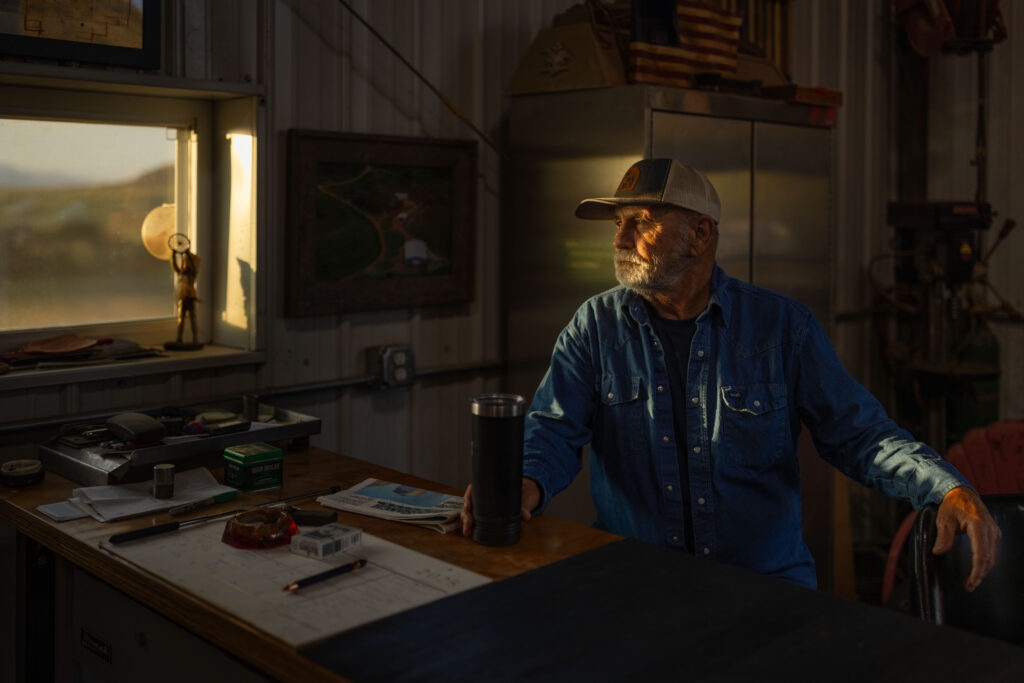
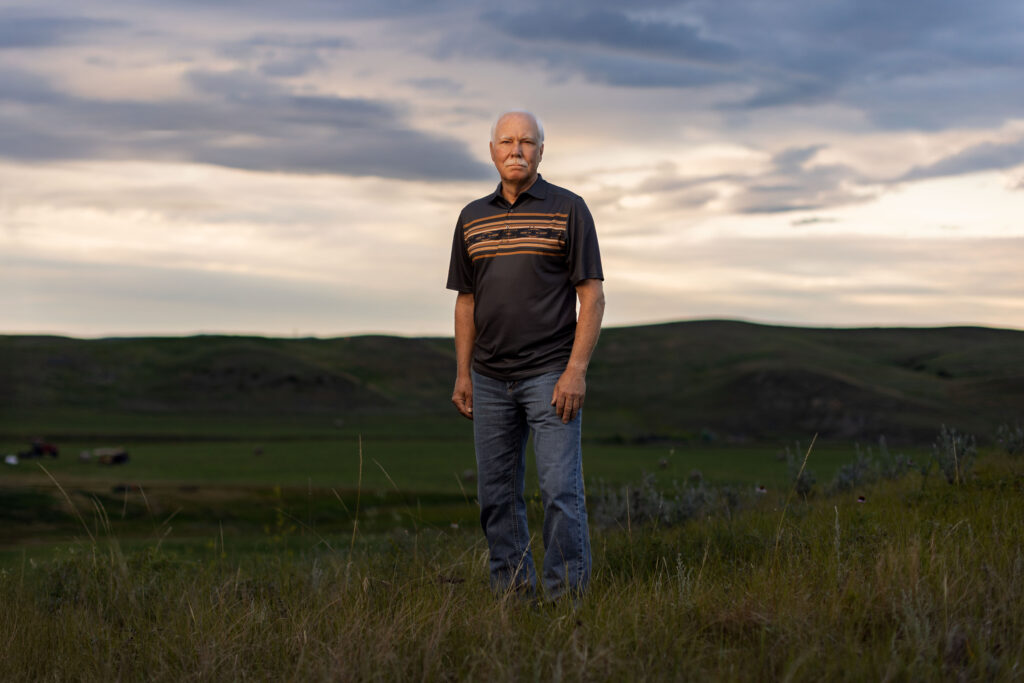
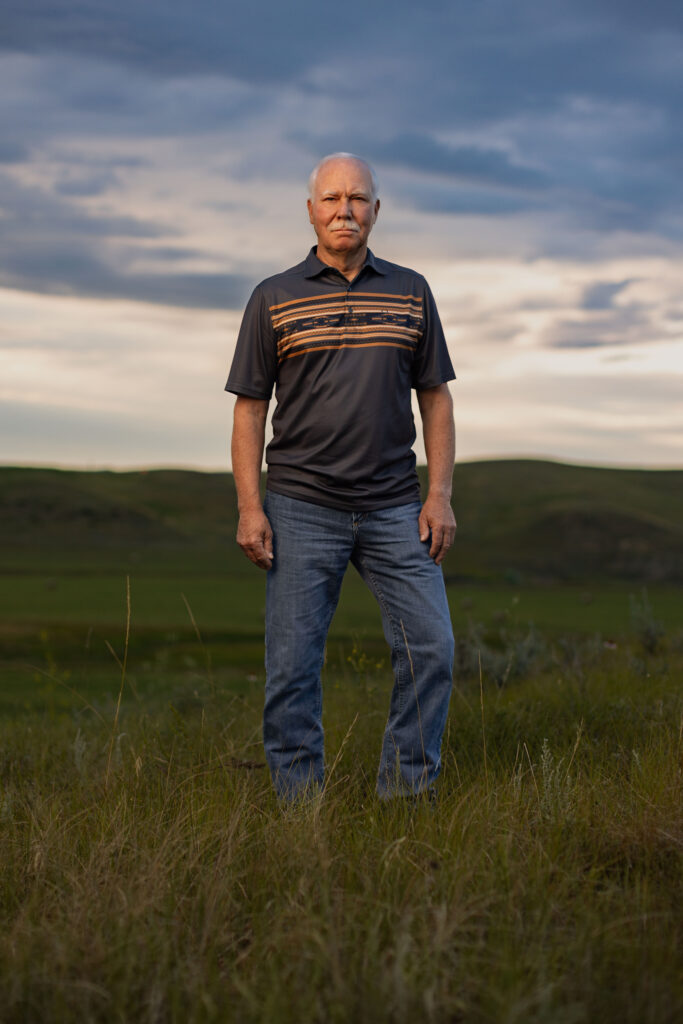
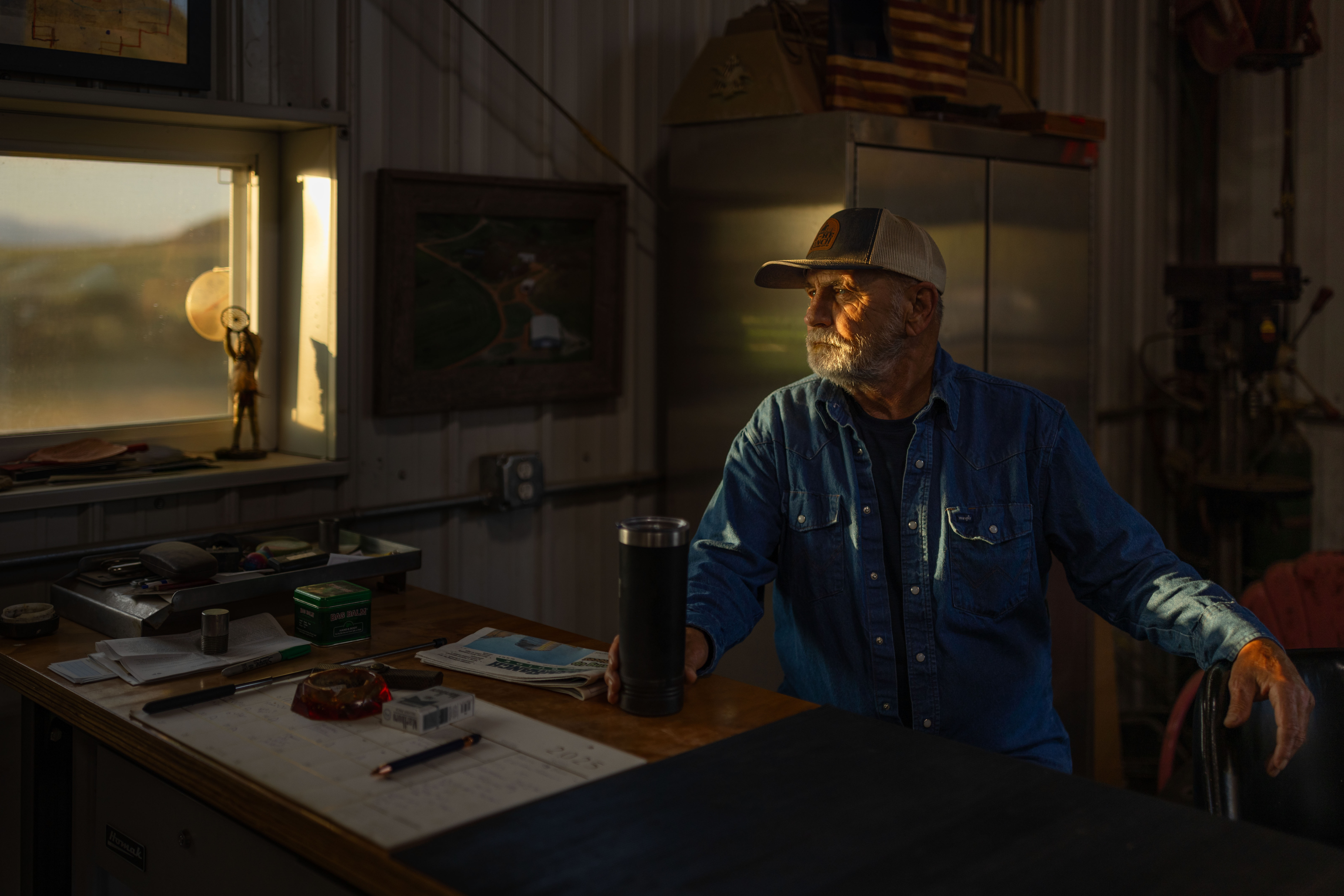
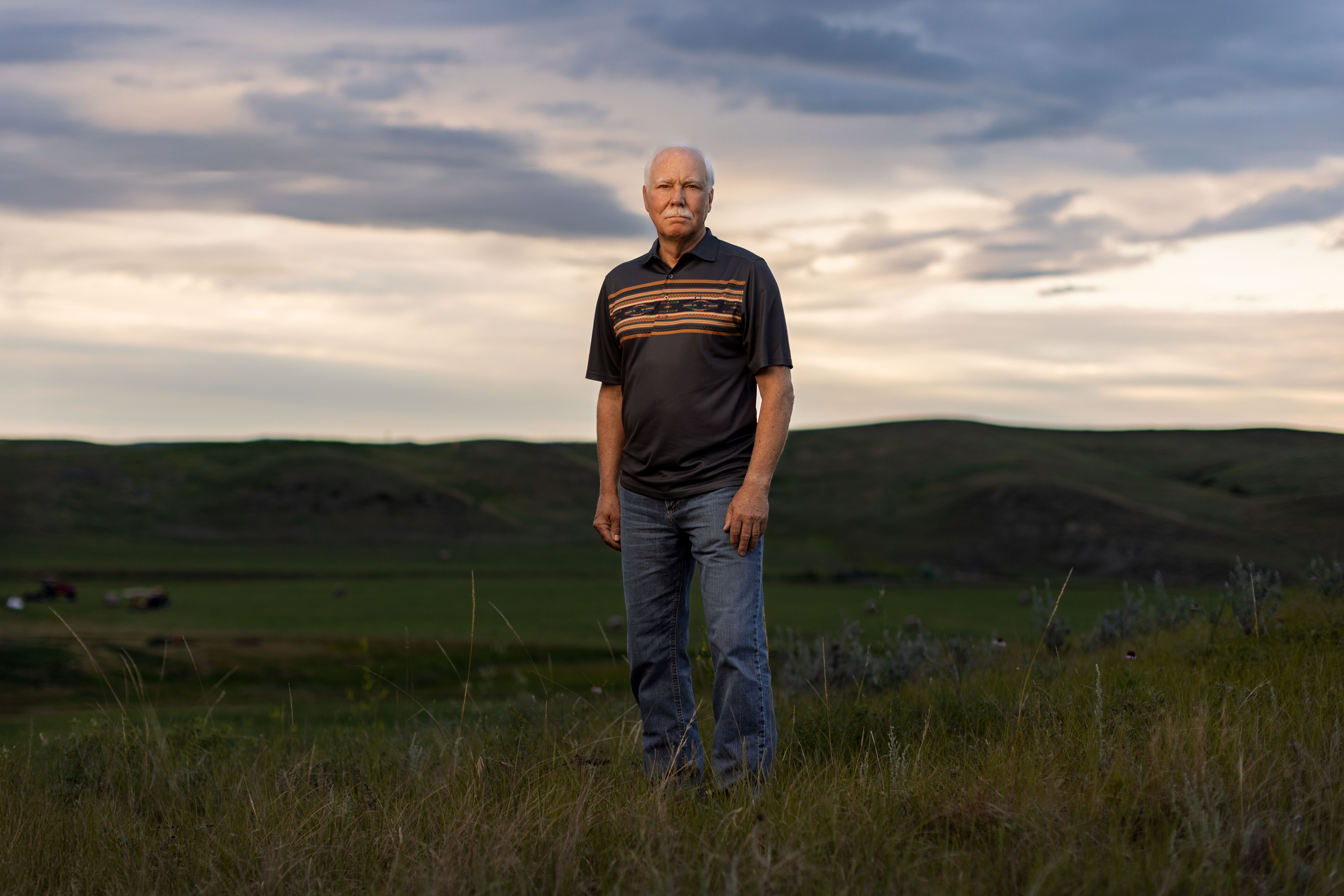
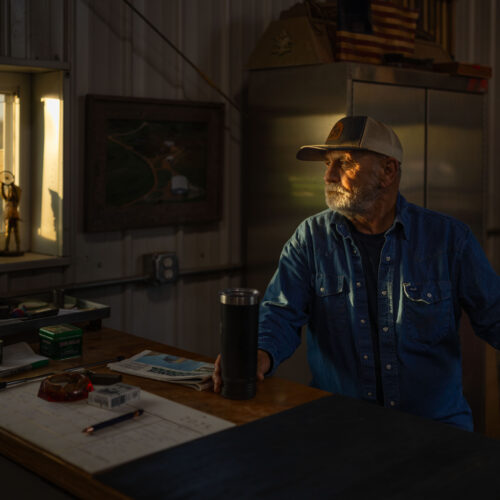
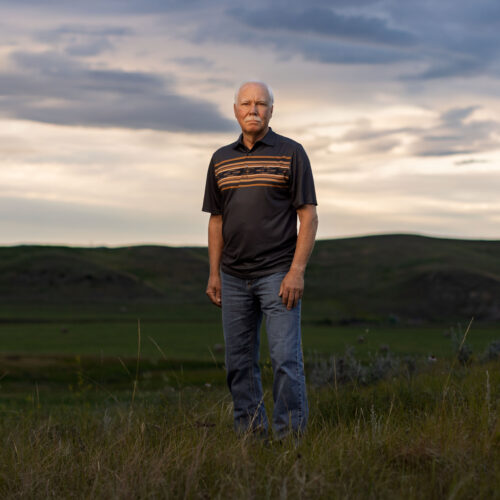
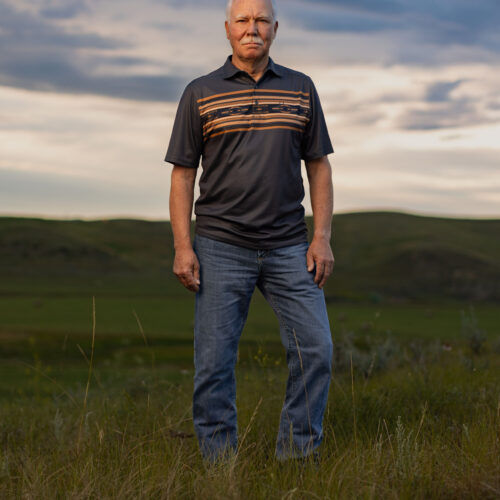
When Len Hoffmann and his neighboring ranch owners in North Dakota were told by a natural gas pipeline company with eminent domain power that it wanted their land, they knew the initial price offered was way too low. North Dakota’s prairie has been a hotbed of oil and natural gas development for years. And oil companies don’t have the power of eminent domain to build their pipelines. They have to find willing sellers, which means Len and his neighbors had a really good sense of what the going rate was for pipeline easements.
But the pipeline company insisted that their government power also came with that steep discount. So, the ranchers fought back in court.
Hiring an attorney to represent you in an eminent domain case isn’t cheap, but it’s usually worth the money. Along the U.S. border, property owners losing their land to border wall construction could get more than 200% what the government initially offered them if they got a lawyer. Meanwhile, those who negotiated alone only talked the government up around 30%.
Hiring a lawyer proved to be the right move for the ranchers, too. After three years of fighting, a judge ruled that the ranchers were right and should be allowed to introduce evidence about the market rate for pipeline easements. The case settled shortly thereafter, but the ranchers were left with a healthy bill for all the time it took to vindicate their rights. The judge ruled that the pipeline company should have to pay that bill, too. North Dakota law says that property owners are entitled to walk away with the full value of the land that was taken, not the full value minus however much it cost to defend the condemnation, and the judge held that private companies wielding the power of eminent domain had to respect state-law protections.
Then things went sideways. The 8th U.S. Circuit Court of Appeals determined that the company did not have to pay the ranchers’ legal fees, which were hundreds of thousands of dollars. That was because the court held that the pipeline company was “stepping into the shoes” of the federal government itself. And since the United States isn’t bound by North Dakota law, the pipeline company wasn’t either.
Property owners are now stuck in a Catch-22: accept a low-ball offer for their property or fight for a fair price out of their own pocket. That’s not just unfair—it’s illegal, and that’s why the Institute for Justice has asked the U.S. Supreme Court to take up their case and ensure that property owners don’t get stiffed when the government comes for their land.
Watch the story
Pipeline tried to take their land thru Eminent Domain. They fought back.
When Len Hoffmann and his neighboring ranch owners in North Dakota were told by a natural gas pipeline company with eminent domain power that it wanted their land, they knew the initial price offered was way too low. North Dakota’s prairie has been a hotbed of oil and natural gas development for years. And oil companies don’t have the power of eminent domain to build their pipelines. They have to find willing sellers, which means Len and his neighbors had a really good sense of what the going rate was for pipeline easements.

Case Team
Clients
Attorneys

Robert McNamara
Deputy Litigation Director

Diana Simpson
Senior Attorney

Joe Gay
Attorney

Marco Vasquez Jr.
Attorney
Staff

Andrew Wimer
Director of Media Relations

Gretchen Embrey
Director of Paralegal Services & Senior Paralegal
Media Resources
Get in touch with the media contact for image resources, press releases, and interview requests.
Media Images










Case Documents
Case Summary
A Fight Over Generational Ranchland
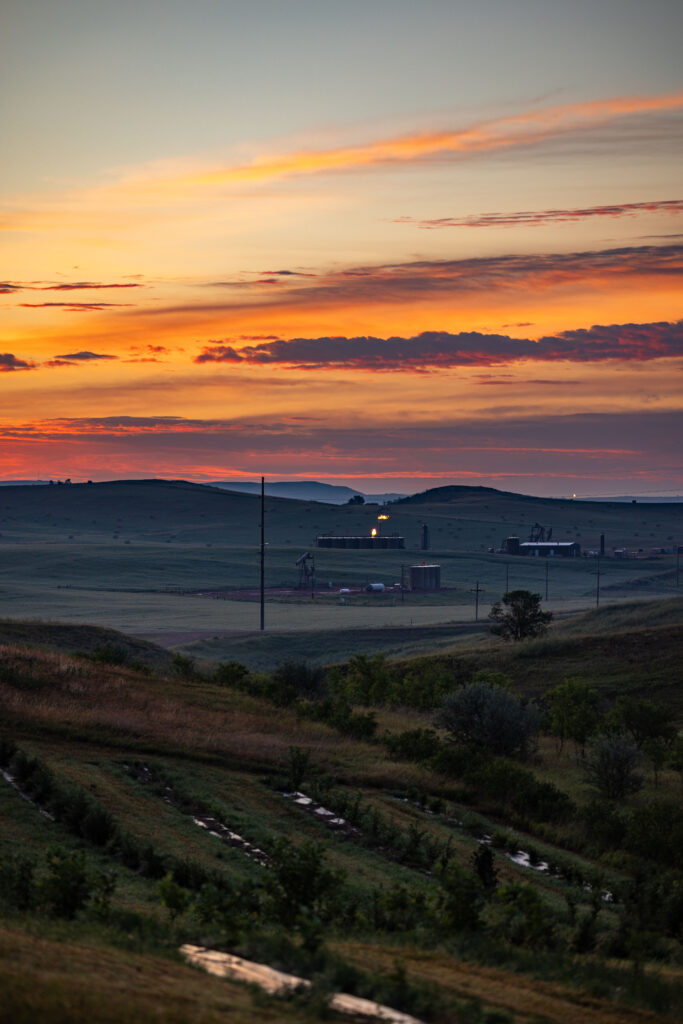
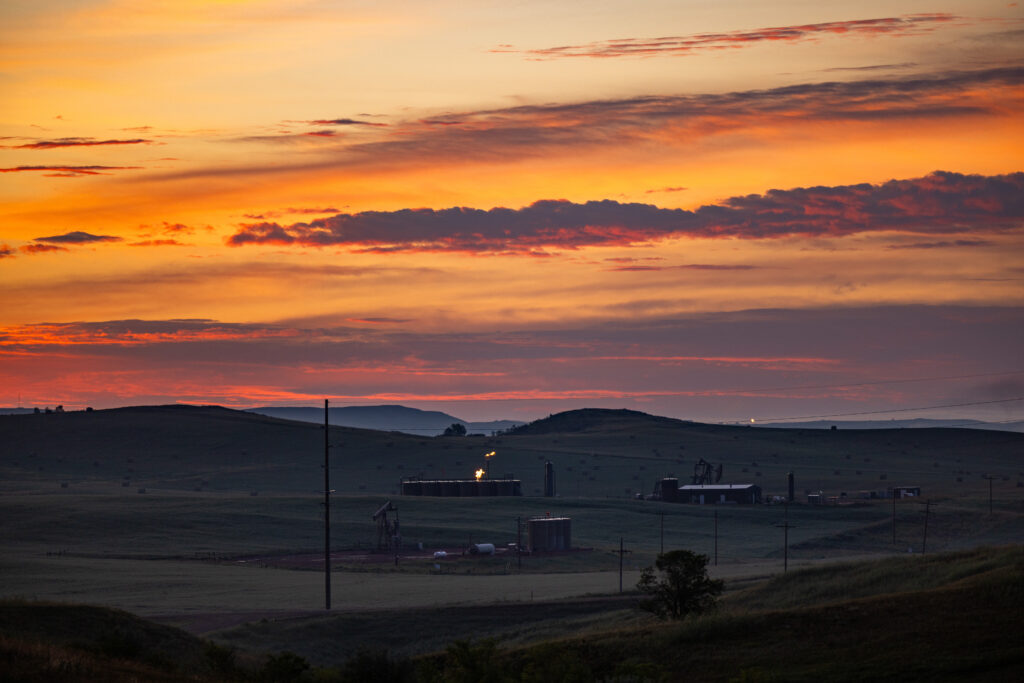
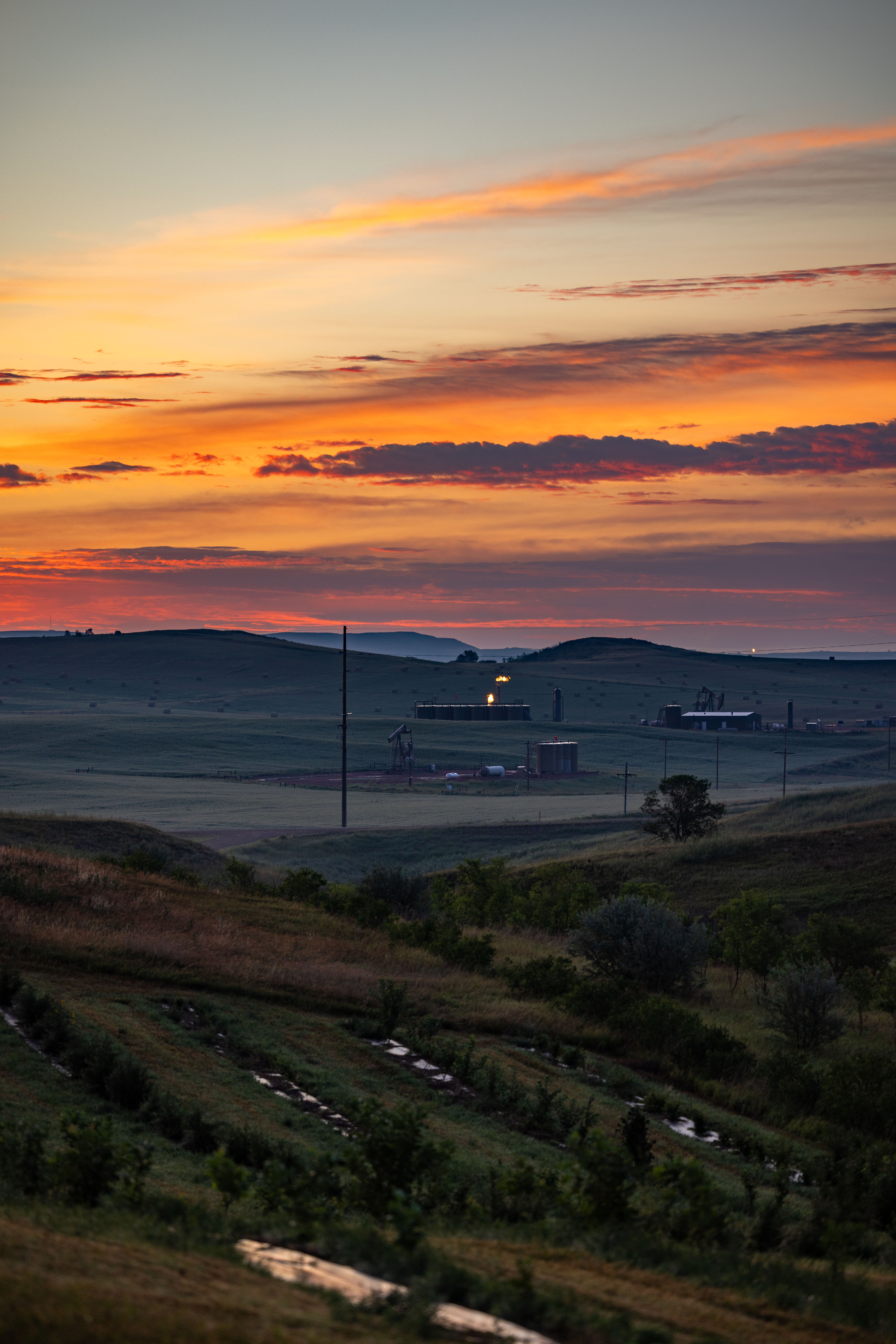
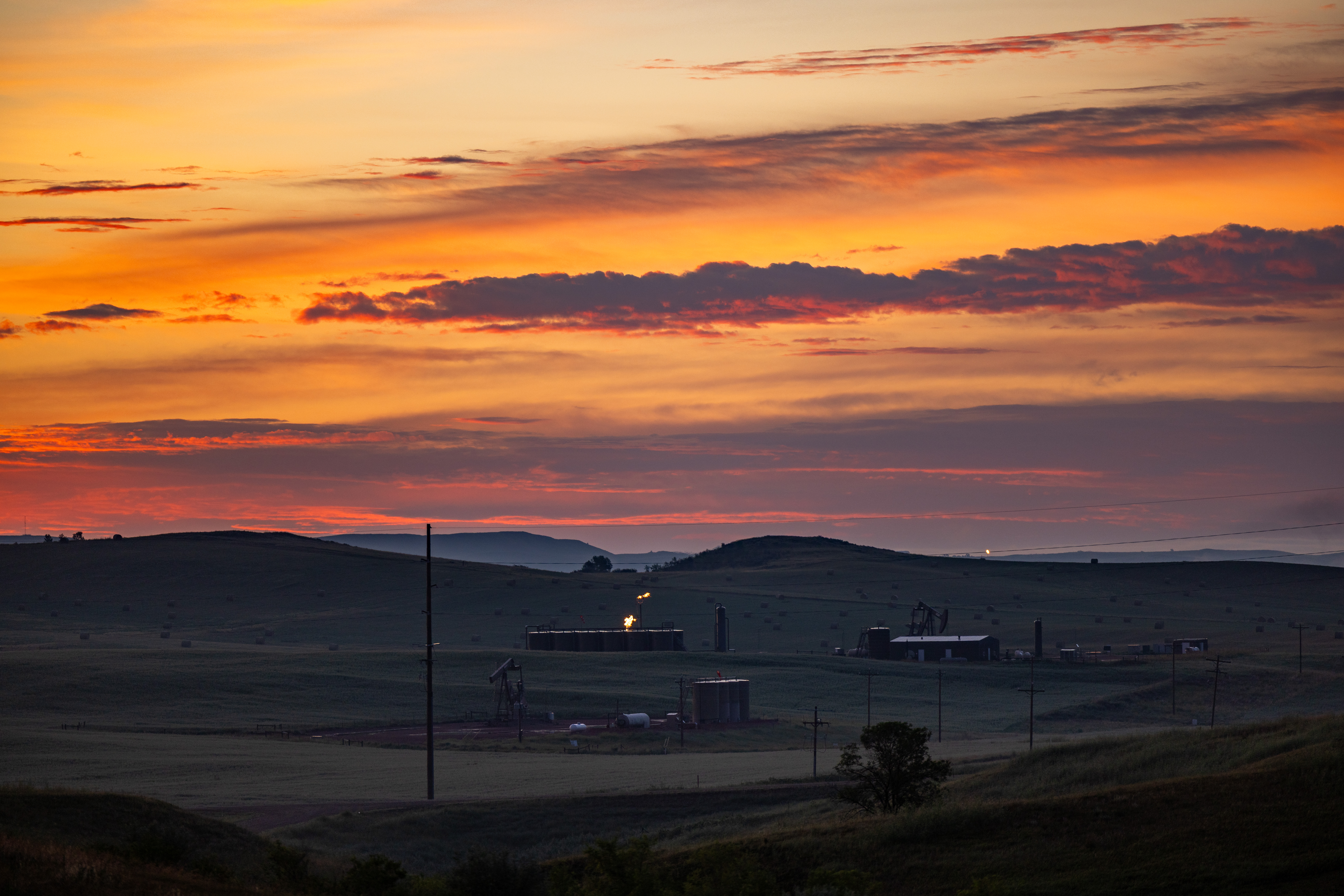
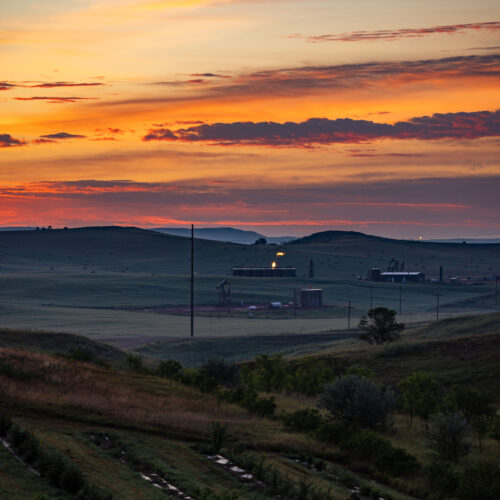
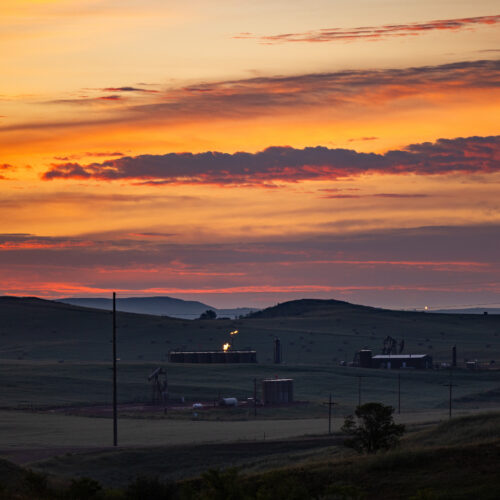
Len Hoffmann’s family’s ranchland in McKenzie County, like a lot of the land in western North Dakota, is stunning. Steep rows of green hills frame golden sunsets. It is a place where you could spend a lifetime—and lots of Len’s neighbors, like Len’s father before him, have.
But, also like a lot of the land in western North Dakota, there’s been tremendous economic growth as a result of the area’s vast natural resources. And so, it was no surprise to Len or his neighbors when they heard that a private company wanted to build a pipeline across their land. They weren’t immediately opposed: McKenzie County is perhaps the most oil-rich county in the United States, which meant there were already oil pipelines crisscrossing their ranches. They weren’t necessarily opposed to more if they were installed and maintained properly and if the company, like the companies before it, paid a fair price. Oil companies in North Dakota (unlike in some states) can’t typically use the power of eminent domain to take land for their pipelines, so landowners in McKenzie County had a pretty good idea of what the going rate was for pipeline easements.
They soon learned that this time would be different. The company, WBI Transmission, wasn’t building an oil pipeline. It was building a natural-gas pipeline. And interstate natural gas (unlike oil) is regulated by the federal government under the Natural Gas Act. That law says that any company that wants to build an interstate natural-gas pipeline must first obtain a certificate from the Federal Energy Regulatory Commission, or FERC. And, once FERC says it’s okay to build the line, the agency’s certificate also carries with it the power of eminent domain.
The company claimed that changed everything. Because the federal government had authorized it to use eminent domain, it didn’t have to pay the going rate for easement land. Instead, it said, it should just have to pay the difference between the typical sale price for land with a pipeline easement and the typical sale price for land without a pipeline easement. And the company said that, statistically, the difference in the ultimate sale price wasn’t much—and maybe was nothing at all.
That didn’t seem right to Len and his neighbors. The value of a pipeline easement wasn’t nothing. After all, companies that didn’t use eminent domain paid something for the land, and it didn’t seem fair that this company wouldn’t have to pay market price just because it had a certificate from FERC. So, he teamed up with some of his neighbors—his brother David and sister-in-law Denae Hoffmann and nearby ranchers Rocky Prestangen and Randy Stevenson—and fought back: They hired a lawyer, North Dakota property-rights attorney Derrick Braaten, and they went to court.
And they won. After years of litigation involving experts and motions and arguments, the trial court said they were right: When a company like WBI used eminent domain, it had to pay fair market value for what it took, and evidence of what other companies paid in arm’s-length transactions was one way to prove that value. With the only real dispute settled by that ruling, Len and his neighbors accepted a settlement.
So far, so good. But getting to that point had cost the property owners a lot—roughly $300,000. And, under North Dakota laws protecting property owners, the company was required to pay that as well. North Dakota, like many other states, holds that a property owner who loses land to eminent domain is entitled to be made financially whole, which means they must be paid not only for the value of the land that was taken but also for the costs of the condemnation. To do otherwise would place property owners in an impossible position. Just take what happened here: The pipeline company’s initial offer was a lowball, far less than the property it wanted was really worth. By fighting back, Len and his neighbors got a fair price—but they spent about as much on the court fight as they gained by winning it. Without compensating them for the costs of the litigation, they’d be right back where they started—with far less money than their land was actually worth.
The trial court followed North Dakota law. WBI was a private company taking North Dakota land from North Dakotans, and that meant that North Dakota law should set the rules of the road.
But an appellate court disagreed. On appeal, the 8th Circuit held that Len and his neighbors weren’t entitled to be reimbursed for their expenses after all. After all, under the Supremacy Clause of the Constitution, the United States itself cannot be required to follow North Dakota law; if the federal government takes land by eminent domain, it need only pay the “just compensation” required by the Fifth Amendment. And, since the Supreme Court has held it isn’t unconstitutional for the federal government to make property owners bear the costs of their own condemnation, that means the government itself would be allowed to ignore North Dakota’s rules protecting property owners here. True, the federal government wasn’t itself doing anything here, but the appellate court said that didn’t matter: WBI had a certificate from FERC, which meant it was “stepping into the government’s shoes” and could ignore state law just like the United States itself could.
That’s when IJ got involved.
Private Companies Are Not the Government
The problem with the appellate court’s ruling is that it reads the Natural Gas Act’s delegation of eminent domain broadly. The Act authorizes private pipeline companies to use eminent domain, yes, but it says nothing about delegating the federal government’s ability to ignore state-law protections for property owners. The appellate court simply assumed that authorizing the use of eminent domain must automatically come with all the federal government’s power—with “stepping into the shoes” of the United States itself.
That matters because, historically, courts have disfavored private delegations of the eminent domain power. Eminent domain was viewed as a “despotic” power of government—the ability to forcibly take land for public use—and that meant it wasn’t supposed to be in private hands. Eminent domain was to be used by government officials for a public use. When courts allowed the government to delegate its eminent-domain power to a private company in service of a broader public use, that delegation was read narrowly and interpreted in favor of maintaining property owners’ rights. In recent years, federal courts have retreated from the requirement that the power be used only for a traditional public use—most notably in the Supreme Court’s widely reviled Kelo v. New Londondecision—but they have never abandoned the principle that private delegations are disfavored. Until now.
That is why Len and his neighbors have teamed up with IJ to take their case all the way to the Supreme Court of the United States. They plan to reaffirm the basic principle that public power should not lightly be placed in private hands.
That principle has consequences that will resound far beyond North Dakota—and far beyond questions of who must pay for the costs of a condemnation. Countless entities are currently authorized to use eminent domain under the Natural Gas Act or other statutes. Under the rule adopted by the appellate court in Len’s case, all of them would be assumed to be “stepping into the shoes” of the federal government when they use eminent domain. That’s a lot of shoes.
And these entities will be able to use those shoes to run right through all manner of state protections for property rights. Many states, like North Dakota, require the party taking the land to pay the costs of the condemnation. But states protect property in other ways, too. Some have special rules for how to deal with a business that will be destroyed by a condemnation. Or for farmland. Or for how to deal with harms caused to parts of the property that aren’t being taken. The list goes on. All of those reflect decisions by states, through their laws and constitutions, to make sure property owners are fairly treated when their land is taken for a public use. And all of them would be swept aside by a ruling against Len and his neighbors.
The briefing in the case has reflected the stakes. A dozen states—from North and South Dakota to Texas and Florida—filed a brief urging the Supreme Court to stand up for important state-law property protections. Meanwhile, the United States filed a brief of its own, urging the Court to throw those protections aside. Other groups have also filed amicus briefs on behalf of the property owners.
Ultimately, this case isn’t about who pays whose fees. It is about whether private companies can use public power to ignore state law—even if Congress hasn’t said they can. That matters for Len, but it also matters for property owners nationwide.
Litigation Team
The litigation team is IJ Deputy Director Robert McNamara, alongside IJ Senior Attorney Diana Simpson and IJ Attorneys Joseph Gay and Marco Vasquez, joined by local counsel Derrick Braaten of the Braaten Law Firm in North Dakota.
About the Institute for Justice
The Institute for Justice is a non-profit, public interest law firm that defends property rights nationwide. IJ litigated the landmark case Kelo v. New London, and, after a 5-4 loss at the Supreme Court, successfully changed eminent domain laws in 47 of 50 states. In 2024, IJ successfully convinced the Supreme Court to allow Texas ranchers to sue the state after a highway project flooded their property. In the 2026 Supreme Court term, IJ is also defending a New Jersey farm from an unconstitutional administrative court and an Alaskan pilot from an excessive fine.