
How Lawyers Gained a Monopoly on the Practice of Law

How Lawyers Gained a Monopoly on the Practice of Law
A historical overview of the regulatory shift from an open legal culture to the modern restricted marketplace.
This timeline synthesizes decades of academic research on the history of lawyer licensing and unauthorized practice of law doctrine. It draws in substantial part from the work of Professor Laurel A. Rigertas, whose scholarship traces the profession’s shift from legislative regulation to judicial exclusivity in the early twentieth century. It also relies on Professor Barlow F. Christensen’s historical analysis of the expansion of UPL doctrine and professional boundary enforcement. Any interpretive conclusions presented here are our own. Where this overview relies on additional authorities, those sources are cited directly in the text.
Pre-20th Century
Before the Monopoly: An Open Legal Culture
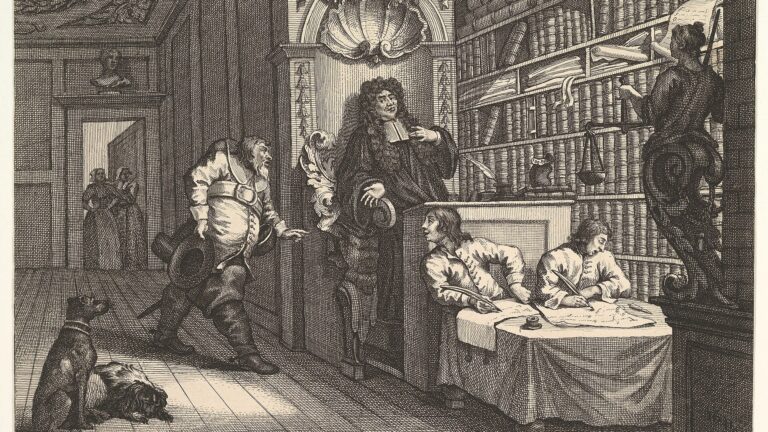
While courts and lawyers have existed in the United States since the colonial era, the present monopoly over the practice of law by lawyers is a relatively recent development, emerging only in the twentieth century. Early attempts to regulate the practice of law in the colonial period were concentrated on controlling who could appear in court, and did not touch upon the practice of law beyond the courtroom. Formal legal schooling was rare, and almost anyone with some legal expertise could call themselves a lawyer. After independence and into the nineteenth century, attempts to regulate the profession gave way to a greater distrust of lawyers, and a more egalitarian attitude regarding the practice of law.
The freewheeling attitude of “Jacksonian democracy,” and a desire to break with the hierarchies of the British colonial past produced a relatively permissive and informal legal system. Most states eliminated educational requirements for admission to law practice, and a number of states even affirmed that any citizen should have the ability to practice law. Although many states maintained formal licensing statutes, admission standards were often minimal, inconsistently enforced, and largely confined to controlling appearances in court.
Turn of the Century
Part-time law schools and corporate practice at the turn of the twentieth century
Following the Civil War and through the early twentieth century, the practice of law remained free.
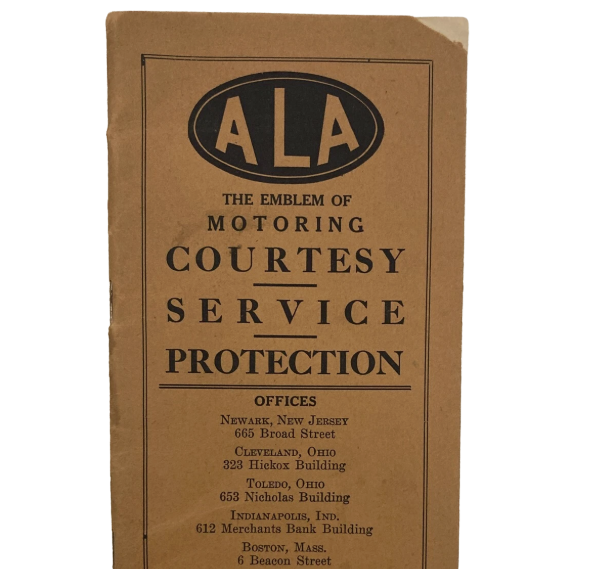
This was a time of rapid growth in the legal profession, as recently arrived immigrants enrolled in part-time law schools which had opened in many cities. The proliferation of corporations during this period also expanded the landscape of legal services, as these new businesses had specialized legal needs. Many corporations—such as title companies, trust companies, real estate brokers, banks, accounting firms, and collections agencies—developed legal capabilities that competed with traditional lawyers. Title companies drafted deeds and conducted closings; trust companies prepared wills and estate instruments; and realtors handled routine conveyancing and contract preparation. Even auto clubs established legal departments to offer assistance to members on traffic-related offenses.[1]
These programs were popular, offering consumers and businesses tailored legal services at affordable rates. Evidence of consumer harm was minimal, if there was any at all. To many members of the organized bar, however, these developments posed a threat to the traditional model of law practice.
1920s–1940s
Regulatory backlash and the emergence of a legal monopoly
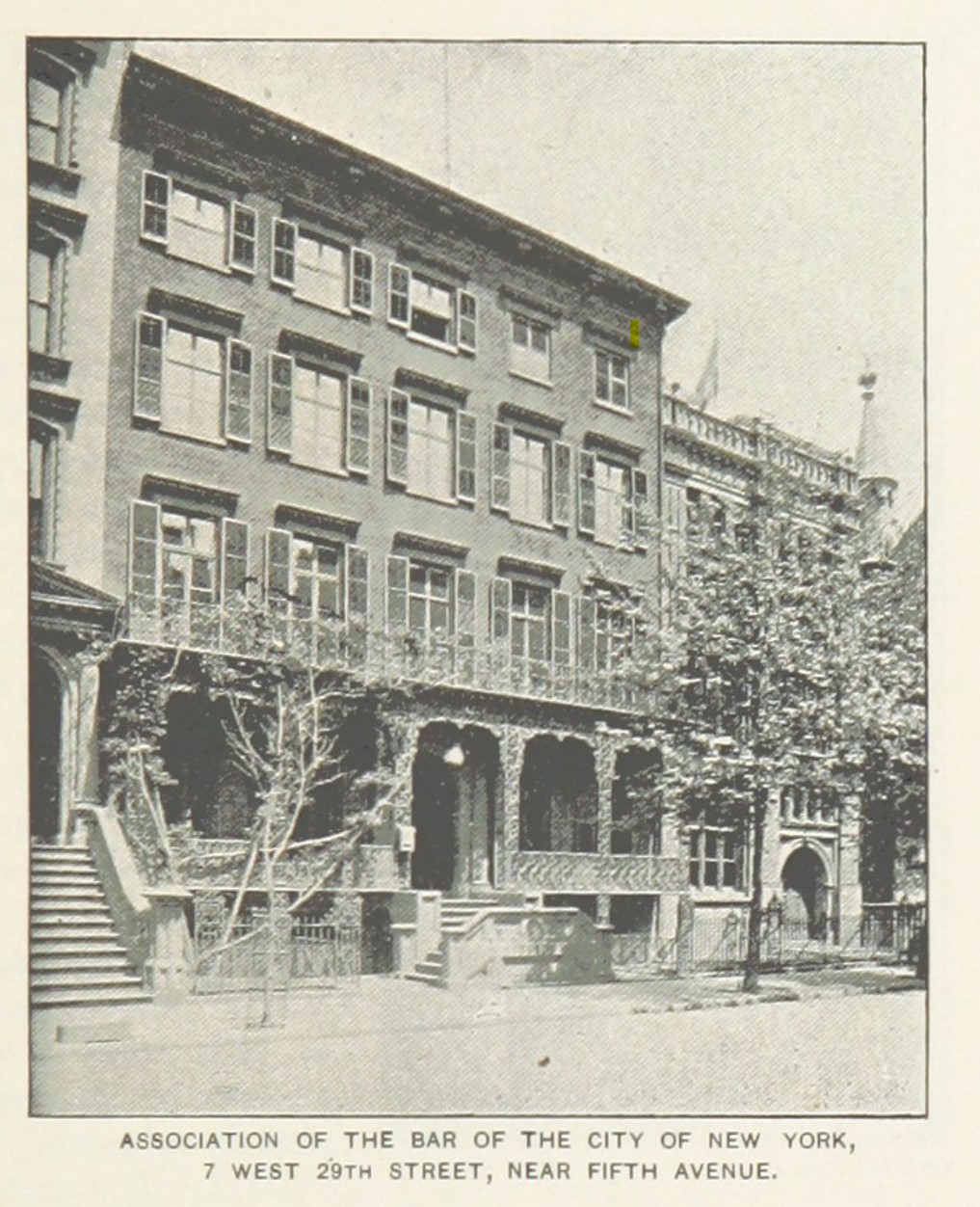
Beginning in the late nineteenth century, groups like the Association of the Bar of the City of New York (formed in 1870) organized to recapture the lawyers’ monopoly on the practice of law. They began to enact, expand, and enforce prohibitions on the “unauthorized practice of law” (“UPL”). These UPL restrictions were meant to restrict who could provide legal services.
In the early decades of the twentieth century, lawyers became increasingly organized against the “corporate practice” of law, and began to concern themselves with a wide range of activities happening beyond the courtroom—activities that nonlawyers had long done without issue. The Great Depression only added to the anxiety of the bar’s membership, as lawyers blamed the decline in their income on “overcrowding” in the profession.
Organized bar associations initially sought to control “the practice of law” beginning in the 1920s by lobbying state legislatures for statutes that would formally define the practice of law and criminalize its unauthorized performance (that is, by anyone other than lawyers). When those legislative efforts largely stalled—often in the face of opposition from real estate interests, title companies, and other affected industries—the bar shifted strategy, urging courts to recognize an exclusive judicial power to define and regulate the practice of law.
Meanwhile, through a series of legal cases, the judiciary asserted exclusive authority over the practice of law, declaring that legislatures lacked constitutional power to define it. Courts justified this shift by invoking the “inherent powers” doctrine, reasoning that the authority to regulate and define the practice of law was essential to maintaining an independent judiciary under the separation of powers. Although most state constitutions did not explicitly assign this power to the courts, judicial decisions in the 1930s and 1940s declared that legislatures could not define the practice of law because doing so would intrude upon core judicial functions.
By 1940, bar associations, with the support of the courts, strengthened their monopoly on the practice of law. They dramatically expanded the scope of what counted as UPL; further restricted the kind of training required to be a lawyer, excluding graduates of non-traditional law schools; and made it illegal for anyone other than themselves to provide even rudimentary legal assistance.
Today
The ongoing contest against the “unauthorized practice of law”
With scant evidence of public harm and little impetus beyond self-interest and economic protectionism, lawyers obtained an expansive monopoly over the practice of law. Today, UPL is illegal in every state, and may even be considered a criminal offense. Despite this, people beyond the bar continue to engage with the law in myriad ways. Numerous professions have pushed back against these regulations, arguing that activities that the bar had walled off as “the practice of law” were integral to their professional activities. Insurers, tax preparers, and real estate agents, among others, have all petitioned to vindicate their right to prepare legal documents and provide legal advice. In federal administrative proceedings, nonlawyers provide assistance and representation on a range of matters, from managing benefits access to supporting asylum claims in immigration courts.[2] And in more recent years, as the shortage of legal help has become more acute, numerous states have implemented new programs which waive UPL rules and allow nonlawyers to provide much needed legal services.

primary sources
- Laurel A. Rigertas, “Lobbying and Litigating Against ‘Legal Bootleggers’—The Role of the Organized Bar in the Expansion of the Courts’ Inherent Powers in the Early Twentieth Century,” California Western Law Review, Volume 46, Issue 1, Article 3 (2009), available at https://scholarlycommons.law.cwsl.edu/cwlr/vol46/iss1/3.
- Laurel A. Rigertas, “The Birth of the Movement to Prohibit the Unauthorized Practice of Law,” Quinnipiac Law Review, Volume 37 (2018), available at https://papers.ssrn.com/sol3/papers.cfm?abstract_id=3128969.
- Barlow E. Christensen, “The Unauthorized Practice of Law: Do Good Fences Really Make Good Neighbors—Or Even Good Sense?” American Bar Foundation Research Journal, Volume 5, Issue 2 (1980), available at https://www.cambridge.org/core/journals/american-bar-foundation-research-journal/article/abs/unauthorized-practice-of-law-do-good-fences-really-make-good-neighborsor-even-good-sense/4334C27B0187F81F03B4F8E1BD549D7B.
additional Citations
[1] Nora Freeman Engstrom and James Stone, “Auto Clubs and the Lost Origins of the Access-to-Justice Crisis,” Yale Law Journal, Volume 134, No. 1 (2024), available at https://ssrn.com/abstract=4728564.
[2] Legal Aid Interagency Roundtable, Access to Justice in Federal Administrative Proceedings: Nonlawyer Assistance and Other Strategies, (2023).