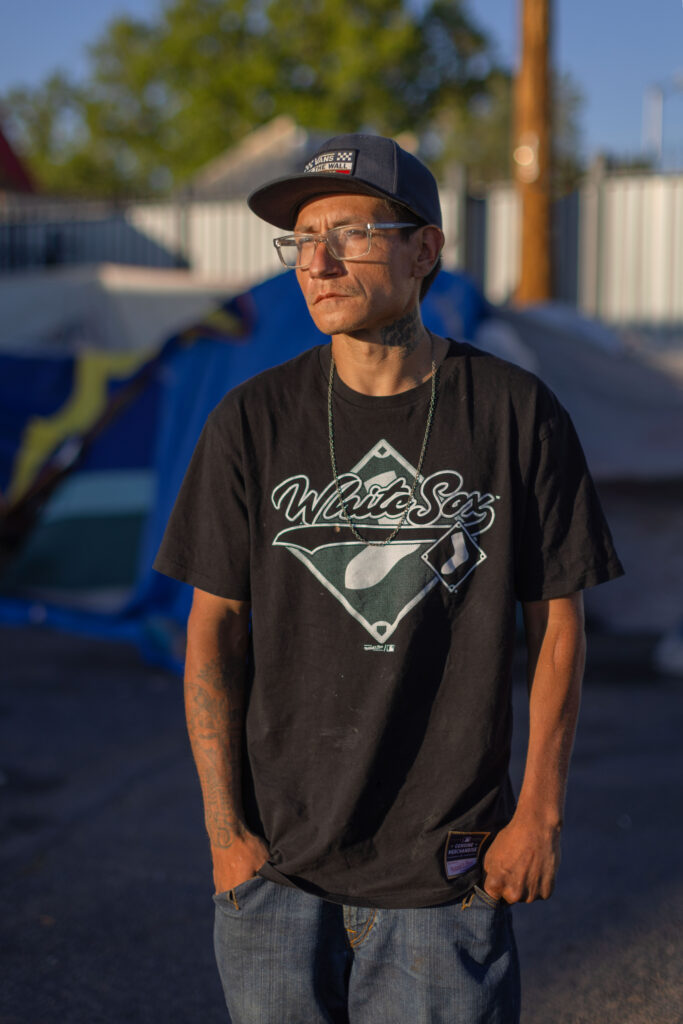
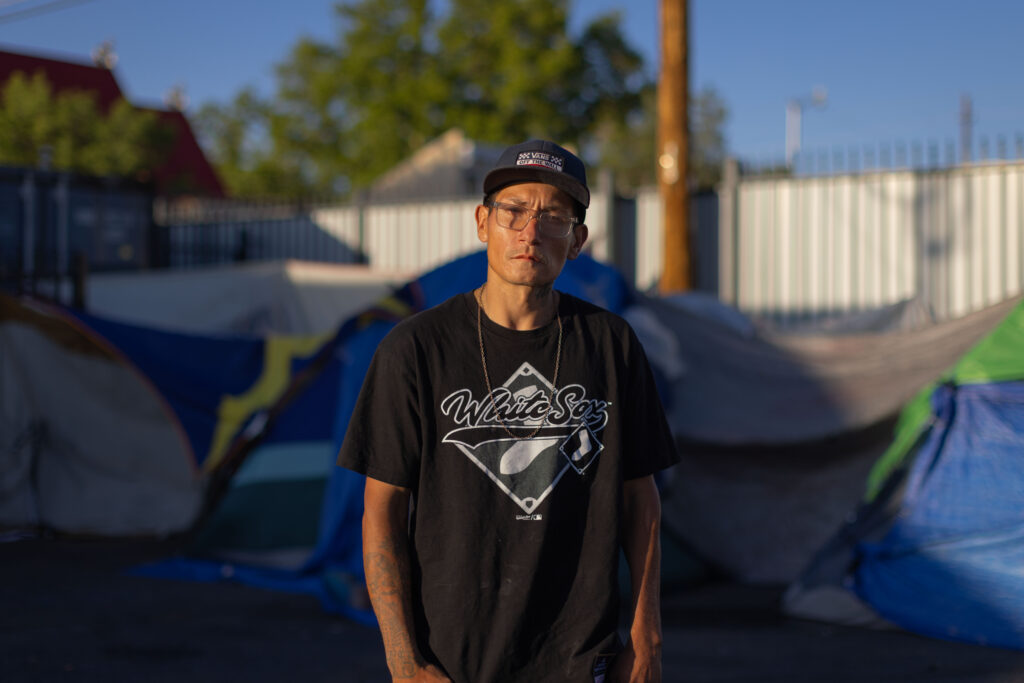
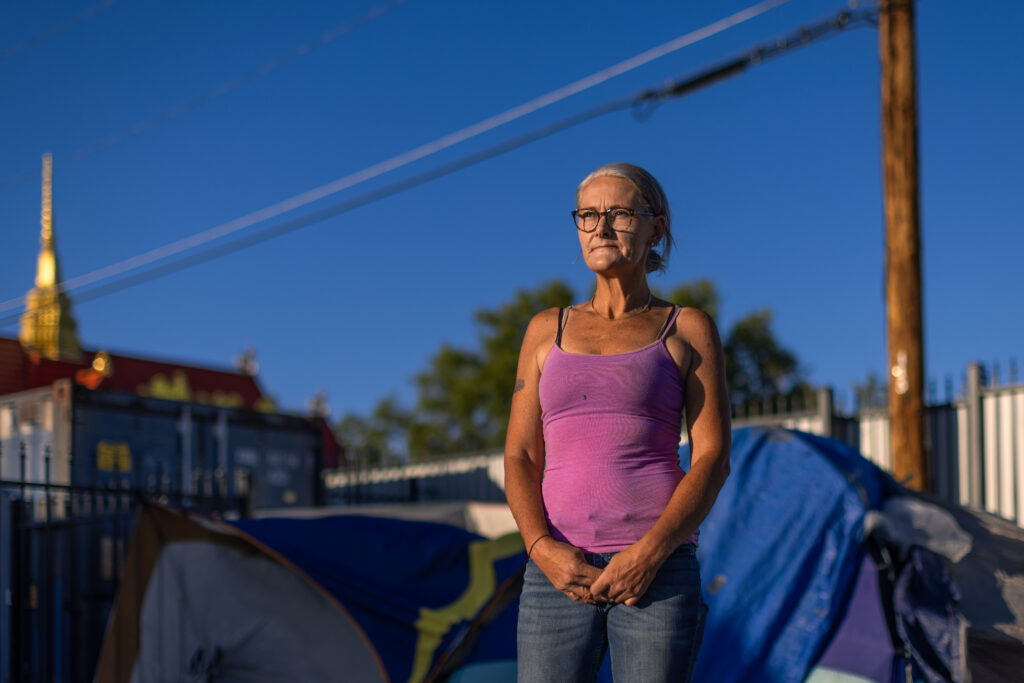
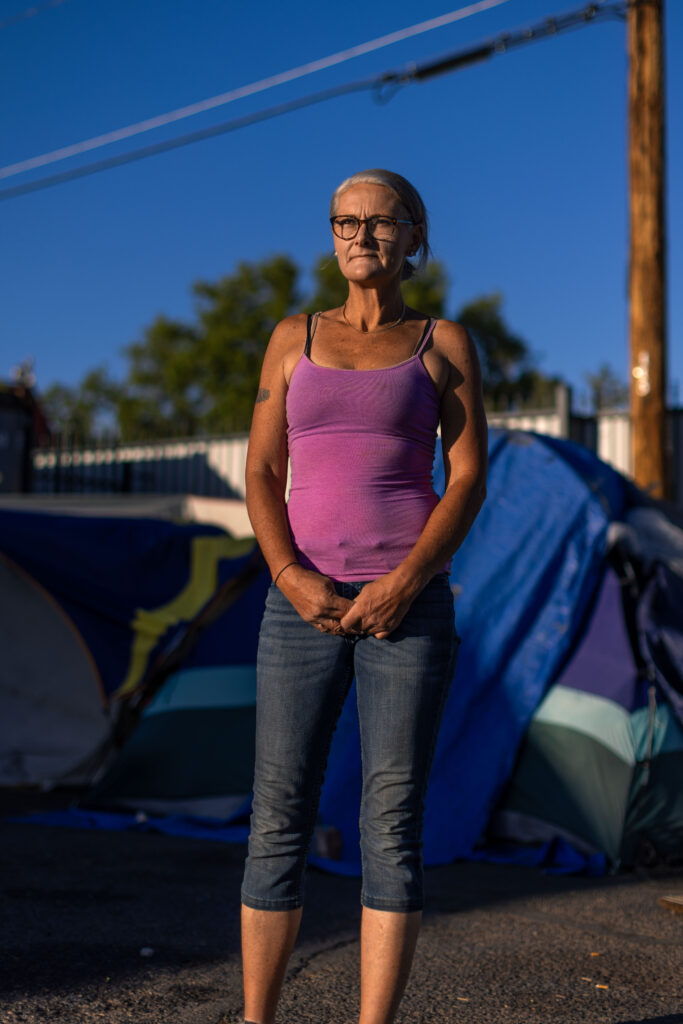
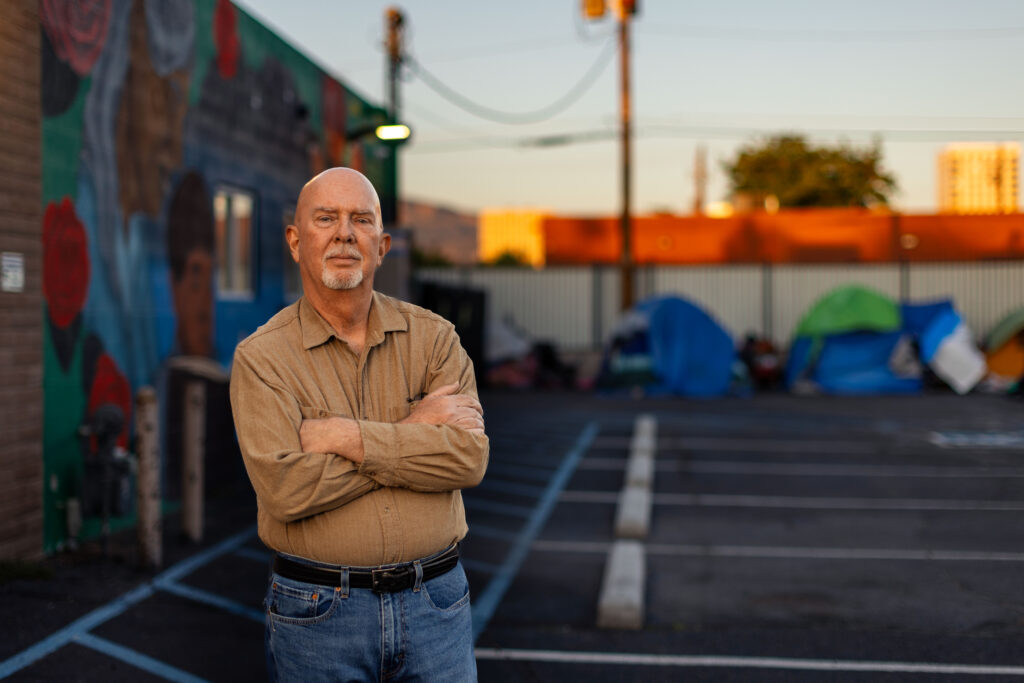
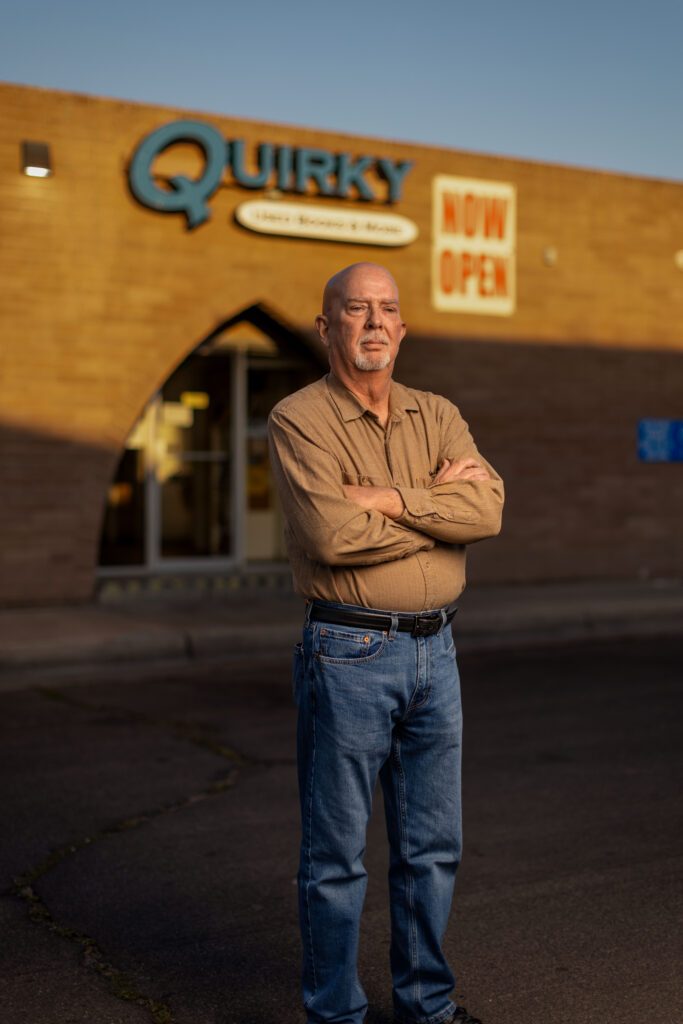
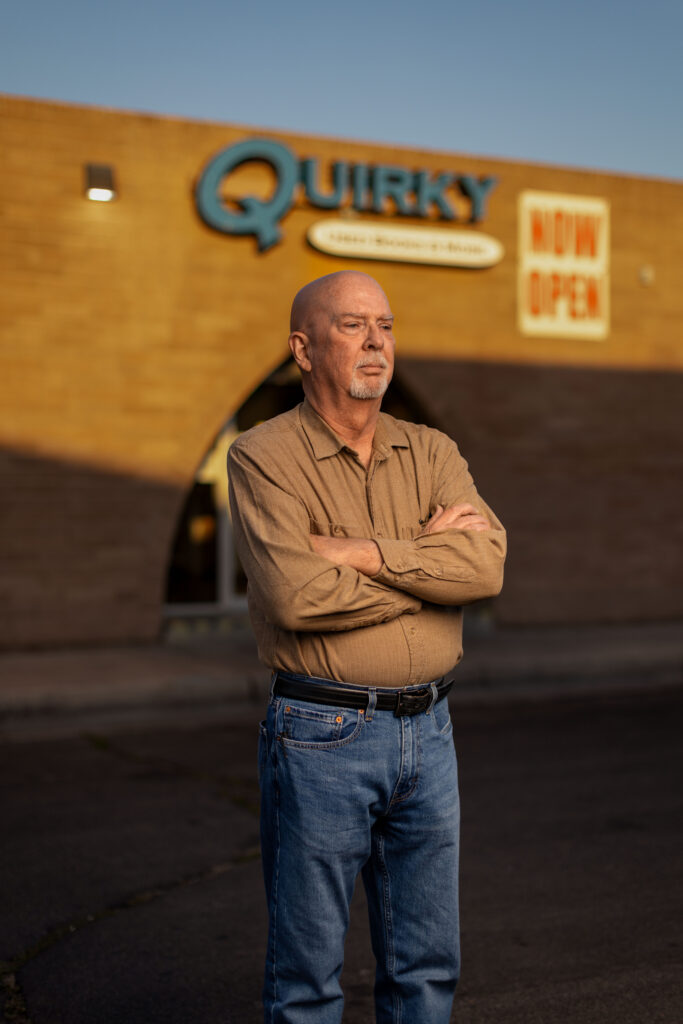
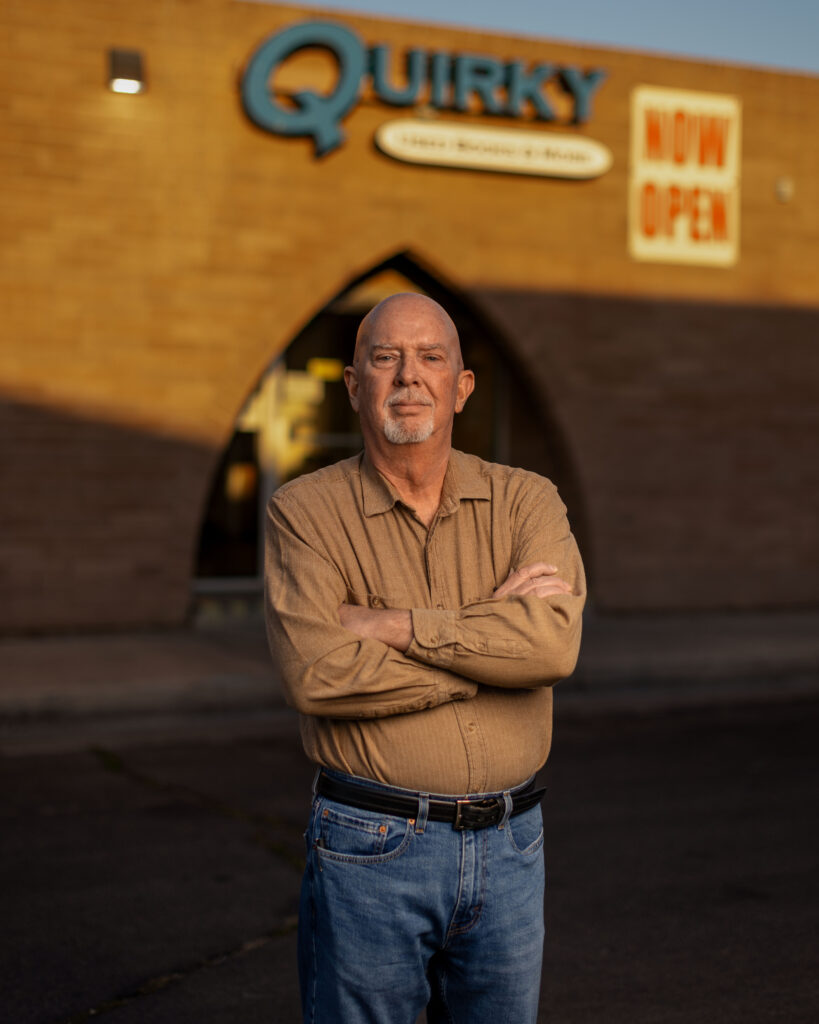
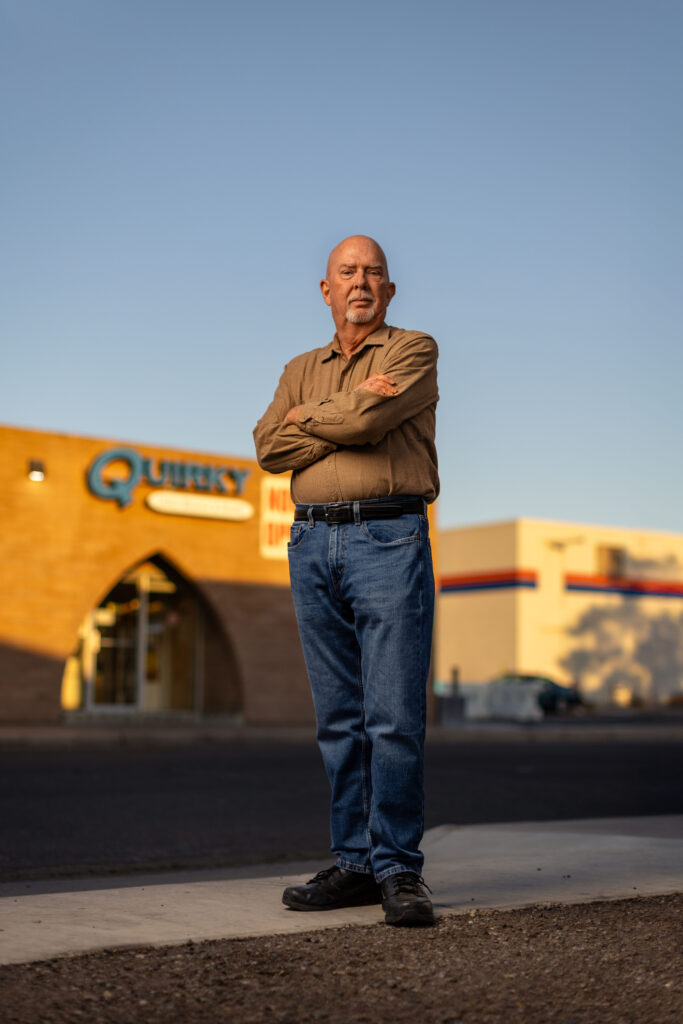
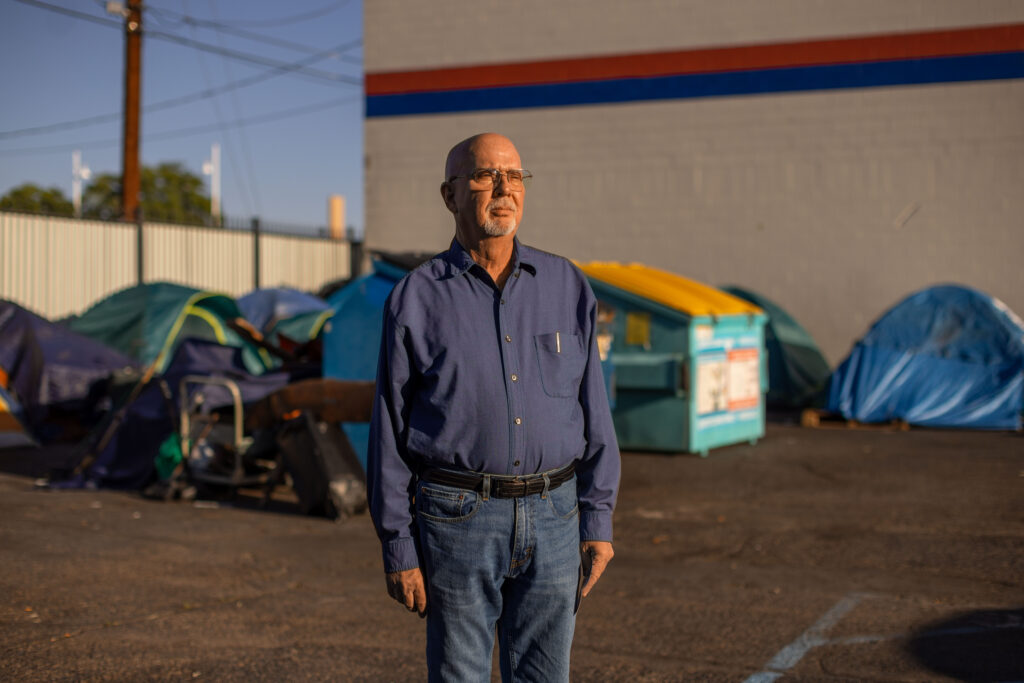
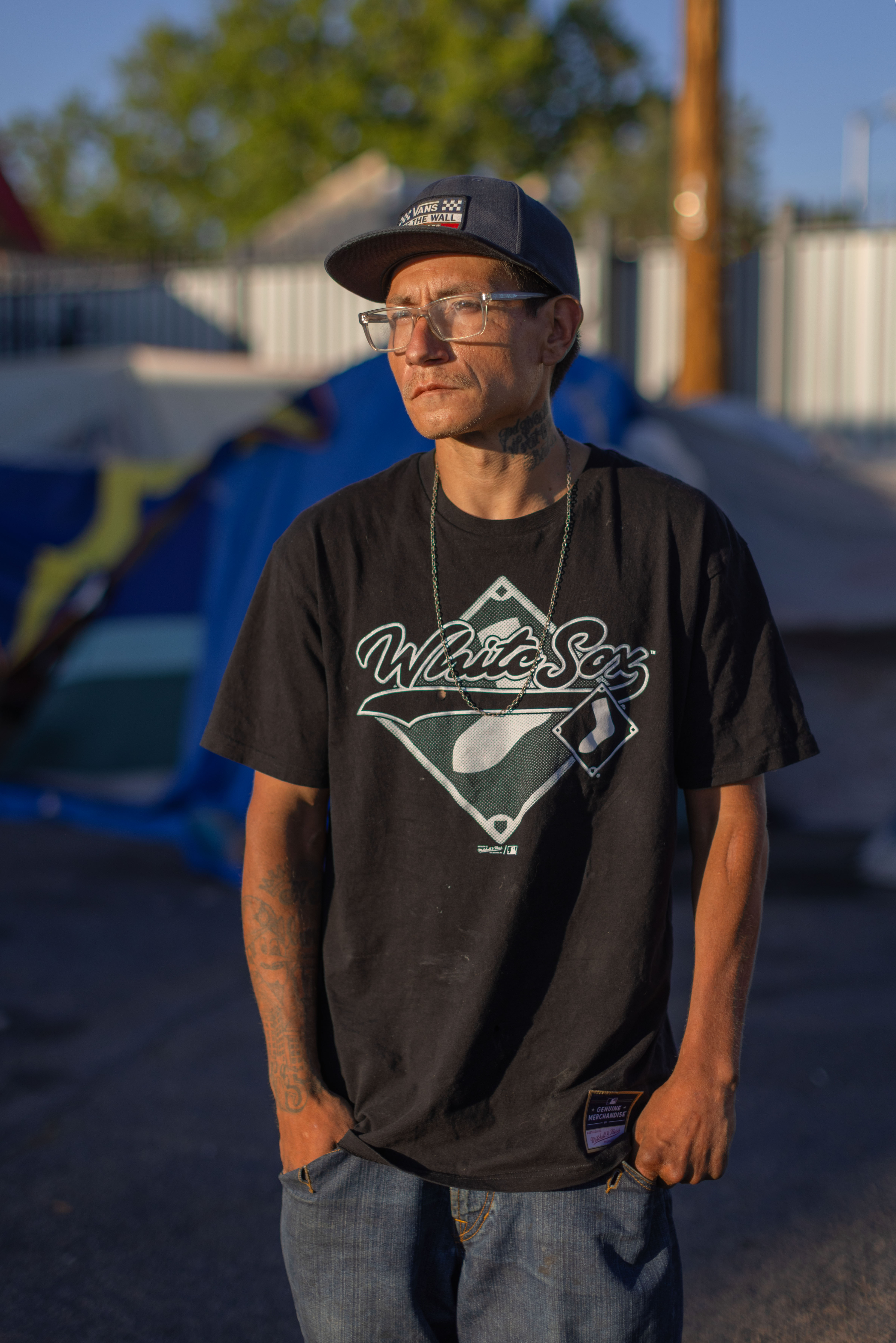
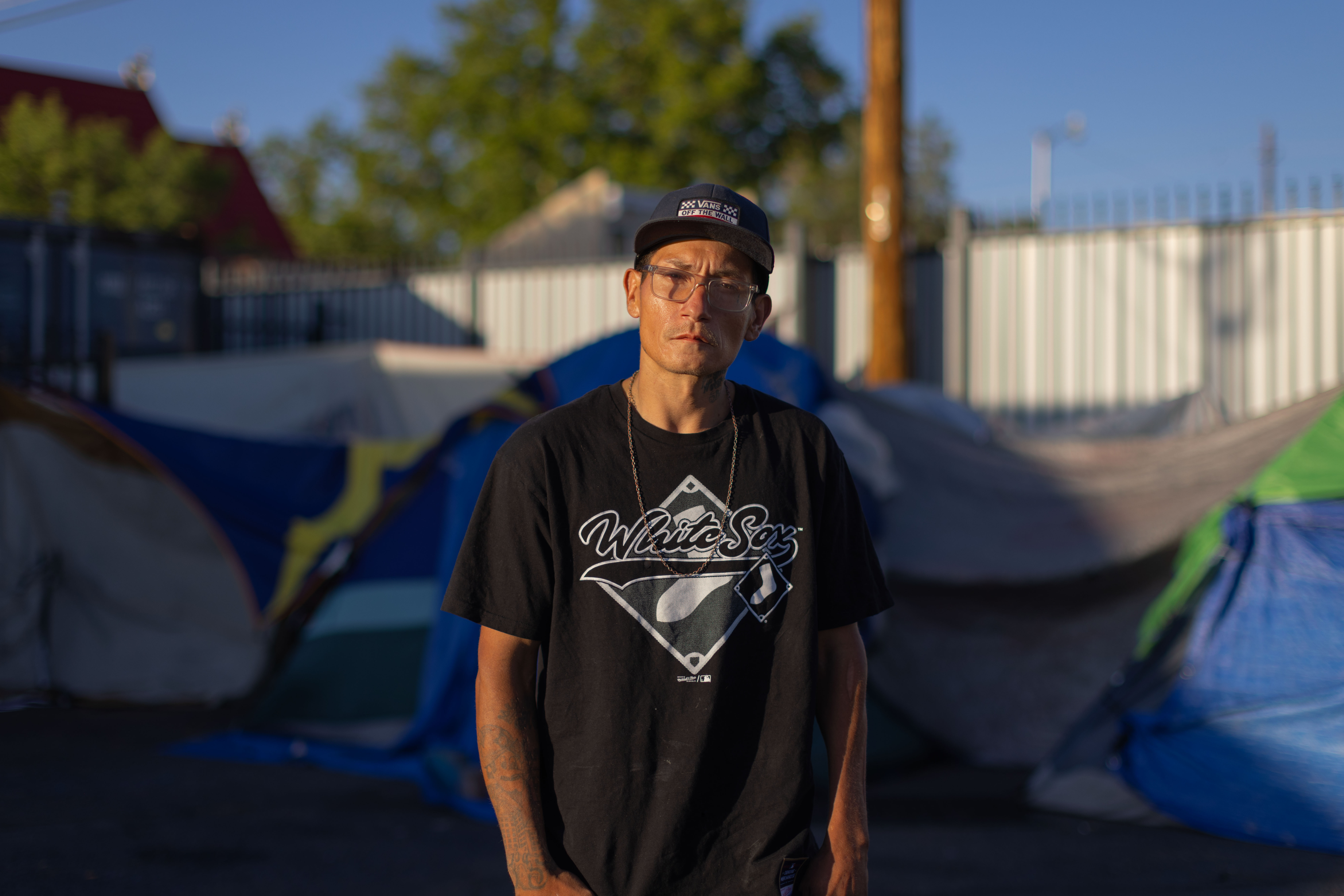
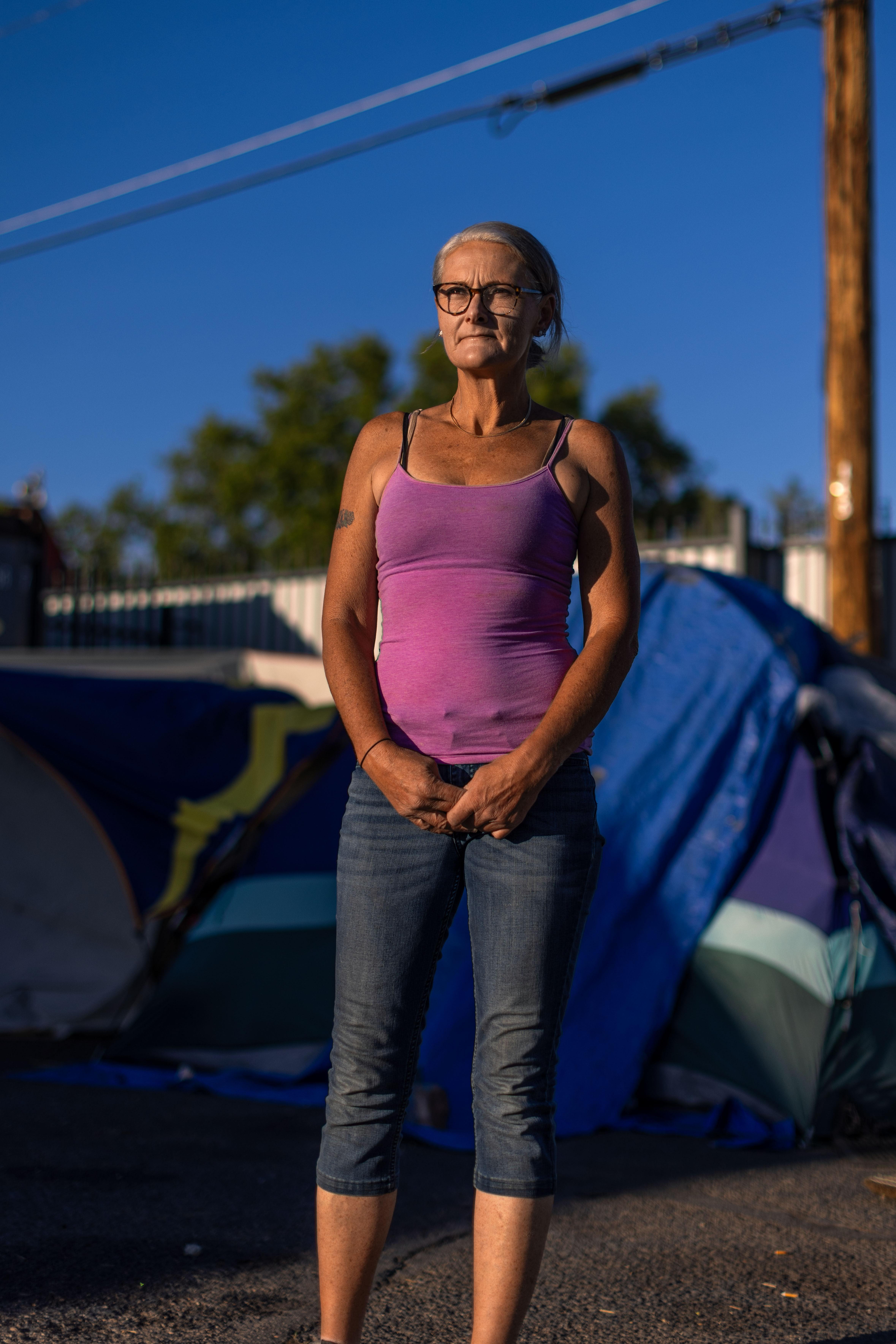
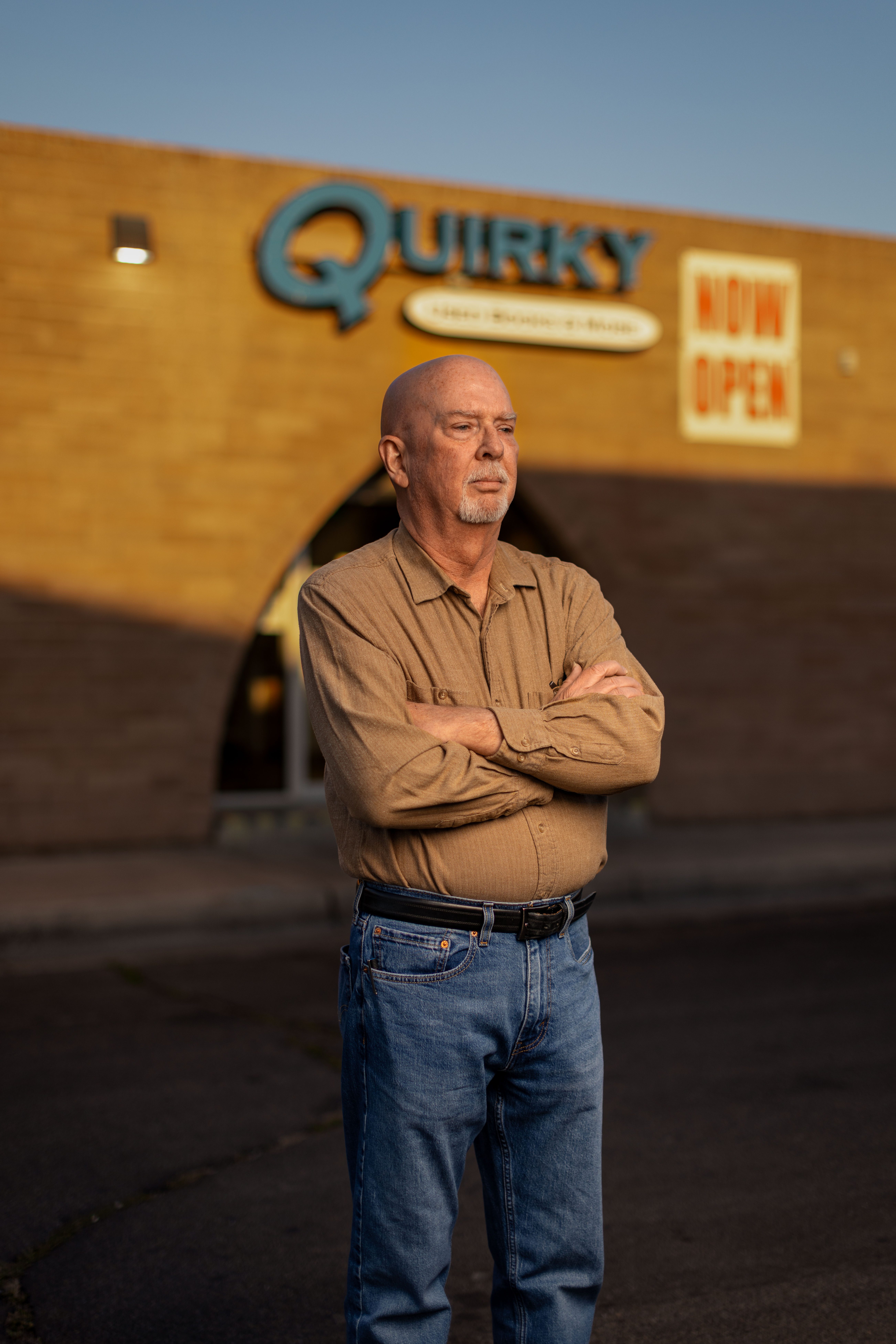
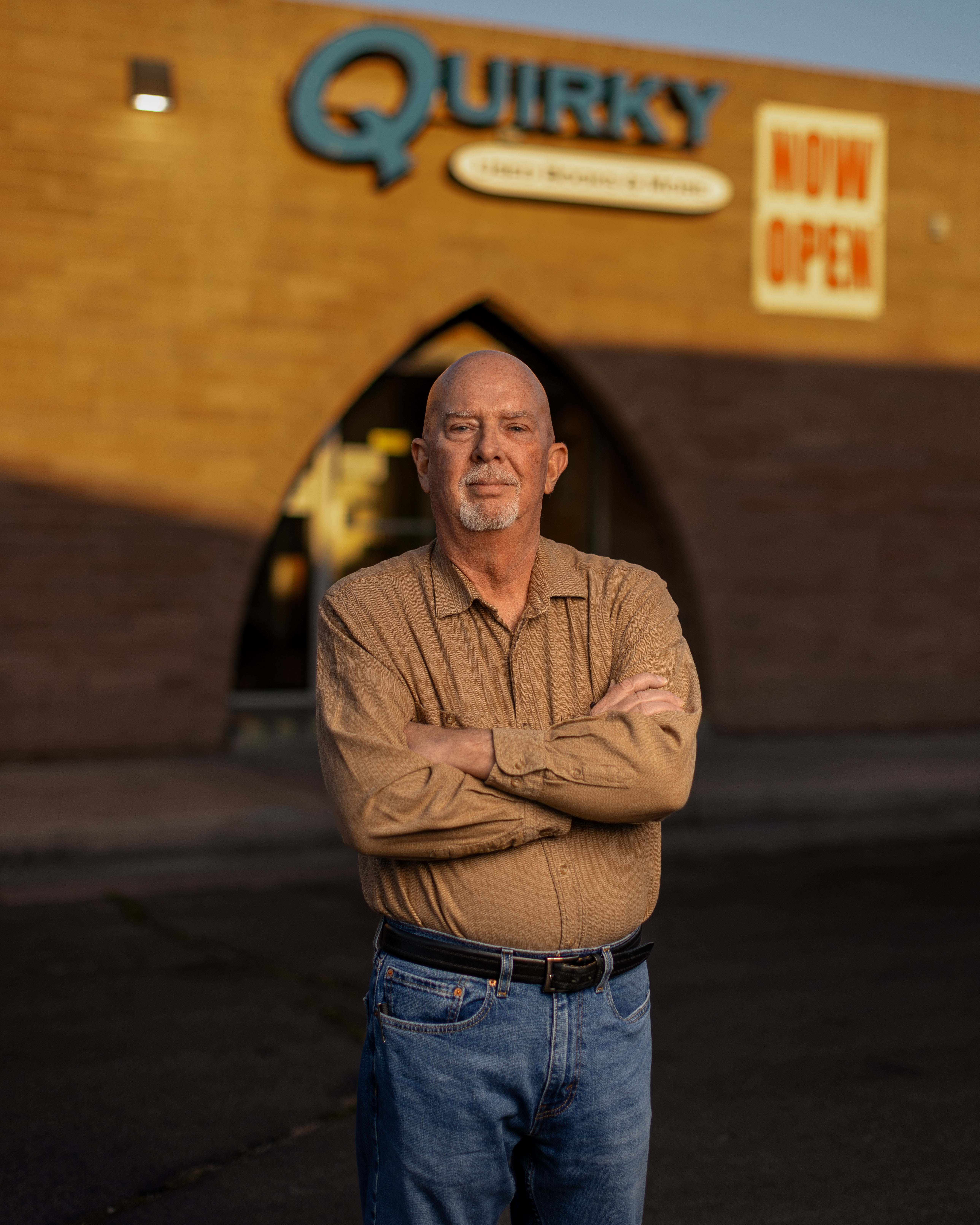
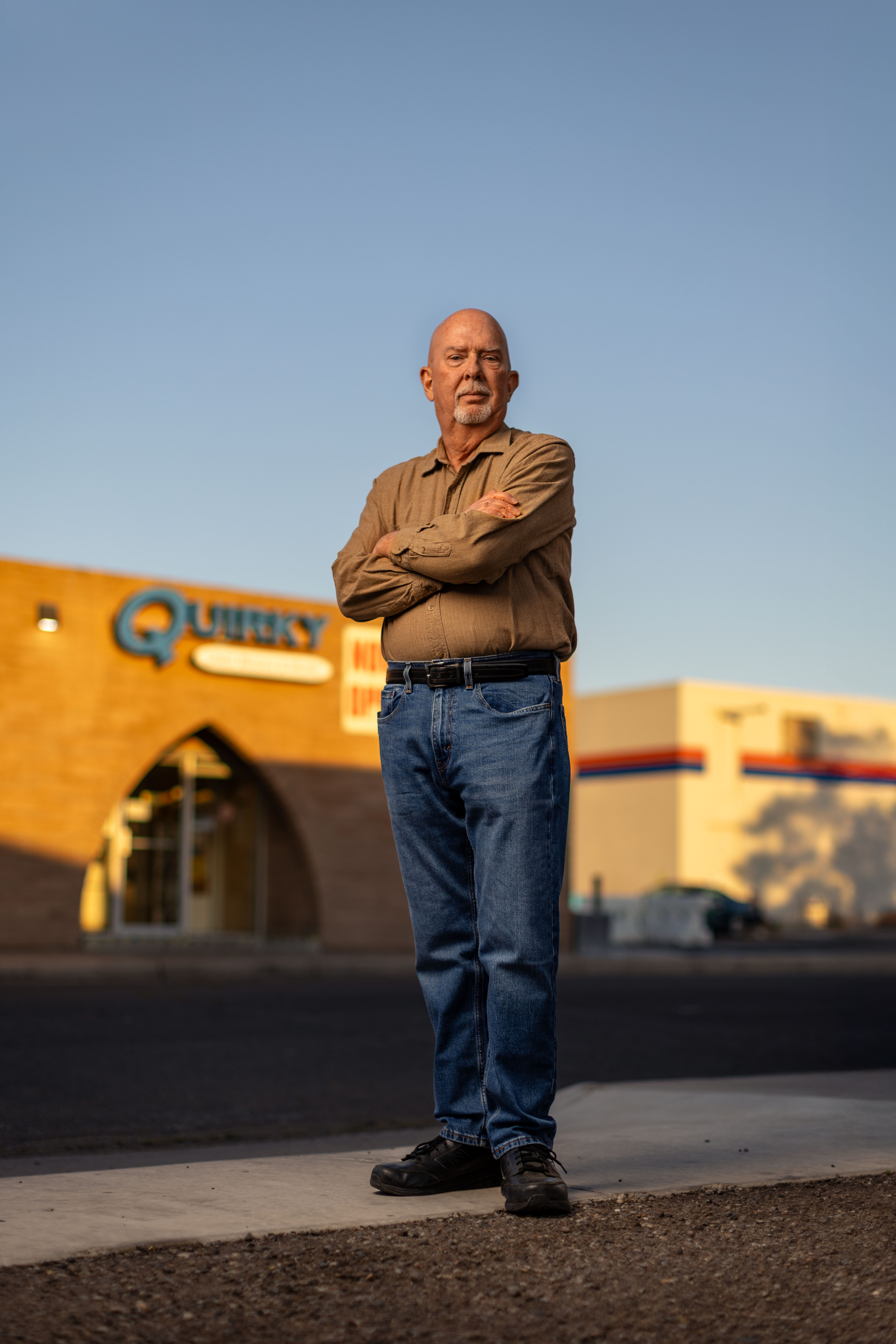
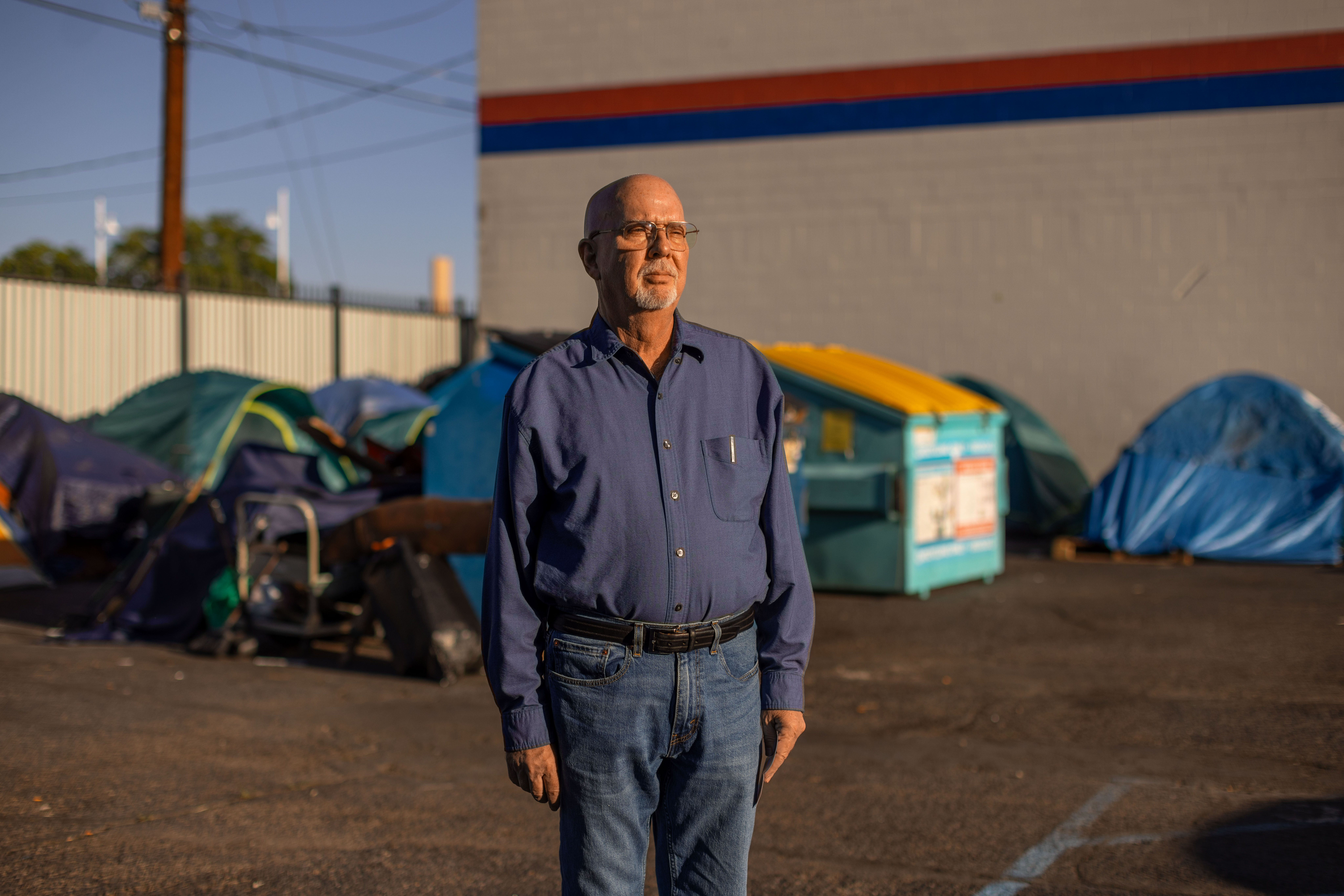
Gil Kerley, owner of Quirky Used Books & More in Albuquerque, New Mexico, sought to address the city’s worsening homelessness crisis by providing a safe and private space for homeless people to sleep on his own property. Recognizing that many homeless people were left with nowhere else to turn, Gil allowed a few of them to set up tents in his bookstore’s parking lot, offering a stable environment free from the risk of arrest or loss of belongings. Gil viewed this compassionate act as a practical, private response to an urgent public issue that the city had struggled to resolve effectively.
However, Albuquerque’s laws created a paradox that leaves homeless residents trapped. About half of the city’s homeless population is unsheltered, with nowhere to go. Sleeping in public is dangerous—and it is also now illegal in Albuquerque, subjecting people to daily fines and even the possibility of jail time. They cannot sleep on public property, and they cannot sleep on other private property without the permission of the owner. Yet the city has also prohibited them from sleeping on Gil’s private property, where he allows them to sleep. Albuquerque has effectively outlawed fulfilling the basic human need for sleep, leaving homeless people with virtually no lawful options for shelter.
Gil partnered with the Institute for Justice (IJ), a nonprofit public-interest law firm, to defend his constitutional rights and challenge Albuquerque’s actions in court.
IJ argued that Gil has the fundamental right, under both the New Mexico and U.S. Constitutions, to use his property to assist people in urgent need. The lawsuit sought to affirm that private property rights include the right to compassionately help those in crisis without unreasonable interference from the government. IJ’s lawsuit was not successful.
Case Team
Attorneys

Diana Simpson
Senior Attorney
Staff
J. Justin Wilson
Vice President for Communications
Case Documents
Media Resources
Get in touch with the media contact for image resources, press releases, and interview requests.
Media Images
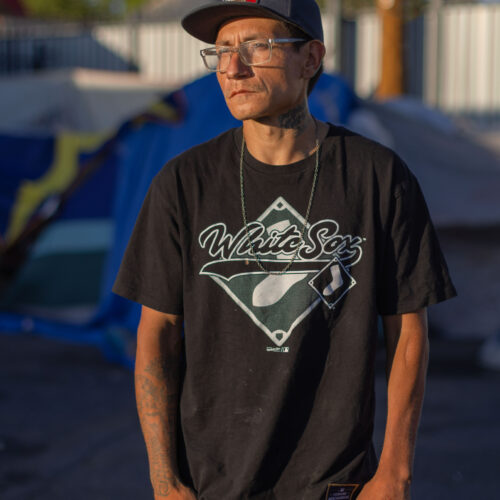
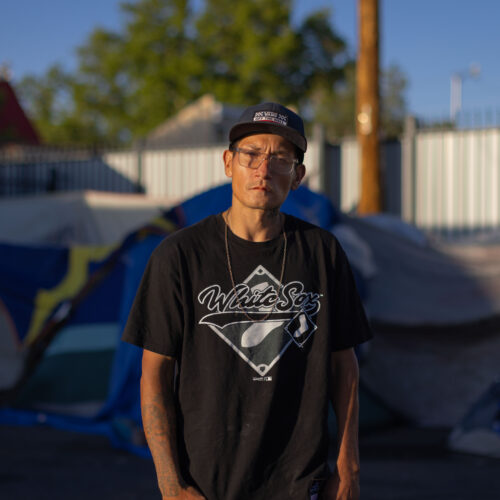


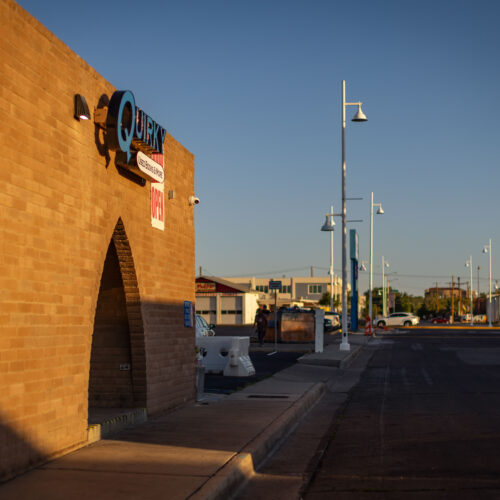

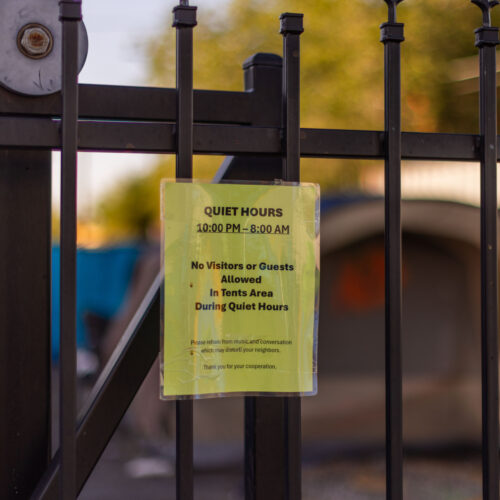
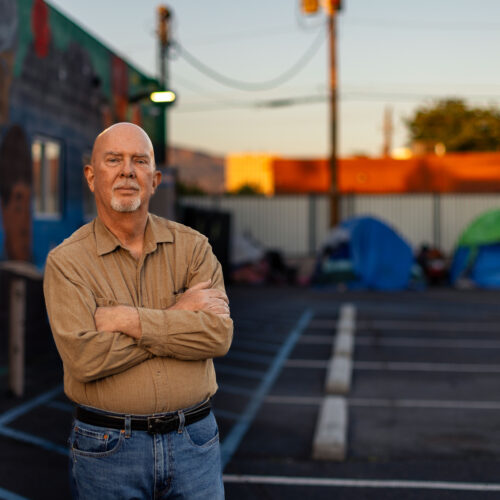
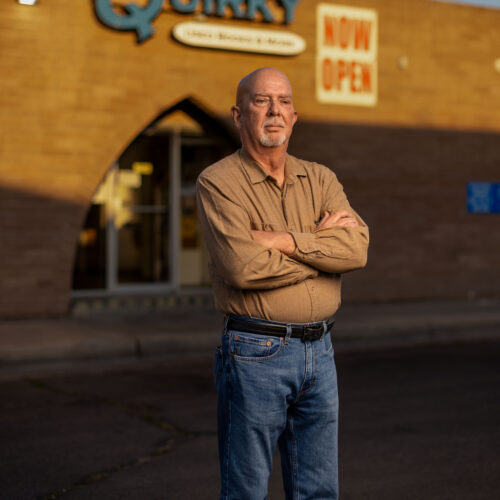
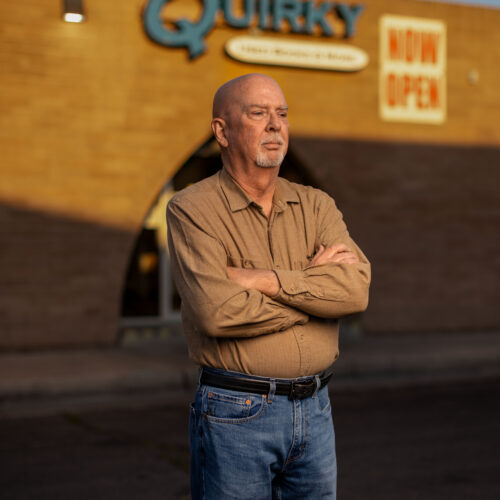
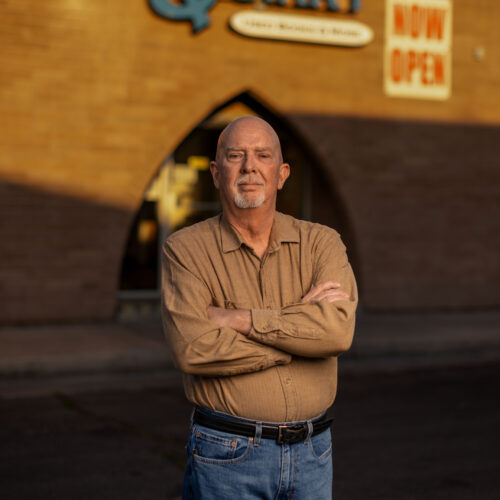
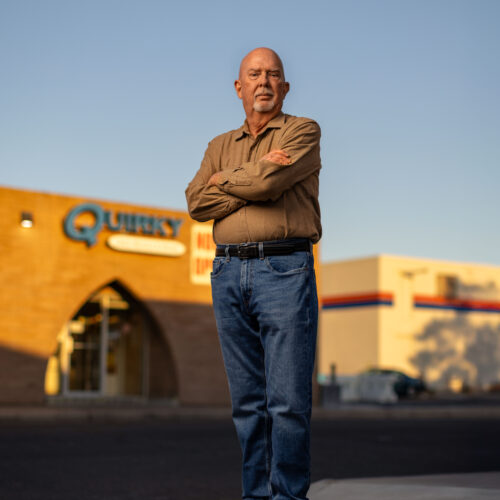
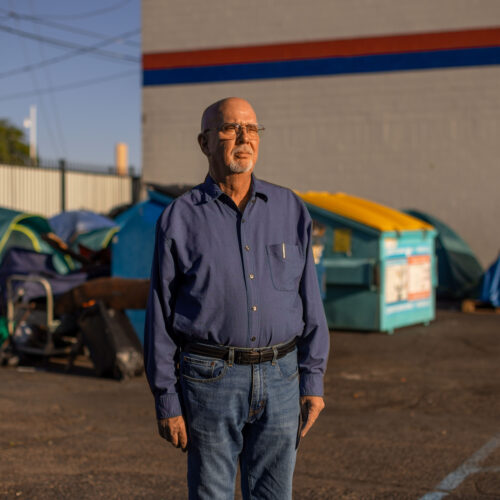
Quirky Used Books: More Than Just a Bookstore
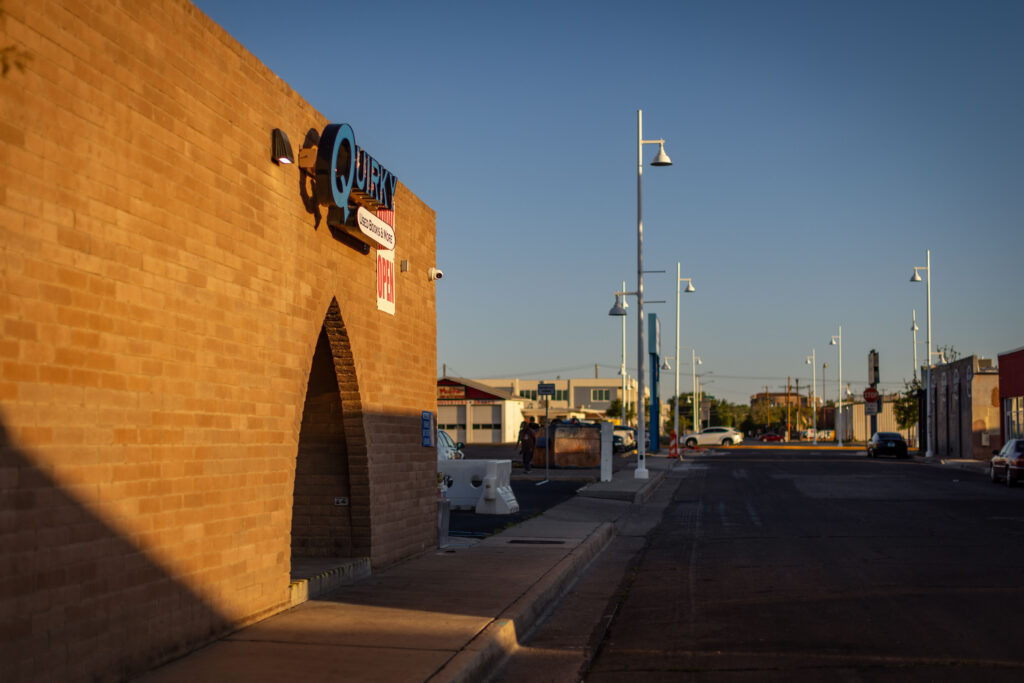
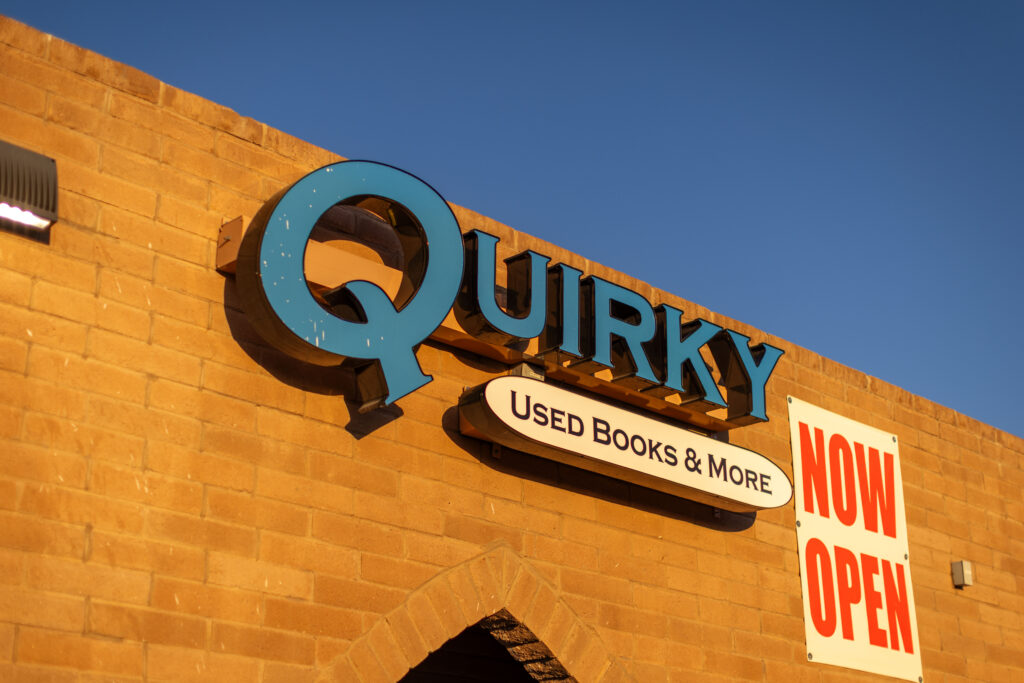
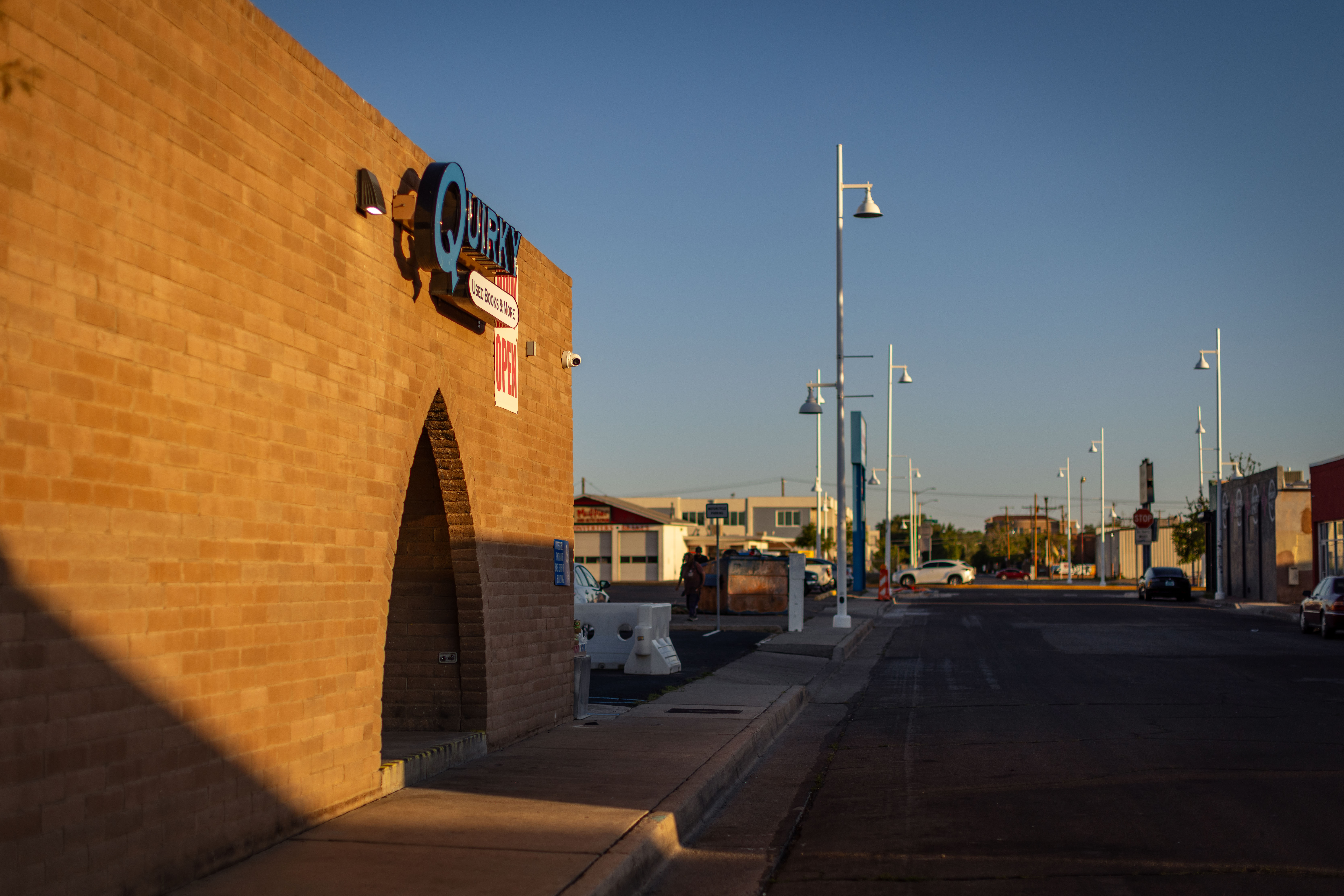
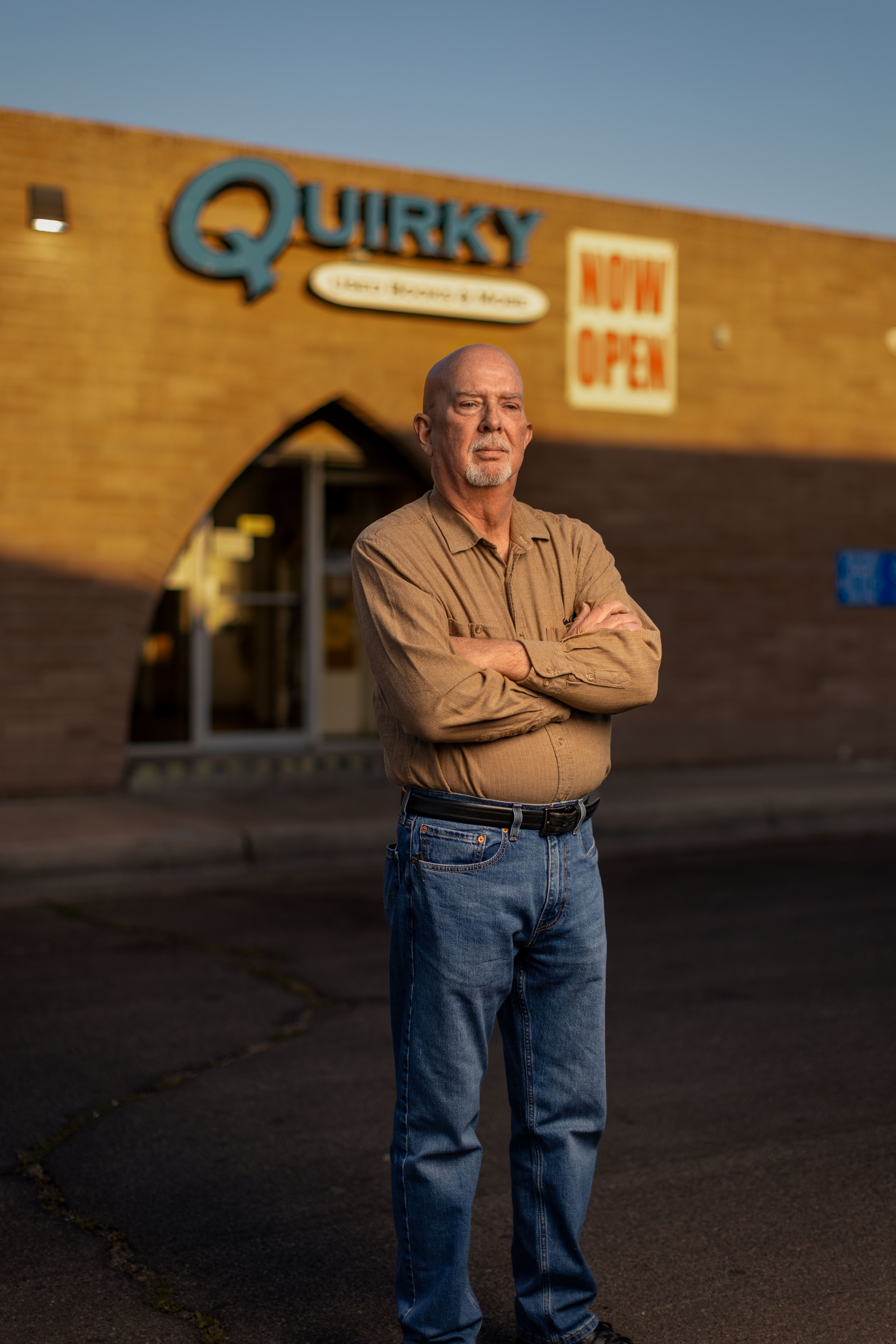
In 2022, Gillam Kerley opened Quirky Used Books & More just north of the historic Route 66 in Albuquerque, New Mexico. And true to its name, Gil and his store do offer “more”—serving as a space to host community events and running fundraisers in partnership with local nonprofit organizations—all on top of providing an affordable array of used books.
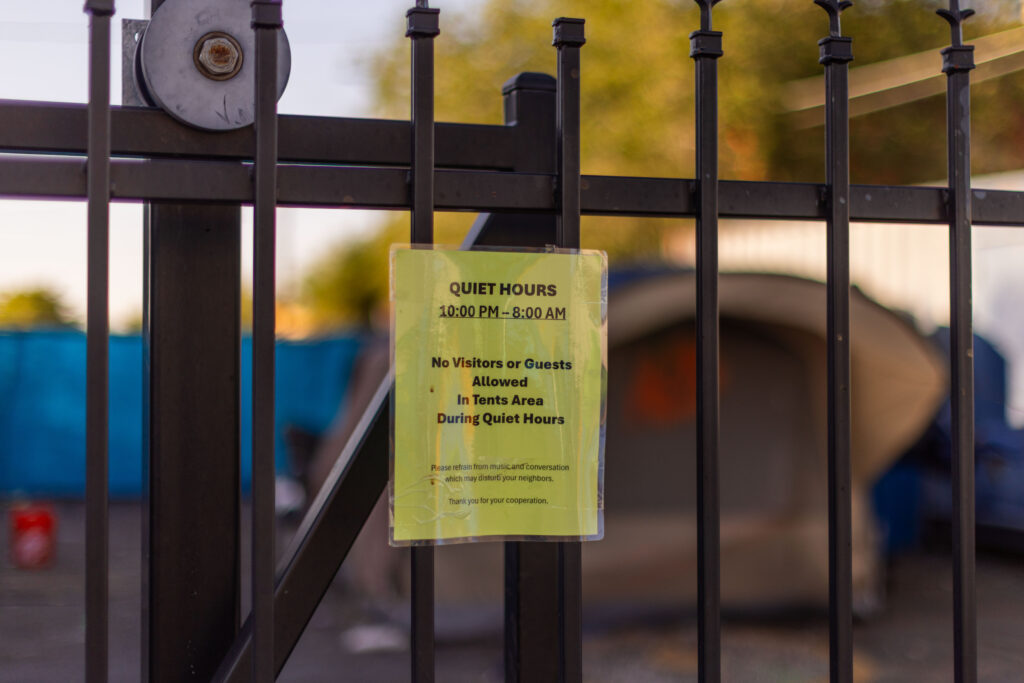
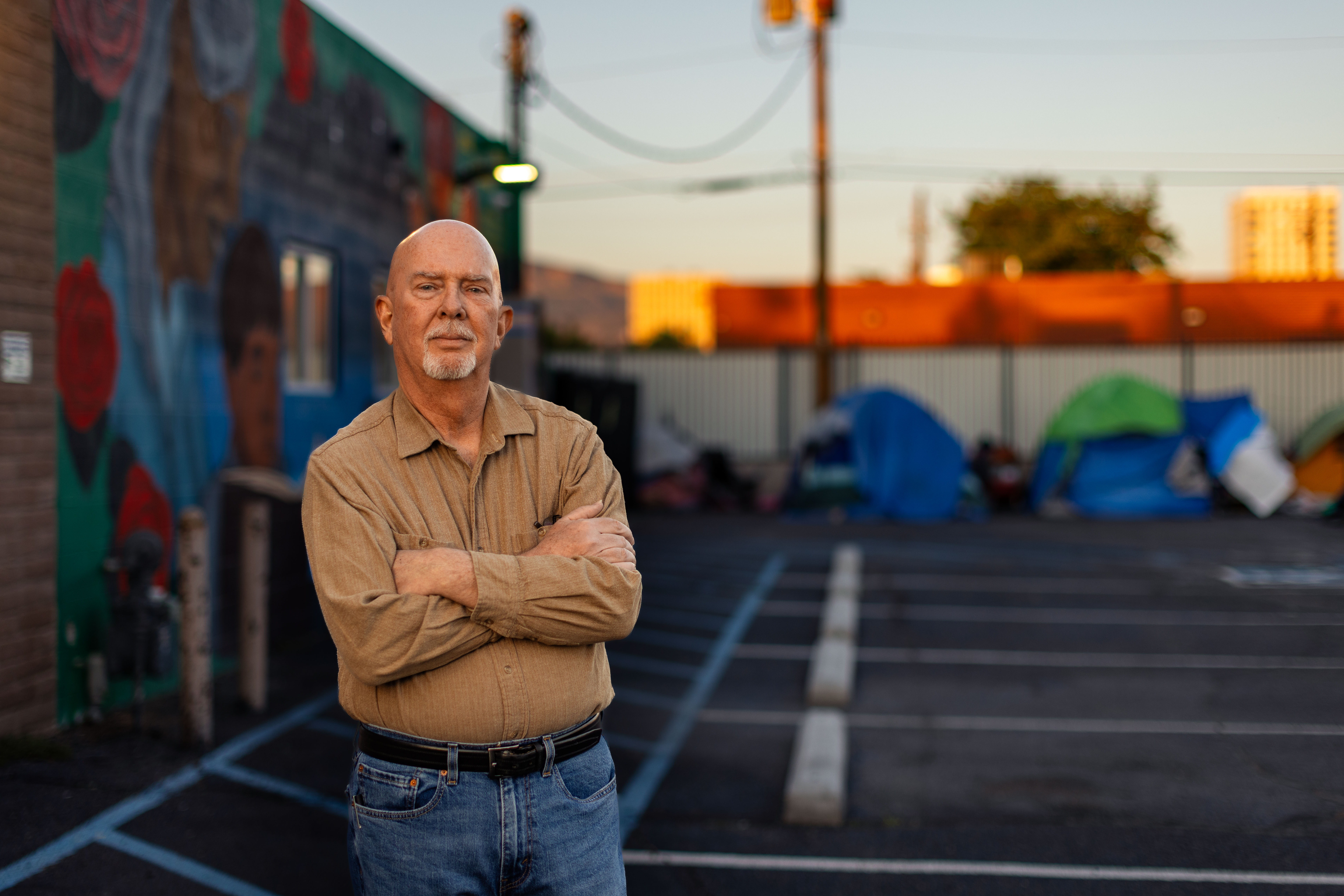
Gil envisioned Quirky Books as a welcoming space that served the entire community—including those without homes. The bookstore has restrooms and water fountains available for all, as well as chairs for people to sit while enjoying the air conditioning. He also permitted several homeless people, who previously had nowhere but the streets to sleep, to set up tents safely in his bookstore’s parking lot.
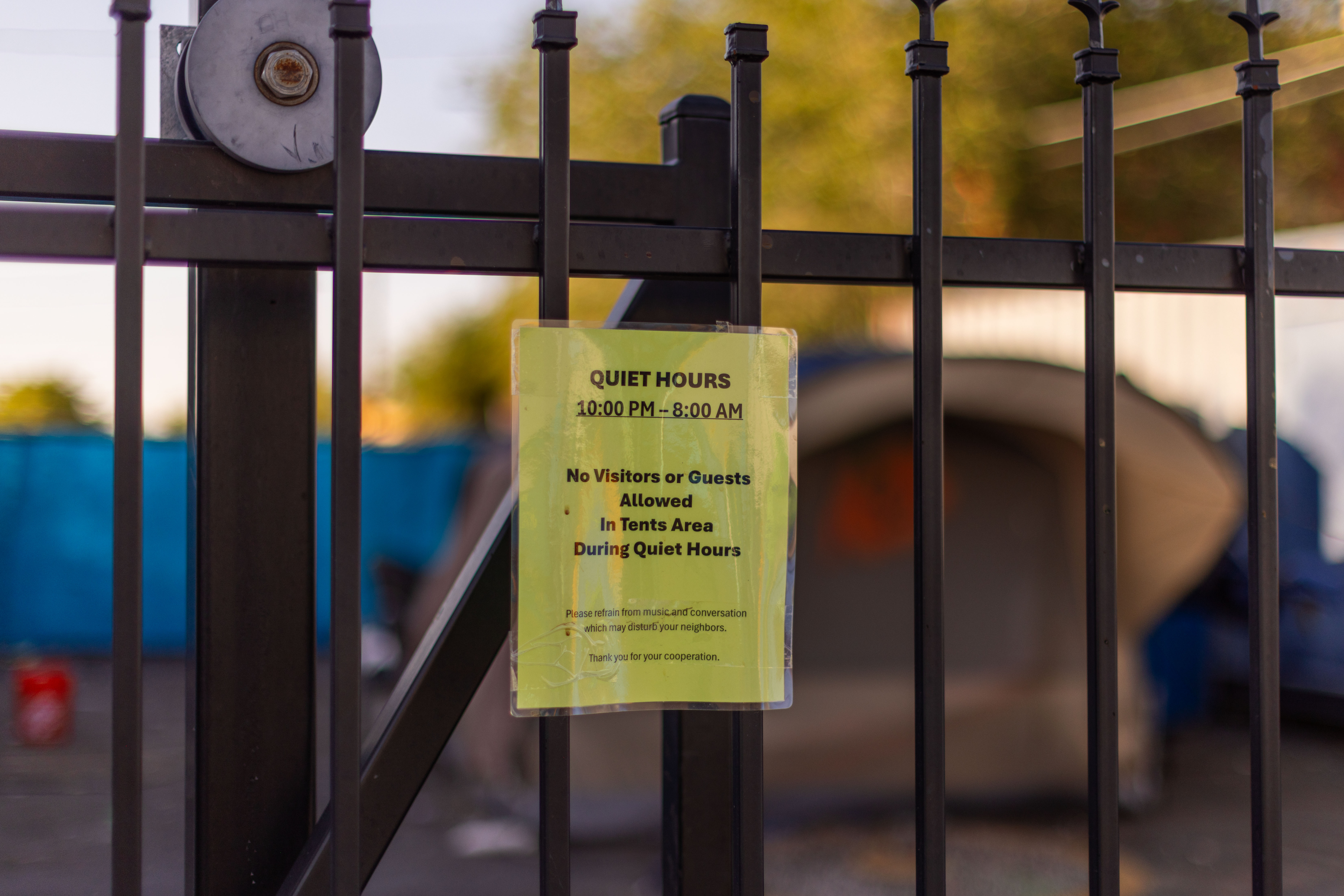
Gil’s goal was to offer a safer alternative to a back alley or underpass. Gil knew that offering space for a few tents was never a long-term solution to homelessness, but something concrete that he could do to help people in need. The tents were in the back of the lot, and the people kept to themselves, stayed quiet and well within the boundaries of Gil’s private property. His customers didn’t mind.
But the city did.
Zoning Laws Overrule Property Rights
Gil first started allowing a few people to sleep in tents in his parking lot during the pandemic. In July 2024, Albuquerque decided it was time to put a stop to this. An Albuquerque Code Enforcement officer issued a Notice of Violation to Gil, stating that the tents violate the city’s zoning code for a variety of reasons: litter, serving as a camp site, illegal industrial outdoor storage, and unallowable use. In other words, the city wanted Gil to kick the homeless people off his property. Gil was cited twice more in September and October.
He refused to force anyone to leave before he could make his case in front of a hearing officer. He wasn’t going to displace all these people without a fight.
Nearly a year later, in April 2025, Gil’s hearing was scheduled, and the officer issued an opinion shortly after.
The officer wrote that he found Gil to be “an altruistic idealist,” and praised Gil’s intentions in helping the homeless community feel safe. But the officer also said that Gil’s actions are only causing new problems: “The homeless problem is for governments to solve,” he wrote. Needless to say, the government is not solving this problem. Gil simply doesn’t want to kick people off his own property and make the problem worse.
In the end, the officer largely ignored Gil’s argument: that he has a constitutional right to use his property to help the homeless. Although the hearing officer did not rule on the constitutional issues, the officer did dismiss many of the claims against Gil, finding his property to be well-maintained, free of litter, and containing minimal outdoor storage. But the officer ruled that allowing homeless people to sleep overnight in tents was illegal and ordered Gil to eliminate all of the tents and pay $1,500 in fines.
Albuquerque’s Homeless Population Crisis
Albuquerque, like much of the West, finds itself in the midst of a homelessness crisis. In just one year, from 2023 to 2024, homelessness in the city increased 14 percent. A staggering 2,740 Albuquerqueans are homeless, and nearly half are unsheltered.[1]
Last year, Albuquerque passed an ordinance making it illegal to sleep in public spaces. This new law aligns with a U.S. Supreme Court decision known as Grants Pass, which allows cities to criminalize sleeping outdoors.[2] As a result, homeless people with nowhere else to go who sleep outside now face the threat of fines, arrest, or both. Additionally, the ordinance authorizes city officials to confiscate and discard personal belongings from public campsites—including vital necessities like sleeping bags, clothing, birth certificates, social security cards, identification documents, and medications. Often, losing these essential items makes escaping homelessness even more difficult.
The new legislation was not a surprising move, as the city already spent the past year dispatching crews to clear up the encampments. In 2023, crews were sent to visit more than 4,500 camps—more than double the amount from the previous year—and the number is only rising.[3]
Enter Gil and Quirky: The Legal Battle
By making it illegal to sleep on public property and also illegal to sleep on private property like Gil’s, Albuquerque has created a paradox for homeless individuals—effectively outlawing a fundamental human need: sleep.
Gil is providing a space for homeless people to sleep with the peace of mind that they won’t be arrested and that their personal belongings won’t be thrown in the dumpster. The stability provided by Gil’s property creates an environment where people can focus on rebuilding their lives instead of constantly searching for a safe place to sleep. Some have even been able to find jobs and secure housing.
Although the mayor himself has noted the need for more services,[4] the city’s actions prove otherwise, by criminalizing Gil’s attempt at providing a private solution to a public problem.
Gil’s compassion for the homeless isn’t just admirable—it’s constitutionally protected. Working in partnership with the Institute for Justice (IJ), Gil is committed to defending his legal right to use his own property to help those in need in court.
On May 29, 2025, Gil, represented by IJ and local counsel, appealed the city’s order finding him liable for allowing tents on his property in violation of the zoning code and imposing $1,500 in fines. This appeal will argue that the city’s enforcement violates Gil’s rights under both the New Mexico and U.S. Constitutions.
The New Mexico Constitution contains an inherent rights clause that guarantees New Mexicans the right to seek and obtain safety and happiness.[5] That means that a homeless person has the right to escape harm by taking shelter on Gil’s property, and Gil has a right to provide that help.
Additionally, the New Mexico and U.S. Constitutions guarantee due process of law. This includes protecting Gil from being forced to act as an agent for the government and kick people off his land whose presence he does not object to. People have used their property to help others for millennia, and certainly in the United States from the first Thanksgiving to today. Indeed, New Mexican hospitality and charity dates back before colonialism and marches forward to the present day, through its time as part of Mexico, a U.S. territory, and into statehood. Gil is just another in a long line of people using their property to help those in need.
Gil’s emphasis on the importance of community includes the homeless population, but it also includes his neighbors. He does not want to create a nuisance for his neighbors while he provides a measure of dignity and safety to those in need. Gil provides bathrooms, a comfortable place to sit inside and take a respite from the outdoors, and clean water for all, whether paying customer or visitor. He is also careful to make sure that people clean up after themselves and do not create excessive noise—ill effects that nuisance law already prohibits and effectively addresses. Gil is mindful of all around him.
Safe Outdoor Spaces
Gil’s lawsuit arises at a time when the city is considering amendments to its Safe Outdoor Spaces (SOS) program, under which private property owners can allow some tents on their property. The current program is mired down in red tape. As the mayor has recognized, the current requirements are “too burdensome and have discouraged organizations from pursuing permits.” That is true; the 24/7 on-site support requirement is prohibitively expensive, for example, and the extensive service mandates stand in the way of most people. As a result, only one SOS site exists in the city. If the city adopts the changes, Gil will seek a permit for an SOS site; his lawsuit will continue until he’s authorized to have a few tents on his property for those in need.
Litigation Team
IJ Senior Attorney Diana Simpson, Attorney Bobbi Taylor, and Litigation Fellow An Altik represent Gil and Quirky Used Books in the lawsuit. They are assisted by Billy Trabaudo, Justin Miller, and Ben Allison of the Bardacke Allison Miller LLP law firm as local counsel.
Founded in 1991, the Institute for Justice is the national law firm for liberty and the nation’s leading advocate for private property rights. Since 1991, it has litigated in the courts of law and in the court of public opinion to defend free speech, property rights, economic liberty, and educational choice. IJ is a nonprofit that does not charge its clients for representation. As part of its Zoning Justice Project, IJ has represented others in their fight to use private property to help solve the public problem of homelessness, including representing a grandmother who was arrested for feeding the homeless in a park, and helping a warming center in Montana to stay operational during the cold winter months.
[1]2024 Point-In-Time Count, Albuquerque and Balance of State Report, New Mexico Coalition to End Homelessness, https://www.nmceh.org/_files/ugd/2e9419_b4f165dd991a4b7aada59938d8488dbe.pdf. Of the 2,740 homeless people counted in Albuquerque on January 29, 2024, 1,289 were in emergency shelters, 220 were in transitional housing, and 1,231 were unsheltered. Id.
[2] City of Grants Pass v. Johnson, 603 U.S. 520 (2024).
[3] https://www.propublica.org/article/albuquerque-homeless-encampments
[4] https://www.kob.com/news/top-news/city-of-albuquerque-holds-constructive-conversation-about-homelessness/
[5] N.M. Const. art II, § 4.