Economic Liberty
Texas Entrepreneur Fights a City’s Unconstitutional Dumpster Monopoly
The Texas Constitution forbids monopolies. So, a Waxahachie dumpster rental company is suing after the city granted a monopoly to a single national waste company.

- Case Name
- American AF Dumpster Rentals LLC v. City of Waxahachie
- Issue Areas
- Status
- Active Cases
- Location
- Waxahachie, TX
- Date Filed
- June 24, 2026
The Case
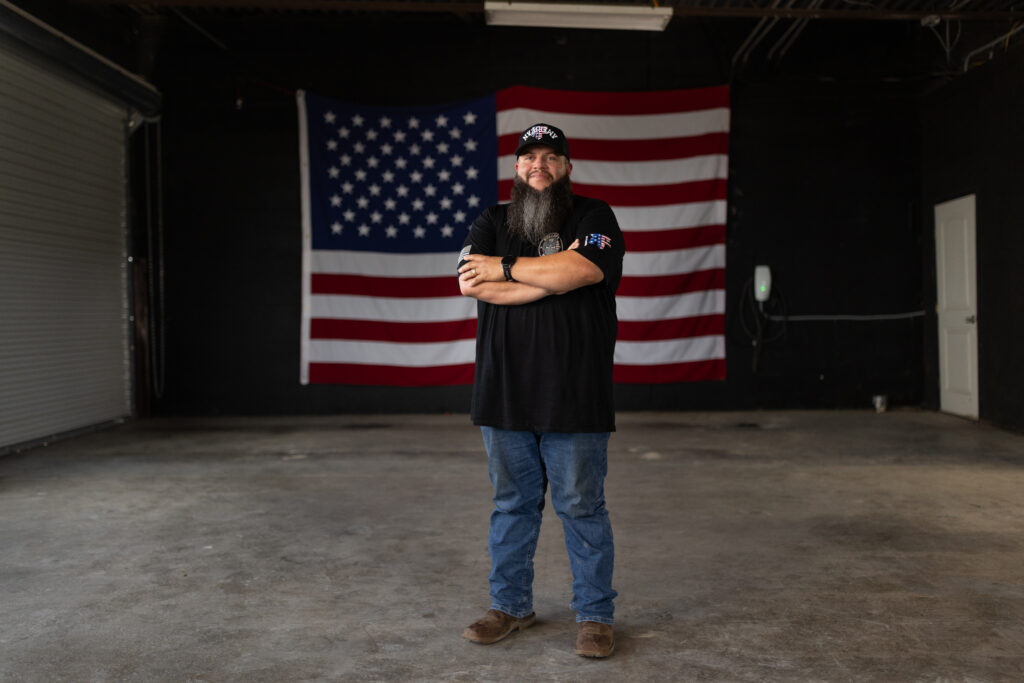
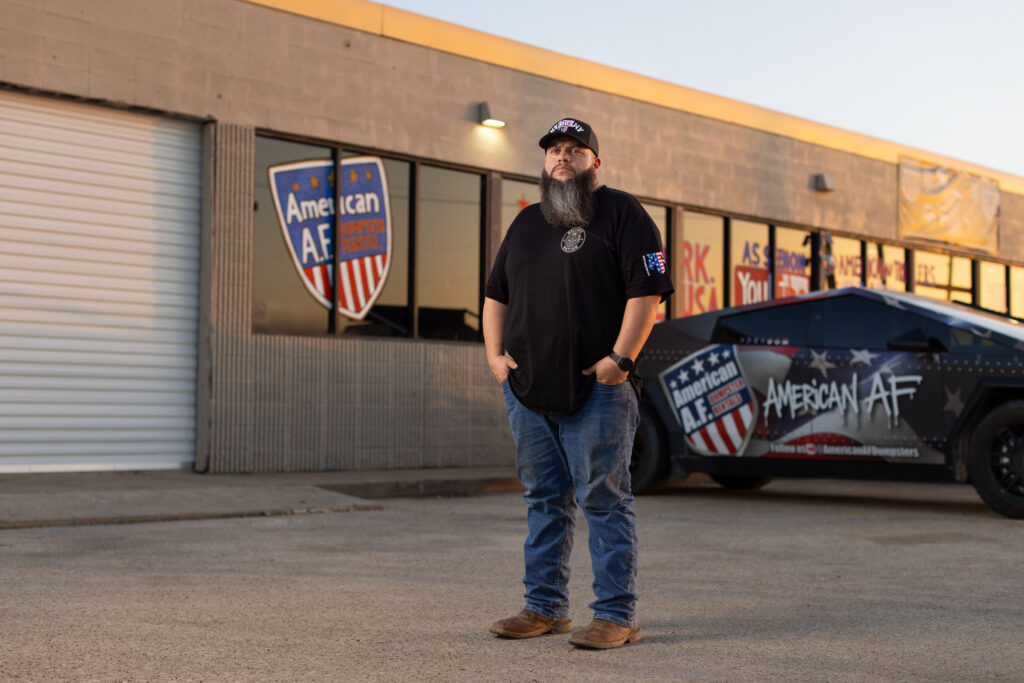
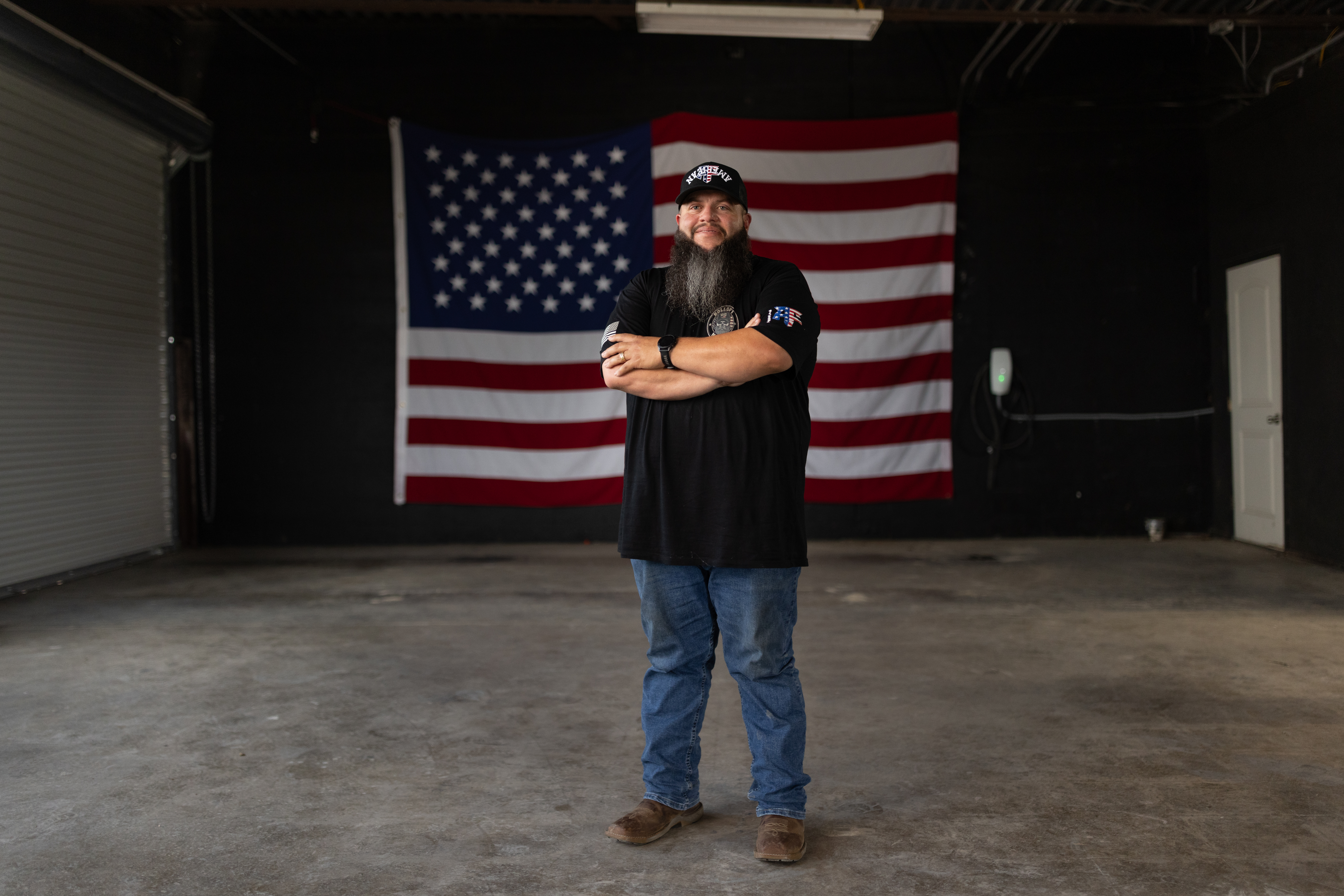
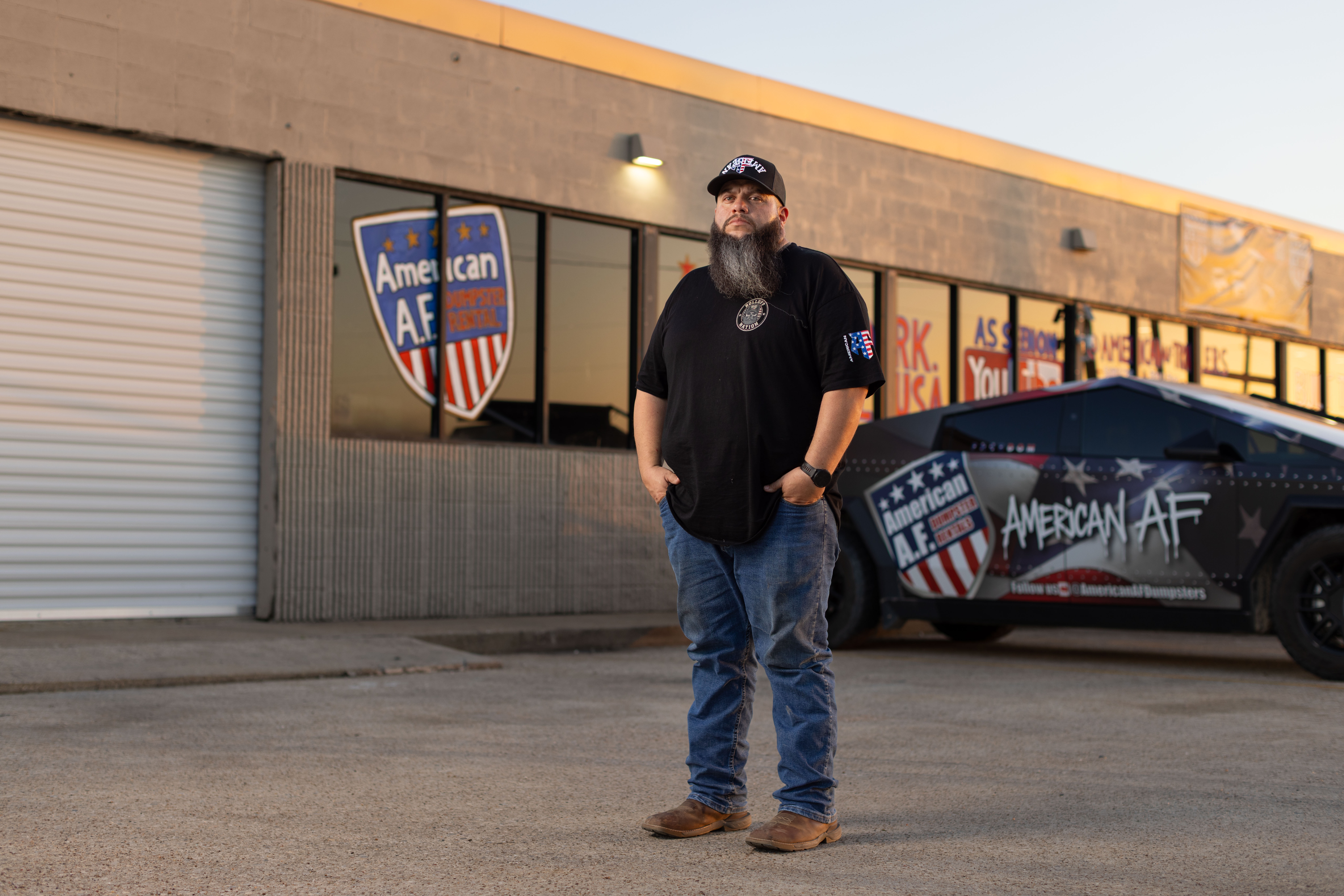
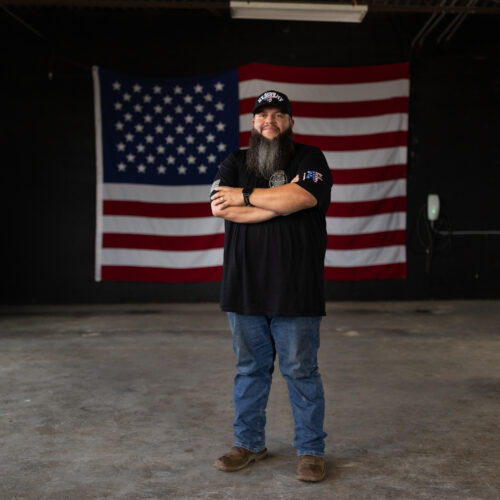
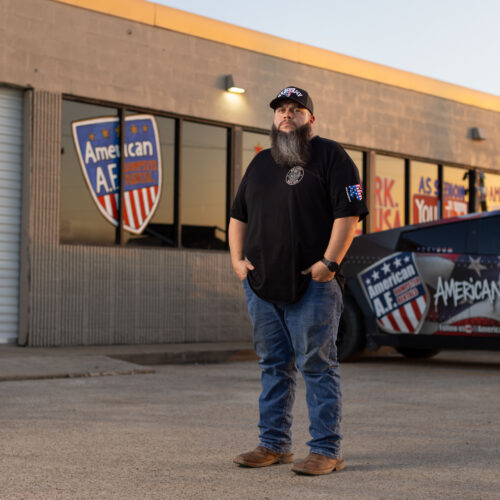
Josh Roman built his small business from nothing. He started with a single trailer-hitched dumpster and an ad on Craigslist back in 2020. Today, American AF Dumpster Rentals, based in Waxahachie, Texas, has four trucks, keeps about 75 roll-off construction dumpsters in rotation, and serves about 400 repeat customers across the booming Dallas-Fort Worth area. Builders choose Josh because he is fast, reliable, and local.
But Josh discovered the hard way that renting construction dumpsters in Waxahachie is effectively illegal for him because the city handed a monopoly to a single national waste company, making that company the only business allowed to rent roll-off construction dumpsters within city limits. In exchange, the city collects a share of the revenue. Cities across Texas refer to this sort of arrangement as an exclusive franchise agreement. Under its agreement, Waxahachie has protected its chosen monopolist by sending inspectors to threaten Josh’s customers with fines and permit delays until they swap his dumpsters out for the monopolist’s.
The city’s message to Josh is simple: the market is closed, your competitor has the monopoly, and there is nothing you can do about it. But the Texas Constitution says otherwise. It declares that monopolies “shall never be allowed,” guarantees Texans equal rights to compete, and protects the right to earn an honest living. Josh’s customers are happy with his service. And the city, for its part, is not acting on any complaint. It is simply punishing him for daring to compete with its chosen franchisee.
That is why Josh Roman and American AF Dumpster Rentals have teamed up with the Institute for Justice (IJ) to file a lawsuit under the Texas Constitution challenging Waxahachie’s illegal construction dumpster monopoly.
If you have a roll-off dumpster business in Texas and are aware of an exclusive franchise agreement in your town or city, please submit details about that on this website.
Watch the story
Texan Fights Back Against Construction Dumpster Monopoly
The city’s message to Josh was simple: the market is closed, your competitor has the monopoly, and there is nothing you can do about it. That is why Josh teamed up with the Institute for Justice to file a lawsuit under the Texas Constitution challenging Waxahachie’s illegal construction dumpster monopoly.

Case Team
Client

Attorneys

Daniel Woislaw
Attorney

Arif Panju
Managing Attorney of the Texas Office
Staff

Matt Powers
Reporting and Communications Manager

Katie Herndon
Paralegal
Media Resources
Get in touch with the media contact for image resources, press releases, and interview requests.
Media Images




Case Documents
Case Summary
A Business Built from a Single Dumpster
Josh founded American AF Dumpsters in 2020 while living in Waxahachie, seizing on an opportunity he believed would hold up even during an economic downturn. He started with one trailer-hitched dumpster and a Craigslist ad. As the region’s construction and renovation boom accelerated, he reinvested and grew—adding trucks, dumpsters, and employees. By distinguishing his company from large national competitors through responsive service, reliability, and local relationships, he carved out a foothold in a competitive market. In 2024, he relocated the company’s offices to Waxahachie, where it remains a locally owned and operated small business.
American AF Dumpsters provides a private service: it rents temporary, roll-off dumpsters that are delivered to construction and renovation projects on private property and hauls them away on an as-filled basis for the life of the project. Josh’s company does not pick up household trash, run weekly routes, nor collect waste from public streets. Its dumpsters sit on private property, doing the unglamorous but essential work of keeping construction sites clean so that building can continue. The dumpster itself is an American small-business invention. The original “Dempster-Dumpster” was patented in 1937 by a construction company owner to haul debris off his own job sites.
Waxahachie Hands the Market to a Single Company
In 2021, the City of Waxahachie entered into an exclusive franchise agreement with Waste Connections, a large national waste company. It is illegal by ordinance in Waxahachie to compete with the city’s chosen dumpster monopolist and those daring to serve their own customers within city limits could face accruing fines of $2,000 per violation per day.
This arrangement is not about health, safety, or any legitimate public purpose. It is about money and protectionism. In exchange for granting the monopoly, the city collects a portion of the monopolist’s revenue in the form of franchise fees, meaning the city profits directly from shutting out competitors like Josh. The city renewed the exclusive franchise agreement in early 2026. As long as it stands, it is illegal for anyone other than the city’s chosen monopolist to rent roll-off construction dumpsters in Waxahachie.
The City Enforces the Monopoly Against Josh
Josh learned how far the city would go in December 2025. American AF Dumpsters had delivered a roll-off dumpster to a job site in Waxahachie to a contractor building a new Einstein Bros. Bagels shop. A city inspector showed up and told the contractor the project could not continue—and threatened to withhold the building permit—unless Josh’s dumpster was removed and replaced with one from the city’s monopolist. Faced with a halted project, the contractor cancelled the contract. Josh refunded the money he had been paid and that customer has not come back.
Wanting to understand the rule he had run afoul of, Josh emailed a senior City official to ask exactly what prohibited him from renting construction dumpsters. The official’s answer confirmed everything. Citing the city code, he explained that the city could take enforcement action based solely on which company a customer chose—even where no one alleged any safety, sanitation, right-of-way, or nuisance problems. In other words, Josh’s only offense was competing for customers with the city’s chosen monopolist.
The Monopoly Hurts Customers and Protects No One
Construction depends on dumpsters that arrive on demand and get swapped out the moment they fill, because a full dumpster can bring an entire job site to a halt. Competition is what pushes providers to show up quickly, charge fair prices, and keep customers happy. A government-protected monopolist has no such pressure. Shielded from competition, it can charge more and deliver less, and the costs ripple outward to contractors, property owners, and ultimately the public in the middle of a regional building boom.
Letting Josh compete would help lower costs and improve service. It would not add wear to public roads or create traffic because his dumpsters sit on private property and serve projects that already exist. The city’s dumpster monopoly does nothing to protect public health or safety. It simply uses government power to pick winners and losers in a private market—classic economic protectionism, made worse by the fact that the city takes a cut of the proceeds.
The Texas Constitution Forbids Monopolies and Protects Economic Liberty
The Texas Constitution is unusually direct on this point. Article I, Section 26 declares that “monopolies are contrary to the genius of a free government, and shall never be allowed.” When a city grants or enforces an exclusive right to sell a private service to a single company, it runs headlong into that prohibition. Waxahachie’s arrangement does exactly that for construction dumpster rentals.
The lawsuit also invokes two further guarantees that protect economic liberty. Article I, Section 3—the Equal Rights Clause—forbids the government from handing out exclusive privileges to a favored few, yet that is precisely what the city has done by reserving the entire market for one company. And Article I, Section 19—the Law of the Land Clause—protects the right to pursue an honest living free from unreasonable government interference. A monopoly that bears no rational connection to any legitimate public purpose, that is so burdensome as to be oppressive, or whose real-world effect is nothing more than imposing costs on private competitors in the name of bald economic protectionism cannot survive under that provision.
Josh is not asking for special treatment. He is asking for the chance to compete in his own town on the same terms as his competitors. By vindicating his rights, this case aims to confirm a basic principle: collecting construction debris in a rented container on private property is a private service the government cannot monopolize.
Dumpster Monopolies are a Problem Across Texas
Waxahachie’s dumpster monopoly is not an isolated quirk of one city. It is part of a pattern spreading across Texas. Cities throughout the state have signed exclusive franchise agreements with big national waste haulers, and increasingly those deals reach beyond routine residential trash routes to fence competitors out of even temporary construction dumpsters. Josh has felt the consequences firsthand: he and other entrepreneurs like him have been cited, had their customers cited, and even had their dumpsters impounded. Each of these arrangements does the same thing Waxahachie’s does—it uses government power to lock independent operators out of a private market and reserve it for a politically connected few. A ruling that Waxahachie’s monopoly violates the Texas Constitution would reach far beyond one city, vindicating the right of entrepreneurs across the state to compete on equal terms.
The Litigation Team
Joshua Roman and American AF Dumpster Rentals are represented by IJ Attorney Daniel Woislaw and IJ Managing Attorney Arif Panju.
The Institute for Justice
This is not the first time IJ has gone to court to stop the government from rigging a market for the politically connected or for placing unreasonable barriers in the way of everyday Americans. In Patel v. Texas Department of Licensing and Regulation, IJ convinced the Texas Supreme Court that the right to earn an honest living is a real and enforceable right under the Texas Constitution, striking down an overly burdensome licensing scheme aimed at eyebrow threaders. And in St. Joseph Abbey v. Castille, IJ won a ruling from the Fifth Circuit—the federal court covering Texas—that naked economic protectionism is not a legitimate use of government power, freeing a group of Louisiana monks to sell their simple wooden caskets in a market the state had previously reserved only for licensed funeral directors.
IJ has repeatedly dismantled “competitor’s veto” laws that let established businesses block newcomers, including the certificate-of-necessity regime it helped strike down on behalf of limousine drivers in Las Vegas, Nevada. Like the threaders, monks, and limo drivers, Josh Roman asks for nothing more than the right to compete. And like it was for those others, the constitution is on his side.
This case continues that work in Texas on behalf of a small-business owner the government has tried to lock out of his own market.