Food Truck Freedom One Step Closer in Baltimore
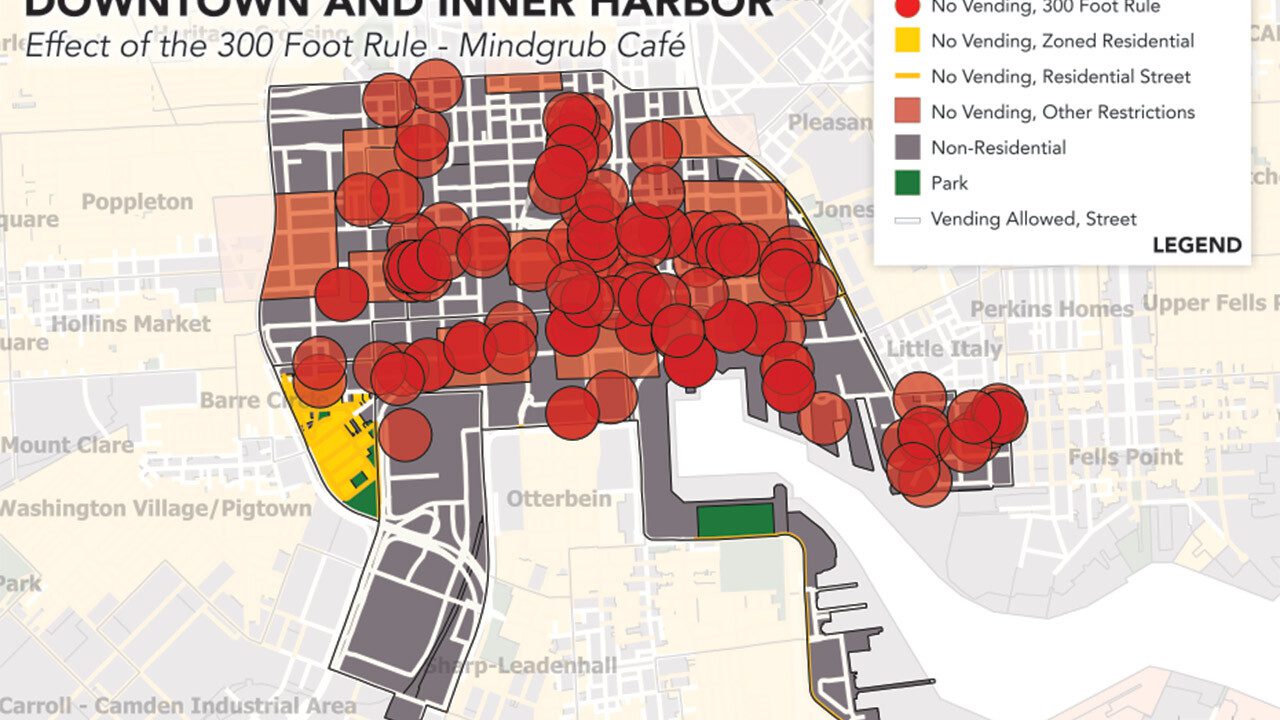
Economic liberty is coming to Charm City! In early December, the Baltimore City Circuit Court found the city’s ban on mobile vendors operating within 300 feet of any brick-and-mortar business selling primarily the same product too vague for the city to enforce. The court’s decision means that 2018 could be a year to celebrate for both Baltimoreans eager for a more vibrant city and Maryland entrepreneurs eager to freely pursue the American Dream.
Baltimore’s 300-foot ban was a perfect example of the government protectionism that prevents vendors across the country from earning an honest living. In 2014, the Baltimore City Council banned vendors from operating within 300 feet of any brick-and-mortar business that “primarily engaged in selling the same type of food product.” In other words, it was presumably illegal for a taco truck to operate near a Mexican restaurant, but it might have been legal for a gyro truck to park right next door.
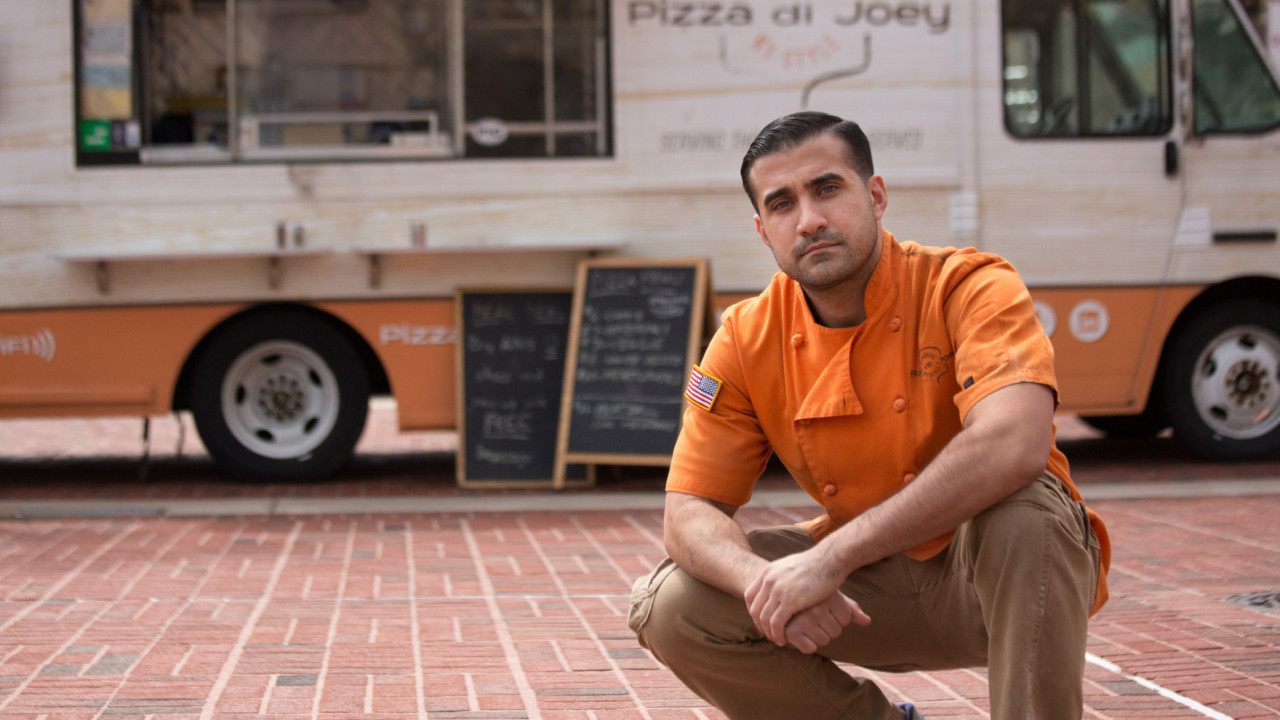
The ban fell particularly hard on food trucks, especially for our clients, the owners of Pizza di Joey and Mindgrub Café. For these two food trucks, virtually the entire city was off limits. The simple act of serving a delicious slice of pizza or a healthy sandwich meant risking criminal penalties, including $500 fines, and losing their mobile vending licenses.
It will come as no surprise to IJ supporters that the purpose of the 300-foot ban was to protect brick-and-mortar businesses from mobile vending competition. Worse still, the city admitted that its interpretation and enforcement of the 300-foot ban was, by design, entirely subjective. Even Baltimore’s lead enforcement official admitted that different city employees were likely to reach different conclusions about what the ban prohibited and about how to measure the 300 feet.
The utter arbitrariness of the 300-foot ban was simply too much for the presiding judge to stomach. The judge concluded that no “reasonable person” could know what is prohibited under the law and that even enforcement officials were prevented from “understanding what constitutes a violation.” The judge ruled that the city must cease enforcing the ban by February 20, 2018.
While Baltimore is one step closer to true food truck freedom, the fight to protect economic liberty is not over. Even though IJ scored a victory for food trucks, the judge did rule against us regarding an important constitutional question: Is the law’s purpose—to financially benefit brick-and-mortar businesses by making their competition illegal—unconstitutional under the Maryland Constitution? We plan to appeal the ruling to get an answer to that question.
While the judge’s ruling helps Baltimore’s struggling vending industry, IJ will be there until the Maryland courts declare once and for all that cities cannot make it a crime to compete. We will not stop fighting until we can secure the economic liberty of mobile vendors and ensure the American Dream stays alive in Charm City.

Also in this Issue

Liberty & Law
VICTORY: IJ Helps Musician Stop a Highway Robbery

Liberty & Law
VICTORY For School Choice In Florida

Liberty & Law
Home-Based Business Entrepreneurs Sing the Blues In Nashville

Liberty & Law
There’s No Place Like Home… For a Small Business
Liberty & Law
IJ Receives Charity Navigator’s HIGHEST RATING 16 Years Running

Liberty & Law
IJ Seeks to Free the Cookies in New Jersey

Liberty & Law
Let Entrepreneurs Sell Their Cakes (and Cookies and Muffins)

Liberty & Law
Victory for Homeowners in Charlestown
Liberty & Law
IJ Doesn’t Horse Around With the First Amendment
Subscribe to get Liberty & Law magazine direct to your mailbox!
Sign up to receive IJ's bimonthly magazine, Liberty & Law, along with breaking news updates about the Institute for Justice's fight to protect the rights of all Americans.