Court Upholds Mississippi’s Ban on Advertising Legal Medical Marijuana; Dispensary Owner Considers Next Steps
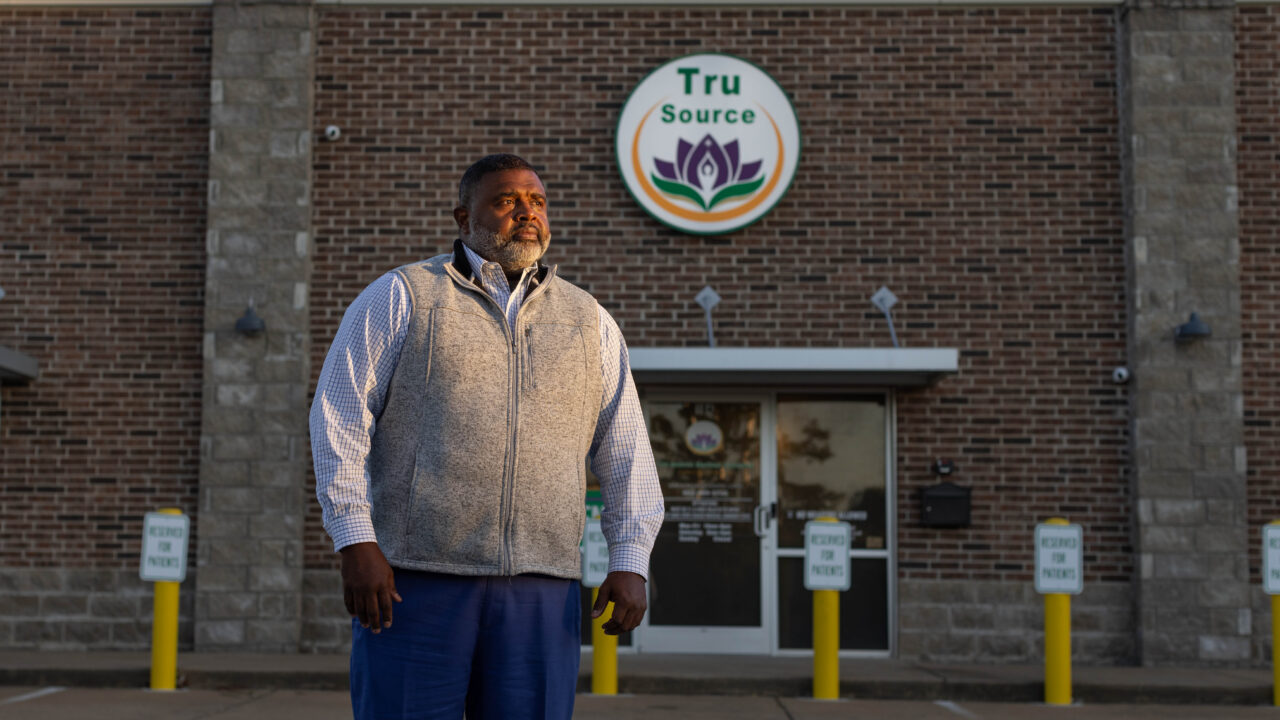
NEW ORLEANS—On Friday, the 5th U.S. Circuit Court of Appeals upheld Mississippi’s ban on advertising state-legal medical marijuana businesses, following a legal challenge from Clarence Cocroft, the owner of the Olive Branch-based Tru Source Medical Cannabis. Clarence, and his attorneys from the Institute for Justice (IJ), are considering their next steps in their legal challenge to the state’s ban.
“Upholding this ban makes it incredibly difficult for me to find potential customers and to educate people about Mississippi’s medical marijuana program,” said Clarence. “I remain committed to continuing this fight so my business can be treated the same as any other legal business in Mississippi.”
Mississippi law allows for the cultivation of medical marijuana to be sold to prescription holders in state-licensed dispensaries, such as Tru Source. Under state law, the Department of Health (DOH) has broad discretion to regulate advertising. The department has taken that discretion to the extreme by prohibiting dispensaries “from advertising and marketing in any media,” including newspapers, television, magazines, social media, billboards, and email lists. Essentially, dispensaries are only permitted to have signage on their own property and maintain a web presence with “general information” about the business. In Friday’s decision, the court held that even though medical marijuana is legal under state law, Mississippi still has the authority to regulate speech about it because marijuana is federally illegal.
“If a business is legal at the state level, the state cannot prevent people from talking about that business,” said IJ Senior Attorney Ari Bargil. “Clarence, and all legal business owners in the state, have a First Amendment right to provide potential customers with truthful information about their legal businesses. Mississippi cannot on the one hand create an entire marketplace for the sale of medical marijuana, and on the other hand rely on an unenforced federal law to prohibit buyers and sellers from talking about it.”
More on Commercial Speech
Commercial Speech
Supreme Court Asked to Hear Case Challenging Mississippi’s Ban on Advertising Legal Medical Cannabis

Commercial Speech
Consumer, Food Producer Appeal Lower Court’s Ruling Upholding Government Ban on Labeling Foods as Easy to Digest

Commercial Speech
