Institute for Justice Promises to Continue Fight for Privacy Rights After Legislation on Automated License Plate Readers Fails to Advance

Arlington, Va.—Today, Colorado State Sens. Judy Amabile and Lynda Zamora Wilson announced that their bill, SB26-070, will not be moving forward this year. The bill, which the Institute for Justice (IJ) supported, would have introduced common-sense guardrails governing the use of data captured by automated license plate readers, like requiring government officials to obtain a warrant before accessing historical location data captured by automated license plate readers (ALPRs) and restricting how that data can be shared. IJ will continue to advocate for similar legislation in future legislative sessions and urges Coloradans to continue to engage local governments across the state to introduce their own protections for residents.
“The government should not have unfettered access to sensitive data revealing where people go and how they live their daily lives,” said Alasdair Whitney, Legislative Counsel for IJ. “Although today’s news is disappointing, we will continue to work with stakeholders, elected officials, and Coloradans across the state who are rightly concerned for their privacy both locally and in the state legislature next year. We thank Sens. Amabile and Zamora Wilson for their leadership on this bill and look forward to continuing to advocate for the right to be free from warrantless mass surveillance across the state and nation.”
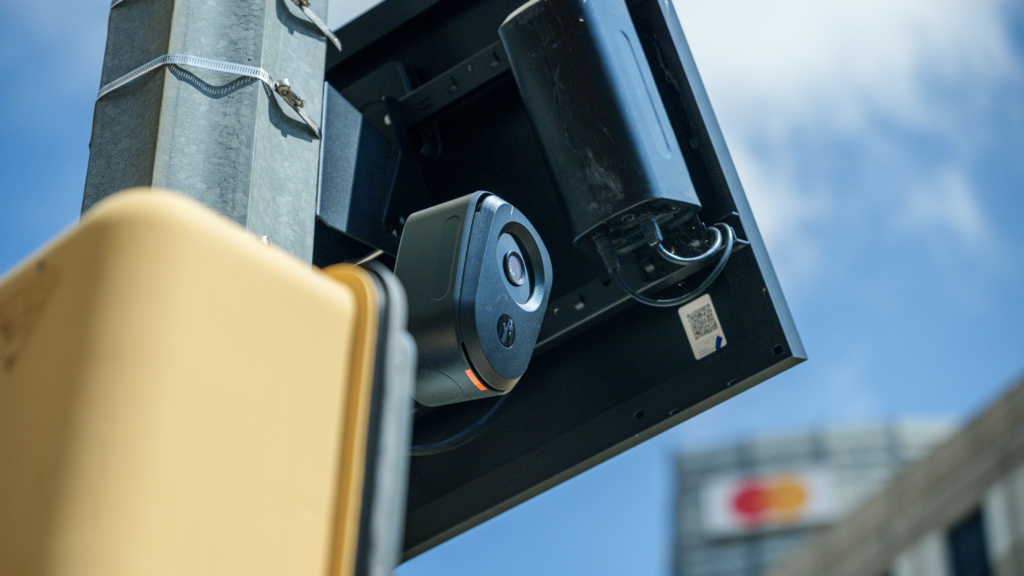
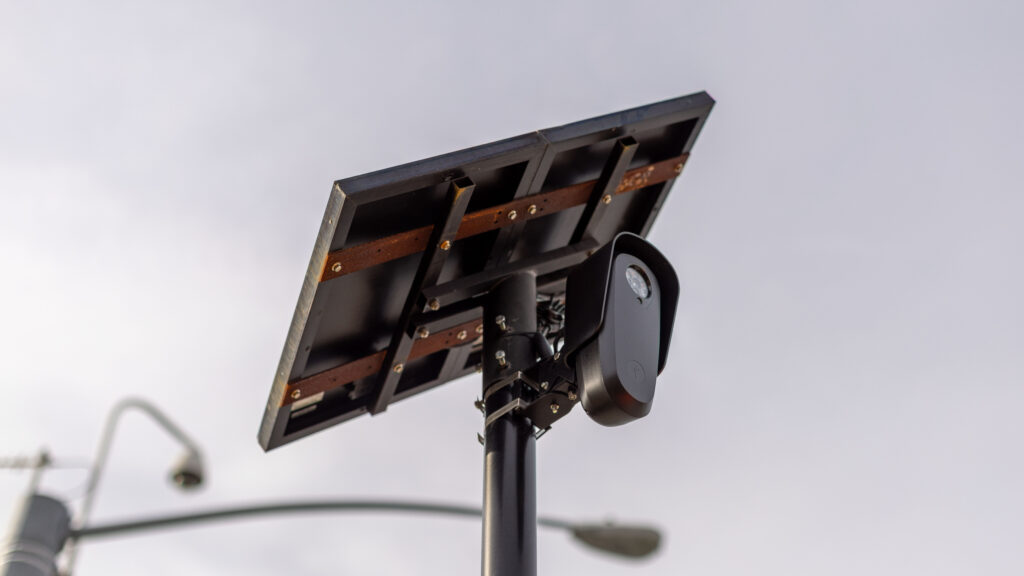
Across the country, cities are blanketing streets with ALPRs that scan and record the details of every passing car, storing millions of data points about where people go, when, and with whom. While this technology is often cited as a useful tool for law enforcement, it has also been implicated in a growing number of cases of abuse and misuse. Last year, a Denver woman was forced to prove her innocence after being accused of stealing a package by Columbine Valley Police who used ALPR technology. In 2020, an Aurora family was pulled over at gunpoint because of an incorrect ALPR read, resulting in a $1.9 million settlement. And just earlier this week, it was reported that a Colorado man had been pulled over multiple times allegedly due to his truck erroneously being connected to a warrant in an ALPR system.
An IJ review of media reports has identified at least 14 cases across the country of officers abusing ALPR networks to keep tabs on their romantic interests, including current partners, exes, and even strangers who unwittingly caught their eye in public, with the bulk of those incidents happening since 2024. Nearly all of these officers were criminally charged and lost their jobs, either by resigning or getting fired. But that number is almost certainly an undercount. Not all police misconduct gets detected, and some cases likely get resolved quietly. Officers frequently cite vague or inaccurate reasons for their searches in ALPR systems, sometimes to evade detection of misconduct.
Beyond local police, ALPRs are also frequently used by out of state enforcement and federal agencies creating additional concerns of government tracking and transparency. Last year, Loveland police were caught sharing their ALPR data with U.S. Border Patrol.
“Warrants exist for a reason,” said Tom Solomon, Special Projects Coordinator for IJ. “They offer people the basic protection from unlimited government intrusion. SB26-070 simply would have required government agencies to follow the same procedure they use for almost every other high-tech surveillance tool used to track people’s whereabouts. People should not have to worry about their movements being tracked indefinitely and without genuine cause.”
Last year IJ launched the Plate Privacy Project, a joint effort to push back against warrantless mass surveillance through litigation, legislation, activism, and media. IJ is a leading advocate for Fourth Amendment protections across the nation. This month, IJ filed a suit in San Jose challenging the use of nearly 500 ALPRs. And in October 2024, IJ filed a federal lawsuit against the city of Norfolk, Virginia, over its use of more than 170 ALPRs. That lawsuit was the first civil lawsuit challenging ALPR use to make it past the government’s motion to dismiss.
# # #
To arrange interviews on this subject, journalists may contact Phillip Suderman, IJ’s Communications Project Manager, at [email protected] or (850) 376-4110.