
Judge Allows Lawsuit Against Alaska Correspondence School Program to Move Forward, Families Will Continue Defending Program
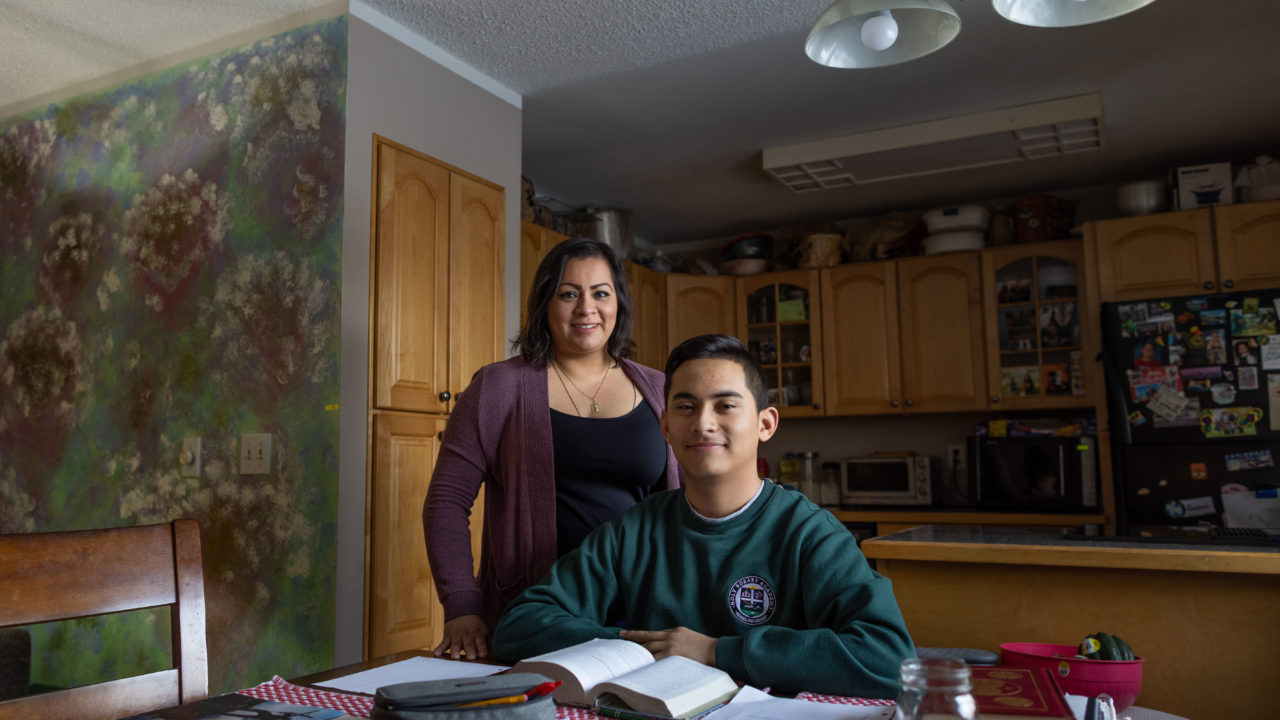
ANCHORAGE, Alaska—Today, the Superior Court for the State of Alaska denied a motion to dismiss a lawsuit challenging the use of the state’s Correspondence School Program to pay for tuition at non-public schools. Parents who benefit from the program, represented by the Institute for Justice (IJ), will continue to defend the program from this legal attack.
“Today’s decision simply says that more facts are needed. The court did not address, much less reject, any of our arguments in favor the Program’s constitutionality. We remain committed to defending the ability of Alaska parents to use the Correspondence School Program to help with their children’s educational needs,” said IJ Senior Attorney Kirby Thomas West. “Parents who use this program to send their children to a non-public school have the same constitutional rights as the parents who use this program to pay for other educational expenses.”
Since its creation, thousands of Alaska students have benefitted from the Correspondence School Program. In the early days of the program, local public schools would use the post office or float planes to send lessons and tests to students in the rural reaches of the state and then pick the assignments up to grade them. In 1997, lawmakers expanded the program to allow parents to receive reimbursement for certain education supplies. And in 2014, the law was broadened even further to allow correspondence schools to reimburse parents who choose a variety of alternative education options, including sending their children to nonpublic schools.
The legal challenge to this program was filed in January 2023. That same week, IJ and a group of parents filed a motion to intervene, seeking to protect the program. In April 2024, the Superior Court ruled parts of the program were unconstitutional, but on appeal, the Alaska Supreme Court overturned that decision. The Supreme Court ruled that the use of the program to pay for non-tuition expenses is constitutional and can continue permanently. It also allowed parents to continue using the program for tuition purposes for the time being. The Supreme Court told plaintiffs that if they wanted to challenge the constitutionality of using the program to pay tuition expenses, they must bring a different claim, specifically challenging that use, which they did.
The case will now move forward for more factual development before the court makes a ruling on the merits.
More on Publicly Funded Scholarships

Publicly Funded Scholarships
Trial Court Rules Against EdChoice Program, But Program Remains Safe While Parents Appeal Ruling

Publicly Funded Scholarships
South Carolina Supreme Court Declines to Hear Education Scholarship Trust Fund Lawsuit, After Legislature Amends Program

Publicly Funded Scholarships