Ocean Springs Property Owners Will Appeal Dismissal of Lawsuit
Federal lawsuit seeks to end Mississippi government’s ability to secretly label property as “slum or blighted.”

GULFPORT, Miss.—Late Friday, a federal district court dismissed a lawsuit from Ocean Springs property owners who had their homes and businesses labeled by the city as slum and blighted, without notice and without the ability to appeal. Much of Ocean Springs’ historically Black district, with homes handed down from generation to generation, was targeted in a 2023 redevelopment plan. Owners of homes and businesses and a church sued with the Institute for Justice (IJ).
“The city didn’t tell us about the slum and blight last time. Why would they tell us next time?” said Faye Payton, whose family owns a home on Cash Alley. “This fight is not over yet, and we shall not be moved.”
U.S. District Judge Taylor McNeel granted the city’s motion to dismiss but also rejected the city’s claim that the case was moot after the city rescinded the slum and blight designation. The judge concluded that the city’s action was a legislative action that did not require notice or could be reviewed by courts.
“Mississippi governments cannot brand neighborhoods as slums in secret,” said IJ Senior Vice President and Litigation Director Dana Berliner. “Obviously telling a person about something when it’s too late to do anything is not the meaningful opportunity to be heard that the U.S. Constitution’s Due Process Clause requires.”
A slum and blight label allows cities to take property by eminent domain, and the only opportunity to challenge that label is 10 days after the city labels it. But without any notice, the owners learned about the label months later—far too late to appeal the designation.
The court was persuaded by the fact that, although they could no longer challenge slum and blight (the strongest defense against eminent domain), they could still bring other (weaker) defenses.
“The fact that they can bring some other, weaker opposition to the taking of their property is cold comfort to owners who want to keep their homes, businesses, and churches,” said IJ Attorney Suranjan Sen.
More on Private Property
Private Property
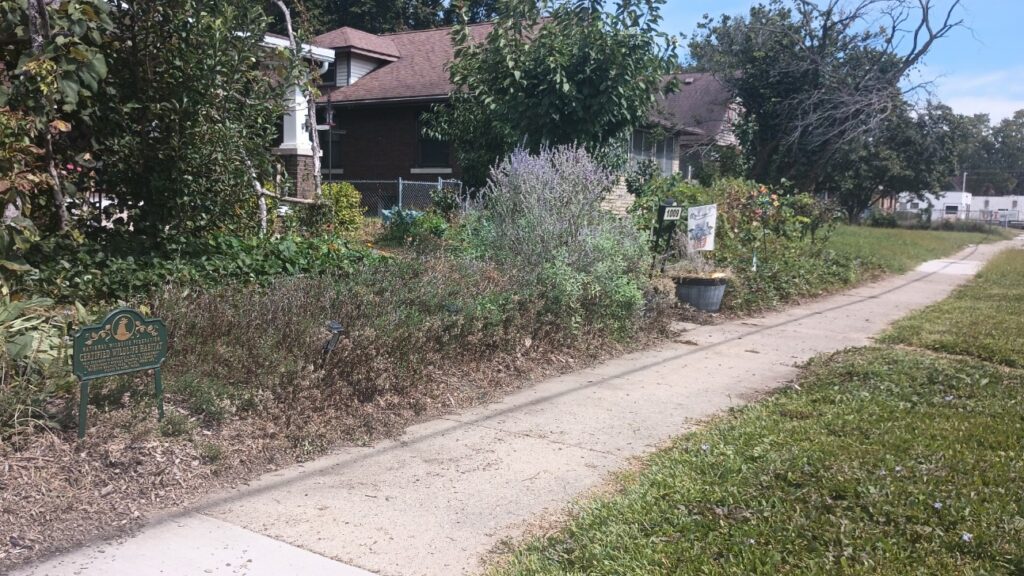
Illinois Town Threatens to Destroy Award-Winning Garden, Violating State’s Right-to-Garden Law

Private Property
Federal Court Orders DHS to Stop Detaining People with Valid Identification and Halts Warrantless Construction Site Raids

Private Property