Omaha Speakeasy Forced to Change Its Name to “Censored Shop” After Nebraska Barber Board Claims Ownership of the Word “Barber”
Institute for Justice joins lawsuit defending family bar threatened with fines and even jail time for using “barber” theme to honor owners’ late father
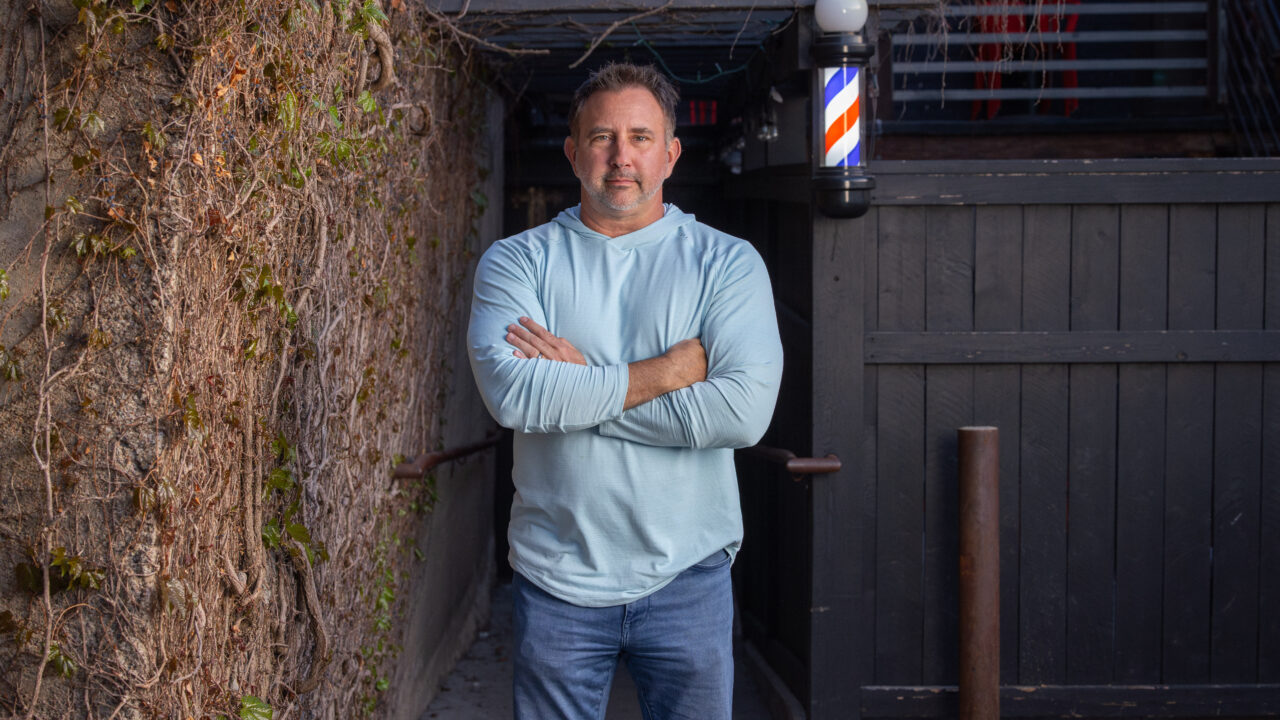
OMAHA, Neb. — Today, the Institute for Justice (IJ)—a national nonprofit public interest law firm—announced it is joining the legal fight to defend the First Amendment rights of an Omaha family. After they christened their speakeasy bar “The Barber Shop Blackstone” in honor of their dad (“Don the Barber” DiGiacomo), the family was threatened with criminal punishment by the Nebraska Board of Barber Examiners, which (it claims) owns the words “barber shop.” While their free-speech lawsuit continues, the DiGiacomo family is unveiling a temporary new name: The Censored Shop Blackstone:
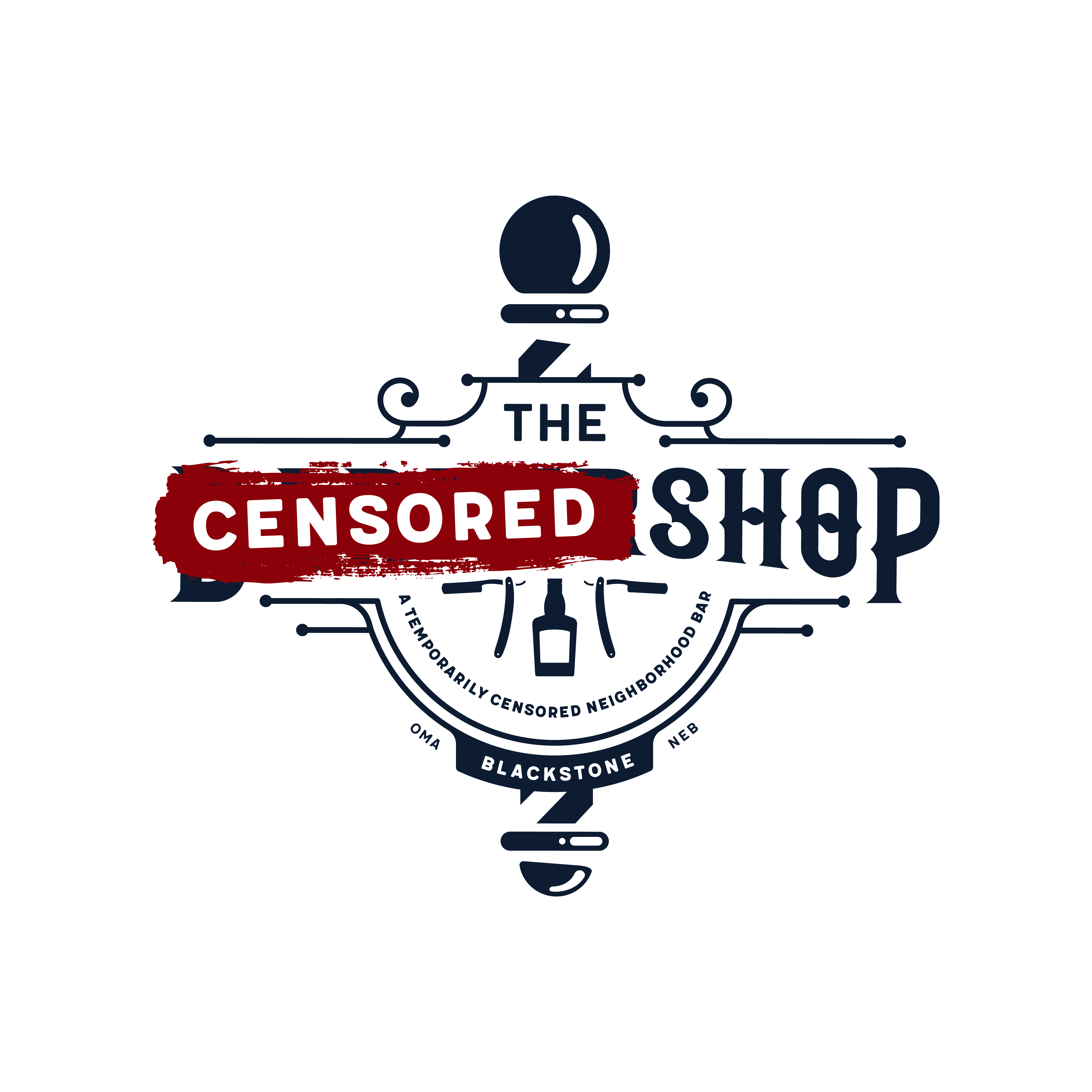
The name change is not a joke. It is the direct result of the barber board’s insistence that only licensed barbers may use the word “barber shop” or display a striped barber pole. While that rule might seem overbroad—and threatening to barbershop quartets and candy-cane enthusiasts statewide—a federal judge last month denied the family’s request for a preliminary injunction. Now, Mike DiGiacomo and his siblings are temporarily changing the name to avoid potentially ruinous fines and even jail time while IJ joins the case and vows to see the fight through to the end.
“The government can’t make it illegal to use ordinary words without its permission” said IJ Deputy Litigation Director Robert McNamara. “The government can regulate a business’s name to protect consumers from fraud or confusion, but it doesn’t have a free hand to take words out of the dictionary and put them under the control of a state board.”
After the siblings debuted the speakeasy’s new look, many local barbers and their families were excited, sending in pictures of their own barber fathers to be displayed in the bar’s front room. But one licensed barber took exception, writing to the barber board to complain that the bar’s theme was “disrespectful” to the trade.
The board took notice. The Nebraska Board of Barber Examiners sent Mike a piece of certified mail explaining that, because they are not licensed barbers, the family could not use the word “barber” or “barber shop” or display a barber pole. Mike explained the obvious: the business is a bar. It serves alcohol. It is only open at night. And it doesn’t even have a sign. No one could conceivably show up expecting to get a shave and a haircut. But the board did not back down, warning that the name and barber pole could bring civil and criminal penalties.
“We built this place to honor our dad, not to insult anyone’s profession,” said Mike DiGiacomo, co-owner of The Censored Bar. “Our father was proud to be Don the Barber, and we were proud to create something that kept that memory alive. I still cannot believe the government can look at a bar, know it is a bar, admit no one is confused, and still threaten us with jail time because of the name and the decorations.”
Mike’s lawsuit began when students with the University of Nebraska College of Law’s First Amendment Clinic heard about the controversy and stepped in to defend the DiGiacomo family’s rights. The court’s denial of a preliminary injunction came early in the case and does not decide the ultimate merits. IJ and the clinic students have now teamed up to vindicate the DiGiacomo siblings’ First Amendment rights.
“People don’t think they can get a haircut at Santa’s Village just because there are red-and-white striped poles,” said IJ Litigation Fellow Nick DeBenedetto. “They don’t assume a pirate-themed bar will be helmed by a licensed sea captain. That’s because people have common sense. State bureaucrats should, too..”
“For decades, IJ has challenged restrictions on a business’s ability to truthfully advertise it’s products,” concluded McNamara. “Nobody is being misled by the name of Mike’s bar, and that should be the end of the government’s power to restrict it. We look forward to making sure it is.”
More News
Immunity and Accountability
Supreme Court Declines to Hear Denver Man’s Case to Revive Fourth Amendment’s Warrant Requirements

Eminent Domain
Brentwood’s Arguments About its Blight Designation and Eminent Domain Don’t Hold Up