Texas House Passes Civil Forfeiture Transparency Reform
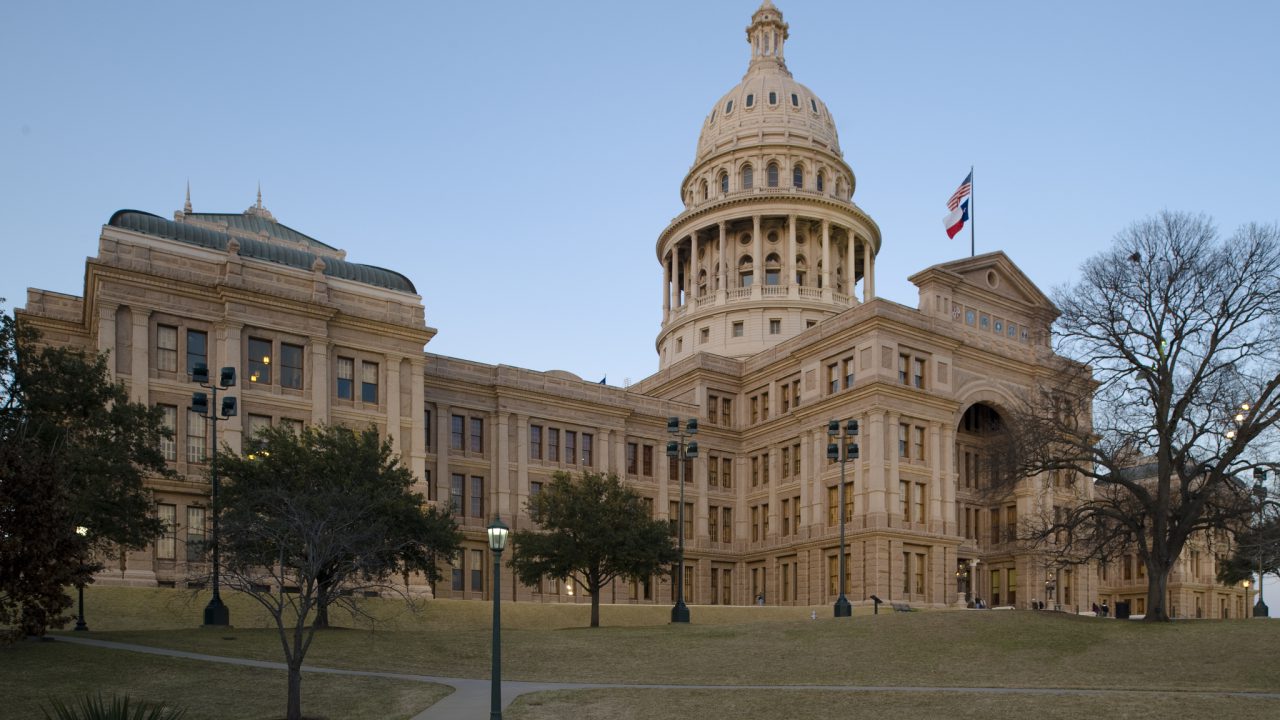
The Texas House of Representatives has passed HB 2992―a bill that increases transparency of property seizures, forfeitures, and expenditures of proceeds under state and federal forfeiture laws. Texas’ law currently allows police officers and others to seize cash and cars based on the mere suspicion that the property is connected to criminal activity, and to permanently keep that property without securing a criminal conviction, bringing criminal charges against the owner, or arresting them.
The passage of HB 2992 by the House is the first in a series of bipartisan reforms of Texas’ civil forfeiture law recommended by the House Committee on Criminal Justice Reform earlier this year. In recommending transparency reform, the Committee explained that civil forfeiture “information should be easily accessible and not require months of paperwork and public information requests to obtain.” To date, 27 states have instituted new reporting requirements for seizure and forfeiture activity since 2014.
“HB 2992 is an important first step to strengthen Texas’ protection of due process and property rights” said Arif Panju, managing attorney of the Institute for Justice’s state office in Austin. “Legislators and the public deserve to know exactly how much property is being seized by law enforcement, forfeited by district attorneys, and used to supplement law enforcement budgets.”
The Institute for Justice applauds the House of Representatives because HB 2992 requires the Texas Attorney General to create a case tracking system to provide vital information including whether Texans are losing their cash and cars to civil forfeiture without ever being charged or convicted of a crime. The bipartisan bill was co-authored by Representatives Brian Harrison (R-Waxahachie) and Senfronia Thompson (D-Houston).
The Institute for Justice obtained agency-level forfeiture data via public records requests to the Texas Attorney General. It shows that between 2001 and 2018, Texas law enforcement agencies forfeited more than $781 million. Between 2000 and 2019, they generated an additional $744 million from forfeitures processed by the federal government, for a total of at least $1.5 billion in forfeiture revenue.
“Forfeiture proceeds are the slushiest of slush funds for state and local agencies in Texas because up to 70% of forfeiture proceeds go to law enforcement in cases where property is forfeited by default and up to 100% where forfeiture is contested,” said Lee McGrath, IJ’s senior legislative counsel.
More on Civil Forfeiture

Civil Forfeiture
Texas Appeals Court Reverses Forfeiture of Innocent Americans’ Life Savings and Orders Harris County to Return the $41,680 It Seized

Civil Forfeiture
Public Interest Law Firm Commends Spartanburg County Sheriff’s Office for Ending Operation Rolling Thunder After Public Records Lawsuit Revealed Constitutional Violations

Civil Forfeiture
