Victory! Federal Court Says Virginia Can’t Stop Counselor from Helping Patients
Substance Abuse Counselor Can Get to Work; Law Had Banned Her Due to Decades-Old Conviction
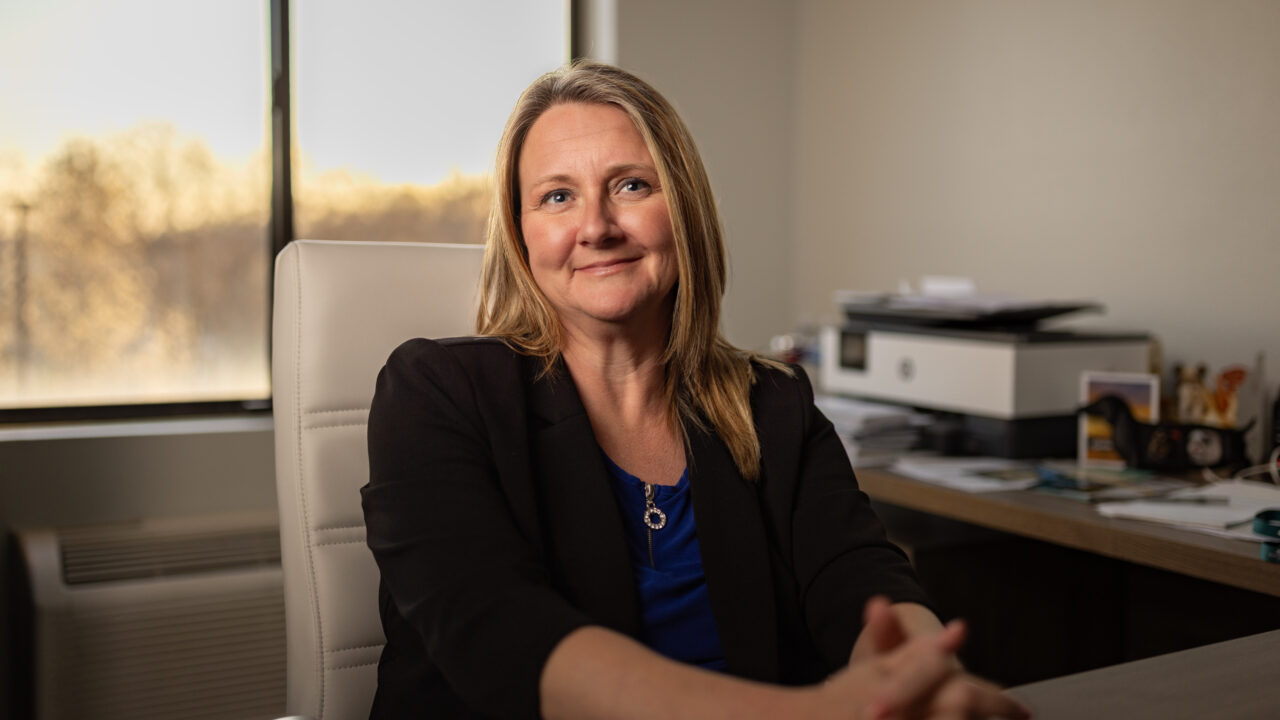
ARLINGTON, Va.—Yesterday, a federal judge ruled that Virginia couldn’t bar a qualified substance-abuse counselor from helping people suffering from addiction. Melissa Brown was barred from working with patients under the state’s “barrier crime” law. The law bans people with convictions for any of 176 “barrier crimes” from being employed in a “direct care” position, which includes both substance abuse counselors and their direct supervisors. Melissa is represented in the lawsuit by the Institute for Justice (IJ). After the ruling, she can undergo a “screening assessment” and then work with patients.
“This decision is more than personal,” Melissa said. “It’s a victory for everyone who believes in second chances. I hope this decision opens the door for countless others with lived experience to bring healing to those who are still suffering.”
Melissa made mistakes when she was younger and in the throes of addiction herself. Those mistakes came to a head in 2001, when she stole a purse to fund her drug habit. She was convicted of robbery, which prompted her to stop using drugs and turn her life around. After being released from prison, she earned a bachelor’s in psychology and began working as a substance-abuse counselor to help people struggling with heroin. In 2018, she was even promoted to clinical supervisor. But, after new management took over the rehab center where she worked, she learned that, under Virginia law, she was banned from working as a counselor due to her decades-old conviction.
Melissa now works at a different rehab center as chief growth officer, but she would love to get back to working directly with patients. That is why she partnered with the Institute for Justice (IJ) to file a lawsuit challenging this permanent punishment.
“The government should never stop people from working because of irrelevant criminal convictions,” said IJ Senior Attorney Andrew Ward. “We’re thrilled the court recognized that. But there’s still work to do. Every year, Virginia blocks hundreds of qualified professionals for convictions that are more than twenty years old. That has to change, and this decision is just the start.”
People like Melissa who have overcome addiction are often the best suited to help others overcome addiction. But the barrier law prevented her from working directly with patients because of her past conviction—even though she had completely turned her life around in the 23 years since. The agency enforcing this barrier admitted that the ban keeps out applicants with “invaluable” experience.
“The Constitution requires that restrictions on the right to work be rational,” added IJ Attorney Mike Greenberg. “The Court here recognized the obvious: No one could rationally think that barring someone with Melissa’s experience and empathy protects people suffering from addiction. It just meant less help for the people who most need it.”
More on Fresh Start

Fresh Start
Public Interest Law Firm Applauds Passage of Bill Making It Easier for Returning Citizens to Find Work, Encourages Gov. Polis to Sign It into Law

Fresh Start
USDA Agrees to Amend ‘Business Integrity Rule,’ Stop Punishing Maryland Business Owner for Unrelated Drug Arrest

Fresh Start
