
Courtney serves as the Legislative Policy Associate for the Institute for Justice. Courtney advocates for legislative reform across the country in the areas of economic liberty, and other civil liberties.
Prior to joining IJ, Courtney worked in the Texas Legislature for a state senator, where she gained experience in legislative advocacy and policymaking. Courtney earned her law degree from Tulane University Law School, where she served as a Student Attorney for the Criminal Justice Clinic. She received her bachelor’s degree from Texas Tech University
Courtney's Legislation
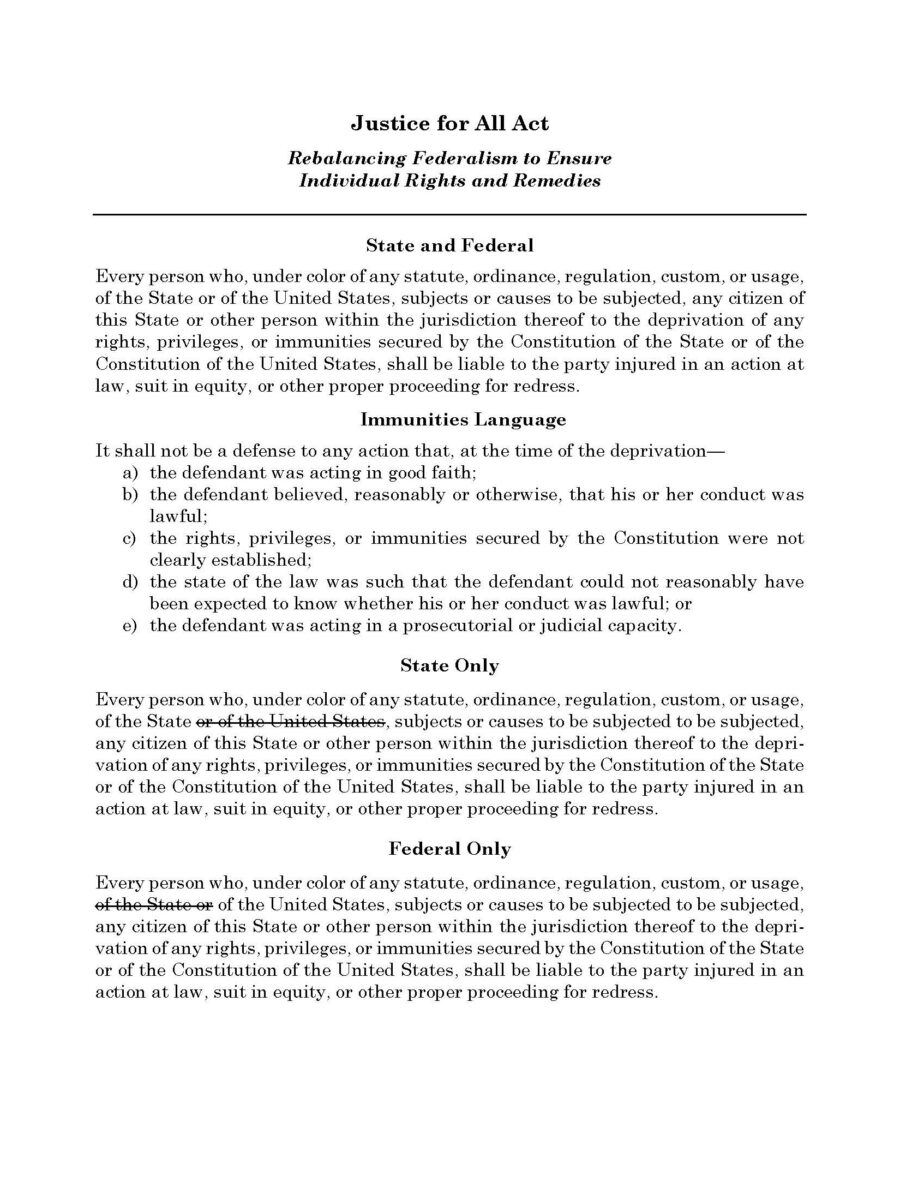
Converse 1983 – Justice for All Act
The Justice for All Act is a model bill that eliminates qualified immunity and other government-immunity defenses, allowing individuals to sue for constitutional rights violations under state and/or federal law. It also guarantees prevailing…
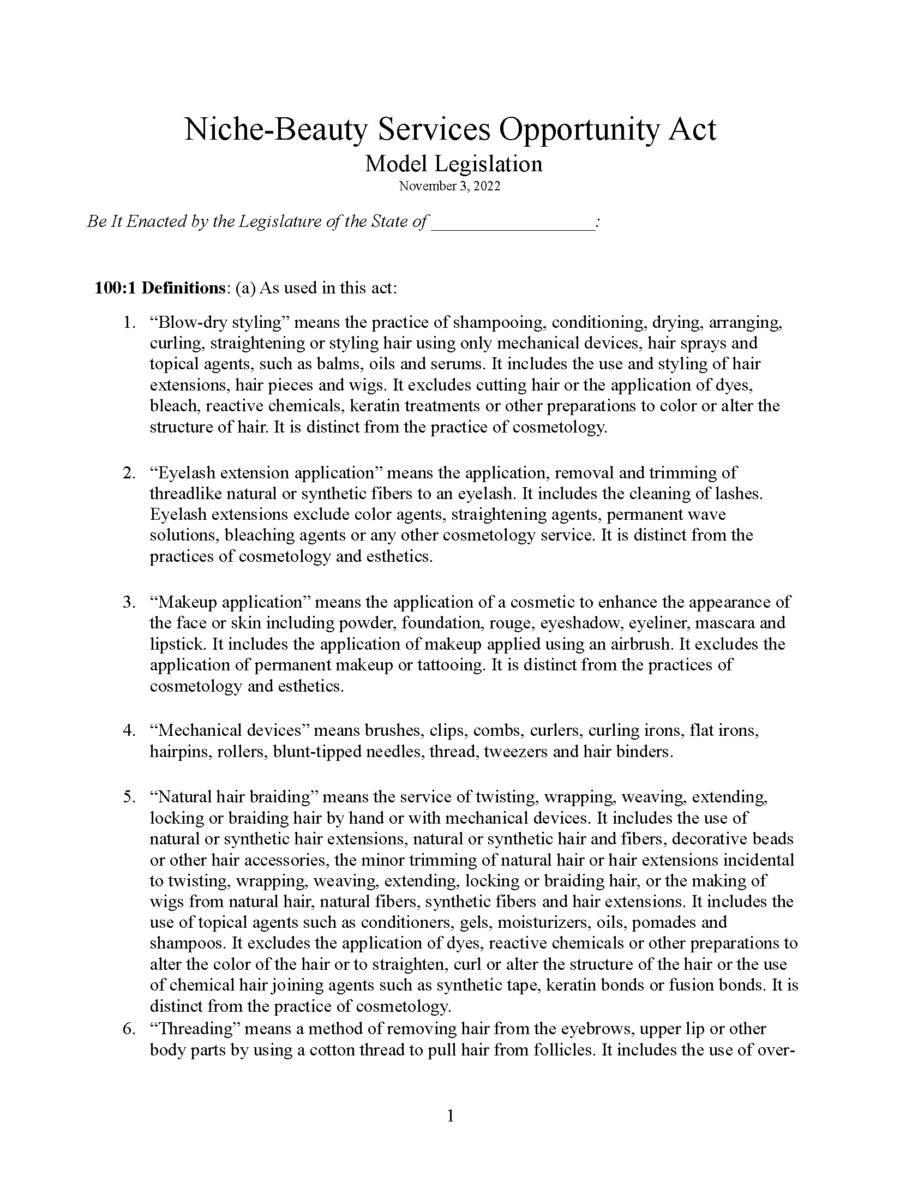
Cosmetology | Economic Liberty
Niche-Beauty Services Opportunity Act
Styling hair and applying makeup are simple and safe beauty practices that many people do every day. They also offer opportunities for people to start businesses—such as bridal hair and makeup businesses and blow-dry bars, which are growing in popularity. Unfortunately, states often create needless obstacles before people can…
Economic Liberty | Hair Braiding
Natural Hair Braiding Opportunity and Freedom Act
African-style hair braiding has been a safe and natural practice for centuries. Today, it provides opportunities for entrepreneurship, especially in African American and African immigrant communities, allowing people to share their cultural heritage, start businesses, and realize the American Dream. Natural hair braiding…
Economic Liberty | Fresh Start
FRESH START: Collateral Consequences in Occupational Licensing Act
A job is one of the best ways to reduce recidivism, but many occupational licensing laws make it difficult—and sometimes even impossible—for returning citizens to obtain work. Licensing laws often have morality clauses that automatically and permanently bar people with criminal records from working—without any…