IJ Notches a Victory For Washington Students

For nearly three decades, as part of our defense of educational choice, IJ has tackled—and defeated—state constitutional provisions known as Blaine Amendments. Found in some 37 state constitutions, these relics of 19th-century bigotry are favorite tools of teachers’ unions and others seeking to cripple otherwise robust educational choice programs. We recently chalked up a big win in our anti-Blaine campaign, and we have good reason to believe it could be the harbinger of even bigger things to come.
The victory came in our challenge to the Blaine-based ban on religious options in Washington’s work study program: a financial aid program that provides funding for low- and middle-income students who want to earn money for college by working in jobs that relate to their field of study. Because the program permitted students to work for the government, nonprofit organizations, and for-profit businesses, but banned work for “sectarian” employers, students majoring in social work, for instance, could not work with the homeless at a church’s soup kitchen.
In August 2018, IJ challenged the ban on behalf of Summit Christian Academy, a religious school that had been rejected as a work study employer, and the Young Americans for Freedom group at Whitworth University, whose members were impacted by the sweeping restrictions on their work study options.
Our argument was simple: The U.S. Constitution requires that the government remain neutral with respect to religion. That means Washington’s Blaine Amendments cannot be used to banish religious options. If this argument sounds familiar, that’s because it is the same one we have made in successfully defending programs from Blaine-based threats throughout the country.
That list of victories now includes Washington. In November, in response to our lawsuit, the state amended its work study regulations to allow students to work for religious employers among other options. The new regulations will greatly expand employment options for students, especially in fields such as education, health care, and social services, in which religious employers play an important role.
That’s a huge boon for Washington’s work study students, and it may also be a sign of bigger things to come for educational choice.
In January, IJ went before the U.S. Supreme Court in our challenge to Montana’s reliance on its own Blaine Amendment to ban religious options from a K–12 school choice program. The case has the potential to resolve the Blaine issue once and for all. We’re confident that the Supreme Court, like Washington, will agree that when it comes to programs that empower parents to make choices concerning their children’s education, the Constitution demands government neutrality toward religion.
Michael Bindas is an IJ senior attorney.
Also in this Issue

Liberty & Law
IJ Sues TSA and DEA For Taking Cash From Innocent Flyers

Liberty & Law
When Protectionism Hurts Those in Need: IJ Challenges “Certificate of Need”

Liberty & Law
To Get a Warrant Or Not to Get a Warrant? There Is No Question
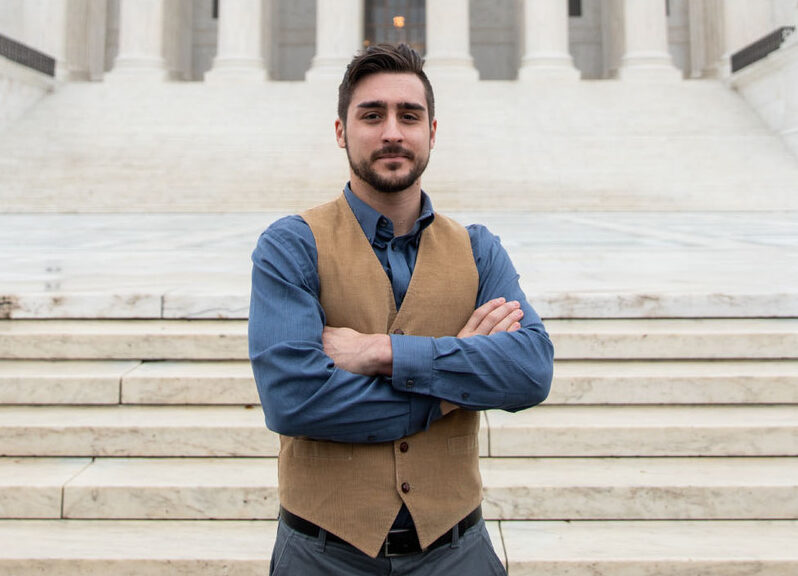
Liberty & Law
IJ Launches New Project To Challenge Unjustified Immunity Doctrines
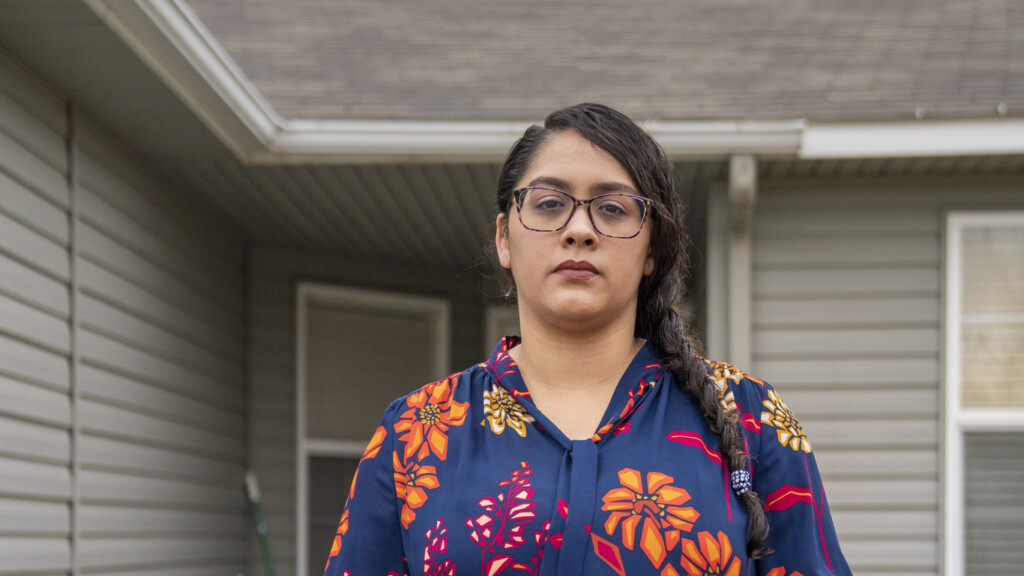
Liberty & Law
The Government Destroyed Her Home With Grenades; She’s Fighting Back at the U.S. Supreme Court

Liberty & Law
Engineering Economic Liberty Protections For an Arizona Entrepreneur
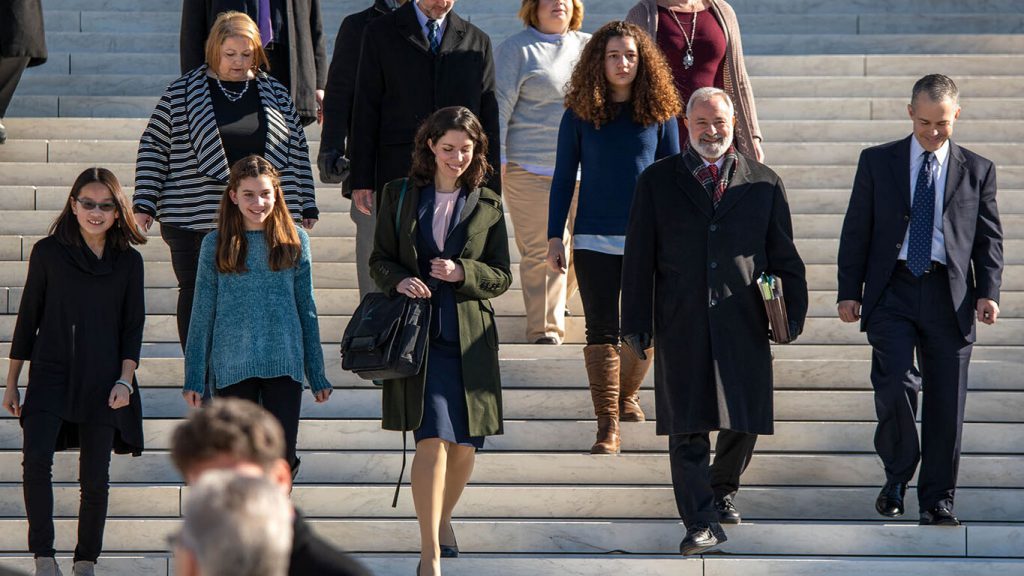
Liberty & Law
School Choice In Action Espinoza v. Montana Department of Revenue

Liberty & Law
Mothers and Babies—and Those Who Help Them—Deserve Their Day in Court

Liberty & Law
Transforming the Legal—and Regulatory—Landscape in Texas
Subscribe to get Liberty & Law magazine direct to your mailbox!
Sign up to receive IJ's bimonthly magazine, Liberty & Law, along with breaking news updates about the Institute for Justice's fight to protect the rights of all Americans.