
Final Victory: Castle Hills Vote Confirms Sylvia Gonzalez’s Win Against Retaliation
Settlement clears Sylvia’s name and brings her personal nightmare to a close
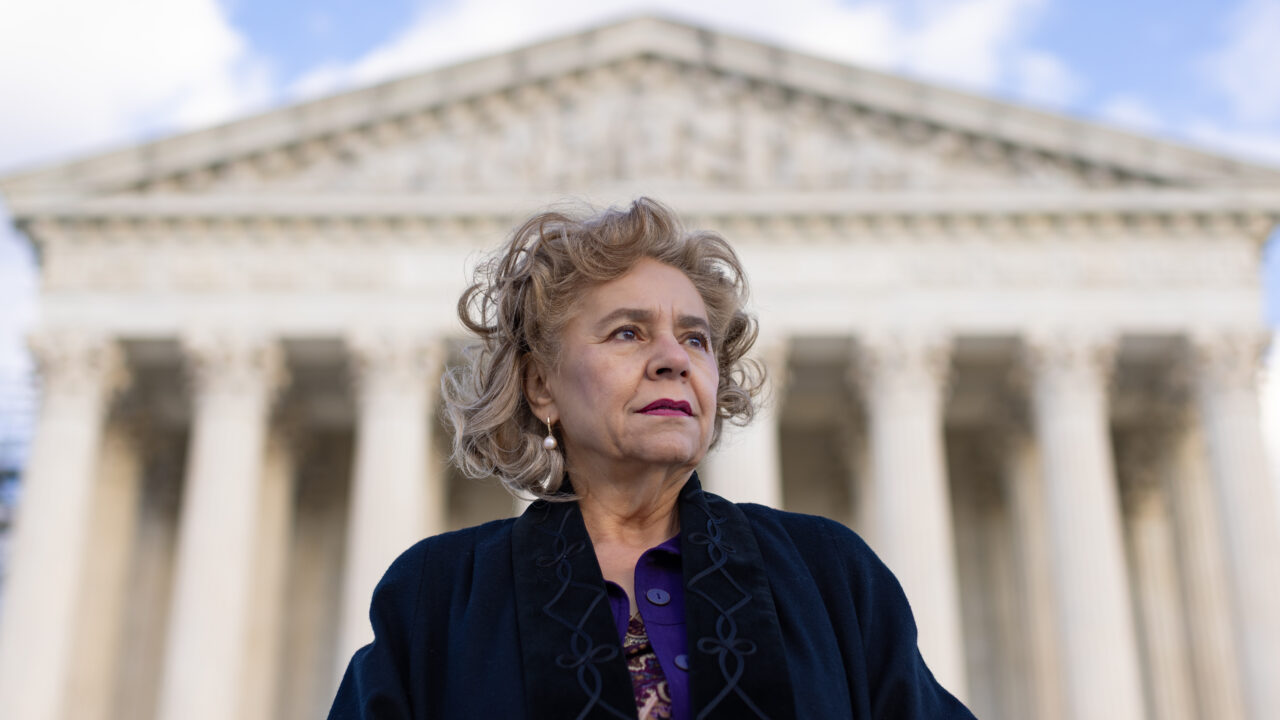
Last night, the Castle Hills, Texas, City Council voted to ratify a settlement agreement that brings to an end the years-long lawsuit filed by former councilwoman Sylvia Gonzalez to clear her name and hold city officials accountable. The vote follows Sylvia’s landmark free speech victory at the U.S. Supreme Court in 2024, which revived her First Amendment retaliation claim and sent the case back to federal district court. With this vote, the case is over and Sylvia’s victory against the city is now final. You can watch the vote here, at timestamp 2:15:00.
“The Council’s vote closes one chapter for Castle Hills and opens a new chapter for free speech,” said Anya Bidwell, senior attorney at the Institute for Justice who argued Sylvia’s case before the Supreme Court. “The First Amendment doesn’t come with handcuffs. This outcome sends a message to officials everywhere: if you retaliate against critics, you can be held to account.”
Under the settlement approved by the City Council, Castle Hills agreed to:
- Work with the Texas Municipal League to offer a statewide training on First Amendment retaliation—covering Sylvia’s Supreme Court win in Gonzalez v. Trevino—to be offered to more than 1,100 municipalities across Texas. Castle Hills officials will be required to complete this training.
- Pay Sylvia $500,000 in damages.
“It’s been more than five years, and today I can finally breathe,” said Sylvia Gonzalez. “I never wanted to end up in a Supreme Court fight, but I kept going because what happened to me shouldn’t happen to anyone. Those who went after me have been held accountable. I didn’t do this just for myself. I’m proud that this win will make it easier for ordinary people to stand up when officials try to punish them for speaking out.”
Sylvia’s case began after she was elected as Castle Hills’ first Hispanic councilwoman and helped spearhead a citizen petition calling for the removal of the city manager. During a contentious council meeting, Sylvia was accused of briefly and inadvertently having the petition among her papers—an allegation the city used to orchestrate her arrest under a rarely used law. She spent a day in jail; prosecutors later dismissed the charge. Sylvia’s lawsuit alleged that the arrest and other actions were retaliation for her criticism of city leadership.
On June 20, 2024, the U.S. Supreme Court agreed, and ruled that courts can look at objective evidence—such as unusual, selective enforcement—to prove an arrest was retaliatory. The Court sent the case back to the lower court, setting the stage for accountability and, ultimately, this outcome.
“Now as always, retaliation by government officials is a clear threat to our constitutional rights,” said Will Aronin, senior attorney at the Institute for Justice. “By sticking her neck out and fighting back, Sylvia paved the way for countless others to hold power to account. This settlement closes the chapter on her story, but it will live on as binding precedent—and as a testament to Sylvia’s courage.”
Sylvia’s case is part of the Institute for Justice’s Project on Immunity & Accountability, which seeks to ensure that government officials are not above the law and can be held accountable in court when they violate constitutional rights. IJ is the nationwide leader in First Amendment litigation and is actively litigating free speech and retaliation cases across the country.
More News
Private Property
Former Attorneys General, Business Associations, and Former Department of Labor Leaders Support Family Farm’s Supreme Court Case

Major Ruling in Favor of True Food Labels as Federal Appeals Court Revives First Amendment Lawsuit Against FDA and USDA
4th Amendment Project