
Martin v. United States Oral Argument
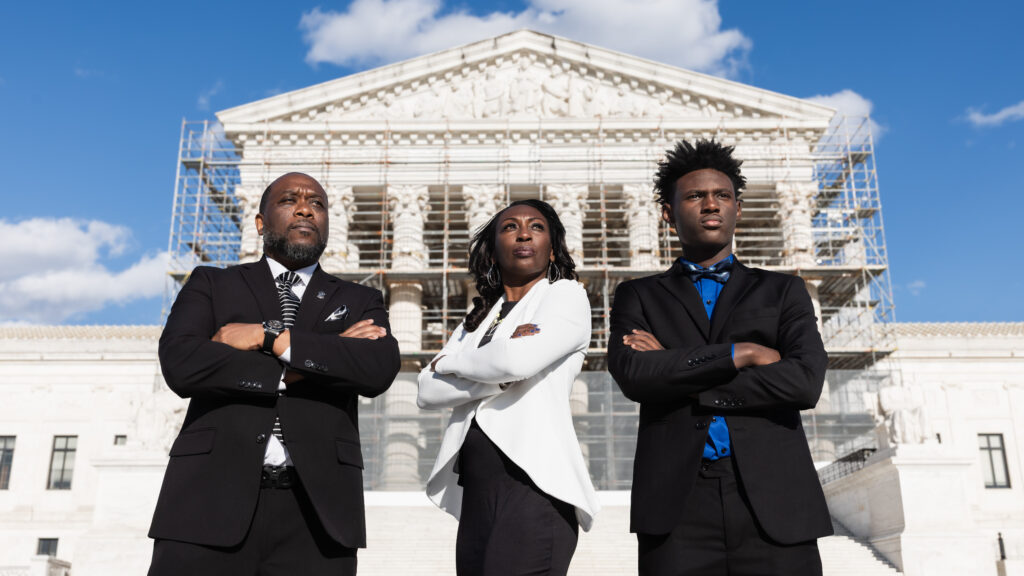
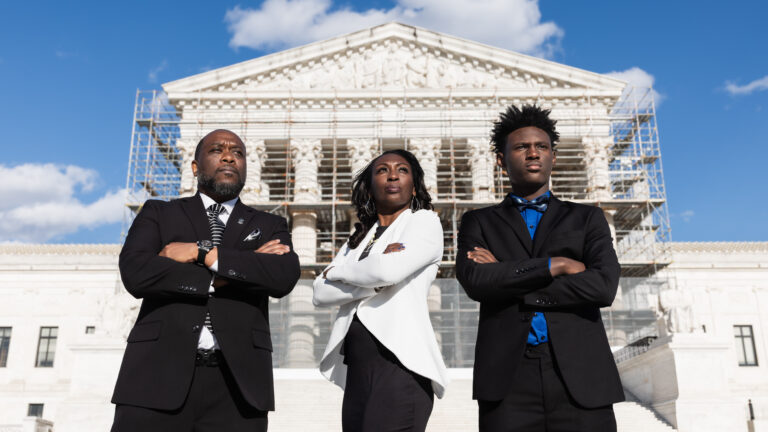
Before the sun came up one morning in 2017, Trina Martin, her 7-year-old son Gabe Watson, and her partner Toi Cliatt were startled awake by the sound of their front door crashing in and an explosion. Thinking criminals were breaking into their home, the family braced for danger. But the intruders turned out to be FBI agents who had raided the wrong house by mistake—failing to confirm, among other things, the house number.
After the ordeal, the government refused to pay for the damage its agents had caused, so Trina, Gabe, and Toi sued under a statute called the Federal Tort Claims Act (FTCA), which allows claims against the “United States, if a private person, would be liable[.]” But the government argued it was immune from suit because the agents were federal employees engaged in a “discretionary function” when they raided the wrong house. Surprisingly, the 11th U.S. Circuit Court of Appeals agreed.
With help from the Institute for Justice, Trina, Gabe, and Toi took their case to the U.S. Supreme Court, which ruled in their favor, vacated the 11th Circuit’s decision, and remanded the case for the court to address several important issues about the FTCA’s discretionary-function exception. On remand, the 11th Circuit held oral argument to address those issues. IJ Senior Attorney Patrick Jaicomo argued the case.
Listen to the Argument
Attorney Who Argued The Hearing
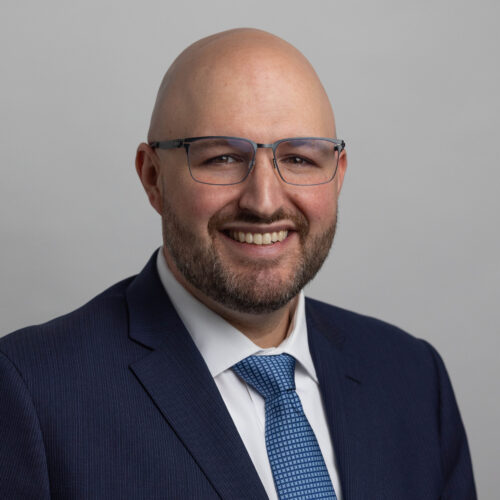
Patrick Jaicomo
Senior Attorney
about the case
Immunity and Accountability | Private Property | SWAT Destruction
The FBI Raided the Wrong Home—the Government Refuses to Pay for the Damage
FBI agents raided the wrong home in suburban Atlanta. Now the federal government refuses to compensate the victims even though Congress passed a law permitting suits for damages caused by federal employees.