
Victory! Virginia Woman Allowed to Work with Patients Following Judge’s Ruling; Lawsuit Continues
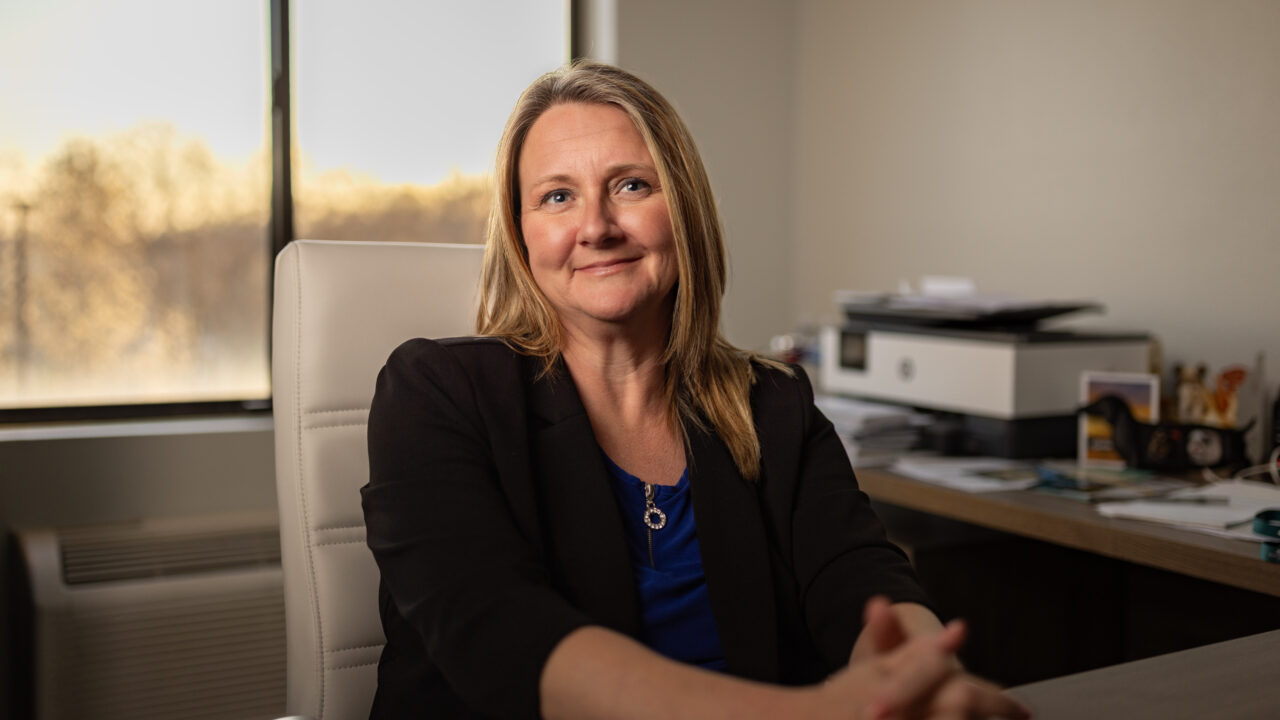
ARLINGTON, Va.—Last week, substance abuse counselor Melissa Brown successfully passed a “screening assessment” allowing her to begin working with patients again. Melissa is currently challenging Virginia’s “barrier crime” law, which prevented her from working with patients due to a decades-old conviction. Melissa went through the screening assessment after a federal judge ruled that Virginia couldn’t bar a qualified substance abuse counselor like her from the assessment given the law’s many exceptions. The lawsuit will continue to proceed during the state’s appeal. Melissa is represented in the lawsuit by the Institute for Justice (IJ).
“It’s great that Melissa can work with patients again, but there’s still work to do,” said IJ Senior Attorney Andrew Ward. “Every year, Virginia blocks hundreds of qualified professionals for convictions that are more than 20 years old. It’s crazy, as the state’s own witness admitted.”
Melissa made mistakes when she was younger and in the throes of addiction herself. Those mistakes came to a head in 2001, when she stole a purse to fund her drug habit. She was convicted of robbery, which prompted her to stop using drugs and turn her life around. After being released from prison, she earned a bachelor’s degree in psychology and began working as a substance abuse counselor to help people struggling with heroin. In 2018, she was even promoted to clinical supervisor. But, after new management took over the rehab center where she worked, she was fired because of Virginia’s law. It bars hiring people with convictions for any of 176 “barrier crimes” into a “direct care” position, which includes both substance abuse counselors and their direct supervisors. The law, however, excepts people with certain convictions from its lifetime ban, allowing them to work if they pass the screening. The court ruling extended that opportunity to Melissa.
“I am beyond grateful to finally be able to work with patients again,” Melissa said. “I hope that my case will allow others to have a second chance to be able to bring healing to those who are still suffering.”
Melissa began running her own substance abuse facility in May 2026. Passing the assessment now allows her to begin working directly with patients again.
IJ is leading the charge against permanent punishment laws on multiple fronts. In Pennsylvania, IJ won its challenge to a law requiring would-be cosmetologists to prove they had “good moral character” to work in skincare. In Tennessee, IJ stopped the Federal Communications Commission from revoking the broadcast license of Knoxville’s only Black-owned radio station because of the owner’s misstatement on his personal tax papers more than a decade earlier. And in Maryland, IJ halted a United States Department of Agriculture policy banning retail store owners with convictions related to alcohol, drugs, or firearms from accepting SNAP payments.
More News

4th Amendment Project
Institute for Justice Calls Flock Safety’s Proposed Reforms ‘Window Dressing’

Economic Liberty
Austin Councilmember, Public Interest Law Firm Applaud Austin’s New Microbusiness Resolution

4th Amendment Project