Victory! Humboldt County Settles Landmark Lawsuit, Ending Ruinous Fine System That Punished Innocent California Homeowners
County will withdraw all outstanding cannabis-related fines and overhaul a code-enforcement program the Ninth Circuit called an “overstep”
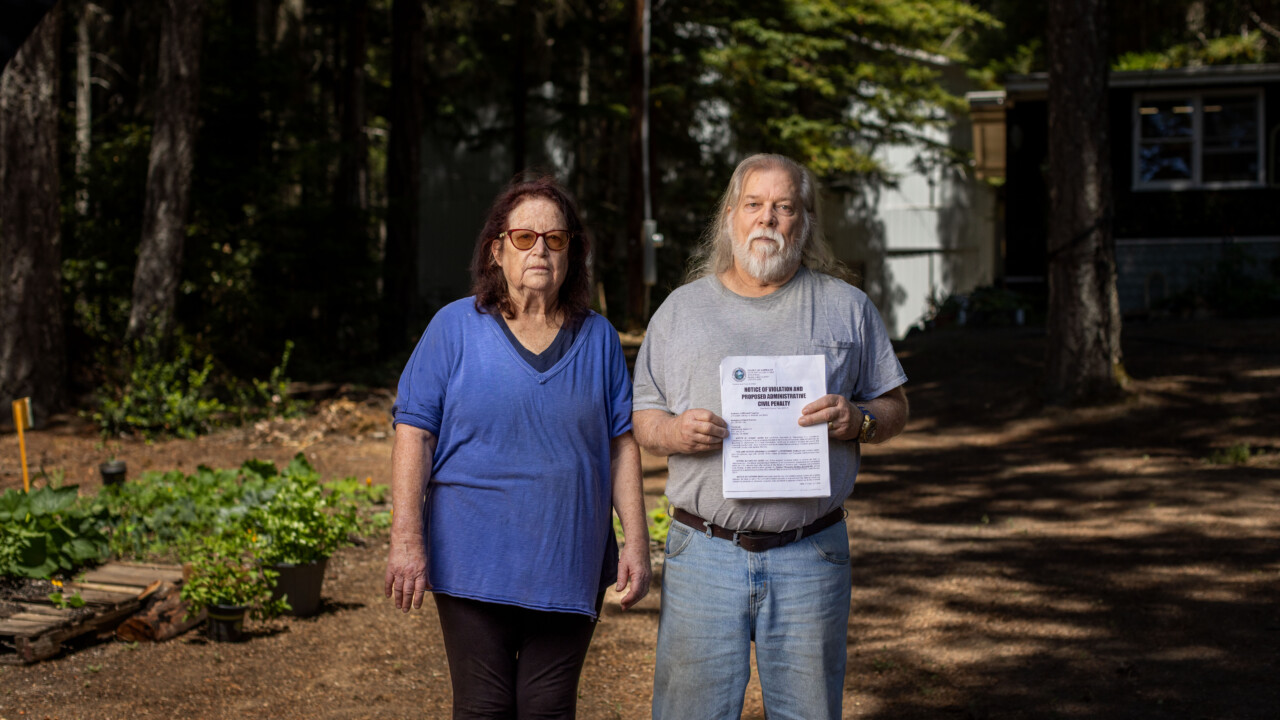
Five Humboldt County property owners, represented by the Institute for Justice (IJ), have reached a settlement with Humboldt County that dismantles the code-enforcement system the county used to hit innocent homeowners with fines of $10,000 or more per day for offenses they did not commit. Under the agreement, the county will withdraw every outstanding cannabis-related notice of violation for property owners who challenged the penalties and will adopt significant reforms to its code enforcement procedures going forward.
For property owners Humboldt charged with cannabis-related code violations, and for homeowners in every county tempted to run enforcement as a revenue business, the message is simple: the Constitution does not permit government to fine first and ask questions years later.
“Humboldt County spent years fining people more than their homes’ value for things they never did, and then delayed their day in court for years until the pressure to sign a settlement agreement became too much to resist,” said IJ Senior Attorney Jared McClain. “Today that unconstitutional money-making machine is dismantled. Our clients get their lives back, the county has agreed to repeal and replace its bad procedures, and every homeowner in the West now has a federal appellate decision holding that crushing fines and endless delay are real constitutional violations that can be challenged in court immediately. That win reaches far beyond Humboldt and will ensure that no one else has to wait years just to have their day in court.”
The settlement requires the county to change both its policies and its code. Its key terms include:
- Every outstanding fine against the plaintiffs erased—all active notices, fines, and fees withdrawn.
- A public retraction of the false allegations against the plaintiffs published online and in the local paper.
- A warning before a fine. The county must now send a warning letter first, giving owners 30 days to show there is no cannabis before the county can levy a fine.
- Real due process, at last. Specific notice of how a property is alleged to be in violation, a hearing within 60 days instead of years, no fines until the case is decided, permits no longer held hostage, and proof of actual cultivation before any penalty. New owners cannot be punished for a prior owner’s grow.
- Court oversight. The case is dismissed with prejudice, but the federal court keeps jurisdiction to enforce it for three years.
- A monetary settlement to cover the plaintiffs’ out-of-pocket costs and attorneys’ fees.
After losing in the district court, the 9th U.S. Circuit Court of Appeals reversed that dismissal in an opinion that took the county’s program apart. Calling Humboldt’s fines an “overstep,” the appeals court held that “there are clear and concrete injuries stemming from the imposition of the penalties,” and that “the continued imposition of such significant penalties has already caused Plaintiffs emotional and psychological distress.”
The decision revived the property owners’ constitutional claims and sent the case back for trial and brought the county to the table.
“The Ninth Circuit’s decision established something that should have been obvious: the government cannot threaten huge fines without providing a meaningful hearing before a neutral judge,” said IJ Senior Attorney Rob Johnson. “Governments across the country have learned to use process itself as the punishment—fine someone an impossible amount, then make them wait years for the hearing that might clear them. That is not enforcement; it is leverage. This settlement replaces that leverage with rules: a warning first, a real explanation of the charge, a hearing on a deadline, and no penalty until someone neutral has actually found a violation.”
More on Fines and Fees
Fines and Fees
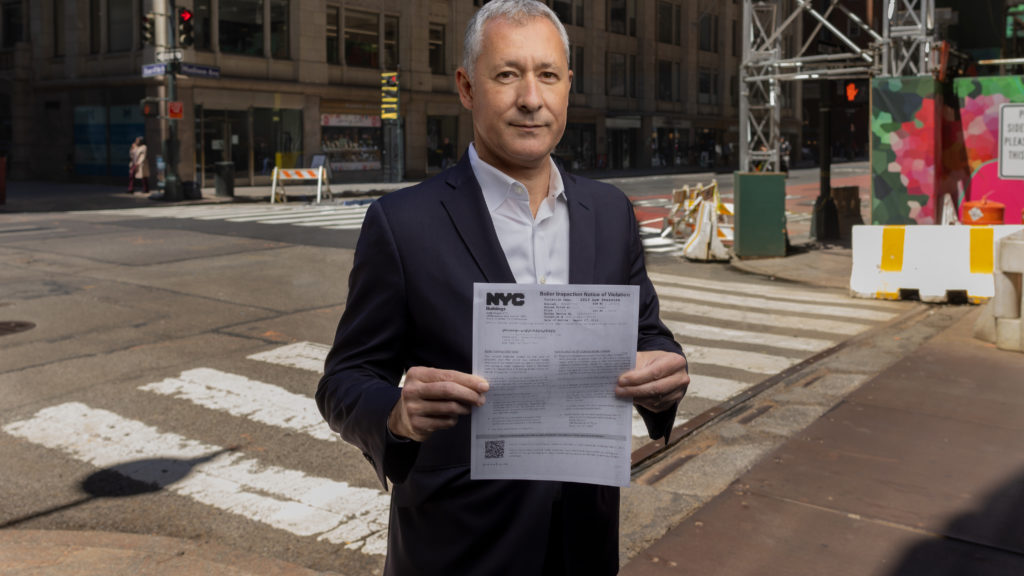
Supreme Court Declines to Hear Case Challenging New York City’s ‘Unreviewable’ Code Fines
Fines and Fees
Innocent Property Owner Asks Supreme Court to Hear Case Challenging New York City’s ‘Unreviewable’ Code Fines
Fines and Fees
