Minnesota Opens the Courthouse Doors to Innocent Joint Owners Facing Civil Forfeiture
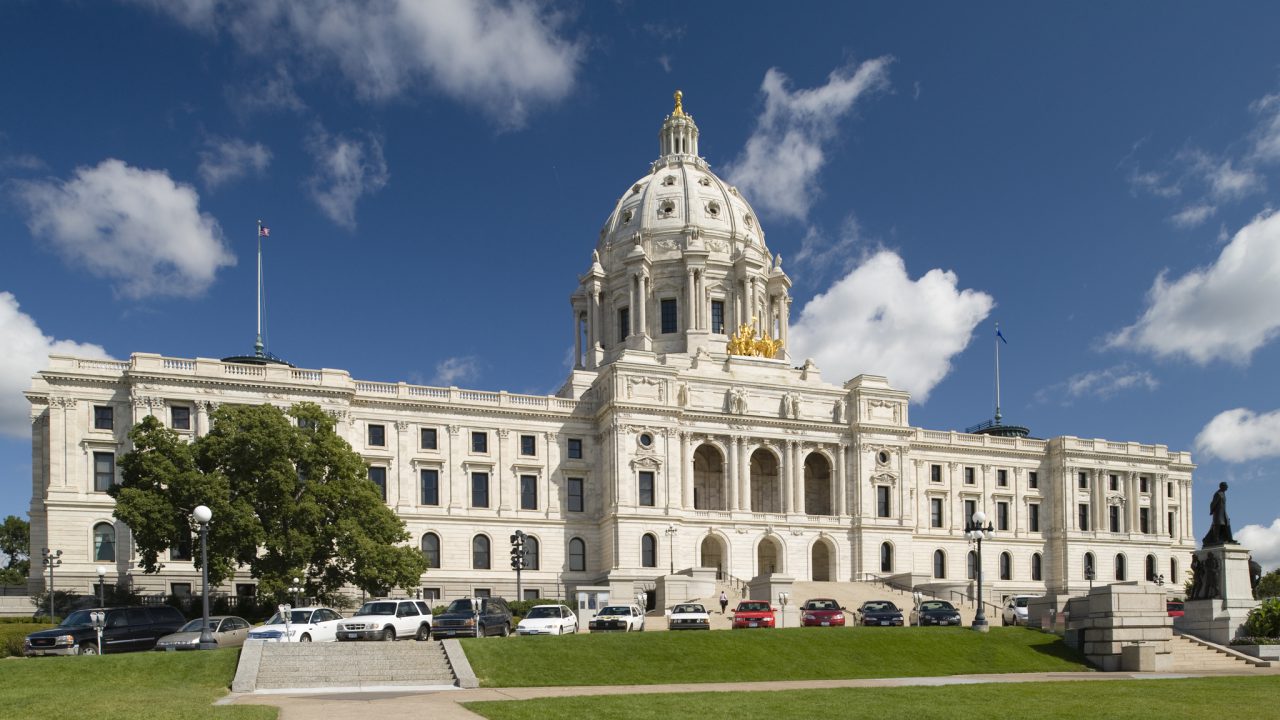
Today, Minnesota Gov. Mark Dayton signed SF 151 into law, which will allow innocent joint owners to challenge forfeiture against their property. Previously, if a Minnesotan jointly owned property with someone accused of certain DWI crimes, the innocent joint-owner could not even get into civil court.
“This reform will open the courthouse doors to wives, parents and other innocent owner claimants and overturn a troubling ruling by the Minnesota Supreme Court,” said Lee McGrath, managing attorney of the Institute for Justice Minnesota office and IJ’s senior legislative counsel.
David Laase knows this firsthand. In 2006, police arrested his wife for a DWI and she pled guilty to breaking the law. While she paid her court-imposed fines, Isanti County also seized their jointly-owned 2007 Chevrolet Tahoe—that David primarily drove—and moved to forfeit the car. Even though David Laase did prove his innocence, that still did not save the vehicle from forfeiture. In 2009, the Minnesota Supreme Court upheld the forfeiture, ruling that the state’s innocent-owner defense did not apply to joint owners.
“Every Minnesotan is due his day in court to protect his property from forfeiture,” said David Laase, the innocent owner in the Laase v. 2007 Chevrolet Tahoe case. “What happened to me should not be allowed to happen to any Minnesotan.”
SF 151 was authored by Sen. Scott Newman and Rep. Marion O’Neill, and passed both the Senate and House unanimously. Expanding Minnesota’s innocent-owner defense to joint owners builds on previous reform. In 2014, Minnesota enacted a law that requires a criminal conviction before property can be forfeited to the government.
However, other defects remain. Innocent owners still bear the burden of proof, effectively rendering them guilty until proven innocent. And Minnesota’s forfeiture laws allow law enforcement to collect 90 percent of the proceeds from forfeited property. According to a report by the Institute for Justice, police and prosecutors generated roughly $62.5 million in state forfeiture revenue from 2000 to 2013.
“SF 151 is a welcome fix, but the legislature should not rest,” Laase said. “Minnesota’s forfeiture laws incentivize law enforcement to seize property, particularly small amounts of cash from people who cannot afford to hire an attorney and vehicles free from liens, like my 2007 Chevrolet Tahoe.”
Minnesota is the latest state to enact forfeiture reform. Last month, Mississippi added new reporting requirements, while Utah banned forfeitures for cases when the owner is acquitted. Since 2014, 19 states and Washington, D.C. have tightened their forfeiture laws. Currently, around 20 states are considering reform legislation.
More on Private Property

Private Property
Court Says Marion County Must Clearly State What Crime Was Committed Before Taking Money Seized at FedEx Hub
Private Property
South Bend Mom’s Fight for Compensation After Police Wrecked Her Home Heads to State Court After Supreme Court Turns Down Appeal
Private Property
