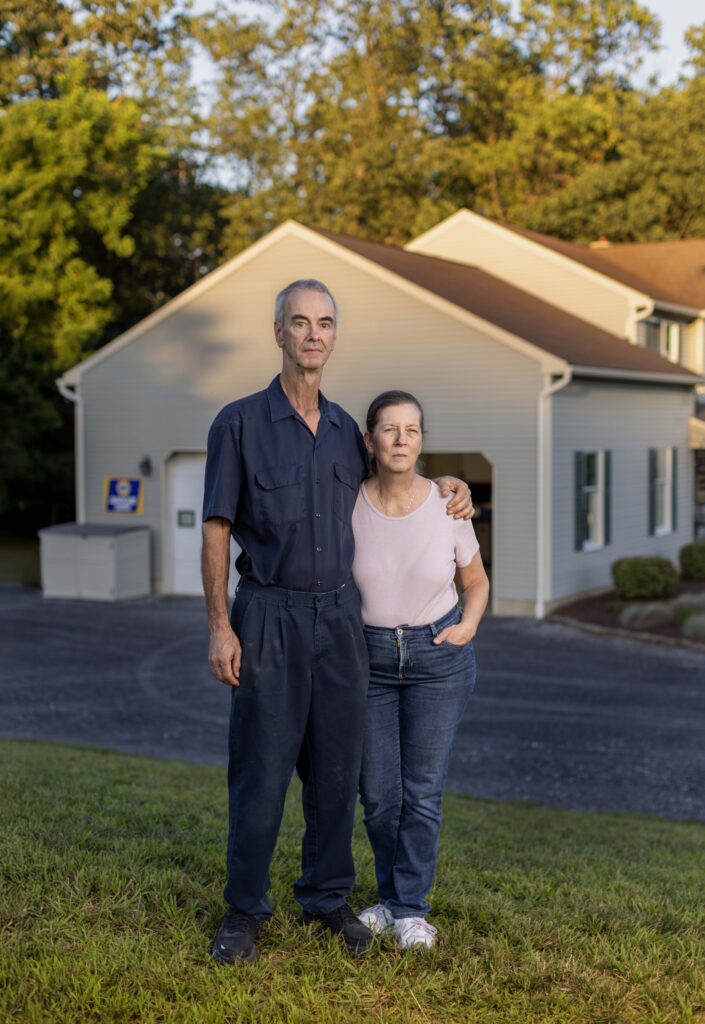
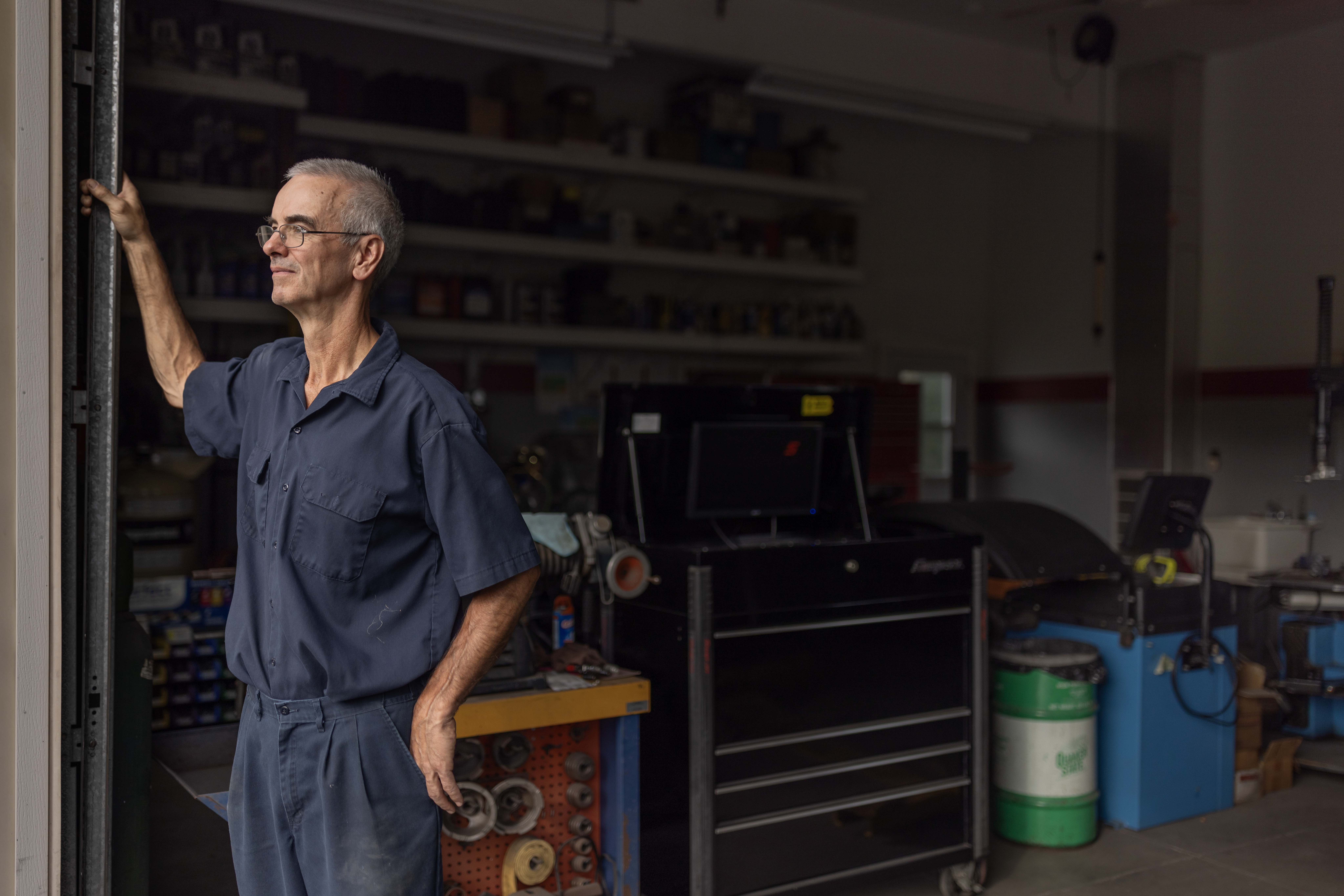
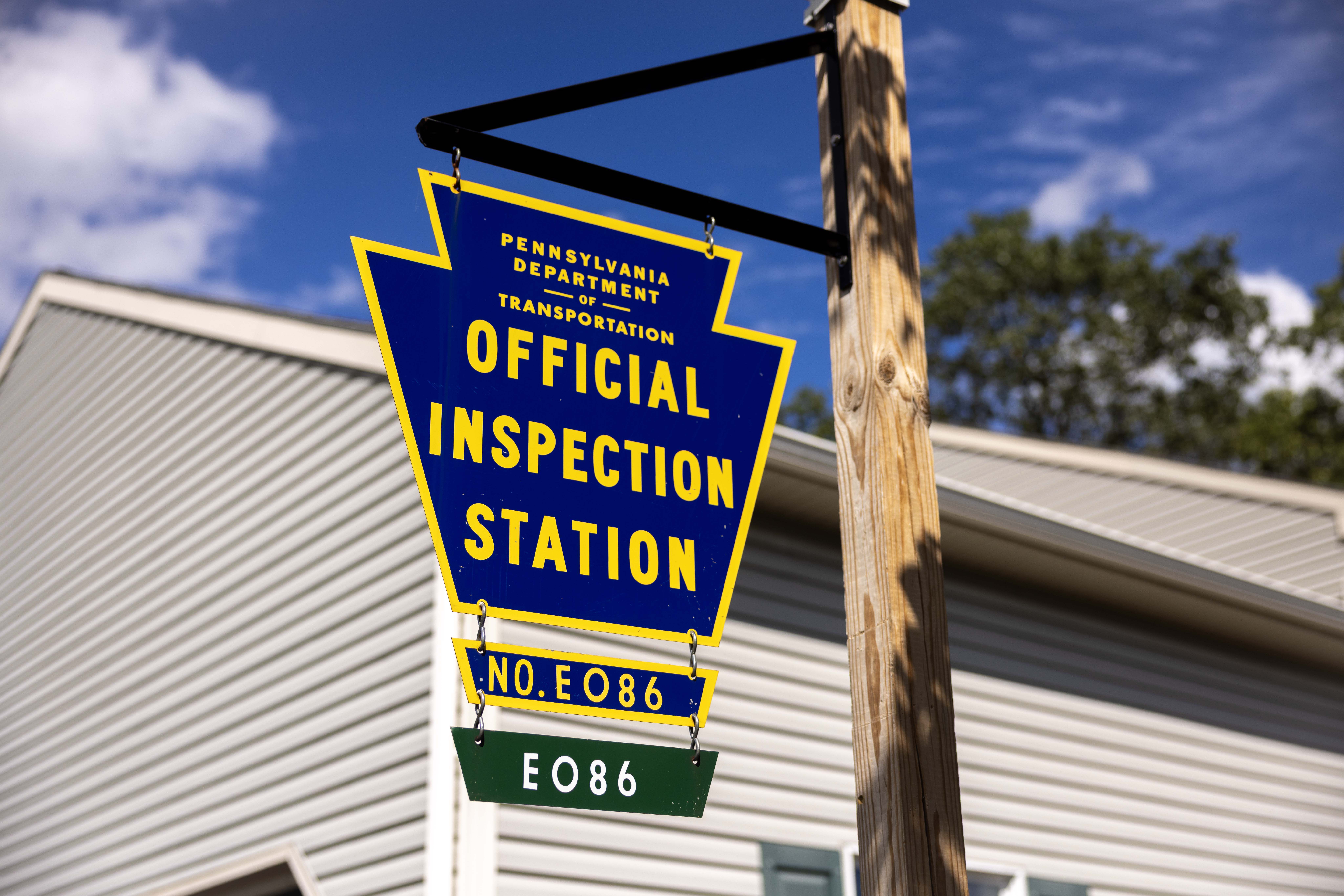
Zoning laws were never meant to give government the power to erase a harmless, beloved 24-year-old business. Yet that’s exactly what North Whitehall Township is doing to Gene and Debbie Weierbach’s auto repair shop—weaponizing the zoning code to shut it down. But the repair shop has broad community support and has operated in that location for more than two decades. And yet North Whitehall is singling them out—all because they crossed the township’s most powerful politician.
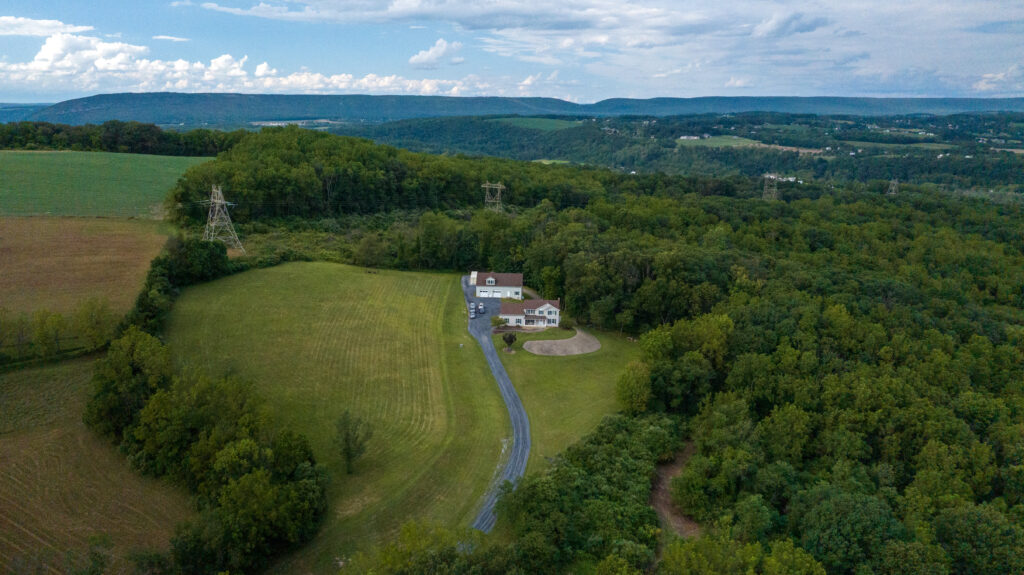
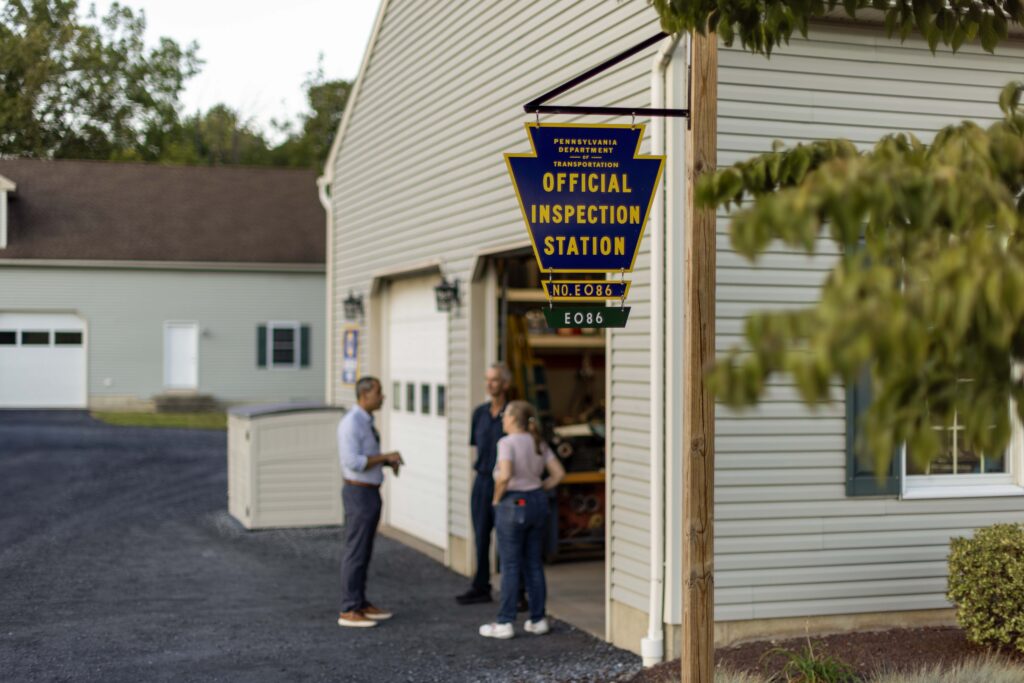
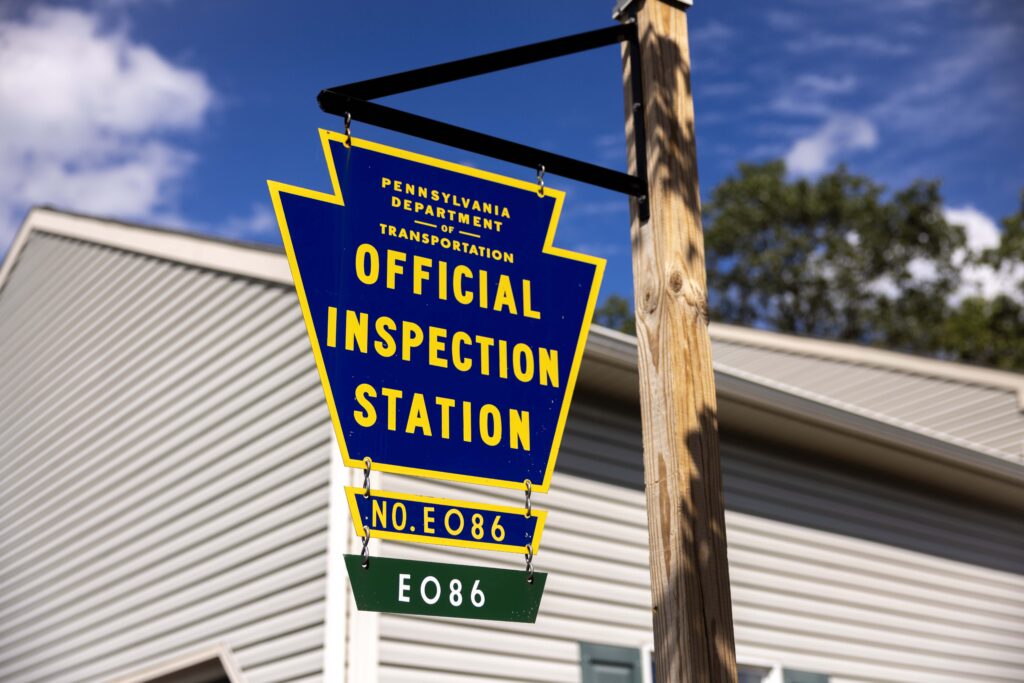
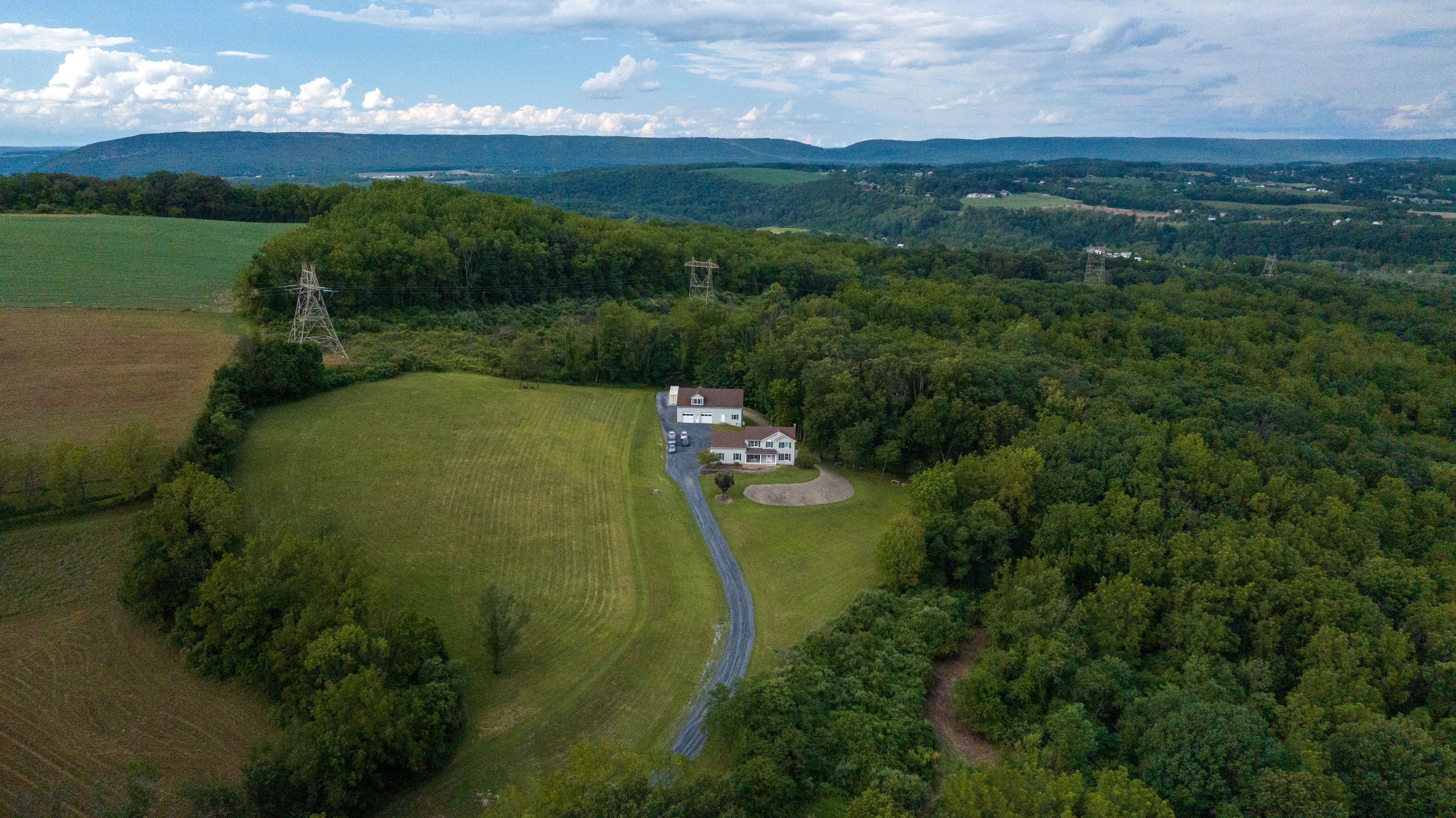
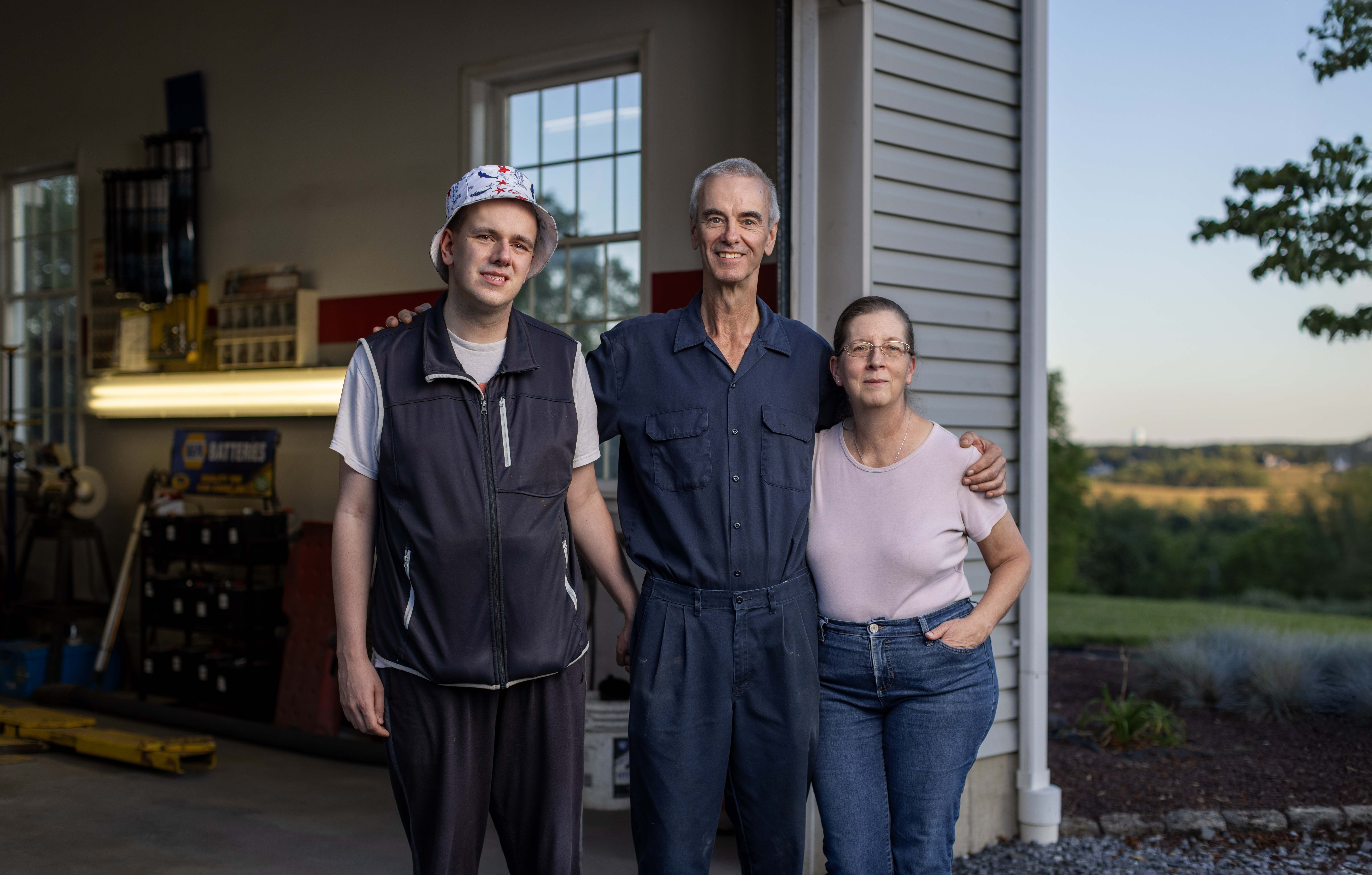
The Weierbachs run a small, appointment-only auto shop from their home’s garage. Tucked away on their secluded 16-acre property, the shop is hidden from view, has never drawn a single complaint, and enjoys the full support of neighbors. For Gene and Debbie, the shop is more than just a livelihood—it makes it possible for Gene to remain at home to care for their autistic adult son.
Now the Weierbachs risk losing everything because they got on the wrong side of the township’s top official, Supervisor Dennis Klusaritz. Between 2021 and 2023, Klusaritz was a frequent customer, bringing several cars to Gene, including his BMW. After accusing Gene of incompetence and overcharging for work on the BMW, Klusaritz was politely told to take his business elsewhere.
Soon afterward, Klusaritz admitted that he asked township zoning police to investigate the shop. Although township codes prohibit home “auto repair garages,” that rule has apparently never been enforced—despite the existence of another long-running home auto shop nearby. Nevertheless, the township ordered the Weierbachs’ shop closed.
To save their livelihood, the Weierbachs applied for a variance, which would have granted them formal permission to keep operating. At the hearing before the Township Zoning Hearing Board, 20 neighbors and customers testified in their support, and no one spoke against them. Even the board acknowledged that the shop caused no harm. Yet in the end, it still denied the variance, ordering the Weierbachs to shut their doors.
The Institute for Justice (IJ) is now representing the Weierbachs to challenge this abuse of power. The Pennsylvania and U.S. Constitutions do not allow the government to shut down a harmless business over a technical zoning violation or to weaponize zoning codes out of retaliation. A victory will secure justice for the Weierbachs and help protect home-based entrepreneurs nationwide from arbitrary and abusive zoning enforcement.
Case Team
Client
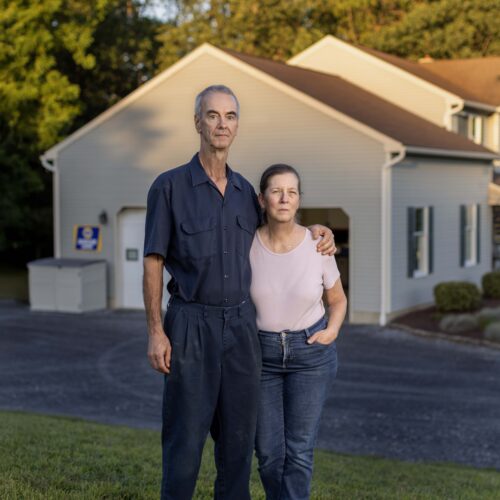
Gene and Debbie Weierbach
Client
Attorneys


Staff

Dan King
Assistant Director of Media Relations

Elina Pavlukhina
Paralegal
Case Documents
Media Resources
Get in touch with the media contact for image resources, press releases, and interview requests.
Media Images
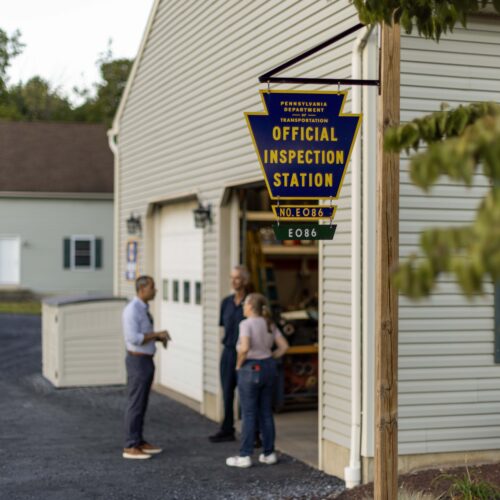
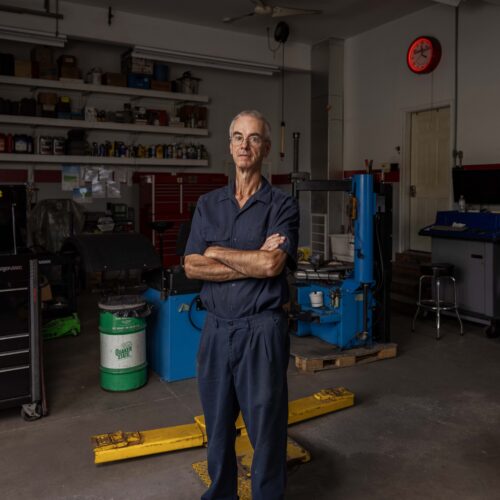
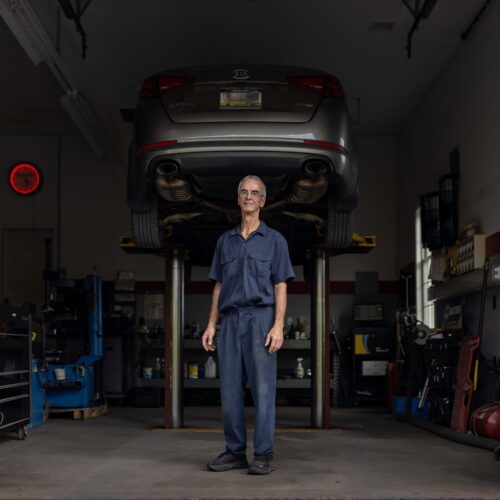

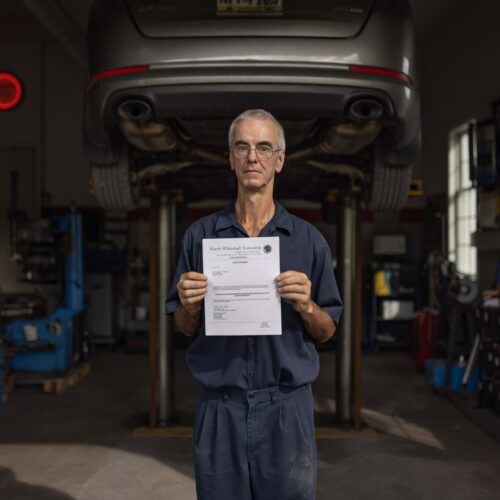
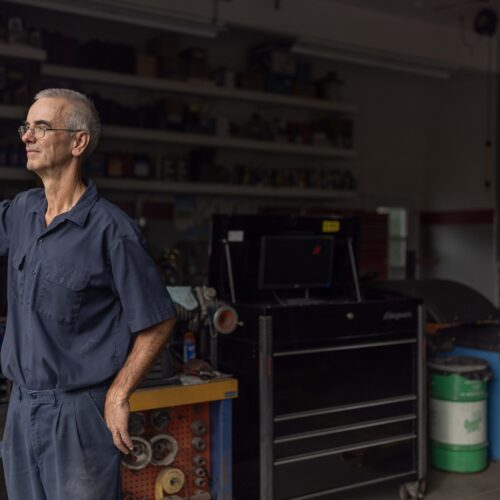
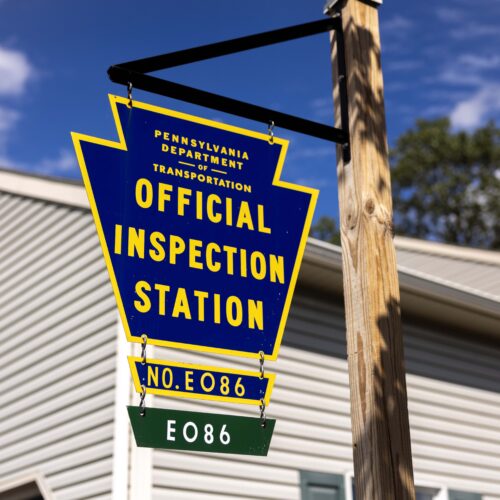
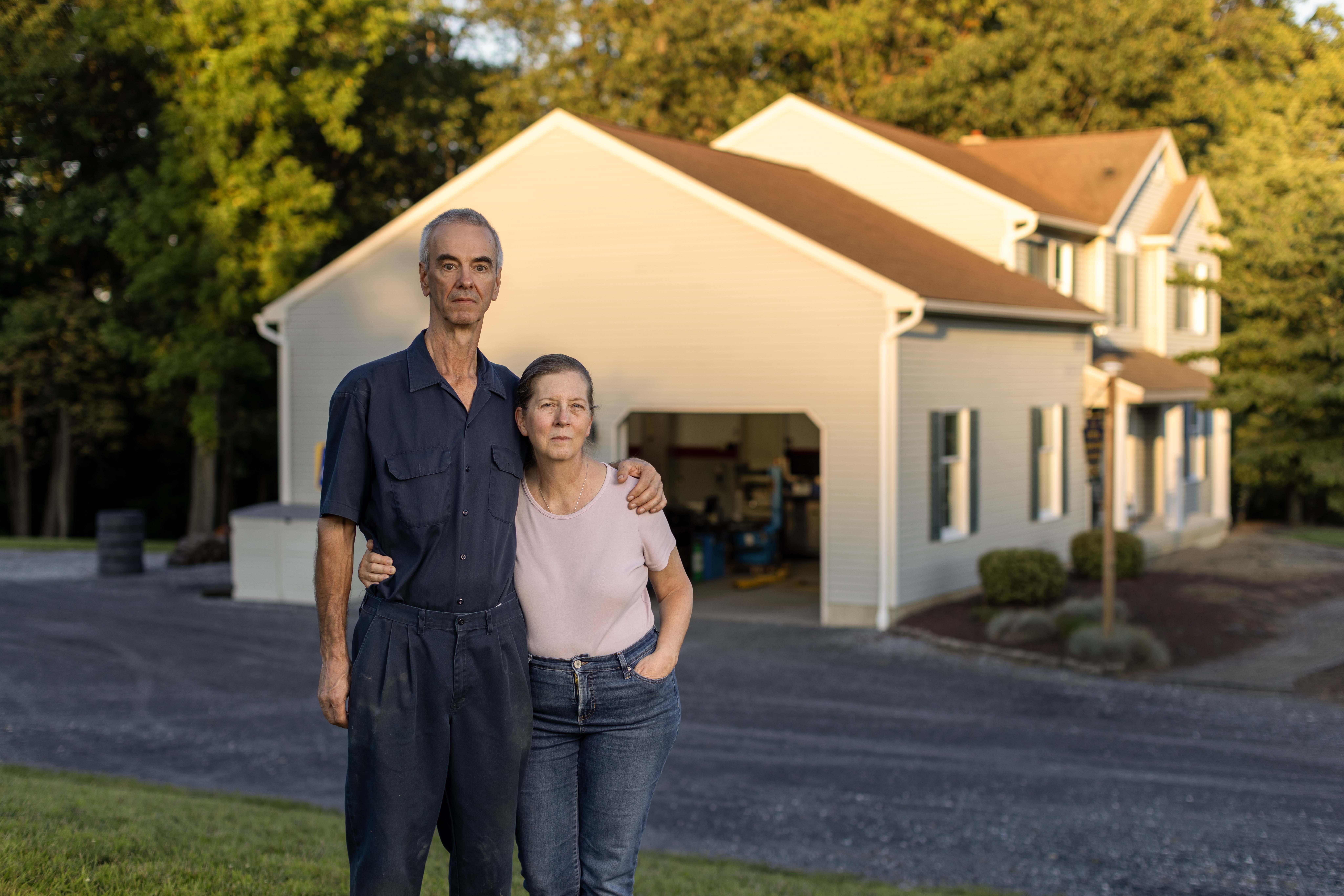
Gene Weierbach and His Home Auto Repair Shop
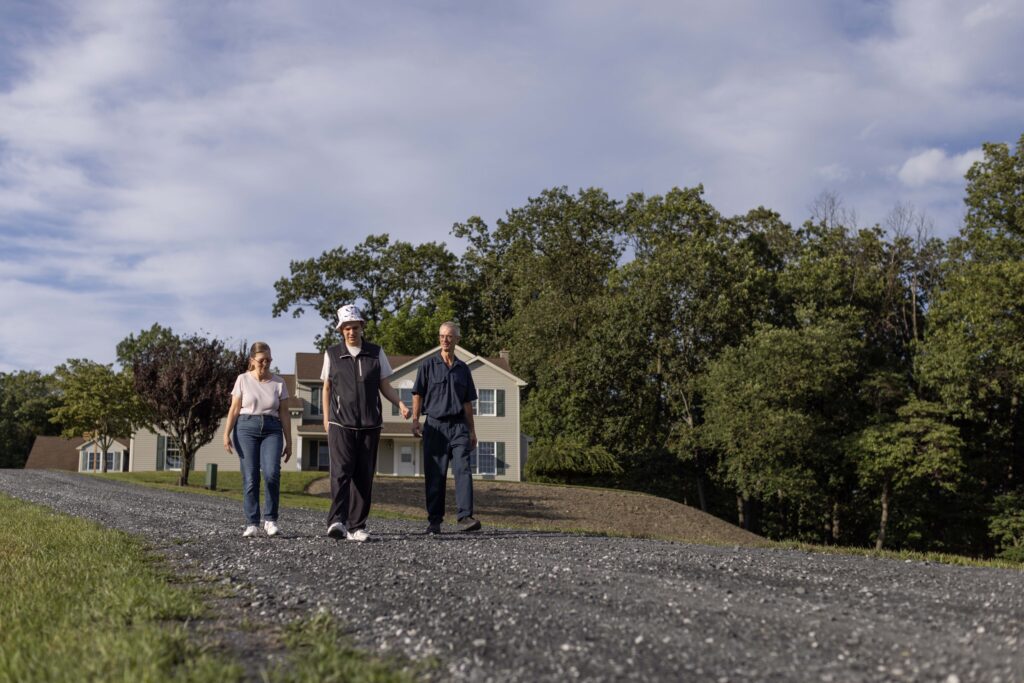
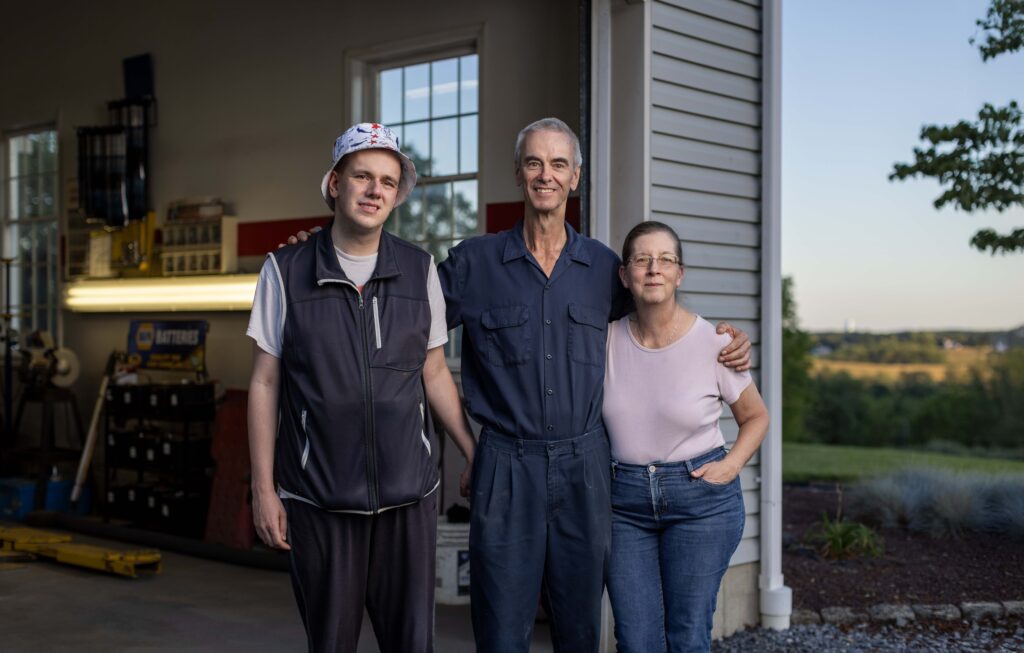
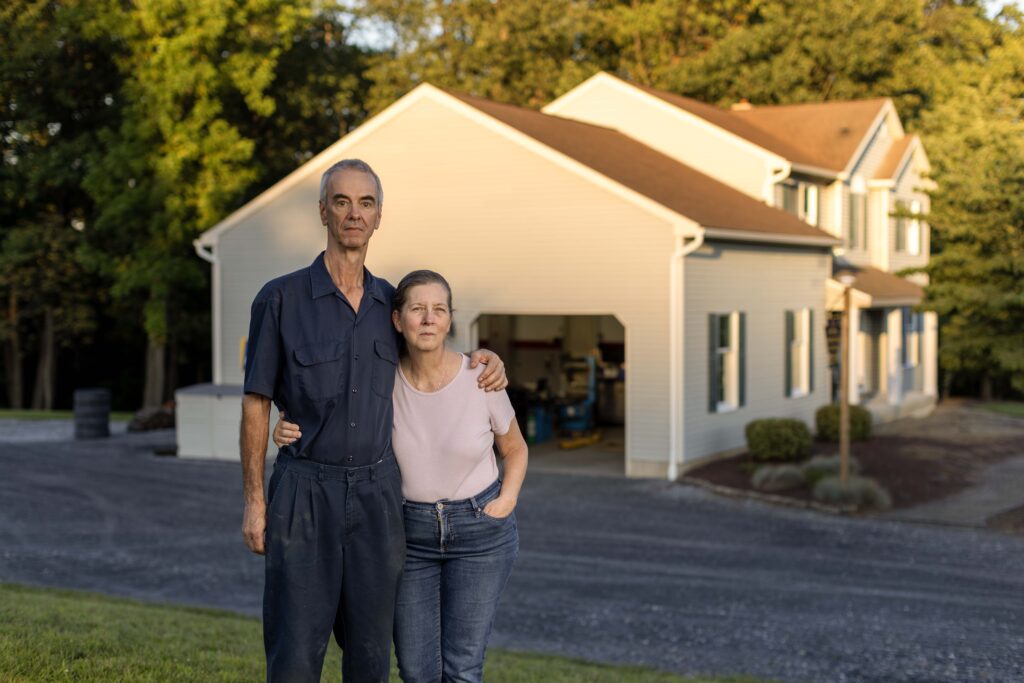
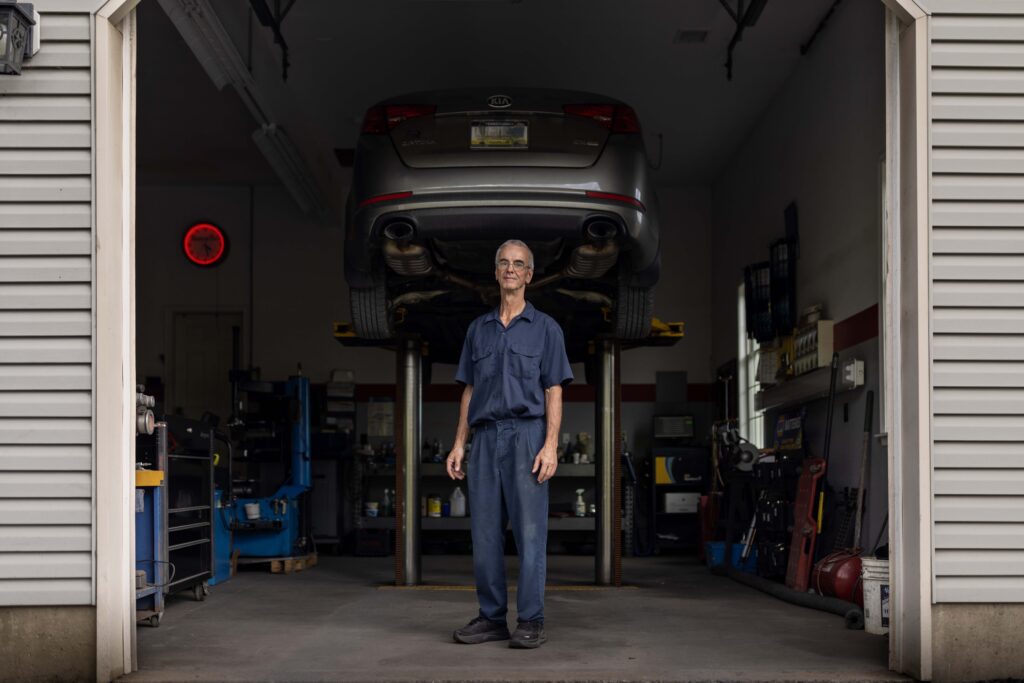
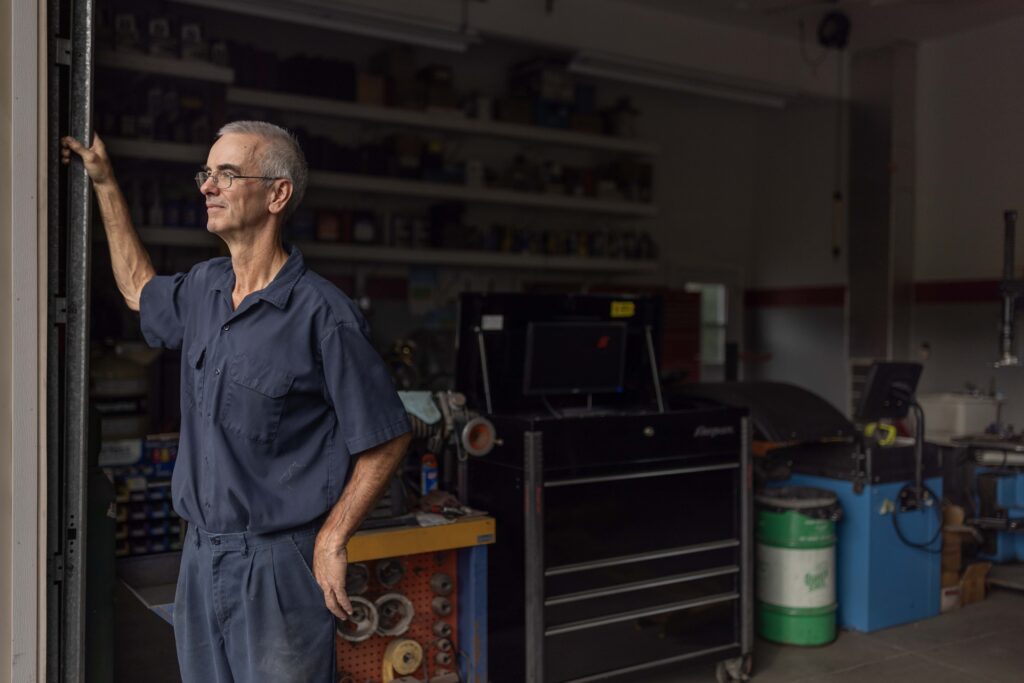
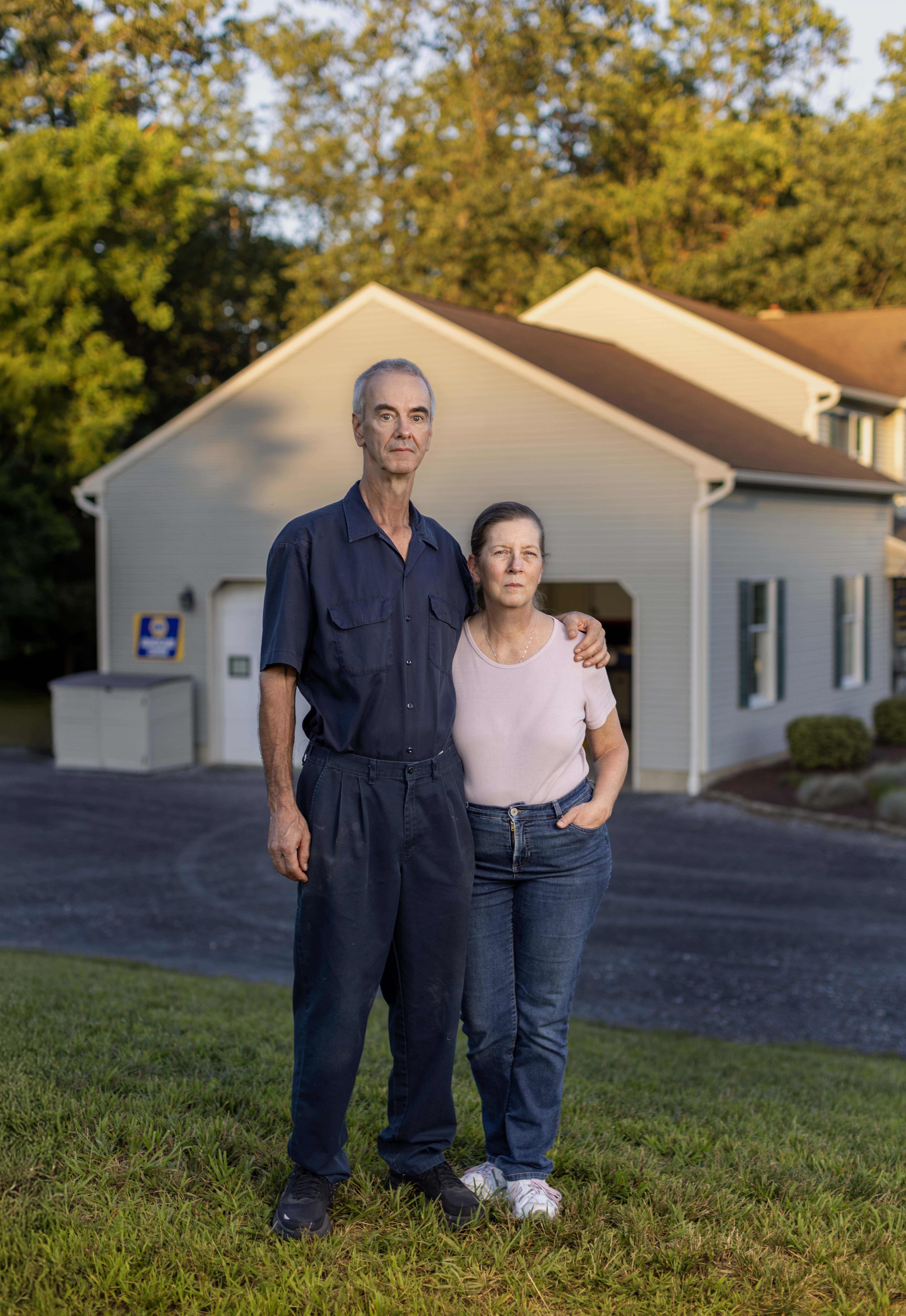
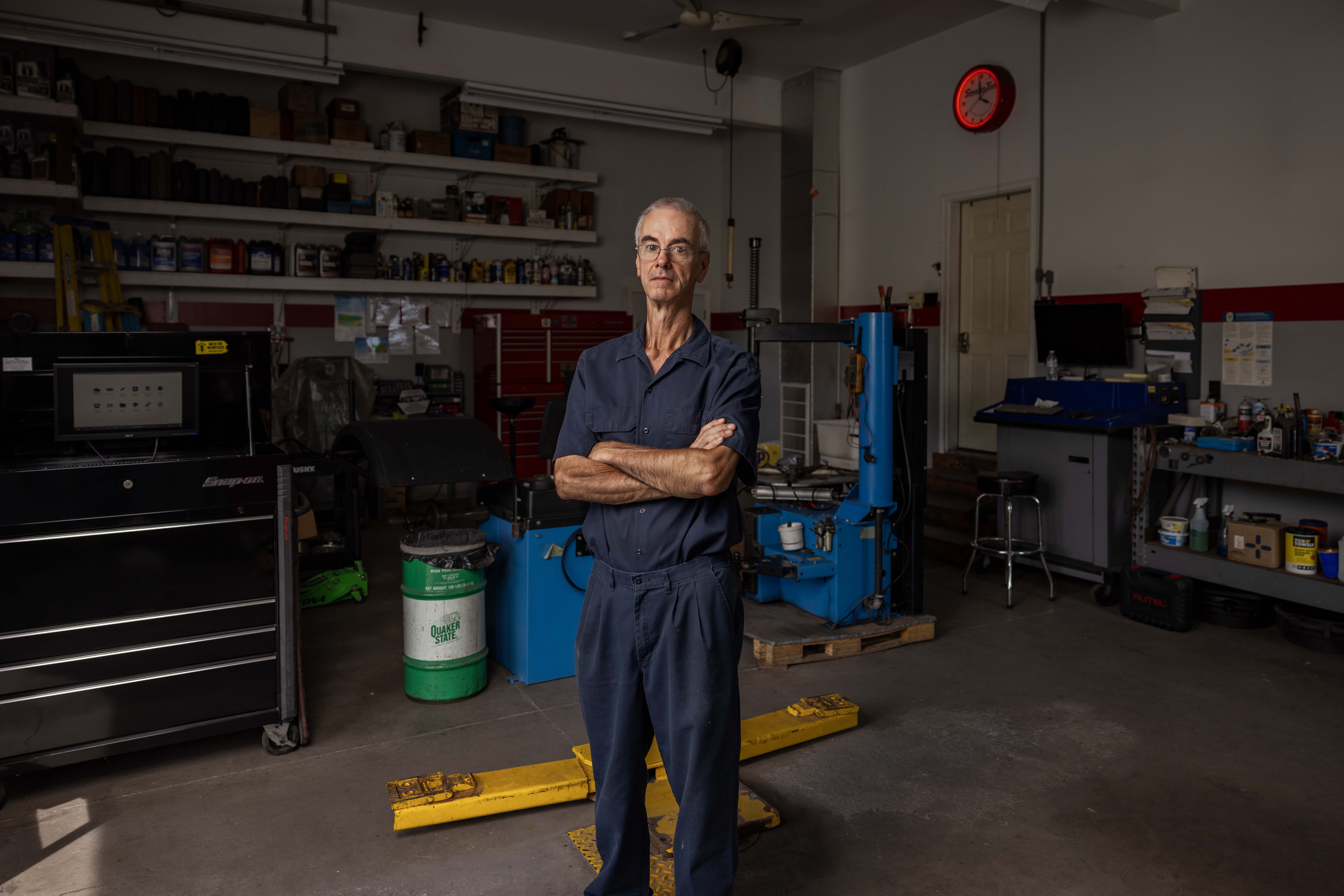
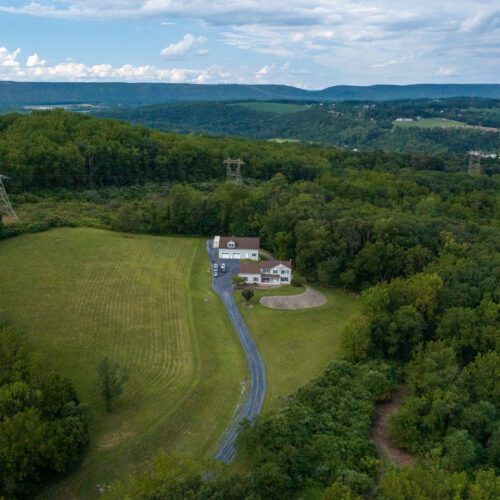
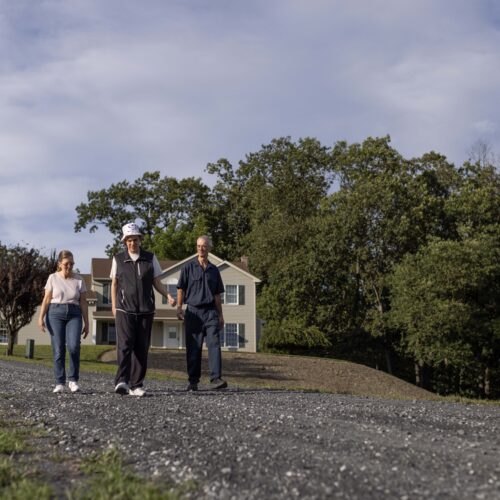
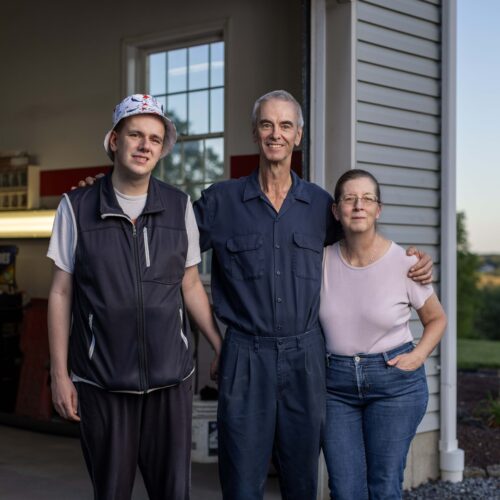
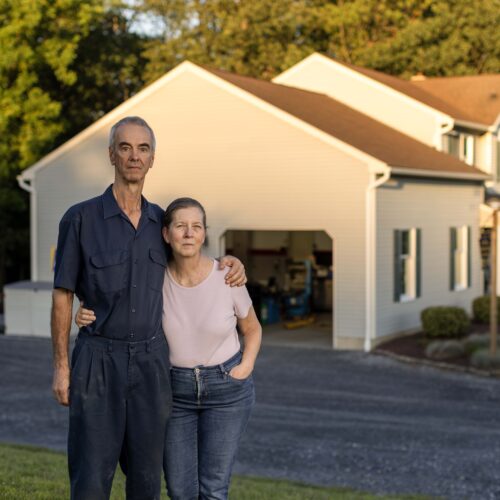
Gene Weierbach, 62, has operated a home auto-repair shop for 24 years on the 16-acre property he shares with his wife, Debbie. A lifelong car enthusiast, Gene spent his career working in auto shops but always dreamed of running his own business. He achieved that dream in 2001, when he and Debbie built their home in rural Pennsylvania—designing the attached garage to be an auto shop.
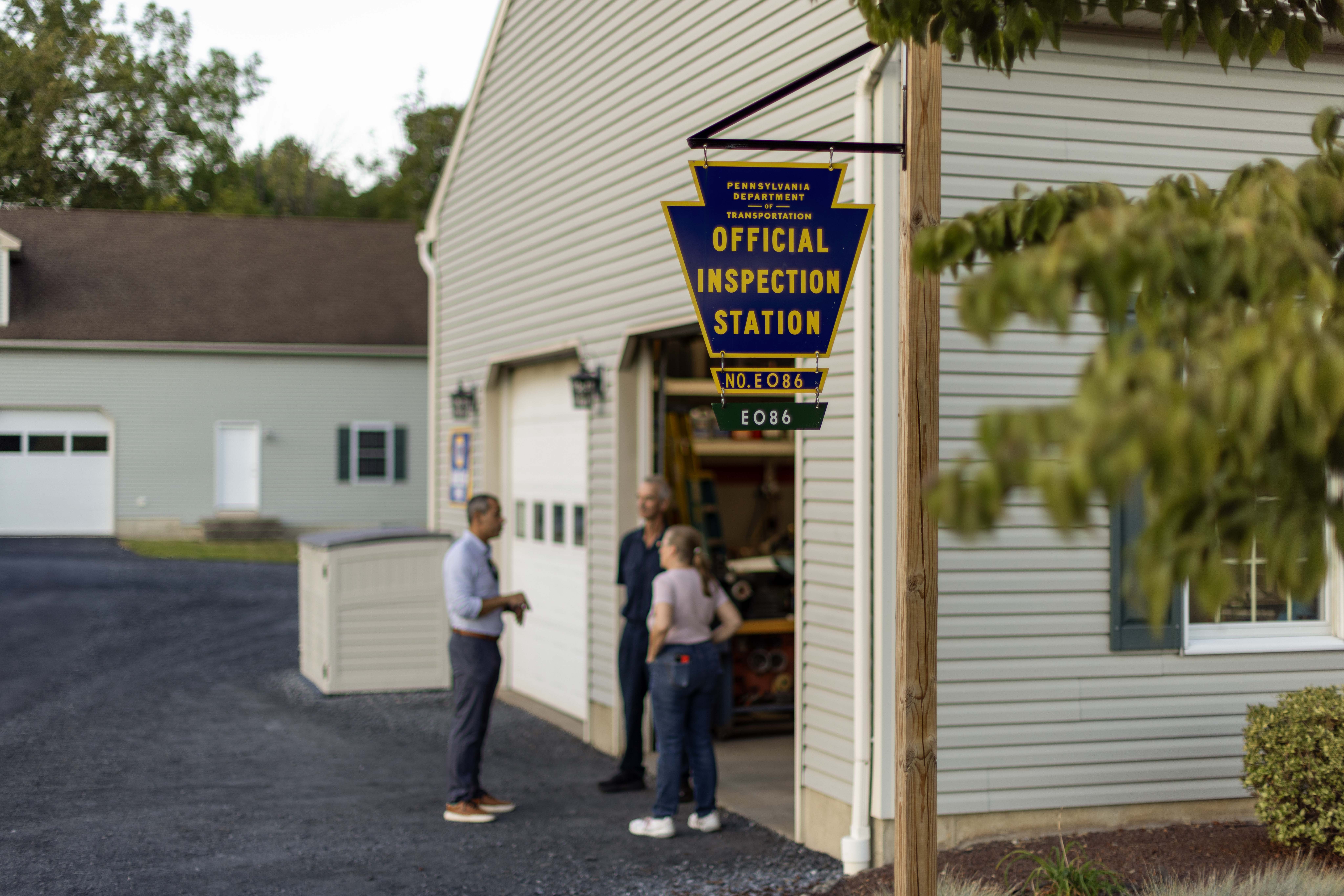
The Weierbachs’ property is wooded and secluded, and the business is tucked out of sight—hidden from both the road and the neighbors. It is a small business that takes cars by appointment only, with no employees. Gene keeps his shop and property neat as a pin.
The business is also essential to the Weierbachs: It allows Gene to be at home so he can help care for their son, who is severely autistic and sometimes experiences episodes that require Gene’s physical presence.
The Weierbachs are beloved by their customers and neighbors. For decades, no one ever complained about their business—until Gene crossed the wrong person: Township Supervisor Dennis Klusaritz.
Township Supervisor Dennis Klusaritz Targets Gene after a Business Dispute
Supervisor Klusaritz was a regular customer at Gene’s shop between 2021 and 2023, during which time Supervisor Klusaritz repeatedly brought Gene three different cars to work on, including an old BMW with multiple mechanical and wiring issues. Supervisor Klusaritz and Gene had a falling out after Supervisor Klusaritz accused Gene of incompetence and overcharging for repairs to the BMW.
Shortly after the dispute, Supervisor Klusaritz asked the township to investigate Gene’s business—a fact no one now disputes. At first, however, the township claimed the investigation was triggered by an anonymous voicemail complaint. Later, Klusaritz testified under oath that he—not an anonymous caller—submitted the complaint, passing it directly to the township’s zoning director. Yet Klusaritz tried to claim he was just passing on a complaint from a friend whose name he could not recall. But that explanation also quickly unraveled. Under further questioning, Klusaritz ultimately admitted that no real complaint existed at all—the investigation began, he said, only because of idle “gossip” about Gene’s shop during a breakfast conversation with that unnamed friend.
Township Launches Two-Year Campaign to Shut Down Gene’s Shop
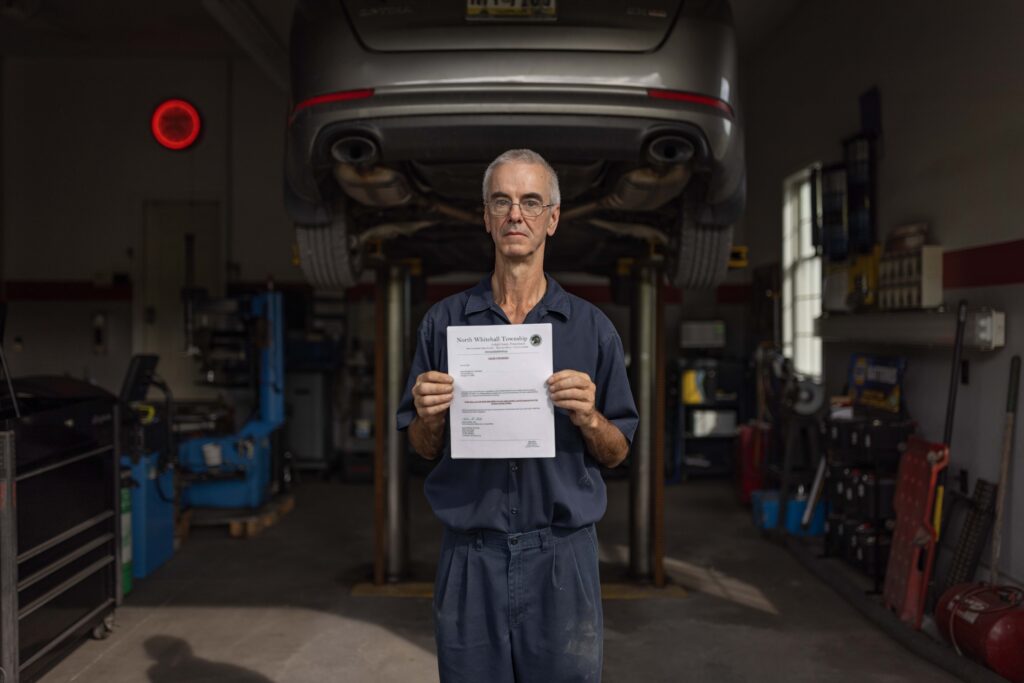
While the county ordinance permits a variety of home businesses, it bans home “auto repair garages.” 1 And unlike other home businesses, which are allowed outright or allowed after an individual assessment by the township (including, even home “auto service stations,” 2 ) auto repair garages are banned without exception. As a result, the township issued the Weierbachs a citation and a cease-and-desist letter to close their business in 2023.
After receiving the cease-and-desist order, the Weierbachs hired a lawyer and applied for a variance to keep their shop open. At the hearing, 16 neighbors and customers testified in support. No one opposed, and the Zoning Hearing Board approved the variance.
Then, in an unusual twist, the township itself appealed the zoning board’s decision—despite never raising any objection during the hearing. The appeal appears to have been pushed by Supervisor Klusaritz, who is one of three township supervisors. Because only two votes are needed to authorize an appeal, Klusaritz’s support, together with that of at least one other supervisor, was enough to send the case to court.
Faced with this unexpected appeal, the Weierbachs’ lawyer asked the court to send the case back to the Zoning Hearing Board so they could gather new facts and make new legal arguments. The court agreed, and sent the case back to the board.
The board then held four more hearings. In another twist, the board reversed course and revoked the variance—despite openly acknowledging that the Weierbachs’ shop causes no harm, is hidden from view, and enjoys strong neighbor support. The board concluded its hands were tied: the zoning code’s blanket ban on auto shops and rigid variance criteria left it no choice but to deny the variance request.
The Weierbachs wanted to fight this injustice, but they have spent more than $50,000 in legal fees fighting the township.
Current Legal Actions
Now, IJ has teamed up with the Weierbachs. IJ has submitted a constitutional challenge to the zoning code’s ban on auto repair shops, along with a proposal to change the zoning ordinance to allow the Weierbachs’ business. IJ submitted the challenge to the township supervisors. If the township supervisors accept the Weierbachs’ proposal, the Weierbachs will be able to continue operating.
At the same time, the Weierbachs’ current attorney, William Fries, has appealed the denial of the Weierbachs’ variance to state court. The challenge was submitted on August 28 and the appeal was filed on August 29.
Legal Claims
The township cannot shut down a harmless business that isn’t bothering anyone simply because it technically violates the zoning code. The Pennsylvania Constitution protects the right to earn an honest living—and that right includes protection from being shut down for no good reason.
Just four years ago, in an IJ case, Ladd v. Real Estate Commission of Pennsylvania, the Pennsylvania Supreme Court ruled that the government can only restrict someone’s right to earn a living if the restriction has a real-world connection to protecting public health, safety, or welfare. The court also made clear that Pennsylvania gives stronger protection to economic liberty than the federal courts and most other states. The township’s actions here are not allowed under the Ladd case.
Indeed, North Whitehall Township bans all home auto repair shops without any individualized assessment of a business’s actual impact. This blanket prohibition arbitrarily forbids the Weierbachs’ long-standing, neighbor-supported shop—a business the Township Zoning Hearing Board itself has acknowledged causes no harm. Shutting down this business violates the substantive due process protections for economic liberty in both the Pennsylvania and U.S. Constitutions.
The township’s actions also violate equal protection. While it allows many other home-based businesses—including even auto service stations—either outright or after individualized review, it completely bans Gene’s business. Yet these other permitted uses can sometimes create negative impacts, such as increased traffic and parking congestion, while Gene’s shop has no negative impacts. This inconsistent treatment has no rational basis.
As recently as August 2025, IJ prevailed on these same grounds in our Nashville Home Business case. There, the Tennessee Court of Appeals struck down similar differential treatment of home businesses and held that the city’s shutdown of a home recording studio was unconstitutional. IJ is awaiting word on whether that case will be appealed.
Finally, the township’s enforcement violates both the Pennsylvania and U.S. Constitutions’ protection against selective enforcement. For more than two decades, township officials ignored other home auto shops in North Whitehall, including one nearby. Yet township officials went after the Weierbachs after a personal dispute with its top elected official. This kind of arbitrary, targeted enforcement violates the guarantee of equal treatment under the law.
By pursuing these claims, IJ seeks not only justice for the Weierbachs, but also to set precedent protecting other home-based entrepreneurs from zoning law abuse.
Litigation Team
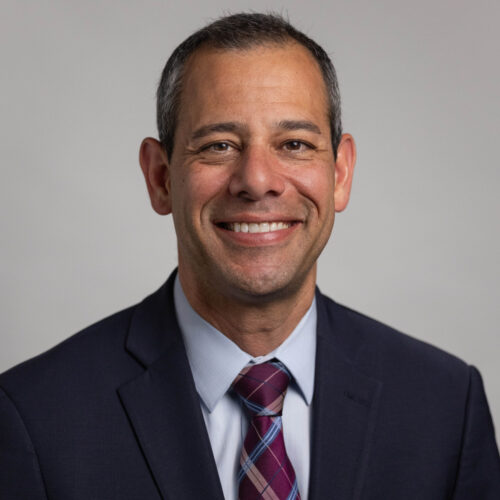
The litigation team consists of IJ Senior Attorney Ari Bargil, IJ Attorney Daniel Woislaw, and local counsel William Fries from Fitzpatrick Lentz & Bubba, P.C in Allentown.
The Institute for Justice
The Institute for Justice is a public-interest law firm that secures the constitutional rights of everyday Americans against government abuse. Since its first case in 1991, IJ has fought to protect entrepreneurs like the Weierbachs and their right to earn a living without arbitrary government interference.
Governments often violate entrepreneurs’ rights through irrational zoning laws. IJ has fought these abuses for more than 30 years and recently launched its Zoning Justice Project in 2024 to expand that work. As part of the project, IJ won a case for Awa Diagne after Fulton County, Georgia, tried to block her hair braiding salon to protect a nearby competitor. The court ruled in Awa’s favor and ordered the county to let her open.
Last year, IJ won a case challenging South Fulton, Georgia’s use of zoning to block a small business owner from opening because it would provide too much competition for existing businesses. Earlier this year, IJ won a battle to keep a Montana homeless shelter open, after city officials tried to use zoning to shut it down. And last month, a court ruled in favor of IJ client Tiny House Hand Up in its lawsuit challenging Calhoun, Georgia’s ban on building homes smaller than 1,150 square-feet. The Weierbachs’ case is another example of IJ leading the charge to fight back against zoning abuse and protecting the right to earn an honest living.