Lightning Strike: IJ Springs Into Action To Block Invasive, Unconstitutional Federal Surveillance Rules
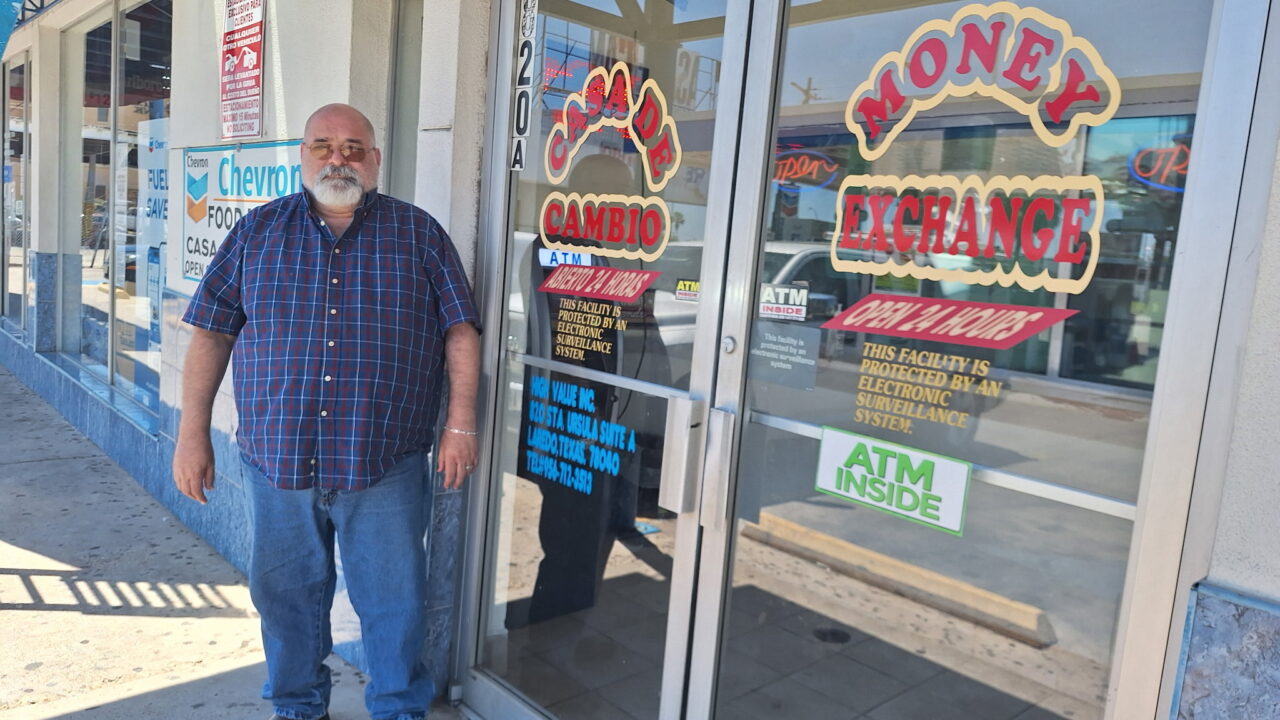
When the federal government announced an Orwellian change to surveillance rules aimed at businesses and communities near the southwest border, we knew we had to move fast.
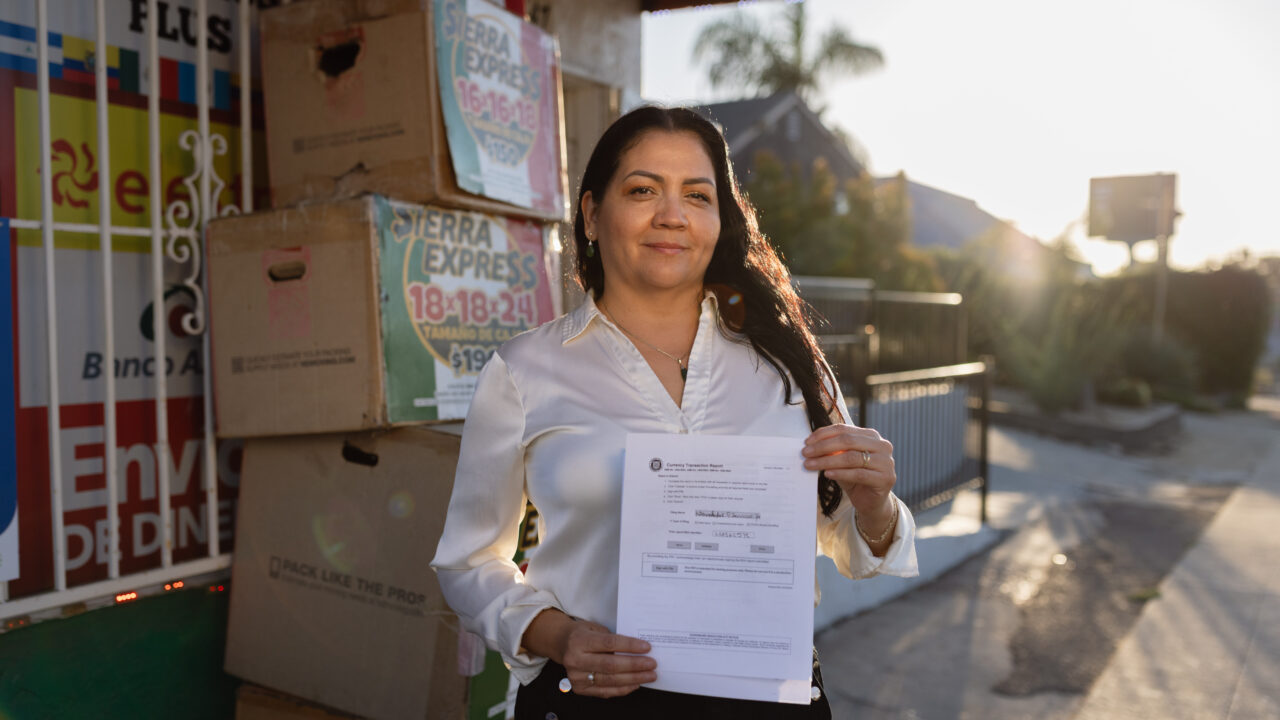
The rules targeted people like Esperanza Gomez, who runs a business in San Diego helping customers cash paychecks, send money to family, and take out money orders for things like paying rent. Normally, businesses like Esperanza’s are required to report cash transactions over $10,000 to federal law enforcement. But for 30 ZIP codes along the border in California and Texas, the government dropped that to just $200.
The change threatened to destroy Esperanza’s business—and hundreds like it. Esperanza’s shop has never had a cash transaction over $10,000, but nearly all its transactions are over $200. At over 20 minutes per report, completing all the necessary paperwork would take more hours than there are in a day. Penalties for missed reports are steep: over $70,000 per report.
Plus, once information is reported to law enforcement, there is typically no getting it back. The government was about to suction up private information about the financial activities of countless innocent people, across an area with a population over a million, to store in a D.C. law enforcement database.
It was an impending Fourth Amendment disaster. If the government wants information about these kinds of private transactions, it should get a warrant. Instead, the government was demanding all this information without a warrant or even concrete suspicion of a crime.
On top of that, it wasn’t even clear what the government was realistically going to accomplish. If criminals were laundering money in $200 increments (which seems very unlikely), they would just take their cash down the road to other ZIP codes not covered by the order. Only innocent people would be caught in the dragnet.
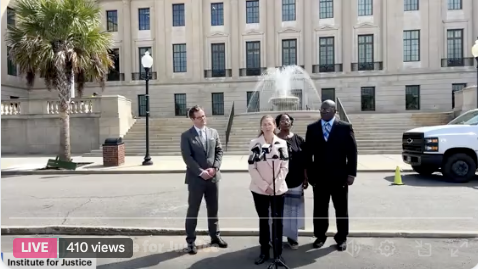
So we sprang into action. IJ lawyers went flying to California, driving across Texas, and then straight to their desks—writing up legal papers. The new rules went into effect April 14, we filed our case one day later, and just one week after that we were in a courtroom in San Diego presenting Esperanza’s case to a federal judge.
The judge ruled from the bench: She found that the new rules are likely unlawful and entered a temporary restraining order, blocking the rules from going into effect across California. That order lasts 28 days, during which we will fight for more permanent relief.
Meanwhile, we entered an existing case in Texas—filed by an association of Texas small businesses. A Texas court had blocked the rule for association members, but only for two weeks. After a dramatic day-long hearing in May, we secured a preliminary injunction to suspend the rule until the end of the case. And we’re still fighting to protect all affected businesses statewide.
The federal government moved fast to impose these surveillance rules, and we had to move fast in response. Now, as part of our Project on the Fourth Amendment, the fight will continue to translate our early victories into permanent relief.
Rob Johnson is an IJ senior attorney.
Also in this Issue
Liberty & Law
First-Round Win Against Driver Surveillance Program

Liberty & Law
Family Fights To Recover From Midnight SWAT Raid

Liberty & Law
Despite Setback, Momentum Builds For Economic Liberty

Liberty & Law
Three More States Say Yes To Fresh Starts
Liberty & Law
Where IJ Stands On Executive Abuses

Liberty & Law
Long-Term Battles Become Lasting Victories

Liberty & Law
IJ’s Short Circuit Turns 10

Liberty & Law
Blooming Ventures: New Faces At The IJ Clinic

Liberty & Law
Previously Confidential Documents Expose Retaliation Against IJ Clients
Liberty & Law
IJ Makes Headlines
Subscribe to get Liberty & Law magazine direct to your mailbox!
Sign up to receive IJ's bimonthly magazine, Liberty & Law, along with breaking news updates about the Institute for Justice's fight to protect the rights of all Americans.