
Pennsylvania’s Poor, Huddled Braiders
Refugees come to America with a mix of fear and hope—fear of new challenges in new surroundings and hope for new opportunities in the greatest country on Earth. Although the U.S. government provides some initial financial support to help them resettle, refugees are ultimately required to fend for themselves, without the benefit of social welfare programs.
For a Rwandan-born mother resettled in Pittsburgh, the American Dream begins with opening a salon. The mother, who was profiled in a segment for PBS, owned her own hair salon in Kenya, where she lived for 15 years before uprooting her family to seek refuge in the U.S. In resuming her line of work, she hopes to provide for her children without needing to rely on handouts from the community or the government.
Unfortunately, earning an honest living in many parts of America is not as simple or straightforward as it should be.
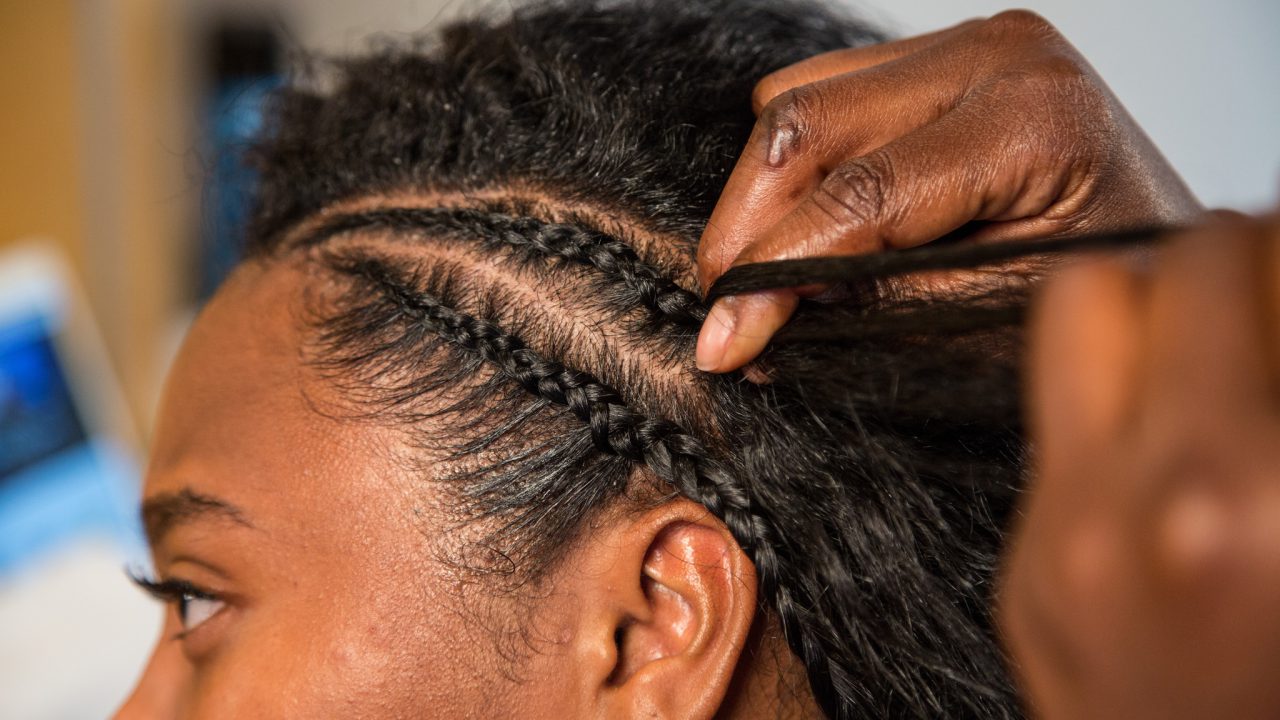
Whatever her experience and credentials in Kenya—or anywhere else—Pennsylvania law requires natural hair braiders to obtain a special license from the State Board of Cosmetology. By law, applicants must pay for and complete at least 300 hours of government-approved training and then pass an exam before being eligible to receive a license.
As onerous as the braiding requirements are, the process to receive a full-fledged cosmetology license is even more onerous. Aspiring cosmetologists must undergo 1,250 hours in a licensed cosmetology school—which can cost anywhere from $5,000 to $15,000—or 2,000 hours in a government-approved apprentice program, and they must spend at least eight months in training. But it gets even worse. If a licensed cosmetologist wanted to teach her craft to students or would-be colleagues, she must spend an additional 500 hours in a teacher curriculum of a government-licensed cosmetology school.
It should not be this difficult for an entrepreneurial refugee—or any other hardworking American—to earn an honest living. The Pennsylvania government has better ways to prevent diseases and ensure public safety—like regular inspections to ensure compliance with reasonable health requirements.
The Institute for Justice (IJ) has challenged laws across the country governing natural hair braiding practices as part of its Braiding Freedom initiative. IJ lawsuits have overturned state braiding licenses from Arkansas to Iowa to Washington. IJ attorneys are currently challenging another onerous braiding licensing regime in Missouri. Other states have passed laws to delicense natural braiders, including New Hampshire, South Dakota and Indiana this year.
There are currently 23 states that do not license braiders. Pennsylvania should join them.
Your Rights Are Worth Defending
Help protect constitutional rights and challenge abuses of government power.
More on Hair Braiding
Hair Braiding
Mississippi Enacted Hair Braiding Reforms 20 Years Ago, Allowing Thousands of Mississippians to Pursue Their Dreams, Open Small Businesses

Hair Braiding
Three Idaho Women File Lawsuit to Untangle State’s Unnecessary Braiding License
Hair Braiding