Appeals Court Blocks Innovative Program Helping New Yorkers Fight Debt Collection Lawsuits
Case highlights growing threat of occupational-licensing boards wielding censorship power. IJ will appeal the decision to the Supreme Court.
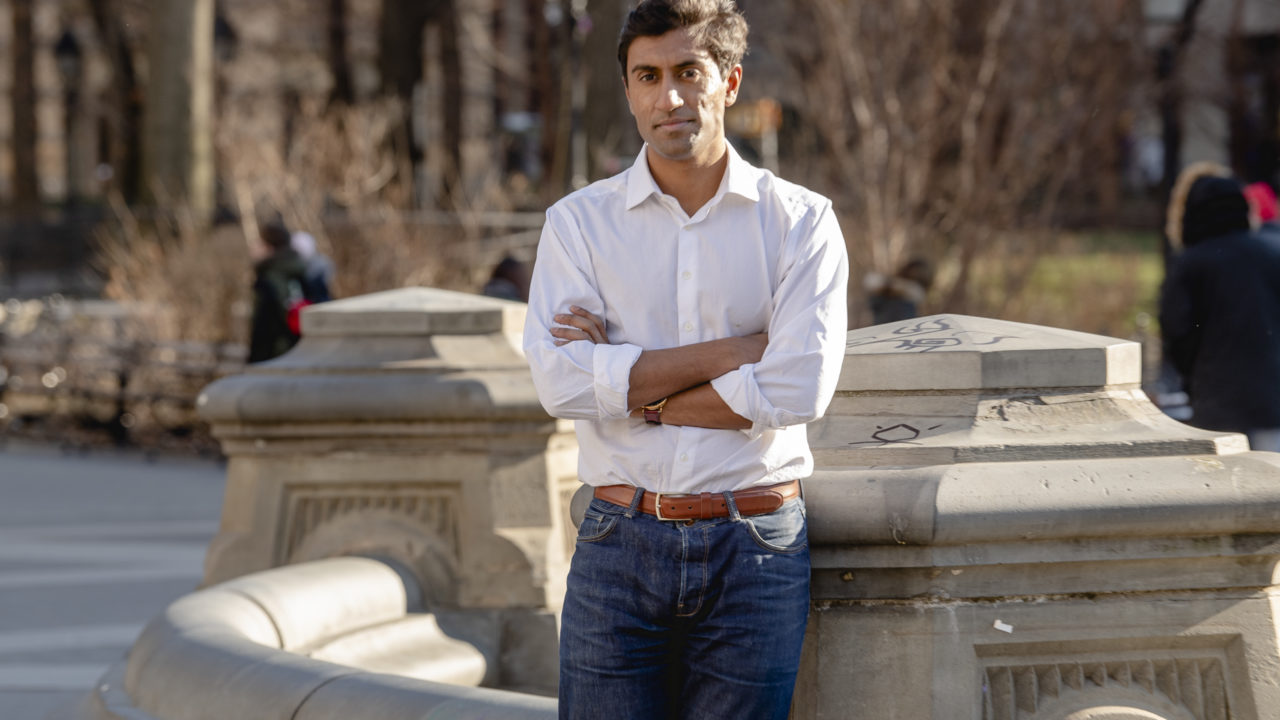
In a blow to free speech and access to justice, today the Second Circuit Court of Appeals overturned protections for a volunteer program that trained ordinary New Yorkers to offer basic legal advice to people facing debt-collection lawsuits. The program was an effort by Upsolve, a New York-based nonprofit, to tackle the huge shortfall of lawyers available to give basic advice by using trained but unlicensed volunteers to walk people through their options. Until today, that program was protected by a First Amendment injunction issued by a lower federal court. The injunction held that New York’s prohibition on nonlawyers giving legal advice was a restriction on speech that violated the First Amendment.
IJ and Upsolve will ask the Supreme Court to review the decision.
“The basic insight of Upsolve is that legal advice is advice, and the government can’t make it illegal to give people advice,” explained Institute for Justice (IJ) Deputy Litigation Director Robert McNamara, who argued the case on behalf of Upsolve. “Nothing in today’s ruling disagrees with that basic premise, but it does upend the injunction that allowed our volunteers to give that ordinary advice.”
The Second Circuit’s opinion makes clear that Upsolve’s volunteers are entitled to the full protection of the First Amendment when they give one-on-one legal advice:
“Plaintiffs simply wish to communicate legal advice to their potential clients regarding how to fill out New York’s one-page form for answering debt-collection actions,” wrote Circuit Judge Richard J. Sullivan. “Plaintiffs do not intend to draft pleadings, appear in court, or file any legal documents.”
Despite that, the court overturned the injunction, saying the trial judge didn’t consider a later ruling about licensing counselors. That ruling said the government doesn’t need evidence to justify licensing requirements. But today’s opinion doesn’t say that changes the result here—it just sends the case back to the trial court to decide a second time.
“Upsolve remains committed to making sure ordinary people can access their civil legal rights in this country,” said Upsolve Co-Founder and CEO Jonathan Petts. “We look forward to achieving a rule of law that allows Americans to help each other do exactly that.”
“Today’s ruling threatens an important volunteer program that was giving useful advice to real New Yorkers,” concluded McNamara. “And it does so by suggesting that occupational-licensing laws give the government special powers to censor speech. They don’t, and we look forward to the Supreme Court explaining that fact.”
More News
Economic Liberty
Venus Woman Fights City’s Unconstitutional Ban on Home Daycares

Education Entrepreneurship
Texas City Hits Learning Pod with Cease-and-Desist in Violation of State Law
Immunity and Accountability