Georgia Veteran Wins Fight to Get Back Every Dollar Wrongly Seized by DEA at the Atlanta Airport
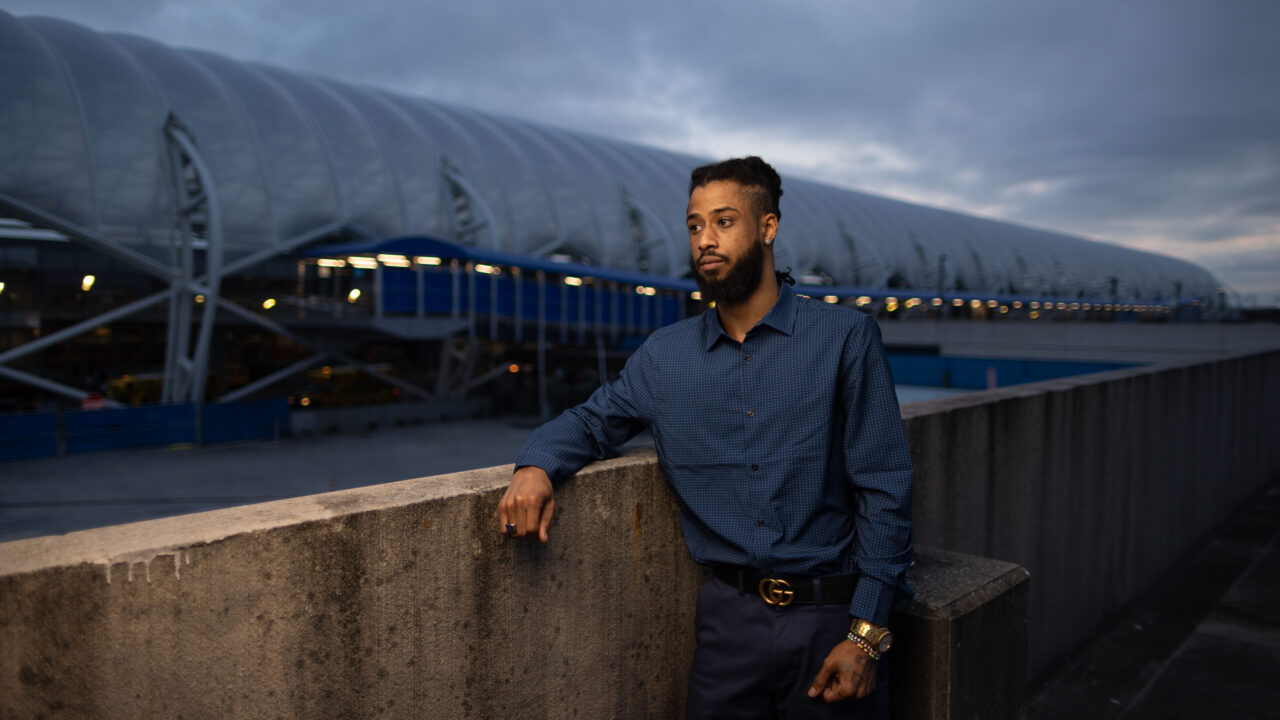
ATLANTA—Army veteran Brian Moore was trying to fly to Los Angeles to record a video to support his music career, but just before he boarded his flight, Drug Enforcement Administration (DEA) agents seized $8,500 in cash he was going to use to pay for it. Four years after that seizure at the Hartsfield-Jackson Atlanta International Airport, the 11th U.S. Circuit Court of Appeals ruled that he should get every dollar back.
“It’s been a long fight, but it’s a huge relief to have the court agree that I should get all my money back,” said Brian. “Even though the government couldn’t say what I did wrong and dropped the case, I was going to lose thousands of dollars. I hope that my victory can pave the way for others to get justice without paying a price.”
After the seizure, the government tried to take Brian’s money through civil forfeiture, even though he was never charged with a crime. Brian found lawyers to help him fight for his money, and, with their help, convinced the government to dismiss the forfeiture case “with prejudice”—meaning the government would never try to take the cash in the future.
By federal law, property owners are supposed to have their attorneys’ fees paid by the government when they beat civil forfeiture. But the district court determined that because the government gave up, Brian did not “substantially prevail” and could not be reimbursed for the cost of litigating his case. The Institute for Justice (IJ) stepped in to appeal, arguing at the 11th Circuit last year.
“We’re pleased to see Brian made whole after years of litigation, but his case highlights the abusive civil forfeiture tactics used by the federal government, which will litigate a case against a property owner for years and then voluntarily dismiss the case on the eve of the government’s defeat,” said IJ Senior Attorney Dan Alban. “Without the ability to recover their attorneys’ fees after victory, most property owners cannot afford to defend their property from forfeiture. That’s why Congress passed reforms in 2000 to ensure that innocent victims of forfeiture aren’t left holding the bag. We’re pleased the Court upheld these critical protections for property rights.”
Property owners facing federal civil forfeiture are not provided an attorney if they cannot afford one and successfully navigating the maze of federal civil forfeiture procedures is practically impossible without legal help. To make it easier for innocent property owners to find representation, Congress passed the Civil Asset Forfeiture Reform Act (CAFRA), which says that in “any civil proceeding to forfeit property under any provision of Federal law in which the claimant substantially prevails, the United States shall be liable for reasonable attorney fees.”
After the government dropped its case, Brian’s attorneys with the Sammis Law Firm in Tampa requested $15,200 for the hours they had spent to win his case. While the government only requested that the district court reduce that amount, the judge instead denied the payment of fees altogether, reasoning that Brian didn’t “substantially prevail” since the court had not ruled on the “merits” of the case. Because the government did not pay the fees, Brian owed his attorneys one-third of his returned money under their contingency fee arrangement.
While Brian’s story is sadly familiar to others who travel through Atlanta’s airport, there have been several major developments in curbing the type of surprise interrogation and search he was subjected to. First, last fall the DEA suspended and then disbanded its program of airport interdictions in large part due to footage IJ released on YouTube showing DEA agents seizing a bag without a flyer’s permission. Second, another 11th Circuit panel held five days ago that similar stops by Clayton County police officers violated the Fourth Amendment rights of comedians Eric André and Clayton English. Also, IJ’s nationwide class action lawsuit against both DEA and the Transportation Security Administration over unconstitutional seizures and forfeitures is in its final stages at a district court in Pittsburgh. Brian is a member of the DEA class in that suit.
More on Private Property
Private Property
Victory! Danville Confirms Award-Winning Garden Complies with Local Code After IJ Letter
Private Property
Federal Court Orders DHS to Stop Detaining People with Valid Identification and Halts Warrantless Construction Site Raids

Private Property