Hampton Roads Residents Will Appeal Court Decision Upholding Norfolk’s License Plate Reader Surveillance
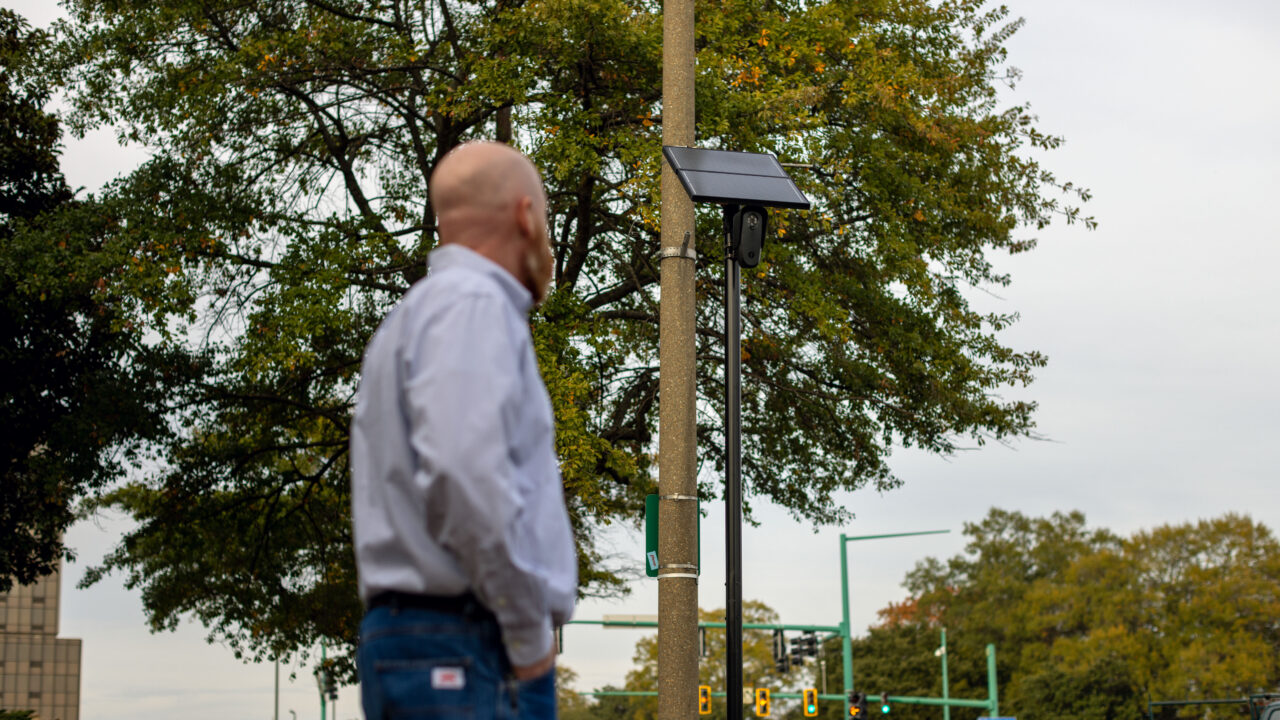
NORFOLK, VA.—Today, a federal judge sided with the city of Norfolk in a federal lawsuit challenging its warrantless use of more than 170 automated license plate reader (ALPR) cameras. Hampton Roads residents Lee Schmidt and Crystal Arrington, along with their attorneys from the Institute for Justice (IJ), will appeal the decision.
“The government cannot monitor someone’s daily movements without a warrant based on probable cause, which is why we’ll appeal today’s decision,” said IJ Attorney Michael Soyfer. “As abuses of these ALPR systems are mounting nationwide, it’s more important than ever to vindicate the people’s right to security from mass surveillance guaranteed by the Fourth Amendment.”
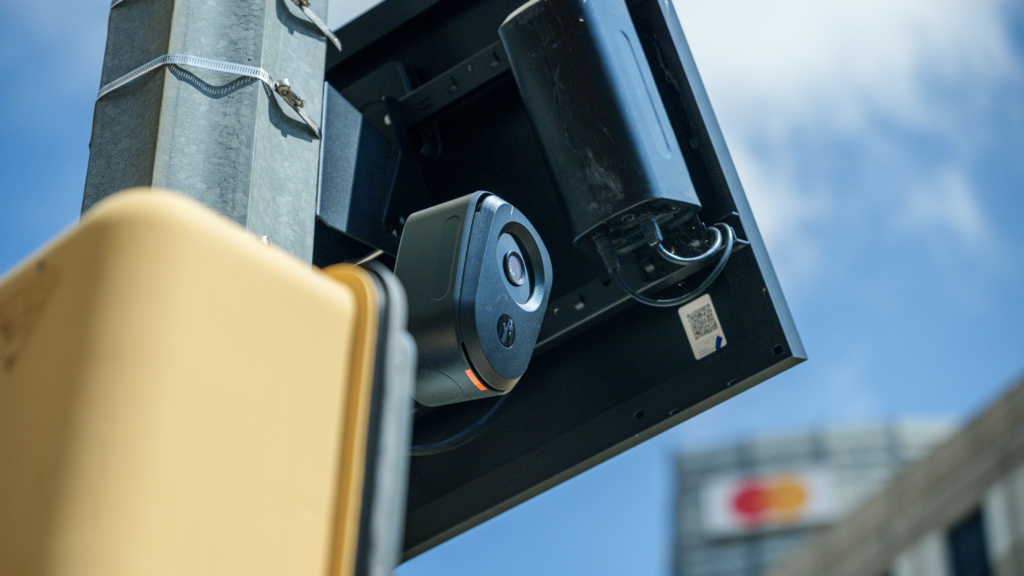
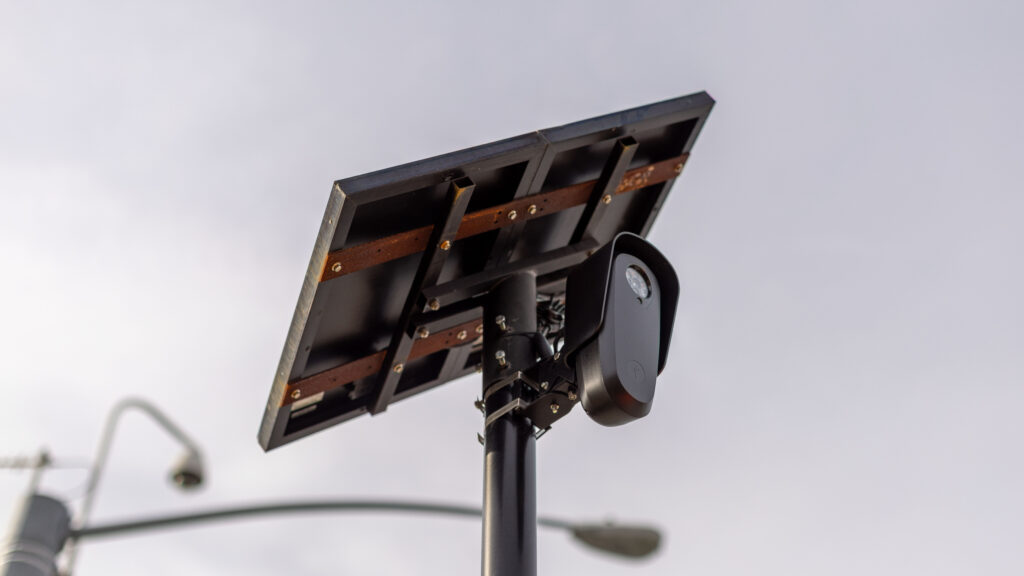
ALPRs photograph every passing vehicle, and use artificial intelligence to read the license plate and detect other distinctive features of vehicles (like the color, make, and even the presence of bumper stickers). This allows police to easily look up a vehicle and see where it has traveled.
In today’s opinion, the court ruled that there was “insufficient” evidence to show that Norfolk’s “current ALPR system captures enough images of Plaintiffs – or other drivers – to reconstruct the whole of their movements.” This despite claims from the city’s own police chief that it would be “difficult to drive anywhere of any distance without running into a camera somewhere.” Data produced for the first time during the discovery process showed that the city had recorded Lee’s location 475 times in a four month period.
“Although I’m of course disappointed by the court’s decision, I remain committed to fighting against this dragnet warrantless surveillance,” said Lee.
The case was filed in October 2024. Since that time, countless stories of ALPR abuse have come to light. That includes an Associated Press investigation showing that the federal government monitored the driving habits of millions of Americans to justify pretextual traffic stops. Police have also been caught using the cameras to stalk exes, and often provide non-descript explanations for searching the database, making it hard to know if searches are done for a good reason, a bad reason, or no reason at all.
More on License Plate Readers
License Plate Readers
The IJ Database of ALPR Abuse
License Plate Readers
Dozens of Innocent Motorists Have Been Pulled Over, Detained at Gunpoint, or Jailed Due to AI License Plate Camera Errors
License Plate Readers