IJ to SCOTUS: A Conversation Cannot be a Crime
Upsolve Asks Supreme Court to Protect the Right of Non-Lawyers to Give Basic Legal Advice to New Yorkers Facing Debt-Collection Lawsuits
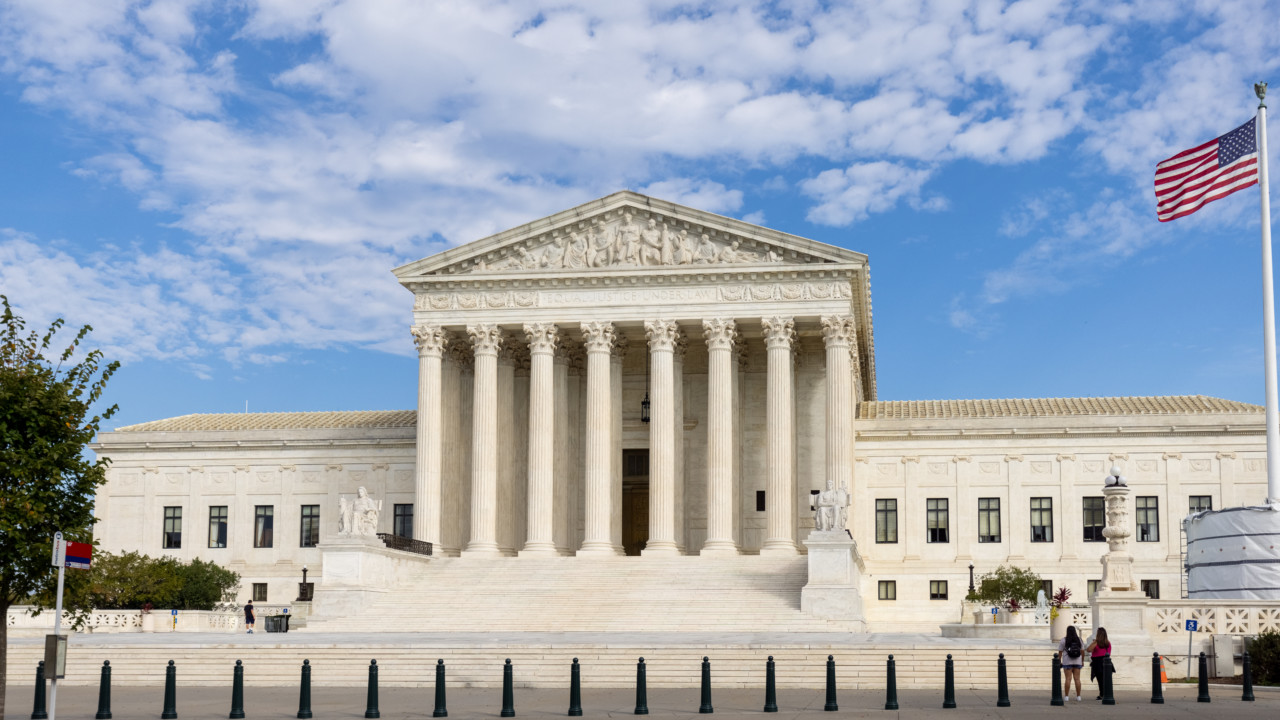
Today, a New York nonprofit—Upsolve—partnered with the Institute for Justice (IJ) to ask the Supreme Court of the United States to take up a case that would allow trained, non-lawyer volunteers to give straightforward legal advice to help New Yorkers respond to debt-collection lawsuits. The case argues that the First Amendment doesn’t allow the government to outlaw discussion of entire topics (like legal advice) by requiring speakers to first obtain an expensive, time-consuming license.
“Legal advice is still advice,” said IJ Attorney Betsy Sanz, counsel for Upsolve. “Every single day, New Yorkers get advice about their rights from all kinds of places, from cab drivers to online chatbots. The idea that New York needs to protect people from hearing advice from volunteers who actually have some relevant training is outrageous.”
Upsolve began with an award-winning app that helps people navigate Chapter 7 bankruptcy—relieving hundreds of millions of dollars in debt—and then launched the American Justice Movement to train volunteers to give basic guidance to New Yorkers facing debt-collection lawsuits.
Debt-collection actions make up a huge share of the New York civil docket, and defendants routinely lose by default—not because the debt is valid, but because people don’t know how to respond. Upsolve’s trained volunteers help clients understand basic legal terms on New York’s standardized answer form, including defenses like the statute of limitations, and decide whether and how to respond—while making clear they are not lawyers and will not represent anyone in court.
In 2022, a federal district court agreed the First Amendment protects Upsolve’s limited, one-on-one advice and issued an injunction allowing the program to operate. But the 2nd U.S. Circuit Court of Appeals disagreed. Upsolve and IJ are now asking the Supreme Court to step in and confirm that states cannot treat a conversation as a crime.
“Every day, people get sued over consumer debt and don’t respond—not because they don’t care, but because the system is confusing and intimidating,” said Upsolve Co-Founder and CEO Jonathan Petts. “Our volunteers don’t go to court for anyone. They don’t file any paperwork. They just help people understand what the court papers mean and how to fill out the state’s own form. That kind of help shouldn’t be illegal.”
Across the country, states are increasingly recognizing that the traditional, lawyers-only model leaves too many people without meaningful help, and that carefully designed alternatives can expand access to justice while protecting consumers. Utah’s Supreme Court recently authorized a “regulatory sandbox,” which allows non-lawyers to deliver nontraditional legal services under the supervision of the state supreme court. Arizona and Colorado allow paralegals to provide a set of defined legal services within a limited scope of practice, and South Carolina has authorized the NAACP to run a volunteer program, much like Upsolve’s, that is focused on landlord-tenant law.
“Access to justice is not a luxury. It is the difference between having rights on paper and being able to use them in real life,” concluded IJ Deputy Litigation Director Robert McNamara. “In the face of an undeniable access-to-justice crisis, it is outrageous that New York wants to make it illegal to just talk to people about their rights. And more than outrageous, it’s unconstitutional.”
More News
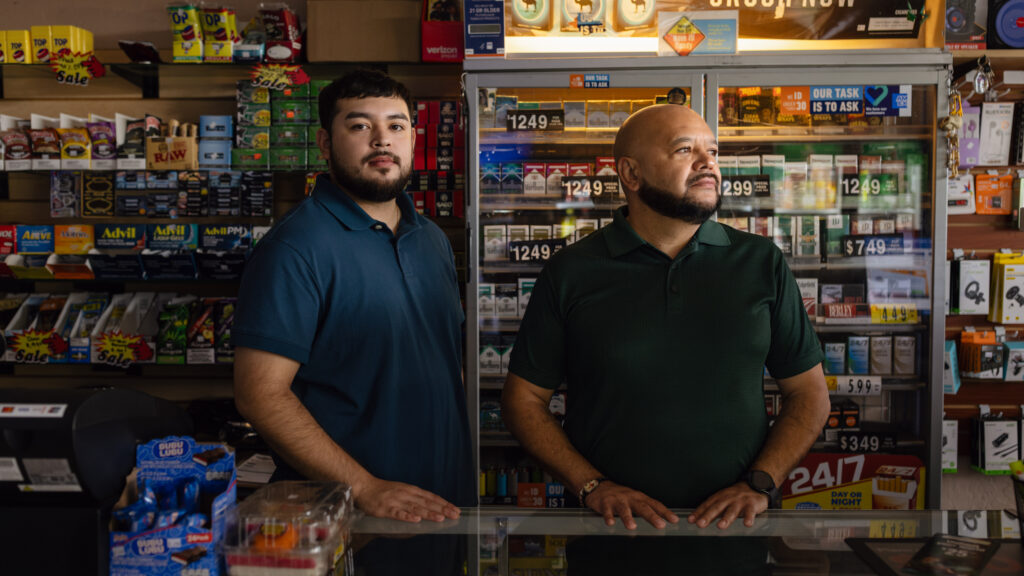
Glendale Small Business Files Federal Lawsuit Challenging Seizure of Money by Federal Agents During Raid

Private Property
South Bend Mom’s Fight for Compensation After Police Wrecked Her Home Heads to State Court After Supreme Court Turns Down Appeal