Proposed Reforms of Chicago’s Impound Program Are “Strong First Step,” But More Must Be Done
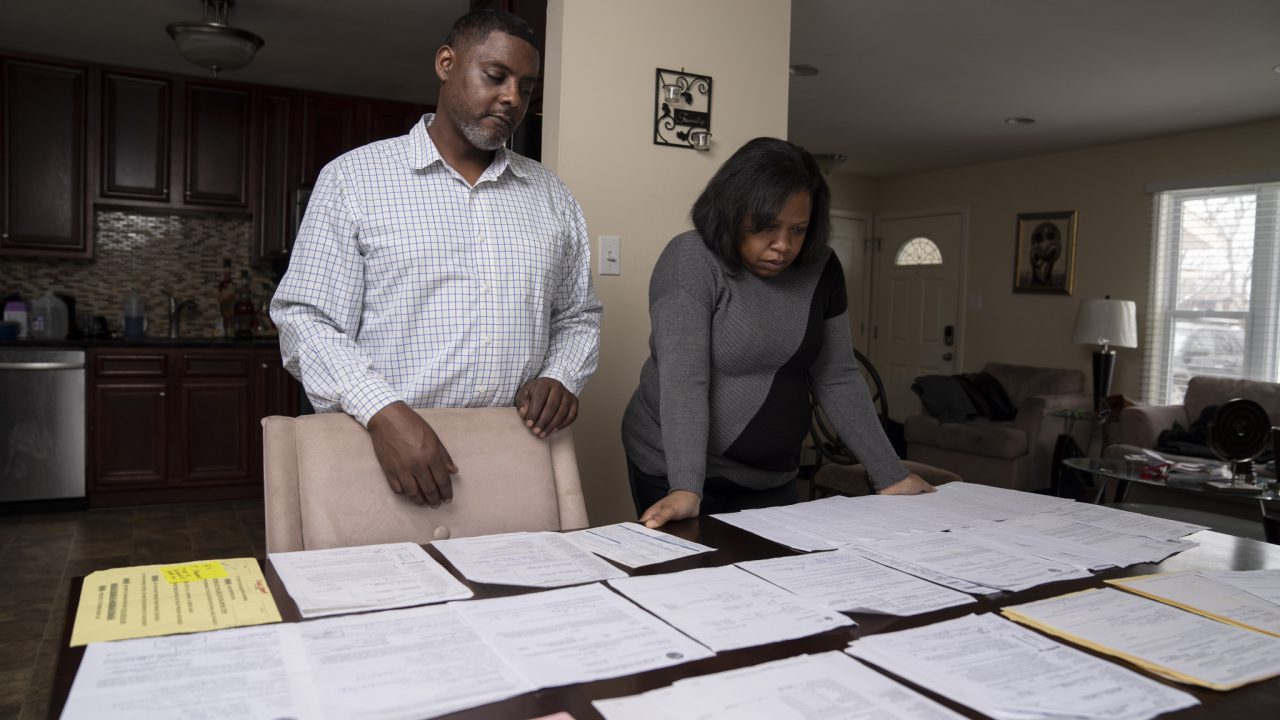
CHICAGO—In the spring of 2019, the Institute for Justice, a non-profit, public interest law firm launched a class action lawsuit against Chicago’s impound scheme. The lawsuit challenges the city’s impound scheme in three areas: It imposes unconstitutionally excessive fines by subjecting owners to fines for crimes they did not commit; it violates due process; and it holds cars as ransom until the owners pay all fines and fees the city demands. The lawsuit was also brought by five car owners, each of whom had their vehicle confiscated for offenses for which they were not responsible.
Institute for Justice Attorney Diana Simpson released the following statement in response to Mayor Lori Lightfoot’s proposed reforms to the impoundment program:
“The mayor’s proposed reforms are a strong first step to improving the city’s impound racket that ensnares tens of thousands of Chicagoans each year. People whose cars are towed face a bureaucratic maze and often must fork over thousands of dollars in an effort to get their cars back. The scheme violates the U.S. and Illinois constitutions in myriad ways, and it is gratifying to see the mayor introduce measures to improve the system. Her proposed ordinance extends greater innocent owner protection and reduces fines and fees, both of which are sorely needed.
“Unfortunately, her proposed ordinance does not go far enough to right the wrongs of the city’s impound scheme. It still does not fix the burdensome and confusing system that owners must traverse to get their cars back. The city still unconstitutionally ransoms people’s cars, refusing to release them until owners have paid all fines and fees that might be due—even without a judge finally determining the car was properly impounded. And the reforms do nothing to help most people who have already been victimized by the impound program, including those whose cars the city has destroyed. We hope the legislative process will address these remaining issues. Regardless, we brought our case to vindicate the rights of Chicagoans, and we will not stop until everyone is protected from having their cars unjustly impounded.”
More on Private Property

Private Property
Brentwood’s Arguments About its Blight Designation and Eminent Domain Don’t Hold Up
Private Property
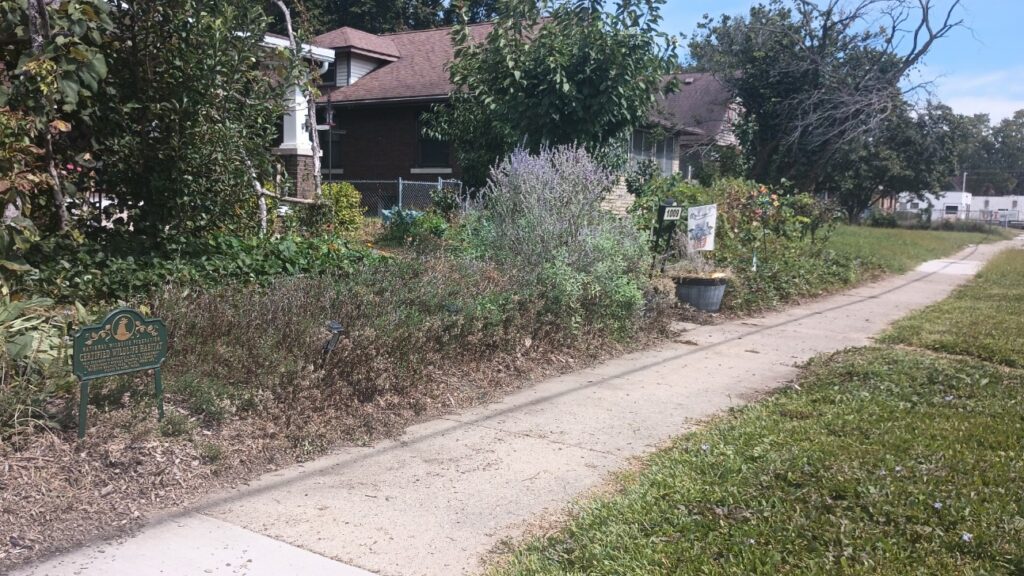
Victory! Danville Confirms Award-Winning Garden Complies with Local Code After IJ Letter

Private Property