Supreme Court Declines to Hear Innocent Man’s Case Seeking to Hold Federal Agents Accountable for Brutalizing Him More Than a Decade Ago
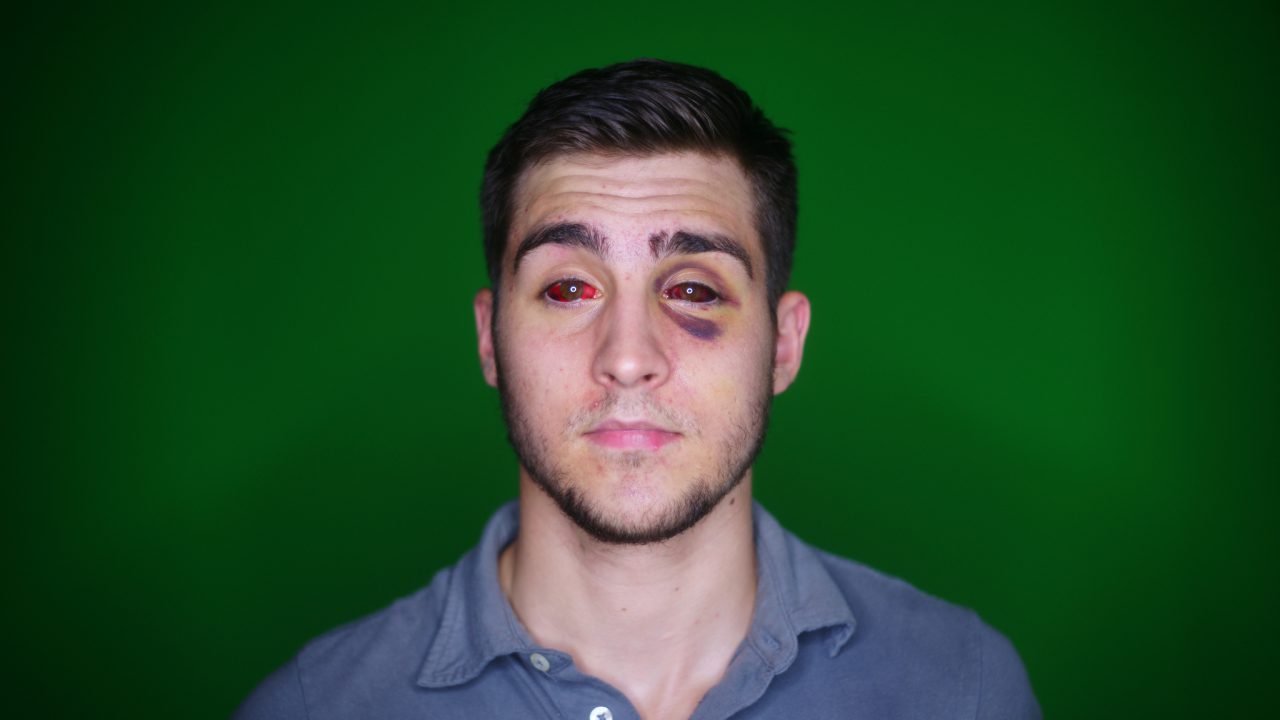
WASHINGTON—Today, the United States Supreme Court declined to hear a case brought by an innocent man who was brutalized by members of a joint state-federal task force when he was a college student in 2014. This was the third time James King and his attorneys from the Institute for Justice (IJ) asked the Supreme Court to hear the case.
“After the Supreme Court changed the law midway through litigation, James should have been allowed to amend his claims in response to the change, but he never received that chance,” said IJ Senior Attorney Patrick Jaicomo. “After more than a decade of fighting for justice, the courthouse doors have finally been slammed shut for good.”
In 2014, when James was a college student, two plainclothes officers mistook him for a fugitive wanted for petty crimes. Because the officers—dressed in street clothes—never identified themselves when they reached for James’s wallet, James believed he was being robbed. When he tried to flee, the officers beat him until he was unrecognizable. Concerned onlookers also believed James was being mugged and called 911. But when uniformed police arrived on the scene, they arrested James, transported him to the hospital in handcuffs, and charged him with several felonies related to the officers’ unprovoked attack. Fortunately, a jury later acquitted him on all charges.
James originally brought claims against the individual officers for violating his constitutional rights, as well as claims against the U.S. government under the Federal Tort Claims Act (FTCA). When the Supreme Court first heard James’s case in 2020, the court announced a first-of-its-kind rule, holding that James’s meritorious constitutional claims might be barred by the FTCA’s judgment bar. On remand, the 6th U.S. Circuit Court of Appeals—in a 2-1 decision—held that the Supreme Court’s change in the law did retroactively bar James’s claims, effectively immunizing the government and denying James his day in court. When the Supreme Court declined James’s request to overturn that decision in 2023, James sought to replead his case under the new law the court announced in Brownback and finally permit his decade-old claims to proceed against the officers who violated his constitutional rights. The lower courts refused to allow James to do so, and the Supreme Court’s decision today denying his petition for certiorari brings a permanent end to his case.
“What happened to me shouldn’t happen to anyone,” said James. “When the government violates someone’s rights, there should always be a path to accountability.”
Through its Project on Immunity and Accountability IJ seeks to ensure that every right guaranteed by the Constitution has a remedy in an American court. Thanks to James’s case—which launched the Project—IJ is currently helping people seeking accountability after being improperly detained in California, Arizona, and Florida. James’s case also became fundamental to IJ’s FTCA practice. Every victory IJ obtains will always be in significant measure due to James.
IJ recently settled a case that it won at the Supreme Court on behalf of a Texas councilwoman falsely arrested by her political opponents.
More on Private Property
Private Property
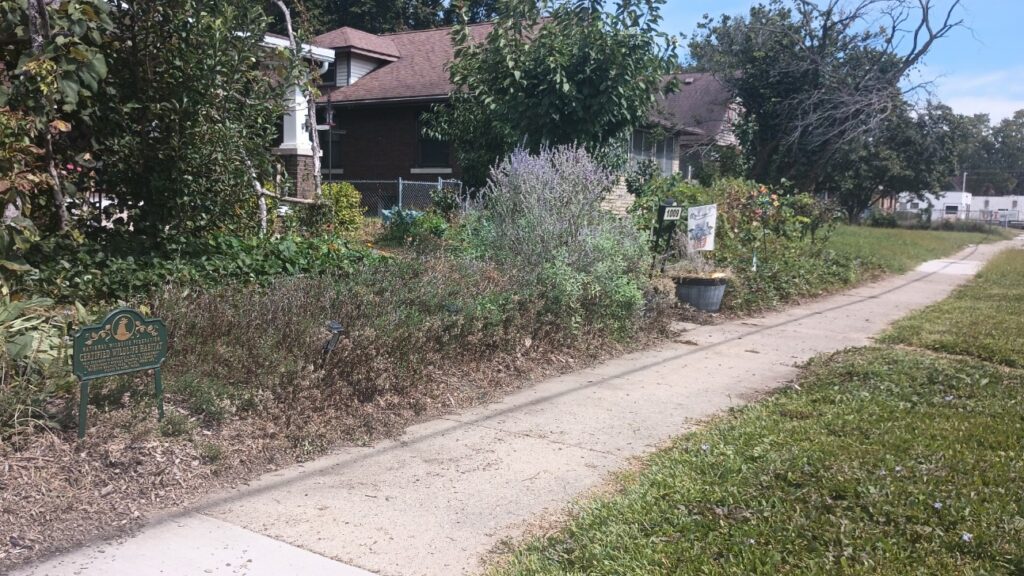
Victory! Danville Confirms Award-Winning Garden Complies with Local Code After IJ Letter
Private Property
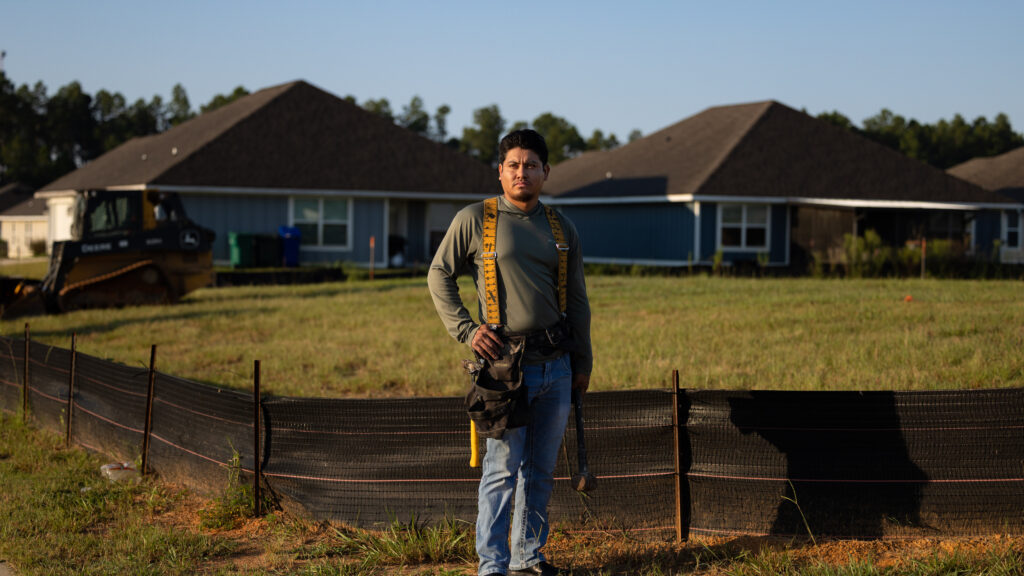
Federal Court Orders DHS to Stop Detaining People with Valid Identification and Halts Warrantless Construction Site Raids
Private Property