

Seven Myths and Realities about Food Trucks
Food trucks continue to grow in popularity throughout the country. But as the Institute for Justice detailed in a recent report, some cities have responded by enacting and enforcing laws that do not advance public health and safety, and serve no other purpose than to “protect” restaurants from competition from food trucks. Arguing in favor of these laws—such as those that bar food trucks from operating in popular commercial areas or that prohibit food trucks from parking within several hundred feet of any restaurant—their proponents rely upon several myths.
Below, we list the seven most prevalent of these myths and, using facts and real-world examples, debunk them.
Related Cases

Economic Liberty | Private Property | Small and Home-Based Business | Zoning Justice Project
Washington Physical Therapist Sues Leavenworth for the Right to Run a Small In-home Practice in Her Own Home
The town of Leavenworth, Wa. banned Nicole Bulow’s quiet, home-based physical therapy practice — while permitting nearly identical home businesses like massage therapy and salons. Now she's fighting back.
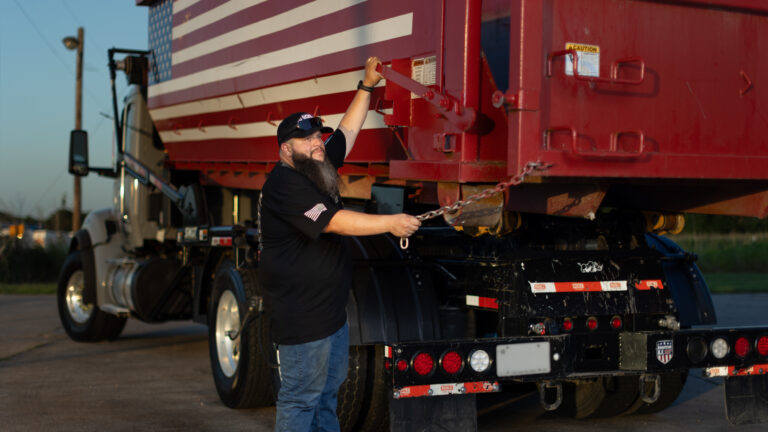
Texas Entrepreneur Fights a City’s Unconstitutional Dumpster Monopoly
Josh Roman built his small business from nothing. He started with a single trailer-hitched dumpster and an ad on Craigslist back in 2020. Today, American AF Dumpster Rentals, based in Waxahachie, Texas, has four…

Economic Liberty | Occupational Licensing
Private School, Teacher, and Parent Fight for Integrity, Innovation, and the Century-Old Promise of Freedom
When Capstone Classical Academy opened in Fargo, North Dakota, in 2022, its goal was simple: hire the best teachers possible. At first, the school focused on finding talented educators committed to the school’s mission and…