Economic Liberty
Brandi Rosemond v. South Carolina Department of Labor, Licensing and Regulation; South Carolina Board of Cosmetology
- Case Name
- Brandi Rosemond v. South Carolina Department of Labor, Licensing and Regulation; South Carolina Board of Cosmetology
- Issue Areas
- Status
- Active Cases
- Location
- South Carolina
- Date Filed
- September 8, 2026
The Case
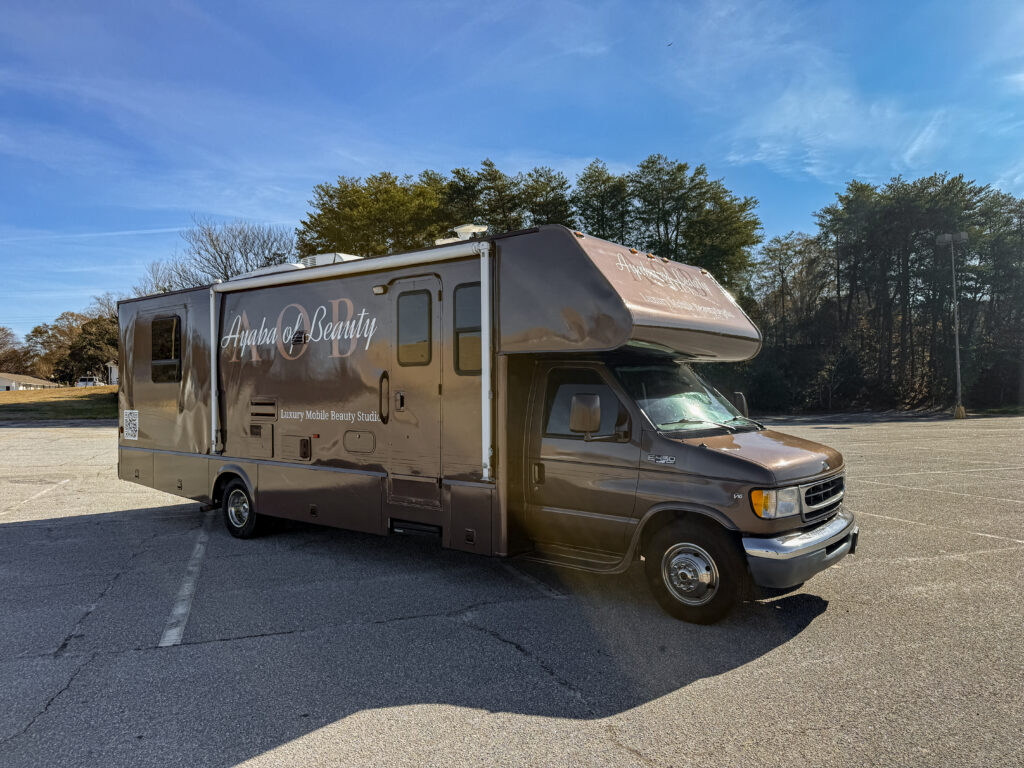
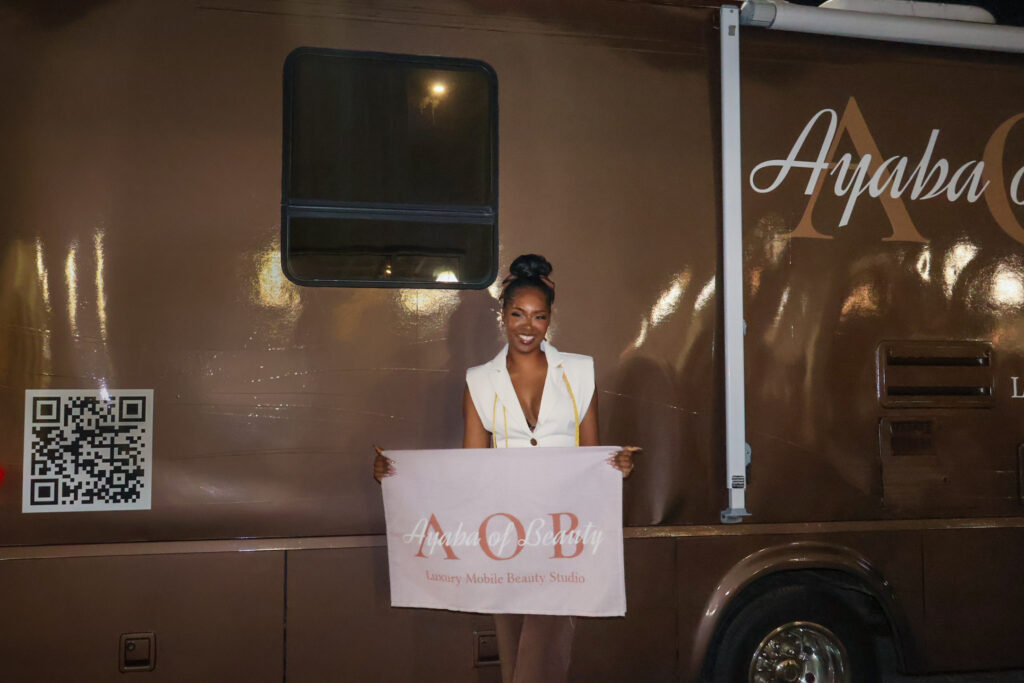
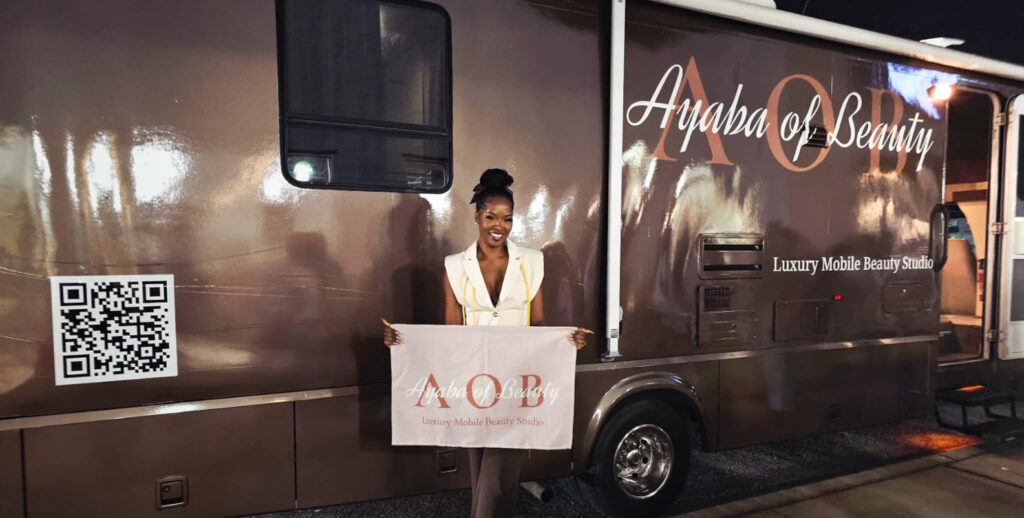
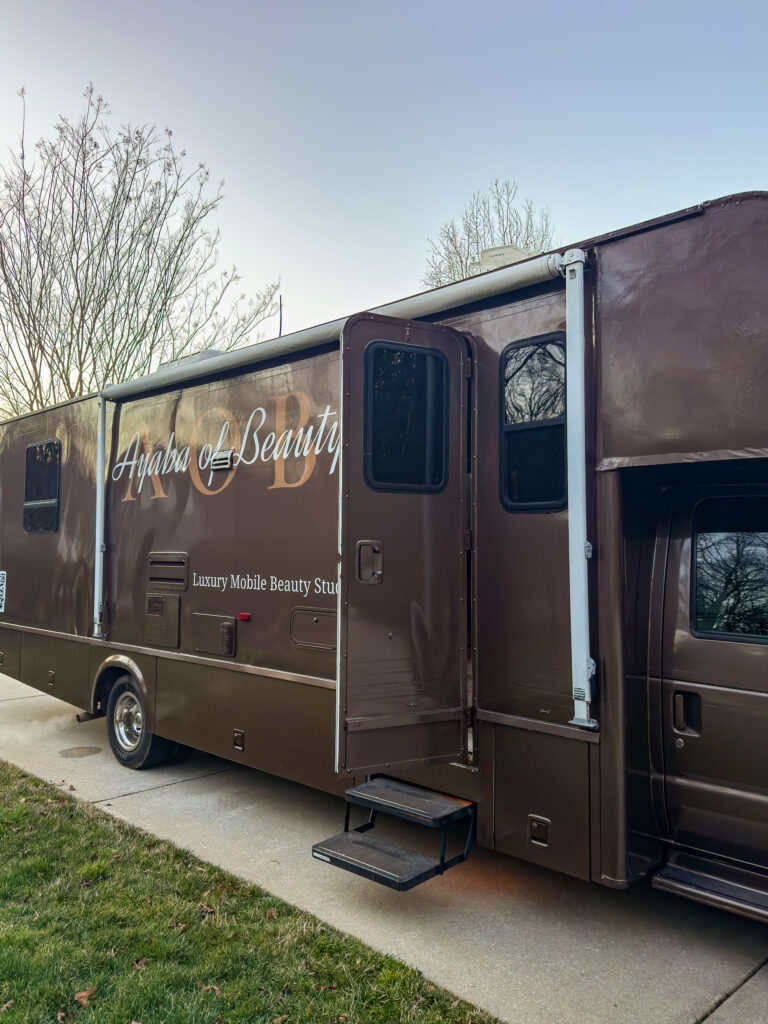
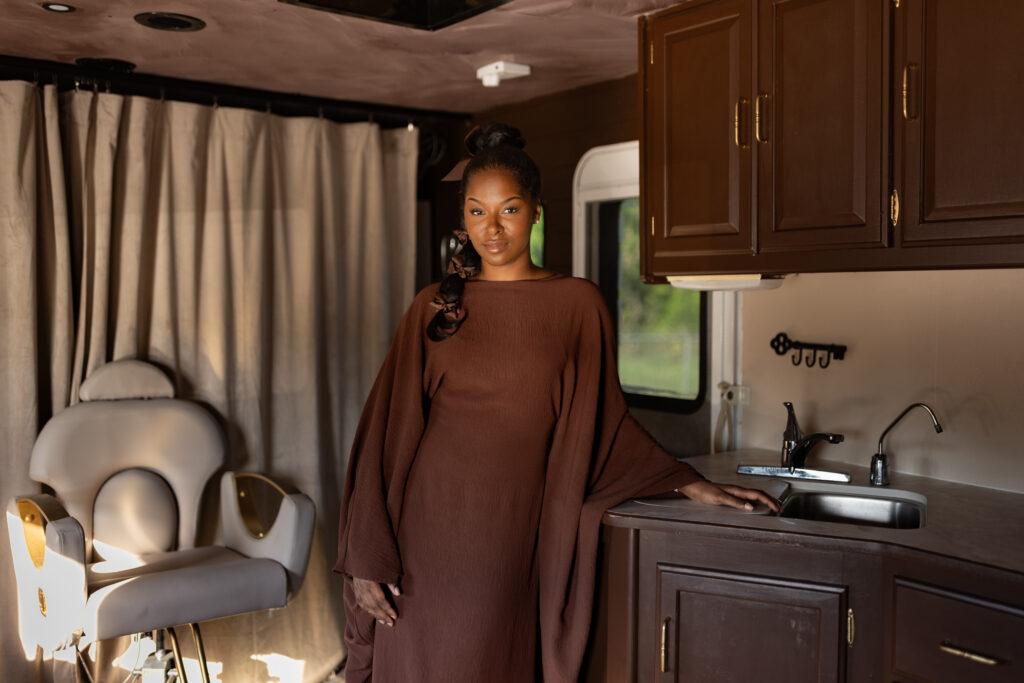
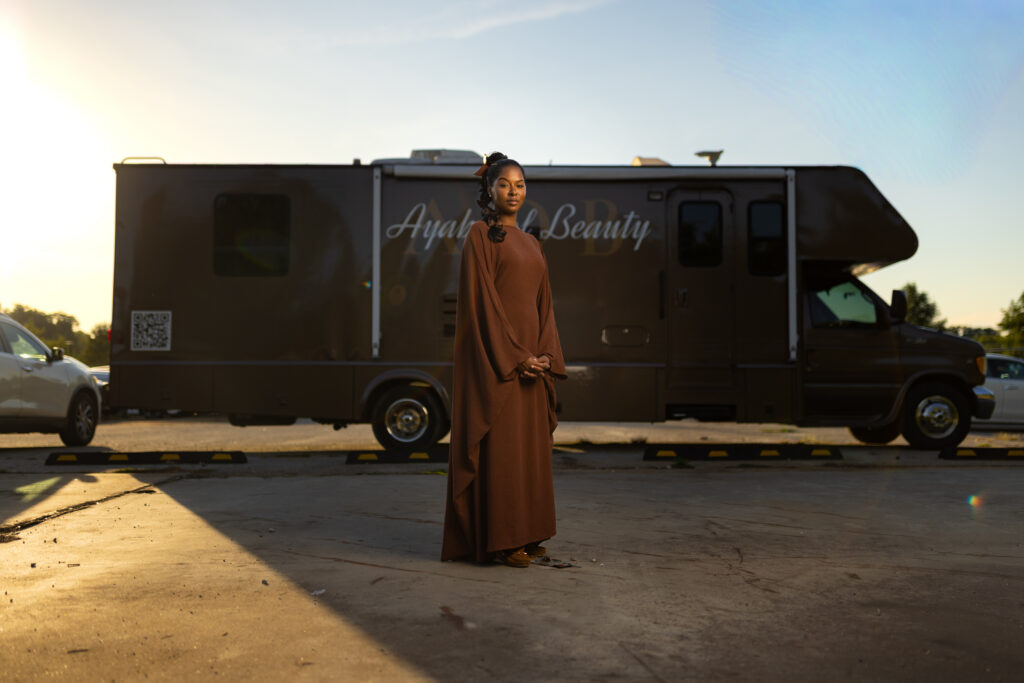
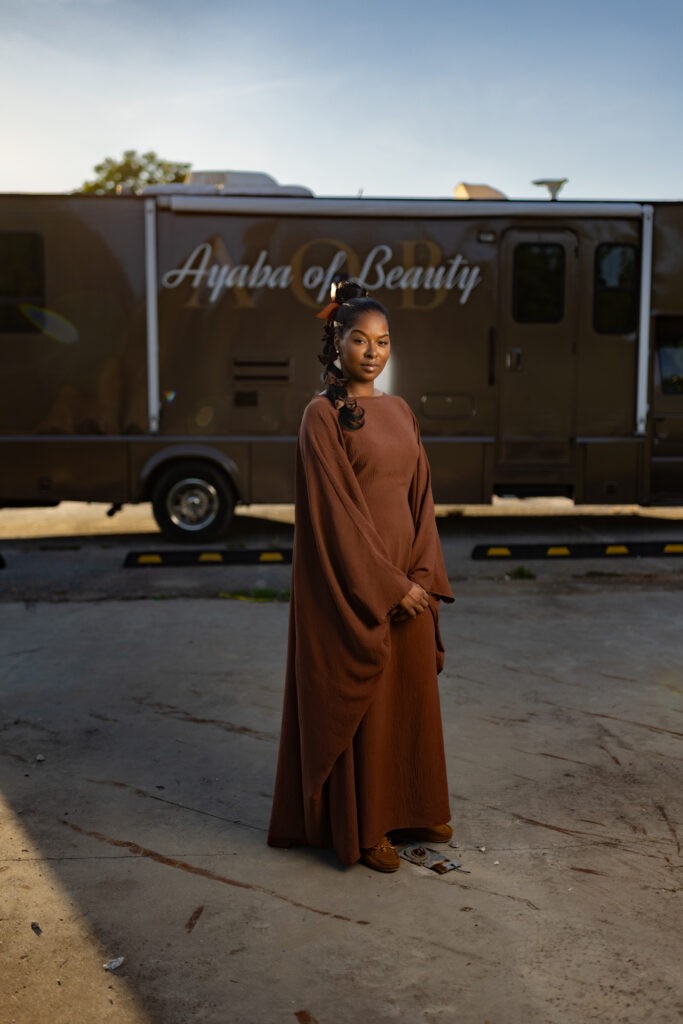
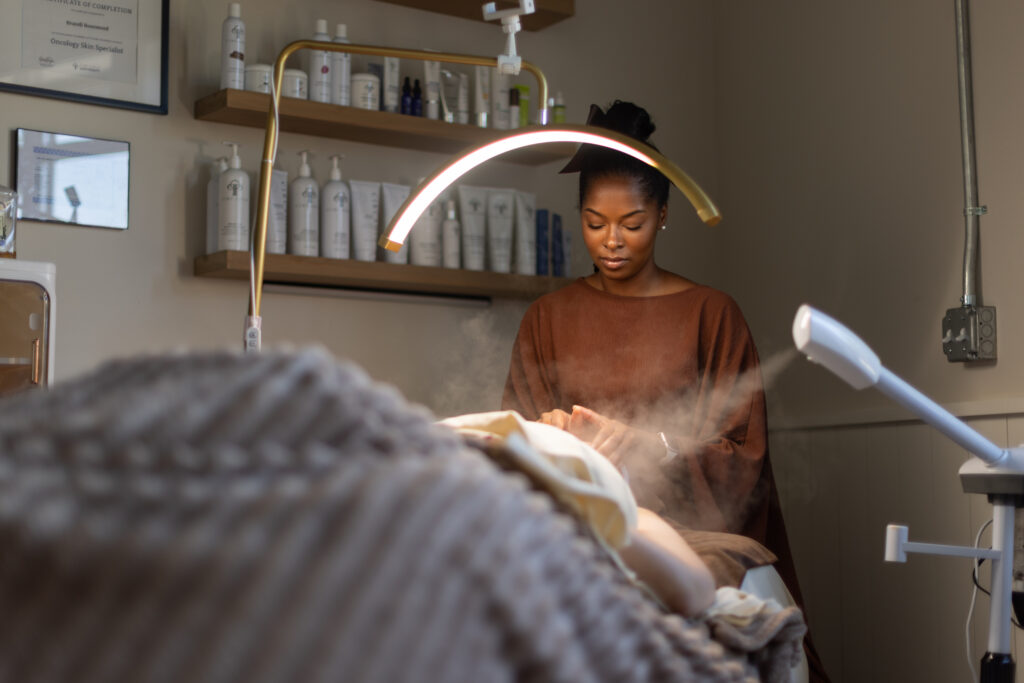
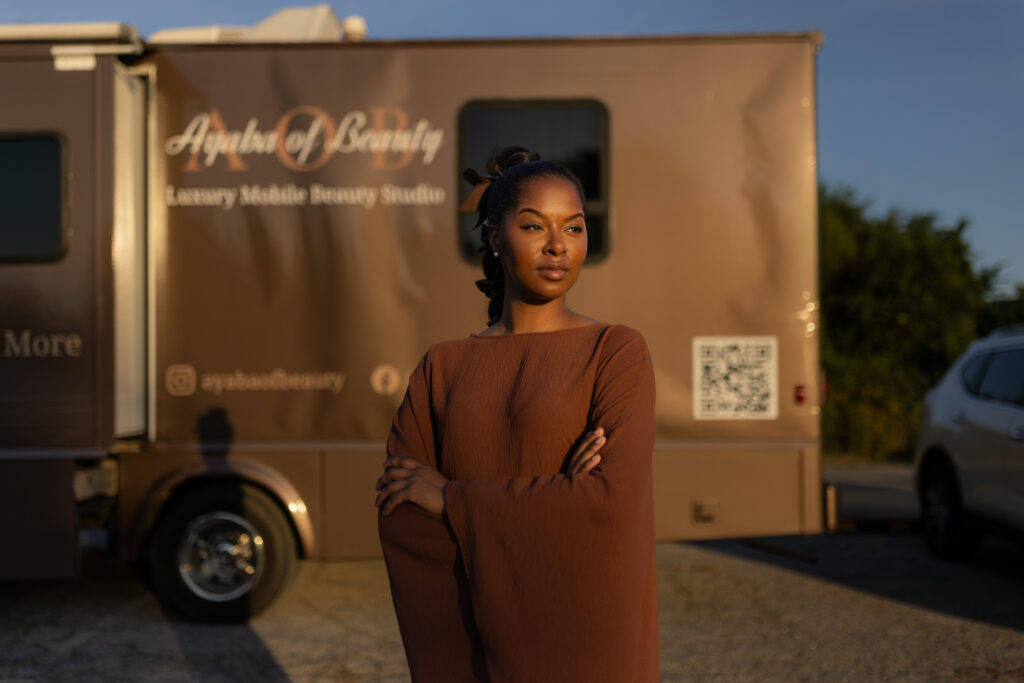
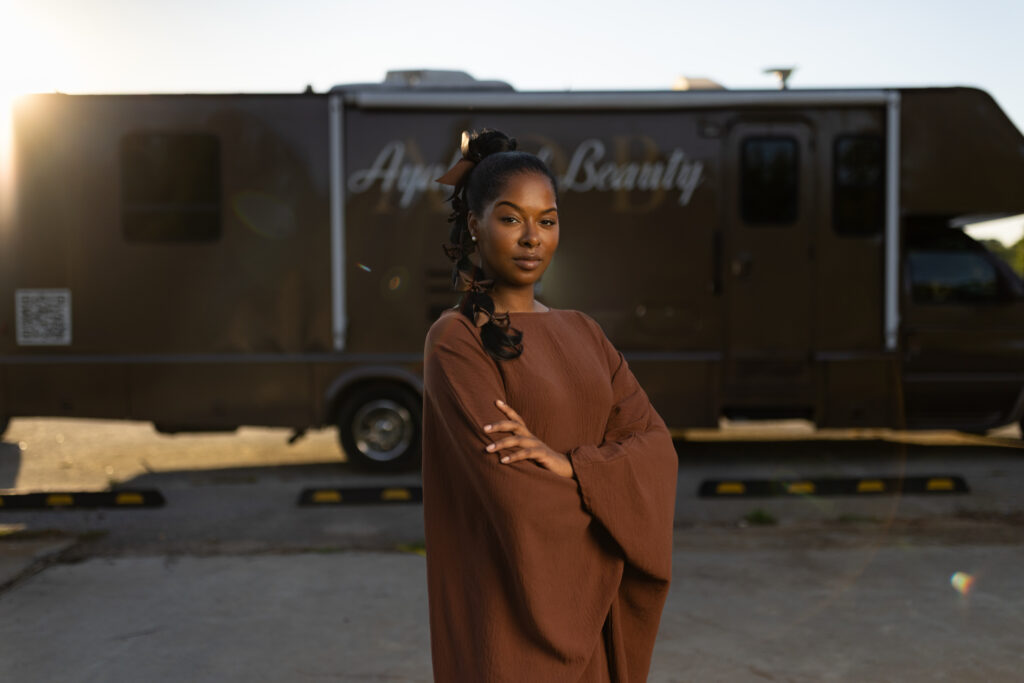
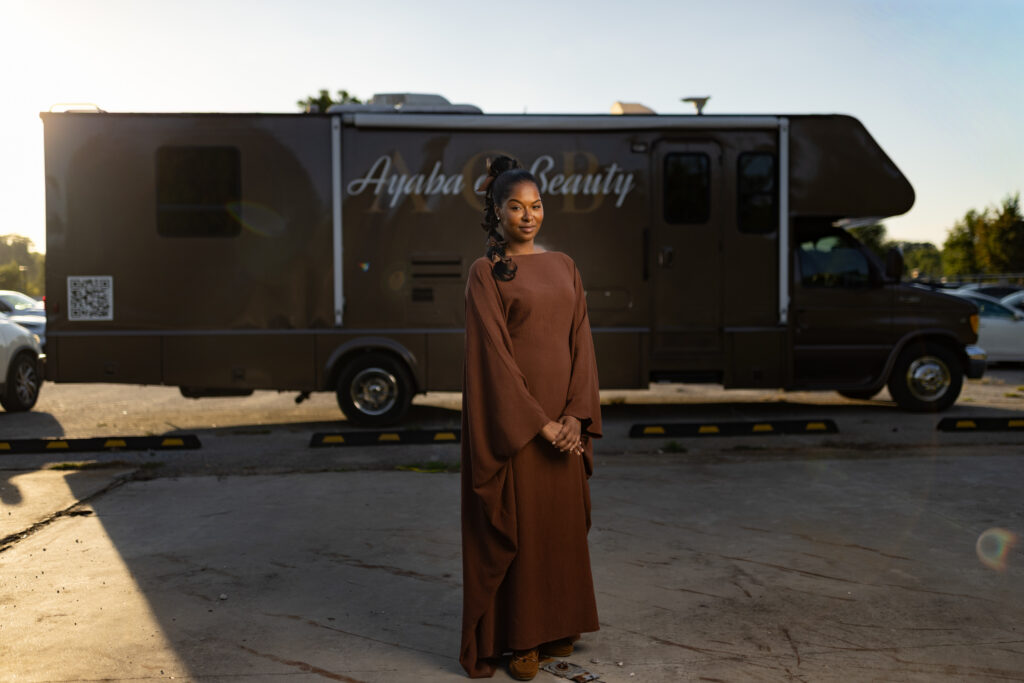
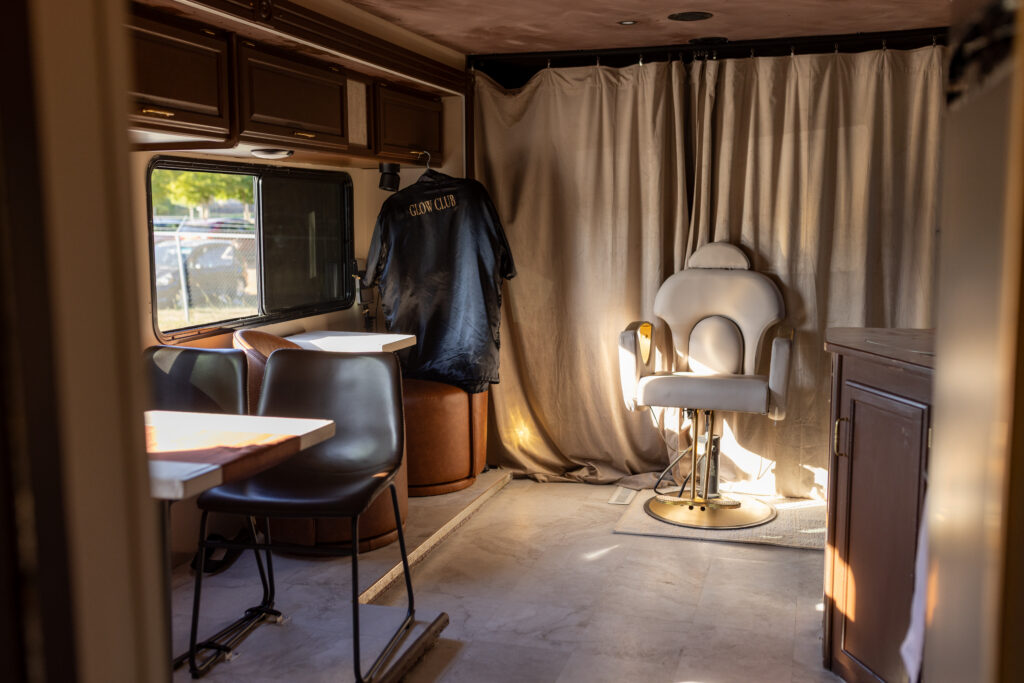
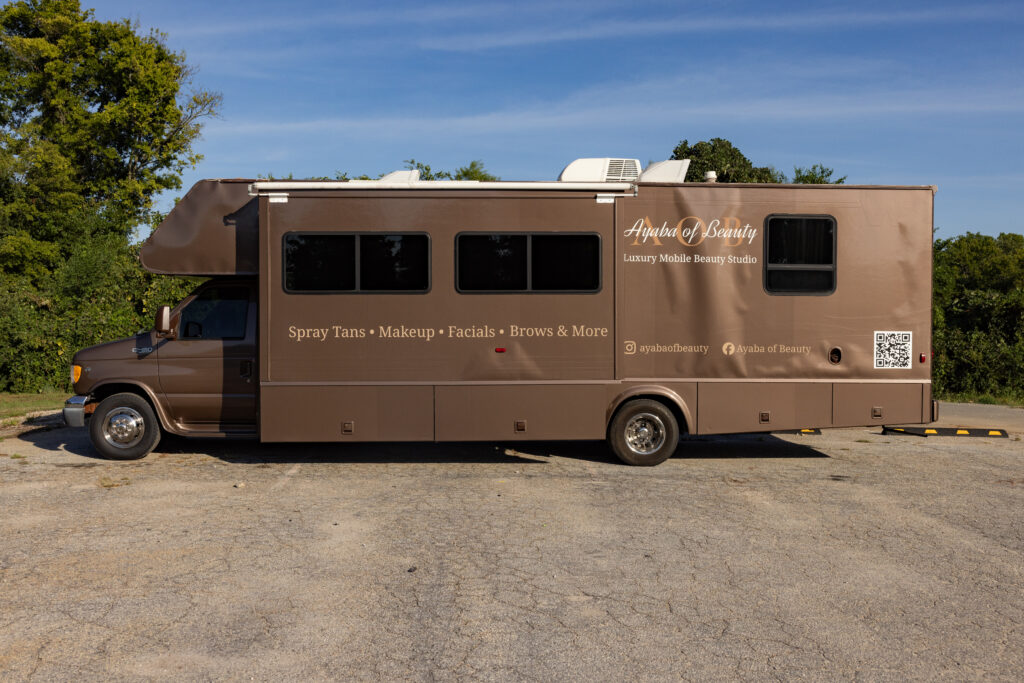
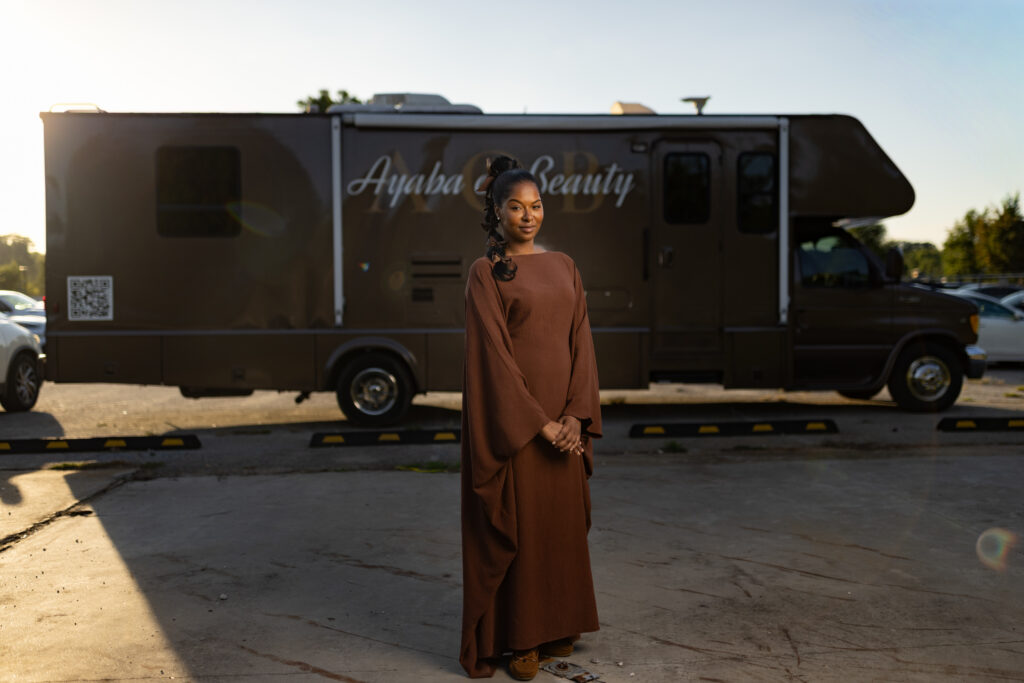
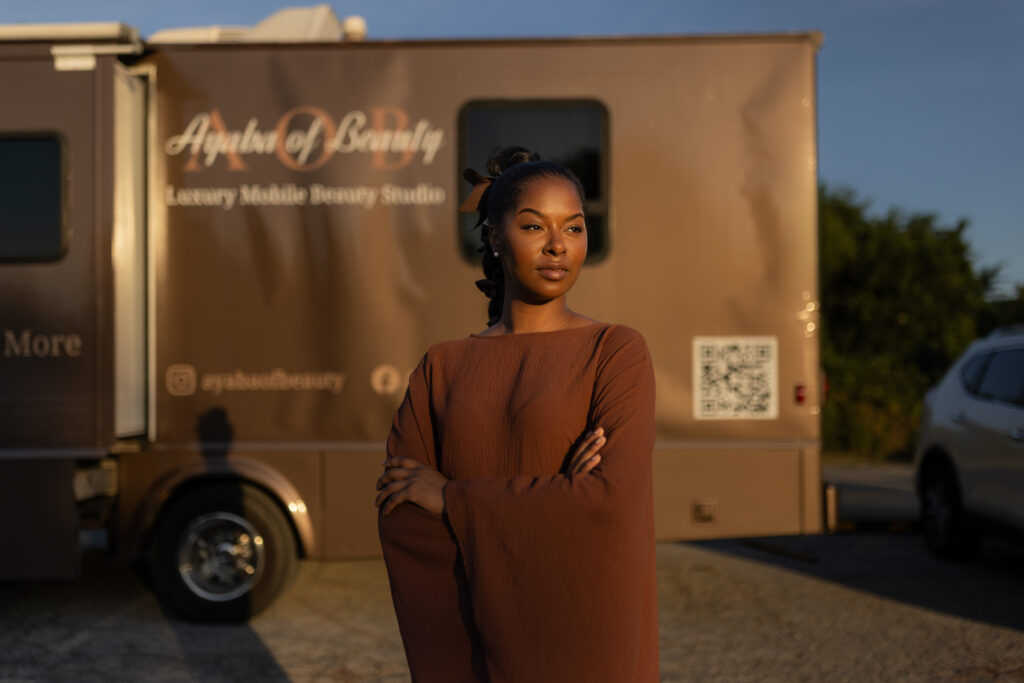
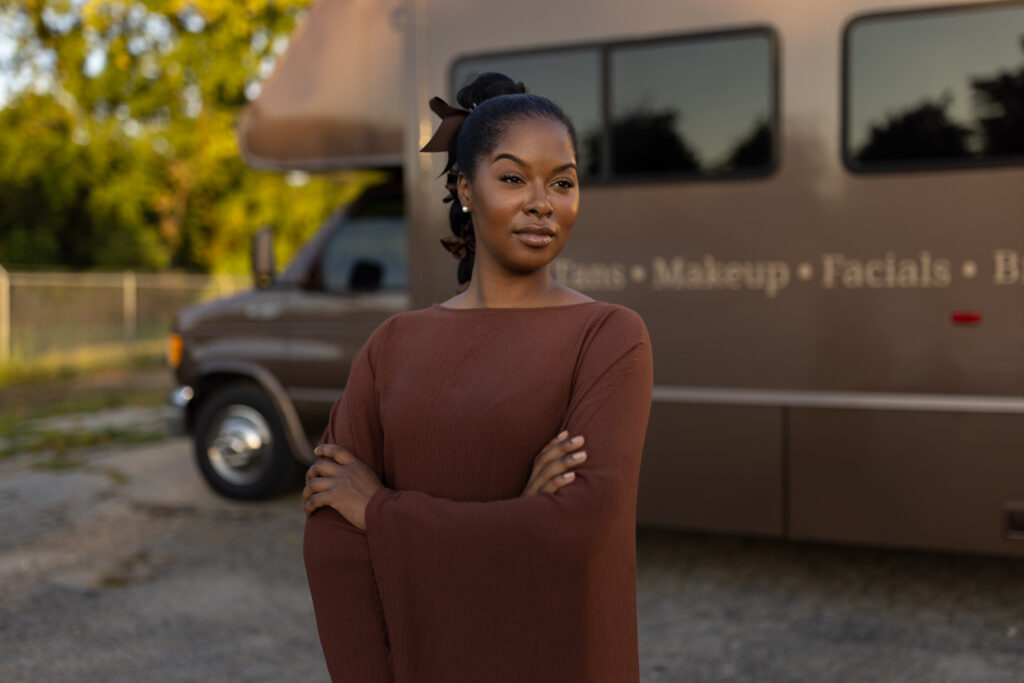
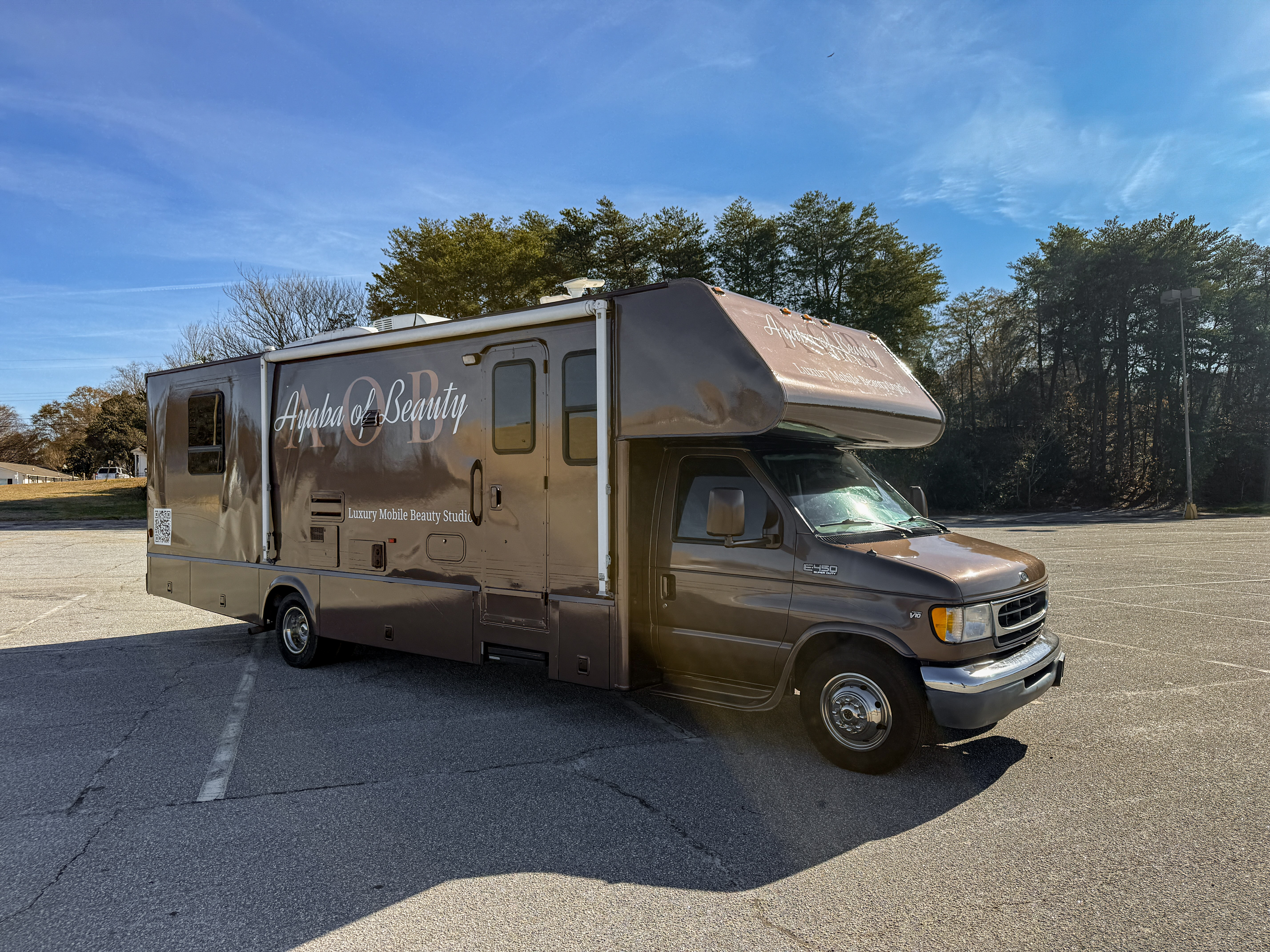
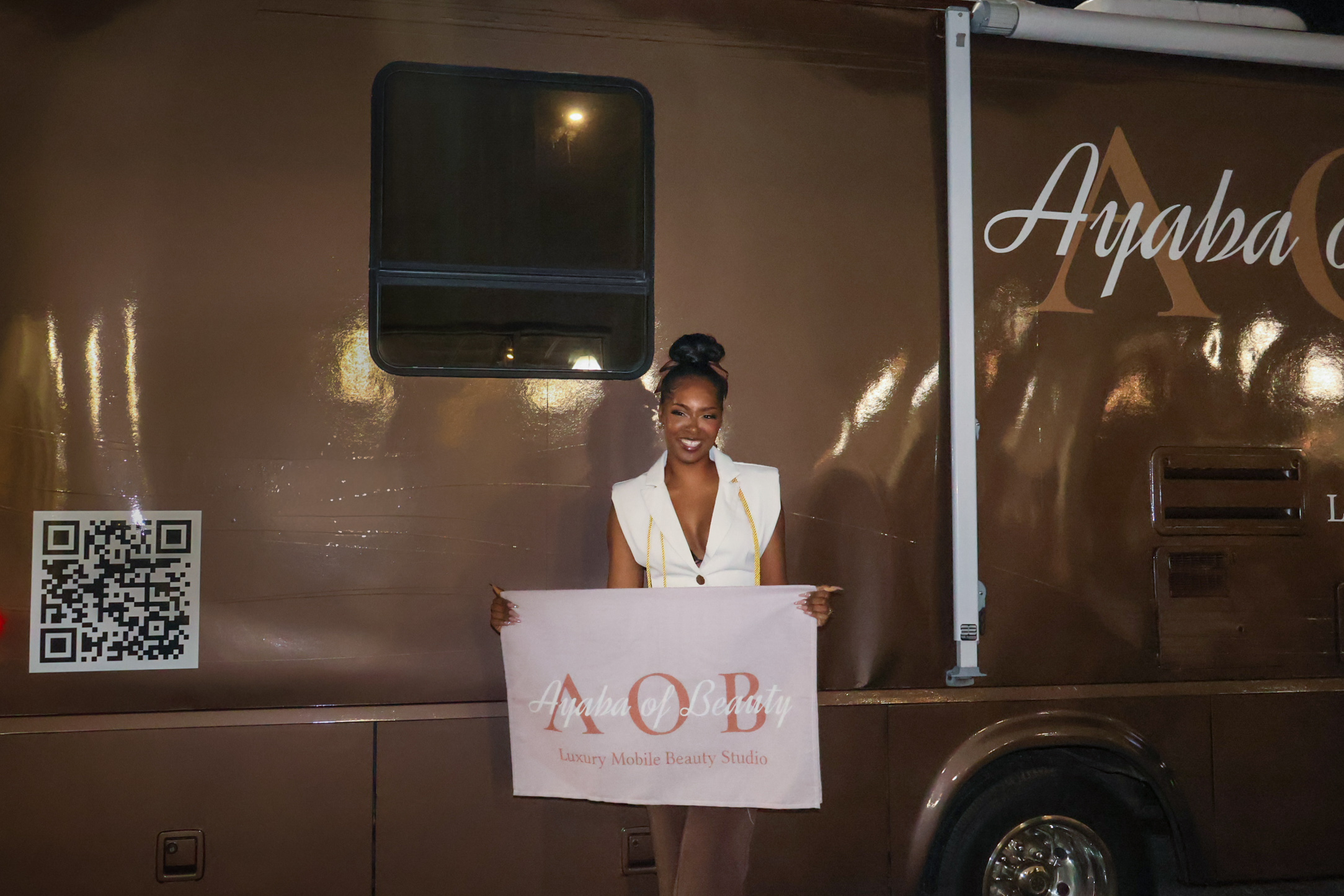
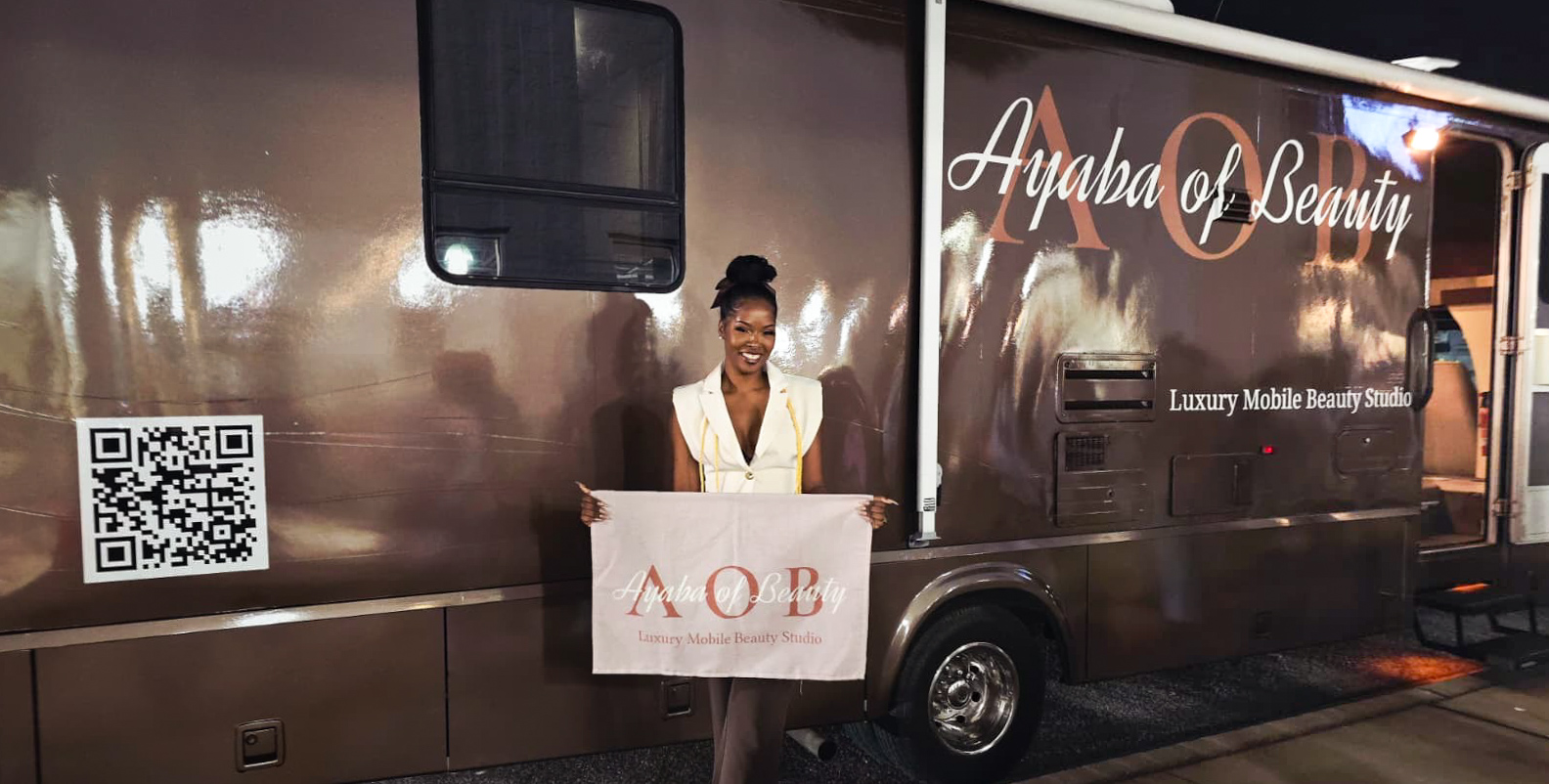
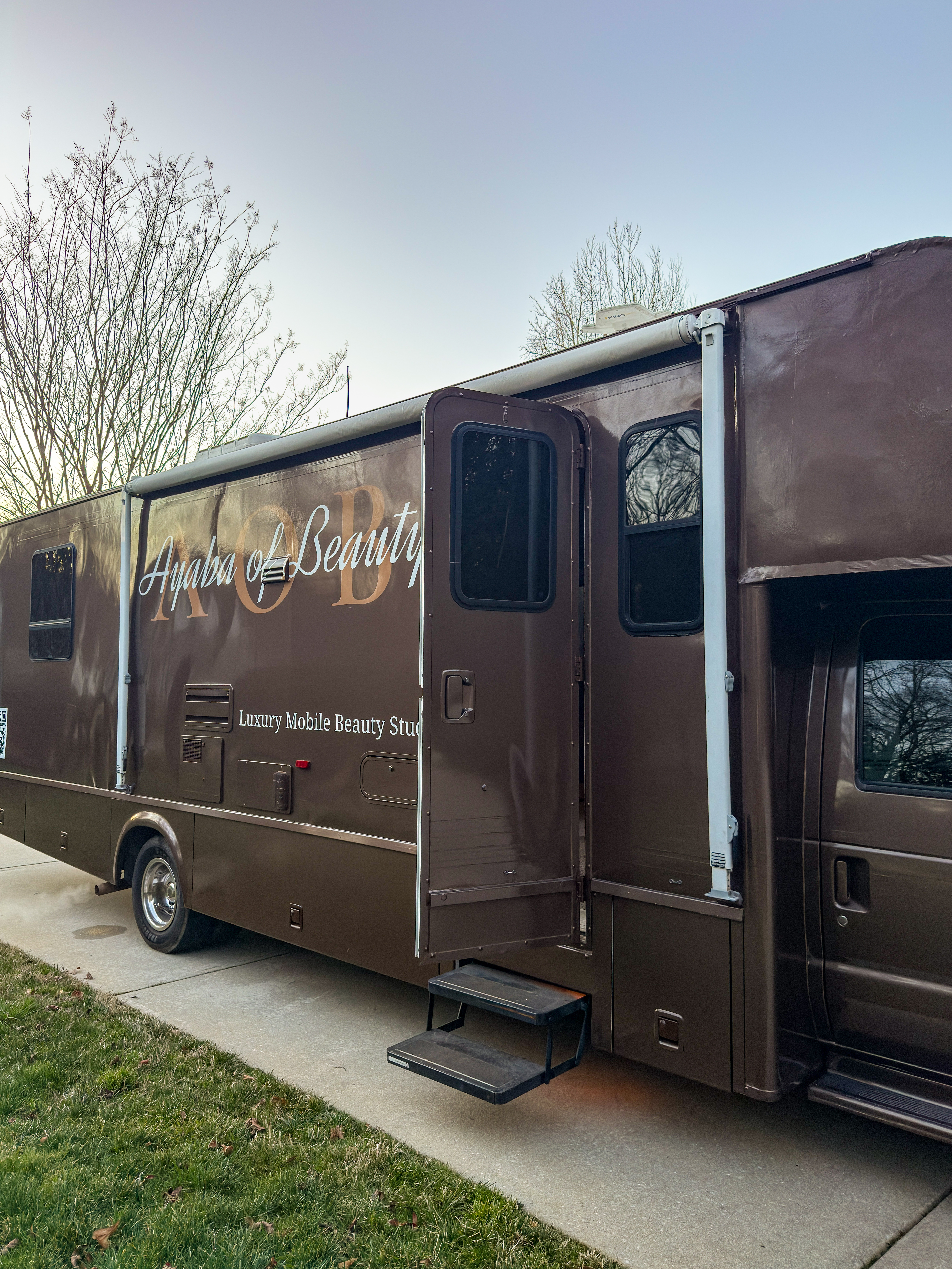
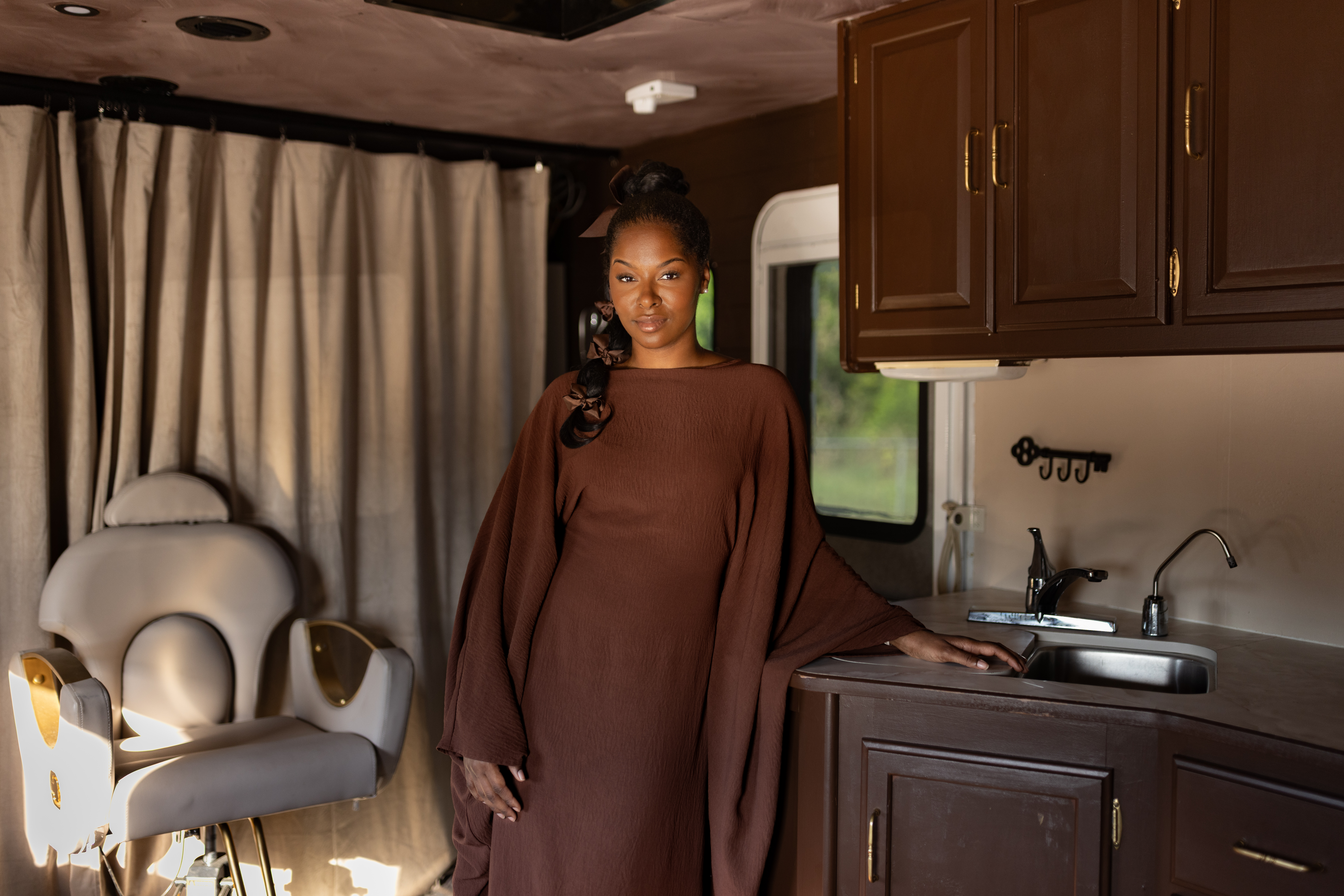
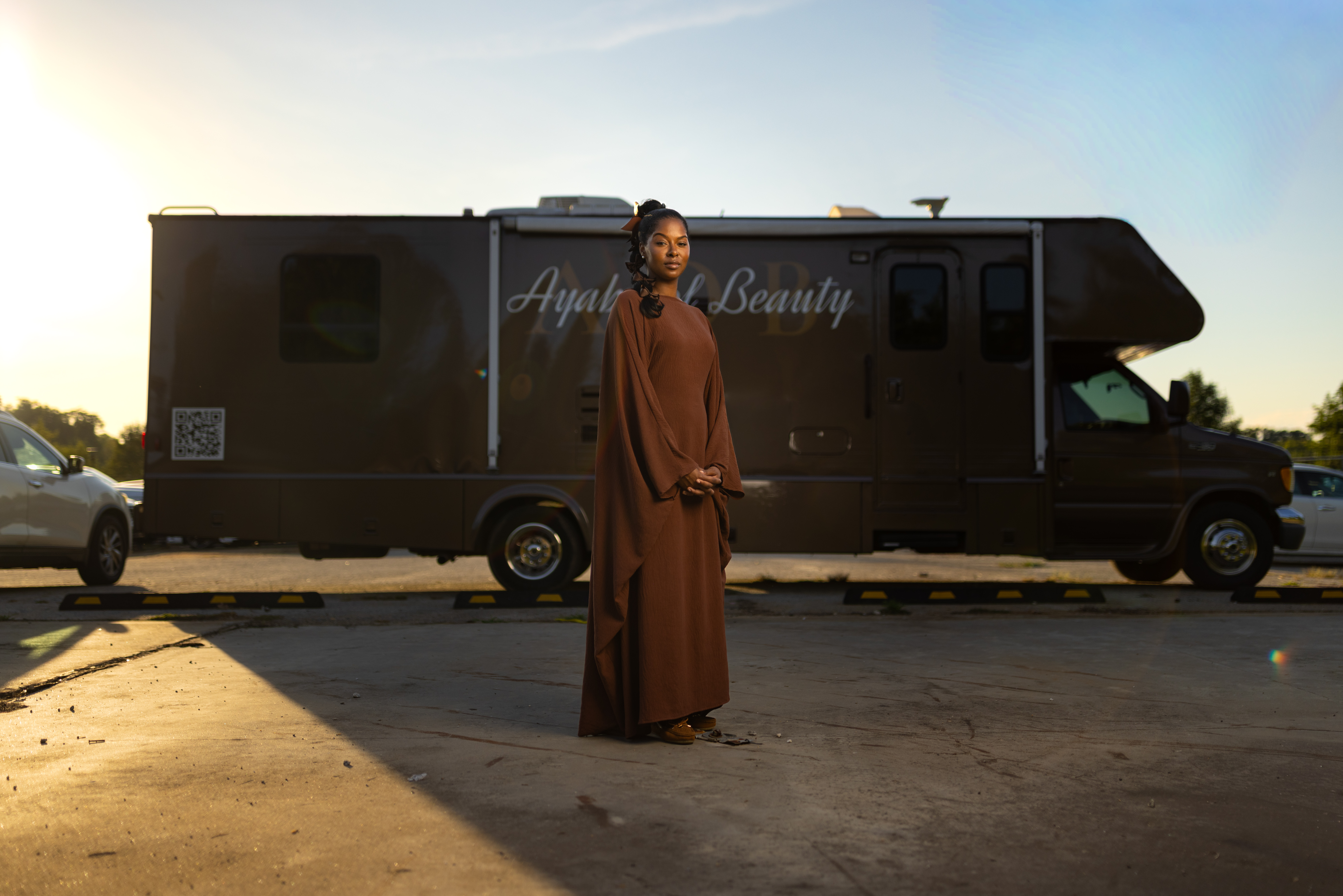
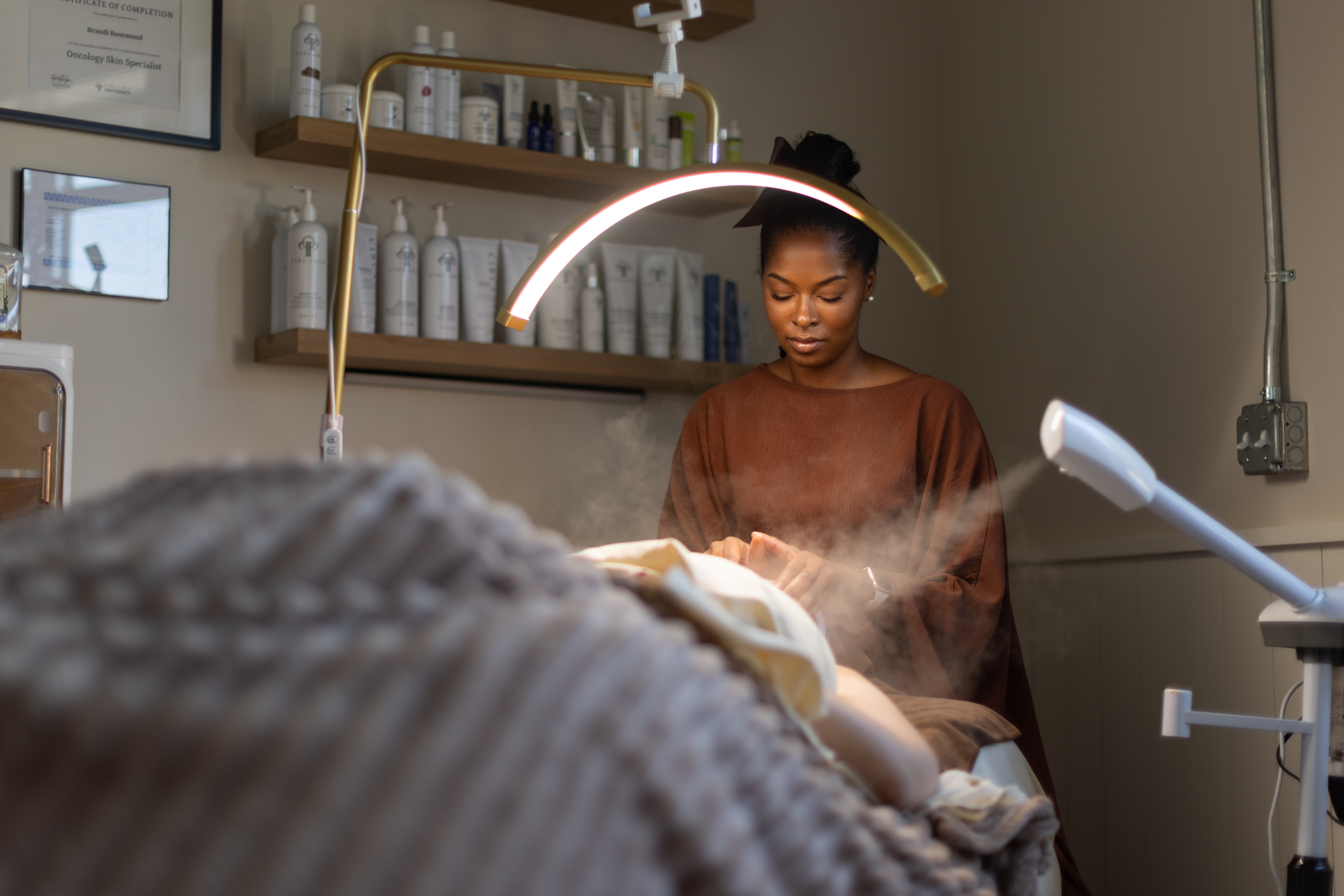
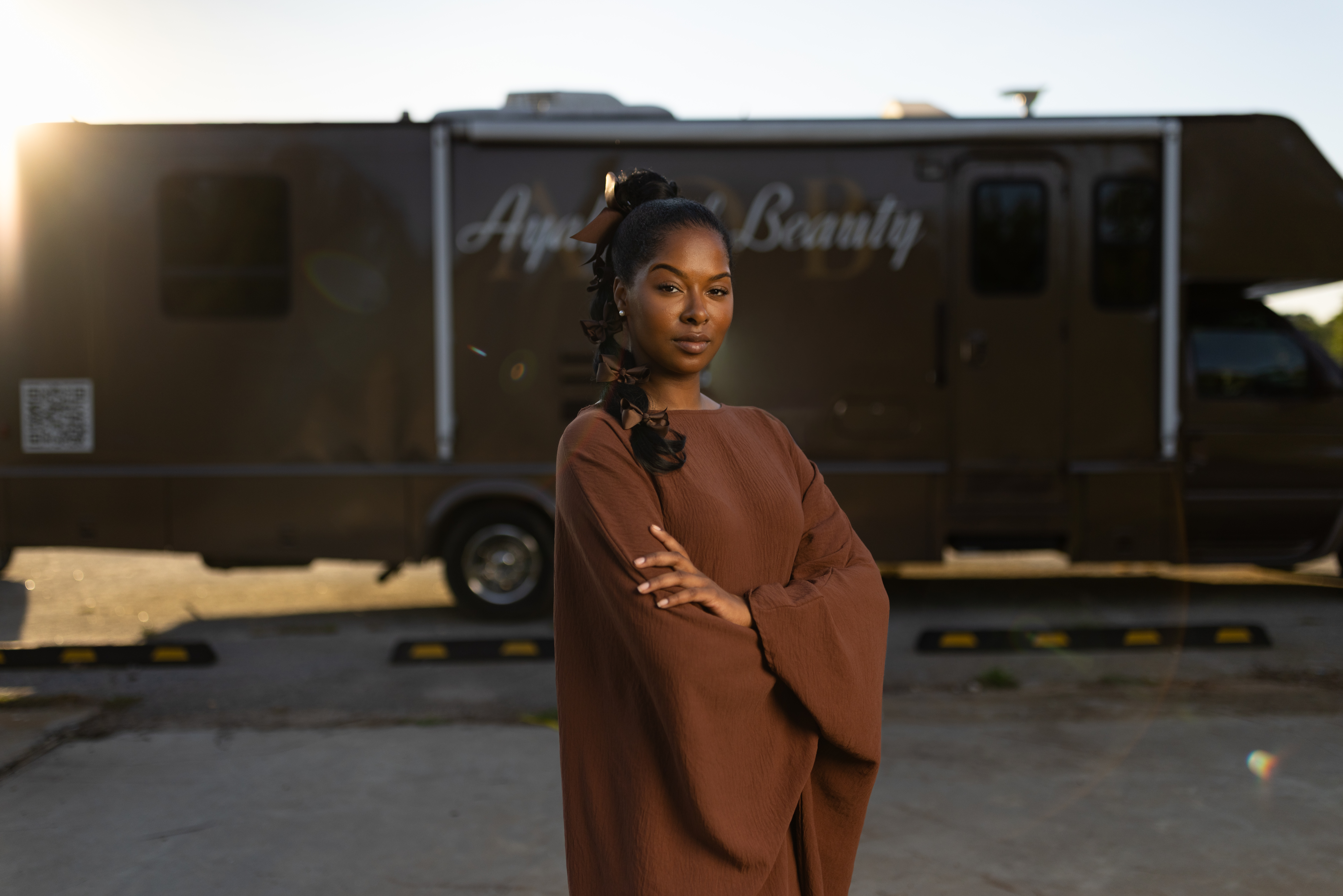
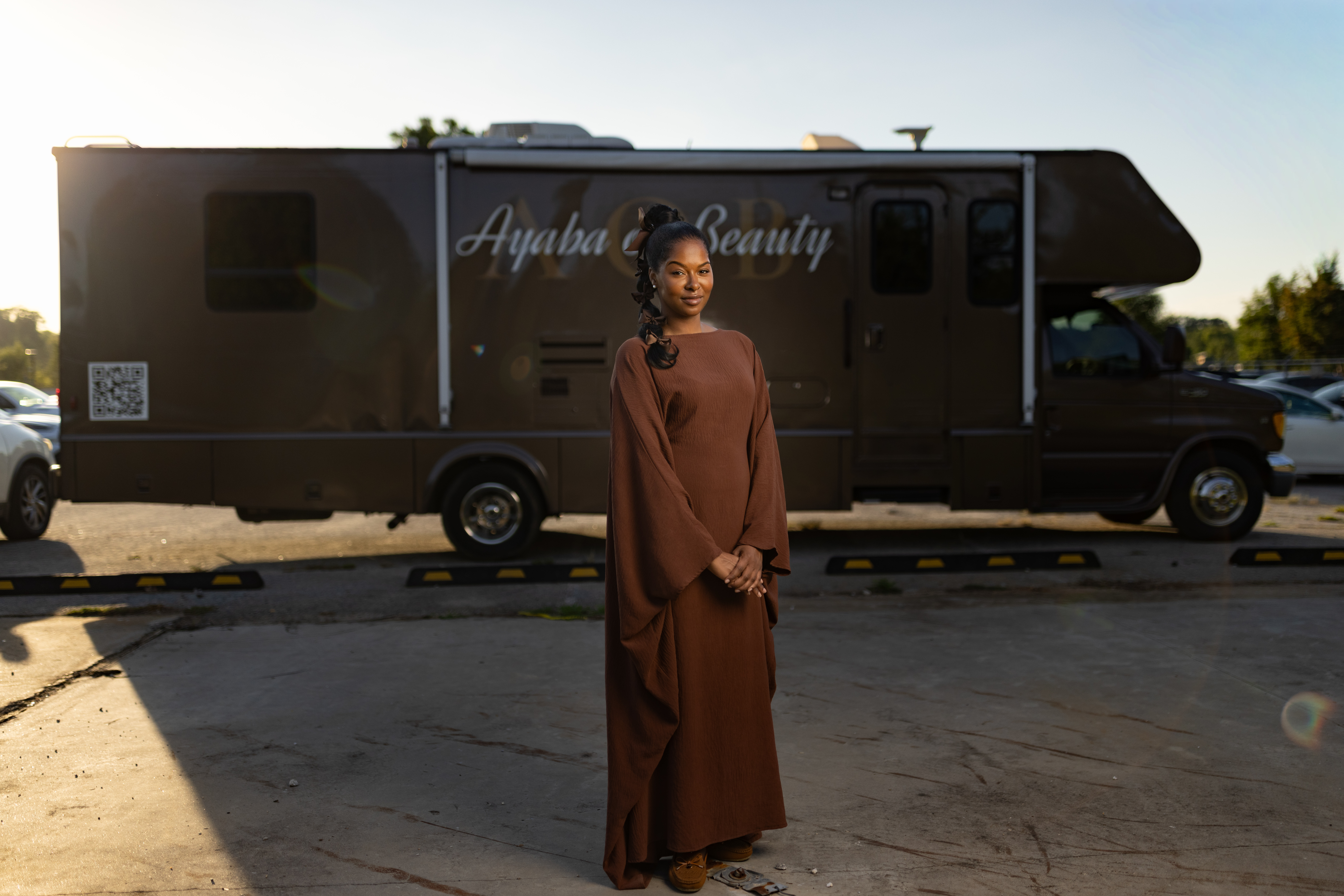
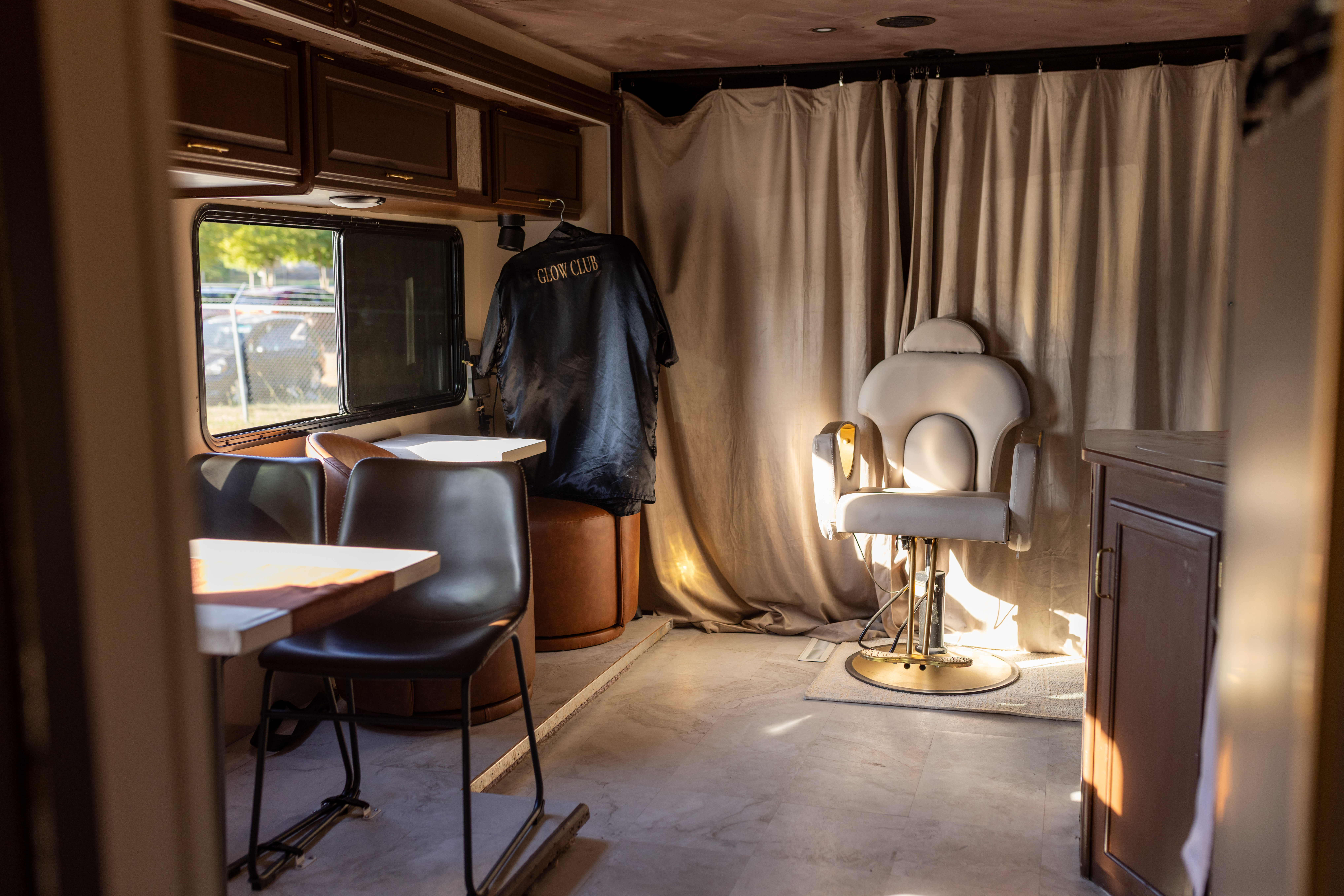
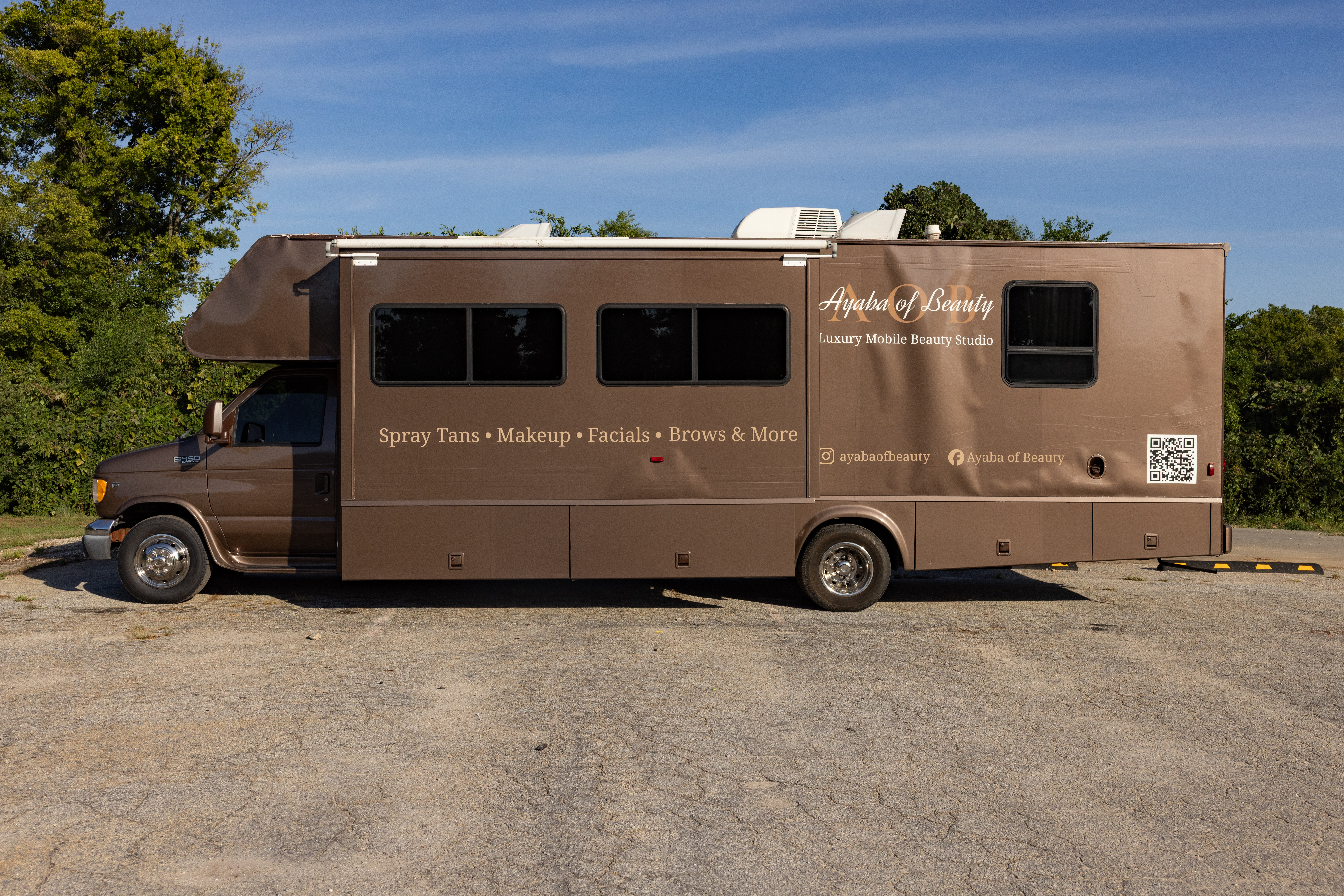
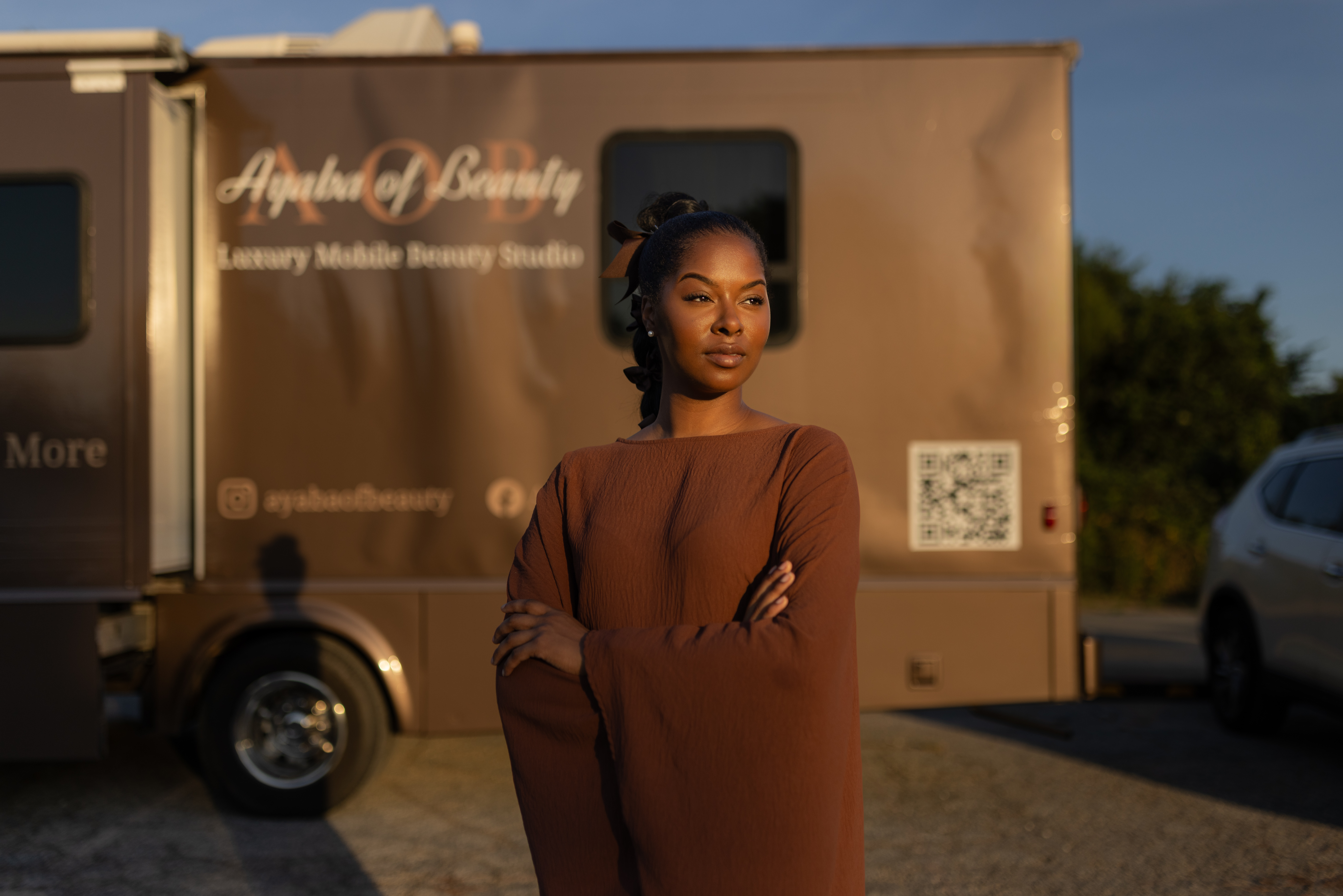
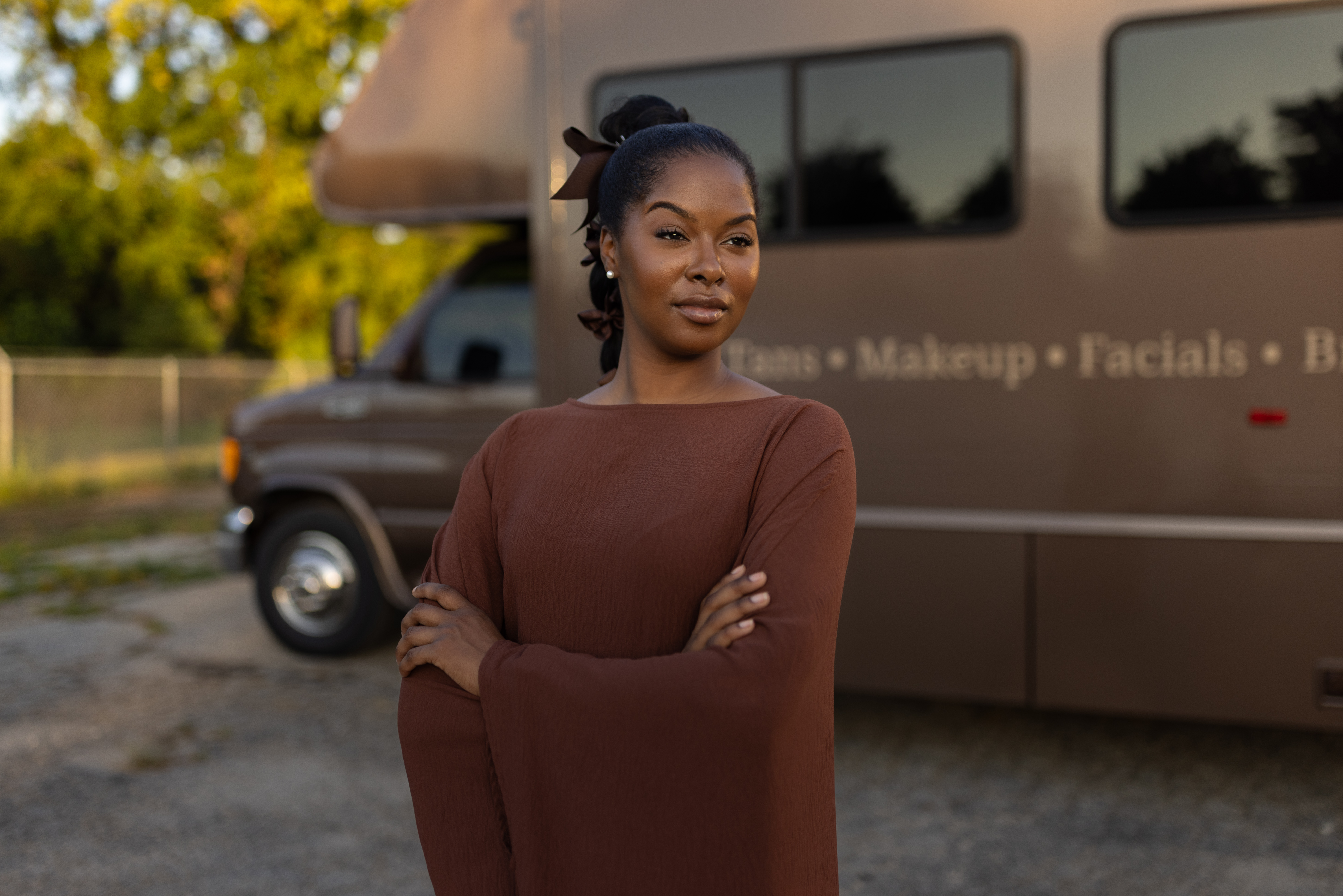
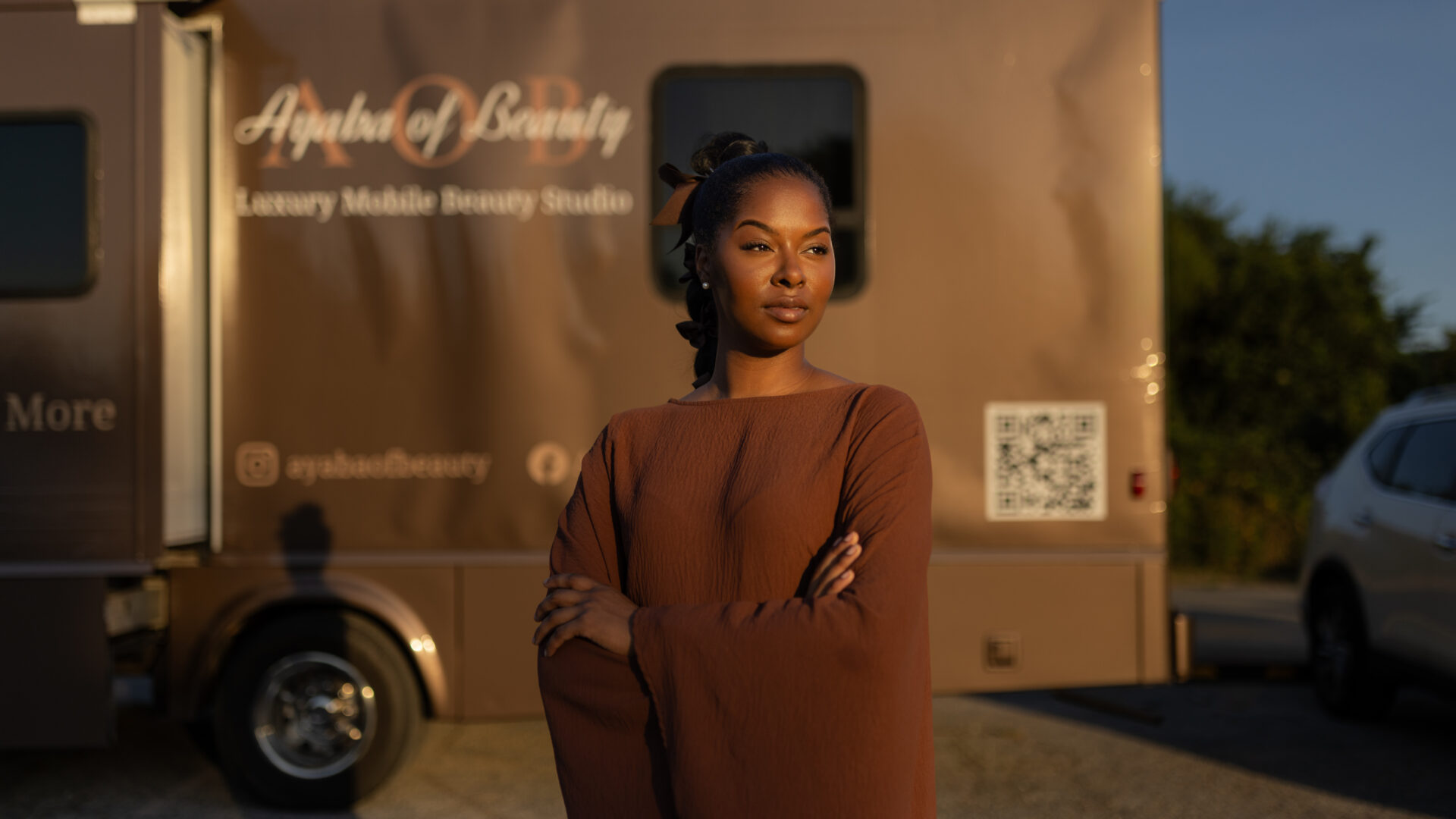
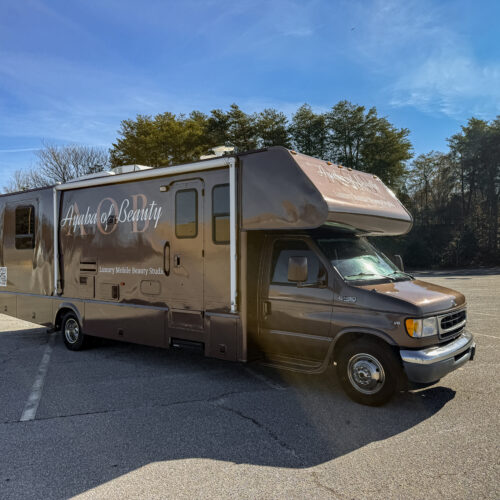
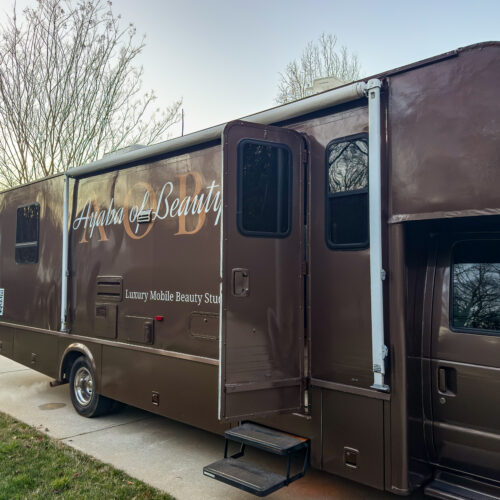
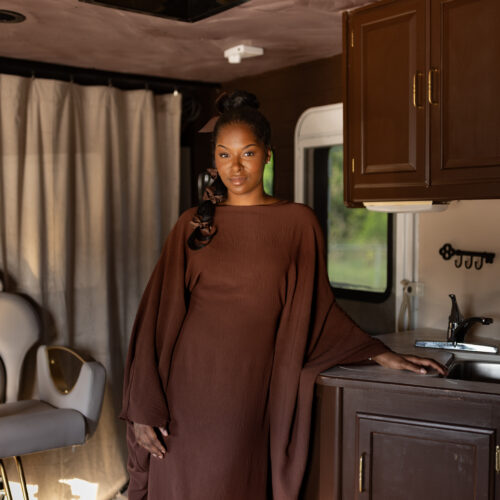
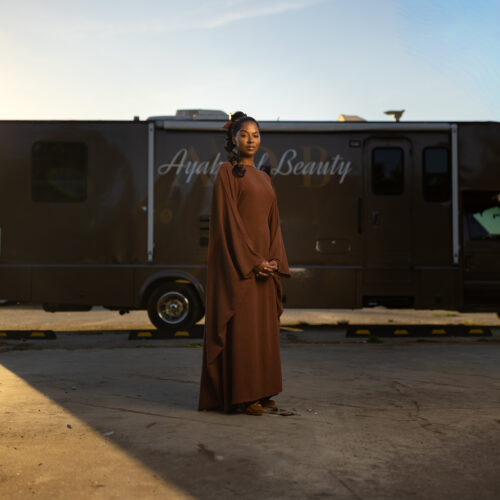
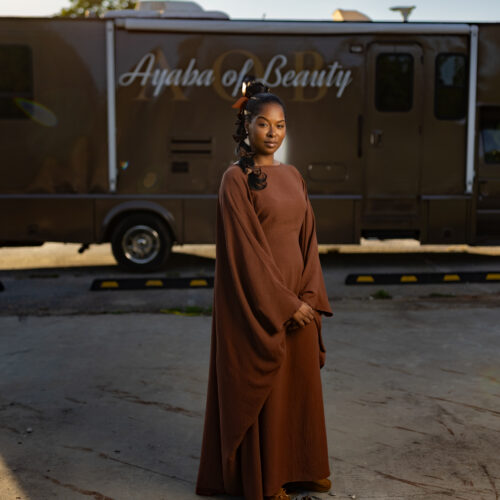
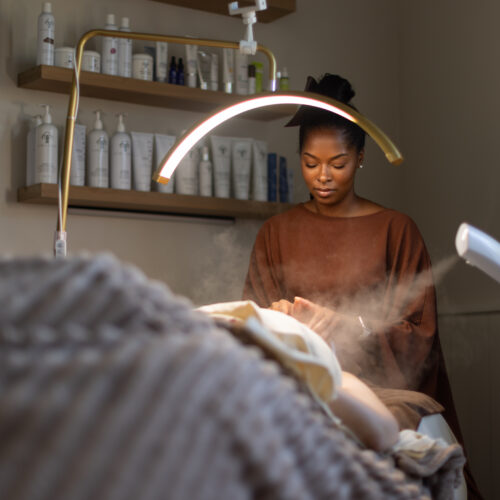
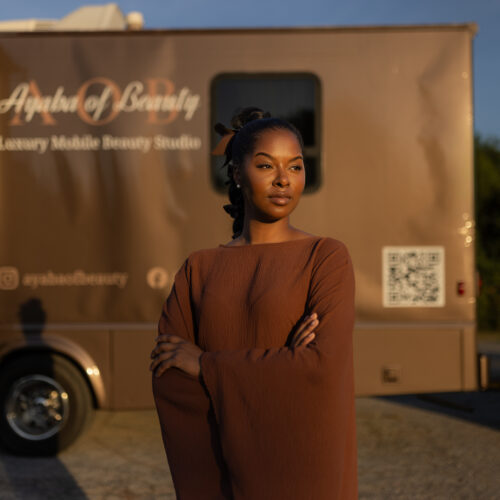
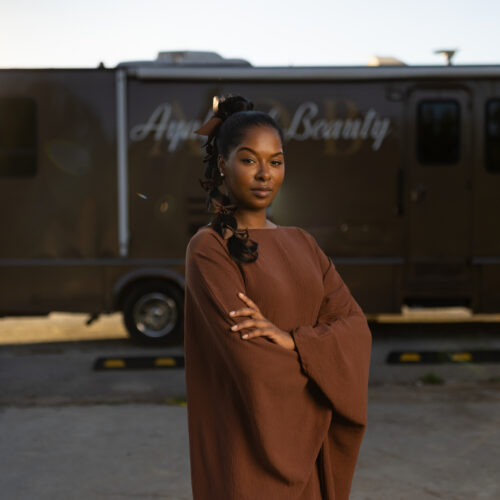
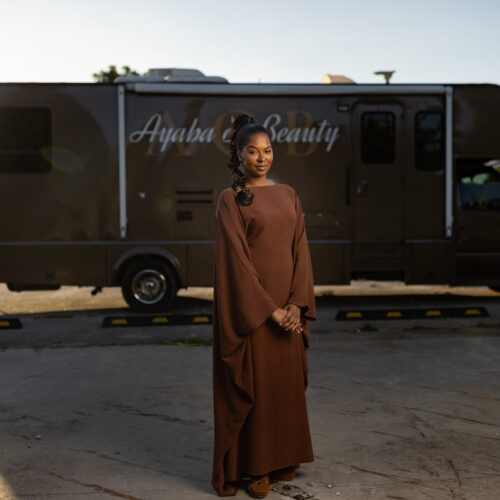
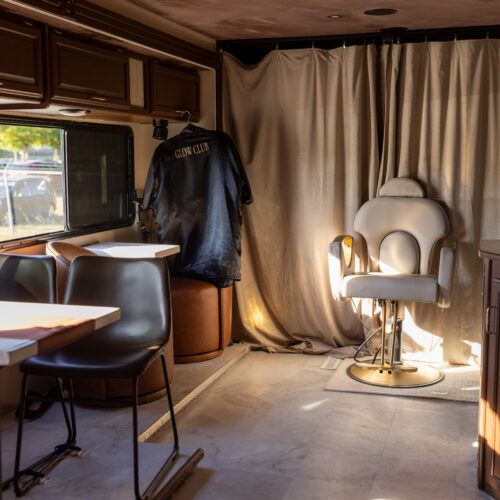
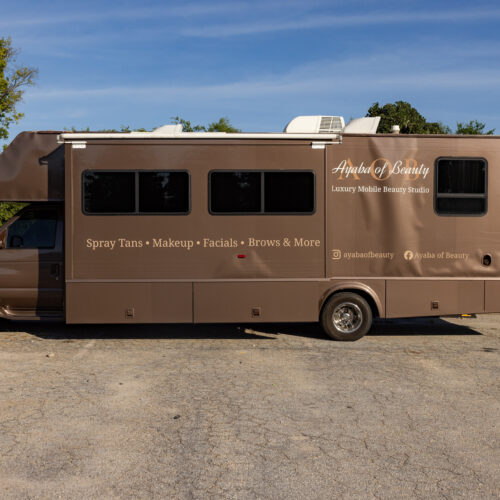
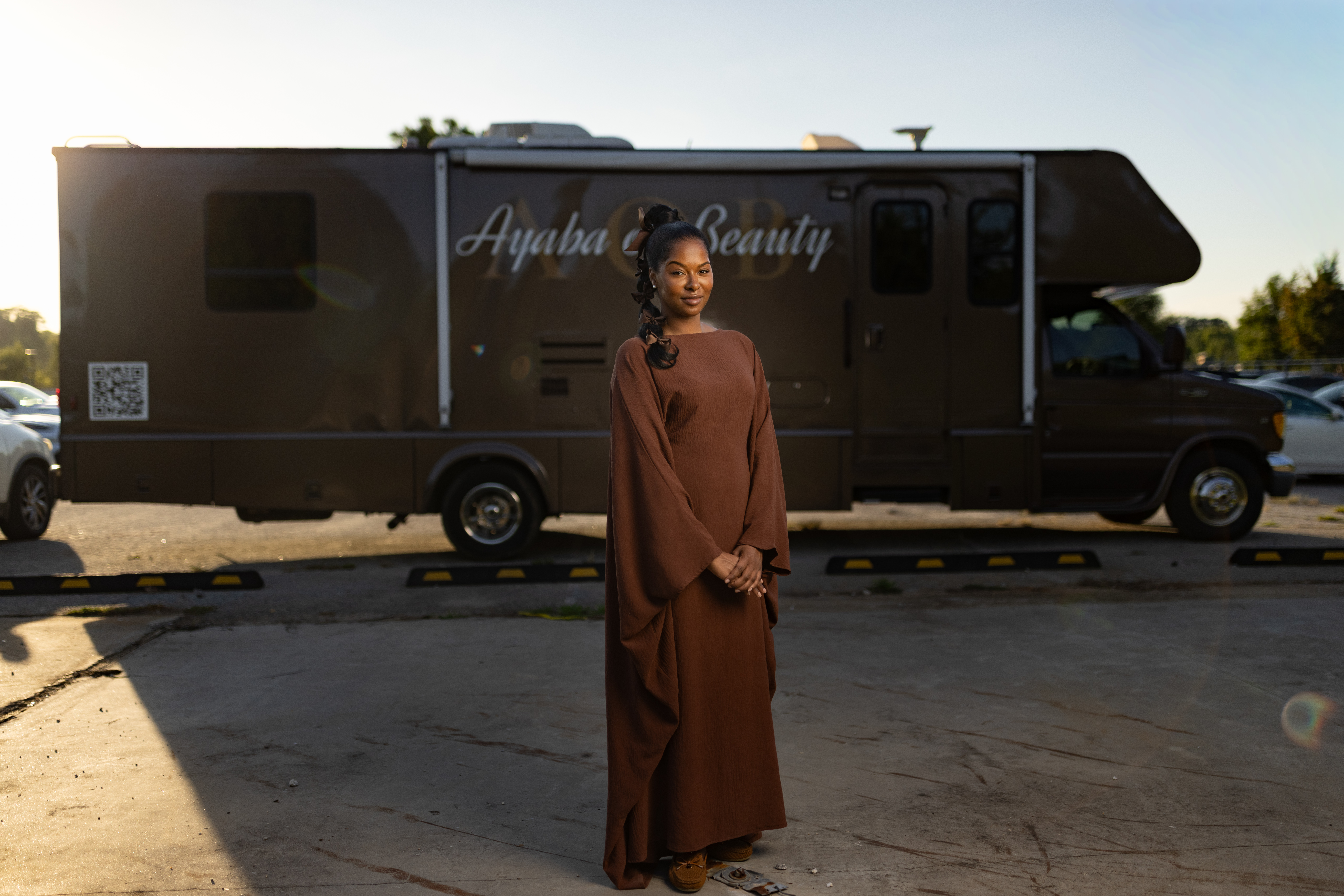
Brandi Rosemond wants to run a mobile beauty salon. And she’s done everything you’d expect to get her business off the ground. She went to beauty school and learned how to professionally apply make-up and style eyebrows. She passed a state test and got an esthetics license to prove she knew sanitation standards. She bought an RV and converted it into a beauty salon.
But even though Brandi was ready for business, South Carolina regulators were not. When the state cosmetology board heard about Brandi’s mobile salon, it informed her that mobile beauty services—meaning any work outside of a fixed salon—are illegal. Brandi was shocked, especially since state law allows barbers to work outside of fixed shops. If barbers can safely shave beards in their RVs, why can’t Brandi safely wax eyebrows in hers?
The fact is she can. And that makes the state’s ban on mobile beauty services unconstitutional. The U.S. Constitution protects Brandi’s right to earn an honest living free from irrational legal barriers. The ban fails that test. It’s irrational to forbid Brandi from doing a job she’s licensed to do, under the same sanitation rules that apply in fixed salons, just because her salon has wheels. And the fact that barbers can do precisely that with similar services proves the point.
With help from the Institute for Justice (IJ), Brandi has filed a federal lawsuit challenging South Carolina’s ban under the U.S. Constitution. The bottom line is that confining Brandi’s business to a single building isn’t protecting anybody. All it does is roadblock her dreams. This case asks the court to remove that roadblock so that Brandi can build her business her way.
Case Team
Client
Brandi Rosemond
Client
Attorneys
Joshua Windham
Senior Attorney
Katrin Marquez
Attorney and Elfie Gallun Fellow in Freedom and the Constitution
Jessica Bigbie
Attorney
Staff

Phillip Suderman
Communications Project Manager
Allisia Wild
Paralegal
Media Resources
Get in touch with the media contact for image resources, press releases, and interview requests.
Media Images
Case Documents
Case Summary
Brandi Rosemond Plans to Open a Mobile Salon
Brandi is a licensed esthetician based in Greenville, South Carolina. After spending most of her 20s modeling, Brandi took some business courses and decided she wanted to run her very own business—specifically, a mobile beauty salon. She went to school at Paul Mitchell (a licensed beauty school), learned how to professionally apply make-up and style eyebrows (among other things), and passed the state test required to become a licensed esthetician in January 2026.
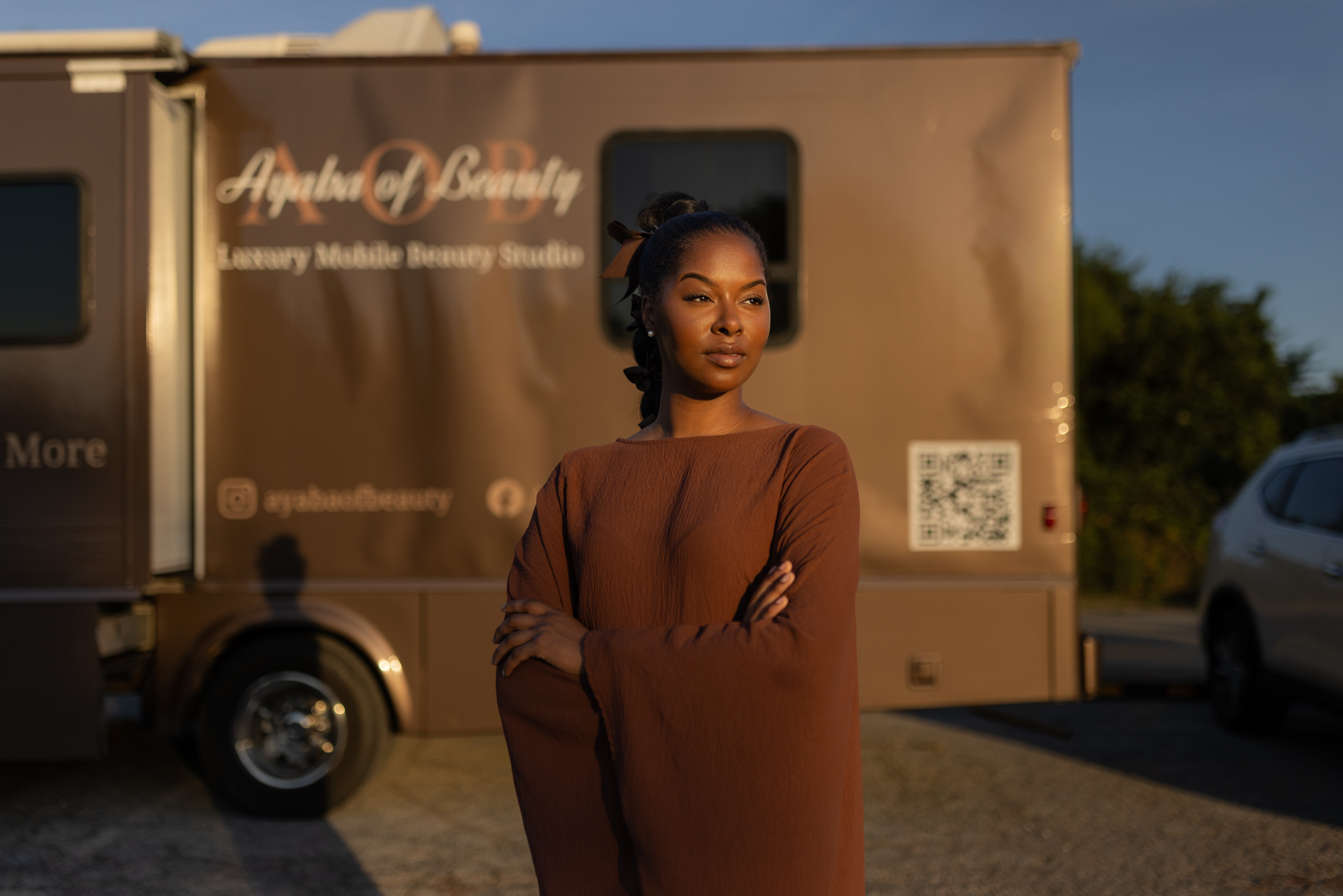
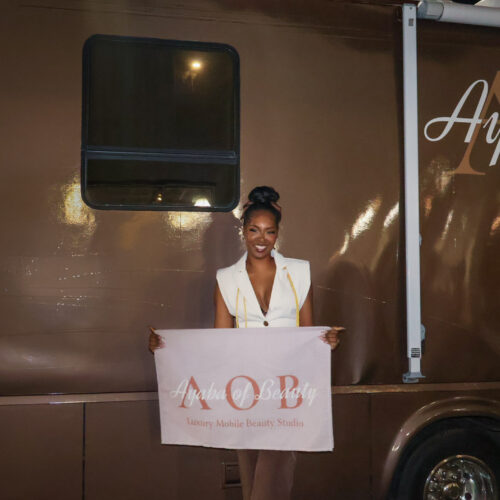
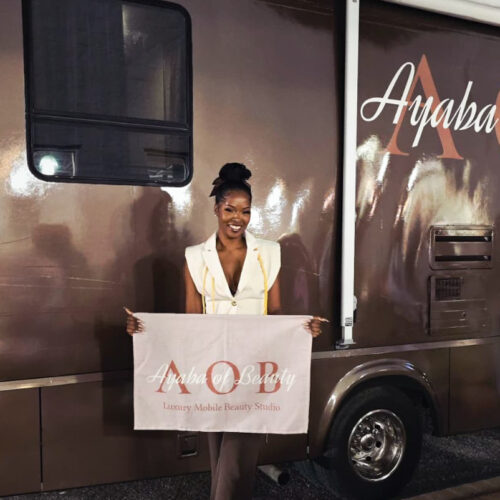
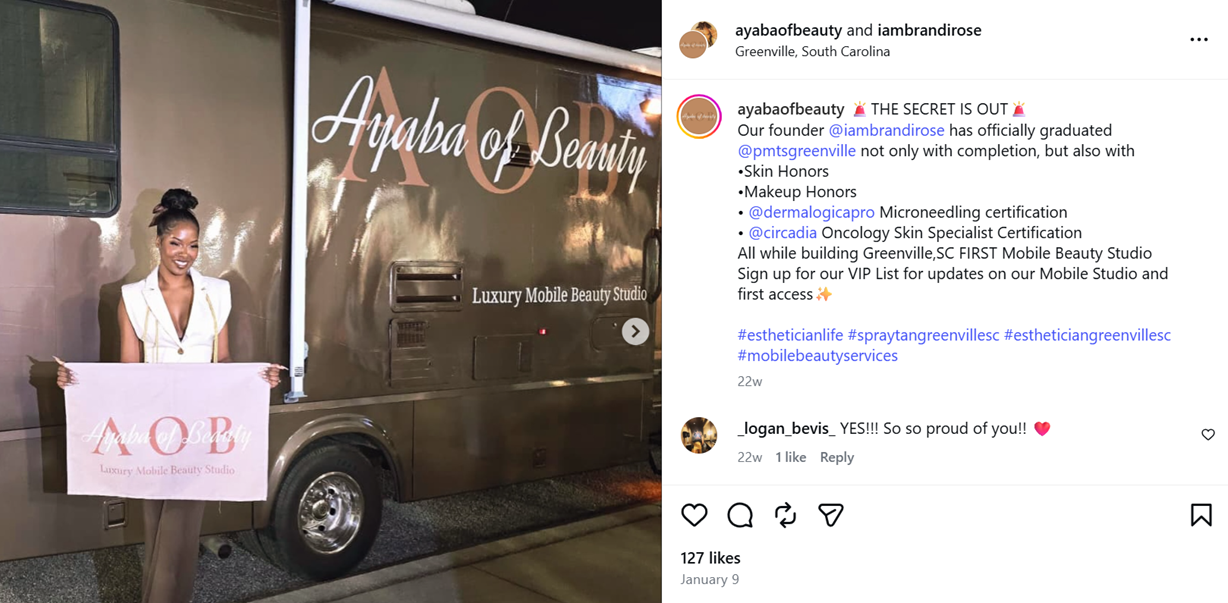
As Brandi made her way through the licensing process, she was also working hard to get her mobile salon ready. She bought an RV, gutted it, and spent over $15,000 renovating it so that it would be ready to roll when her license processed. When Brandi graduated from Paul Mitchell, she proudly posted a photo of her mobile beauty studio branded with her new company name, Ayaba of Beauty. Brandi had no idea that her post would gain the attention of state regulators.
State Regulators Confine Brandi to a Fixed Salon
After Brandi’s public announcement of her mobile beauty salon, she received a message from the vice chair of the state cosmetology board urging her to “contact the board of cosmetology” because “there is no regulation, allowing any type of mobile cosmetology, including Esthetics.” The vice chair added that Brandi was now “under scrutiny by the board.”
Brandi then received a formal letter from the South Carolina Department of Labor, Licensing & Regulation (which administers the cosmetology board). The letter said that LLR had received a complaint from the cosmetology board that Brandi was “operating an unlicensed mobile beauty salon.” Brandi replied that she had not yet started operating the mobile salon, that she was still waiting for her esthetics license (it would come later that month), and that her post announcing the mobile salon was only “general promotion of a future business concept.”
LLR closed the complaint. In doing so, however, it reiterated that “cosmetology services may only be offered in a licensed salon,” meaning “building including, but not limited to, a rental booth.” Undeterred, Brandi pivoted. She started renting a booth in Greenville, and that is where she provides most of her services today. She also uses her mobile studio to provide one limited beauty service for which no license is required: spray tans. For licensed services like make-up and eyebrow waxing, however, Brandi’s RV is off-limits.
South Carolina Prohibits Mobile Beauty Services
Brandi hopes to one day run the business she had planned: a full-service mobile beauty studio. But right now, she can’t. The reason regulators came after Brandi is that a state statute expressly bans mobile beauty services. Specifically, it bans estheticians from working “in any place other than a licensed salon.”[1] That means Brandi must work in either a brick-and-mortar salon or not at all.
But that is senseless. For one, Brandi is licensed. So the state alreadyagrees she is qualified to provide beauty services. Brandi’s skills won’t suddenly evaporate when she applies a client’s make-up in her mobile salon rather than in her rental booth. The state also imposes a list of sanitation rules—common-sense things like using quality disinfectants, discarding single-use tools, washing hands, cleaning work spaces, etc.[2] Brandi already follows all these rules in her rental booth. She can just as easily follow them in her mobile salon.
For another, South Carolina treats barbers the exact opposite way. Barbers are legally allowed to work outside of fixed shops, either in a mobile shop or by traveling to a client’s location.[3] That’s telling given that barbers can provide many of the same services that estheticians like Brandi do: They can “apply[] cosmetic preparations,” apply “powders, oils, clays, and lotions to the scalp, neck, or face,” and use “chemicals to wave, relax, straighten, or bleach the hair.”[4] If barbers can safely do these things outside of fixed shops, estheticians can safely apply make-up and facials and style eyebrows outside of fixed salons.
Legal Claims
Brandi just wants to do the job she’s indisputably qualified to do in her mobile salon. And the U.S. Constitution protects her right to do that free from irrational government regulations.[5] The state’s ban on mobile beauty services is just that: irrational.
First, it irrationally treats estheticians worse than barbers, which violates the Equal Protection Clause of the Fourteenth Amendment. The state may regulate services to protect public health and safety. But, to the extent mobile beauty services pose risks to customers, mobile barbering poses the same or similar risks. It’s irrational for South Carolina to open its economic roads to mobile barbers while closing them to mobile estheticians like Brandi.
Second, even setting barbers aside, it’s irrational to ban mobile beauty work when estheticians can easily follow all the sanitation regulations that make those same services safe inside of fixed buildings. Brandi won’t just forget how to sanitize her tools and work space when she steps out of her booth and into her RV. She won’t just forget to throw away single-use tools, to wash her hands, or to use clean towels. She won’t forget these things because she’s trained to follow these exact rules. There’s simply nothing dangerous about applying make-up or waxing eyebrows in a salon just because it has wheels. That makes banning it irrational.
The Plaintiff
Plaintiff is Brandi Rosemond, a licensed esthetician who wants to operate a mobile beauty salon.
The Defendants
Defendants Emily Farr (in her official capacity as director of the South Carolina Department of Labor, Licensing & Regulation), Tracy Adams (in her official capacity as board executive for the South Carolina Board of Cosmetology), and LaQuita Clark-Horton, Ashley Johnson, Tiffiny Jones, Tovah Lewis, Elizabeth Pistolis, and Sherrie Todd (in their official capacities as members of the South Carolina Board of Cosmetology).
The Litigation Team
Brandi is represented by IJ Attorney Jessica Bigbie, IJ Attorney and Elfie Gallun Fellow in Freedom and the Constitution Katrin Marquez, and IJ Senior Attorney Joshua Windham.
About the Institute for Justice
IJ is a public-interest law firm that defends the constitutional rights of everyday Americans against government abuse. Since IJ’s founding in 1991, it has defended entrepreneurs’ right to earn an honest living free from irrational legal barriers, including those who work in the over-regulated beauty industry. For example, IJ has helped cosmetologists, hair braiders, eyebrow threaders, and make-up artists stand up for their right to earn a living in court.
[1] S.C. Code Ann. § 40-13-110(A)(6); see also S.C. Code Ann. Regs. § 35-20(B)(1) (noting a salon “must occupy a separate building, or part of a building, which is suitable to render adequate sanitary services to the public”).
[2] S.C. Code Ann. Regs. §§ 35-16 & 35-20.
[3] S.C. Code Ann. § 40-7-355.
[4] S.C. Code Ann. § 40-7-20(1).
[5] See, e.g., Brown v. Smith, 802 F. Supp. 3d 953 (E.D. Va. 2025) (striking down law that irrationally categorically banned people with certain criminal histories from working as substance abuse counselors while allowing people with similar criminal histories to work that same job after passing a screening process); Catherine H. Barber Mem’l Shelter, Inc. v. Town of North Wilkesboro, 576 F. Supp. 3d 318 (W.D.N.C. 2021) (striking down law that irrationally required homeless shelters, but not similar entities like emergency shelters and medical care facilities, to obtain a conditional use permit).