South Carolina Entrepreneur Files Lawsuit Challenging Irrational Ban on Mobile Beauty Services
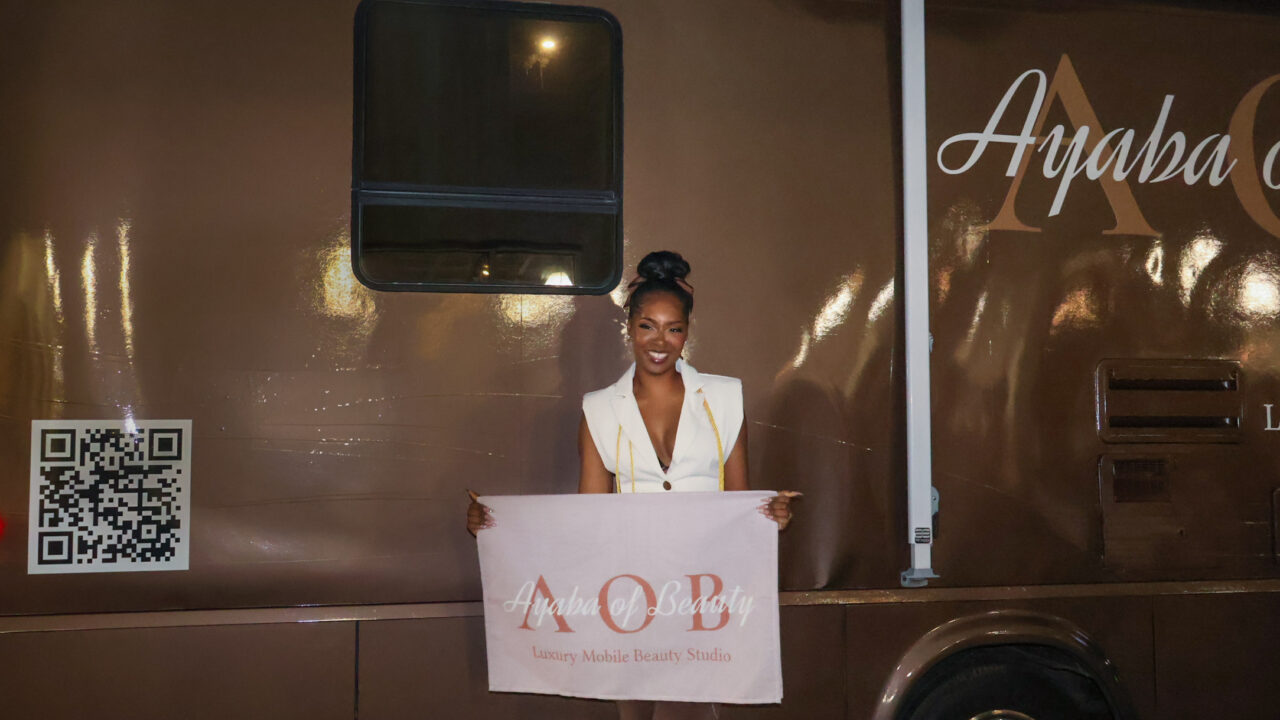
GREENVILLE, S.C.—Brandi Rosemond is a former model born and raised in Greenville, whose dream is to operate a mobile beauty salon that travels the state. But in South Carolina many of the beauty services she wants to provide are legal only in brick-and-mortar shops. That ban isn’t only irrational, it’s unconstitutional. Mobile beauty work is just as safe as beauty work in a fixed store. So Brandi is teaming up with the Institute for Justice (IJ) to fight for her economic rights.
“South Carolina’s ban on mobile beauty salons is bonkers,” said IJ Attorney and Elfie Gallun Fellow in Freedom and the Constitution Katrin Marquez. “Brandi is licensed and the state has certified that she knows how to safely apply makeup and facials. Whether she does that work in her mobile salon or in a building shouldn’t matter.”
South Carolina is one of the premier wedding and tourist destinations in the nation. Every year, thousands of people and soon to be newlyweds come to the state to enjoy the weather, food, and the beaches. For Brandi, and thousands of others, that means the beauty business can serve as a productive pathway to making ends meet. But South Carolina law makes it significantly harder, because some beauty professionals must either work in a fixed salon or not at all.
Brandi found this out the hard way. While in school to become an esthetician, she bought an RV and renovated it largely on her own—spending more than $15,000. When she graduated, she proudly announced on social media that her mobile salon was coming soon.
But before Brandi could open up, she received a letter from the South Carolina Department of Labor, Licensing & Regulation (LLR). The letter said that LLR had received a complaint that Brandi was “unlicensed and operating an unlicensed mobile cosmetology salon.” Brandi explained that while she was not yet licensed, she was set to take her exam soon, and that any social media posts were “marketing only, related to my recent graduation and general promotion of a future business concept.” LLR closed the complaint but informed Brandi that while she could practice after she got her license; mobile salons were still illegal.
Brandi faced a dilemma—she had spent hundreds of hours pursuing her license and thousands of dollars trying to set up her mobile business and she didn’t want to have all that wasted. So, she found a fixed salon to rent a booth from.
“Whether I’m serving clients in a brick-and-mortar spa or in my mobile beauty studio, my training, education, and professional standards don’t change,” said Brandi. “I earned my esthetician license through my skills, not my location. I simply want the freedom to use those skills to help people feel confident while earning an honest living.”
Unfairly, South Carolina already allows barbers to serve customers at a location they select, or in mobile units. Mobile barbers can even provide some of the same grooming services Brandi wants to provide in her RV. Treating similarly situated businesses differently violates the U.S. Constitution.
“Confining Brandi’s business to a building doesn’t make anybody safer or better off,” said IJ Attorney Jessica Bigbie. “The government has no business enforcing a law that does nothing more than prevent entrepreneurs from pursuing their dreams.”
IJ is a public-interest law firm that defends the constitutional rights of everyday Americans against government abuse. Since IJ’s founding in 1991, it has defended entrepreneurs’ right to earn an honest living free from irrational legal barriers, including those who work in the over-regulated beauty industry. For example, IJ has helped cosmetologists, hair braiders, eyebrow threaders, and make-up artists stand up for their right to earn a living in court.
# # #
To arrange interviews on this subject, journalists may call Phillip Suderman, IJ’s communications project manager, at (850) 376-4110. More information on the case is available at: https://ij.org/case/south-carolina-mobile-beauty/