Protecting Property Owners and Food Truck Entrepreneurs from Protectionism

Food trucks are a safe, efficient, and downright fun way for culinary entrepreneurs to serve their communities. And in recent years, food trucks have exploded in popularity—it seems that everyone loves them.
Well, almost everyone. Because if there’s one thing IJ has learned over more than a decade defending the rights of food truck entrepreneurs, it is that one group consistently opposes their entry into the market: owners of brick-and-mortar restaurants.
So when the city of Jacksonville, North Carolina, was considering whether to open its streets up to food trucks, it came as no surprise to us when Jacksonville restaurant owners came out in force to oppose any change that would subject them to greater competition. Nor were we surprised when the City Council did what we’ve seen so many others do: cave in to special-interest demands at the expense of food truck entrepreneurs and consumers. At restaurant owners’ behest, the Jacksonville City Council enacted rules that ban food trucks from more than 96% of the city and otherwise make it virtually impossible for food trucks to operate.
But if we could have guessed the city and the restaurant owners’ response, they should have guessed ours. Because now IJ has taken the city to court to end its restaurant protectionism.
Jacksonville’s rules cover everything from where food trucks can operate to how they can advertise. Most egregiously, Jacksonville’s rules ban food trucks from operating within 250 feet of certain properties, including any property with a brick-and-mortar restaurant, residences, or another food truck. Worse still, the city does not merely ban food trucks from operating on public roads; it bans them from operating entirely—even on private property, even with the owner’s permission.
That doesn’t just hurt food truck owners; it also hurts entrepreneurs like Nicole Gonzalez, the owner of Northwoods Urban Farm, a general store and small engine repair shop. Nicole would love to invite food truck owners Anthony “Tony” Proctor and Octavius “Ray” Raymond to vend from her store’s large parking lot. And if Tony or Ray owned a restaurant, they would be allowed to vend there with no problem. But the city’s ban means that Nicole’s customers won’t get to enjoy Tony’s Florida-style seafood truck, The Spot, or Ray’s cheesesteak truck, The Cheesesteak Hustle. Instead, to operate legally, Tony and Ray are forced to drive their trucks to Camp LeJeune and other cities and towns, spending more time on the road and less time serving customers.
That is where IJ comes in. Looking to build on our previous food truck victories by bringing novel claims on behalf of a property owner, IJ partnered with Nicole, Tony, and Ray to challenge these overly burdensome, unreasonable regulations under the North Carolina Constitution.
The right to invite others onto one’s property to do business is a fundamental component of property rights. Permitting property owners to invite restaurants while forbidding them from inviting food trucks strikes at the heart of that right. After all, what’s good for the restaurant-served goose is good for the food-truck-served gander—or cheesesteak.
Trace Mitchell is an IJ litigation fellow.
Also in this Issue

Liberty & Law
License to Work: Third Edition Points the Way to a Better, Freer Future

Liberty & Law
Occupational Licensing Doesn’t Raise Quality
Liberty & Law
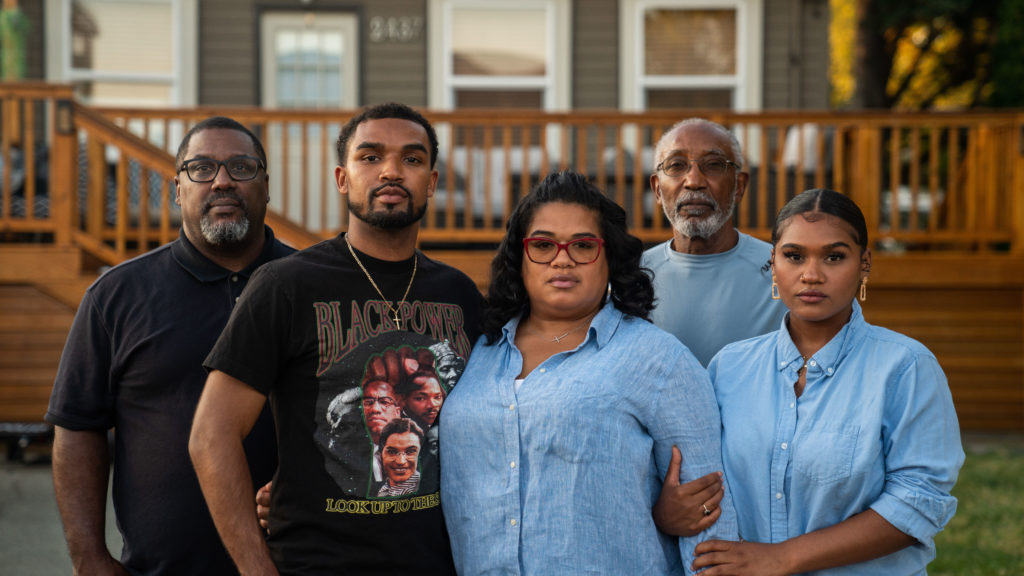
Seattle’s Affordable Housing Ordinance Makes Housing Unaffordable

Liberty & Law
How Practice Makes Perfect for IJ Attorneys
Liberty & Law
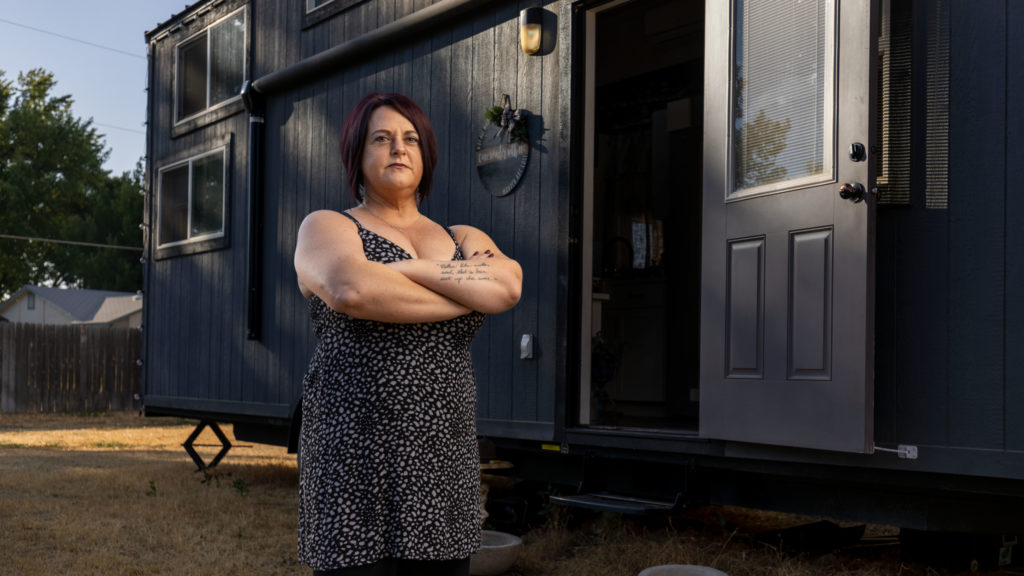
IJ Wins Big Early Victory for Tiny Homes in Idaho
Liberty & Law
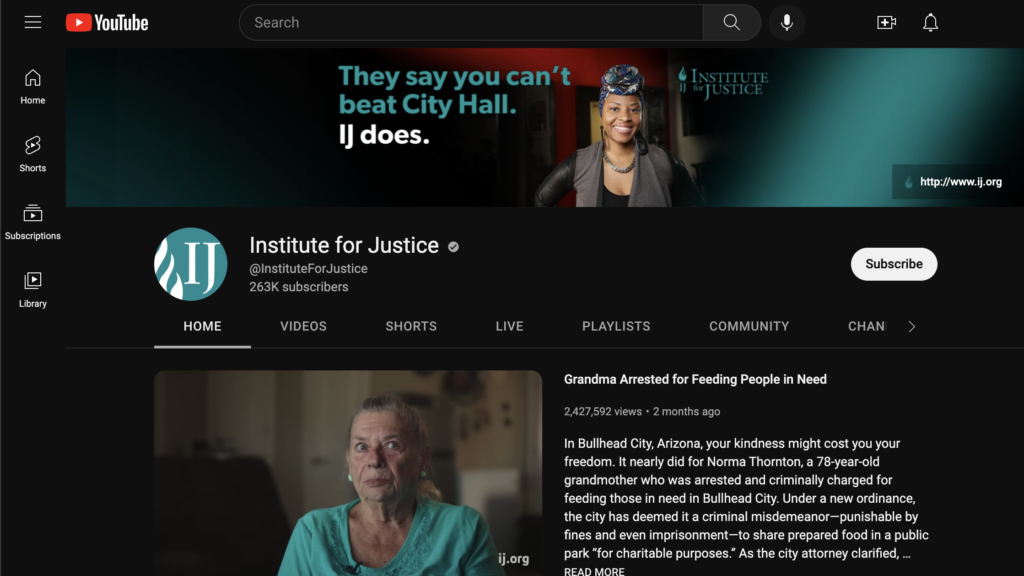
IJ’s YouTube Channel Reaches Quarter Million Subscribers
Liberty & Law
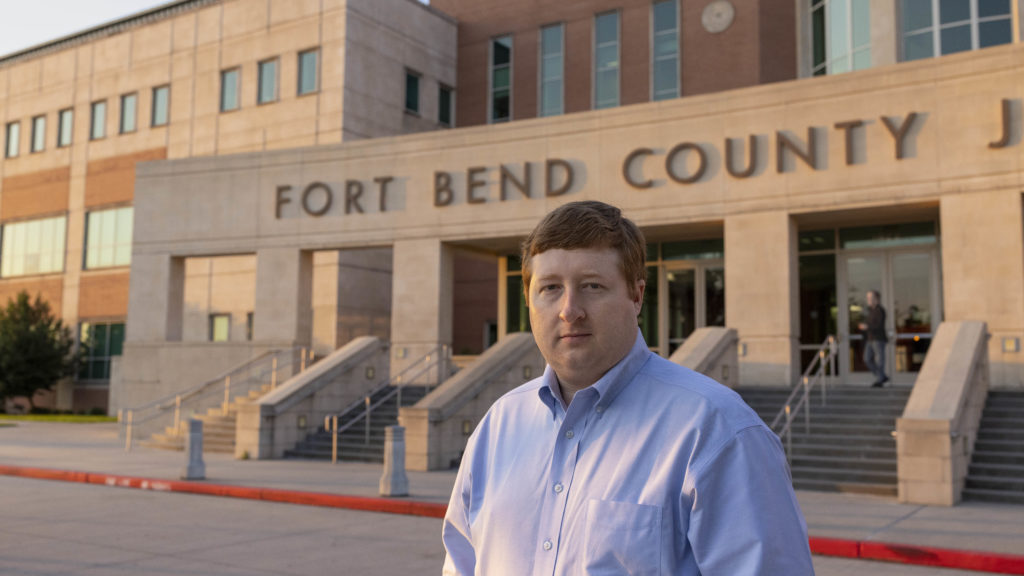
Citizen Journalist Arrested for Filming Police Fights for Free Speech

Liberty & Law
Bringing Down the Gavel on Judicial Immunity

Liberty & Law
IJ Flies to the Michigan Supreme Court to Defend the Fourth Amendment’s Property Rights Protections
Liberty & Law
IJ Is Putting a Stop to Traffic Stop Abuse

Liberty & Law
Fighting for Educational Freedom in the Granite State

Liberty & Law
IJ Racks Up Ed Choice Victories in Vermont and West Virginia

Liberty & Law
Scoring Big Wins for Property Rights with Strategic Amicus Briefs
Liberty & Law
The California Homeowners Facing Million-Dollar Fines for Growing Vegetables

Liberty & Law
IJ Makes Headlines
Subscribe to get Liberty & Law magazine direct to your mailbox!
Sign up to receive IJ's bimonthly magazine, Liberty & Law, along with breaking news updates about the Institute for Justice's fight to protect the rights of all Americans.