New Decision in Ongoing Legal Saga of Atlanta Family Wrongly Raided by FBI SWAT Team
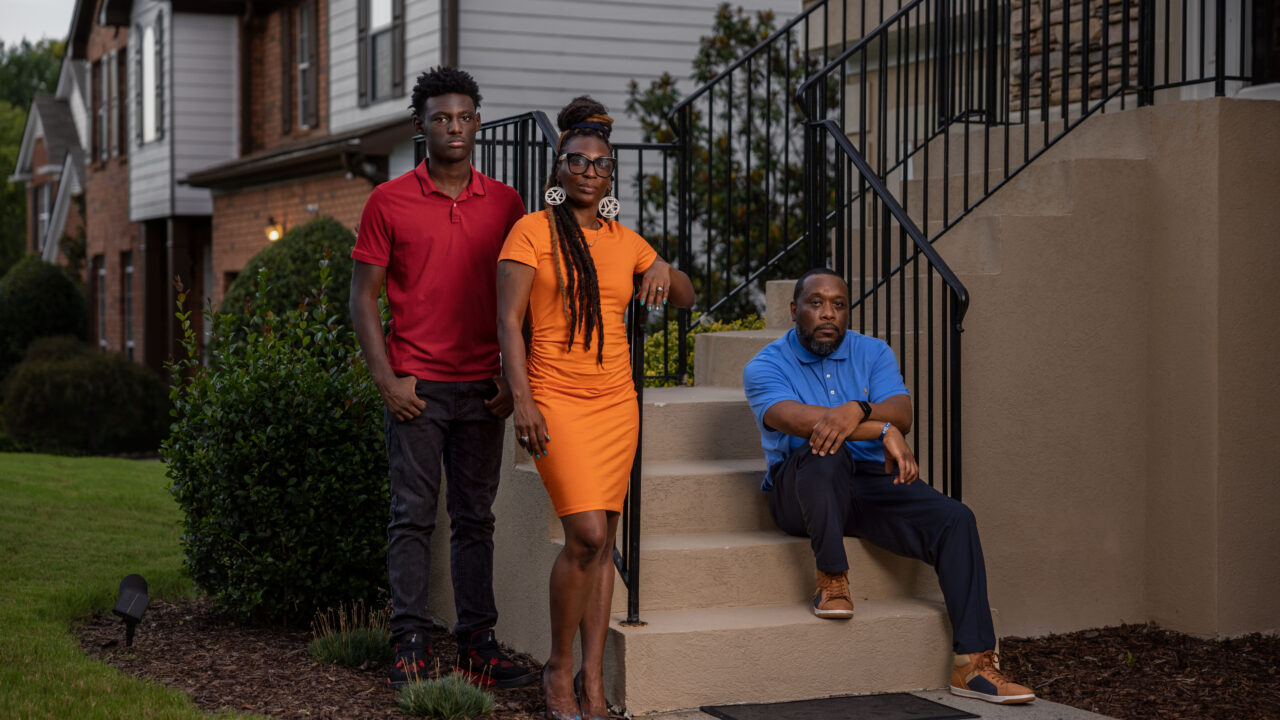
ATLANTA—A three-judge panel of the U.S. 11th Circuit Court of Appeals issued a decision in the years long lawsuit brought by an Atlanta family whose home was mistakenly raided by an FBI SWAT team. While the judges conclude that appeals court precedent precluded claims against the government, they recommend that the full panel of 11th Circuit judges take up the case to change that precedent and allow the suit to head to trial. The panel also denied qualified immunity to the FBI agent that led the team, allowing claims against him to move forward.
“Today’s decision exemplifies how difficult it can be to receive a remedy from the federal government or its agents, even when their victims are completely blameless,” said Institute for Justice (IJ) Senior Attorney Patrick Jaicomo. “But we are optimistic that the panel’s decision could clear the way to broader relief—both for the Martin family and others like them.”
In 2017, masked federal agents broke down the innocent family’s front door, detonated a flashbang grenade in their living room, and held them at gunpoint before realizing they had the wrong house. The agents—who were attempting to execute a search warrant for a different house on a different street—did not even bother to check the family’s address before barging in.
“Our fight for justice is far from over, but this decision is another solid step forward,” said Trina Martin. “The raid on our home was a life-threatening mistake, it never should have happened, and the government needs to be held accountable.”
Last year, the U.S. Supreme Court considered the lawsuit, which brought claims under the Federal Tort Claims Act (FTCA) against the United States and constitutional claims against the individual FBI agent who led the raid. The Supreme Court revived the Martin family’s case and asked the 11th Circuit to fully reconsider its previous dismissal.
In today’s decision, a three-judge panel of 11th Circuit judges reluctantly concludes that the circuit precedent required them to dismiss the Martins’ FTCA claims. However, in a concurring decision, the same three judges describe that precedent as a “mess,” lay out a new legal path that could allow suits over wrong-house raids to proceed to trial, and urge the full 11th Circuit court to revisit its flawed precedent immunizing the government through the FTCA’s “discretionary function exception.” IJ will file a motion to ask the full court to do so.
IJ argues that the provision is a limited exception, designed to shield only administrative policymaking decisions from lawsuits—not to immunize things like a SWAT team’s careless and unconstitutional decision to raid the wrong house without checking the posted address.
Since the Supreme Court asked the lower court to fully reconsider the Martins’ case, the judges also overturned the previous decision to grant the individual officer qualified immunity. In doing so, the judges pointed to problems with his testimony, noting discrepancies in his testimony and the fact that, although he blamed the mistaken raid on his personal GPS, he threw it away before anyone could confirm his claim.
With claims against both the federal government and its agents, the case is a bellwether for the future of federal accountability.
More News
Immunity and Accountability
Supreme Court Declines to Hear Denver Man’s Case to Revive Fourth Amendment’s Warrant Requirements

Eminent Domain
Brentwood’s Arguments About its Blight Designation and Eminent Domain Don’t Hold Up

4th Amendment Project