
A single paperwork violation can create years of expensive agency proceedings and fines totaling hundreds of thousands of dollars. All due to the unchecked power of administrative courts, which operate outside of the judicial system.
“Administrative courts” are created by government agencies such as the Department of Labor (DOL) or the Environmental Protection Agency (EPA) and are designed to adjudicate violations of agency rules. While designed to provide an efficient way for agencies to manage claims and violations, these courts function very differently from the federal and state courts. The agency’s employees serve as prosecutors, judges, and jury, creating inherent bias in the “trial” procedures.
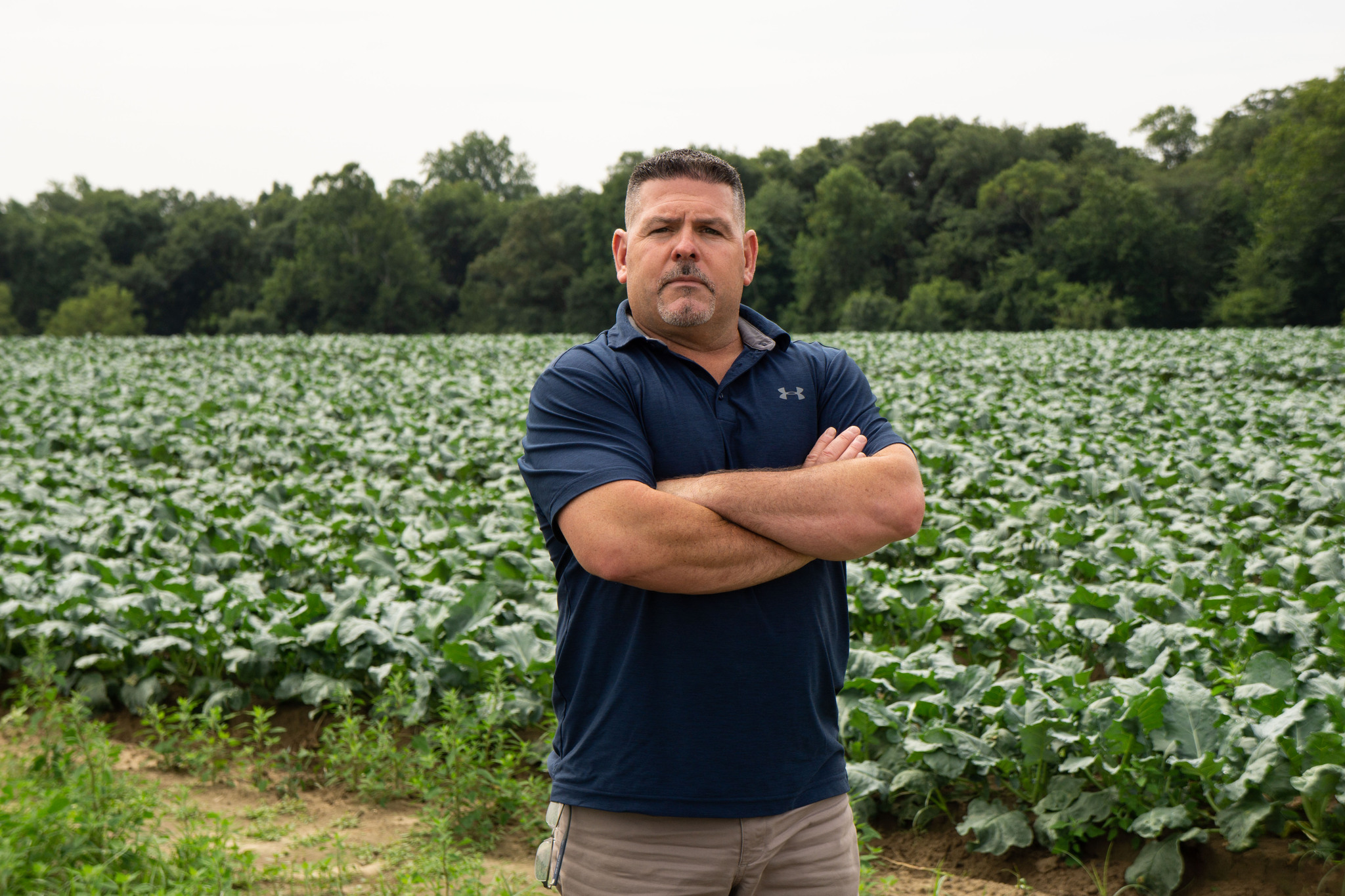
The punishments that these courts hand down can ruin a business. Joe and Russell Marino, owners of Sun Valley Orchards in New Jersey, were fined $550,000 by the DOL, mostly for a single paperwork mistake. The DOL courts ruled for the agency at every turn and never considered whether the fines were unconstitutionally excessive. With the fines weighing them down, the Marinos sold the family farm.
If a federal agency can fine small businesses excessively, it should prove its case in a real court with a real judge and a jury. Article III of the U.S. Constitution created the system of federal courts with judges appointed by the President, confirmed by Congress, and protected by life tenure. Under the Seventh Amendment, you have the right to a jury of your peers. When administrative courts take over this role, agencies ignore both the Constitution and the rights of American citizens.
Prior to the 1970s, if the government wanted to impose a fine, it almost always had to file a lawsuit in a federal court. For decades, federal agencies have expanded their use of administrative courts. Federal agencies now consistently order these fines without the involvement of a confirmed judge or jury.
In 2021, the Institute for Justice teamed up with the Marinos to sue the DOL over its unconstitutional courts. Since then, IJ has filed similar lawsuits on behalf of three other small businesses.
For 40 years, Chuck Saine ran C.S. Lawn & Landscaping near Annapolis, Maryland. For seven years, he fought the DOL as it sought to fine him for what amounted to a local zoning violation. A DOL judge penalized Chuck almost $55,000 in fines without alleging that his actions harmed workers.

Danny Barbee is a fourth-generation bricklayer in Tulsa, Oklahoma and he owns and operates ProCraft Masonry with his wife. Paperwork errors alleged by the Department of Homeland Security landed them in a Department of Justice administrative court. The court issued a of over $31,000 for technical paperwork errors.

David and Debbie Ross own Triple R, a tobacco farm in Kentucky. The U.S. Department of Labor is seeking to impose over $70,000 in penalties and back wages based on alleged violations involving the farm’s seasonal workers. David and Debbie respond that they did nothing wrong, but DOL insists they must defend themselves in the agency’s in-house administrative courts, where the only judge is an agency bureaucrat.

As IJ was litigating these cases, the U.S. Supreme Court cast doubt on the constitutionality of administrative courts in SEC v. Jarkesy. IJ submitted a brief on behalf of our clients in support of a defendant seeking to have their case heard by a jury. The Court ruled that a person facing charges that could result in money fines has “the right to be tried by a jury of his peers before a neutral adjudicator.” Using the precedent set by Jarkesy, IJ successfully argued in front of the 3rd U.S. Circuit Court of Appeals that the Marinos were entitled to their day in a real court.
The Institute for Justice is determined to restore the constitutional right of every individual and business to a fair trial before a properly confirmed federal judge. Upholding these rights will protect small businesses, preserve the rule of law, and ensure that government power is kept in check.
If the government wants to take your property, you should get your day in court, not your day before a bureaucrat.