Rule of Law
Small Kentucky Farm Fights Federal Government for a Fair Trial
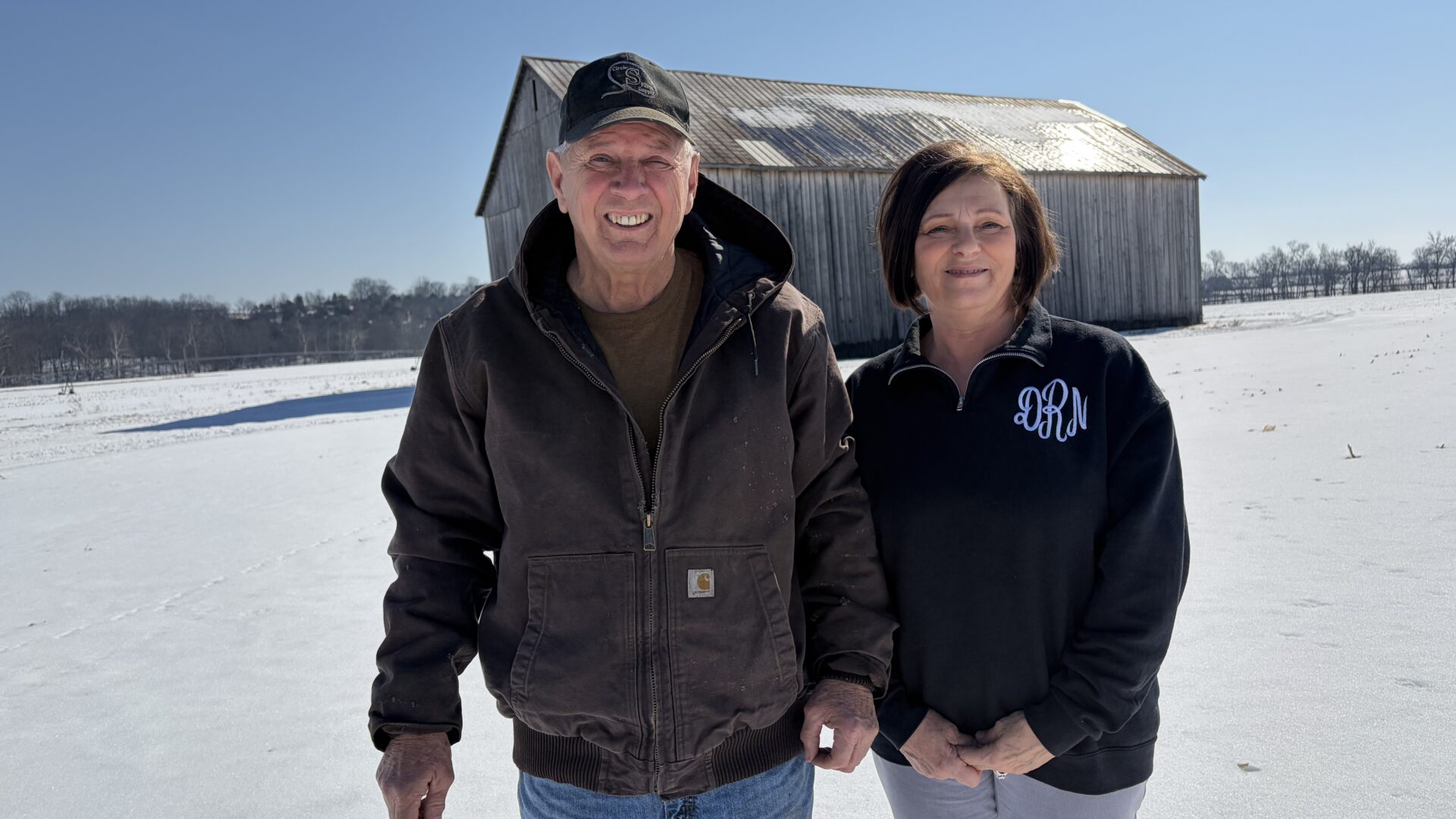
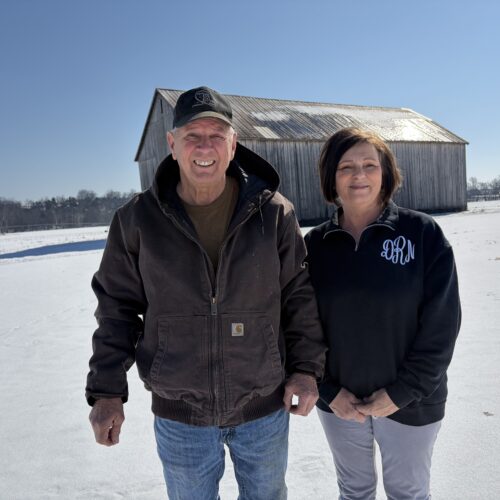
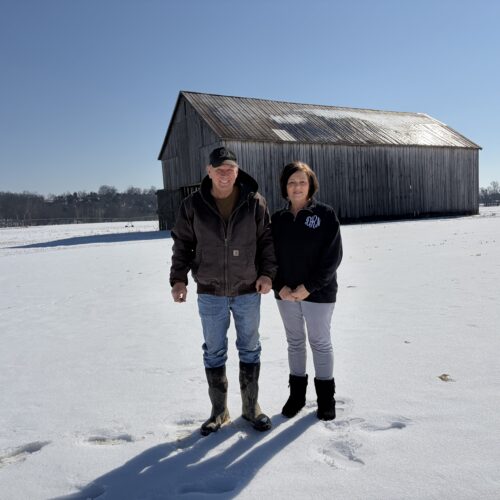
David and Debbie Ross of Triple R Farms are fighting for their constitutional right to a real court and jury trial.
- Case Name
- Triple R v. U.S. Department of Labor
- Issue Areas
- Status
- Active Cases
- Location
- Berry, Kentucky
- Date Filed
- March 12, 2026
The Case
The U.S. Department of Labor is seeking to impose over $70,000 in penalties and back wages on Triple R Farms—a small tobacco farm in Berry, Kentucky, run by married couple David and Debbie Ross—based on alleged violations involving the farm’s seasonal workers. David and Debbie respond that they did nothing wrong, but DOL insists they must defend themselves in the agency’s in-house administrative courts, where the only judge is an agency bureaucrat.
David and Debbie do not have a spare $70,000 to pay the federal government, and they insist on their innocence: DOL says they fired 11 workers before the end of the 2020 harvest season, but David and Debbie say the workers left voluntarily; and while DOL says David and Debbie had workers use a van with too few seats and no seatbelts, David and Debbie say that was just one of multiple vehicles available to the workers.
Whatever the merits of the underlying issues, David and Debbie deserve the right to present their defense in a real court, with a real judge and a jury. DOL, however, forces employers like Triple R to defend themselves in an agency court where the prosecutors and the judge are all employed by the agency.
DOL should know that its procedures are unconstitutional following the Supreme Court’s decision two years ago in SEC v. Jarkesy, which held that when the government seeks to impose penalties, it has to do so in a real court with a judge and jury. In fact, the Third Circuit applied Jarkesy to strike down this very agency enforcement scheme in another IJ case involving a New Jersey vegetable farm called Sun Valley Orchards. Like many other agencies, however, DOL is intent on pursuing creative arguments to limit Jarkesy.
So, the Rosses have joined with IJ to sue to stop DOL from adjudicating their case. Their claim is simple: When the government seeks to impose substantial monetary penalties, it should seek to make its case in a real federal court—not in its own bureaucratic tribunal, in which it appoints itself prosecutor, judge, and jury. Victory will not only rein in DOL’s agency courts, but it will also help to rein in every other court that is trying to avoid Jarkesy. Federal agencies should be following clear Supreme Court precedent, not looking for any possible grounds to avoid it.
Following the Supreme Court’s decision to hear the Sun Valley Orchards case, the DOL agency judge agreed to put a potential hearing on hold until the Court’s ruling, which will come no later than July 2027.
Case Team
Client
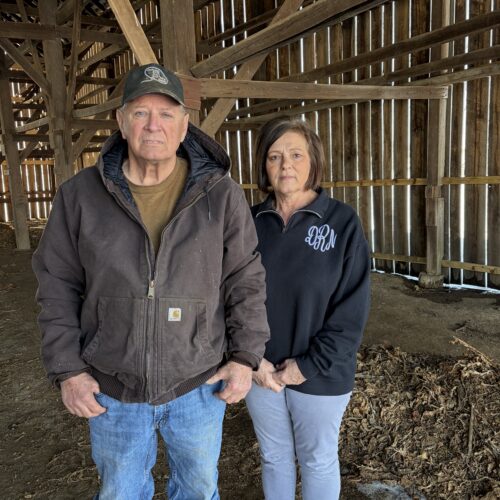
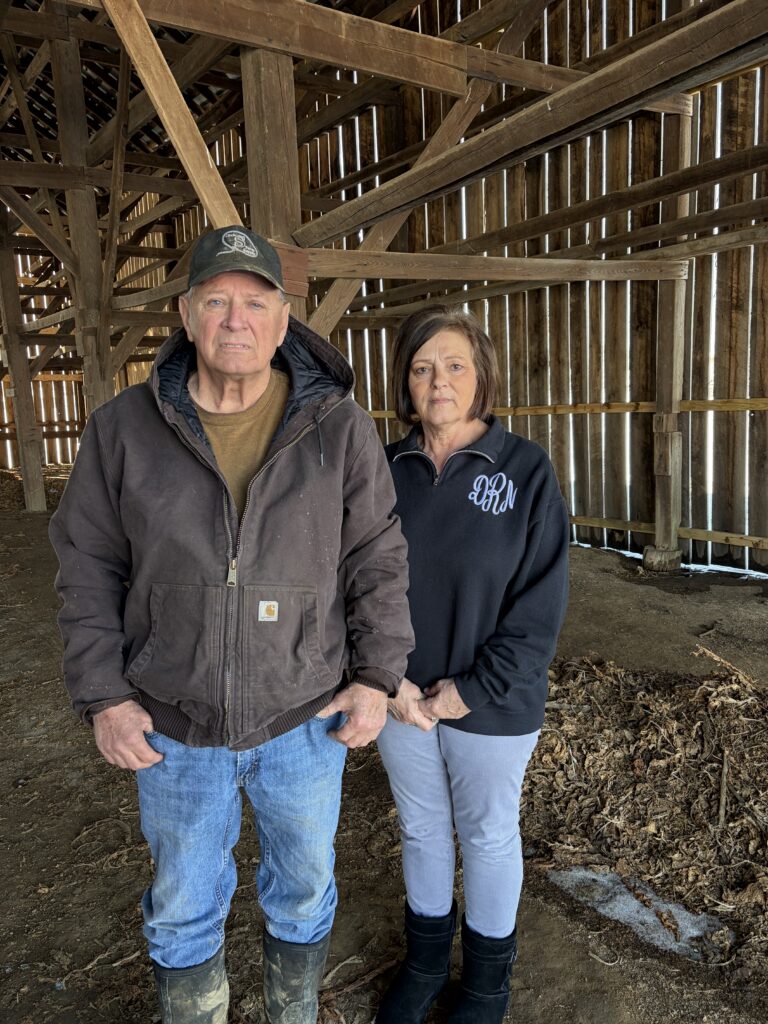
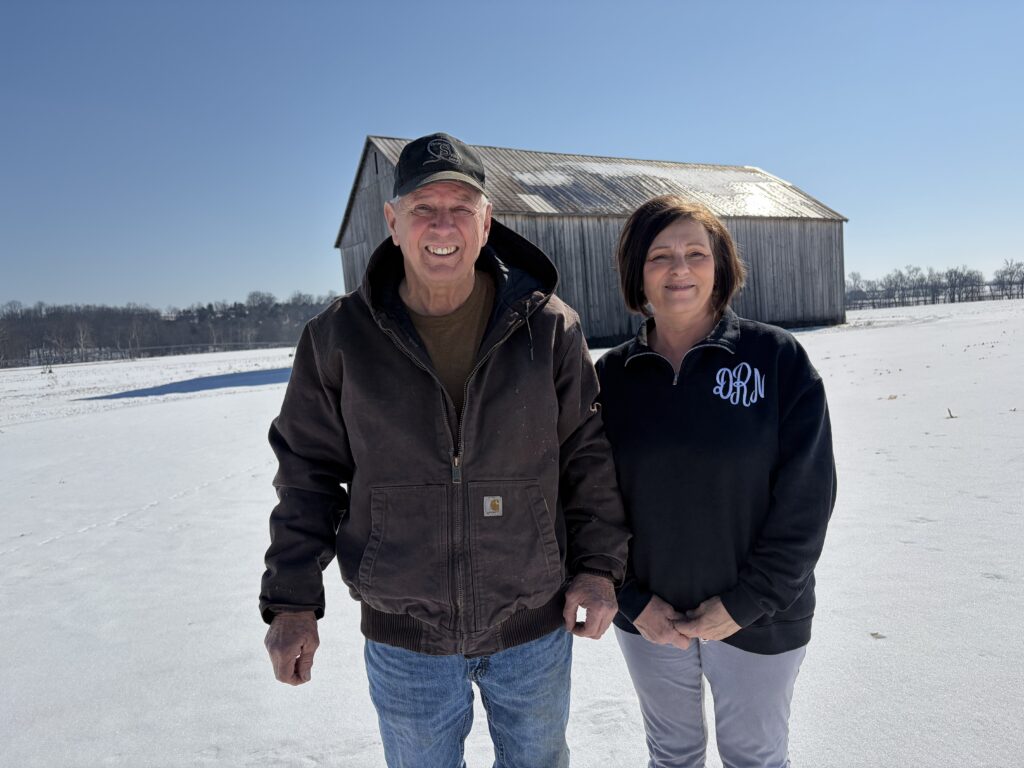
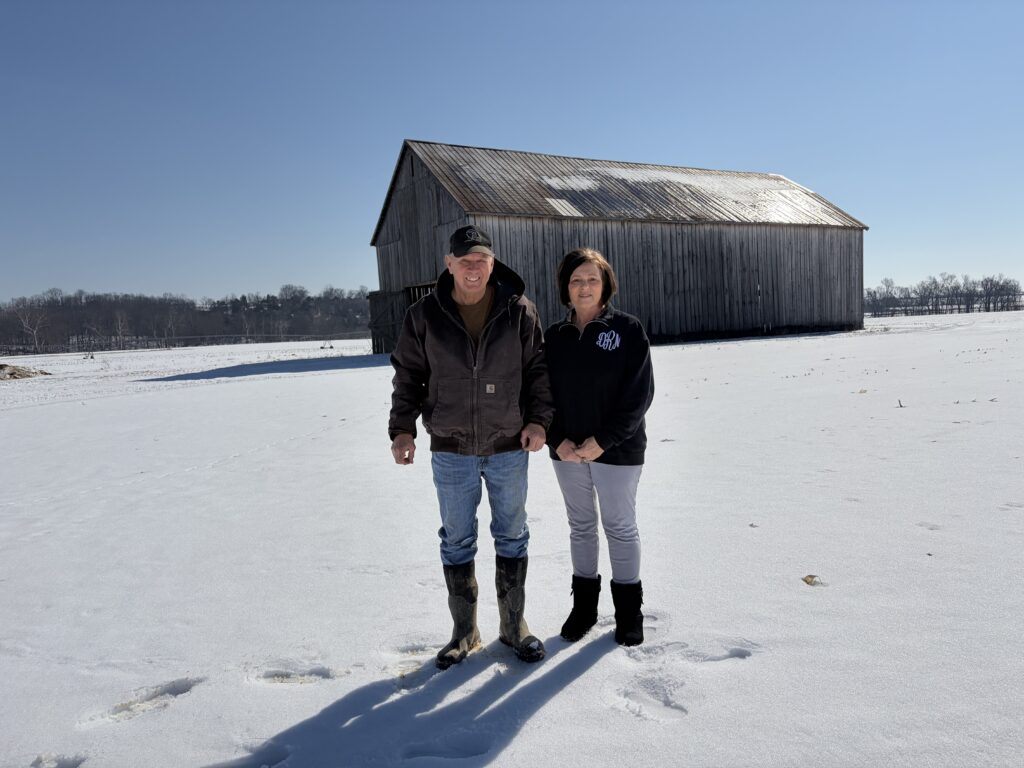
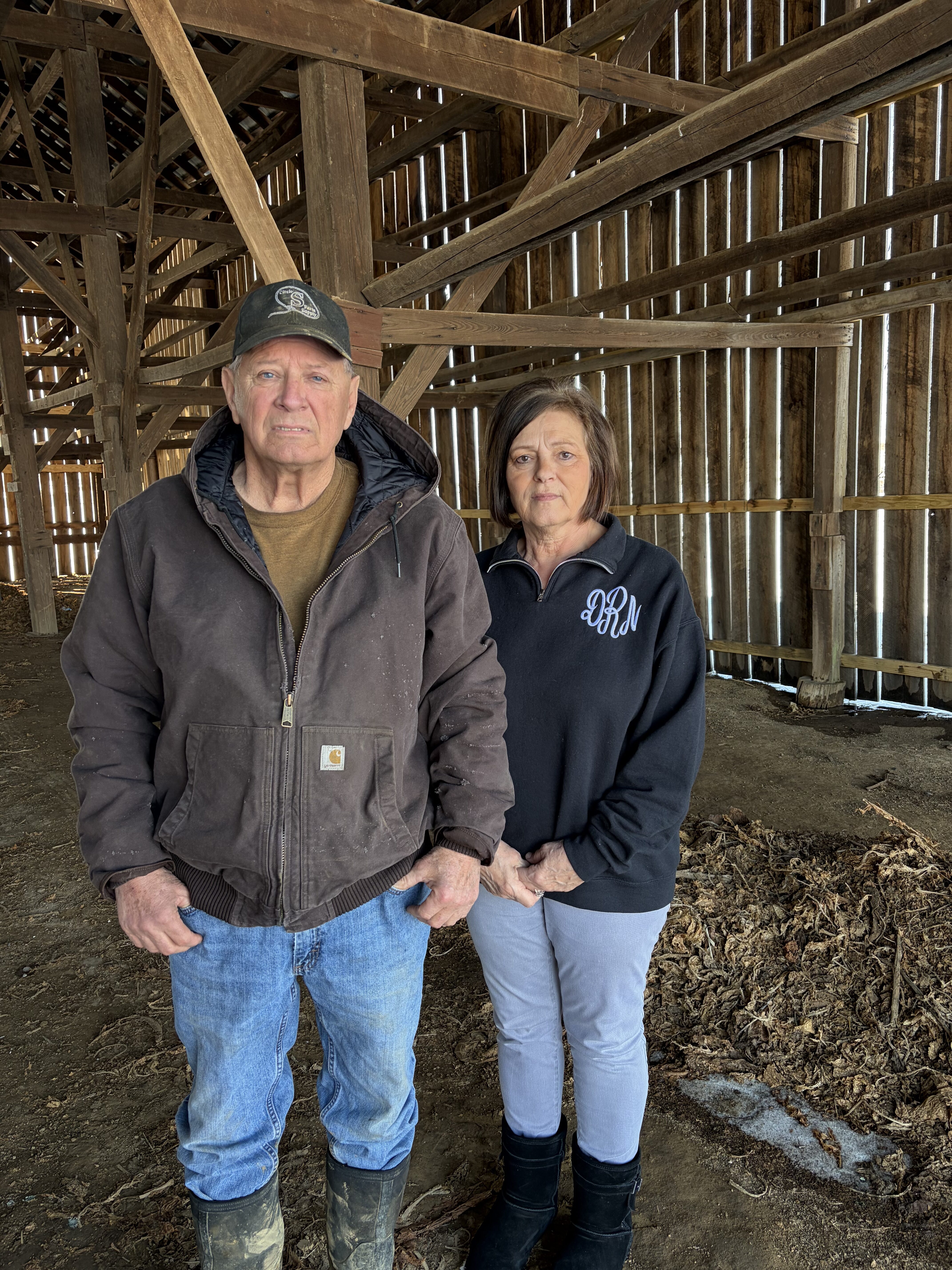
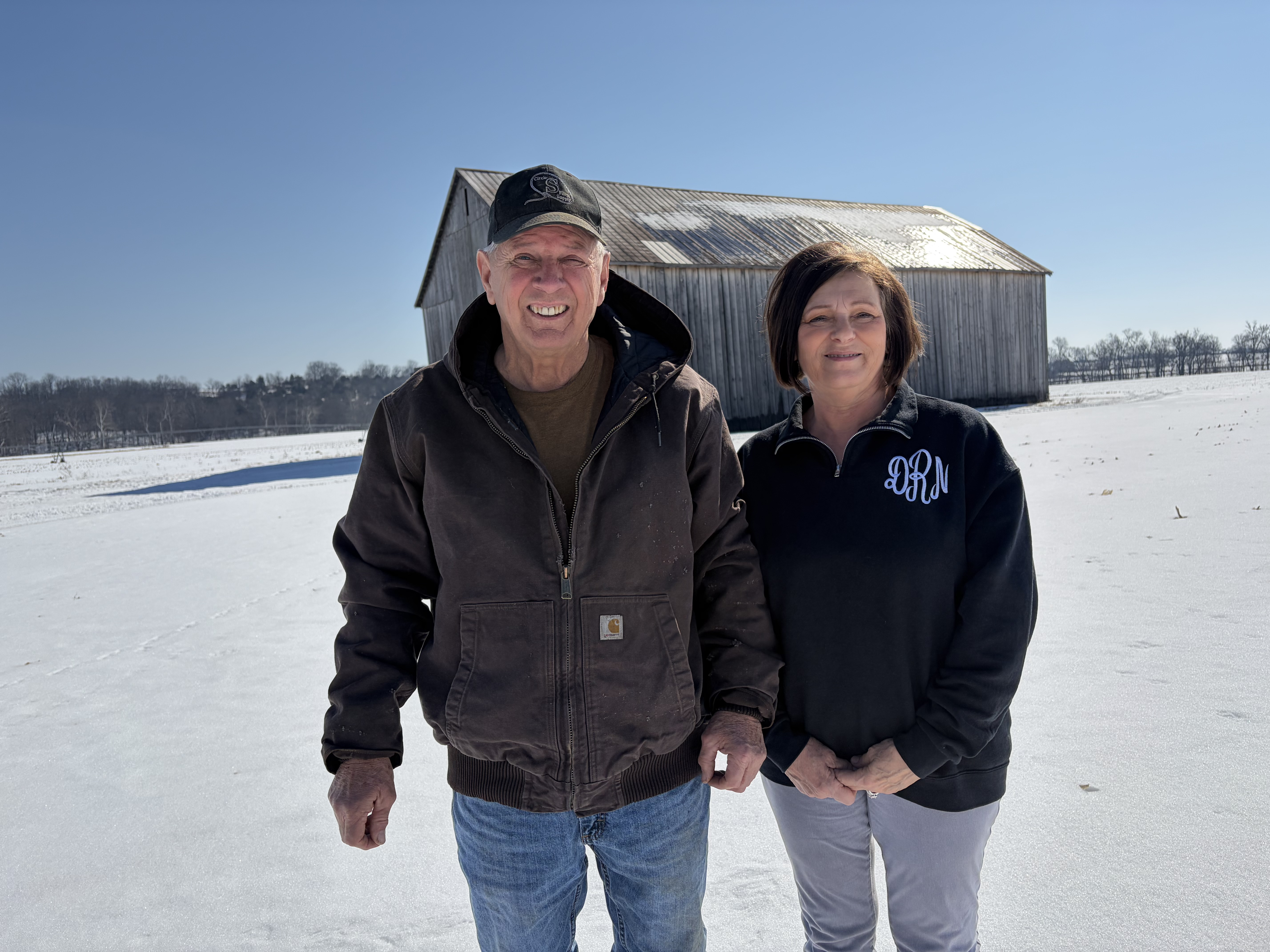
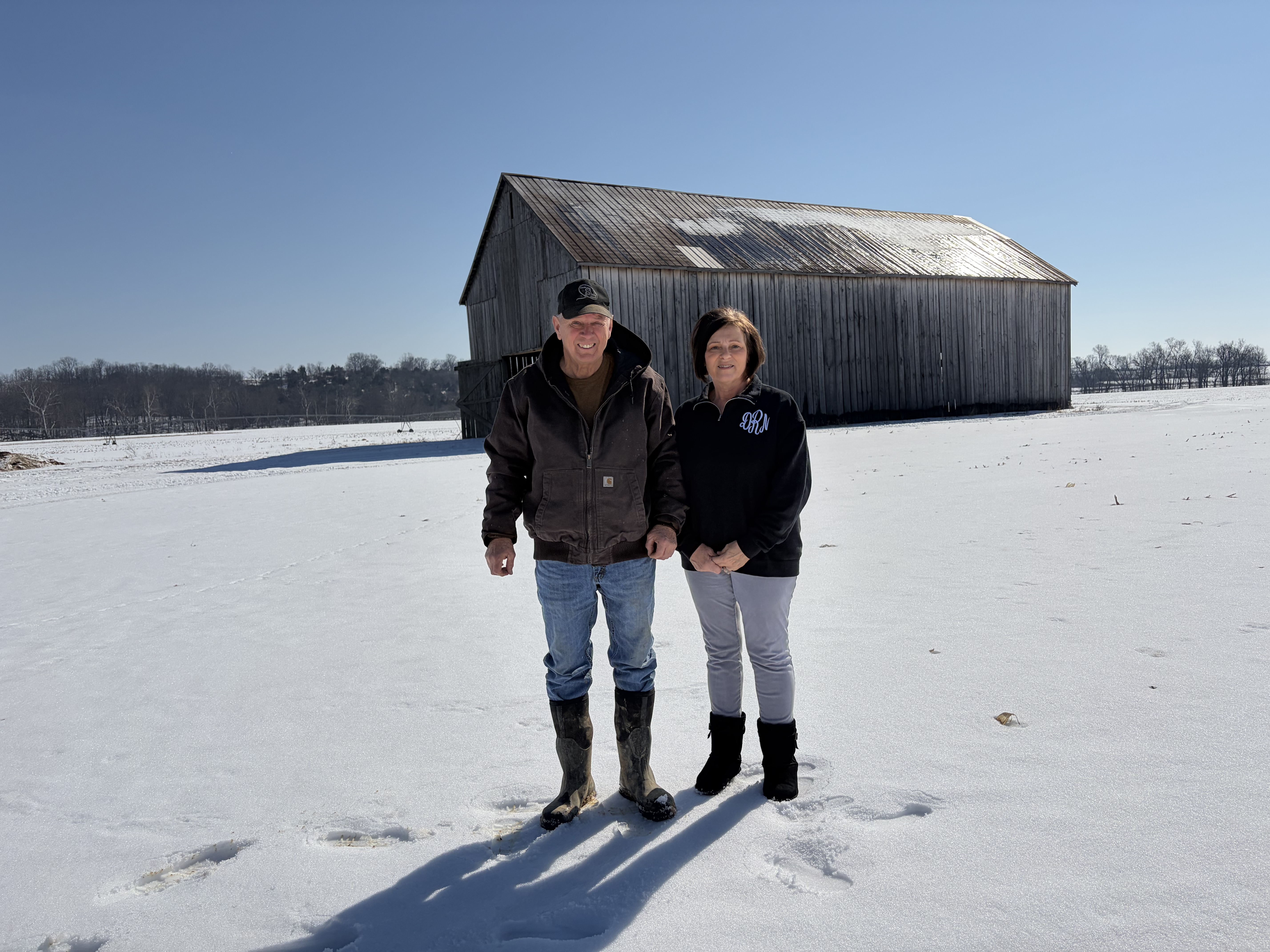
David and Debbie Ross
Client
Attorneys
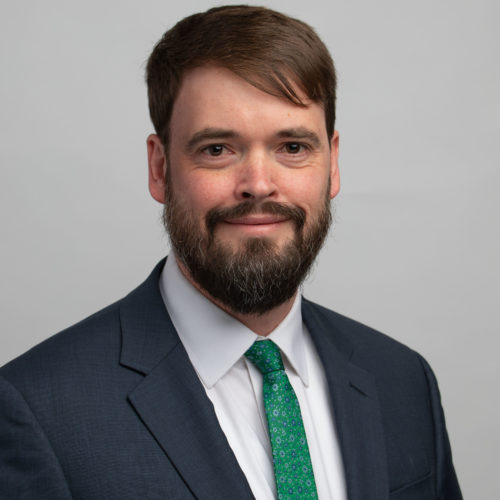
Rob Johnson
Senior Attorney
Staff
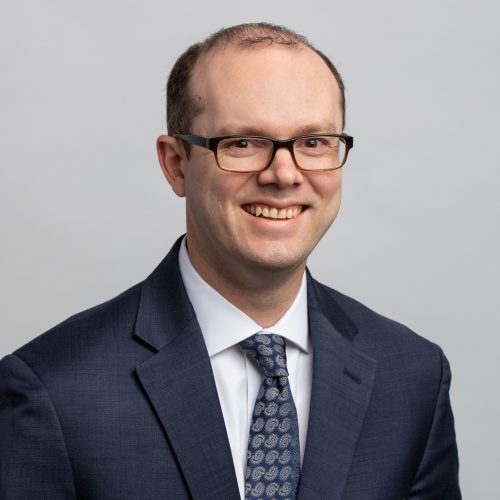
Andrew Wimer
Director of Media Relations
Sarah Blumhorst
Paralegal
Media Resources
Get in touch with the media contact for image resources, press releases, and interview requests.
Media Images
Case Summary
A Small Kentucky Farm
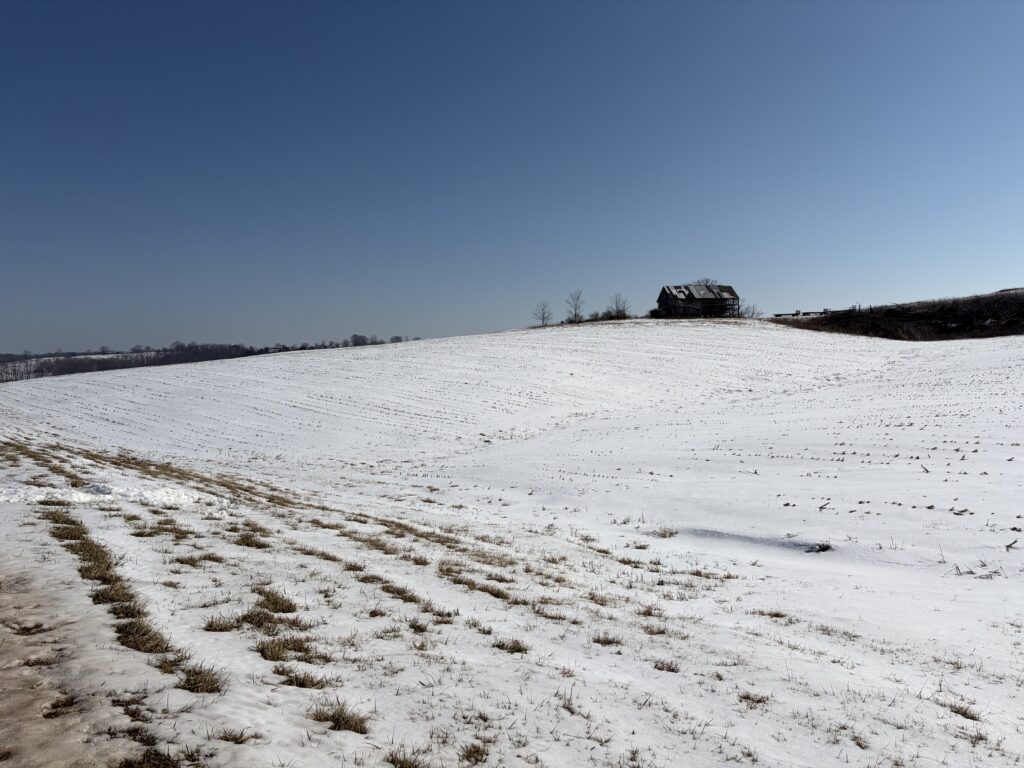
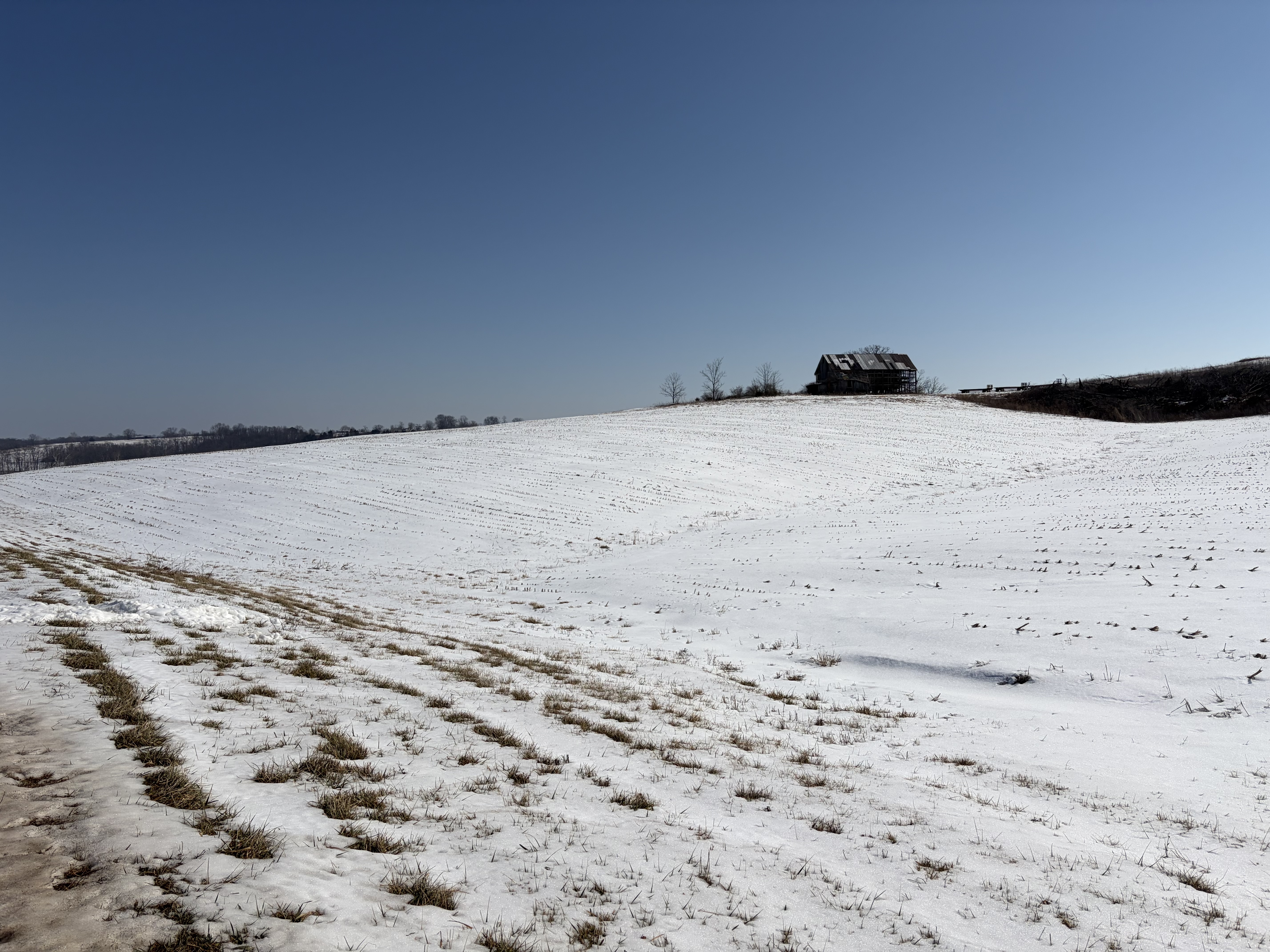
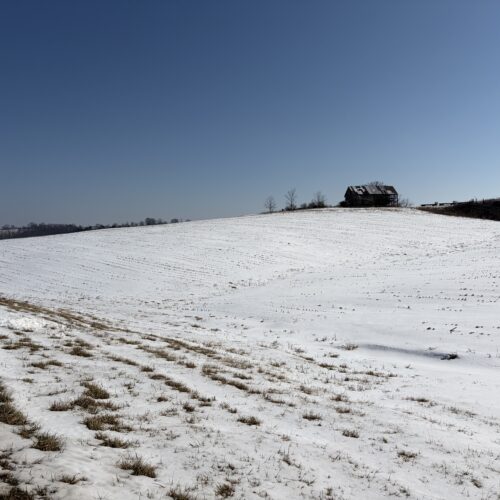
Triple R Farms sits along a riverbed in rural Berry, Kentucky. The Rosses purchased the farm in the late 1990s. David Ross handles the farm work, while his wife Debbie handles the administrative side of the business, including managing the contracts for seasonal laborers.
Tobacco farming is labor-intensive business. While David plants the crop himself, harvesting the leaves requires a team of workers. So, for years, the Rosses have used the federal government’s H-2A visa program to employ temporary seasonal workers from outside the United States when domestic workers are unavailable. Without those temporary workers, the farm could not operate.
Work on the farm is demanding, but the Rosses strive to treat their workers fairly. Workers are paid above minimum wage, provided with free lodging on the farm, and often return year after year for the harvest. At the end of each season, the Rosses host a traditional whole-pig roast for the workers—a longstanding celebration marking the end of the harvest.
For the Rosses, the farm is more than a business. It is their livelihood and the product of a lifetime spent working the land. DOL now threatens it.
A $70,000 Penalty Dispute
The dispute began in November 2020, when DOL investigators visited Triple R Farms as part of a routine audit of farms participating in the H-2A program. After reviewing records and speaking with workers, the agency said nothing for nearly two years. Then DOL informed the Rosses that it intended to impose more than $70,000 in penalties and back wages. The Rosses were stunned. In decades of farming, they had never been cited by DOL. And they cannot afford to pay that $70,000.
Most of the proposed liability stems from a dispute about events during the 2020–2021 harvest season. That year, unusually heavy rainfall caused flooding that destroyed part of the tobacco crop. The loss meant there simply was not enough work left to keep the workers busy through the end of the season. So the workers chose to leave early around the Christmas holidays after finishing the available work. But DOL sees things differently. It claims the workers were improperly terminated early and therefore must be paid additional wages. The agency says the farm owes roughly $28,000 in back wages and another $13,000 in penalties.
Additional alleged violations for which DOL seeks civil penalties and back wages involve things like issues with transportation—a van that allegedly had too few seats and no seat belts. One violation set out in DOL’s letter assessing the penalties even seeks to impose liability for “[insert description of violation],” placeholder text the government didn’t bother to fill in. To the extent they even know what they are accused of, the Rosses dispute all the claims.
Ordinarily, a real judge would preside over the case, from start to finish, and a jury would find the facts. But not here.
Trial By Agency Bureaucrat
Instead of filing a lawsuit in federal court, DOL is pursuing its case through its own in-house administrative adjudication system. Under that system, DOL investigates alleged violations and determines the penalties it wants to impose. If an employer disputes the charges, the case is heard before an administrative law judge—an employee of DOL itself. That agency judge oversees discovery, decides what evidence can be considered, determines the facts, applies the law, and ultimately decides whether the employer must pay the penalties demanded by the agency.
If the employer loses, the decision can be appealed—but only to another tribunal within the same agency: DOL’s Administrative Review Board. Only after the agency process ends can the employer seek review in federal court. And even then, the court does not conduct a new trial. Instead, it reviews the agency’s decision under a highly deferential standard that generally accepts the agency’s findings.
In other words, the agency investigates the case, prosecutes it, provides the judge who decides it, and largely controls the review process afterward. These proceedings often take years, forcing small businesses and farmers like Triple R Farms to shoulder the burden of defending themselves against the very agency seeking to impose penalties, with no possibility of recouping these costs later.
Seeking Their Day in Court
David and Debbie Ross asked the agency judge overseeing their case to send the dispute to a real court with a jury, so that a judge could oversee the proceeding and a jury could decide the facts. But the agency judge refused. Instead, she set a hearing in September 2026 in which she alone will determine whether the Rosses must pay more than $70,000 to the federal government.
With multiple deadlines fast approaching, the Rosses sued in federal court seeking to stop the agency proceeding before it happens. Their lawsuit seeks a declaration that DOL’s in-house adjudication scheme is unconstitutional because it violates Article III and the Seventh Amendment—and an injunction requiring the government to end its unconstitutional adjudication.
The Legal Claims
Article III of the Constitution creates an independent federal judiciary and gives it authority over “all cases” arising under federal law. The Seventh Amendment, meanwhile, provides that the “right of trial by jury shall be preserved.” Together, these provisions guarantee the right to a real judge and jury.
DOL’s in-house adjudication scheme violates both Article III and the Seventh Amendment. In SEC v. Jarkesy, the U.S. Supreme Court held that agencies must bring their cases in real federal court—with a real judge and jury—when they seek to impose monetary penalties. And just last year, the U.S. Court of Appeals for the Third Circuit applied Jarkesy in another IJ case to invalidate the exact DOL adjudication scheme at issue here. The decision in that case, Sun Valley Orchards v. DOL, holds that an employer targeted for these kinds of back wages and penalties is “entitled to have its case decided by an Article III court.”
Rather than follow Jarkesy and Sun Valley, when Triple R brought those cases to the attention of the DOL ALJ, the ALJ offered creative arguments why they are not binding. First, the ALJ said she lacked authority to invalidate DOL’s regulations since she is just an agency employee—not a real judge. (That, of course, is part of the problem.) Second, the ALJ said she did not have to follow Sun Valley because the farm is not located in the Third Circuit. (True, but that does not mean DOL can ignore the Constitution.) And, third, the ALJ said she believed DOL could constitutionally adjudicate the case because it involved “immigration.”
It is true that the Supreme Court in Jarkesy said that cases involving the admission and exclusion of aliens can be adjudicated by executive agencies. That is why immigration judges can decide deportation cases. However, the Third Circuit already addressed that issue in Sun Valley and explained that cases about working conditions on a farm do not involve “immigration” simply because they happen to involve workers in the country on temporary visas. DOL’s contrary argument is creative, but it would allow an end-run around Jarkesy. DOL cannot avoid constitutional limits simply by labeling a wage-and-contract dispute an immigration matter.
A Broader Fight Over Agency Courts
The Rosses’ case is part of a broader legal battle over the use of administrative tribunals across the federal government. Many federal agencies—including the DOL, Federal Aviation Administration (FAA), Federal Drug Administration (FDA), Federal Trade Commission (FTC), Housing and Urban Development (HUD), and Environmental Protection Agency (EPA)—use in-house judges to impose monetary penalties. After Jarkesy, agencies are digging in to save their illegitimate schemes.
This is just one of a range of creative arguments that agencies have deployed to avoid Jarkesy. Agencies have argued that the decision should not apply to “equitable” penalties, that it does not apply to penalties related to “public health,” and that it does not apply to penalties imposed to enforce a “novel and pervasive regulation.” In the Supreme Court, the government is also arguing that agencies can force parties to litigate in illegitimate agency courts for years, so long as it holds out the possibility that litigants might get a jury trial at some later point. The government is also separately asking the Supreme Court to grant certiorari to consider the Third Circuit’s decision in Sun Valley; IJ is opposing that petition on the ground that no circuit disagrees with the Third Circuit.
While the dispute in Triple R Farms’ case focuses on “immigration,” the broader question is whether agencies will be allowed to poke so many holes in Jarkesy that it becomes effectively meaningless. IJ and the Rosses are fighting to ensure that Jarkesy is applied broadly to uphold the right to a real judge and jury.
The Litigation Team
Triple R Farms is represented by IJ Senior Attorney Rob Johnson and IJ Litigation Fellow Carl Wu of the Institute for Justice. They are joined by Joseph Bilby of Sequeira Bilby PLLC as local counsel.
The Institute for Justice
Founded in 1991, the Institute for Justice is a public-interest law firm that litigates nationwide to defend constitutional rights, including free speech, property rights, and economic liberty. In addition to representing Triple R Farms, IJ is currently challenging agency adjudication schemes on behalf of a landscaping company in Annapolis, Maryland, as well as a masonry company in Tulsa, Oklahoma. IJ also recently submitted an amicus brief opposing agency adjudication in the U.S. Supreme Court in FCC v. AT&T.