Both Democratic and GOP Party Platforms Endorse Reforming Civil Forfeiture
In the past two years, lawmakers have reformed forfeiture laws in 18 states. Today, 11 states require a criminal conviction as a prerequisite to most or all forfeiture cases.
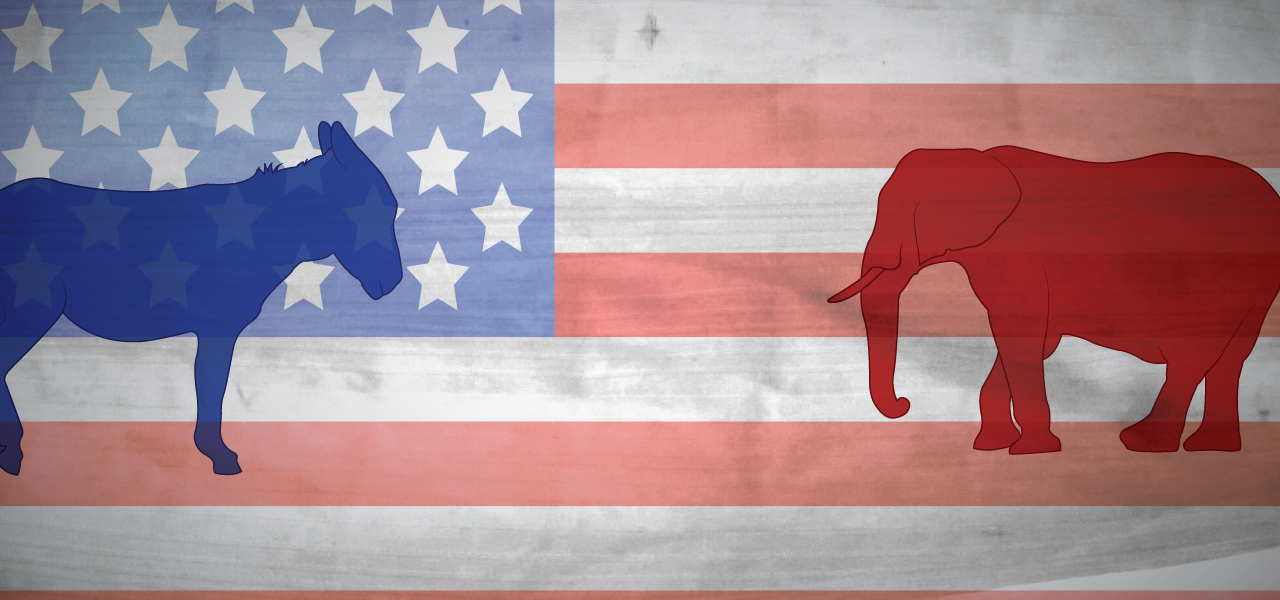
With Democrats and Republicans at loggerheads, there is one issue both parties support: the need to protect Americans from abusive police seizures. Under “civil forfeiture” laws, police can seize—and keep—cash, cars and real estate, even if the owner was never convicted of, much less charged with, a crime.
This year, the party platforms for both the national Republican and Democratic parties endorsed forfeiture reform. As the Republican Party explains in its platform, “civil asset forfeiture was originally intended as a way to cripple organized crime.” But today, “it has become a tool for unscrupulous law enforcement officials, acting without due process, to profit by destroying the livelihood of innocent individuals, many of whom never recover the lawful assets taken from them.” Similarly, the Democratic Party platform calls to “to protect people and remove perverse incentives for law enforcement to ‘police for a profit.’”
In 43 states and under federal law, once a property has been forfeited, law enforcement agencies can keep anywhere between 45 to 100 percent of the proceeds. Revenue has skyrocketed since those incentives were enacted.
In 1986, the Assets Forfeiture Fund for the Justice Department had just under $94 million in federal forfeiture revenue. But by 2014, deposits topped $4.5 billion. In fact, the combined forfeiture funds for both the Justice and Treasury departments had taken in almost $29 billion from 2001 to 2014. On the state level, data is scarcer, but a report by the Institute for Justice found that forfeiture revenue doubled across 14 states from 2002 to 2013.
Police and prosecutors can evade state laws through a federal forfeiture program called “equitable sharing.” By partnering with a federal agency, state and local agencies can forfeit seized property under federal law, and then receive up to 80 percent of the proceeds. Collaboration can occur even if a state has tougher safeguards for innocent owners or if the state offers a lower payout than the feds.
Since 2008, 5,400 agencies spent more than $2.5 billion in equitable-sharing funds, with $215 million going towards salaries and overtime. According to one recent report, “in 81 percent of cases no one was indicted.”
In the past two years, lawmakers have reformed forfeiture laws in 18 states. Today, 11 states require a criminal conviction as a prerequisite to most or all forfeiture cases. New Mexico and Nebraska have gone even further: Both strictly limited participation in equitable sharing and abolished civil forfeiture entirely. Most recently, California Gov. Jerry Brown signed a new forfeiture law that requires, in most cases, a criminal conviction before agencies can receive any money from equitable sharing.
This unusual bipartisan consensus in both parties’ platforms may boost forfeiture reform efforts nationwide.
Your Rights Are Worth Defending
Help protect constitutional rights and challenge abuses of government power.
More on Private Property

Private Property
Swim Instructor Appeals to South Carolina Supreme Court After Columbia Banned Her Backyard Business

Private Property
Animal Sanctuary’s Fight to Stay Open Ends After North Carolina Supreme Court Rejects Appeal

Private Property