First Amendment
Maine Roosters
Visual art is speech protected by the First Amendment, and the government doesn’t get to decide what that speech means.
- Case Name
- LeBlanc et al. vs. Ogunquit
- Issue Areas
- Status
- Active Cases
- Location
- Ogunquit, Maine
- Date Filed
- November 17, 2026
The Case
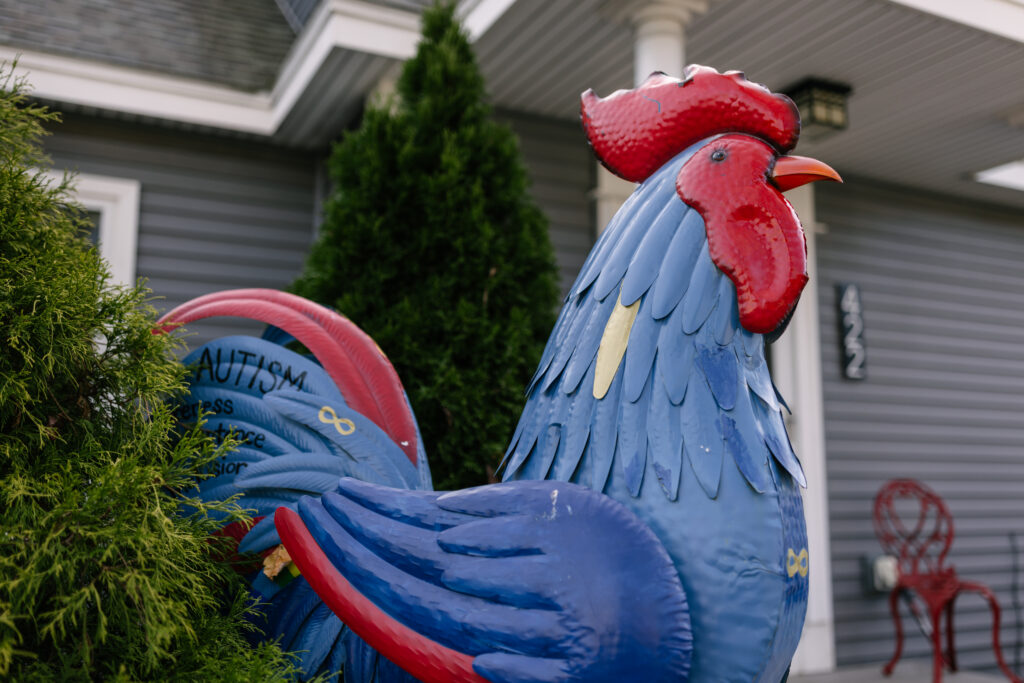
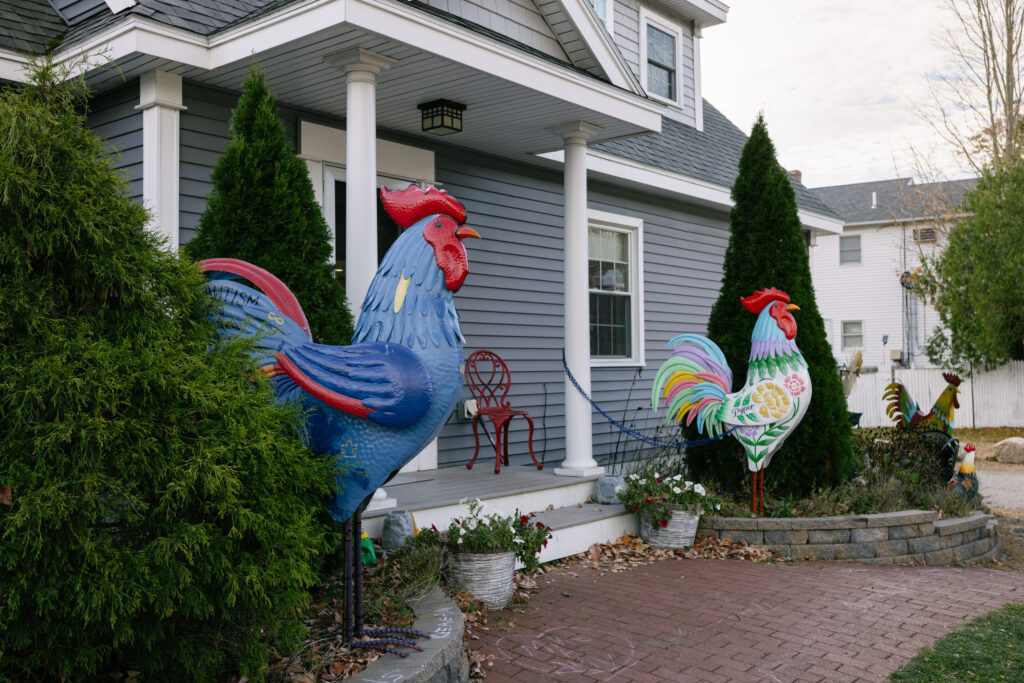
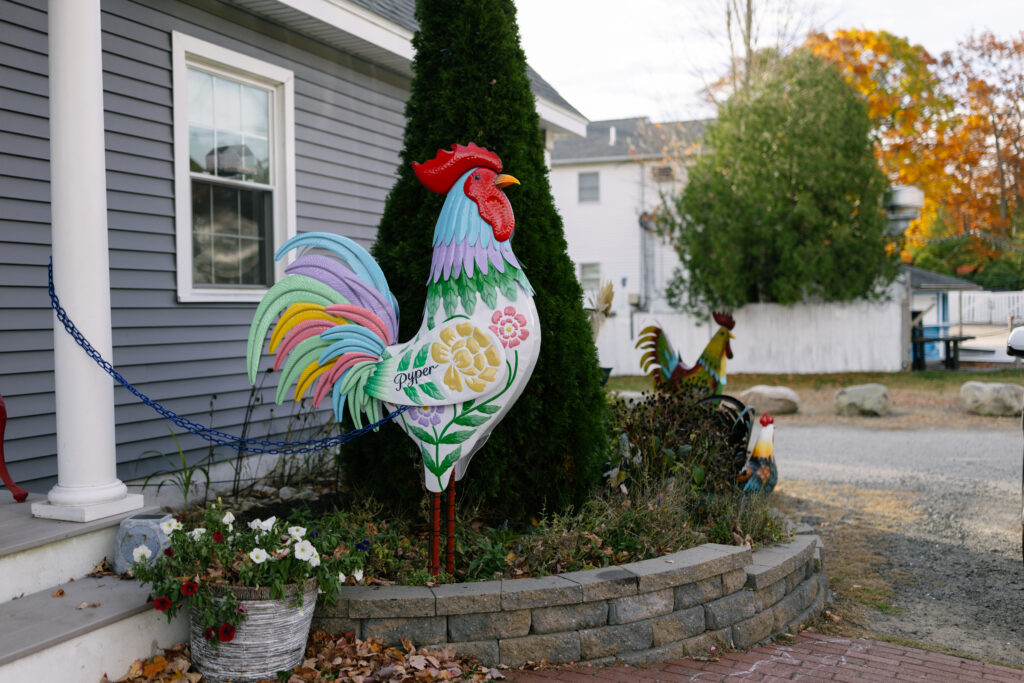
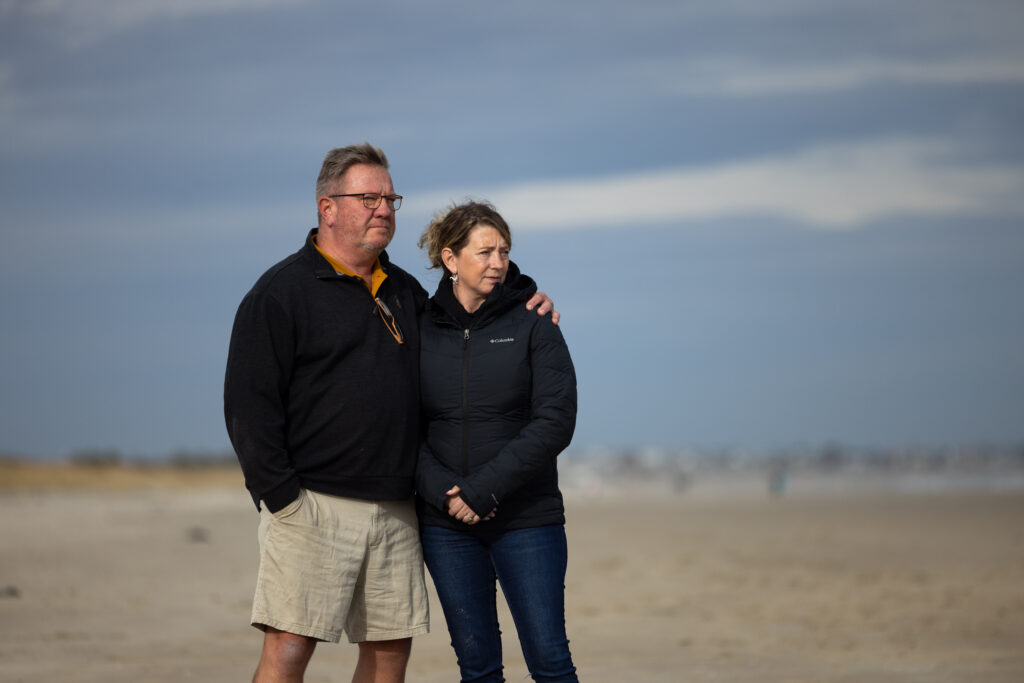
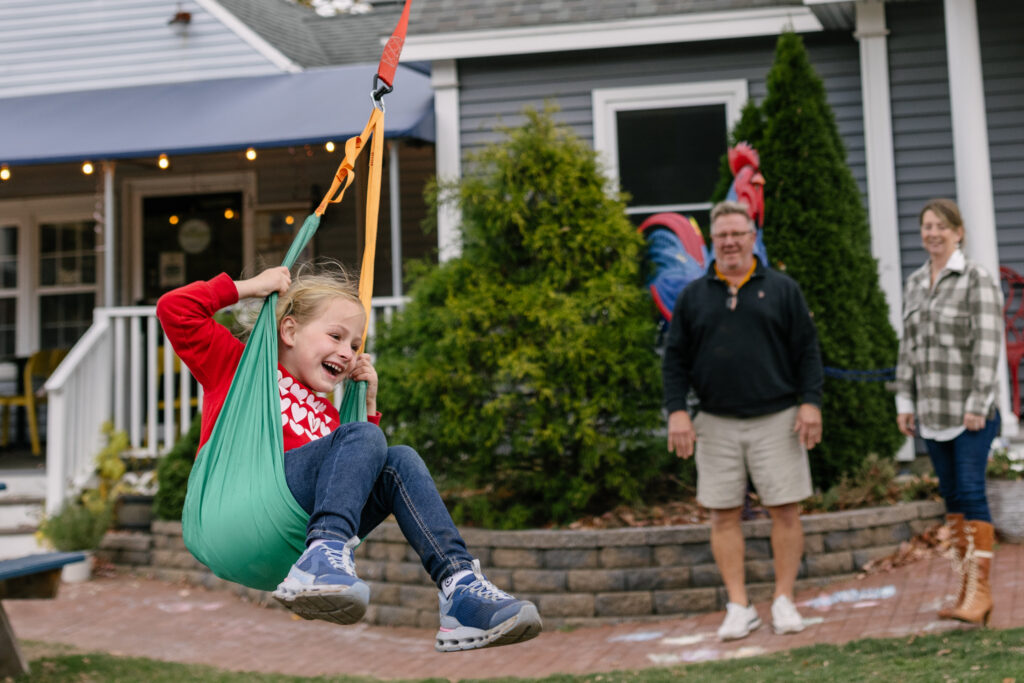
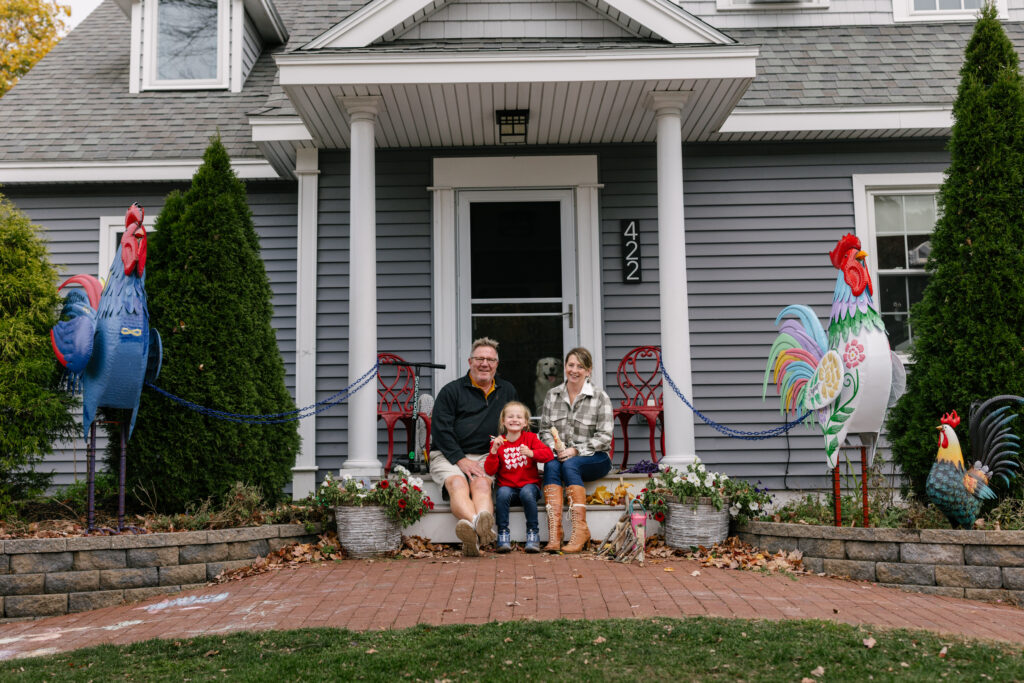
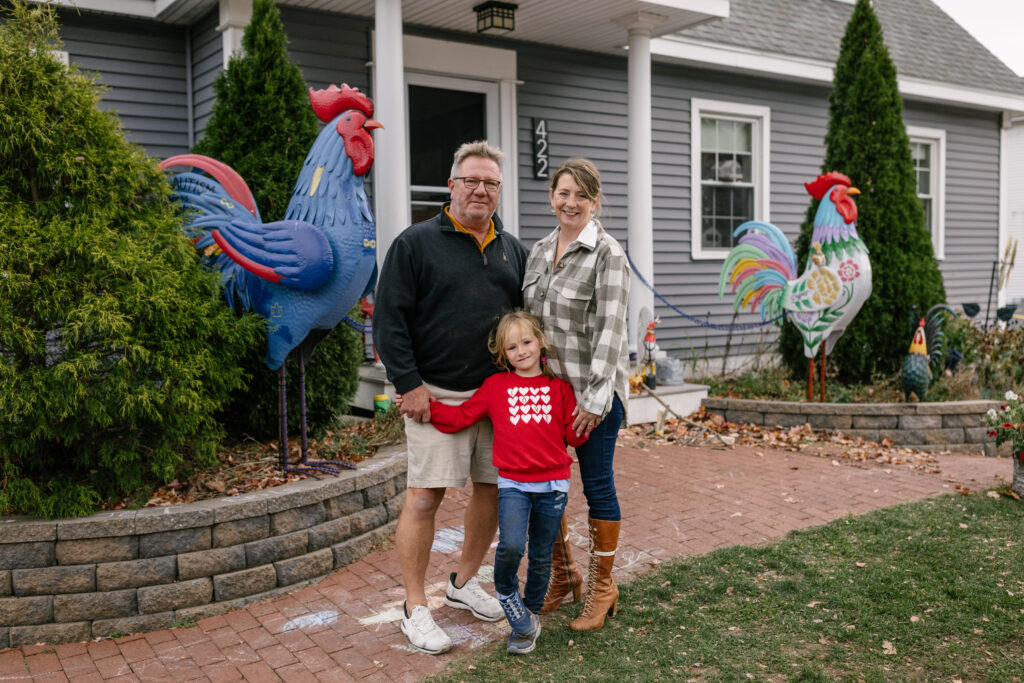
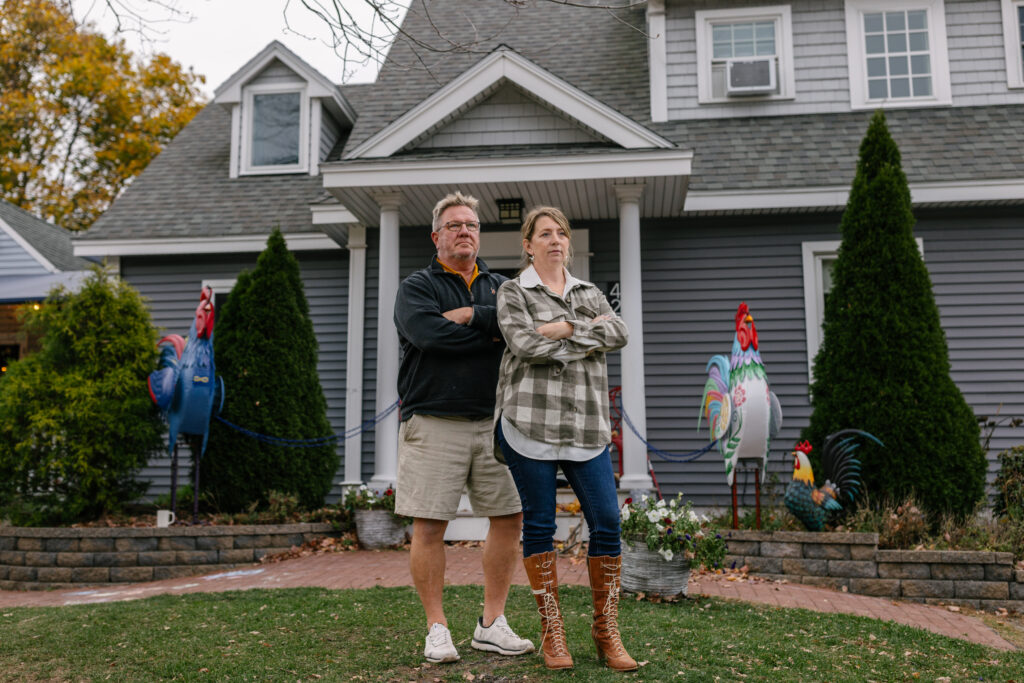
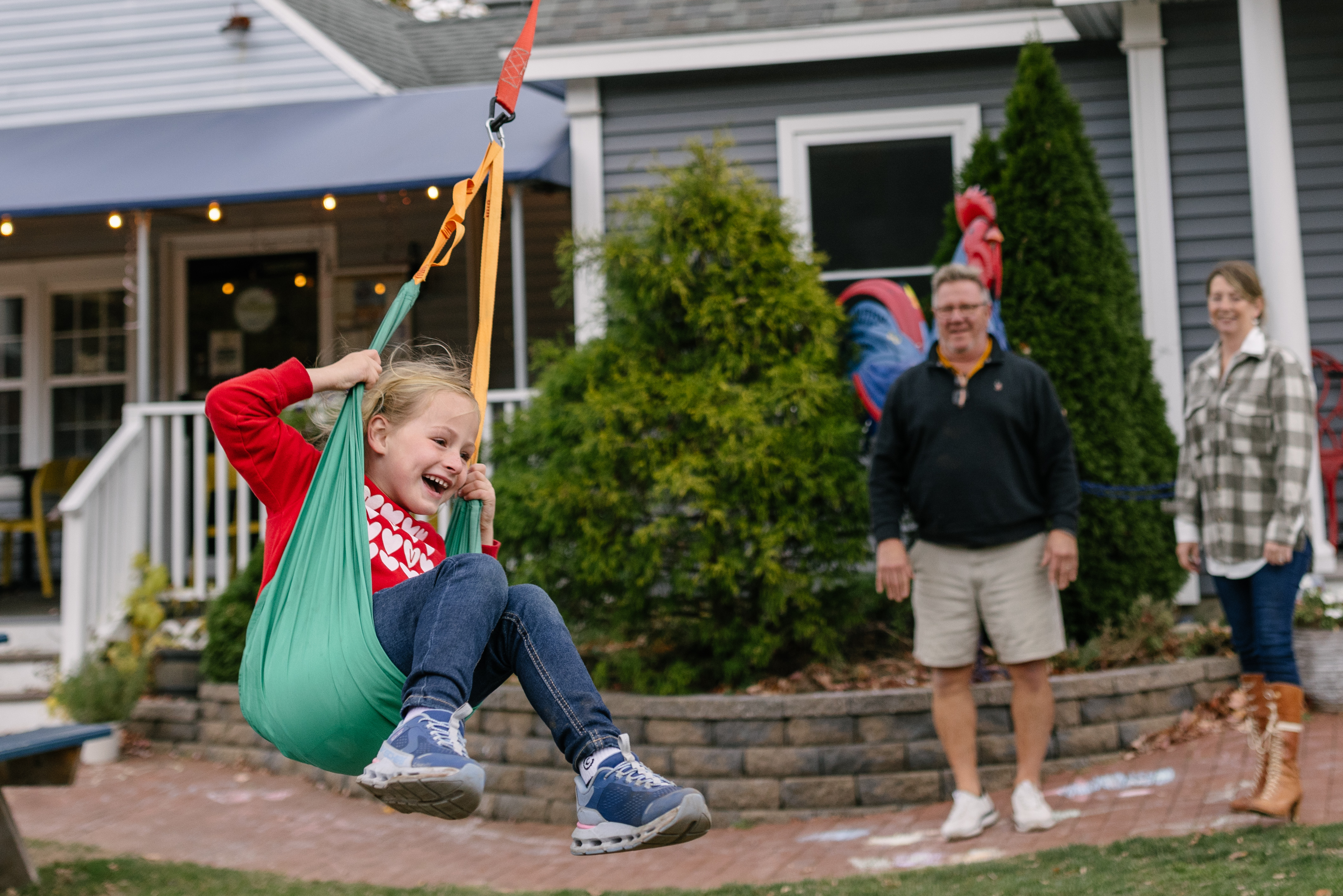
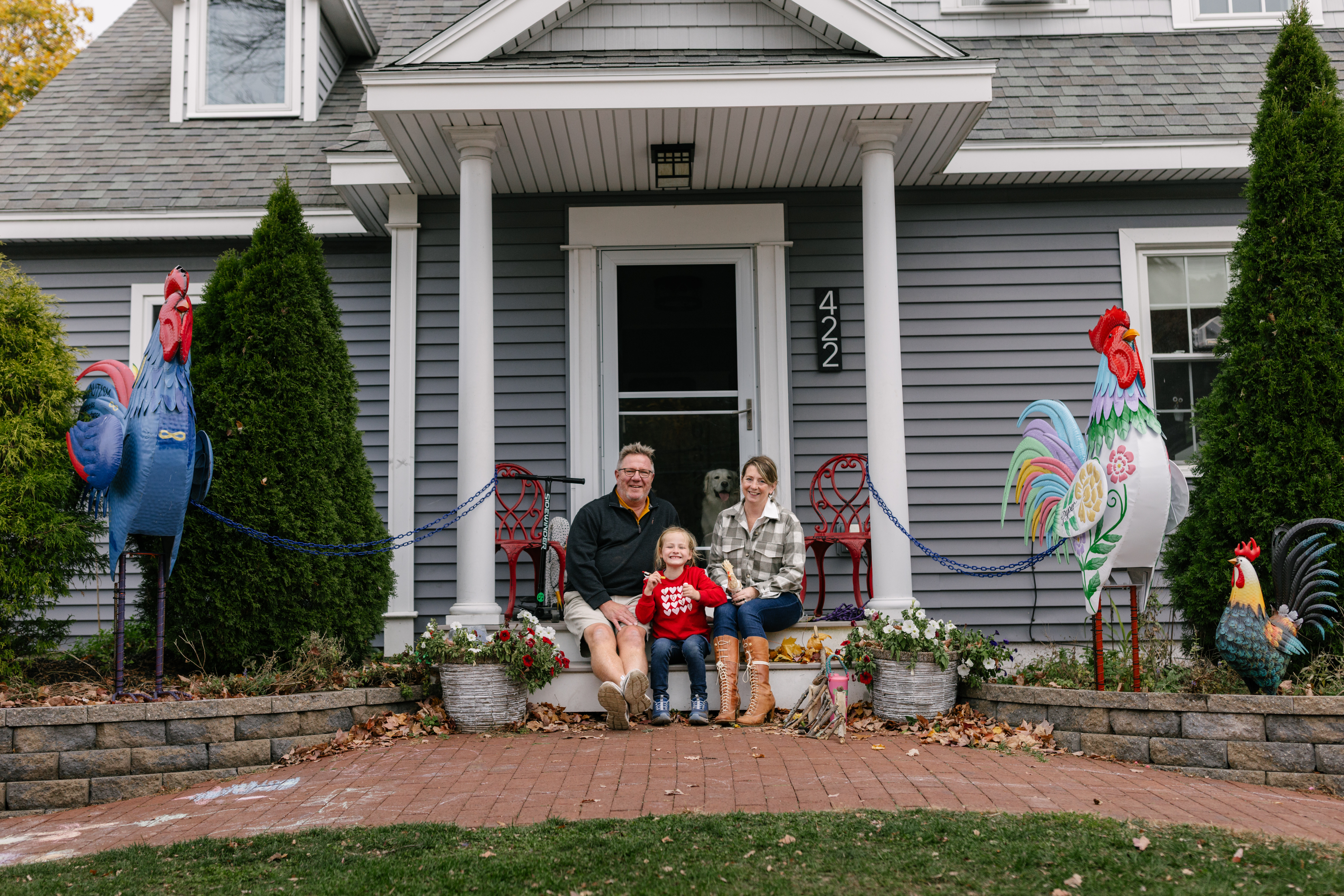
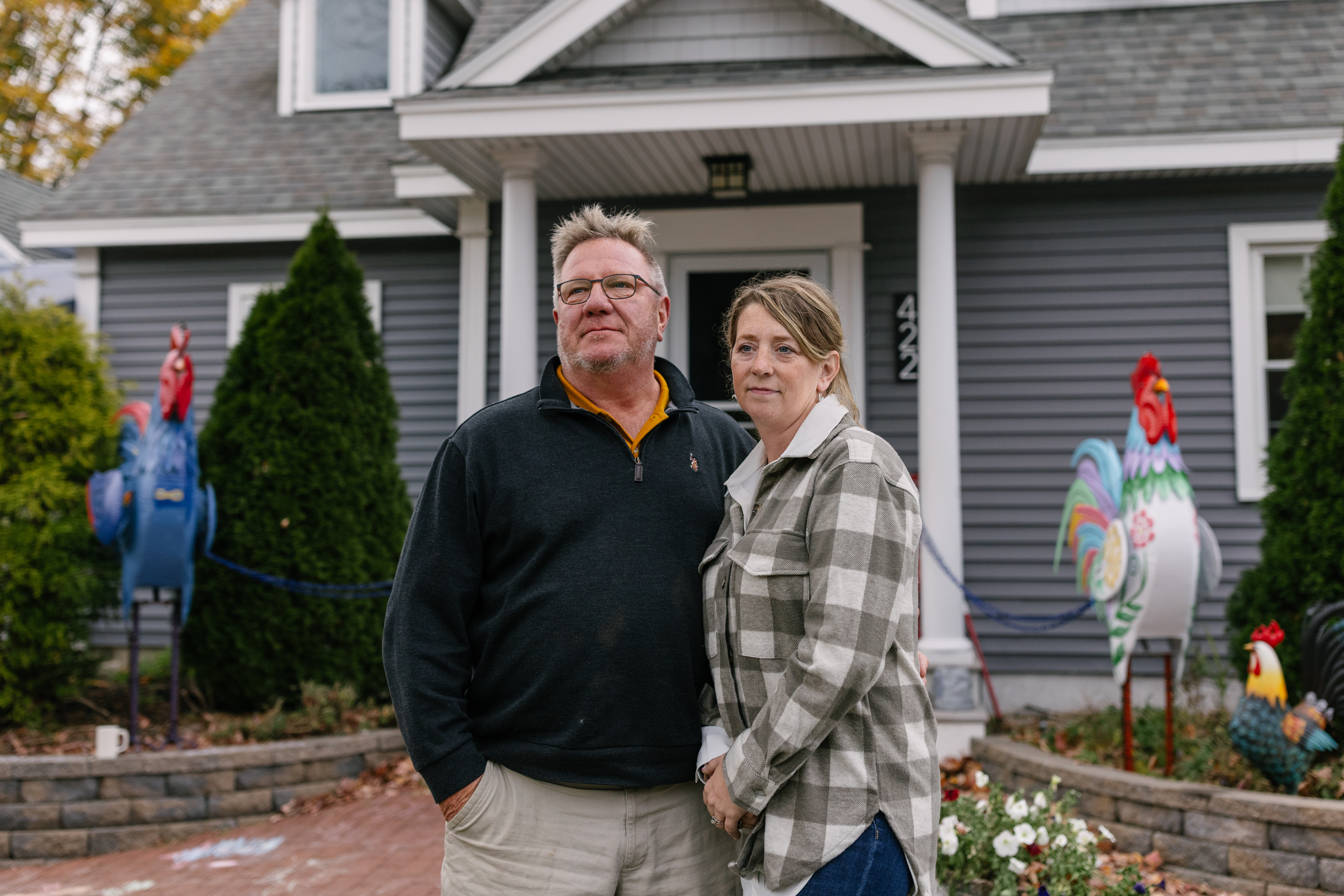
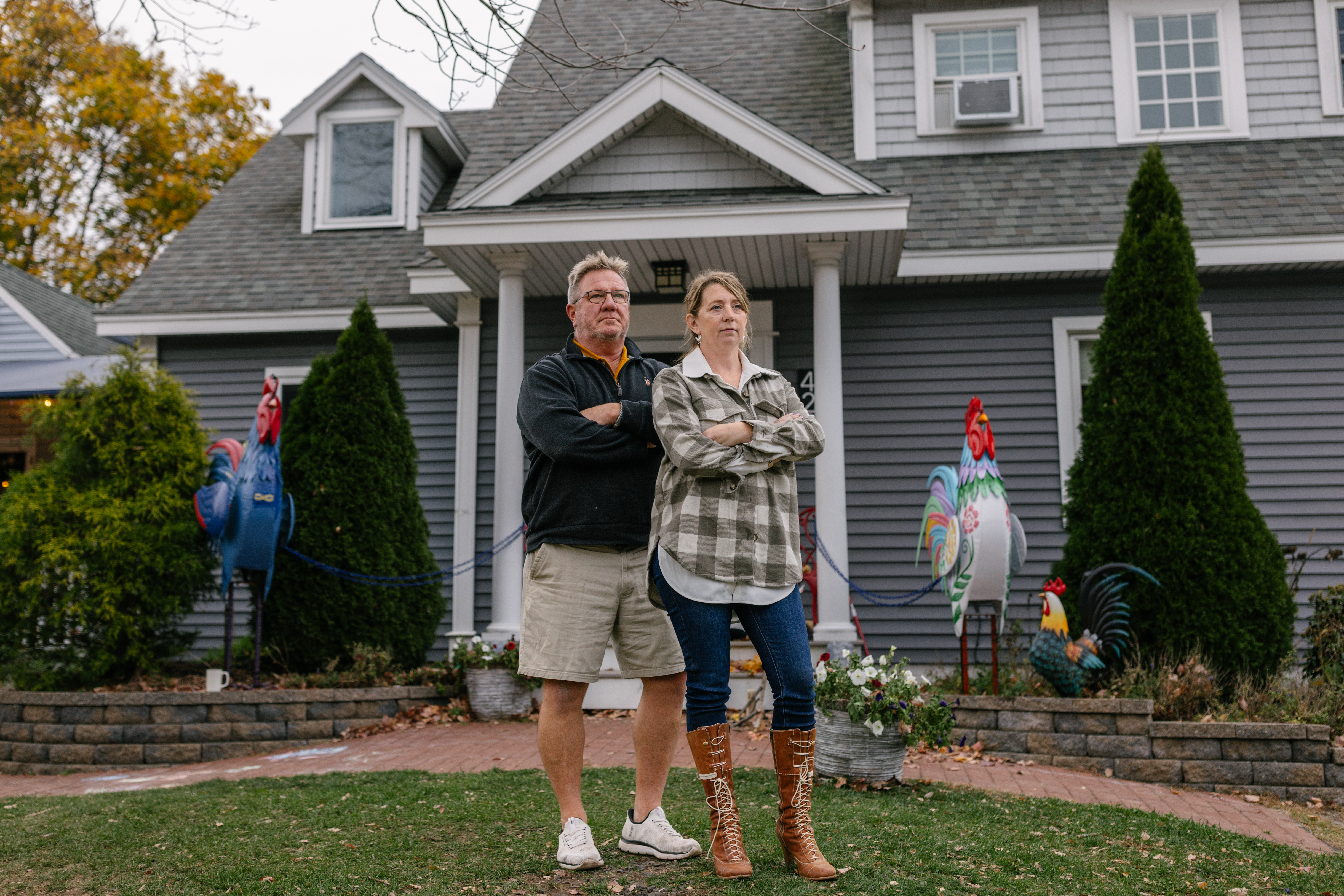
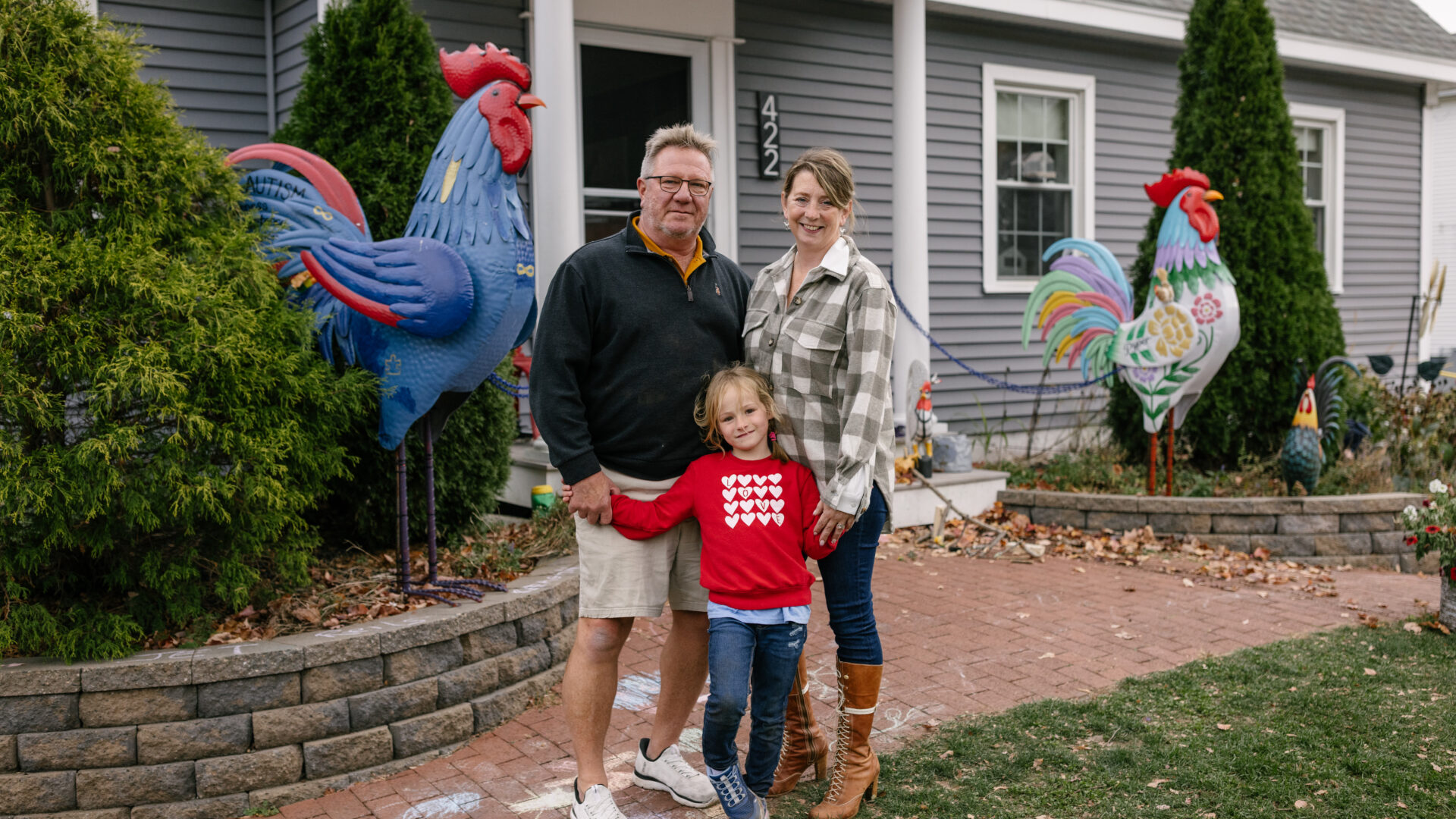
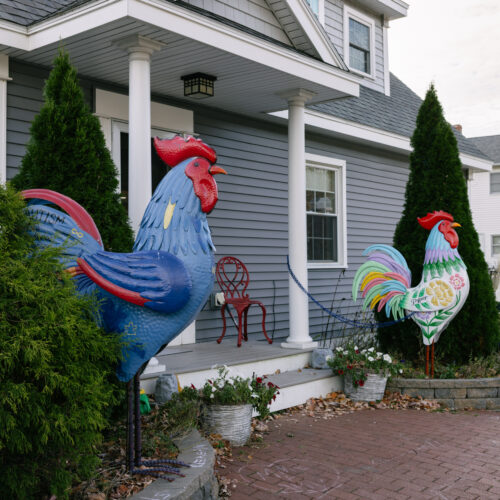
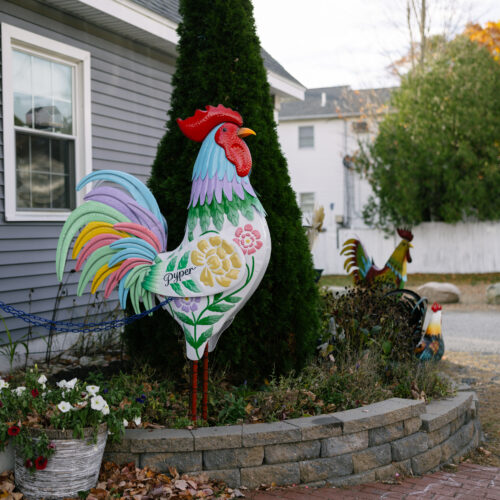
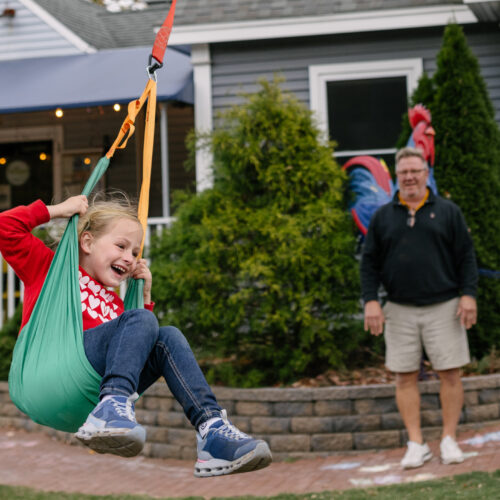
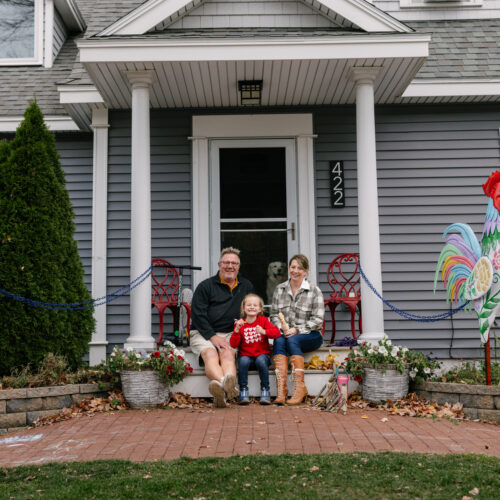
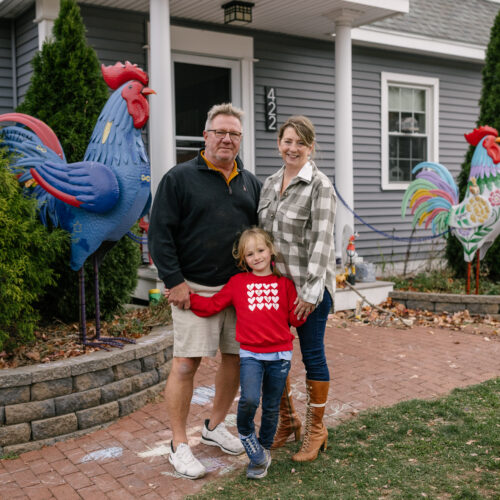
About two years ago, Dave and Sara LeBlanc moved to Ogunquit, Maine, with their adopted daughter, Pyper, and bought the Omelette Factory, a beloved local breakfast institution attached to what is now the family’s home. Pyper is six years old and has autism. She has a special interest in roosters, and when she convinced Dave to bring home a six-foot-tall tin rooster statue, her parents discovered something remarkable: the rooster helped Pyper manage the hardest part of her day, the transition between home and school. Hiding behind it while waiting for the bus and patting its chest when she comes home became part of her daily routine. The LeBlancs bought a few more roosters and lined them up along the edge of their property in front of their home, decorating them for the seasons and holidays.
But the town now says the roosters have to go. According to the town’s code enforcement officer, the roosters are not yard art at all. They are “advertising signs” for the Omelette Factory, and they exceed the size limits in the town’s sign code. The town has fined the LeBlancs, ordered them to remove the statues, and cited them again even after they tried to comply. The LeBlancs’ struggle has inspired dozens of friends and neighbors to put identical roosters in their own yards in solidarity with Pyper. The Town has not fined a single one of them.
That’s unconstitutional. The government doesn’t get to decide what Pyper’s roosters mean and punish her family for it, especially when other families are allowed to display the exact same decorations without being fined. That’s why Dave and Sara have teamed up with the Institute for Justice to file a federal lawsuit challenging Ogunquit’s unconstitutional enforcement of its sign code. Victory will keep Pyper’s roosters where they belong and make clear that labeling something “commercial” is not a loophole towns can use to evade the First Amendment.

Case Team
Attorneys

Daniel Woislaw
Attorney

Griffin Brunk
Litigation Fellow
Staff

Ashlynn Acosta
Paralegal (TX Office)
Media Resources
Get in touch with the media contact for image resources, press releases, and interview requests.
Media Images
Case Documents
Case Summary
Pyper’s Roosters
After founding and running childcare centers in Vermont, Dave and Sara are settling into the “retirement” they always wanted: running the Omelette Factory, a small breakfast spot in Ogunquit, Maine, and raising their adopted daughter, Pyper, an energetic six-year-old with autism. The Omelette Factory is connected to the LeBlancs’ home. Like a lot of small-town businesses, it is as much a part of the family’s life as their living room. For many children with autism, transitions are the hardest moments of the day. For Pyper, leaving the familiarity of home for the school bus, and coming back again, was a daily struggle. Then came the roosters.
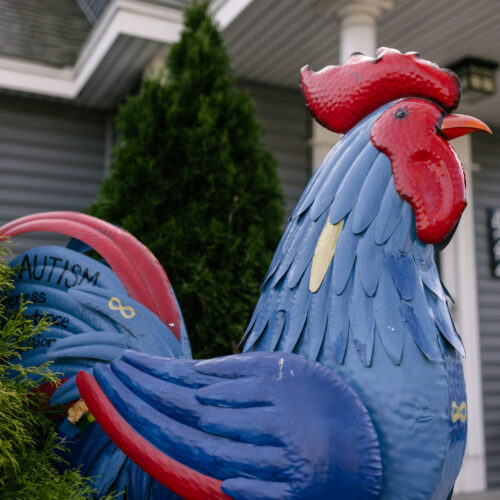
Roosters have been a source of comfort for Pyper from the day she arrived in Dave and Sara’s life, clutching a plush rooster. While at the store one day, Pyper convinced Dave to bring home a six-foot tin rooster. Almost immediately, heading to school became a lot less difficult for her. Pyper would tuck herself into its tail feathers while she waited for the bus. When she got home, she would pat its chest before going inside. The statue gave her a landmark, a ritual, and a sense of safety. Seeing how much it helped, the LeBlancs bought several more roosters, nearly identical, and placed them along the edge of their property in front of the residential side of the building.
The flock was never large. No more than eight roosters were ever on display at once, and the LeBlancs rotated them in and out, dressing them up for the season or holidays. Passersby loved them, stopping to snap photos. Over time, the roosters became a small piece of Ogunquit’s local flavor.
As the roosters grew more popular, the LeBlancs added a rooster to the Omelette Factory logo. Dave said that it had become something like a family crest, symbolizing their love for Pyper. That is the entire extent of the roosters’ connection to the business.
The Town Comes After the Roosters
In the spring of 2026, town officials unilaterally decided that the roosters meant something completely different than what Dave, Sara and Pyper intended: they weren’t an autistic girl’s comfort objects at all, but rather “advertising signs” for the Omelette Factory, and they were bigger than the sign code allows. The town fined the LeBlancs several hundred dollars.
The LeBlancs appealed to the Zoning Hearing Board. They made two simple points: the roosters are not signs, and even if they were, Pyper’s disability should entitle the family to an accommodation. The Board was unmoved on the first point. It refused to reverse the fines and let the LeBlancs keep the roosters on their lawn. On the second point, the Board granted a narrow variance: the LeBlancs could keep two roosters as a disability accommodation, but only if the statues were incorporated into a railing attached to their residence.
There was just one problem: the LeBlanc home has no railing. So the family did the closest thing it could, chaining the remaining two roosters to the decorative pillars flanking the front door. Code enforcement cited them again, apparently because two pillars and a chain are not a railing. The LeBlancs asked the town to explain how, specifically, they could actually comply with the accommodation it had granted, but have received no answer.
The Roosters Take Ogunquit
When the LeBlancs were forced by the town to cull their flock, the citizens of Ogunquit responded in a way officials did not expect. Friends, neighbors, and supporters stepped forward to “foster” the roosters that were on the chopping block. Today, dozens of homes and businesses across Ogunquit display tin roosters of their own, and the birds have become a community symbol of autism awareness and acceptance.
Those roosters are the same statues the town says are illegal signs when they stand in front of the LeBlancs’ home. Yet the town has not fined, cited, or even warned anyone else, only the LeBlancs.
The First Amendment Protects Pyper’s Roosters
A six-foot tin rooster in a front yard is visual art, and visual art is speech protected by the First Amendment. One of the bedrock principles of the Free Speech Clause is that the government cannot discriminate against speech based on its content or on the identity of the person speaking.
That is exactly what Ogunquit is doing. The town has decided that because the LeBlancs own the Omelette Factory, their roosters are commercial advertisements subject to the sign code, while the identical roosters in dozens of other yards and storefronts are harmless decorations. The Town is not regulating roosters, it is actually regulating the LeBlancs, based on who they are and on what officials imagine their statues secretly mean. The Supreme Court has ruled that such content- and speaker-based discrimination is almost always unconstitutional.
In the end, the town’s position rests on the idea that anything connected, however loosely, to a business is subject to the town’s subjective, idiosyncratic preferences. But businesses and the people who own them are not second-class citizens when it comes to free speech, and there is no “related to your business” exception to the First Amendment. The roosters went up to help a little girl get on the school bus. They stayed up because a town fell in love with them. Ogunquit cannot turn them into illegal billboards by fiat, and it cannot punish one family for a display it allows everyone else to enjoy.
The Plaintiffs
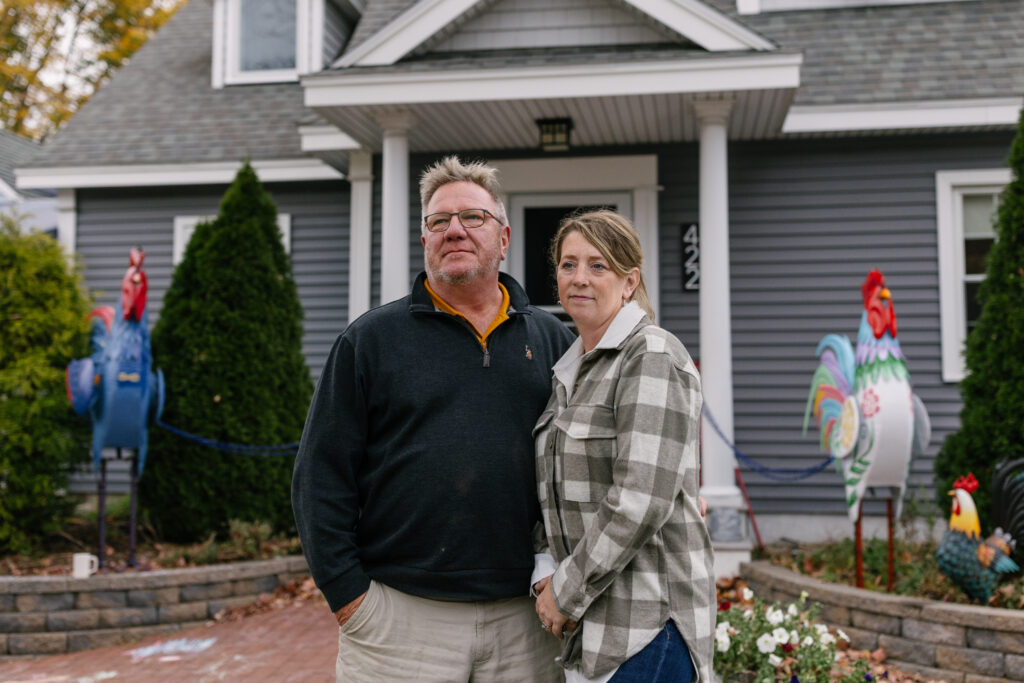
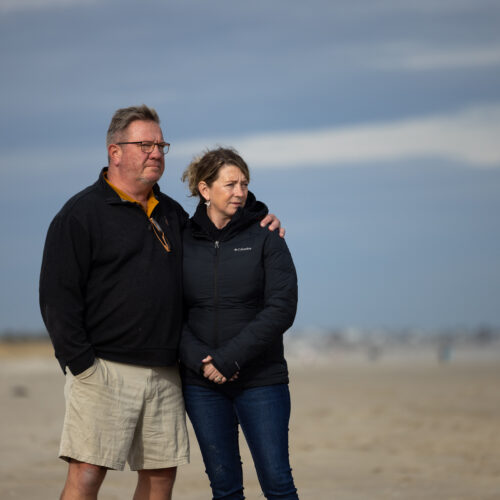
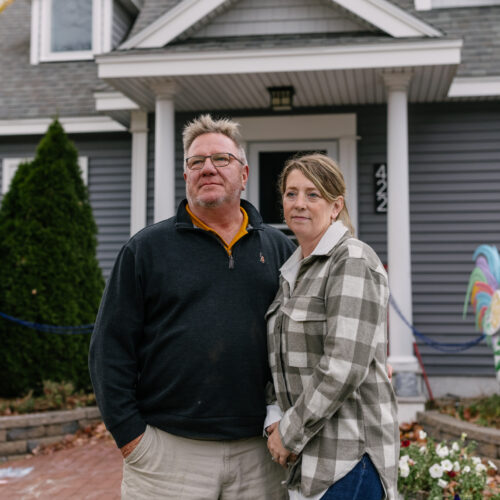
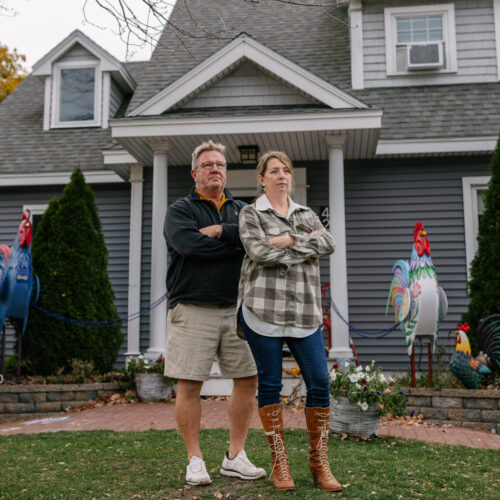
The Plaintiffs are Dave and Sara LeBlanc, Pyper’s parents and small-town restauranteurs.
The Defendant
The Defendant is the town of Ogunquit, Maine.
The Claims and Requested Relief
The LeBlancs are suing in federal district court under the First and Fourteenth Amendments. They are not asking for money. Instead, they are asking the court to (1) declare that the town’s enforcement of its sign code against the roosters violates their First Amendment rights, and (2) issue an order preventing the town from fining, citing, or prosecuting them for displaying the roosters.
The Litigation Team
The lead attorney on this case is Institute for Justice Attorney Daniel Woislaw assisted by Litigation Fellow Griffin Brunk.
About the Institute for Justice’s Sign Code Litigation
The Institute for Justice (IJ) is the national law firm for liberty and a prominent defender of economic liberty and First Amendment free speech rights for individuals, entrepreneurs, and businesses, especially small businesses. IJ is the leading advocate for Americans’ right to speak out using signs, murals, and displays.
IJ has challenged restrictive sign codes in dozens of cities across the country, and has repeatedly won on exactly the fact pattern at issue here: a town deciding that art is really a “sign” because of who made it or what the owner sells. Most recently, a federal court enjoined the town of Conway, New Hampshire, from enforcing its sign code against a student-painted mural of baked goods on a bakery. IJ also won a challenge to Mandan, North Dakota’s treatment of a saloon’s mural as a sign, and persuaded Orange Park, Florida, to rewrite its sign code after it tried to ban a gaming store’s inflatable Mario. IJ’s other sign cases include a doggy daycare’s mural in Arlington, Virginia; a gym’s portable sign in Sacramento, California; a bagel store’s sandwich board in Redmond, Washington; a protest sign in Norfolk, Virginia; and an individual’s for-sale sign on his car in Glendale, Ohio.