Economic Liberty
Institute for Justice Partners with Wildtype and UPSIDE Foods to Sue Texas to End Ban on Sale of Cultivated Meat
Wildtype and UPSIDE Foods challenge Texas’s ban on cultivated meat. Texas’ ban is about one thing: protecting in-state agricultural interest from innovative, out-of-state competition.
- Case Name
- Wildtype and UPSIDE Foods v. Shuford
- Issue Areas
- Status
- Active Cases
- Location
- Austin, Texas
- Date Filed
- September 2, 2025
The Case
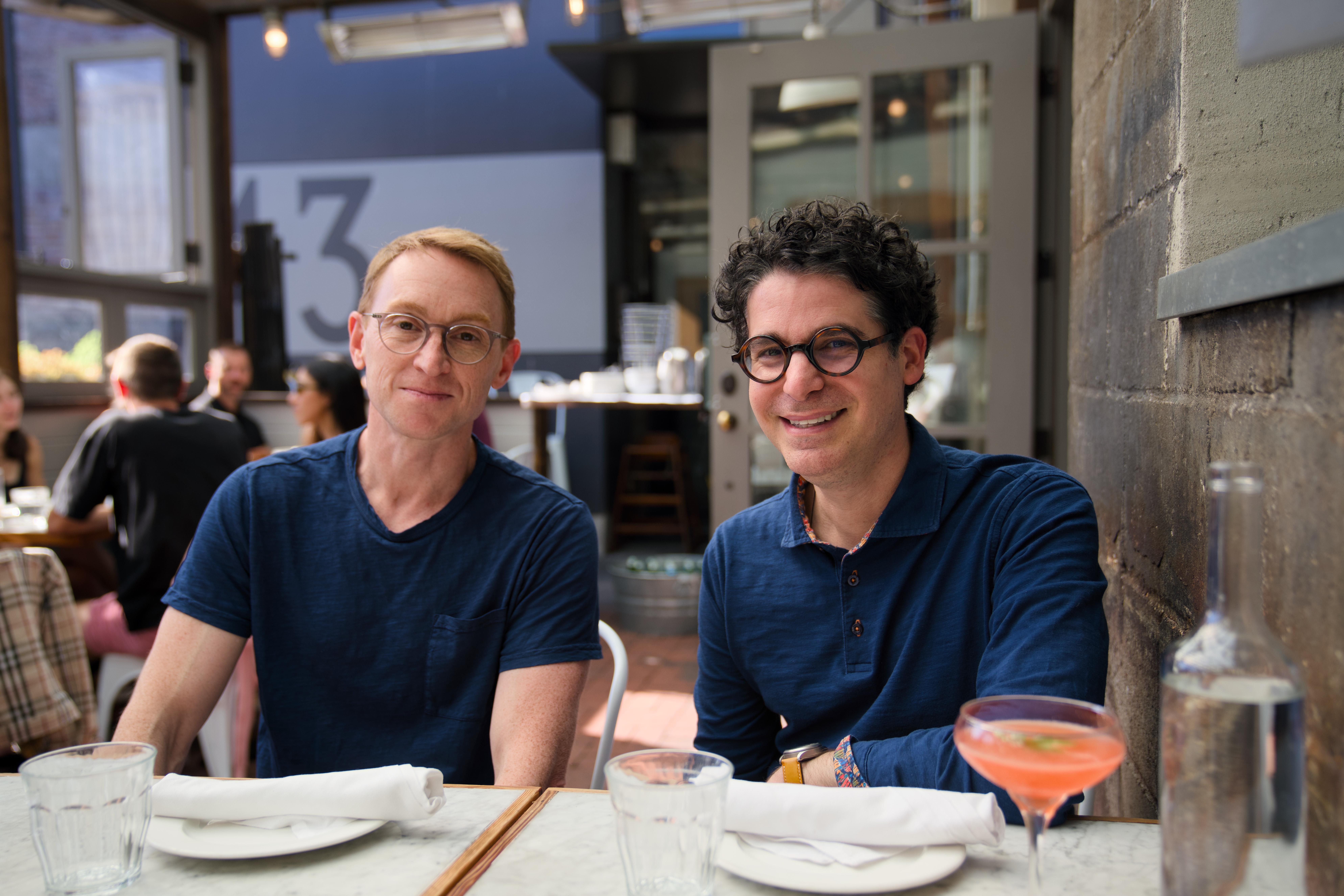
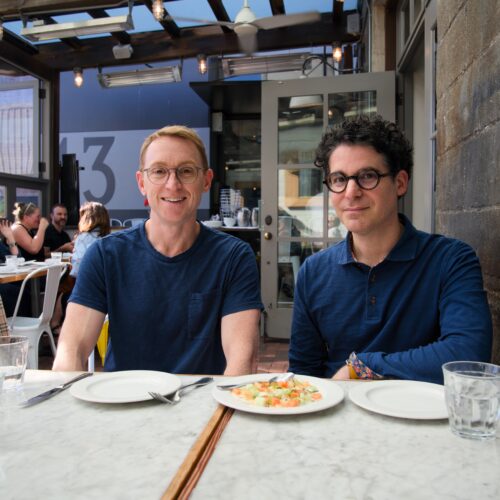
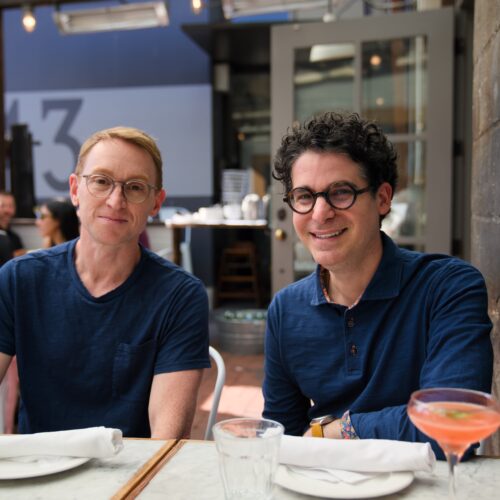
Driven by a vision to transform how the world thinks about food, Wildtype and UPSIDE Foods are two pioneering California companies working to produce innovative cultivated meat—meat produced without the need to raise or slaughter animals. Wildtype was founded by Aryé Elfenbein and Justin Kolbeck with the goal of making seafood cleaner and more accessible. And UPSIDE was founded by Uma Valeti who aimed to provide an alternative to conventional meat. Both were inspired to provide consumers with choices that align with their individual needs and values.
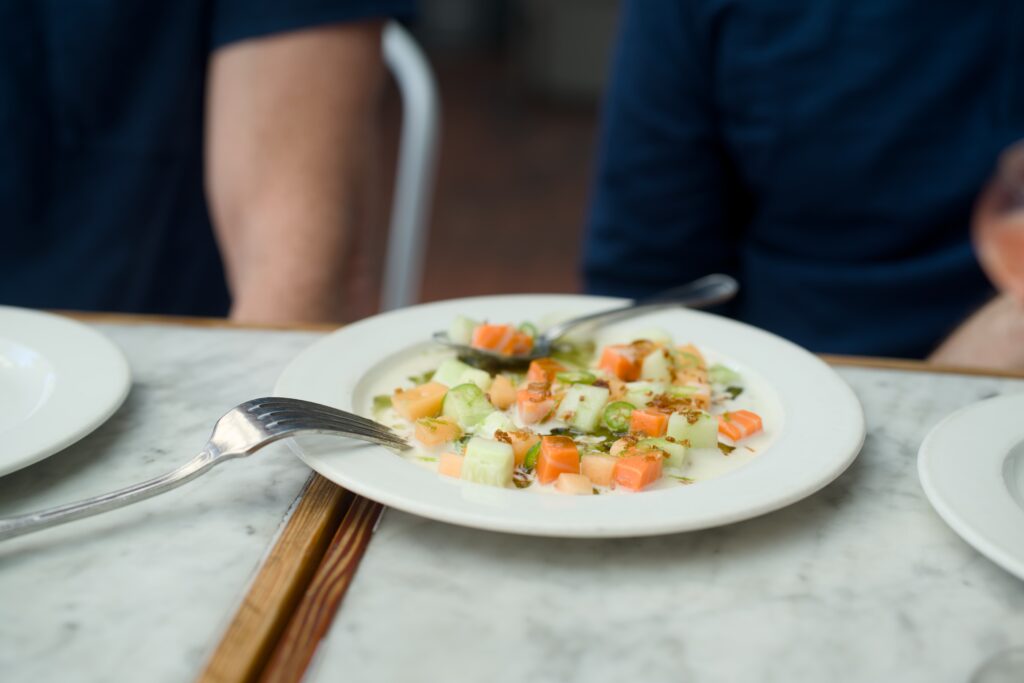
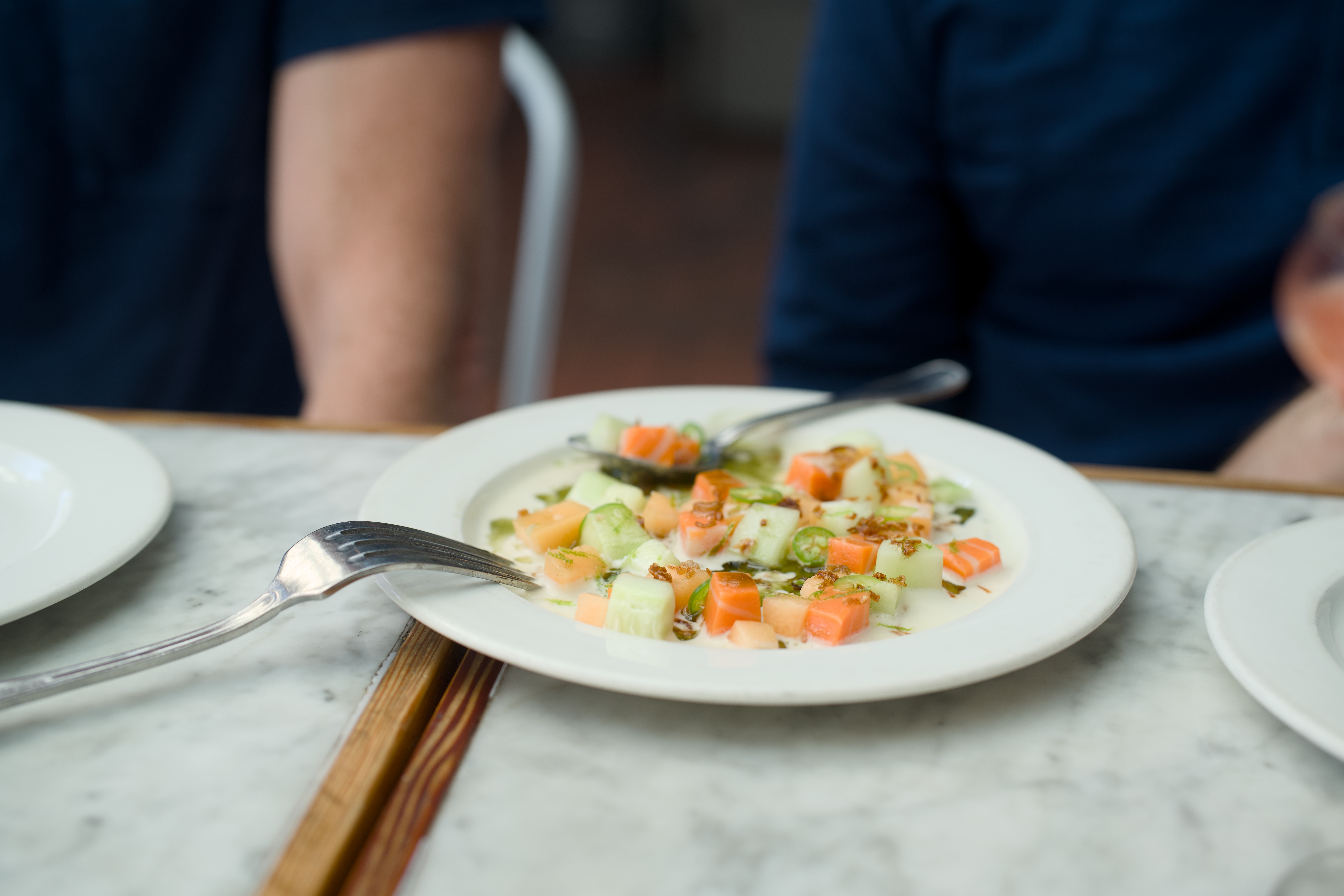
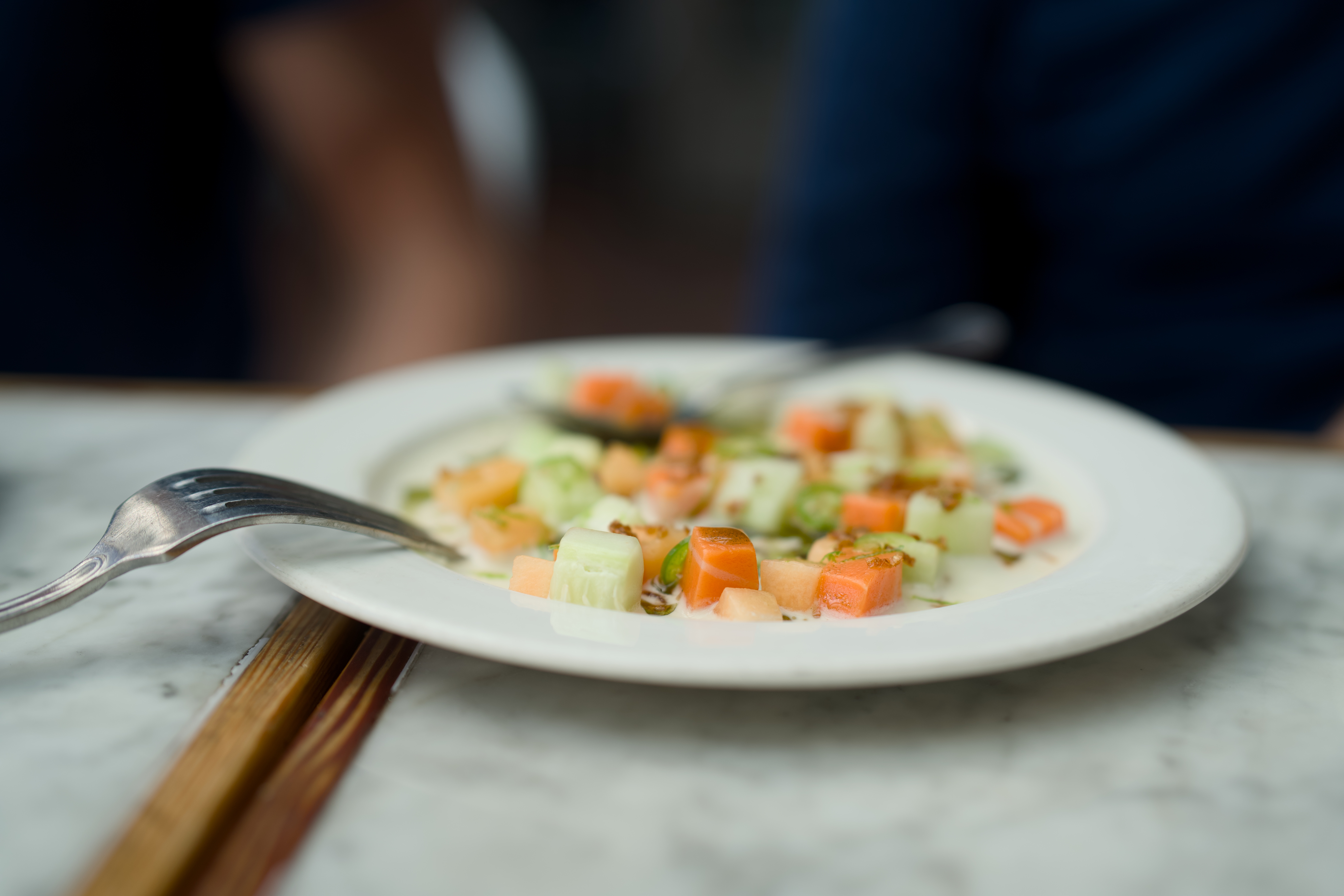
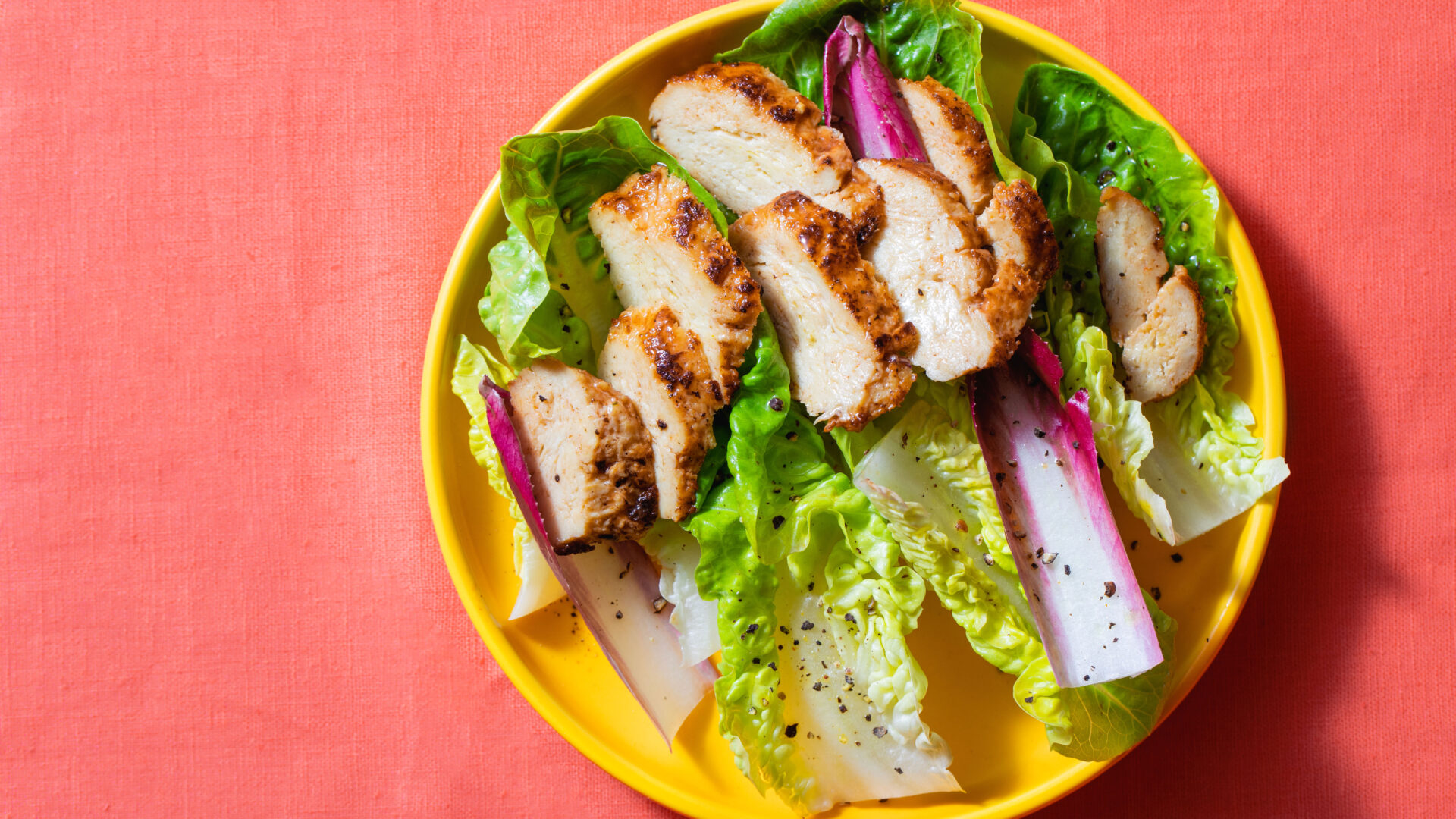
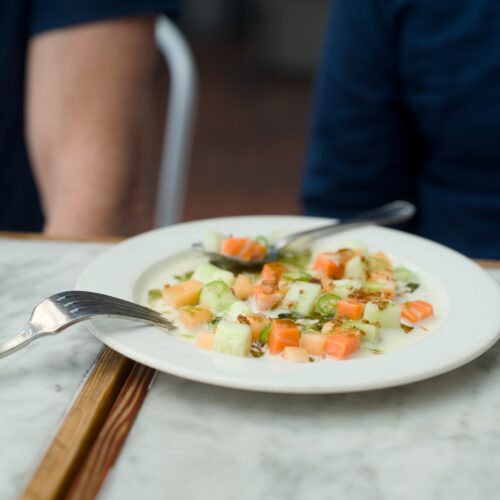
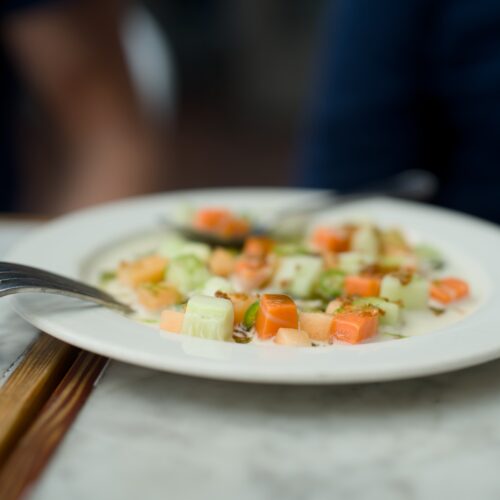
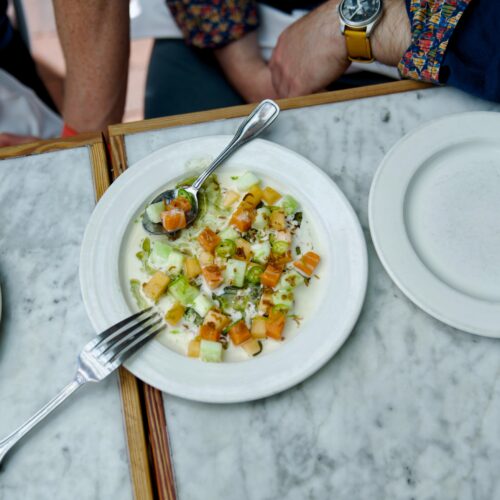
After years of research, both Wildtype and UPSIDE succeeded in creating cultivated seafood and meat grown from real animal cells. UPSIDE’s flagship product is real chicken meat grown from real chicken cells. Wildtype focused on seafood, and succeeded in producing sushi-grade cultivated salmon. After completing rigorous safety assessments, both companies received approval from the FDA to distribute their cultivated meat products across the country, including in Texas.

That’s when Texas’ powerful agriculture industry mobilized, and with intense lobbying by the state’s cattle industry, convinced the Texas Legislature to ban the sale of cultivated meat.
Texas’ ban is about one thing: protecting in-state agricultural interest from innovative, out-of-state competition. That’s not just wrong, it’s unconstitutional.
Now, Wildtype and UPSIDE are fighting back. With help from the Institute for Justice, they’ve filed a lawsuit challenging Texas’ ban for violating the Commerce and Supremacy Clauses of the U.S. Constitution. Together, we will end Texas’ protectionist ban—and vindicate the right of consumers to decide for themselves what they want to eat.
Case Team
Attorneys

Paul Sherman
Senior Attorney

Marco Vasquez Jr.
Attorney
Arif Panju
Managing Attorney of the Texas Office
Staff

J. Justin Wilson
Vice President for Communications

Ashlynn Acosta
Paralegal (TX Office)
Media Resources
Get in touch with the media contact for image resources, press releases, and interview requests.
Media Images


Case Documents
Case Summary
Case Backgrounder
Texans love meat, and Texas ranchers raise a tremendous amount of it. The state leads the nation with more than 12 million head of cattle. In 2024 alone, the state produced nearly 4.5 billion pounds of beef.
For some consumers, though, these staggering numbers raise ethical and environmental concerns. Still others have health concerns that the meat they consume may have been treated with antibiotics, exposed to environmental contaminants, or infected with parasites. These consumers may love meat, but wish that the free market provided options that addressed their concerns. At the same time, others see cultivated meat as a promising technical solution—an innovation designed not only to address individual preferences but to bolster the overall food security of the United States by diversifying and strengthening the nation’s supply of safe, reliable protein.
Enter Wildtype and UPSIDE Foods—two startup companies based in California that manufacture cultivated meat and seafood. Cultivated meat is real meat grown from real animal cells, but it doesn’t require raising or killing animals. That means consumers can experience the taste they know and love without compromising their values.
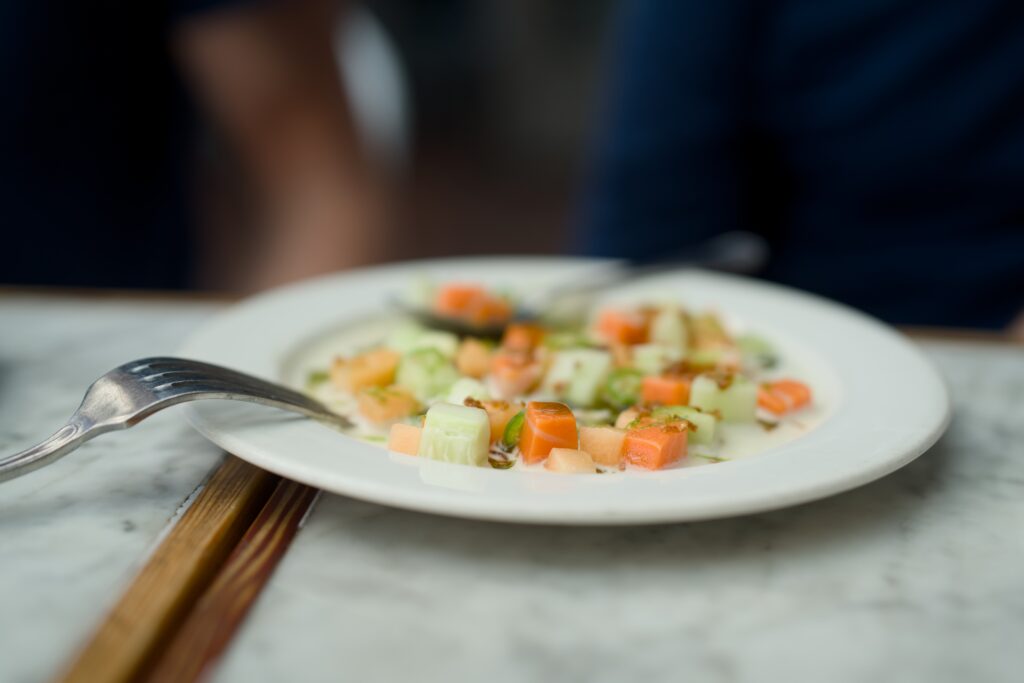
But although Wildtype’s and UPSIDE’s innovative products are safe and cleared for sale in all 50 states, not everyone is a fan of these new entrants into the market, and several states have banned the sale of these products. That includes Texas, which on June 20, 2025, passed SB 261, a total ban on the sale of cultivated meat in the state. The ban went into effect on September 1, 2025.
Why did Texas ban cultivated meat? It’s not because of concerns about health and safety. After all, the FDA evaluated the safety of both companies’ products and gave them the green light to sell throughout the United States. Instead, Texas banned cultivated meat to protect its politically powerful agriculture industry from out-of-state competition.
Texas made little secret of its intention. A leading sponsor of SB 261 said openly on the Texas House floor that “the goal of this bill is to protect our agriculture industry.”
But protecting in-state agricultural interests from innovative, out-of-state alternatives is not a legitimate use of government power. Indeed, a driving force behind the adoption of the U.S. Constitution was to facilitate a nationwide open market and prevent protectionist state laws.
That’s why Wildtype and UPSIDE have joined with the Institute for Justice to file a federal lawsuit challenging Texas’ ban on cultivated meat. The lawsuit, filed in the U.S. District Court of the Western District of Texas on September 2, 2025, raises claims under the Commerce Clause and the Supremacy Clause of the U.S. Constitution.
All Wildtype and UPSIDE want is the right to sell their innovative products to willing Texas consumers. Texans who don’t want to try it don’t have to eat it, but they can’t ban their fellow Texans from deciding for themselves what foods to buy. The Constitution protects the freedom of Texas consumers to make that decision for themselves.
Wildtype & UPSIDE Foods
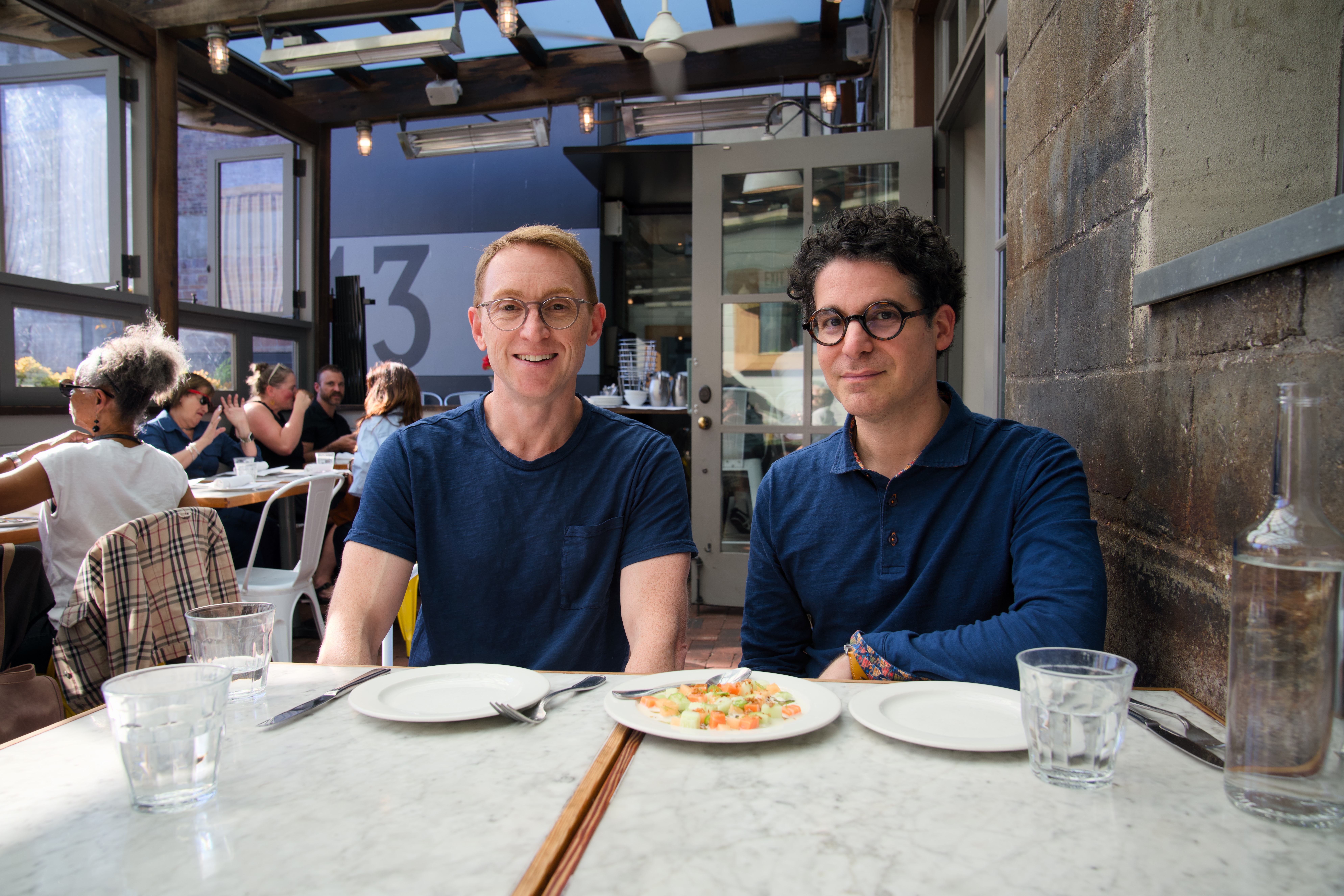
Wildtype was founded in 2016 by Dr. Aryé Elfenbein, a cardiologist, and Justin Kolbeck, a former U.S. Foreign Service Officer. Their goal: provide clean and accessible seafood . To that end, in 2021 Wildtype opened a production facility in San Francisco to create “cultivated salmon” from real salmon cells.
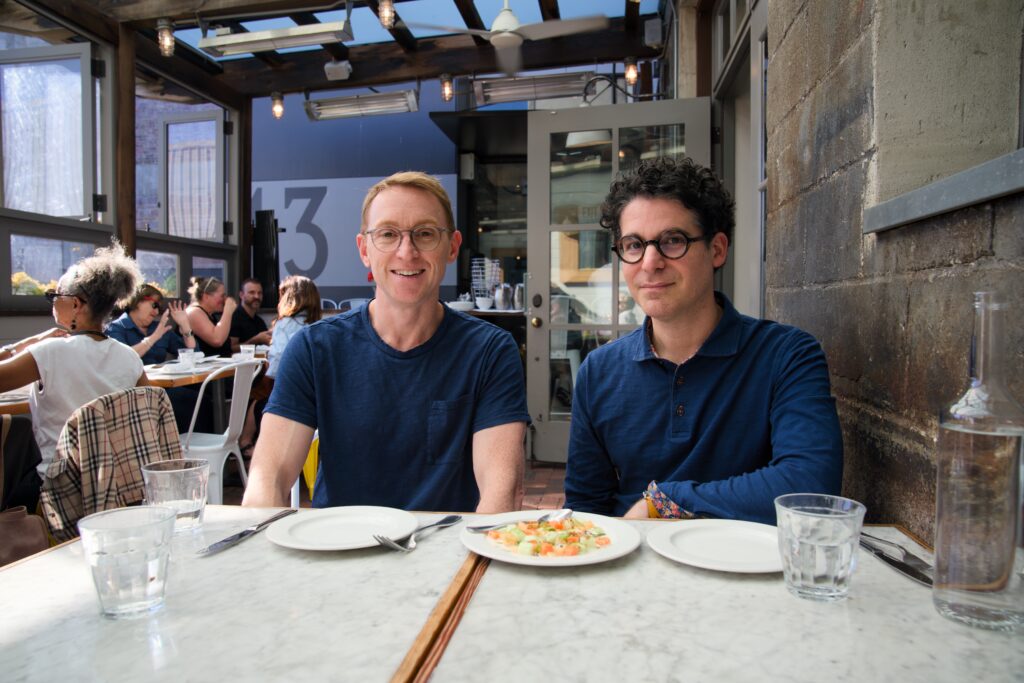
UPSIDE CEO and co-founder Dr. Uma Valeti had a similar vision. While training to become a cardiologist, Uma was also busy running the student kitchen at his medical school. Needing to buy several hundred pounds of meat, he took a trip to a local slaughterhouse. That trip would prove transformative. As Uma describes it, “I left that day knowing I never wanted to set foot in a slaughterhouse again, and with a firm belief that there simply had to be a better way to feed people.” Hoping to turn that belief into a reality, Uma founded UPSIDE Foods (previously known as Memphis Meats) in 2015. His vision was to produce delicious, safe, high-quality “cultivated meat” from real animal cells—no slaughterhouse required.
Cultivated Meat Gets Federal Approval
Wildtype’s and UPSIDE’s products are made of the same cell types as conventional seafood and meat, but the cells are grown directly, rather than grown in an animal. Those cells can then be arranged into similar structures as animal tissues, replicating the taste, texture, and nutritional profiles of conventional meat.
The manufacturing process begins with acquiring and banking cells from an animal. These cells are then grown under clean, controlled conditions. Much like what happens inside an animal’s body, the cells are fed basic nutrients and proteins. Once mature, the cells are then harvested, prepared, and packaged into final products.

Both Wildtype and UPSIDE completed federal regulatory milestones that allow them to sell cultivated meat across the United States. In May 2025, after the FDA concluded its pre-market consultation with Wildtype regarding its cultivated salmon, the FDA issued a “no questions” letter to Wildtype, which indicated that the FDA had reviewed the evidence that Wildtype’s product was safe and had no questions with those conclusion. UPSIDE received a similar “no questions” letter in November 2022 after the FDA concluded its pre-market consultation with UPSIDE regarding its cultivated chicken product. Because chicken products are separately regulated by the USDA, UPSIDE was subject to—and cleared—additional regulatory hurdles with that agency.
Following their regulatory approval, both Wildtype and UPSIDE have shared or sold their cultivated meat products throughout the country, including in Austin, Texas. But both companies had to put further plans in Texas on hold after Texas banned cultivated meat.
Texas’ Ban on Cultivated Meat
On June 20, 2025, Texas Gov. Greg Abbott signed SB 261, which bans the sale of cultivated meat in Texas. The law went into effect on September 1, 2025. Violations of Texas’ ban can include an administrative penalty of up to $25,000 per day, a civil penalty of up to $25,000 per day, and up to one year in jail for a first offense. 1
There are no Texas-based sellers of cultivated meat, and there is overwhelming evidence that the primary purpose behind SB 261 was to prevent out-of-state companies from entering the Texas market and competing with its politically powerful agricultural industry. One need look no further than the “Statement of Intent” filed by the bill’s author, which claims that “[t]he introduction of lab-grown meat could disrupt traditional livestock markets, affecting rural economies and family farms” and argues that SB 261 would “support traditional agriculture.” SB 261’s author repeated his concerns during a committee hearing 2 . Another Texas senator at the same hearing even joked about how “tough” it is to oppose a bill like SB 261 “when your family’s in the cattle business.” 3
These views were echoed in the Texas House, where the SB 261 lead House co-sponsor repeatedly emphasized that the “goal of this bill is to protect our agriculture industry.” 4 Immediately before the House’s vote on the bill, this same co-sponsor urged his colleagues to vote yes on SB 261 “in support of our cattle raisers and our meat producers.” 5
The Commissioner of the Texas Department of Agriculture similarly praised the ban as “a massive win for Texas ranchers.” In his view, it was “plain cowboy logic that we must safeguard our real, authentic meat industry” from what he described as “synthetic alternatives.”
Legal Claims
A driving purpose behind the enactment of the U.S. Constitution was the desire to create a national common market and remove state trade barriers. 6 Texas’ ban on the sale of cultivated meat violates two constitutional provisions: the Commerce Clause and the Supremacy Clause.
Commerce Clause
Texas’ ban on cultivated meat was enacted with the express purpose of protecting the in-state agriculture industry from purely out-of-state competition. There are no sellers of cultivated meat based in Texas. Instead, all of them are based outside of Texas. And Texas made no secret of the fact that its ban was intended to keep these out-of-state businesses from competing with in-state producers of conventional meat.
That violates the Commerce Clause of the U.S. Constitution. The Commerce Clause grants the U.S. Congress the exclusive power to regulate interstate commerce. And from our country’s earliest decisions interpreting that power, the clause has been understood not only to grant Congress affirmative power to regulate interstate commerce, but to deprive states of the power to enact laws that unduly restrict interstate commerce.
One aspect of the Commerce Clause is commonly known as the Dormant Commerce Clause. And, as the Supreme Court wrote, it “prohibits economic protectionism—that is, regulatory measures designed to benefit in-state economic interests by burdening out-of-state competitors.” 7 That includes not only laws that expressly single out out-of-state interests for disfavored treatment, but also laws, like Texas’, that are neutral on their face but have the purpose or effect of discriminating against interstate commerce. 8
Supremacy Clause
The Supremacy Clause makes the Constitution and federal laws the highest law of the land, meaning state laws that conflict with federal law can be invalidated through federal preemption.
Congress—exercising its power under the Commerce Clause—has enacted a variety of laws that regulate the interstate market in meat. Most relevant is the Poultry Products Inspection Act, 9 which contains express preemption provisions that prevent states from enacting laws that conflict with or exceed those in federal law. 10 Texas’ ban on UPSIDE’s cultivated chicken product violates two of these provisions.
First, Texas’ ban imposes “ingredient requirements” that exceed those in federal law. Second, Texas’ ban imposes restrictions on “premises, facilities, and operations” that exceed those in federal law.
Litigation Team
The litigation team is IJ Senior Attorney Paul Sherman and IJ Attorney Marco Vasquez Jr.
The Institute for Justice
Founded in 1991, the Institute for Justice is the national law firm for liberty. For over 30 years and at no cost to clients, IJ has litigated in courts of law and in the court of public opinion to defend the rights of entrepreneurs and consumers to engage in a wide array of commerce free of burdensome, irrational, and arbitrary government interference. In August 2024, IJ challenged Florida’s first-in-the-nation ban on the manufacture, distribution, or sale of cultivated meat. That lawsuit, filed on behalf of UPSIDE Foods, is ongoing. More broadly, IJ’s National Food Freedom Initiative seeks to protect the rights of food entrepreneurs against irrational and overly burdensome regulations.